

 English
 日本語
日本語
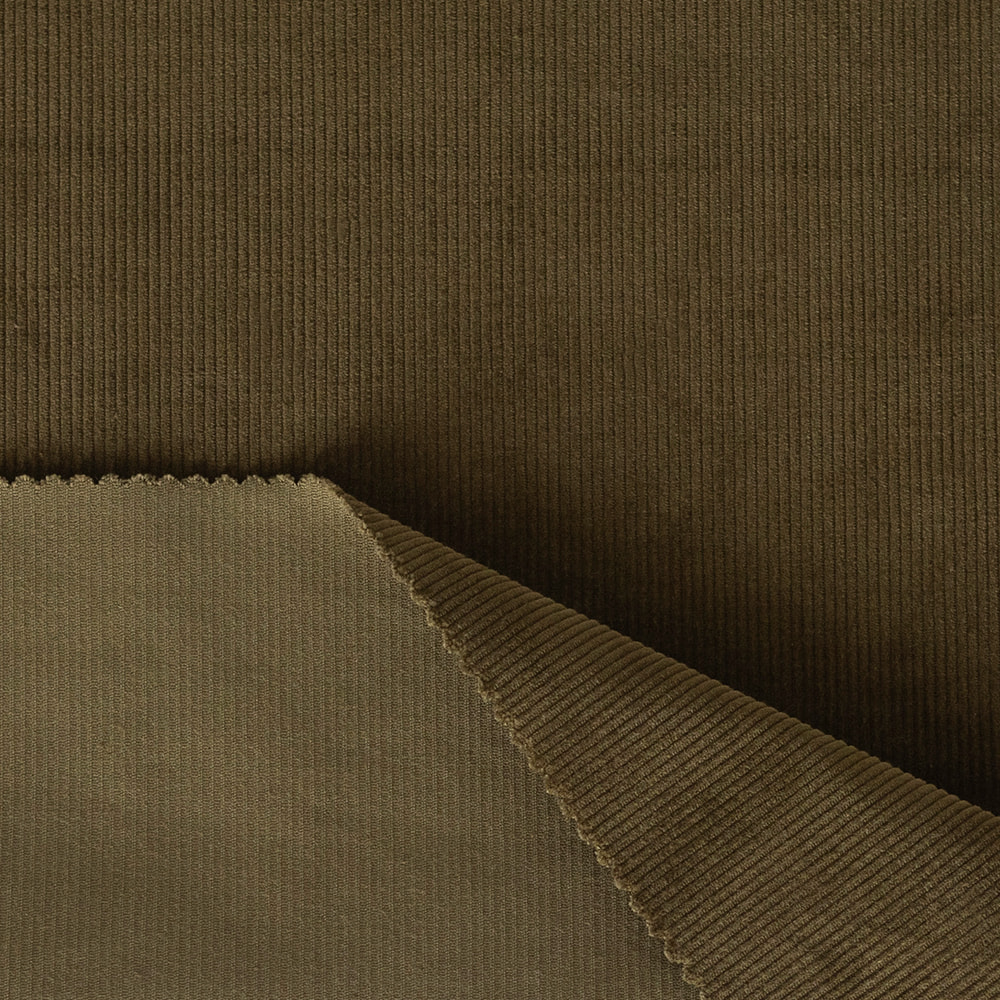
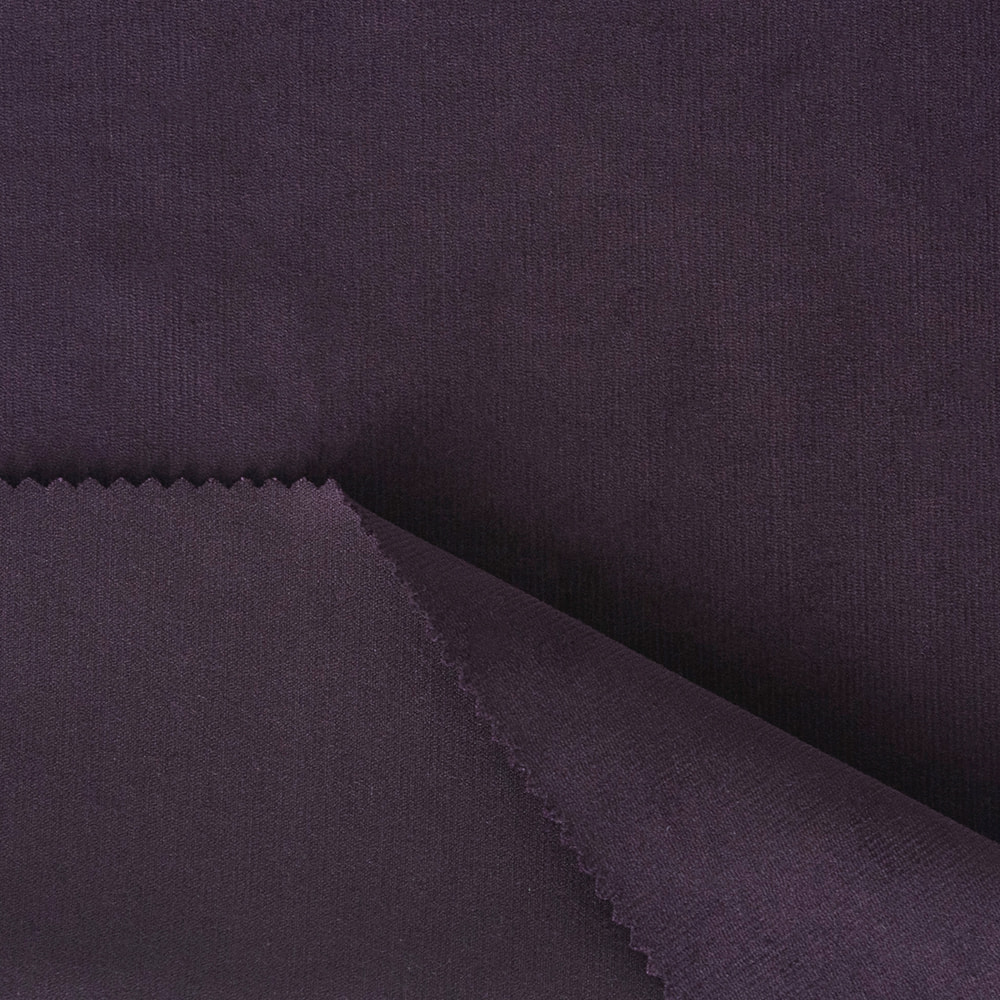
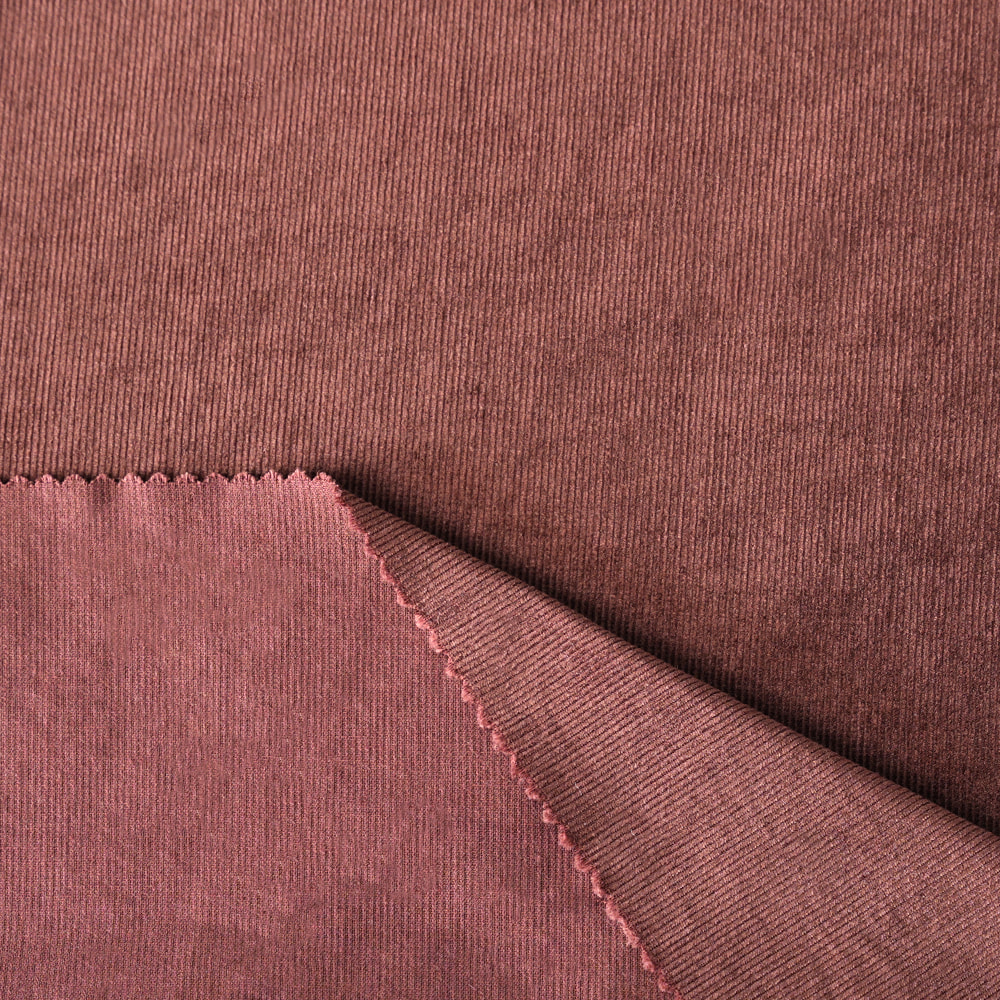
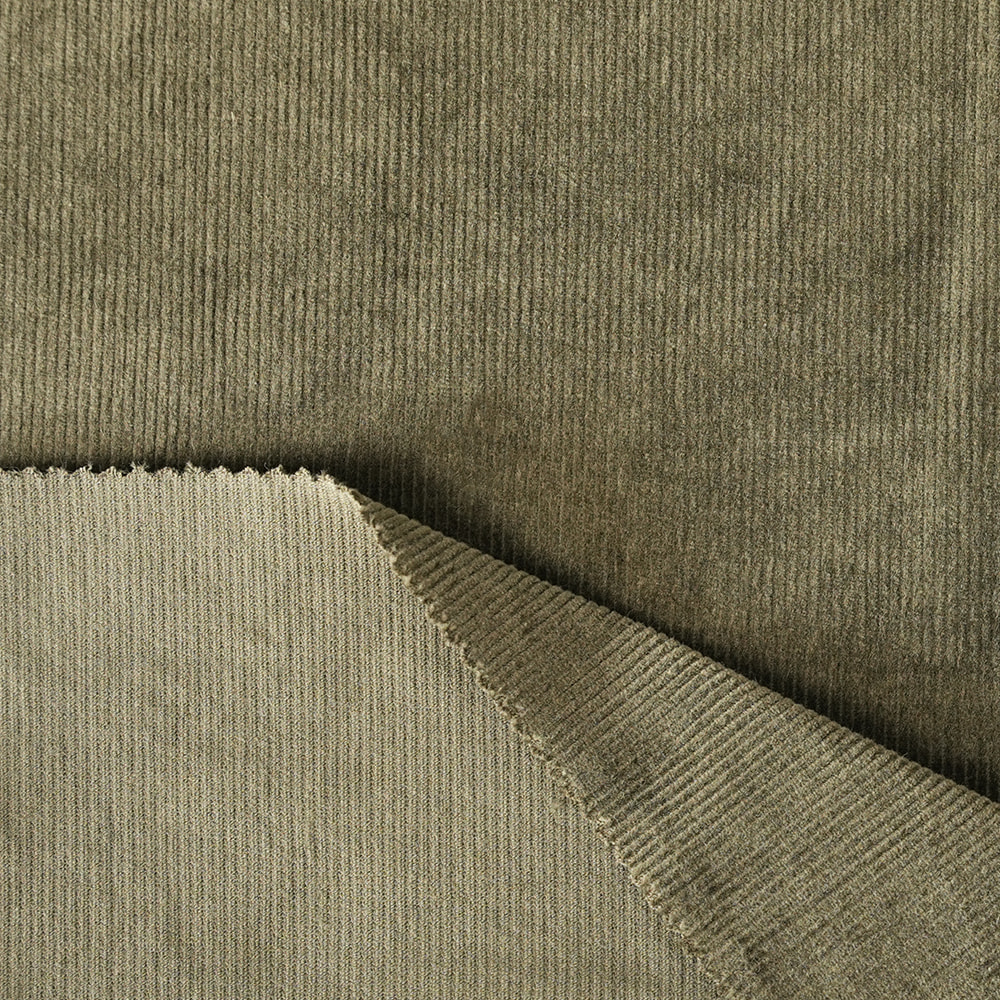


Get Directions
Textile Industry Zone, East Hutang Town, Wujin District,213100 Changzhou,China
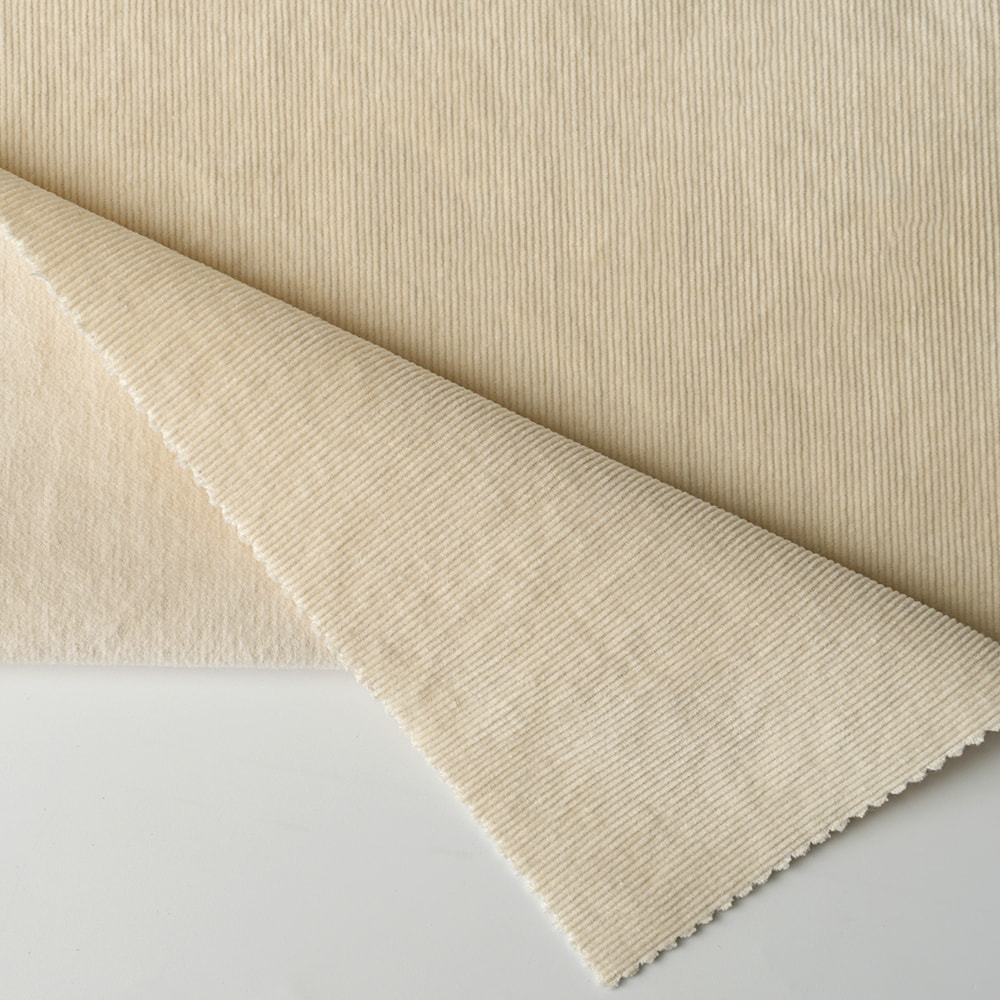
White corduroy fabric combines the distinctive ribbed texture of traditional corduroy with a clean, versatile colorway that works across apparel, childrenswear, and home furnishings. Unlike deeper tones that mask surface variation, white amplifies every structural detail of the fabric — the pile height, the wale width, and the direction of the nap all become immediately visible. This makes white corduroy one of the most specification-sensitive colors in the corduroy range, and understanding its construction, behavior, and care requirements is essential for designers, buyers, and sewers alike. For a broader look at corduroy fabric features and what makes cotton corduroy the industry standard, that foundational context applies directly to the white variant discussed here.
Content
White corduroy is a cut-pile woven textile defined by its parallel vertical ridges — called wales — running along the fabric's length, finished in an undyed, bleached, or white-dyed state. The fabric is most commonly constructed from 100% cotton or cotton blends incorporating polyester, spandex, or Tencel, with the specific fiber content directly influencing how the white finish appears and how well it retains its brightness over time.
The wale count — the number of ridges per inch — plays a particularly significant role in white corduroy. Because white reflects light rather than absorbing it, the ridge-and-valley structure of the pile creates high-contrast shadow lines that are more visible in white than in darker shades. A wide-wale white corduroy (3–6 wales per inch) produces bold, sculptural shadow lines and a pronounced tactile texture. A fine or pinwale white corduroy (16–21 wales per inch) reads as almost smooth from a distance, with a soft sheen closer to velvet. Mid-wale constructions (8–11 wales per inch) sit between the two, offering a balanced visual texture suitable for the widest range of end uses.
White corduroy is available in both piece-dyed and yarn-dyed constructions. Piece-dyed white corduroy — where the finished fabric is dyed or bleached after weaving — tends to produce the most uniform, consistent white surface. Yarn-dyed constructions using pre-whitened yarns offer slightly more dimensional color variation between the ridges and valleys, which can appear as a subtle tonal effect in certain lighting conditions.
The production of white corduroy follows the same core manufacturing stages as any corduroy — base weaving, float cutting, pile brushing, and finishing — but the dyeing and bleaching steps require additional precision. A full account of what corduroy is made of explains the underlying weave structure; white corduroy simply applies that construction to a light-end color that exposes any processing inconsistency.
After the base fabric is woven and the extra filling yarns are cut to form the pile, the fabric undergoes scouring to remove natural cotton waxes, oils, and impurities. This step is more critical for white corduroy than for any other color because residual oils or processing chemicals can cause the fabric to appear cream, yellow, or uneven under bright lighting. Following scouring, the fabric is typically bleached using either hydrogen peroxide or optical brightening agents to achieve the desired level of whiteness.
The bleaching process must be carefully controlled for corduroy because the pile structure is more sensitive to chemical degradation than a flat-woven fabric. Over-bleaching weakens the individual pile fibers, reducing the fabric's characteristic durability and causing premature pile loss at the wale tips. Premium white corduroy manufacturers calibrate bleaching intensity to achieve brightness targets while preserving fiber tensile strength.
Post-bleaching, the pile is brushed and set to ensure uniform height across the full fabric width. A final calendaring or steaming step smooths the base fabric and enhances the pile's surface reflectance, giving white corduroy its characteristic clean, bright appearance. Some constructions receive a soil-release or stain-resist finish at this stage, which is particularly practical given white's susceptibility to marking.
White corduroy shares the fundamental performance properties of the broader corduroy family — durability, warmth, and breathability — but its light color introduces several distinctive visual and practical characteristics that set it apart from colored variants. For comparison, black corduroy fabric sits at the opposite end of the color spectrum, and the contrast between the two illustrates how dramatically color affects corduroy's optical behavior.
White corduroy's combination of textural richness and clean color makes it one of the more versatile corduroy options across both fashion and interior applications, provided end uses are selected to match its practical characteristics.
In apparel, white corduroy is most commonly used for spring and summer collections where its brightness and lighter-weight fine or mid-wale constructions create garments that feel fresh and considered rather than heavy. Key fashion applications include:
In interior design, white corduroy is used selectively where texture is the primary design objective. It works well for cushion covers, decorative throw pillows, and upholstered accent chairs where a white textile is desired but plain cotton or linen would appear flat. The wale structure adds depth and dimension that reads across a room in a way smooth white fabrics cannot achieve. White corduroy curtains are less common given the fabric's weight and soil sensitivity, but are used in dedicated bedroom and lounge applications where they contribute both insulation and visual warmth.
Wale count is the single most consequential specification decision when sourcing white corduroy. Because white amplifies the visual contrast between ridges and valleys, the chosen wale count will define the fabric's entire visual character. A thorough explanation of wide and plush corduroy covers the structural principles in detail; the table below applies those principles specifically to white.
| Wale Count | Visual Character in White | Best Applications |
|---|---|---|
| Pinwale / Fine (16–21 WPI) | Near-smooth, velvety, subtle sheen | Dress trousers, blouses, children's wear, fitted skirts |
| Mid-wale (8–11 WPI) | Clearly textured, balanced shadow lines | Casual trousers, overshirts, blazers, cushion covers |
| Wide-wale (3–6 WPI) | Bold, graphic ridges, strong shadow contrast | Statement outerwear, upholstery, accent furniture |
| Jumbo wale (1.5–2 WPI) | Sculptural, dramatic — approaches boucle visually | Decorative home textiles, statement fashion pieces |
Beyond wale count, fiber content significantly affects white corduroy's performance. 100% cotton white corduroy offers the best natural brightness and dye absorption, making it the standard for premium applications. Cotton-polyester blends improve wrinkle resistance and reduce shrinkage but can produce a slightly warmer, less brilliant white tone. Stretch constructions with 2–5% spandex are recommended for fitted garments where the rigidity of standard corduroy would restrict movement.
White corduroy requires attentive care to maintain its brightness and pile structure over time. The combination of white's visibility and corduroy's sensitive pile construction means that both washing method and drying technique matter more than for most fabrics.
With correct care, white corduroy maintains its brightness, pile integrity, and structural durability through many seasons of use — making the initial investment in quality fabric and careful maintenance fully justified.
Please feel welcome to contact our friendly reception staff with any general call us

+86 139 6116 7127

Email: cloud@jacquardcloth.com

Textile Industry Zone, East Hutang Town, Wujin District,213100 Changzhou,China
