

 English
 日本語
日本語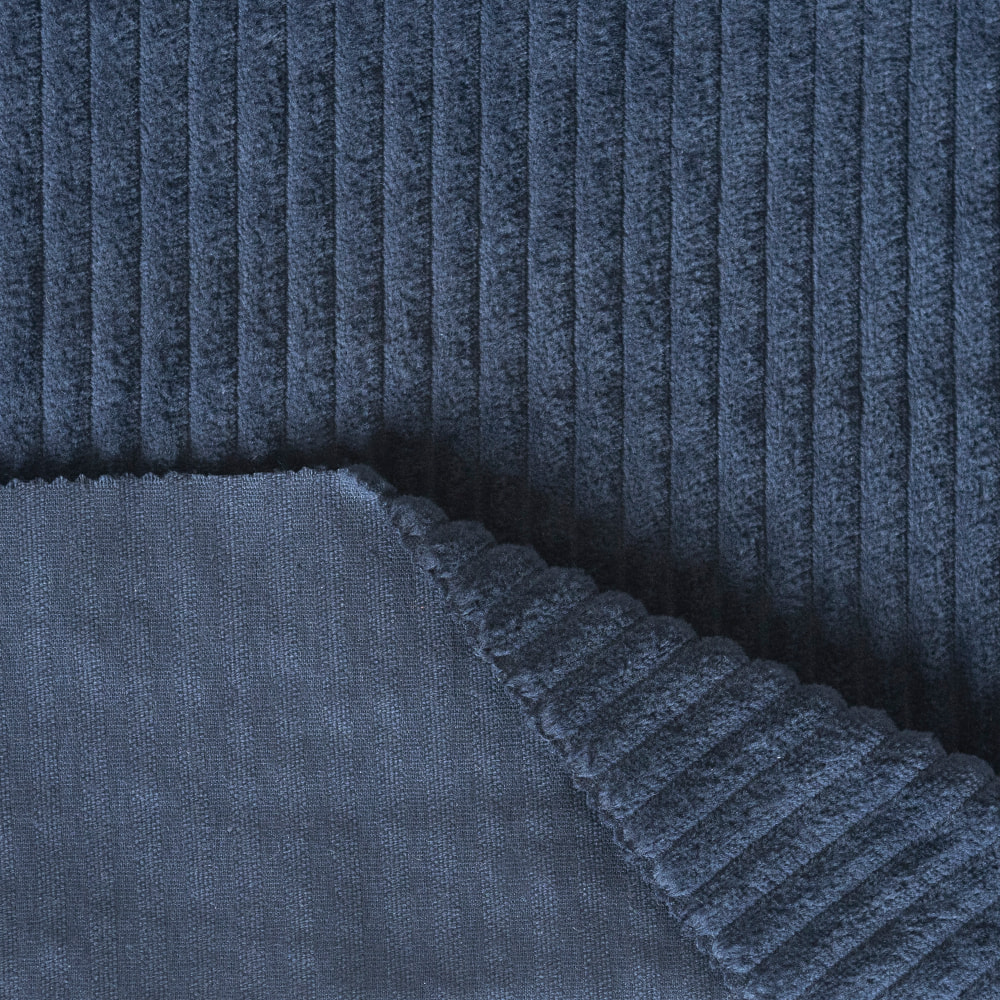


Get Directions
Textile Industry Zone, East Hutang Town, Wujin District,213100 Changzhou,China
Content
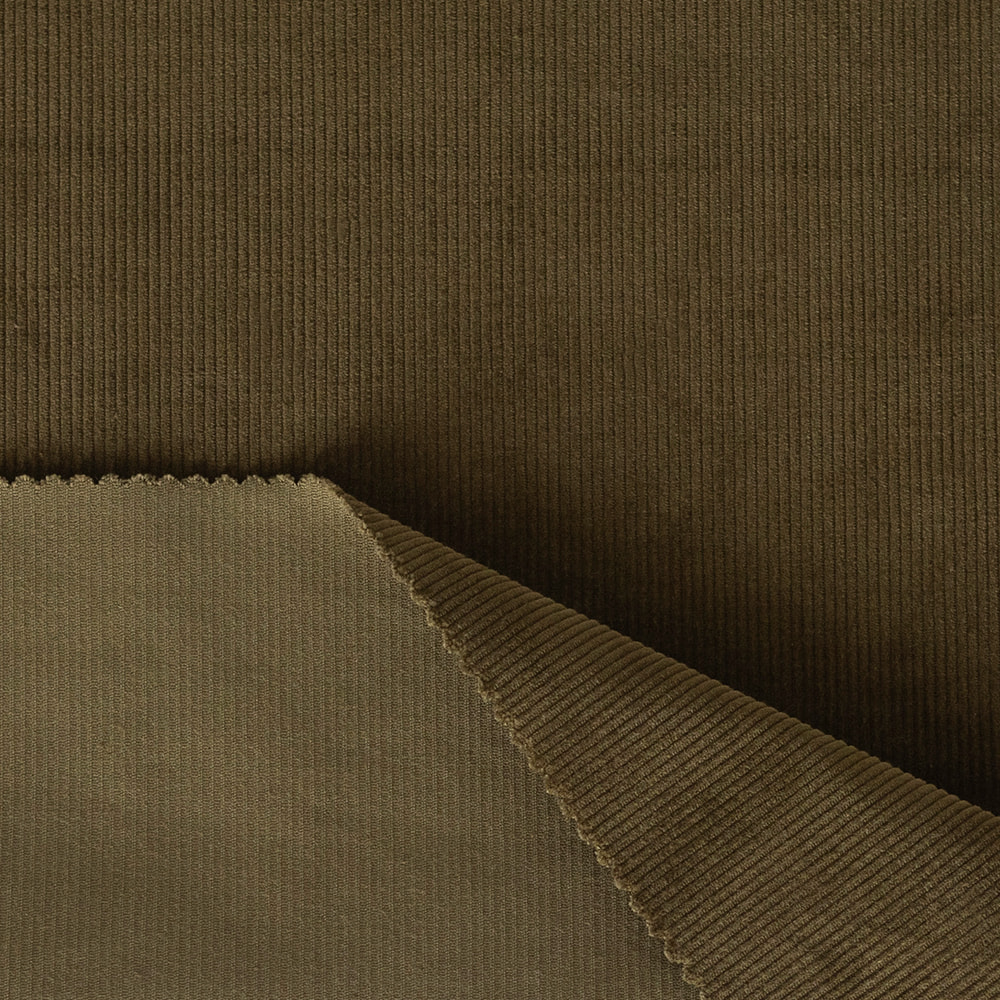
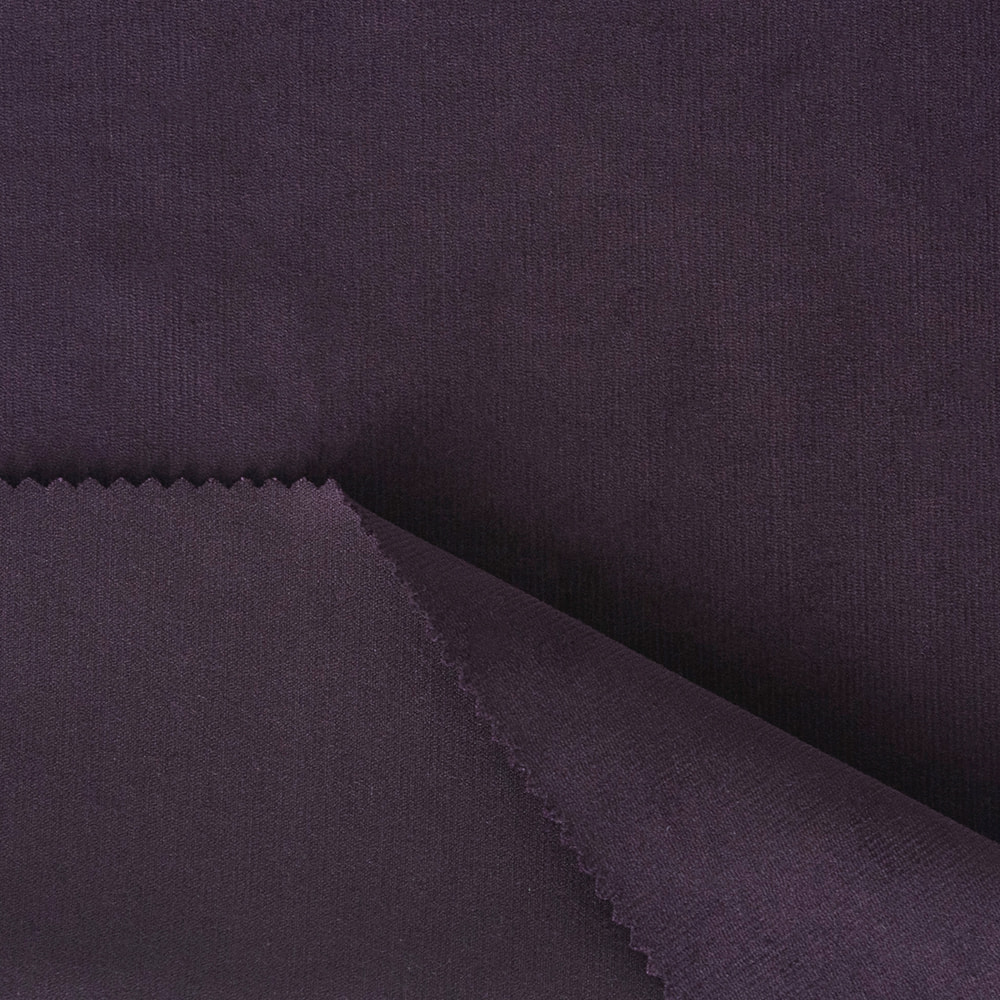
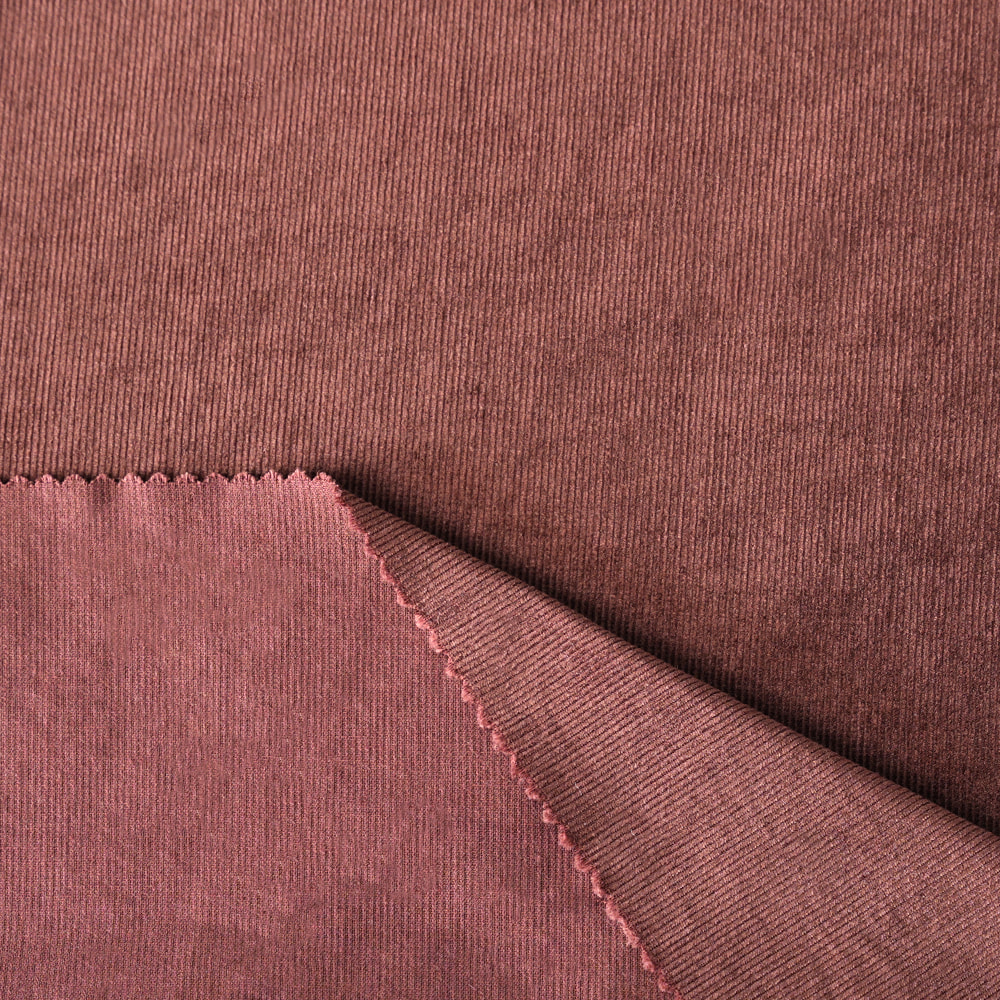
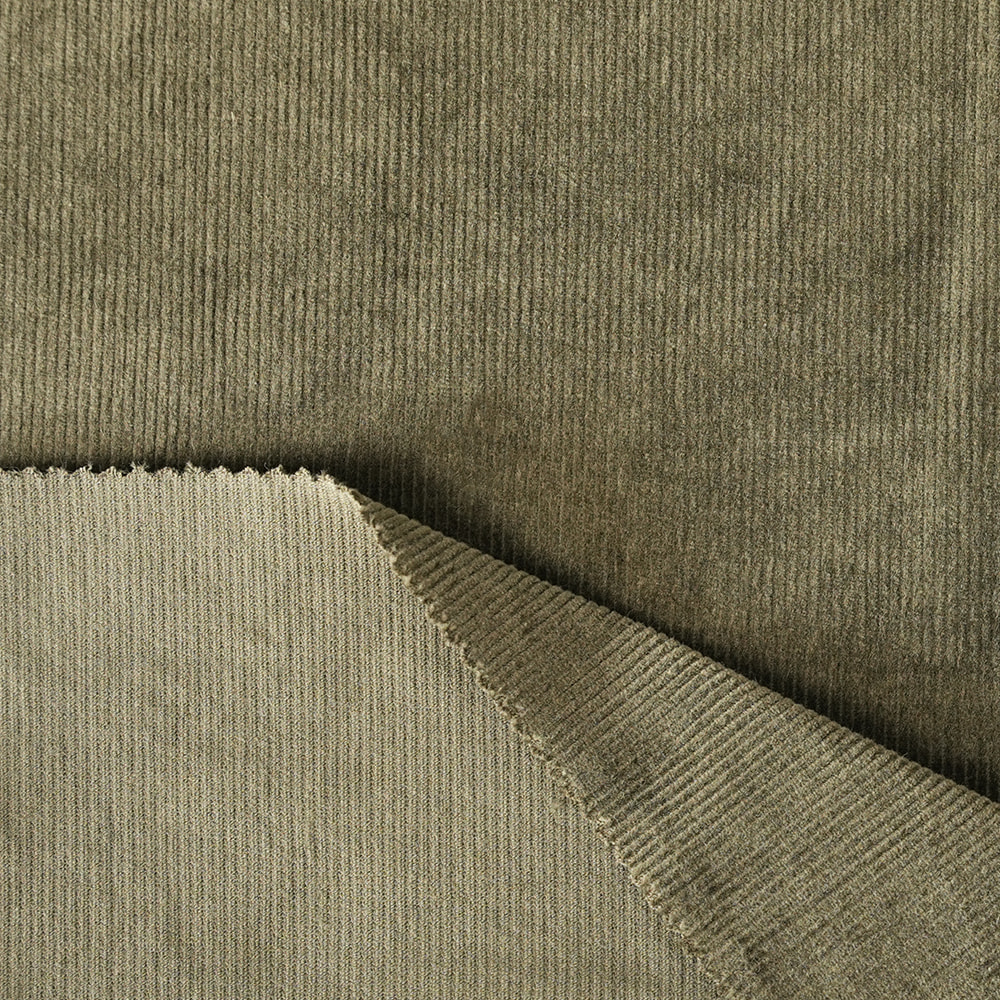
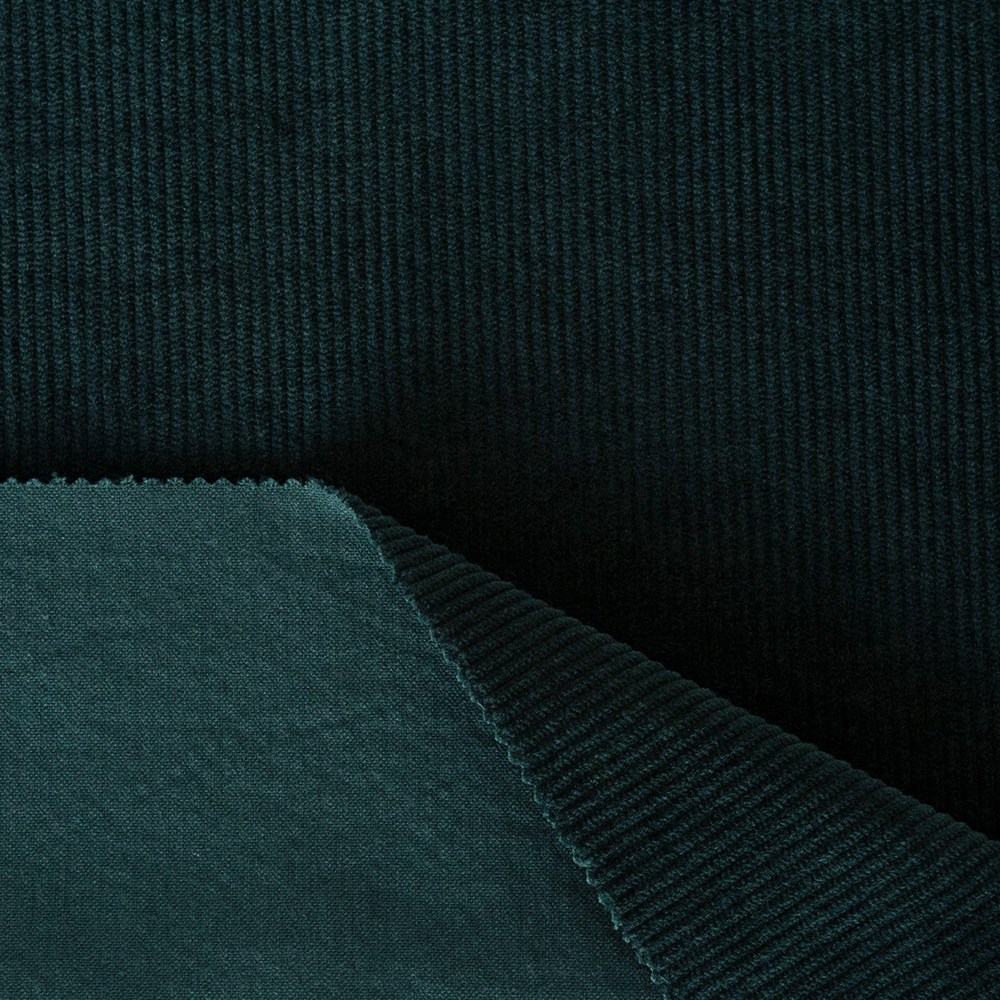
Corduroy is a cut-pile textile defined by its parallel vertical ridges — called wales — that run along the length of the cloth. These ridges are formed by weaving extra sets of yarn into a base fabric and then cutting and brushing them to create a soft, raised surface. The result is a fabric that feels velvety against the skin yet holds its structure through repeated wear and washing.
The fabric's name is commonly attributed to the French phrase corde du roi — cloth of the king — reflecting a historical association with quality and durability. Originating in 18th-century England, early corduroy was a coarse wool cloth used primarily by laborers. Over the following centuries, cotton displaced wool as the dominant fiber, and corduroy evolved into the soft, versatile textile widely recognized today. It remains one of the few fabrics whose defining characteristic — the wale — is both functional and aesthetic, adding warmth through texture while giving the fabric its instantly recognizable appearance.
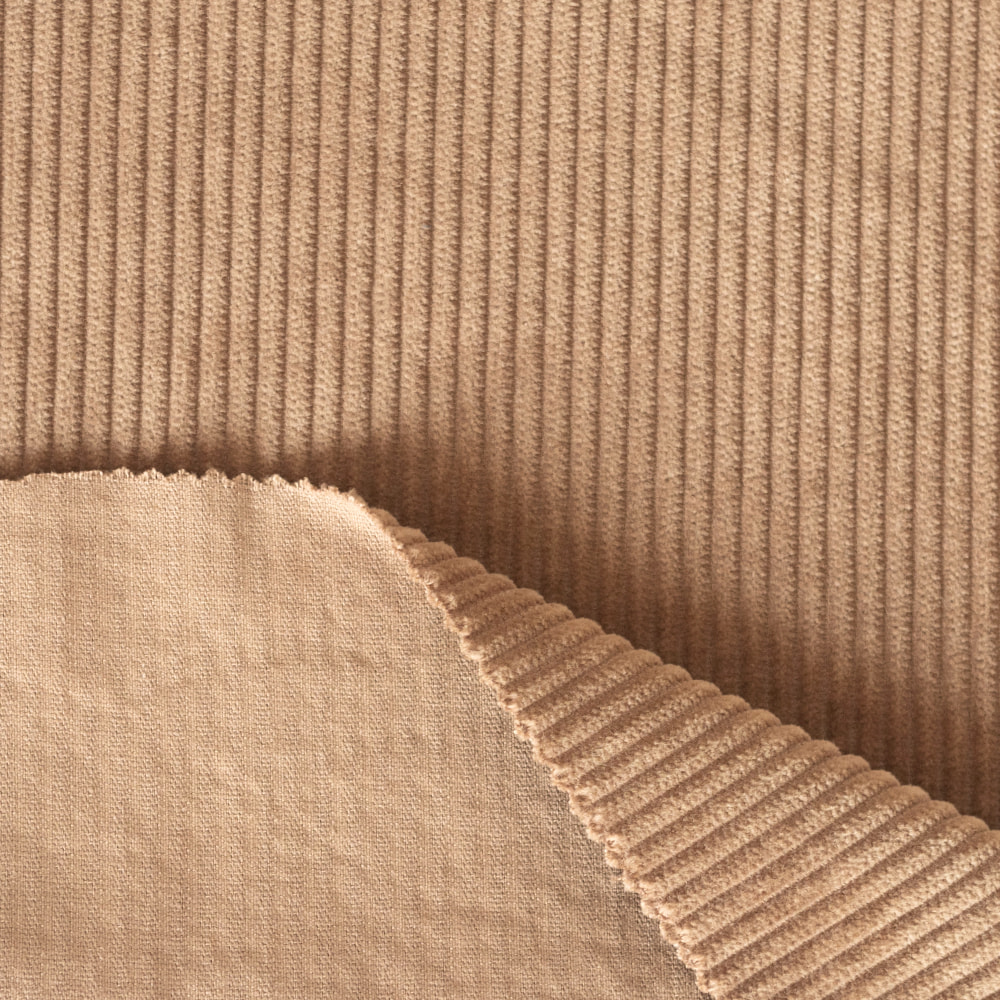
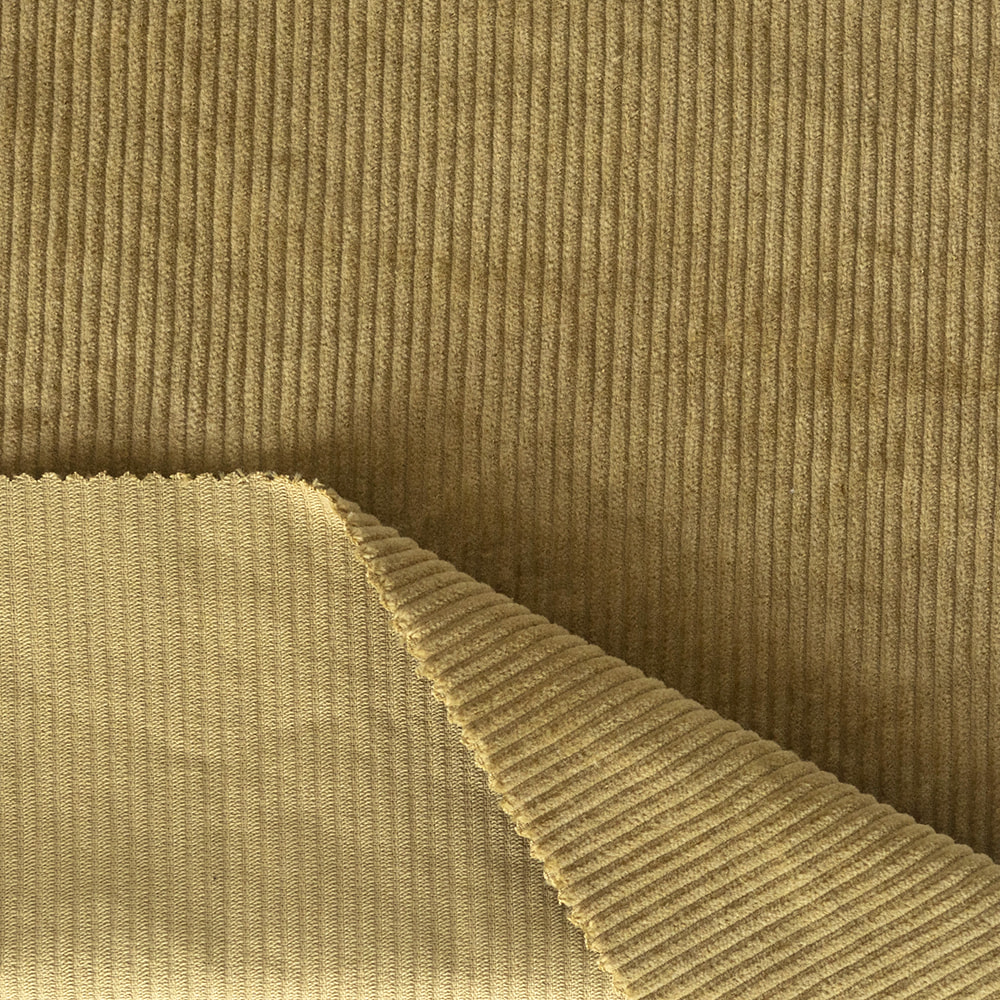
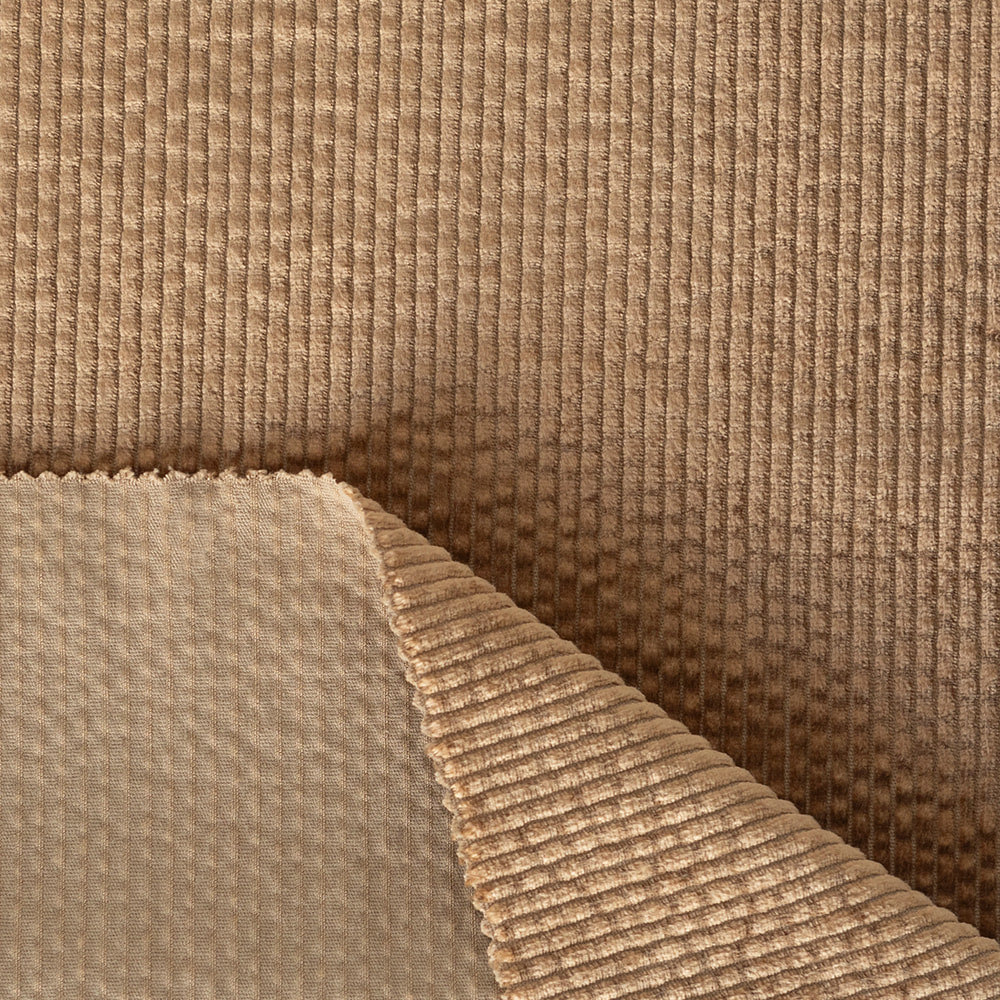
The wale is the fundamental unit of corduroy construction. Each wale is a raised column of cut pile running vertically down the fabric. The number of wales per inch — the wale count — determines everything from the fabric's weight and warmth to its drape and visual character. A lower wale count means fewer, wider ridges; a higher count means more ridges packed closely together, producing a finer, lighter surface.
| Wale Type | Wales per Inch | Weight & Character | Common Applications |
|---|---|---|---|
| Jumbo / Elephant Cord | 1–3 | Very heavy, bold texture | Outerwear, upholstery, statement pieces |
| Wide Wale | 4–6 | Heavy, structured | Jackets, coats, furniture |
| Standard / Classic Wale | 8–13 | Medium weight, versatile | Trousers, skirts, casual jackets |
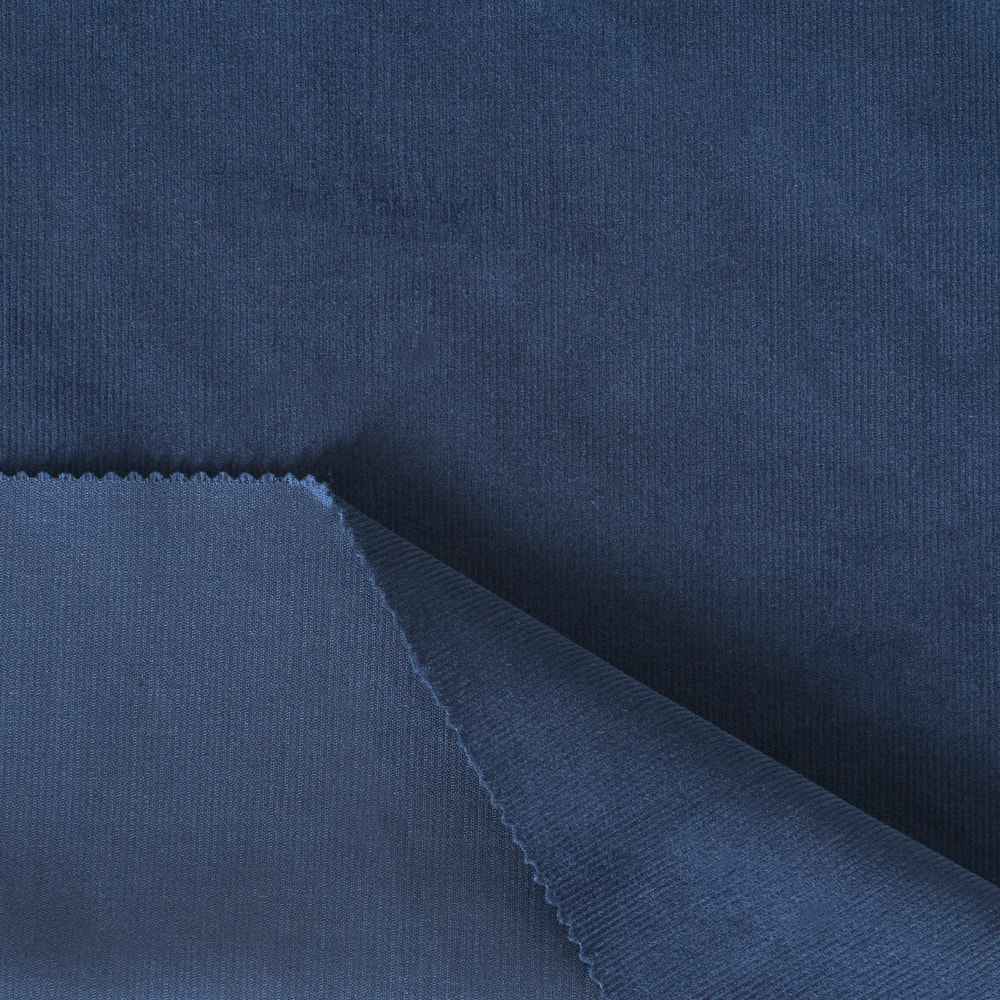
| Fine / Pinwale | 14–21 | Lightweight, smooth | Shirts, dresses, children's wear |
| Featherwale / Needlecord | 21+ | Very fine, near-velvet hand | Tailored trousers, blouses, fine garments |
For designers and buyers, selecting the correct wale count is as important as selecting the fiber content. A wide-wale corduroy delivers a retro, textured aesthetic suited to structured outerwear, while a fine pinwale reads as almost velvety, making it appropriate for dress-level garments and children's clothing where softness is a priority.
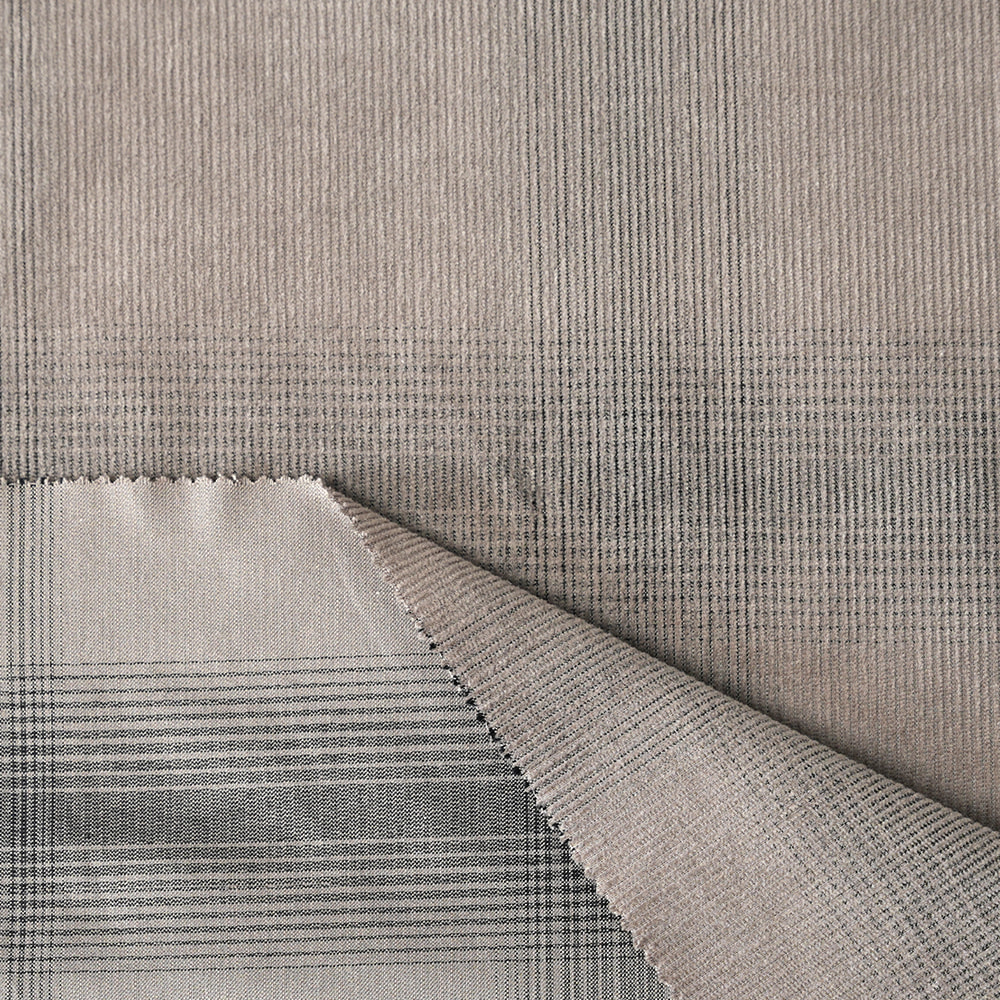
Cotton is the natural fiber of choice for corduroy, and for good reason. Its combination of physical properties aligns closely with what the corduroy construction demands and what end-users expect from the fabric.
Durability. Cotton corduroy's ribbed structure is inherently resistant to abrasion. Each wale acts as a raised protective column, distributing wear across the surface rather than concentrating it on a flat plane. Premium corduroy uses long-staple cotton yarn with a tightly woven base cloth — often exceeding 150 threads per inch — which supports the pile firmly and resists fiber pull and pilling over time. This structural strength is why corduroy has historically been the fabric of workwear and outerwear in demanding environments.
Warmth and insulation. The raised wale structure creates micro-channels of trapped air along the fabric surface. These air pockets function as natural insulation, slowing the transfer of body heat to the surrounding environment. Thicker, lower-wale corduroy provides correspondingly greater insulation, which is why the fabric is predominantly associated with autumn and winter collections. Compared to flat-weave cotton of equivalent weight, corduroy consistently delivers superior warmth retention.
Breathability and moisture management. Because cotton is a natural cellulose fiber, it absorbs and releases moisture effectively. Cotton corduroy allows air to circulate through the wale channels, preventing the build-up of heat and moisture against the skin. This breathability distinguishes cotton corduroy from synthetic alternatives, which can trap heat during extended wear.
Color richness and dyeability. Cotton's cellulose structure bonds readily with reactive dyes, producing vibrant, deeply saturated shades. Piece-dyed cotton corduroy achieves uniform color distribution across both the pile and the base weave, ensuring consistency across the fabric surface. Color fastness is high, particularly when reactive dyes are used, meaning the fabric retains its visual integrity through repeated laundering without significant fading or bleed.
Soft hand feel. The cut-and-brush finishing process that creates the wale surface leaves the pile fibers standing upright and smooth. Quality cotton corduroy feels velvety against the skin, with a soft, warm hand that synthetic-dominant fabrics rarely replicate. This tactile quality is especially relevant for garments worn close to the body — shirts, trousers, and children's clothing — where skin comfort is a primary purchase criterion.
While 100% cotton corduroy remains the benchmark for softness and breathability, blending cotton with other fibers allows manufacturers to engineer specific performance characteristics that pure cotton cannot deliver alone.
Cotton-polyester blends improve dimensional stability and reduce shrinkage during washing. The polyester component also strengthens the base weave, making the fabric more resistant to tearing under mechanical stress. The trade-off is a modest reduction in breathability and a slightly less natural hand feel compared to pure cotton.
Cotton-spandex (elastane) blends introduce stretch into the fabric — typically 2–5% spandex for meaningful give in one or both directions. Bi-stretch corduroy in this configuration retains the visual identity of corduroy's wales while conforming to the body during movement. This makes it particularly suited to fitted trousers, skirts, and any garment where freedom of movement is required alongside structured appearance.
Cotton-modal and cotton-Tencel blends enhance softness and drape beyond what cotton alone provides. Modal and Tencel (lyocell) are semi-synthetic fibers derived from natural wood pulp, and both have higher moisture absorption than cotton. The resulting corduroy is lighter, more fluid in drape, and feels silkier against the skin — characteristics that are valued in spring-weight corduroy garments and women's dress styles.
The choice between pure cotton and a blend should always be driven by the end application. For structured outerwear or workwear where dimensional stability matters most, a cotton-polyester blend is practical. For pants and fitted garments requiring daily comfort, a cotton-spandex blend is the stronger choice. For premium shirting or dress-weight pieces, cotton-modal corduroy delivers a refined hand that positions the garment at the upper end of the market.
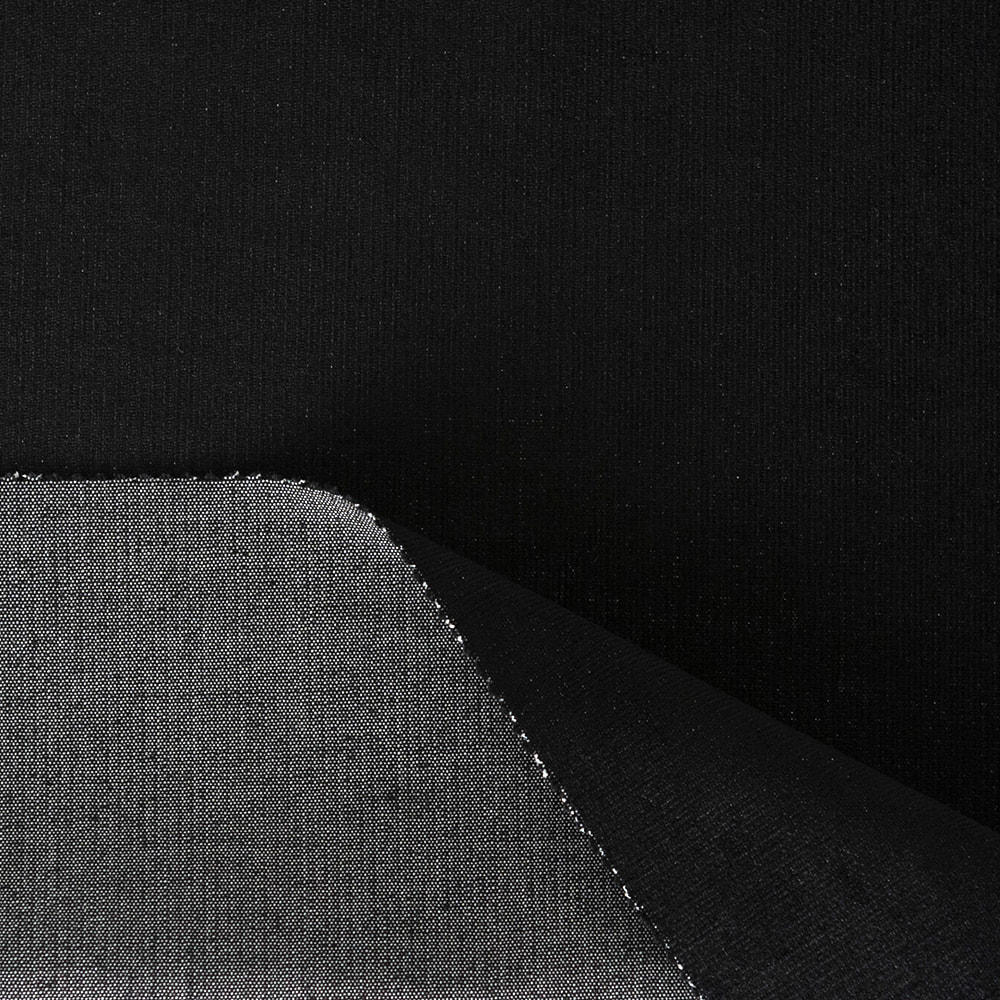
Cotton corduroy's balance of durability, warmth, and aesthetic versatility makes it one of the most broadly applicable fabrics in apparel manufacturing.
Trousers and pants represent the single largest application for corduroy. Standard and wide-wale corduroy provides the structure needed for casual trousers and workwear, while fine-wale corduroy suits tailored styles. When stretch is incorporated through spandex blending, corduroy trousers become genuinely comfortable for all-day wear — eliminating the bagging at the knee and restriction during seated activity that standard corduroy trousers can exhibit. For more on how yarn-dyed corduroy enhances the longevity of trouser fabrics specifically, the pre-dyeing process is particularly relevant.
Jackets and outerwear benefit from corduroy's insulating wale structure and abrasion resistance. Wide-wale corduroy is especially well suited to casual and heritage-style jackets, where the bold texture creates visual interest without requiring additional surface treatments or prints.
Children's clothing has long used corduroy as a default fabric for durable, comfortable garments. Its softness, washability, and resistance to wear under active use make it a natural fit for this category. Fine-wale and spandex-blend corduroy is particularly popular in children's applications, as it allows unrestricted movement.
Home textiles and upholstery represent a growing category for corduroy. Double-weave corduroy, with its added thickness and structural density, is used for sofa and chair upholstery, cushion covers, curtains, and decorative throws. The ribbed surface adds tactile and visual depth to interior spaces, and the fabric's durability ensures it performs well in high-traffic furniture applications.
Selecting the correct cotton corduroy for a specific application requires evaluating four key variables: fiber composition, wale count, fabric weight (GSM), and finishing treatment.
Fiber composition should match the end-use requirements. Pure cotton delivers the best breathability and natural hand feel; blends add performance properties like stretch, wrinkle resistance, or improved drape. Buyers sourcing for multiple garment categories may find value in stocking both a standard cotton corduroy and a cotton-spandex variant to cover the full range of applications.
Wale count determines visual character and garment weight. As a general rule, coarser wales (4–8) suit heavier outerwear and upholstery, mid-range wales (10–14) are the most versatile for trousers and casual jackets, and fine wales (16–21) are appropriate for shirts, dresses, and children's clothing.
Fabric weight expressed in GSM (grams per square meter) should align with the season and end use. Lightweight corduroy (180–220 GSM) works for spring garments and shirts; medium weight (220–320 GSM) covers the majority of trouser and jacket applications; heavyweight corduroy (above 320 GSM) is suited to outerwear and furniture upholstery.
Dyeing method affects both color performance and long-term durability. Yarn-dyed corduroy — where the fiber is colored before weaving — offers superior colorfastness and dimensional stability compared to piece-dyed alternatives. For garments that will be washed frequently or exposed to prolonged daylight, yarn-dyed construction is a meaningful quality upgrade worth specifying at the sourcing stage.
Changzhou Cloud Cloth Industry Co., Ltd. produces a comprehensive range of cotton corduroy fabrics across all wale counts and fiber compositions, with OCS, GOTS, and GRS certifications available for buyers with sustainability requirements. Custom specifications in weight, color, and fiber blend can be developed in response to specific project needs.
Please feel welcome to contact our friendly reception staff with any general call us

+86 139 6116 7127

Email: cloud@jacquardcloth.com

Textile Industry Zone, East Hutang Town, Wujin District,213100 Changzhou,China
