

 English
 日本語
日本語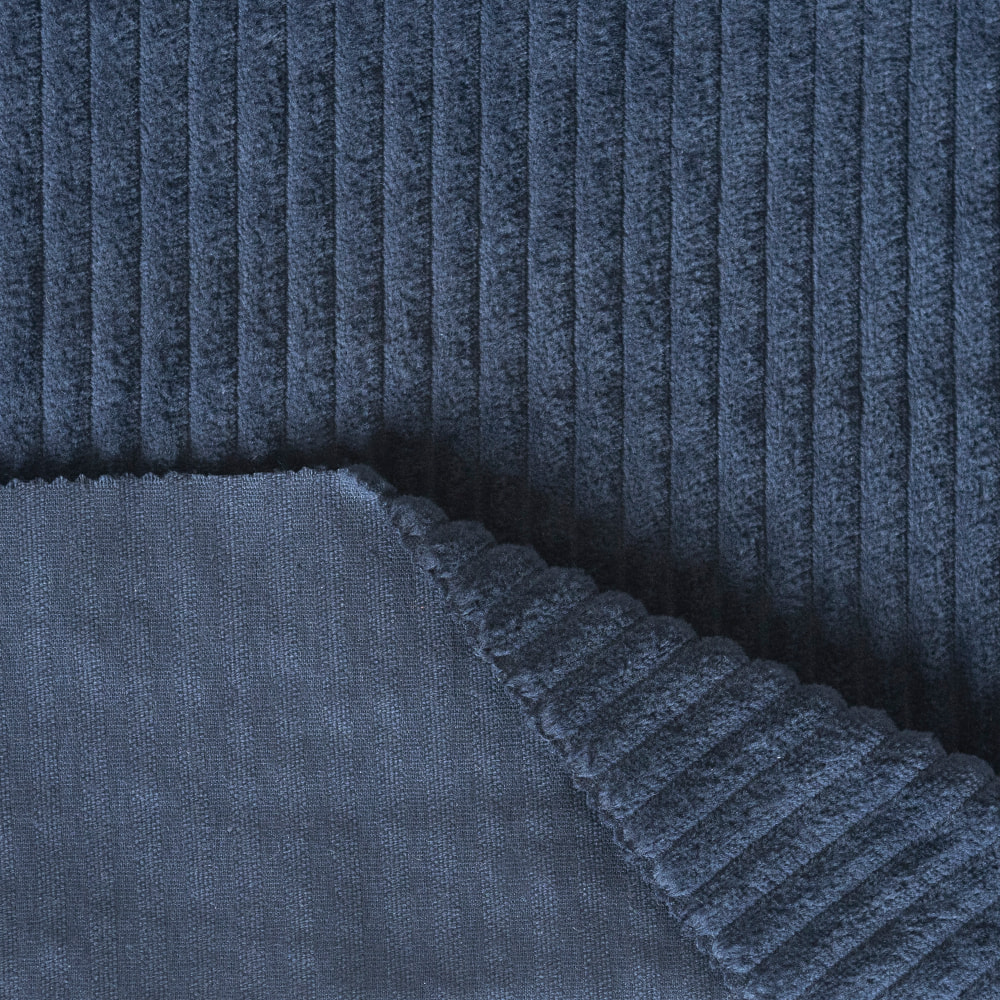


Get Directions
Textile Industry Zone, East Hutang Town, Wujin District,213100 Changzhou,China
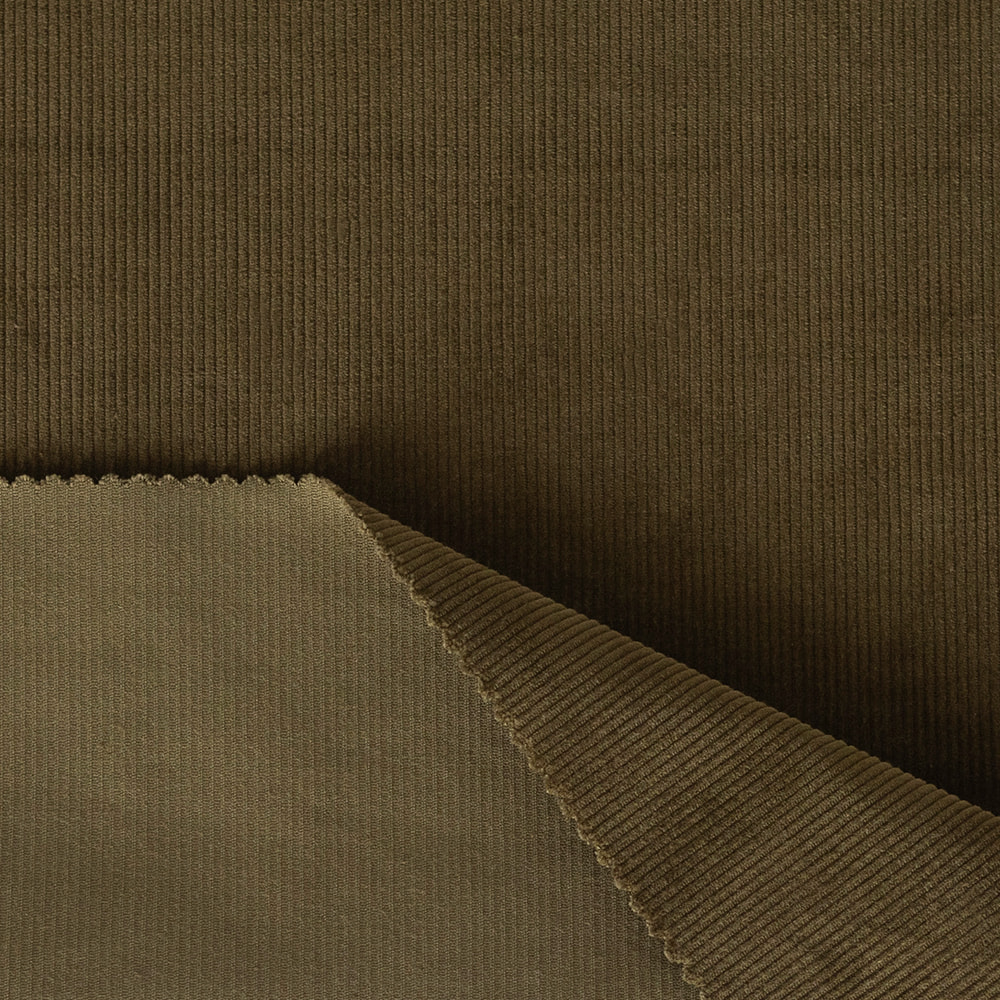
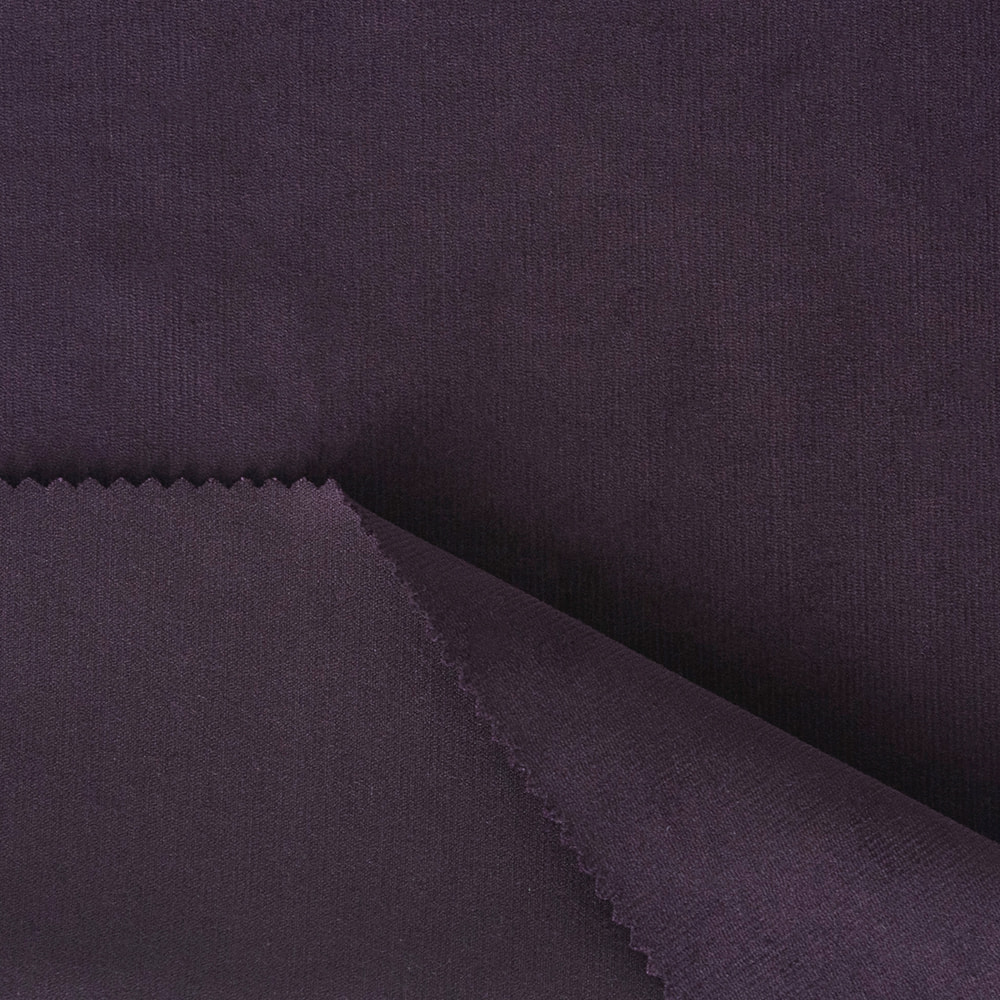
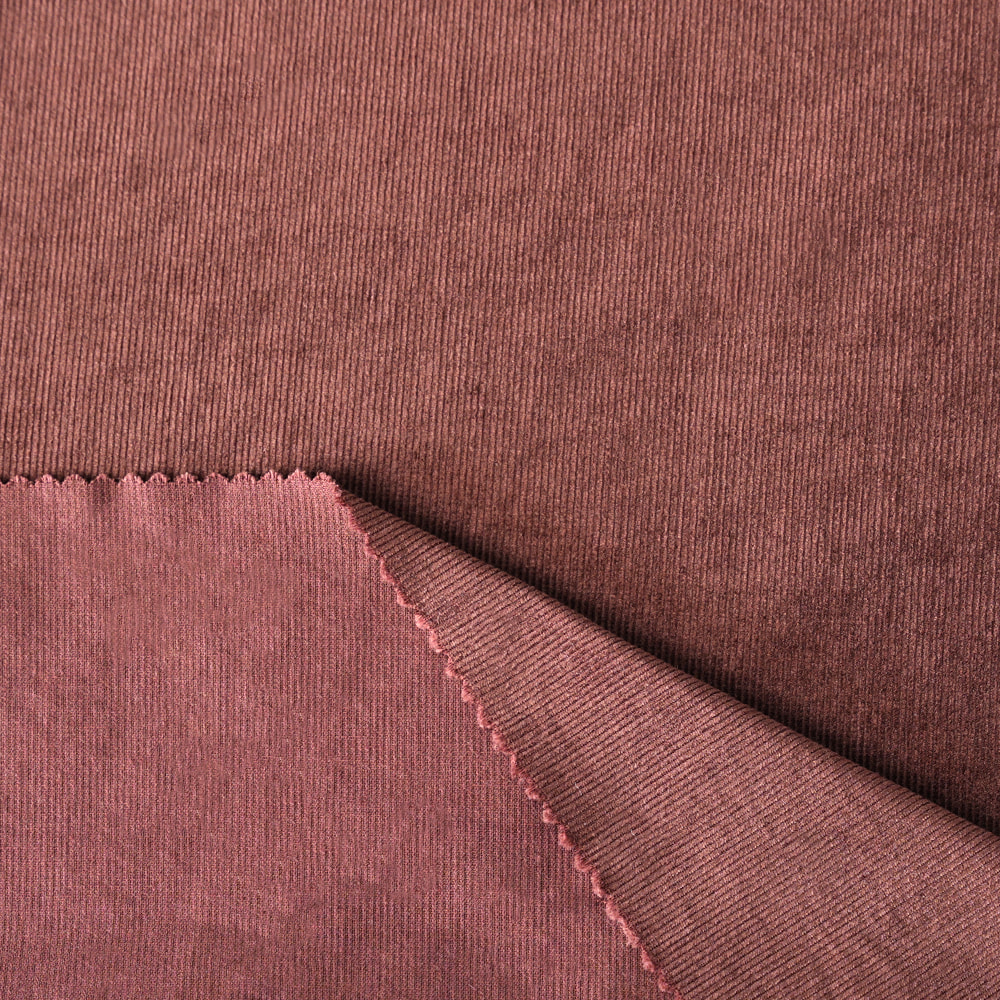
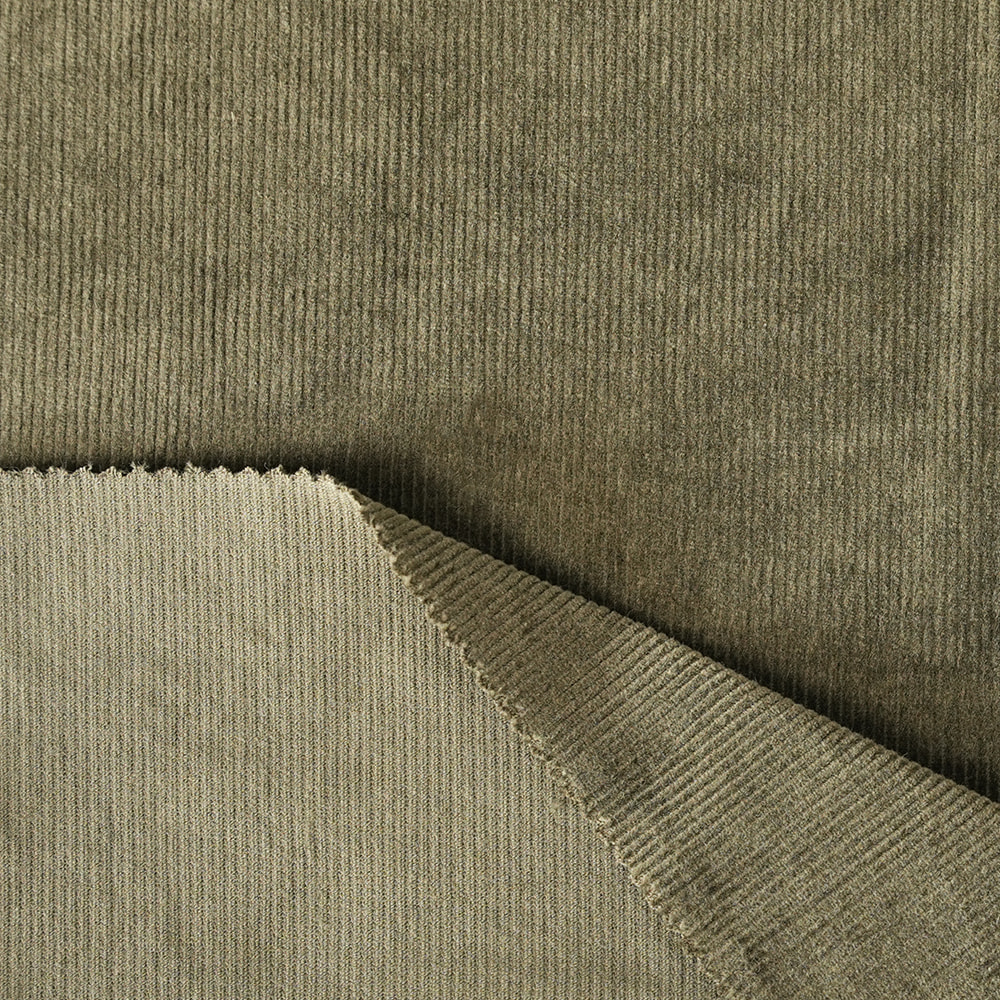
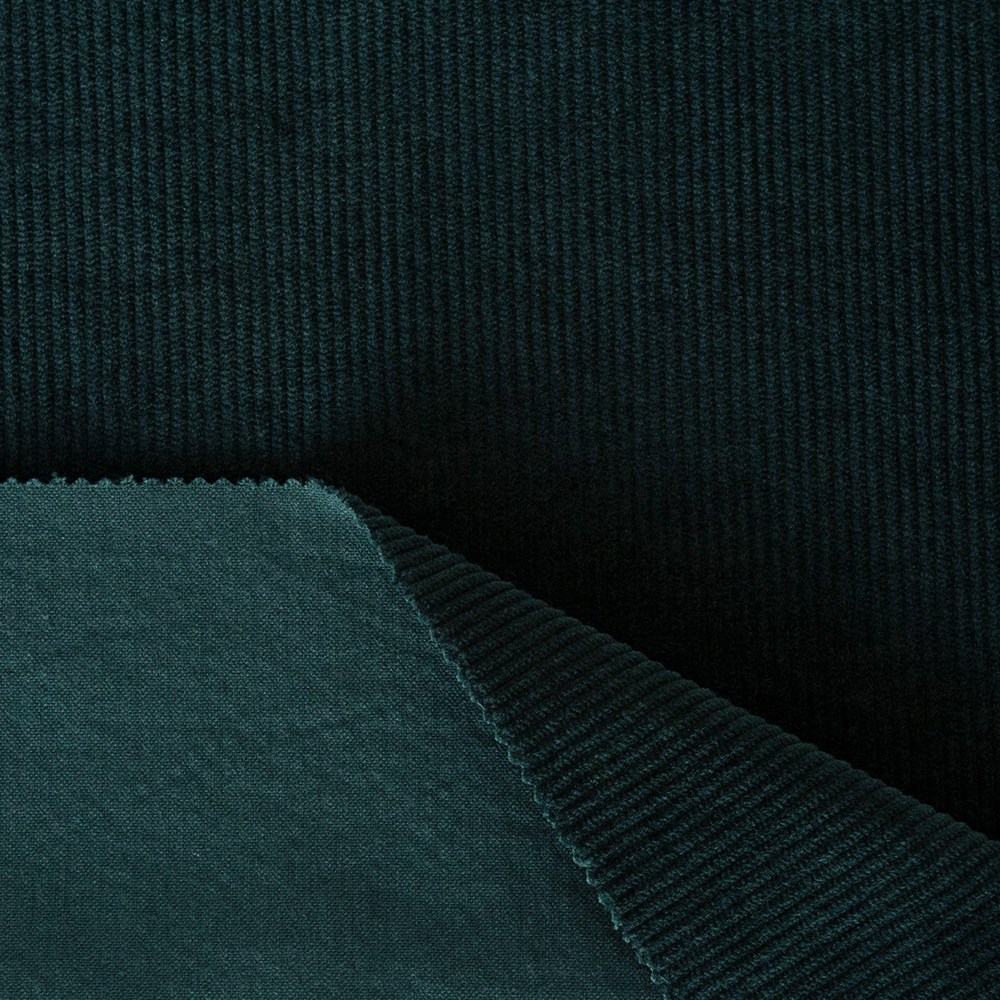
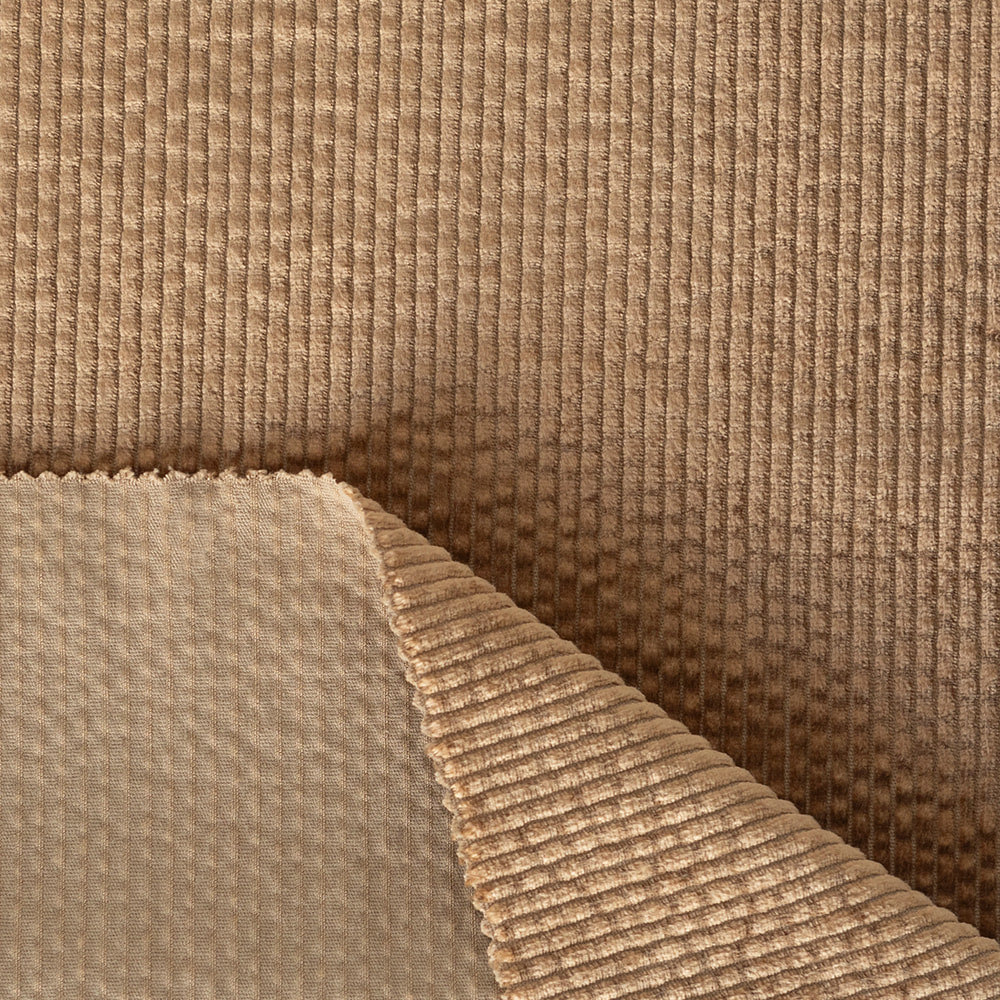
Corduroy fabric is made primarily from cotton fibers, though modern variations incorporate polyester, rayon, and blended combinations to enhance performance characteristics. The distinctive ridged texture results from a specialized weaving process that creates vertical wales or cords running along the fabric length. Understanding corduroy's composition, manufacturing methods, and fiber variations helps consumers select appropriate materials for clothing, upholstery, and craft applications while recognizing quality indicators and care requirements.
Content
Cotton remains the traditional and most common fiber used in corduroy production. Cotton corduroy offers natural breathability, excellent durability, and soft hand feel that improves with wear and washing. The natural fiber absorbs moisture effectively, making cotton corduroy comfortable across various temperatures. High-quality cotton corduroy typically uses long-staple cotton varieties that produce stronger, smoother yarns with superior pile resilience and reduced pilling over time.
Polyester corduroy provides enhanced wrinkle resistance, color retention, and lower cost compared to pure cotton versions. Synthetic polyester fibers resist shrinkage and maintain shape better than natural fibers, making polyester corduroy popular for upholstery applications requiring dimensional stability. However, polyester lacks cotton's breathability and natural moisture management, potentially causing discomfort in warm conditions or during active wear.
Cotton-polyester blends combine advantages of both fiber types, balancing natural comfort with synthetic durability. Common blend ratios include 80/20, 65/35, and 50/50 cotton-to-polyester proportions. Higher cotton content maintains breathability and soft texture while polyester additions reduce wrinkling and extend garment life. These blends offer practical middle-ground solutions for everyday clothing requiring minimal maintenance with acceptable comfort levels.
| Fiber Type | Breathability | Durability | Care Ease |
| 100% Cotton | Excellent | Good | Moderate |
| 100% Polyester | Poor | Excellent | Very Easy |
| Cotton-Poly Blend | Good | Very Good | Easy |
| Rayon Corduroy | Good | Fair | Delicate |
Corduroy production begins with a specialized weaving technique using extra sets of filling yarns that float over the base fabric. These floats are later cut to create the characteristic pile surface. The base fabric typically employs a plain or twill weave structure providing foundation strength, while pile yarns integrate during weaving at precise intervals determining the eventual wale spacing and width.
After initial weaving, the fabric undergoes cutting processes where rotating blades slice the floating yarns lengthwise, creating individual pile tufts. This cutting occurs along predetermined lines that form the vertical wales. Precision cutting ensures uniform pile height and consistent wale definition across the entire fabric width. The density and arrangement of these cut floats directly influence the final corduroy texture and appearance.
Following cutting, the fabric receives brushing treatments that lift and align pile fibers perpendicular to the base fabric. This brushing creates the soft, fuzzy texture associated with corduroy while maximizing pile visibility and tactile appeal. Additional finishing processes may include singeing to remove stray fibers, washing to soften the fabric, and calendaring to enhance surface smoothness and luster.
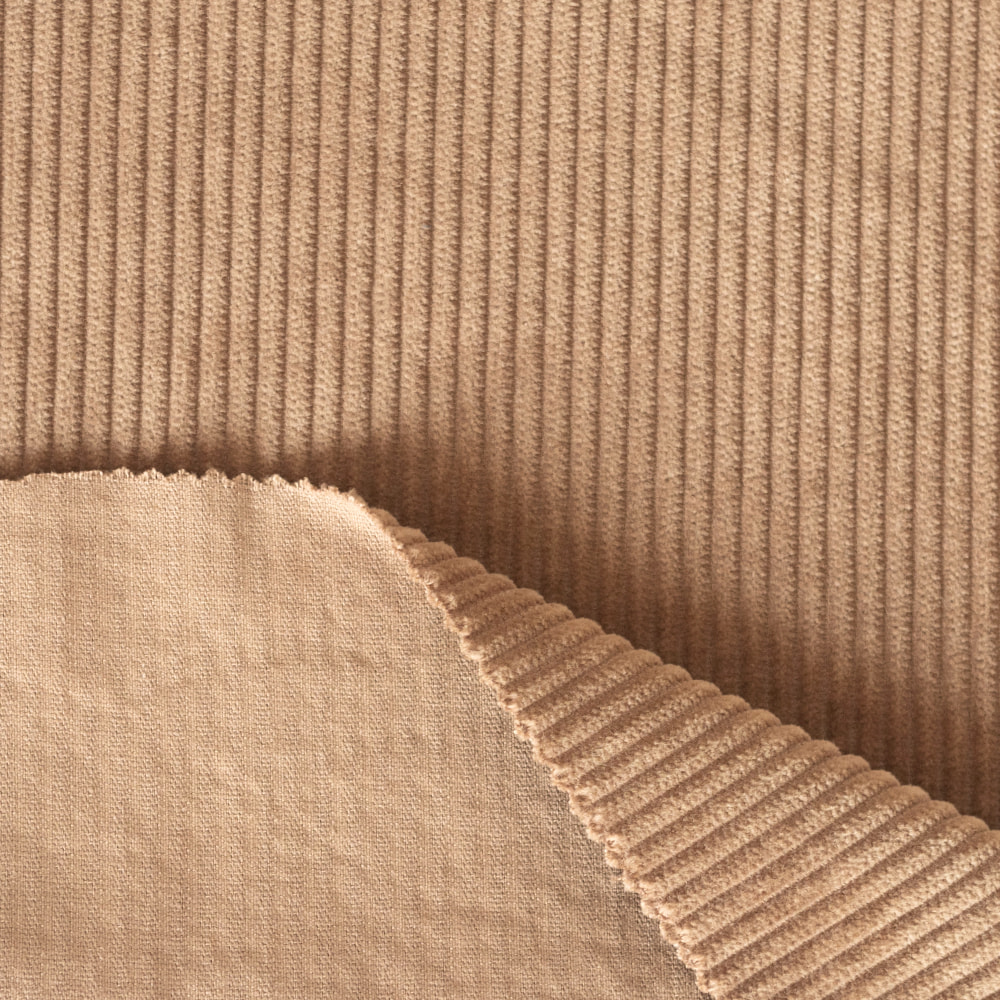
Wale count refers to the number of ridges per inch across the fabric width, fundamentally affecting corduroy's appearance and application suitability. Wide-wale corduroy features 3-6 wales per inch, creating bold, pronounced ridges ideal for casual jackets, skirts, and home decor. The substantial texture adds visual interest and warmth while providing excellent durability for high-wear applications.
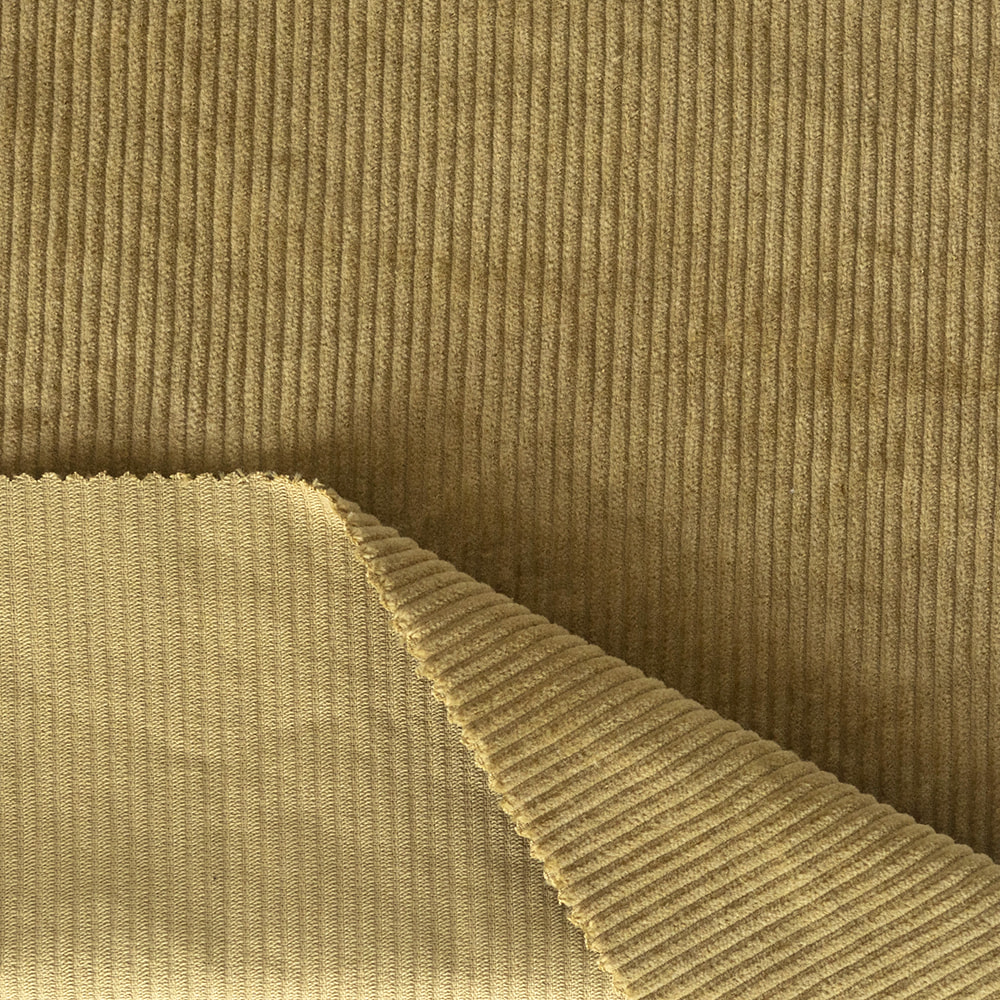
Standard or medium-wale corduroy contains 8-11 wales per inch, offering versatile appearance suitable for pants, shirts, and general garments. This moderate ridge size balances visual texture with refined appearance, working well across casual and semi-dressy applications. Medium-wale represents the most common corduroy type found in ready-to-wear clothing due to its broad appeal and functionality.
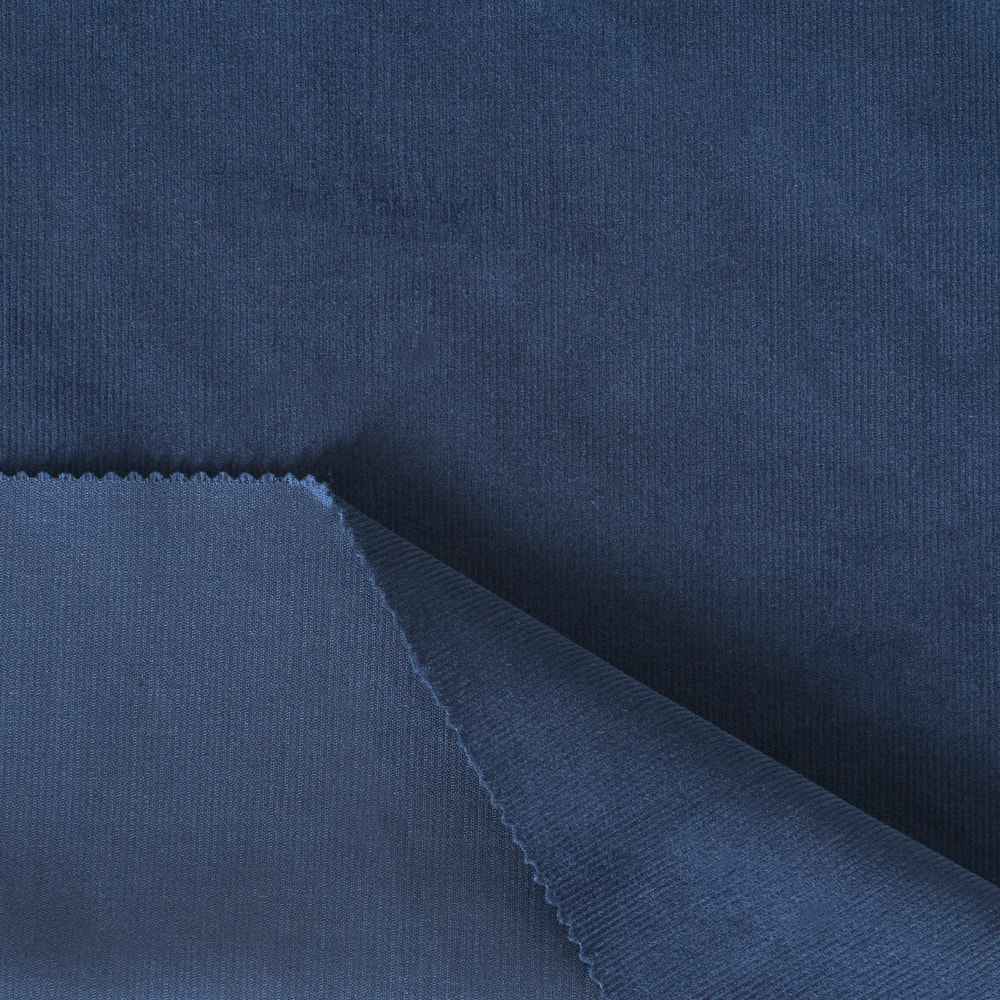
Fine-wale or pinwale corduroy features 14-21 wales per inch, creating subtle texture with sophisticated, almost velvety appearance. The narrow ridges produce elegant surface interest without overwhelming visual weight, making pinwale appropriate for dressier garments, children's clothing, and refined craft projects. The delicate wale structure requires gentler handling and care compared to wider-wale variants.
Rayon corduroy delivers exceptional softness and drape superior to cotton or polyester versions. The semi-synthetic fiber creates lustrous sheen and fluid movement ideal for dressier garments and flowing silhouettes. However, rayon corduroy requires delicate care including dry cleaning or gentle hand washing, as the fiber weakens when wet and shrinks easily with improper handling.
Velveteen represents a close corduroy relative made from shorter, denser pile that lacks distinct wales. While technically different from traditional corduroy, velveteen often uses similar cotton or cotton-blend compositions and manufacturing processes. The all-over pile creates uniform texture without directional ridges, offering alternative aesthetic for applications requiring smooth, plush surface.
Stretch corduroy incorporates elastane or spandex fibers (typically 1-3%) into the fabric composition, adding flexibility and recovery properties. This elasticity improves fit and comfort in fitted garments like pants and jackets while reducing bagging at knees and elbows. The stretch addition slightly alters traditional corduroy drape and hand feel but significantly enhances wearability for active or form-fitting applications.
Organic cotton corduroy uses cotton grown without synthetic pesticides or fertilizers, appealing to environmentally conscious consumers. The organic cultivation process benefits ecosystems and reduces chemical exposure for farmers and surrounding communities. Organic corduroy performs identically to conventional cotton versions while supporting sustainable agriculture practices, though it typically commands premium pricing.
Recycled polyester corduroy incorporates post-consumer plastic bottles or textile waste, reducing environmental impact while maintaining synthetic fiber benefits. This eco-friendly alternative diverts waste from landfills and reduces petroleum consumption in new fiber production. Recycled polyester corduroy performs comparably to virgin polyester versions while offering sustainability advantages increasingly important to conscious consumers.
Corduroy fabric weight varies from lightweight 4-6 ounces per square yard for summer garments to heavyweight 10-14 ounces for winter outerwear and upholstery. Lighter-weight corduroys feature thinner base fabrics and shorter pile, creating breathable materials suitable for shirts and dresses. Heavier versions incorporate thicker yarns and longer pile for maximum warmth and durability in jackets, furniture, and cold-weather applications.
Thread count in the base weave influences fabric density and overall quality. Higher thread counts produce stronger, more durable corduroy with refined surface texture. Premium corduroy typically features thread counts exceeding 150 per square inch, while economy versions may use looser weaves around 80-100 threads per inch. Dense base fabrics support pile better and resist wear more effectively than loosely woven alternatives.
Pile density refers to the number of individual tufts per square inch, separate from wale count. Higher pile density creates plush, luxurious texture with better coverage and durability. Sparse pile appears thin and shows base fabric between tufts, indicating lower quality. Quality corduroy features dense, uniform pile that completely covers the base weave without visible gaps or bald spots.
Corduroy accepts dyes differently depending on fiber content. Cotton corduroy uses reactive or direct dyes that bond chemically with cellulose fibers, producing excellent colorfastness and deep, rich hues. The pile structure creates unique color depth as light reflects differently from raised wales and recessed channels, adding dimensional visual interest beyond flat fabrics of identical colors.
Polyester corduroy requires disperse dyes applied at high temperatures to penetrate synthetic fibers. These dyes offer superior fade resistance compared to cotton dyes, maintaining color vibrancy through extended wear and washing. However, polyester limits dye color ranges and may not achieve the same depth of tone available with natural fiber dyeing processes.
Piece dyeing colors completed corduroy fabric after manufacturing, while yarn dyeing colors threads before weaving. Yarn-dyed corduroy often exhibits superior colorfastness as dyes penetrate fiber cores rather than coating surfaces. Some specialty corduroys feature multi-color effects through printing, cross-dyeing (using different fiber types accepting different dye classes), or ombre techniques creating graduated color transitions.
Modern corduroy often receives chemical finishes enhancing performance characteristics. Water-repellent treatments coat fibers with hydrophobic substances causing water to bead and roll off fabric surfaces. These finishes prove particularly valuable for outerwear corduroy exposed to rain or snow, though they may reduce breathability and require reapplication after multiple washings.
Stain-resistant finishes create protective barriers preventing liquid absorption and soil penetration. Fluorochemical treatments traditionally provided superior stain resistance, though environmental concerns have driven development of alternative technologies. These finishes benefit upholstery corduroy and children's clothing where frequent staining occurs, extending garment life and simplifying maintenance.
Preshrinking treatments minimize dimensional changes during laundering. Sanforization, a mechanical preshrinking process, compresses fabric before sale to reduce post-purchase shrinkage below 1%. This treatment proves essential for quality corduroy garments requiring consistent sizing across multiple washings. Budget corduroy may skip preshrinking, resulting in significant size reduction after first washing.
High-quality corduroy exhibits uniform wale spacing without irregularities or skipped ridges across the fabric width. Inspect fabric closely for consistent pile height and density within wales—premium corduroy maintains even coverage while inferior versions show thin spots or bald areas. The wales should feel distinctly raised with clear definition between ridges and channels.
Pile resilience indicates quality and fiber content. Brush pile against the grain then release—quality corduroy pile springs back to original position quickly. Pile that remains crushed or recovers slowly suggests inferior fibers or poor manufacturing. Test multiple areas across the fabric since quality variations may occur, particularly in lower-grade corduroys.
Base fabric integrity affects overall durability and performance. Hold corduroy to light to check for tight, even weave structure without visible gaps between yarns. Gently pull fabric in different directions—minimal stretch indicates stable base construction, while excessive give suggests loose weaving prone to distortion. Quality corduroy maintains shape under tension without permanent deformation.
Cotton corduroy typically tolerates machine washing in warm or cold water using gentle cycles and mild detergents. Turn garments inside out to protect pile from abrasion during washing. Avoid overloading washing machines, as compression crushes pile and prevents proper cleaning. Line drying or low-heat tumble drying prevents shrinkage while maintaining fabric integrity, though high heat may set wrinkles and damage pile.
Polyester and polyester-blend corduroy require cooler water temperatures and gentler handling than pure cotton. The synthetic fibers resist shrinkage but may pill more readily with aggressive washing. Use fabric softener sparingly, as buildup reduces breathability and attracts lint. Polyester corduroy air-dries quickly and requires minimal ironing due to inherent wrinkle resistance.
Professional dry cleaning provides safest care for rayon corduroy, specialty finishes, and structured garments where home laundering risks damage. Dry cleaning solvents clean effectively without water exposure that causes rayon weakening or finish degradation. While more expensive than home care, professional cleaning extends garment life and maintains appearance for delicate or high-value corduroy items.
Press corduroy from the wrong side using medium heat settings to avoid crushing pile. Place thick towels beneath fabric during pressing to cushion wales and prevent flattening. Steam pressing works well for wrinkle removal without direct iron contact. Never press corduroy from the right side, as direct heat crushes pile permanently. For stubborn wrinkles, hang garments in steamy bathrooms allowing moisture to naturally relax fibers.
Cotton corduroy dominates casual clothing including pants, shirts, jackets, and skirts where breathability and natural comfort matter. The material's durability suits frequent wear applications while softness improves with age. Children's clothing frequently uses cotton corduroy for its gentle texture and easy care properties. Home sewing enthusiasts prefer cotton corduroy for its workability and forgiving nature during construction.
Polyester corduroy serves upholstery applications where stain resistance, durability, and dimensional stability outweigh breathability concerns. Furniture manufacturers choose polyester corduroy for sofas, chairs, and cushions requiring long-term performance under constant use. The synthetic fiber's colorfastness maintains appearance despite sun exposure and repeated cleaning typical of upholstered furnishings.
Stretch corduroy works ideally for fitted garments like skinny jeans, leggings, and tailored blazers requiring shape retention with movement flexibility. The elastane addition prevents bagging at stress points while maintaining sleek silhouettes. Fashion designers utilize stretch corduroy for contemporary styles emphasizing body-conscious fits impossible with traditional rigid corduroy constructions.

Please feel welcome to contact our friendly reception staff with any general call us

+86 139 6116 7127

Email: cloud@jacquardcloth.com

Textile Industry Zone, East Hutang Town, Wujin District,213100 Changzhou,China
