Why Black Corduroy Fabric Remains a Timeless Choice
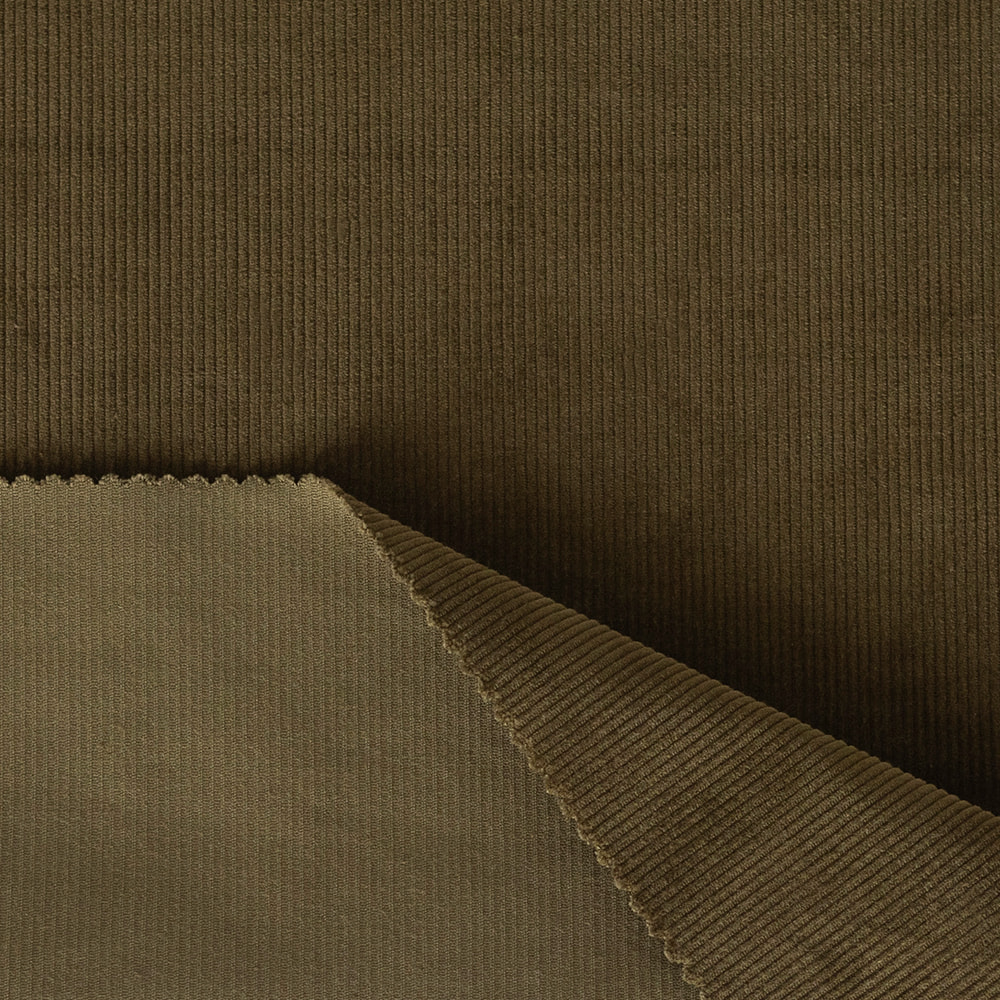
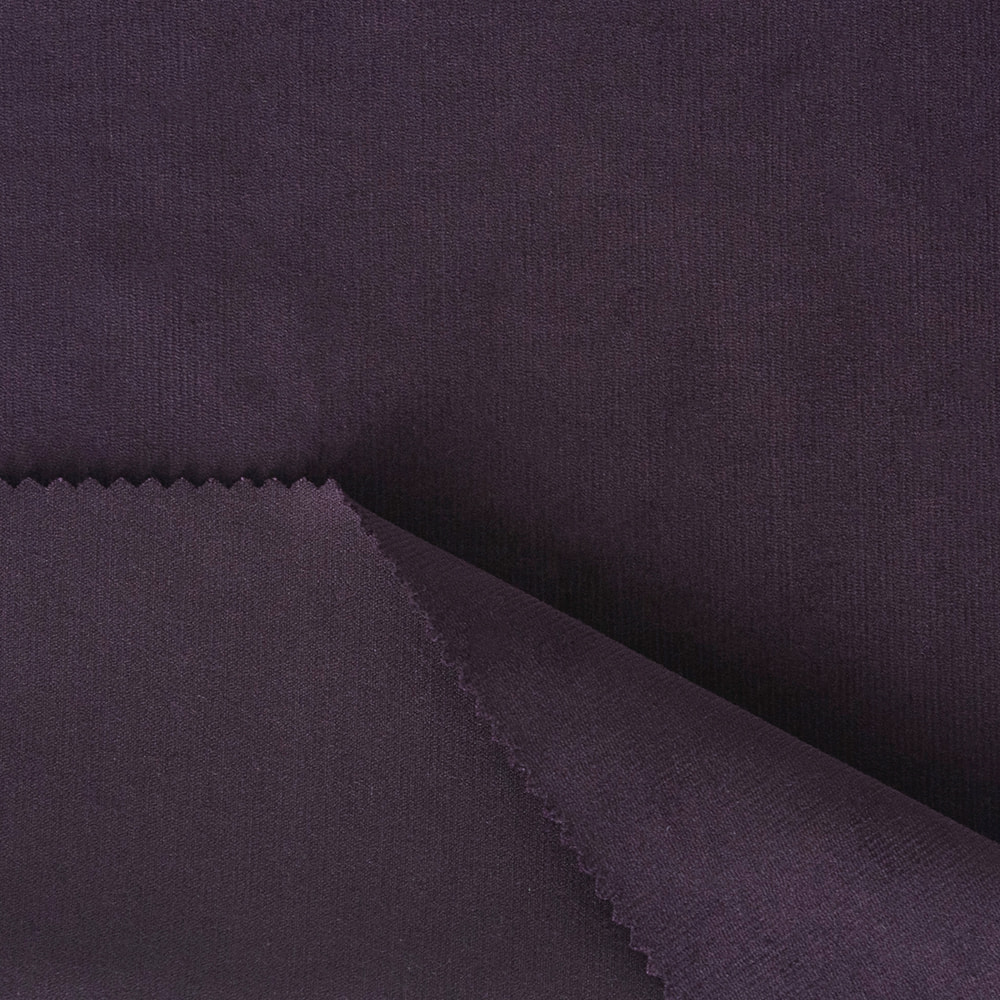
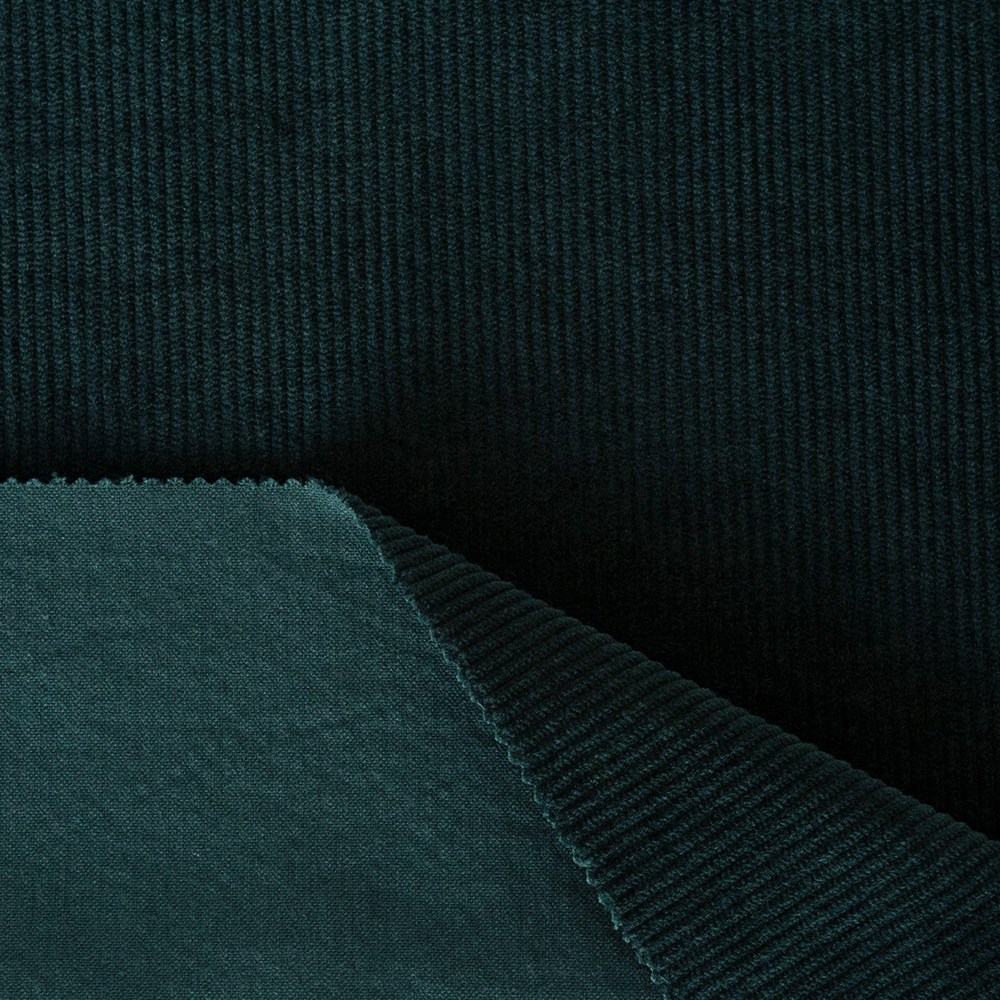
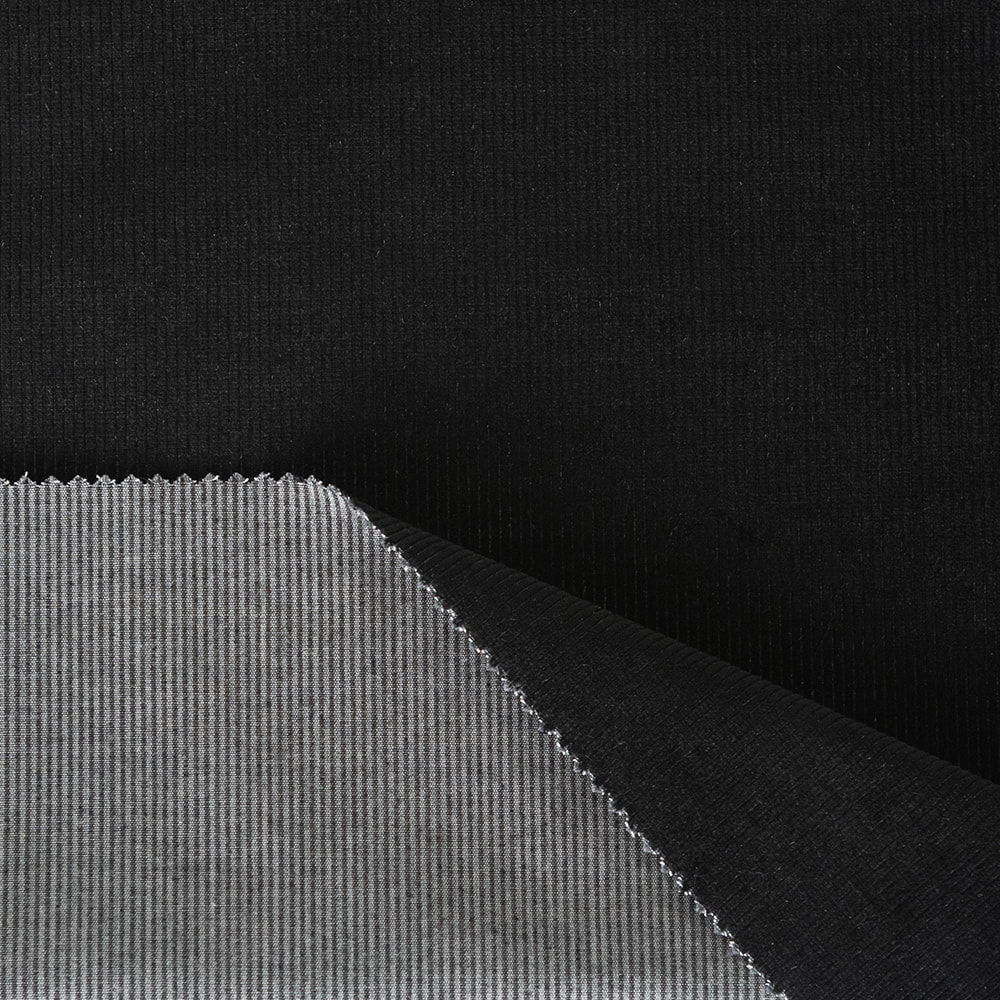
Black corduroy fabric stands as one of the most versatile and enduring textiles in both fashion and home decor, offering the perfect combination of rich texture, visual depth, and practical durability. This distinctive fabric features parallel vertical ridges called "wales" that create a luxurious tactile surface while the black color provides sophisticated elegance that transcends seasonal trends. Black corduroy is available in weights ranging from 6 to 16+ ounces per yard, making it suitable for everything from lightweight shirts to heavy-duty upholstery applications.
The enduring appeal of black corduroy lies in its unique ability to absorb and reflect light through its ribbed structure, creating subtle variations in shade that add dimension impossible to achieve with flat fabrics. Unlike other black textiles that can appear flat or lifeless, black corduroy's pile construction produces dynamic visual interest through light and shadow interplay. The fabric typically consists of cotton or cotton-blend fibers, with modern variations incorporating polyester, spandex, or elastane for enhanced performance characteristics. Black corduroy maintains exceptional colorfastness, resisting the fading that often plagues darker fabrics, making it an investment that retains its deep, rich appearance through years of use.
Understanding Wales and Black Corduroy Variations
The wale count—the number of ridges per inch—fundamentally determines black corduroy's appearance, drape, and appropriate applications. This specification creates distinct fabric personalities within the black corduroy category.
Wale Classifications and Characteristics
Black corduroy is manufactured in several standard wale configurations:
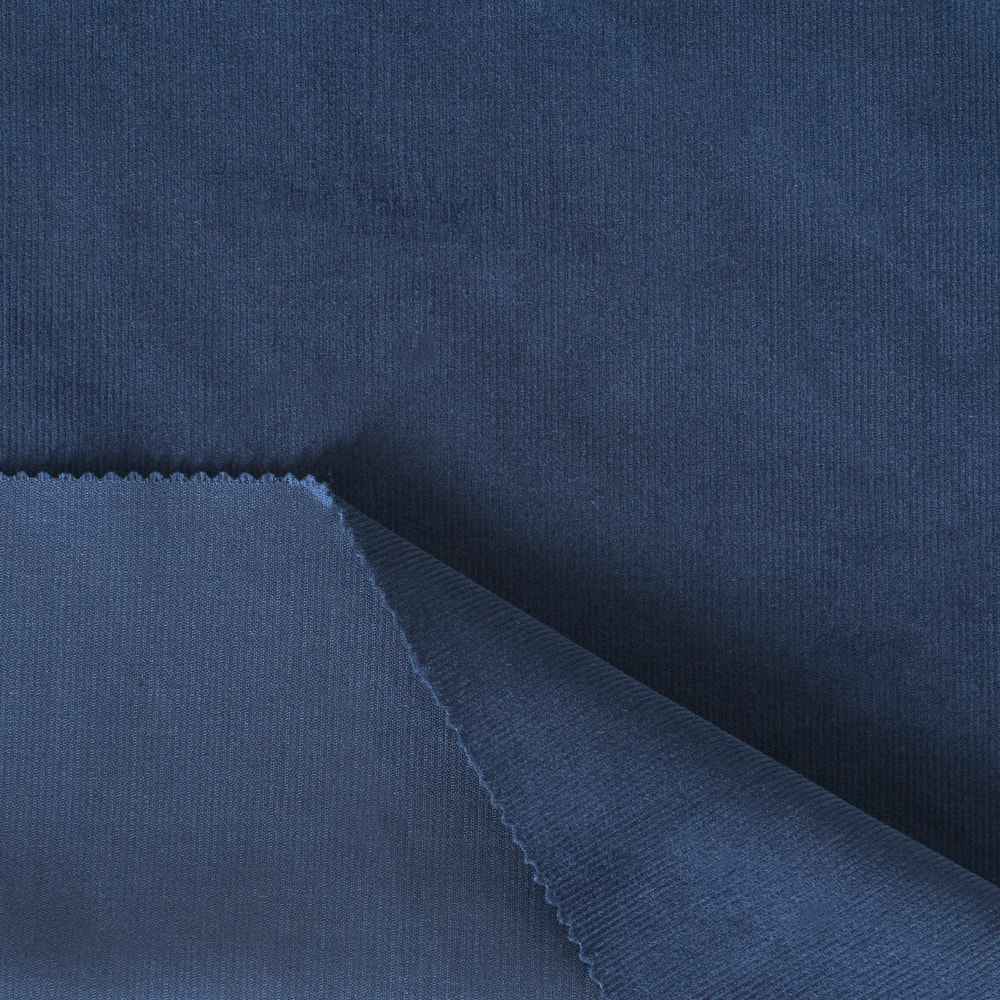
- Pinwale (16-21 wales per inch): Features delicate, closely-spaced ridges that create a subtle texture perfect for dress shirts, formal trousers, and refined garments where sophisticated appearance matters
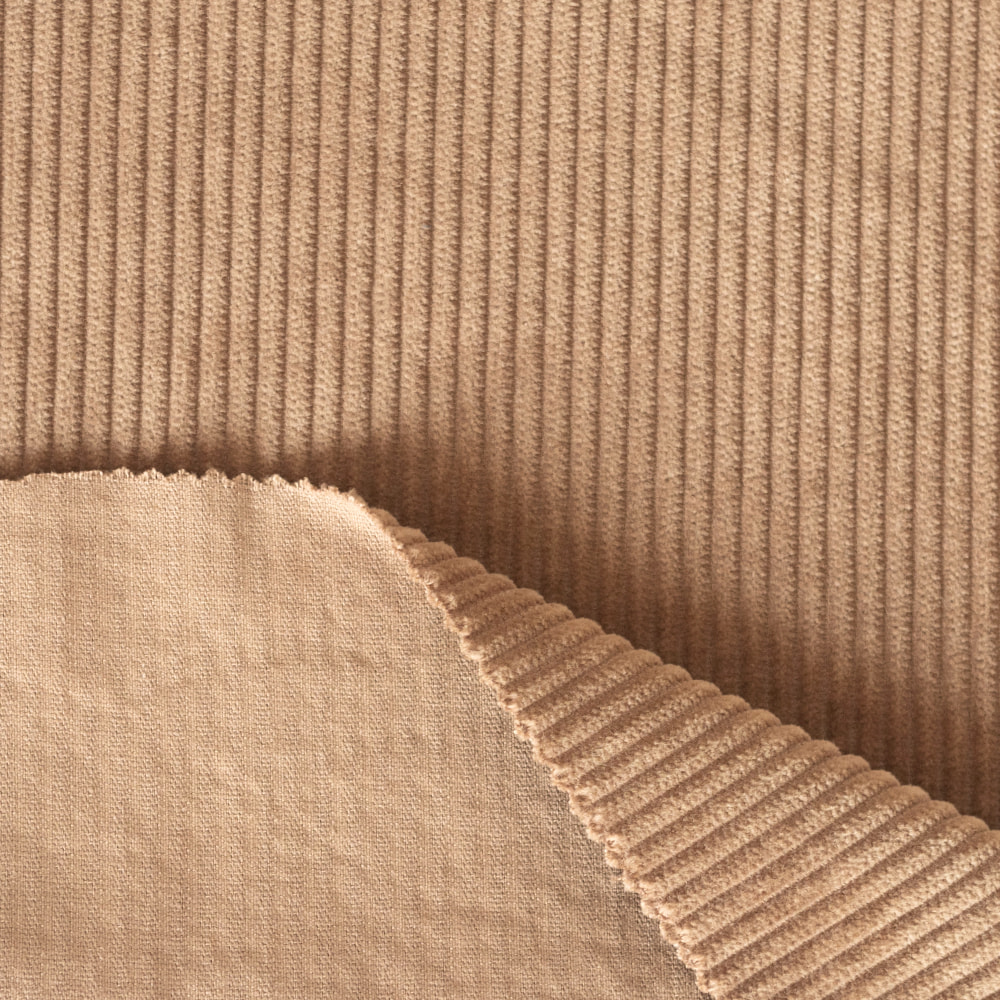
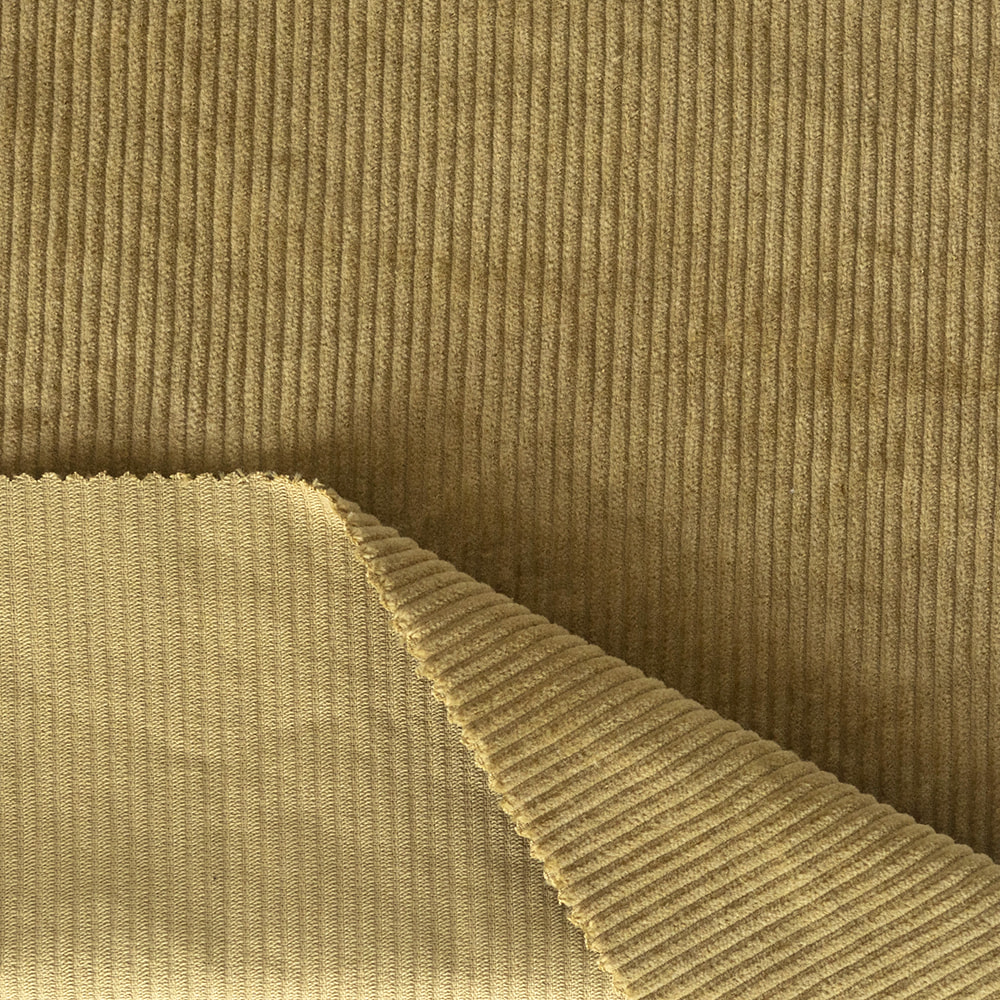
- Midwale (10-14 wales per inch): The most popular and versatile option, offering balanced texture ideal for jackets, casual pants, skirts, and everyday wear
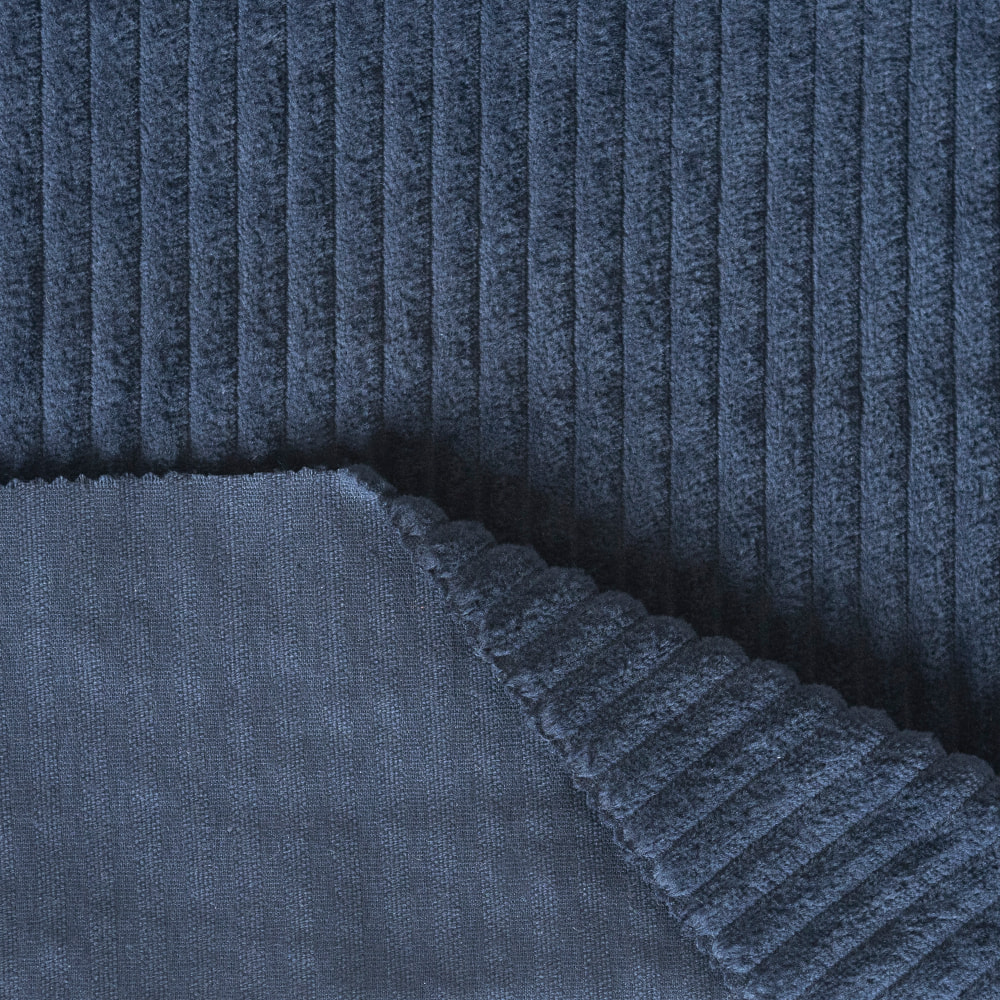
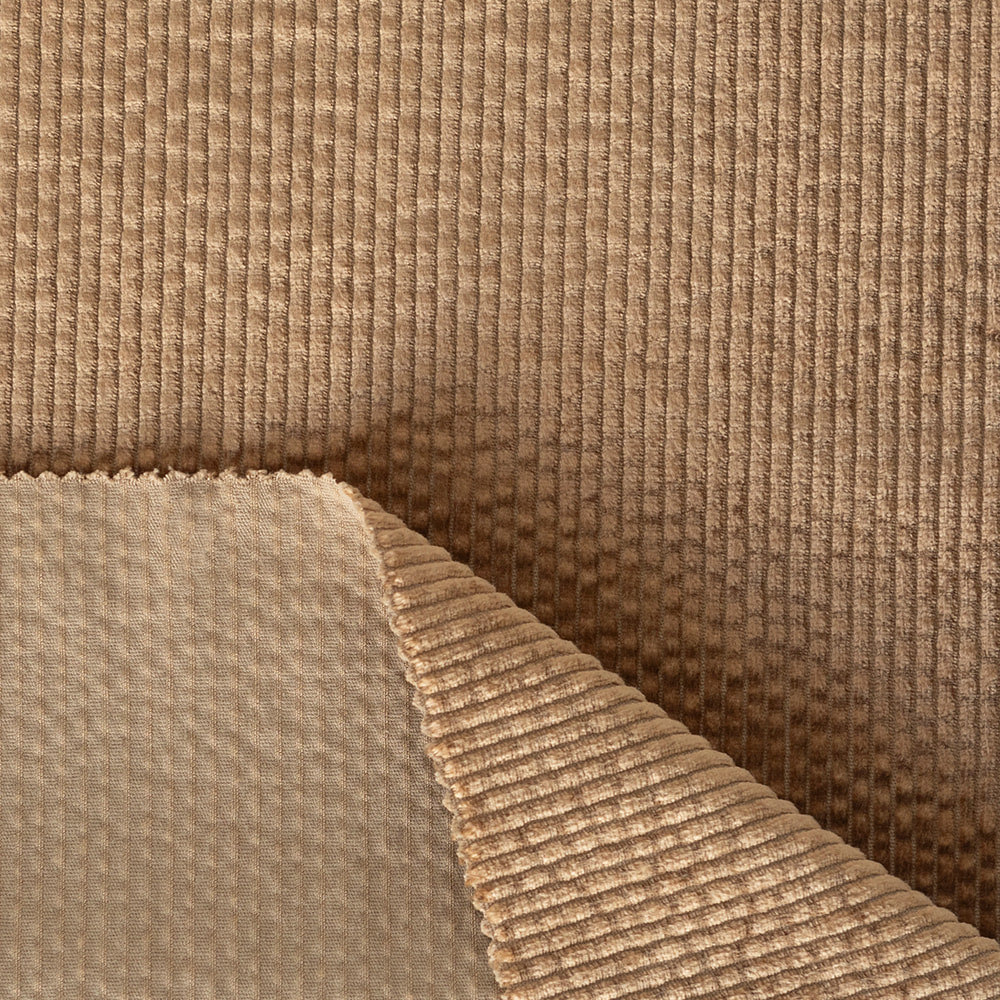
- Wide-wale (6-8 wales per inch): Displays pronounced ridges that make bold visual statements, excellent for outerwear, statement pieces, and upholstery applications
- Jumbo-wale (3-5 wales per inch): Features dramatic, chunky ridges primarily used for decorative pillows, furniture accents, and vintage-inspired fashion
How Black Color Enhances Texture
Black corduroy's dark hue creates unique optical effects that lighter colors cannot achieve. The wales produce deep shadows in the grooves between ridges, creating pronounced three-dimensional texture. This effect becomes more dramatic with wider wales, where the contrast between light-catching ridge tops and shadowed valleys intensifies the fabric's visual depth. Black corduroy in pinwale presents a more uniform, refined appearance, while wide-wale and jumbo-wale versions showcase bold, sculptural texture.
The pile direction also affects black corduroy's appearance significantly. When light hits the fabric with the nap (brushing smooth), the black appears slightly lighter and more lustrous. Against the nap (brushing rough), the black deepens and appears more matte. This directional quality means all pattern pieces must be cut in the same direction to ensure consistent color appearance in finished projects.
Finish Variations in Black Corduroy
Beyond wale count, black corduroy comes in different finish treatments:
- Standard finish: Classic matte appearance with natural texture and hand
- Brushed/sueded finish: Additional processing creates ultra-soft surface with enhanced depth
- Glazed finish: Light sheen applied to ridges, creating subtle luster while maintaining texture
- Washed/vintage finish: Pre-treated to achieve softened, lived-in appearance
Fashion and Apparel Applications
Black corduroy has maintained its position as a fashion staple for decades, offering designers and sewers a fabric that bridges casual comfort and sophisticated style. Its versatility spans multiple garment categories and dress codes.
Pants and Trousers
Black corduroy pants represent one of the most popular applications, offering several advantages over standard black denim or twill:
- Professional versatility: Suitable for business-casual environments while maintaining comfort
- Year-round wearability: Midweight black corduroy works across seasons, unlike heavier winter-only fabrics
- Texture interest: Adds visual dimension to otherwise simple black pants
- Superior durability: Corduroy's construction resists wear better than standard woven fabrics
Midwale black corduroy with 9-11 ounce weight provides optimal balance for pants, offering structure without excessive stiffness. Stretch varieties incorporating 2-3% spandex have become increasingly popular, providing comfort and mobility while maintaining the fabric's characteristic appearance.
Jackets and Outerwear
Black corduroy jackets range from casual shirt-jackets to structured blazers:
- Blazers and sport coats: Wide-wale black corduroy creates professional alternatives to traditional suiting fabrics
- Trucker jackets: Classic denim jacket styling in black corduroy offers textural twist on familiar silhouettes
- Chore coats: Workwear-inspired designs benefit from corduroy's durability and sophisticated appearance
- Puffer vests: Black corduroy exterior panels create unique contrast with quilted insulation
Heavyweight black corduroy weighing 12-14 ounces per yard provides the structure and warmth required for outerwear while maintaining breathability. The black color offers practical advantages for jackets, showing less soil and wear than lighter shades.
Dresses, Skirts, and Tops
Black corduroy excels in women's fashion applications:
- A-line and pencil skirts: Midwale black corduroy provides body without excessive volume, creating flattering silhouettes
- Shift dresses: Pinwale to midwale varieties offer structure while remaining comfortable for all-day wear
- Button-down shirts: Lightweight pinwale black corduroy creates polished casual tops
- Jumpsuits and overalls: Wide-wale black corduroy adds visual interest to one-piece garments
Accessories and Details
Black corduroy serves as excellent material for accessories including baseball caps, bucket hats, tote bags, backpacks, bow ties, and trim details. The fabric's texture adds sophistication to simple accessories while the black color ensures versatility across wardrobes.
Home Decor and Upholstery Uses
Black corduroy has experienced surging popularity in interior design, offering designers and homeowners a fabric that combines luxury appearance with practical performance characteristics.
Furniture Upholstery
Black corduroy upholstery creates dramatic, sophisticated furniture pieces:
- Sofas and sectionals: Wide-wale black corduroy provides texture that elevates standard upholstery, with durability ratings of 40,000-60,000 double rubs for quality upholstery-grade fabric
- Armchairs and accent chairs: Black corduroy creates focal points in neutral or colorful rooms alike
- Ottomans and benches: Smaller pieces showcase the fabric's luxury without overwhelming spaces
- Dining chairs: Black corduroy seat covers add comfort and elegance to dining areas
For upholstery applications, select heavyweight black corduroy weighing 14-16+ ounces per yard with tight backing weave. The black color offers practical advantages for high-traffic furniture, concealing minor wear and soil better than lighter upholstery fabrics.
Decorative Pillows and Cushions
Black corduroy pillows provide textural contrast in various design schemes:
- Mix with velvet, linen, or leather pillows for layered texture
- Wide-wale and jumbo-wale create dramatic visual impact as statement pieces
- Combine with metallic accents (gold, brass, silver) for modern glamour
- Use as grounding element in predominantly light or bright color palettes
Window Treatments and Bedding
Black corduroy expands into additional home applications:
- Curtains and drapes: Provide excellent light blocking while adding texture and sound absorption to rooms
- Duvet covers and shams: Create cozy, inviting bedroom environments with rich tactile appeal
- Table runners and placemats: Add unexpected texture to dining tables and surfaces
- Wall panels: Mounted as decorative or acoustic treatments for unique textural walls
Fiber Content and Fabric Construction
Understanding black corduroy's fiber composition helps predict performance, care requirements, and longevity. Modern manufacturing offers several composition options, each with distinct characteristics.
100% Cotton Black Corduroy
Pure cotton represents the traditional choice for black corduroy, offering:
- Exceptional breathability: Natural fibers allow air circulation for comfortable wear
- Superior dye absorption: Achieves deep, rich black coloration with excellent saturation
- Natural hand and drape: Soft against skin without synthetic feel
- Biodegradability: Environmentally friendly disposal when garments reach end of life
- Moderate wrinkle tendency: Creases more than blends but presses smooth
Cotton black corduroy typically experiences 3-5% shrinkage after first washing, making pre-washing essential before sewing projects.
Cotton-Polyester Blends
Blended black corduroy combines fibers in ratios from 80/20 to 50/50 cotton/polyester, creating fabric that:
- Resists wrinkles significantly better than pure cotton
- Maintains shape through repeated wear and washing
- Offers enhanced abrasion resistance for high-wear applications
- Dries faster after laundering
- Costs less than 100% cotton options
- May show slight color fading over time compared to cotton
Stretch Corduroy Compositions
Black stretch corduroy incorporating 2-5% spandex or elastane provides mechanical stretch ideal for:
- Fitted pants and jeans requiring flexibility and comfort
- Form-fitting dresses, skirts, and tops
- Children's clothing demanding movement tolerance
- Upholstery applications where slight give improves seating comfort
Stretch black corduroy requires careful washing in cool water to preserve elasticity, as heat can degrade spandex fibers over time.
Working with Black Corduroy: Sewing Techniques
Black corduroy demands specific handling during cutting and construction to achieve professional results. The fabric's pile direction and dark color create unique challenges that require attention to detail.
Cutting and Layout Considerations
Proper cutting technique ensures consistent appearance and prevents visible shading issues in black corduroy projects:
- Determine nap direction first: Brush hand along wales to identify smooth (with nap) and rough (against nap) directions
- Cut all pieces in identical direction: This prevents color variation between garment sections—critical with black fabric where shading differences are visible
- Use sharp cutting tools: Rotary cutters or professional shears prevent crushing wales and fraying edges
- Plan for extra fabric: One-way layout requires 10-20% more yardage than standard fabrics
- Mark on wrong side only: Chalk or markers can leave permanent marks on black corduroy's right side
Machine Setup and Stitching
Optimize sewing machine settings for black corduroy's thickness and texture:
- Needle selection: Size 90/14 for midweight, 100/16 for heavyweight black corduroy
- Thread choice: Black polyester all-purpose thread provides strength and color match
- Stitch length: 2.5-3.0mm prevents puckering while maintaining seam strength
- Presser foot pressure: Reduce slightly to avoid crushing pile as fabric feeds through
- Walking foot use: Prevents layer shifting on thick seams and ensures even feeding
Pressing and Finishing
Black corduroy requires careful pressing to avoid crushing the pile and creating shine:
- Always press from wrong side when possible to protect pile
- Use needle board or thick terry towel when pressing right side—wales sink into texture rather than flattening
- Apply steam generously but avoid direct contact between iron plate and fabric
- Press in direction of nap to maintain texture consistency
- Grade seam allowances to reduce bulk, trimming each layer to different widths
Care and Maintenance Guidelines
Proper care preserves black corduroy's rich color and distinctive texture through years of use. The dark color and pile structure require specific laundering and storage methods to prevent fading, crushing, and premature wear.
Washing Best Practices
Follow these guidelines to maintain black corduroy's deep color and texture:
- Turn inside out before washing: Protects pile from abrasion and reduces fading from agitation
- Use cold water exclusively: Hot water accelerates fading in black fabrics; cold preserves color intensity
- Select gentle cycle: Minimizes agitation that can crush wales or cause premature wear
- Wash with blacks only: Prevents lint transfer from lighter fabrics that shows prominently on black corduroy
- Use detergent for darks: Formulated to preserve black color and prevent fading; avoid chlorine bleach
- Skip fabric softener: Coats fibers and flattens pile texture over time
Drying Techniques
Proper drying maintains texture while preventing shrinkage:
- Air drying (recommended): Hang on padded hangers or lay flat to dry naturally, preserving texture and preventing heat damage
- Machine drying: If necessary, use low heat and remove while slightly damp to finish air drying
- Shake out items: Gently shake before drying to restore wales and prevent flattening
- Remove promptly: Don't leave in dryer after cycle to avoid setting wrinkles
Stain Treatment and Spot Cleaning
Black corduroy shows some stains less than lighter fabrics, but proper treatment remains important:
- Blot spills immediately with clean cloth—never rub, which spreads stains and damages pile
- Test stain removers on inconspicuous area first to ensure they don't lighten black dye
- Use gentle dabbing motion when spot cleaning to avoid crushing wales
- For oil-based stains, apply cornstarch or talc to absorb before washing
Storage Recommendations
Proper storage prevents permanent creasing and pile damage:
- Hang structured items (jackets, pants) on padded hangers to maintain shape
- Fold lightweight items loosely, avoiding sharp creases through wales
- Store in breathable garment bags for dust protection while allowing air circulation
- Keep away from direct sunlight—even black fabric can fade with prolonged UV exposure
- Use cedar blocks or lavender sachets for moth protection without harsh chemicals
Selecting Weight and Quality Grade
Choosing appropriate weight and quality grade ensures black corduroy performs well in your intended application while providing longevity and value.
| Weight Category |
Ounces per Yard |
Typical Wale |
Best Applications |
| Lightweight |
6-8 oz |
Pinwale |
Shirts, lightweight dresses, linings |
| Medium Weight |
9-11 oz |
Midwale |
Pants, skirts, casual jackets |
| Heavyweight |
12-14 oz |
Wide-wale |
Outerwear, structured blazers, bags |
| Extra Heavyweight |
15-16+ oz |
Wide to jumbo-wale |
Furniture upholstery, heavy-duty items |
Weight classifications and recommended uses for black corduroy fabric
Quality Indicators
Evaluate black corduroy quality using these criteria:
- Uniform wale definition: Ridges should be consistent across entire fabric width without flattened areas
- Dense pile construction: Tightly packed fibers resist crushing and provide longevity
- Deep, even black color: Quality fabric shows no variation, streaking, or fading
- Minimal shedding: Rub fabric vigorously—excess fiber loss indicates poor construction
- Substantial backing: Base fabric should feel stable without excessive stiffness
Styling and Design Applications
Black corduroy's neutral sophistication and rich texture make it exceptionally versatile across design applications. Understanding how to combine it with other materials and colors maximizes its aesthetic impact.
Color Combination Strategies
Black corduroy pairs beautifully with numerous color palettes:
- Monochromatic black schemes: Layer with different black textures (velvet, leather, satin) for sophisticated depth
- Classic neutrals: Combine with white, cream, grey, tan, or camel for timeless elegance
- Earth tones: Pair with cognac, rust, olive, or chocolate for warm, organic aesthetics
- Jewel tones: Emerald, sapphire, ruby, or amethyst create luxurious contrasts
- Metallic accents: Gold, brass, copper, or silver add glamorous highlights
- Vibrant pops: Red, yellow, or pink provide energetic contrast against black's neutrality
Texture Mixing
Black corduroy's pronounced texture creates compelling combinations with:
- Smooth fabrics: Silk, satin, or polished cotton create pleasing textural contrast
- Leather and suede: Similar matte quality creates cohesive, sophisticated looks
- Knits: Cashmere, merino, or cotton jersey provide soft contrast to corduroy's structure
- Velvet: Both pile fabrics work together for luxurious, textured combinations
- Denim: Creates casual, contemporary combinations with varying textures
Design Style Versatility
Black corduroy adapts to multiple aesthetic approaches:
- Modern minimalist: Clean lines in black corduroy create understated sophistication
- Vintage/retro: Wide-wale black corduroy evokes 1970s aesthetic
- Industrial/urban: Pairs with metal, concrete, and raw materials
- Bohemian: Combines with natural fibers and eclectic patterns
- Traditional/classic: Timeless black corduroy suits conservative interiors and wardrobes
Purchasing Black Corduroy Fabric
Finding quality black corduroy requires understanding where to shop, how to evaluate fabric before purchase, and typical pricing structures for different grades.
Retail Sources
Black corduroy is available through various channels:
- Fabric specialty stores: Offer widest selection of weights, wales, and qualities with expert assistance
- Online fabric retailers: Provide convenient shopping with detailed specifications, though color assessment can be challenging
- Craft chain stores: Stock basic black corduroy suitable for general projects
- Upholstery suppliers: Carry heavyweight varieties designed for furniture applications
- Designer fabric houses: Feature premium black corduroys in unique constructions
Price Guidelines
Black corduroy pricing varies based on quality, fiber content, and retailer:
- Economy grade: $8-12 per yard for basic cotton-polyester blends from chain stores
- Mid-range: $12-20 per yard for quality 100% cotton or stretch corduroys
- Premium: $20-35 per yard for designer fabrics or specialty constructions
- Upholstery grade: $22-45 per yard for heavyweight, high-durability black corduroy
Pre-Purchase Evaluation
Before buying, assess black corduroy using these criteria:
- Examine in natural light—artificial lighting can mask color inconsistencies
- Rub fabric vigorously between fingers to test for excessive shedding
- Check wale uniformity across full width for manufacturing quality
- Test stretch recovery if purchasing stretch corduroy—fabric should bounce back fully
- Request swatches when buying online to verify quality and true color before ordering yardage
- Ask about return policies, especially for online purchases where color matching is critical


 English
 日本語
日本語