

 English
 日本語
日本語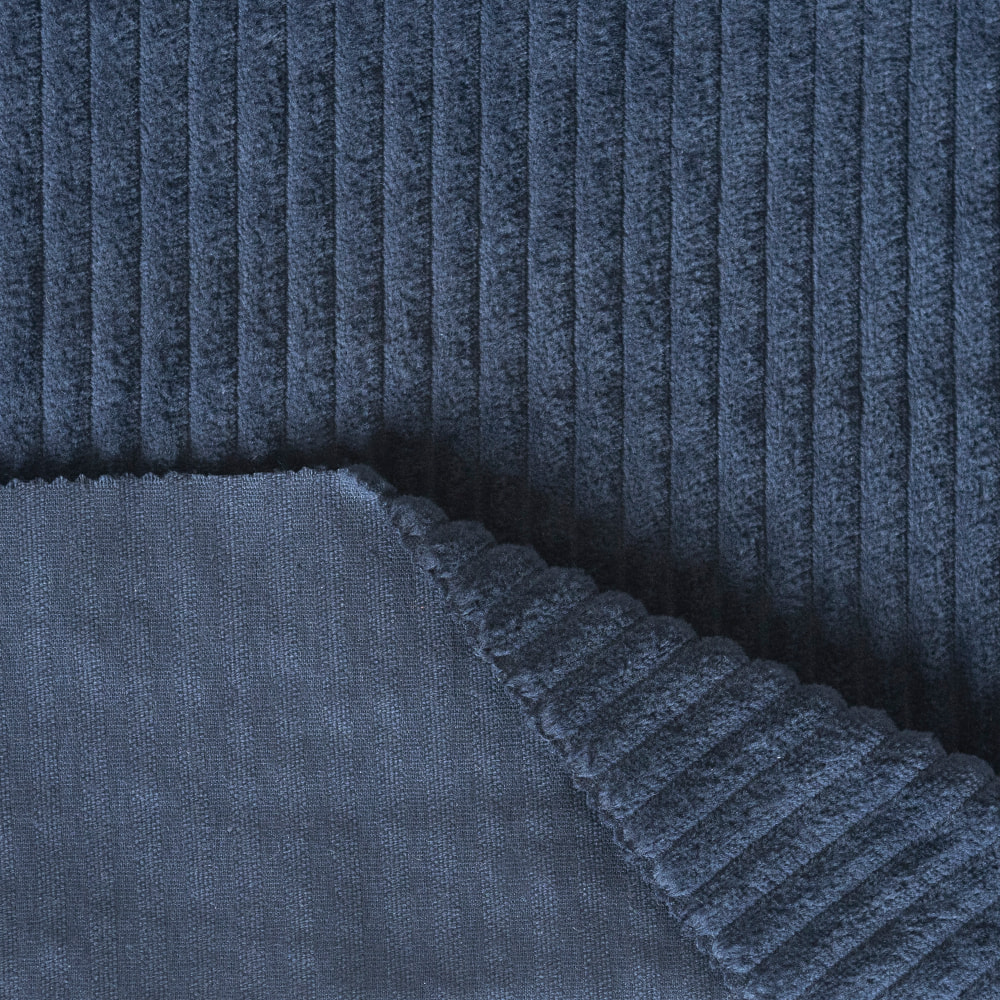


Get Directions
Textile Industry Zone, East Hutang Town, Wujin District,213100 Changzhou,China
Content
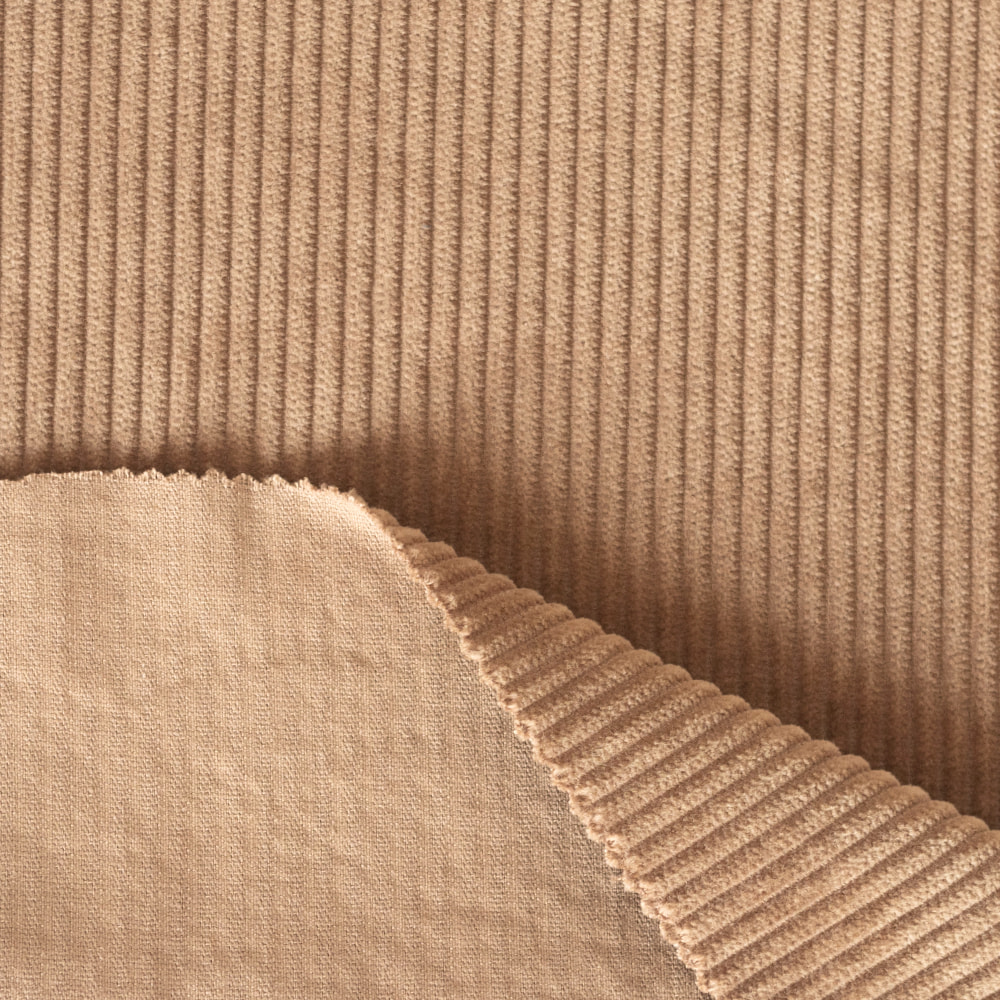
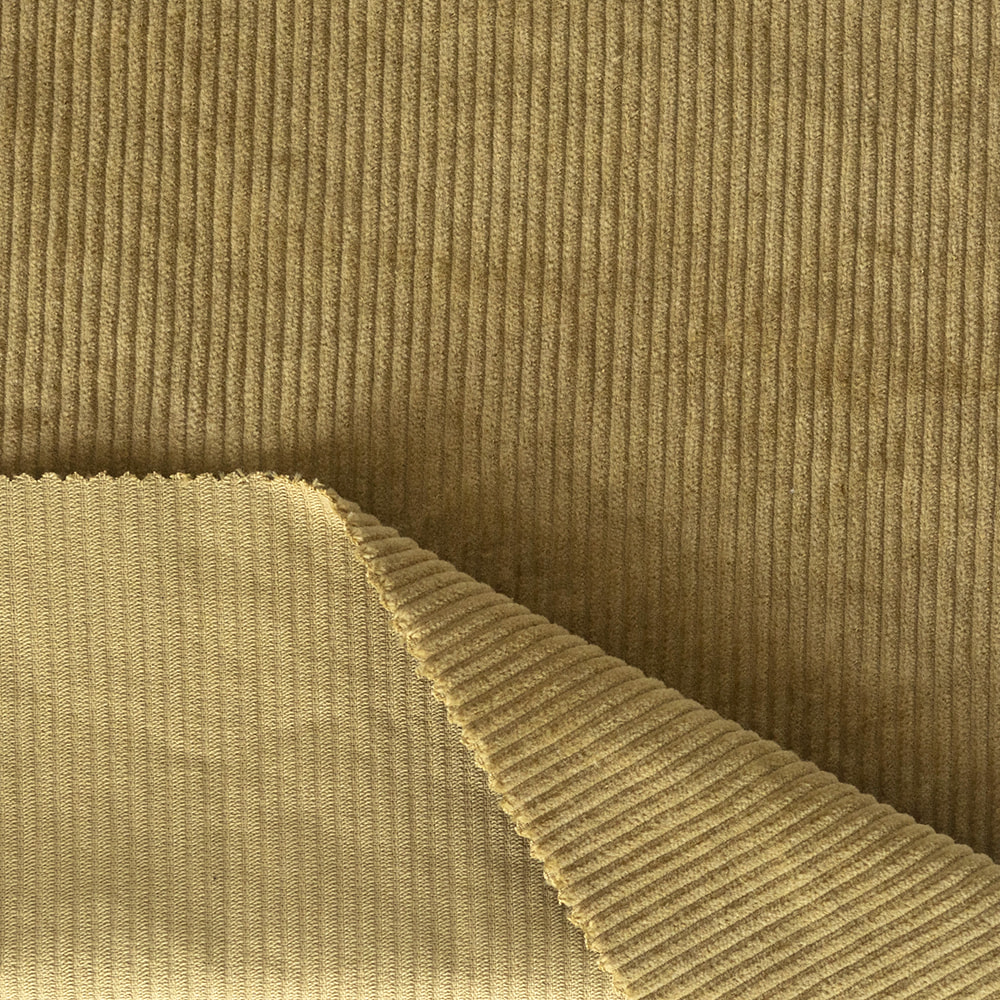
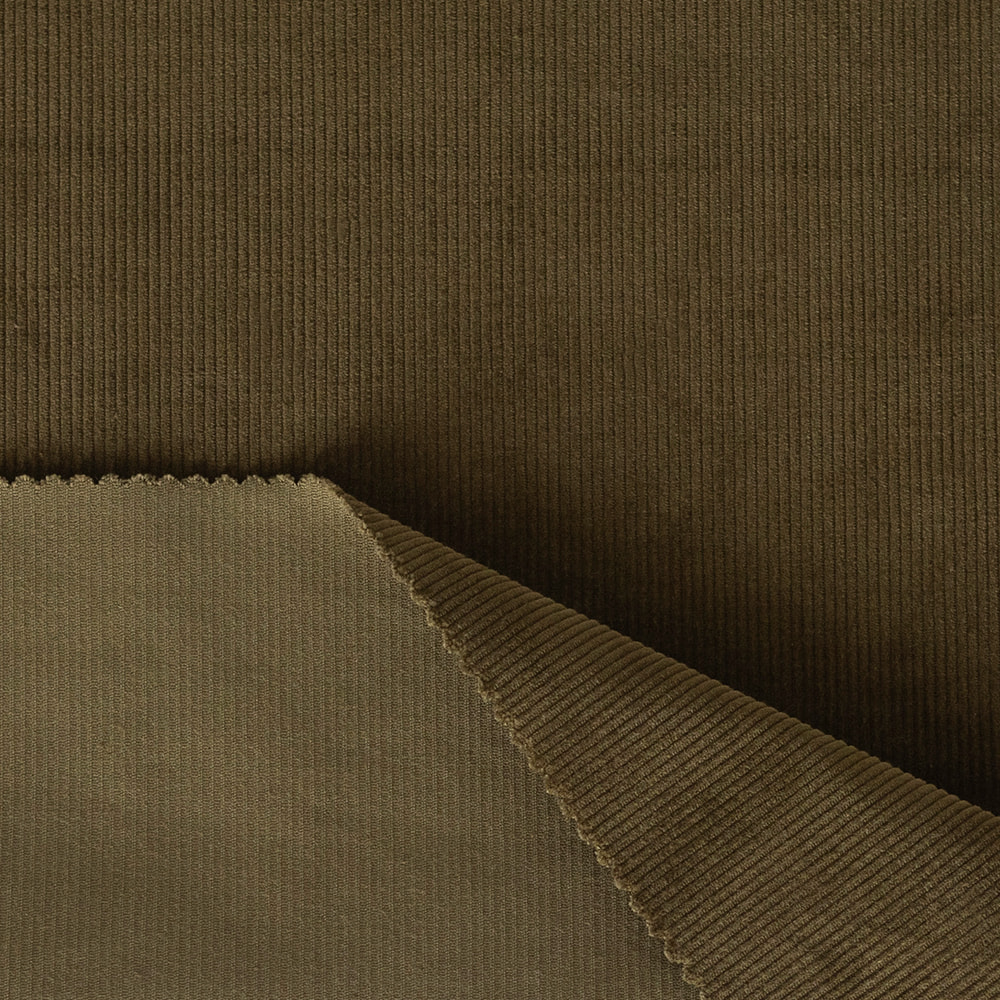
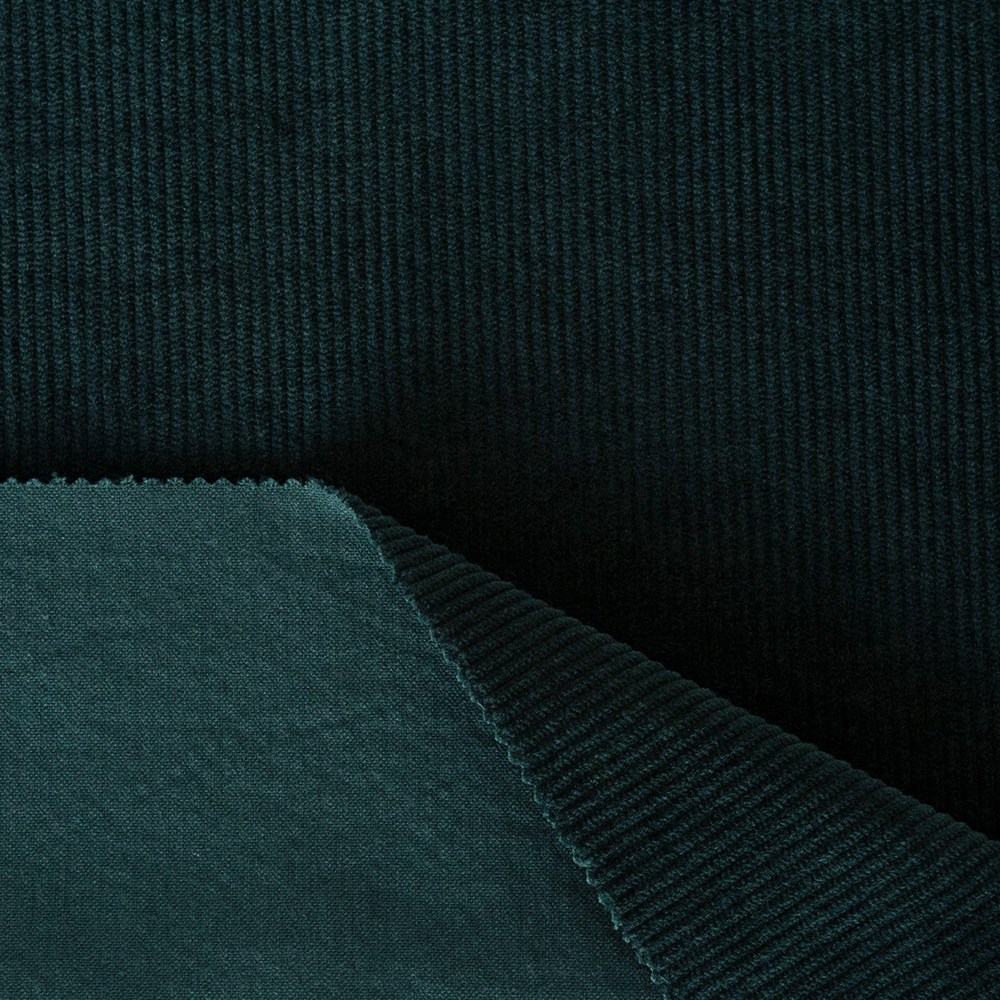
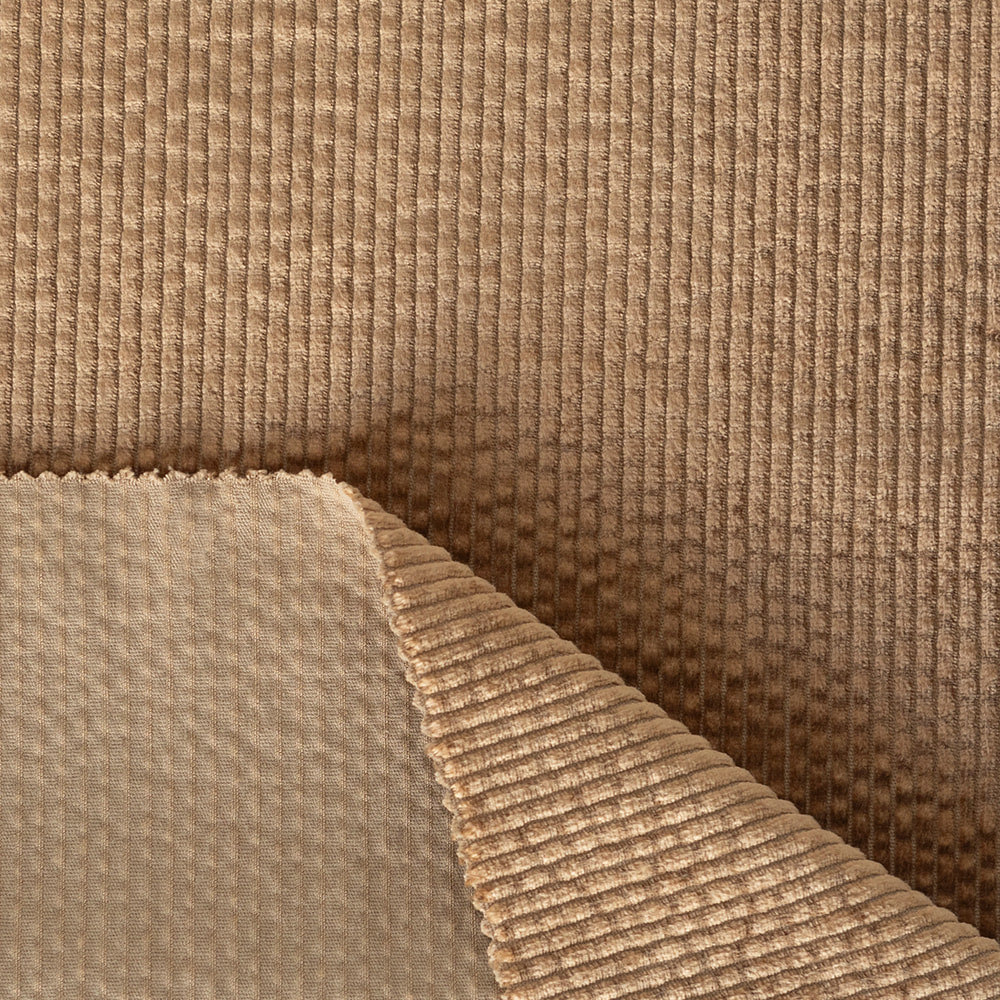
Wide corduroy refers to corduroy with a large wale — the raised ridges that run vertically along the fabric — while plush corduroy describes corduroy with an exceptionally deep, dense pile that gives it a velvety, luxurious feel. The two terms describe different aspects of corduroy construction: wale count determines ridge width, and pile depth determines softness and texture. A wide corduroy fabric can also be plush, but the terms address different measurable properties of the cloth.
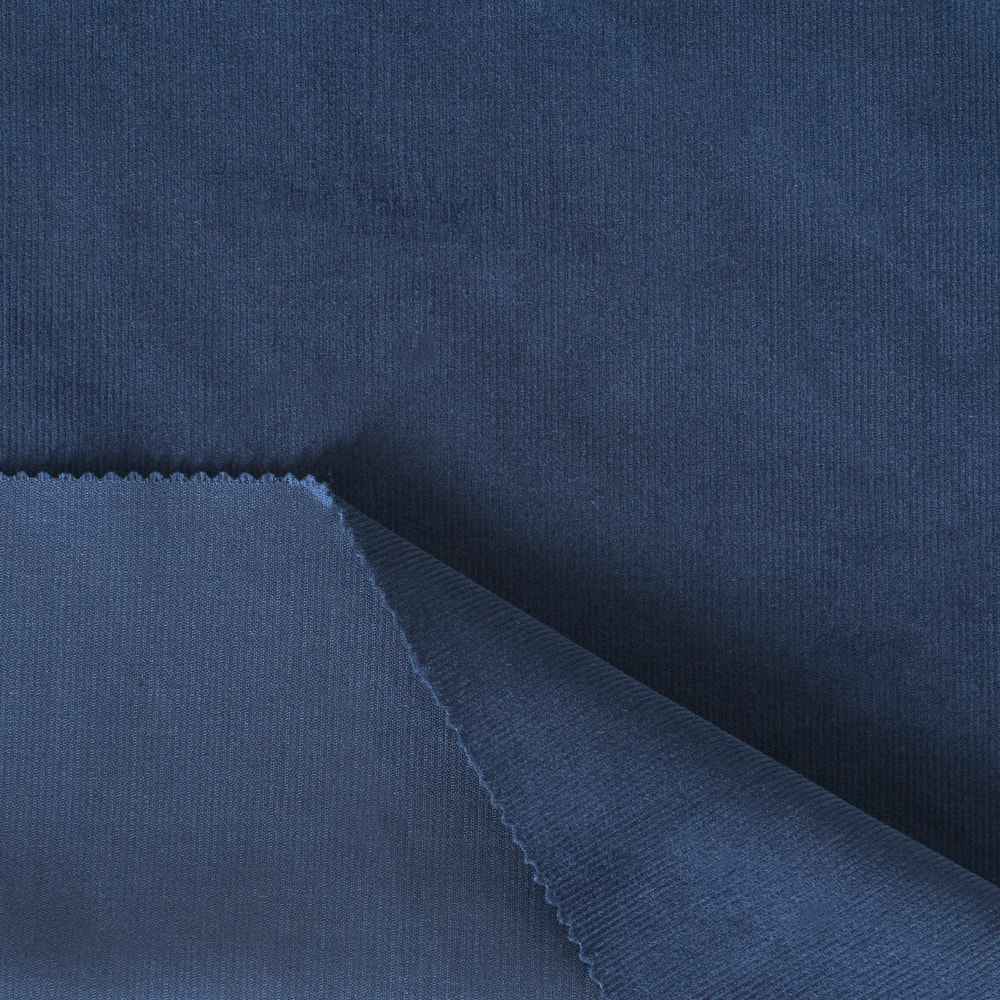
Corduroy is a cut-pile fabric, meaning its texture is created by weaving extra sets of filling yarns that are then cut to form the raised ridges. The number of ridges per inch is called the wale count — a lower wale number means fewer, wider ridges (wide wale), and a higher number means more, narrower ridges (fine wale). Pile depth is a separate dimension: a deeply cut pile produces a plush, cushioned surface regardless of whether the wale is wide or narrow.
Wale count is the single most important specification for identifying a corduroy fabric type. It is measured as the number of ridges (cords) per inch of fabric width. The full range of commercially available corduroy runs from jumbo wale at 1.5–2 wales per inch through to micro-wale and pin-wale at 16–21 wales per inch.
| Corduroy Type | Wales per Inch | Ridge Width | Typical Weight (gsm) | Common Applications |
|---|---|---|---|---|
| Jumbo wale | 1.5–2 | Very wide (~13mm) | 350–500 | Outerwear, upholstery, bags |
| Wide wale | 3–6 | Wide (~4–8mm) | 280–400 | Trousers, jackets, cushions |
| Standard wale | 8–10 | Medium (~2.5–3mm) | 220–320 | Shirts, casual trousers, skirts |
| Fine / pin wale | 16–21 | Narrow (~1.2mm) | 150–250 | Children's wear, lightweight shirts |
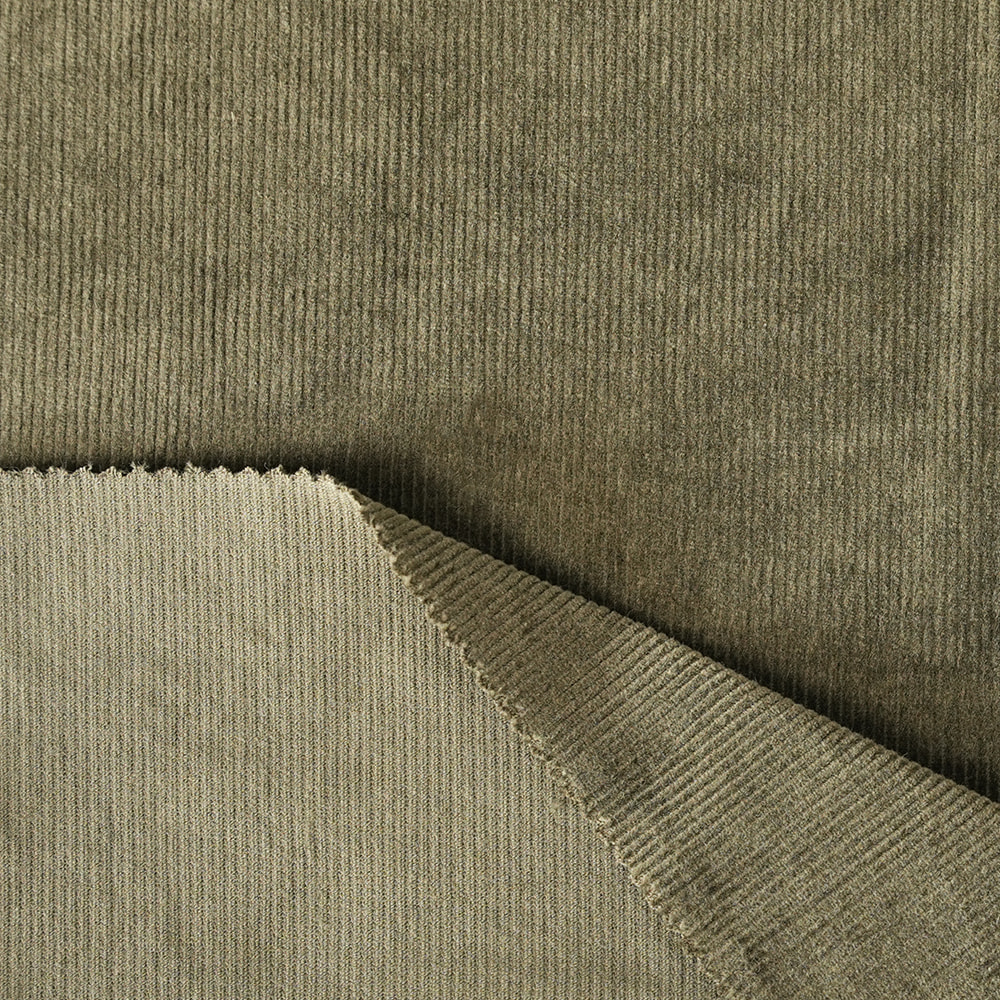
Wide wale corduroy — typically 3 to 6 wales per inch — produces a visually bold, textured surface with prominent ridges that catch and reflect light differently as the fabric moves. The individual cords are wide enough to see and feel distinctly under the hand, giving the fabric a strong tactile character that fine wale does not have. Because the ridges are wider, each cord has more pile surface area, which means wide wale corduroy typically has a softer, more cushioned hand feel than fine wale at comparable pile depth.
Wide wale fabrics are heavier and less drapey than their fine wale counterparts. A 5-wale corduroy in cotton typically weighs 300–380 gsm — comparable to a medium-weight denim — which makes it well suited for structured garments like trousers, overshirts, and jackets but less appropriate for blouses or lightweight dresses that require fluid drape.
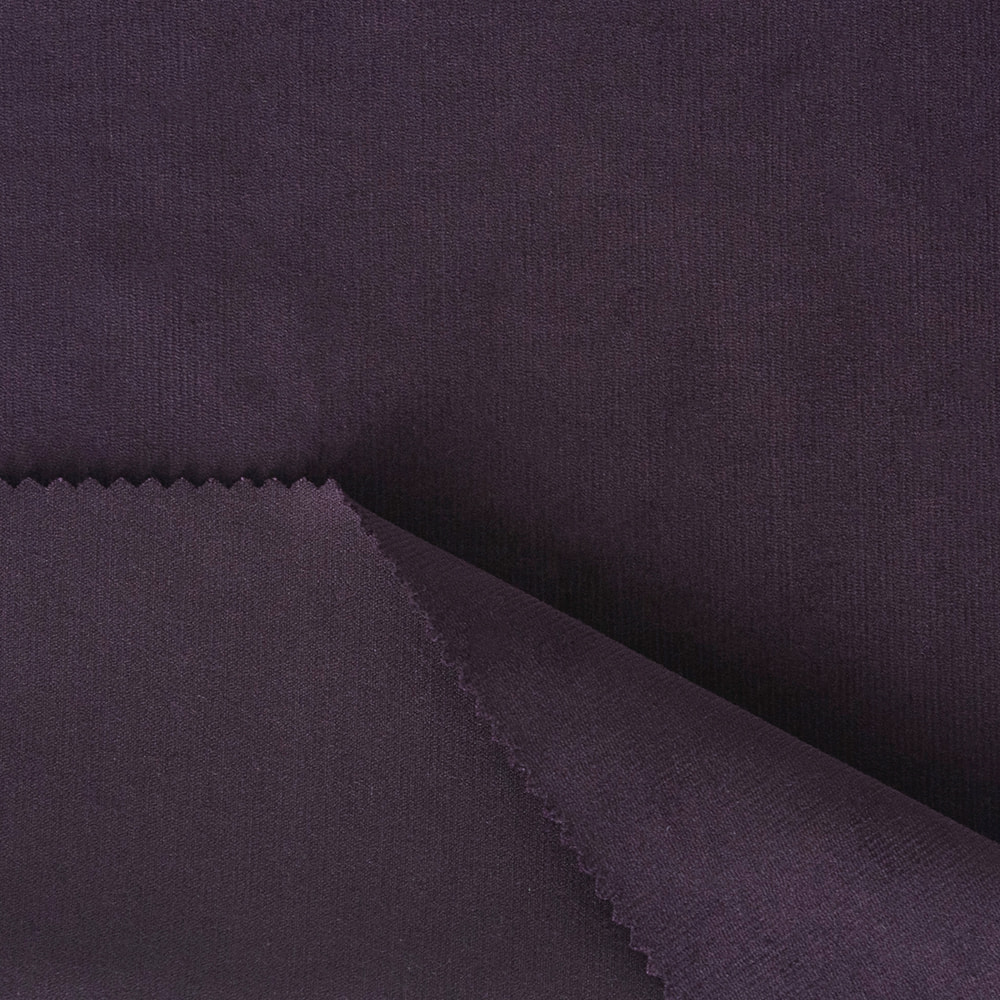
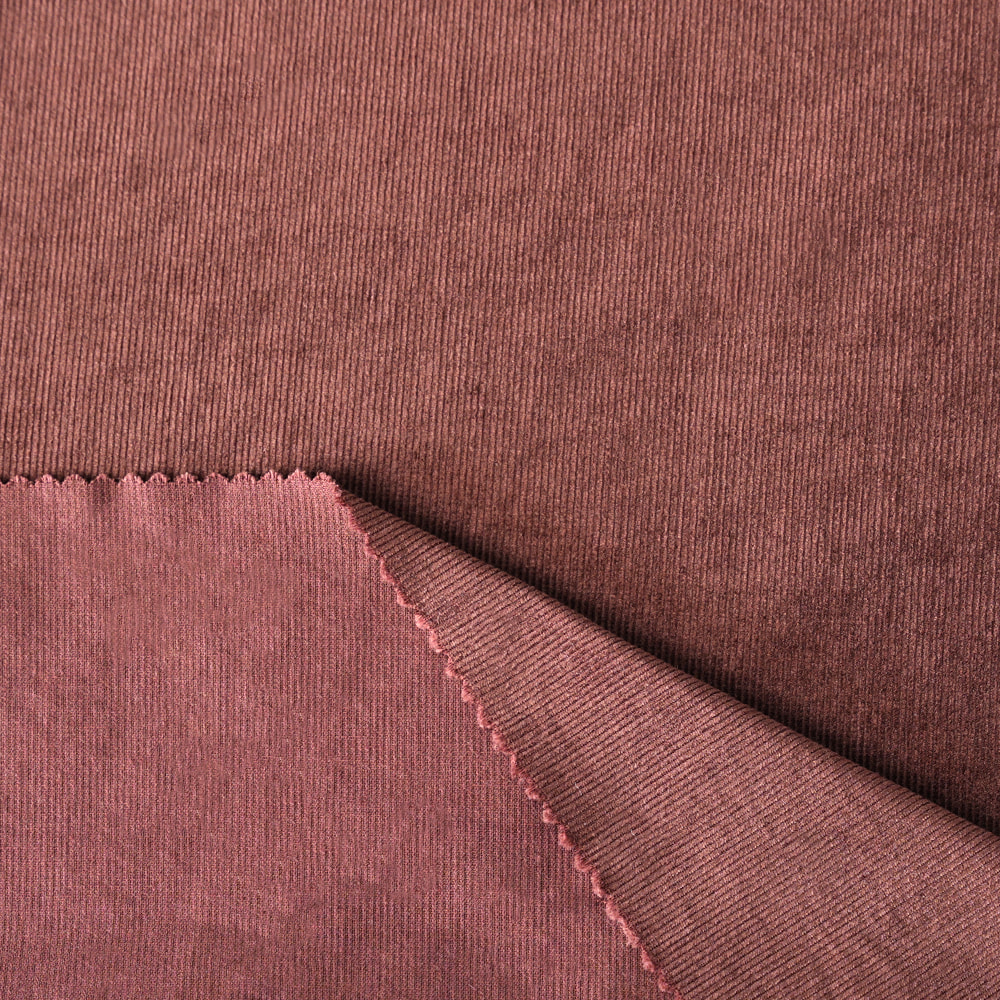
Plush corduroy is defined by its pile depth rather than its wale count. Standard corduroy has a pile height of approximately 1–2mm above the base fabric; plush corduroy has a pile height of 3mm or more, creating a noticeably deeper, softer, and more cushioned surface that approaches the feel of velvet or velour in its most luxurious forms.
The increased pile depth is achieved by using more extra filling yarns during weaving and cutting them at a greater height. This requires more raw material per metre of fabric, which is why plush corduroy is consistently more expensive than standard corduroy of the same wale count. The deeper pile also absorbs more light, giving plush corduroy a richer, darker visual appearance that intensifies colors — a deep burgundy in standard corduroy becomes visually more saturated and velvety in plush construction.
The combination of wide wale construction and deep pile produces the most dramatically tactile form of corduroy available. Wide plush corduroy — sometimes sold as "chunky corduroy" or "thick cord" — has individual ridges that are both visually prominent and deeply soft to the touch. This combination is particularly popular for home textiles such as cushion covers, throws, and upholstery panels where both visual texture and tactile comfort are part of the design intent.
In fashion, wide plush corduroy appears most frequently in autumn and winter collections — oversized coats, wide-leg trousers, and bucket hats where the bold texture reads well at a distance and the deep pile contributes genuine warmth through its insulating air-trapping structure.

The fiber content of corduroy significantly affects how wide wale and plush corduroy performs in use — its durability, care requirements, weight, and how it responds to cutting and sewing.
Corduroy's directional pile creates specific requirements for cutting and sewing that differ from non-pile fabrics. These requirements become more critical with wider wale and deeper plush constructions, where the pile direction is more visually obvious and pile displacement during sewing is more pronounced.
Corduroy pile lies in a consistent direction — running either up or down the length of the fabric. When light hits pile lying in different directions on the same garment, the panels appear to be different colors despite being cut from the same cloth. All pattern pieces must be cut with the pile running in the same direction — this is called a nap layout and it applies to all pile fabrics.
Convention varies: some sewers cut with pile running upward (producing a richer, darker appearance as light reflects less off the surface) and others cut with pile running downward (producing a lighter, more uniform appearance and slightly better resistance to wear and flattening). Either approach is acceptable as long as it is applied consistently across all pieces of the same garment or project. For plush corduroy, cutting with pile running upward is generally recommended because the deeper pile benefits most from the richer color effect this orientation produces.
Wide wale and plush corduroy are bulkier than fine wale at seams because the ridges and deep pile add thickness when layers are joined. Practical adjustments include:
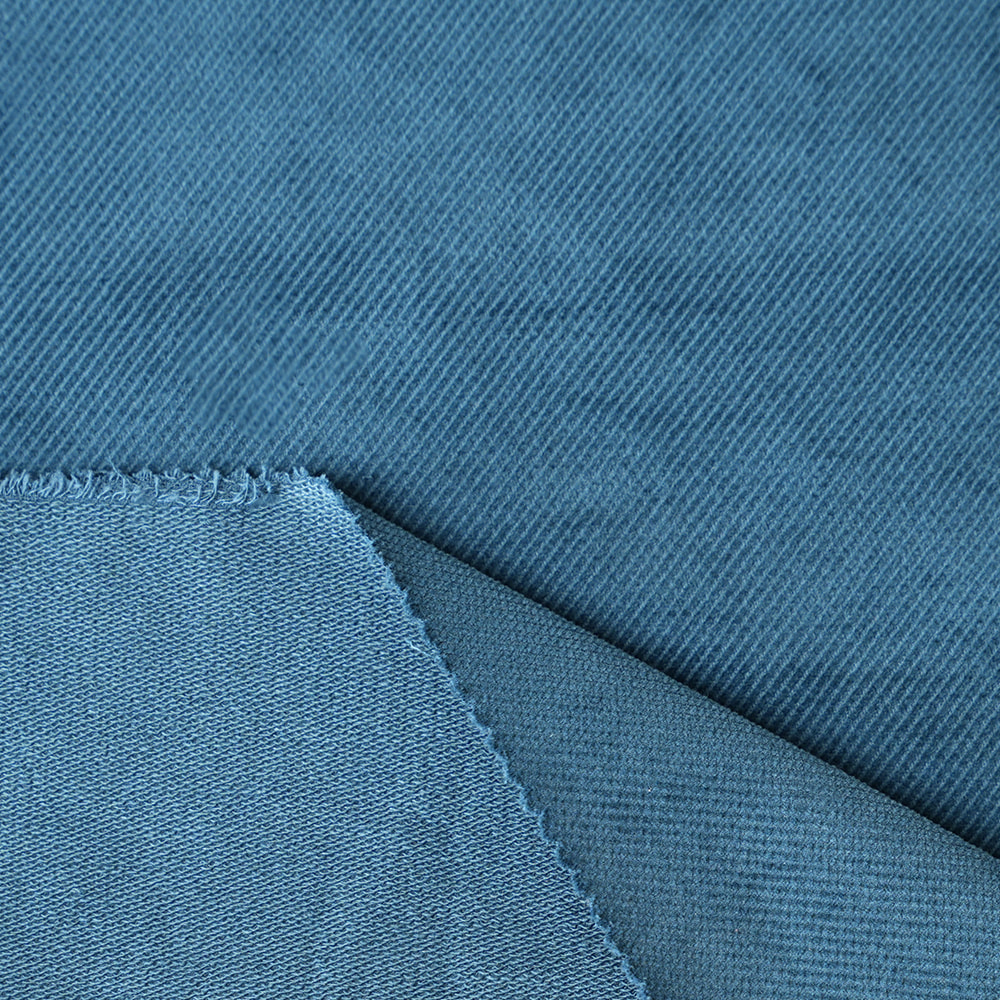
For most cotton corduroy, a size 80/12 or 90/14 universal or sharp needle is appropriate. Wide wale fabrics with a heavy cotton base may require a 100/16 needle to penetrate cleanly without deflecting. Avoid ballpoint needles, which are designed for knit fabrics and can cause skipped stitches in woven corduroy. Thread should match the fiber content: polyester thread works well with both cotton and blended corduroy, and its slight stretch accommodates any fabric movement without breaking stitches.
The home textiles market is one of the strongest growth areas for wide and plush corduroy. The fabric's combination of visual warmth, tactile richness, and seasonal appeal makes it a strong choice for interiors projects where soft furnishings need both durability and visual impact.
Wide wale and plush corduroy are ideal for cushion covers — the fabric has sufficient body to hold a clean envelope shape around an insert while the pile surface adds tactile interest. For cushions, a 3- to 5-wale cotton or cotton-polyester plush corduroy in 300–380 gsm weight provides the best balance of structure and softness. Lighter corduroy risks looking limp around the insert; heavier weights can be difficult to manipulate at corners without significant bulk.
Plush corduroy throws are practical as well as decorative — the deep pile provides genuine warmth from the air trapped between fibers, and the fabric is durable enough to withstand regular use and washing if the fiber content is polyester-reinforced. Pure cotton plush throws may need dry cleaning or very gentle machine washing to prevent pile matting.
Corduroy upholstery fabric is most suitable for low-to-moderate use furniture — bedroom chairs, occasional pieces, and decorative ottomans. For primary seating in living rooms, the abrasion resistance of corduroy is lower than dedicated upholstery fabrics: most cotton wide wale corduroy rates at 15,000–25,000 double rubs on the Martindale test, compared to 30,000–50,000 for commercial upholstery weaves. For residential decorative use, this is adequate; for heavily used main sofas or commercial furniture, it is not.
Polyester plush corduroy in wider wale constructions typically achieves higher abrasion ratings than cotton equivalents and is the better choice for upholstery that will see regular use. When selecting corduroy for upholstery, confirm the abrasion rating is stated by the supplier rather than inferred from the fabric type alone.
The pile structure of corduroy — particularly plush corduroy — is the most vulnerable aspect of the fabric during laundering and storage. Proper care preserves the pile height, direction, and color depth that make these fabrics visually distinctive.
Please feel welcome to contact our friendly reception staff with any general call us

+86 139 6116 7127

Email: cloud@jacquardcloth.com

Textile Industry Zone, East Hutang Town, Wujin District,213100 Changzhou,China
