

 English
 日本語
日本語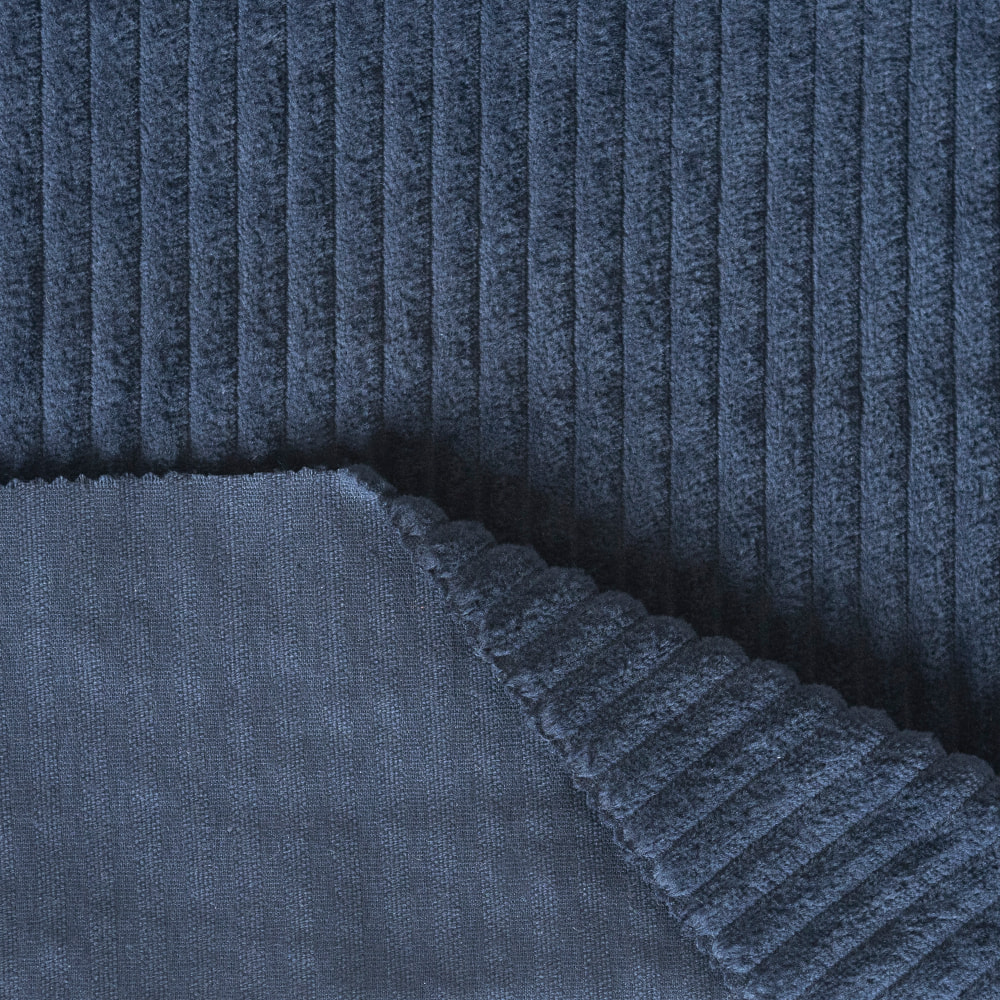


Get Directions
Textile Industry Zone, East Hutang Town, Wujin District,213100 Changzhou,China
Content
Near the banks of the Nile, in a city called Al-Fustat, weavers were producing a heavy twill cloth around 200 AD. The fabric, woven from a linen warp and a thick cotton weft, was brushed to raise a low, dense nap on one side. It took its name from the city itself: fustian.
Fustian was not yet corduroy. It had none of the raised parallel ridges, known as wales, that define the fabric today. What it did have was durability and warmth, qualities that made it valuable enough to travel far beyond Egypt in the centuries that followed. Al-Fustat itself eventually faded from prominence, absorbed into the growing city of Cairo, but the fabric it gave its name to outlived the city by well over a thousand years.
Italian and Spanish merchants carried fustian into Europe during the medieval period, where it found a practical role: lining the gowns and doublets of the wealthy. Beneath silk and velvet outer layers, fustian provided warmth without the expense of the fabrics it supported. Even English royalty made use of it. Henry VIII is recorded as having owned a number of fustian garments, valued for comfort rather than display.
The fabric also found its way into religious dress. At one point, a Cistercian abbot required that chasubles, the outer vestments worn by priests during Mass, be made from plain linen or fustian rather than costlier materials, a small but telling sign of how the cloth straddled utility and status even in its earliest European years.
Exactly when and how fustian became corduroy is still debated, and the most popular explanation is probably wrong. A long-standing myth holds that the word derives from the French corde du roi, meaning cord of the king, suggesting a fabric fit for royalty. It is a good story, and one that French manufacturers were happy to repeat as a marketing device.
Textile historians generally favor a less romantic explanation. Corduroy, in this account, is an English compound: cord, describing the fabric's ribbed surface, joined with duroy, the name of a coarse woolen cloth already being produced in England at the time. The general consensus places the fabric's development, and likely its name, in Manchester during the 18th century, as English textile manufacturers refined fustian into a cloth with distinct, structured ridges for the first time.
By the 18th century, English mills had transformed fustian into something closer to modern corduroy, and Manchester became its production center. The fabric suited the moment. It was warm, resistant to wear, and easy to maintain, which made it a natural choice for sportsmen, schoolmasters, and increasingly, factory workers.
That last group would come to define corduroy's reputation for most of the 19th century. As velvet became the fabric of choice among the wealthy, corduroy was pushed downward in status, earning the label "poor man's velvet." German philosopher Friedrich Engels, whose own father owned a Manchester textile factory, noted the near-universal presence of fustian clothing among laborers while researching what became The Condition of the Working Class in England in 1844. For much of that century, corduroy was inseparable from working-class identity, and in some circles, from working-class politics as well.
Corduroy's fortunes shifted repeatedly through the 20th century. Levi Strauss included it in the company's 1901 spring and summer catalog, and by the 1920s it appeared on the cover of Levi's own price lists, a quiet but steady presence in American workwear.
Its most dramatic reinvention came later. The late 1960s saw corduroy adopted by an unlikely mix of hippies, Ivy League students, and rock musicians, and the 1970s are widely regarded as its golden era, when bold, wide-wale suit jackets in bright colorways became a signature look for public figures of the decade. The pattern has repeated since, in smaller waves: colorful corduroy shorts in 1980s California, grunge-adjacent corduroy paired with flannel in the 1990s. Unlike more consistently trendy fabrics, corduroy tends to disappear for long stretches before returning, each time to a new audience that treats it as a fresh discovery.
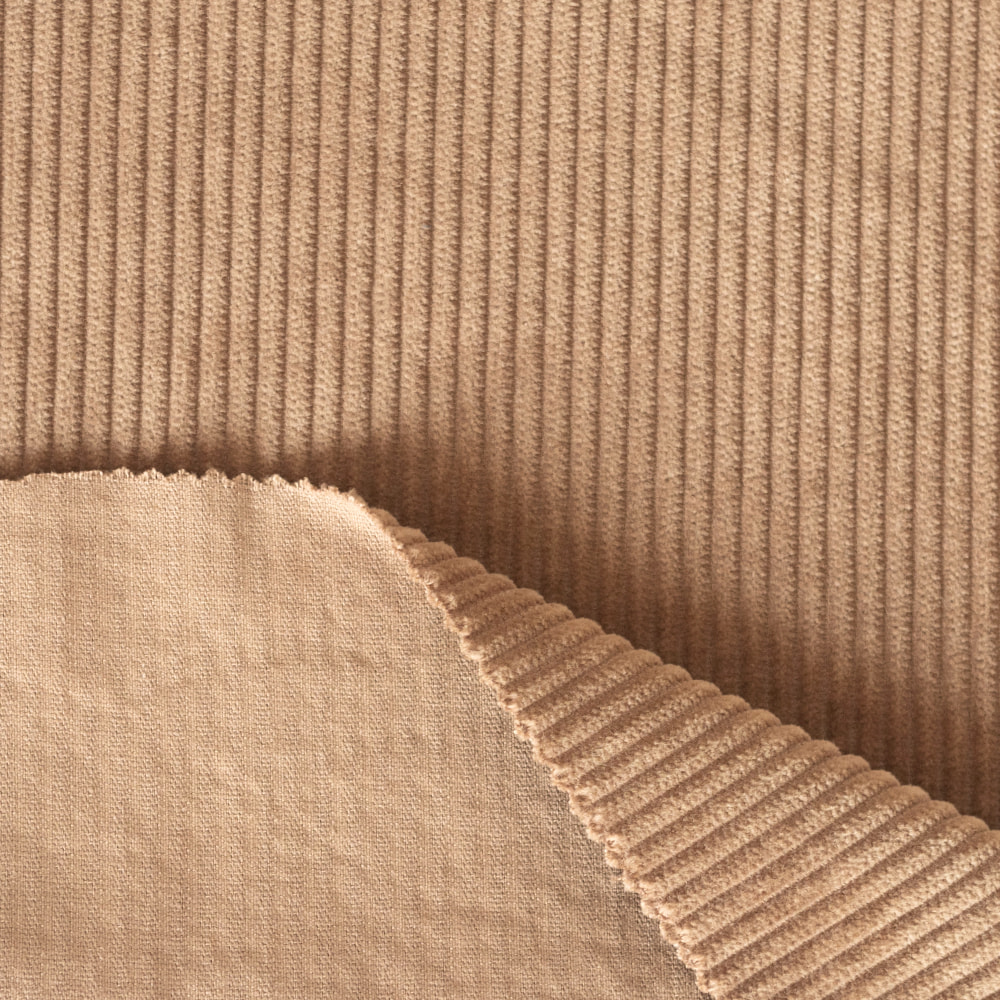
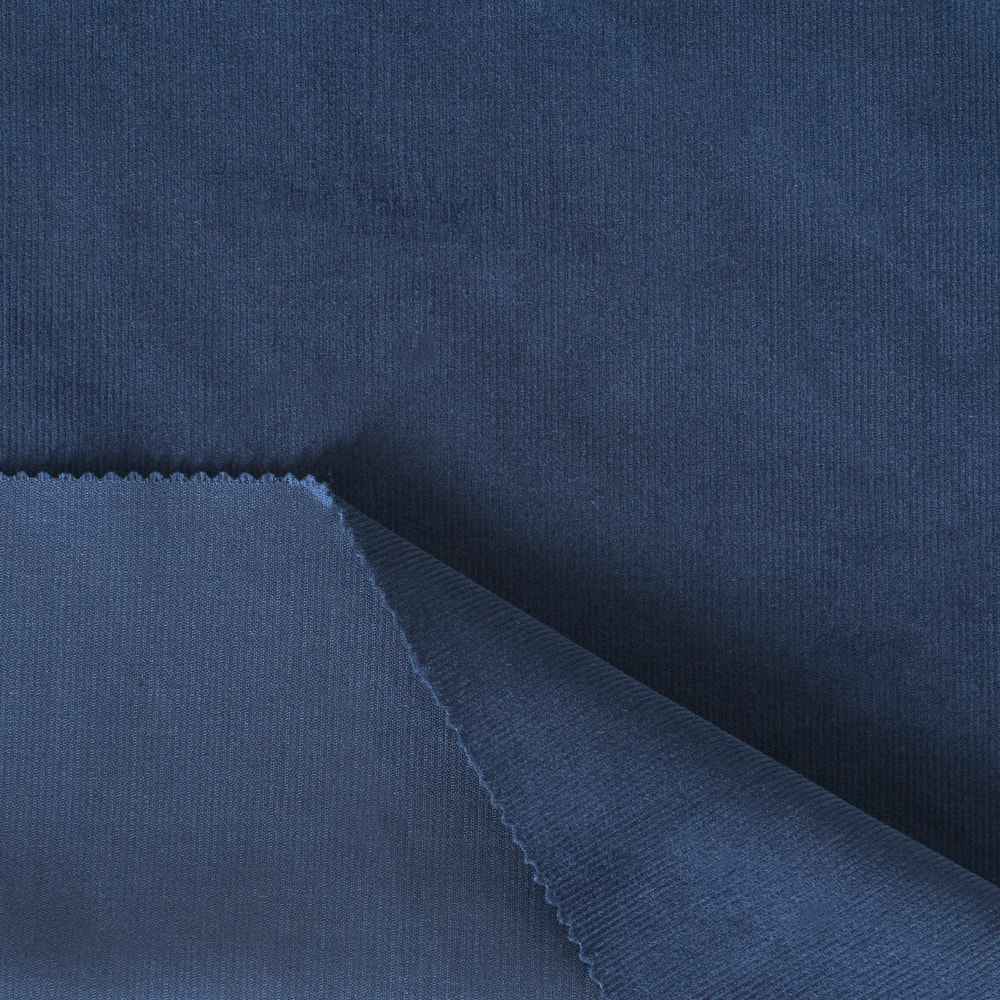
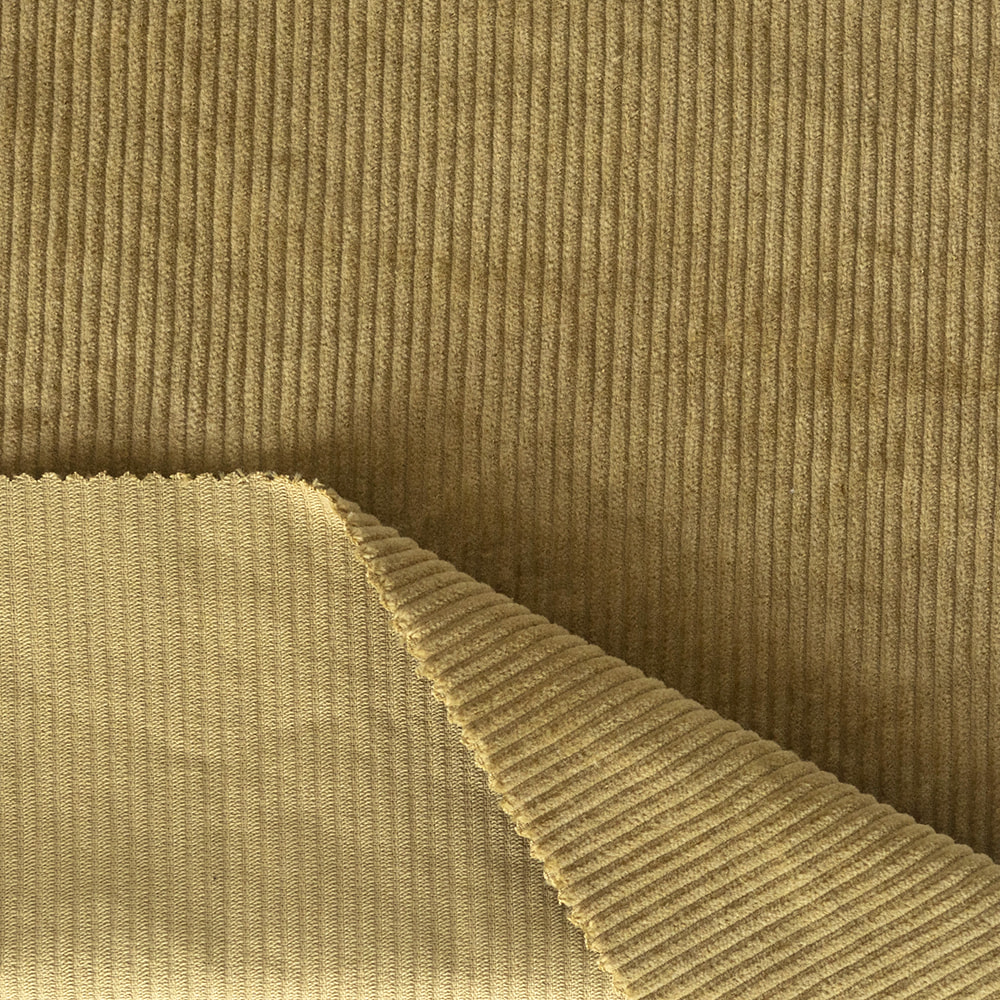
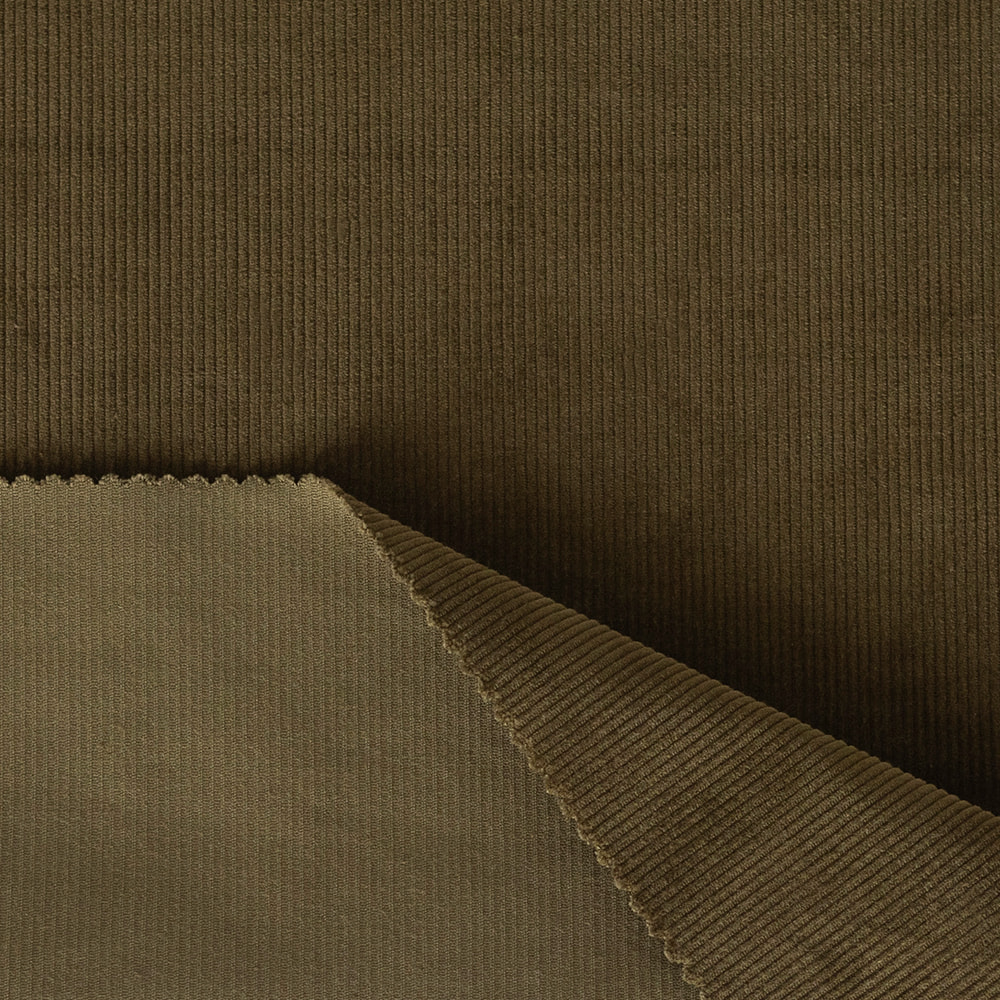
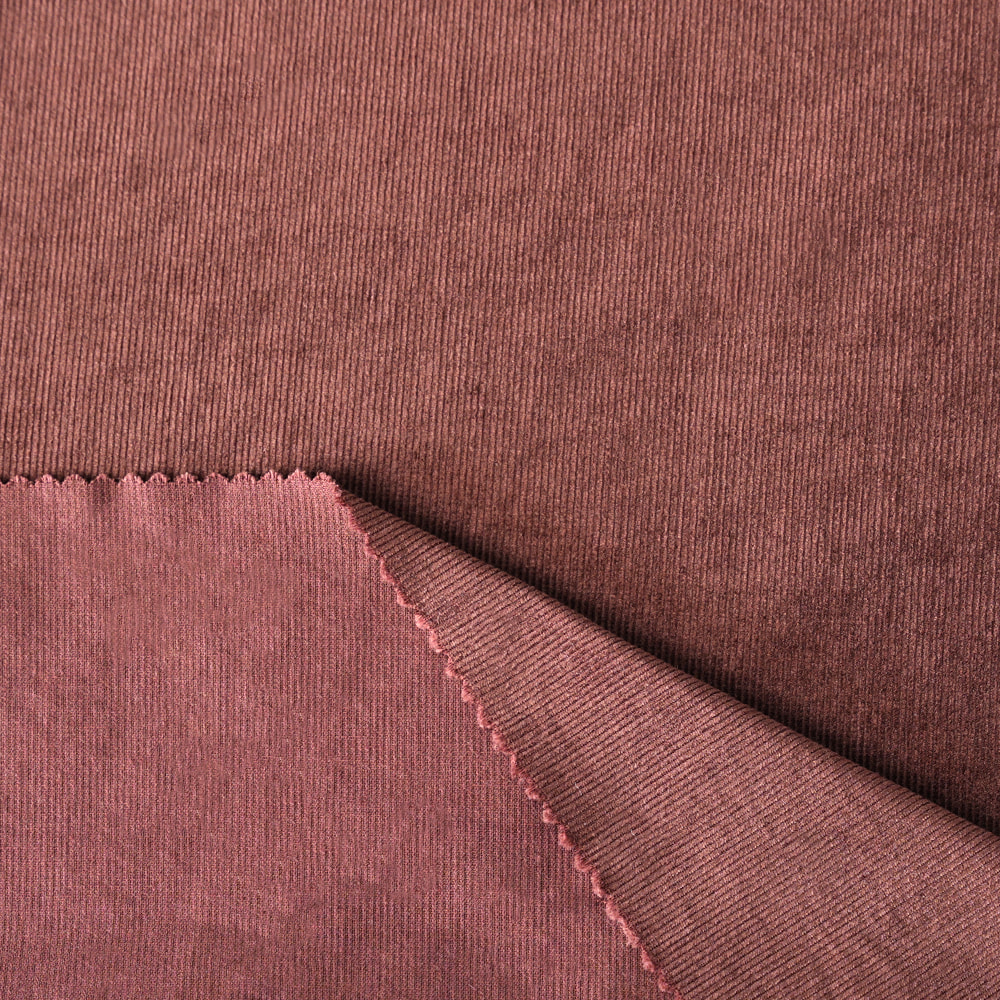
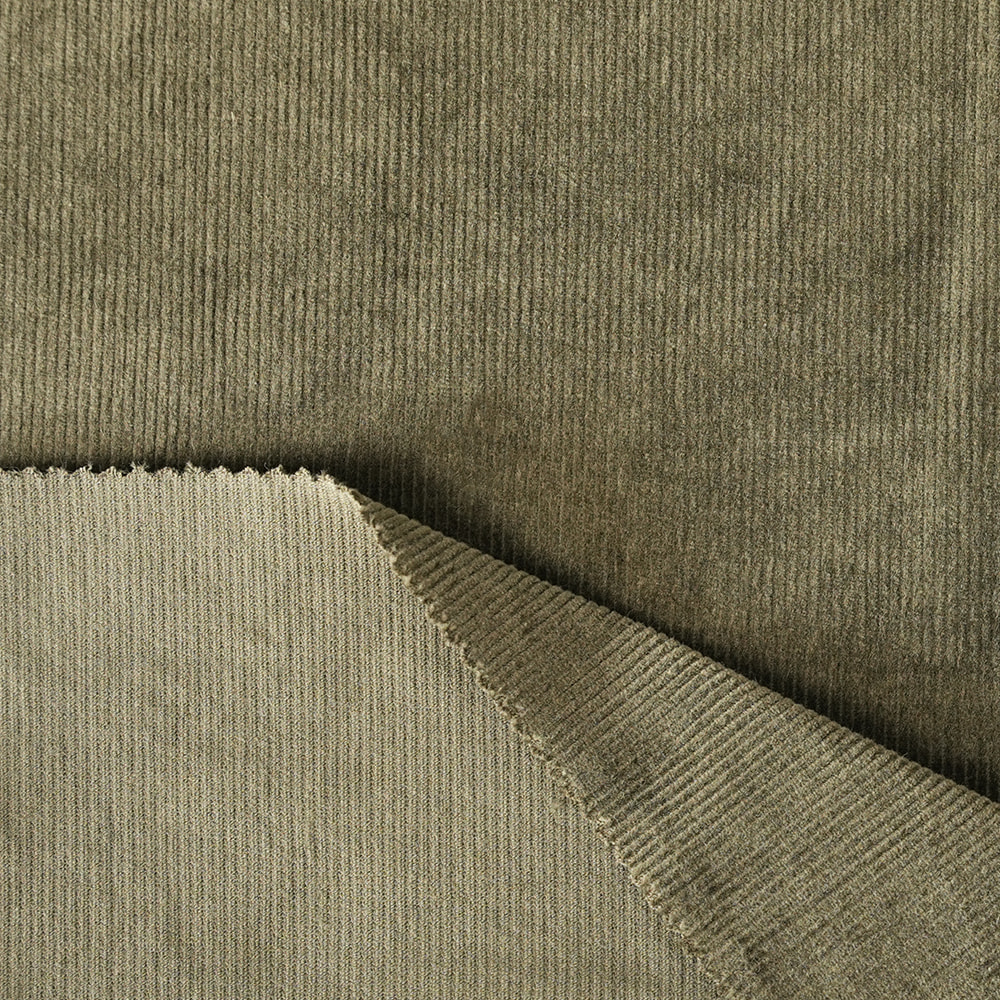
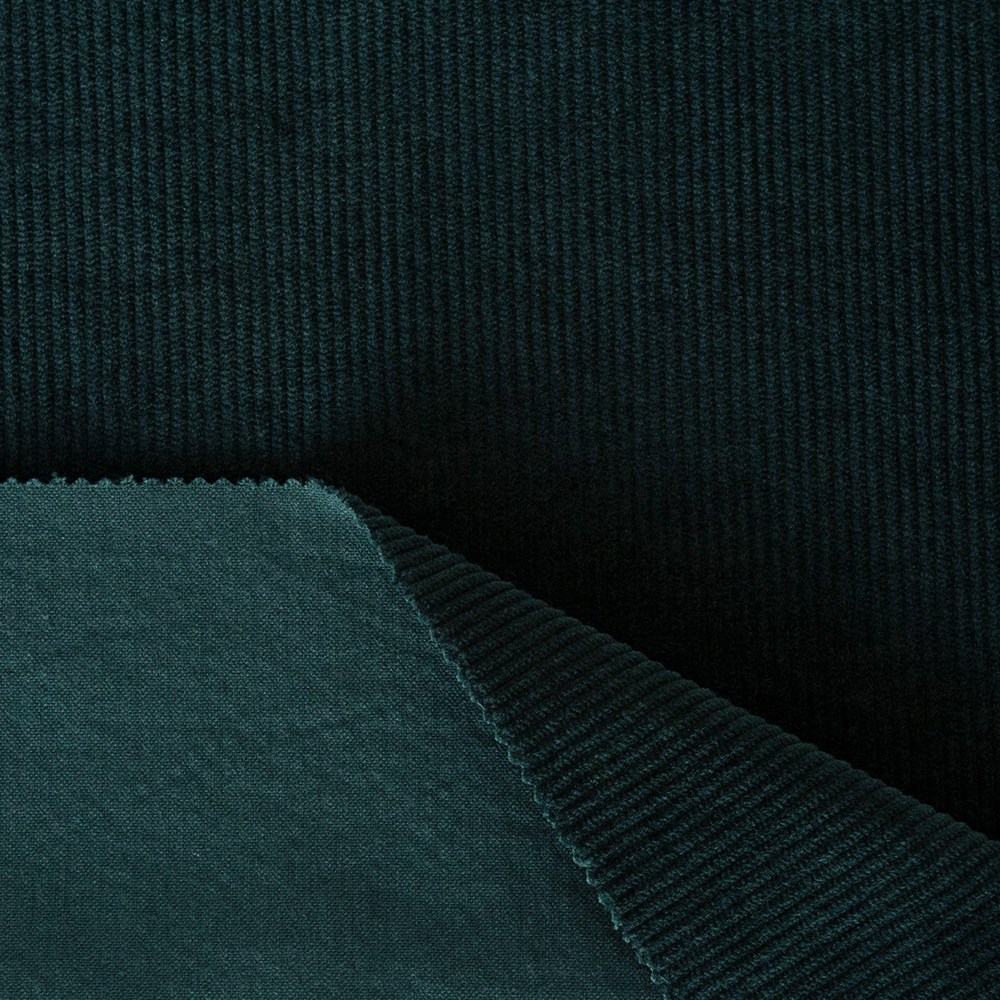
The brushed nap that defined ancient fustian bears little resemblance to how corduroy is engineered today. Modern corduroy is woven with one warp and two sets of filling yarns, a ground yarn that forms the base cloth and a pile yarn that is later cut and brushed to create the fabric's signature parallel ridges. Those ridges, called wales, are measured by how many appear within a single inch, and that count determines nearly everything about how a given corduroy behaves, from its drape to its intended use.
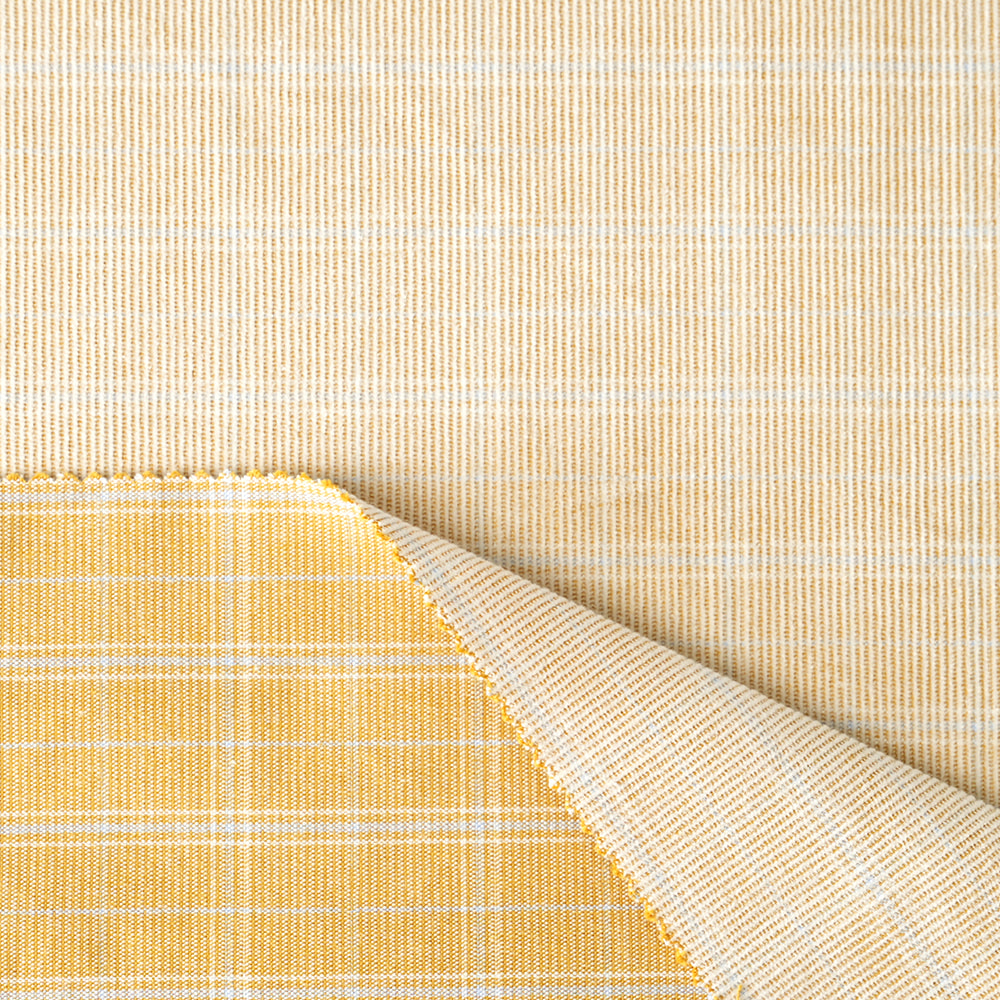
This precision is a long way from a brushed Egyptian twill, but the lineage is direct. Where fustian relied on a single dyeing and finishing pass, contemporary corduroy production offers real choices. A cotton piece-dyed corduroy fabric is dyed as a finished piece for even, consistent color, while a yarn-dyed corduroy construction uses pre-dyed threads to build in stripes, checks, or tonal depth that piece-dyeing simply cannot achieve.
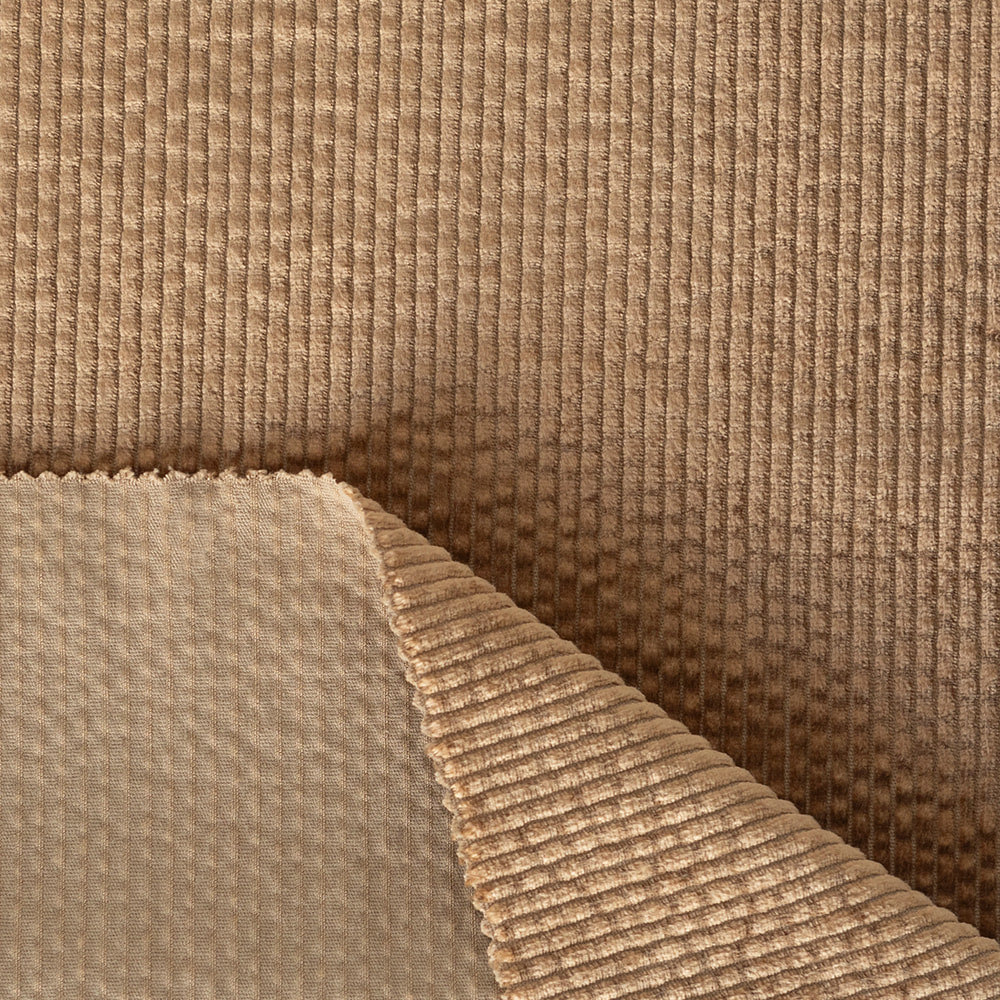
Two thousand years of history explain why corduroy now covers such a wide range of specifications rather than a single fixed fabric. Wale counts run from fine pinwale up to bold elephant wale, fiber compositions span pure cotton to cotton blended with tencel, modal, or spandex for stretch, and finishing techniques now include woven-in jacquard and dobby patterns that would have been unimaginable to fustian's original weavers.
For anyone sourcing the fabric today, that range matters more than nostalgia. Wale weight, fiber blend, and dyeing method each affect how a corduroy garment or upholstery piece performs, and getting the specification right is the difference between a fabric that lasts and one that doesn't. Buyers working through those decisions can find a detailed guide to wale counts and weights useful, and can browse the full range of corduroy weaves and fiber blends to match a specification to the intended use. What began as a brushed Egyptian twill has become one of the more technically varied fabrics on the market, and understanding its history is, in a practical sense, understanding why it now offers so many choices.
Please feel welcome to contact our friendly reception staff with any general call us

+86 139 6116 7127

Email: cloud@jacquardcloth.com

Textile Industry Zone, East Hutang Town, Wujin District,213100 Changzhou,China
