

 English
 日本語
日本語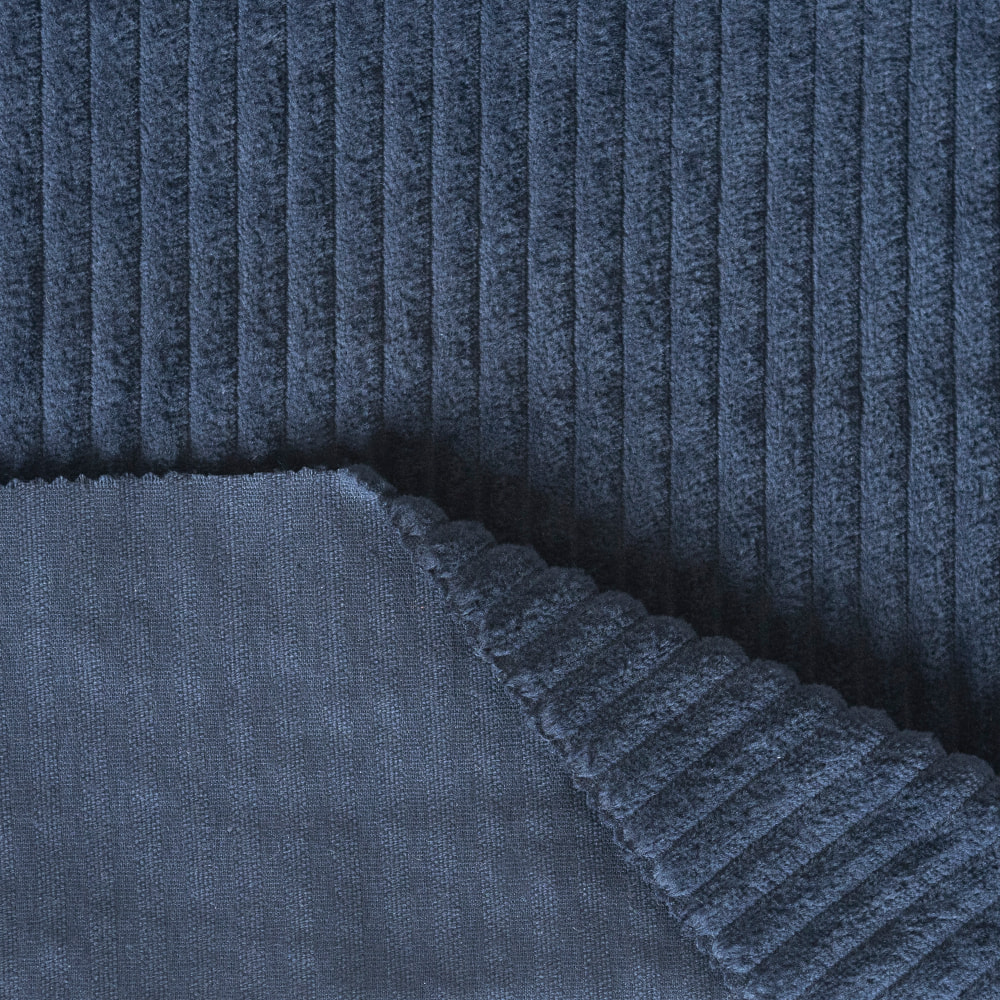


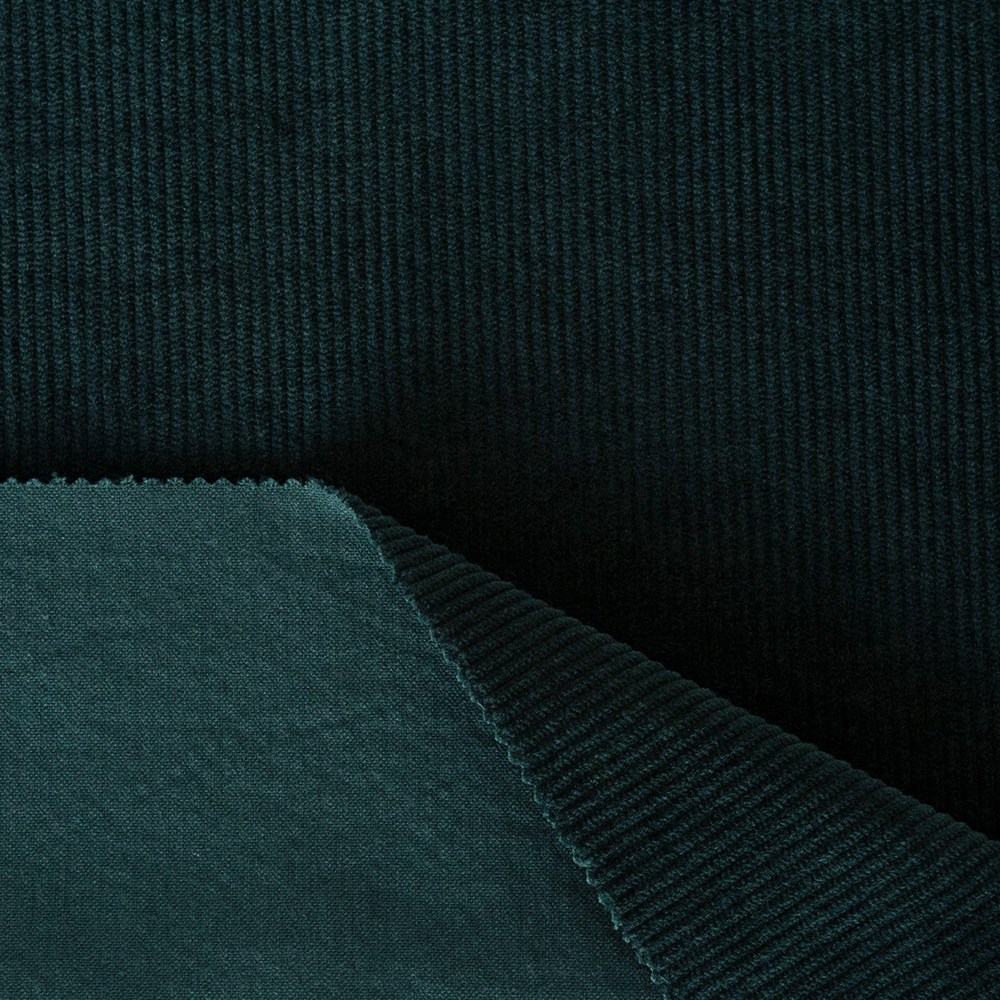
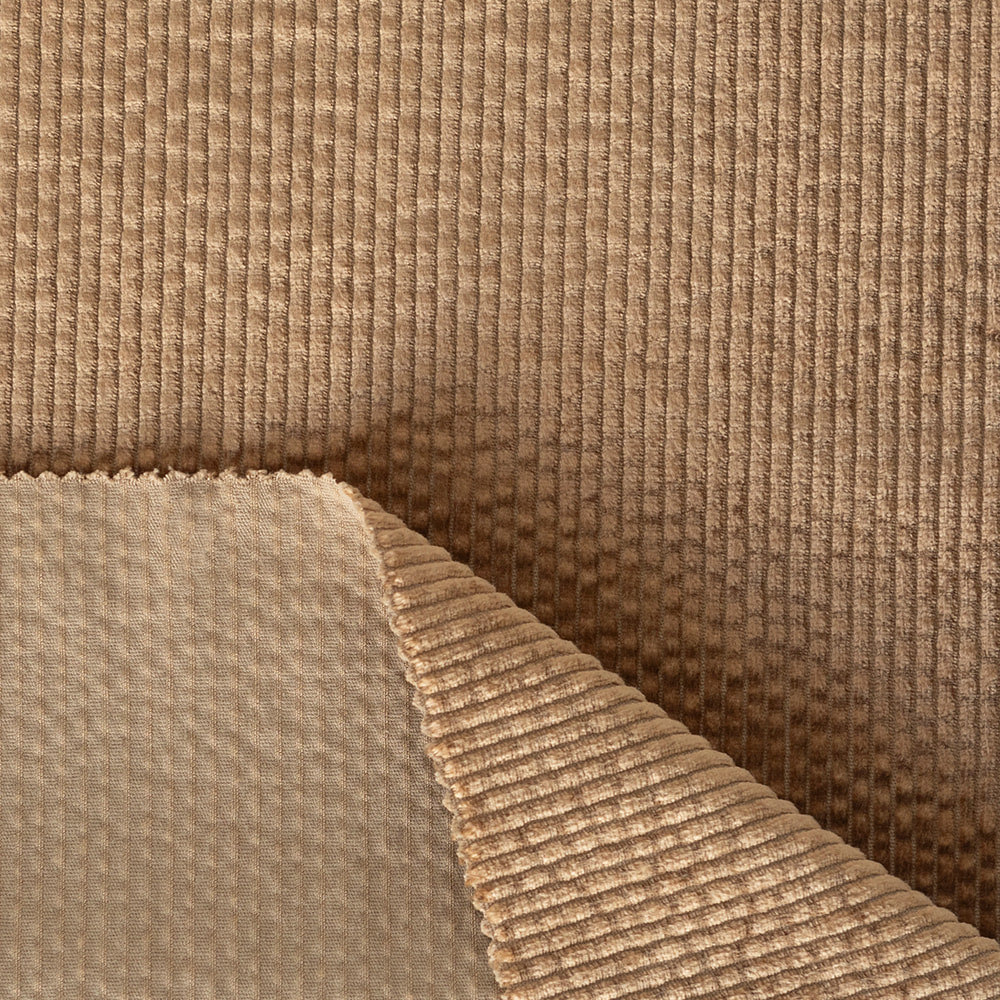
Get Directions
Textile Industry Zone, East Hutang Town, Wujin District,213100 Changzhou,China
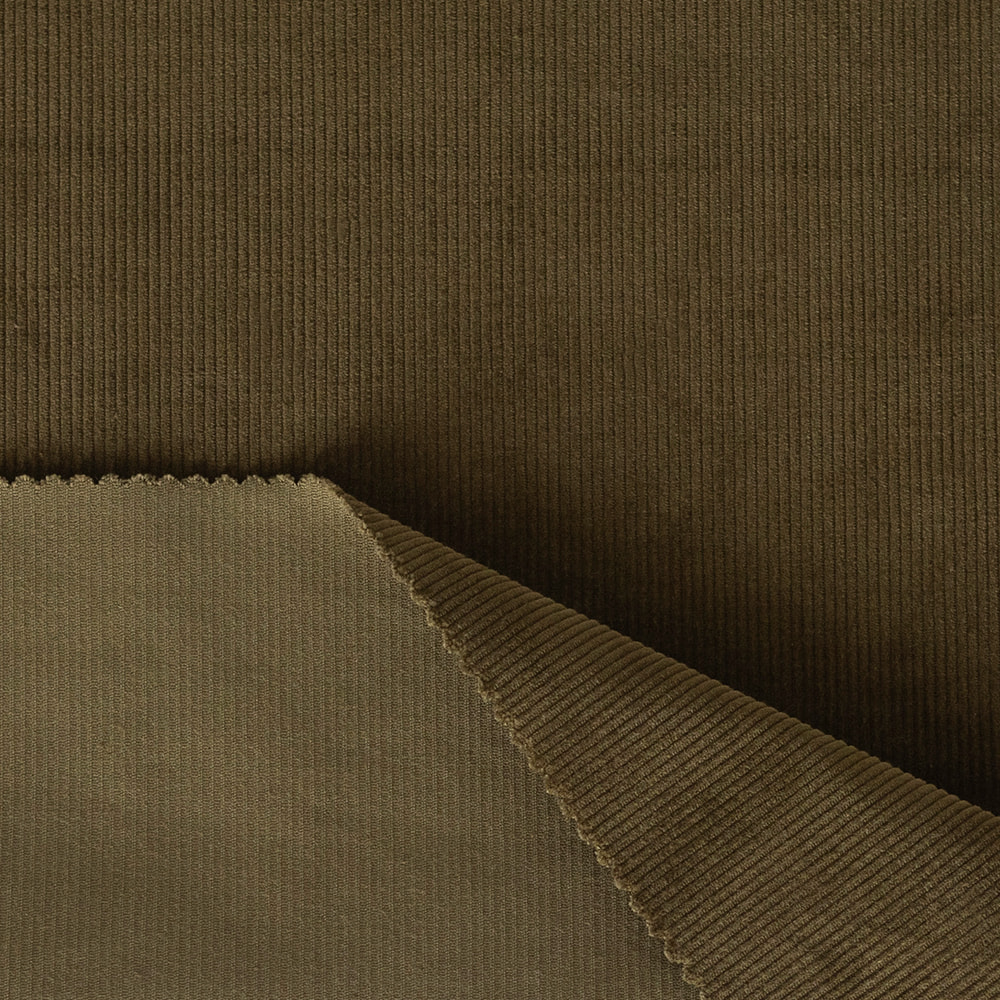
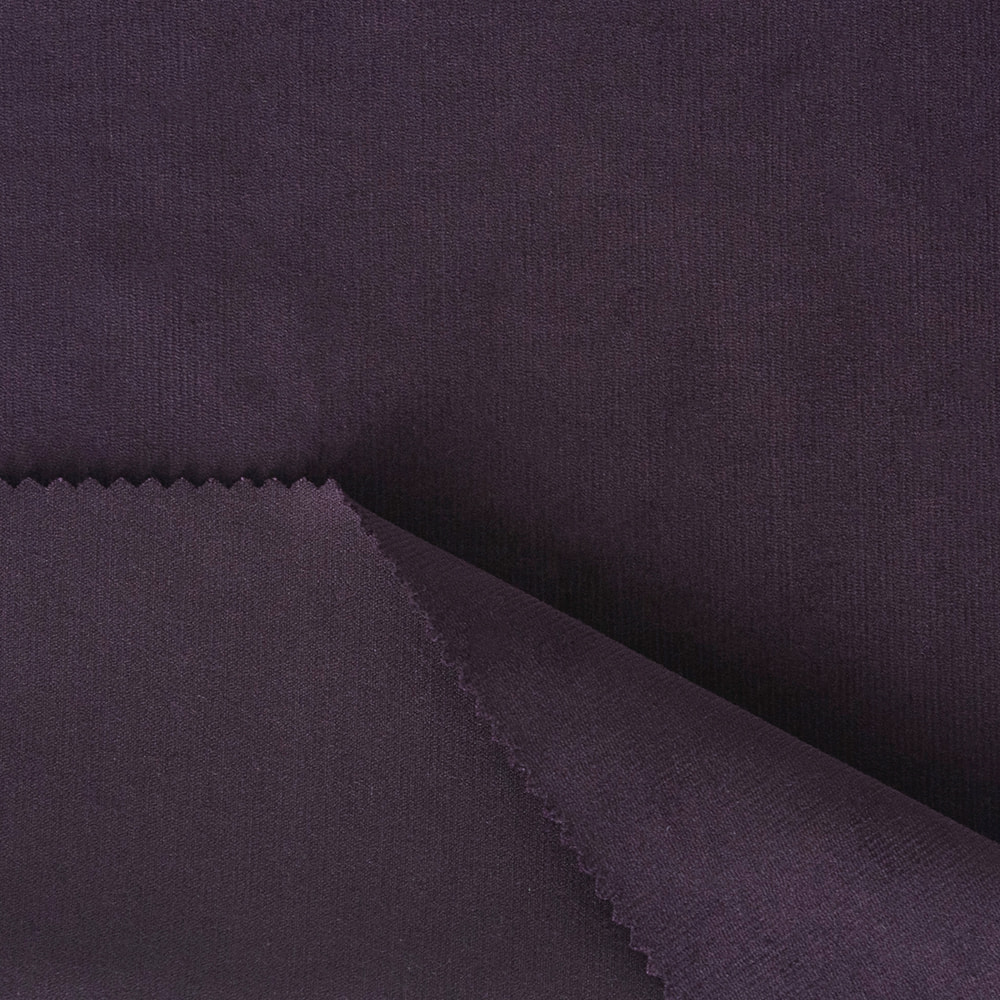
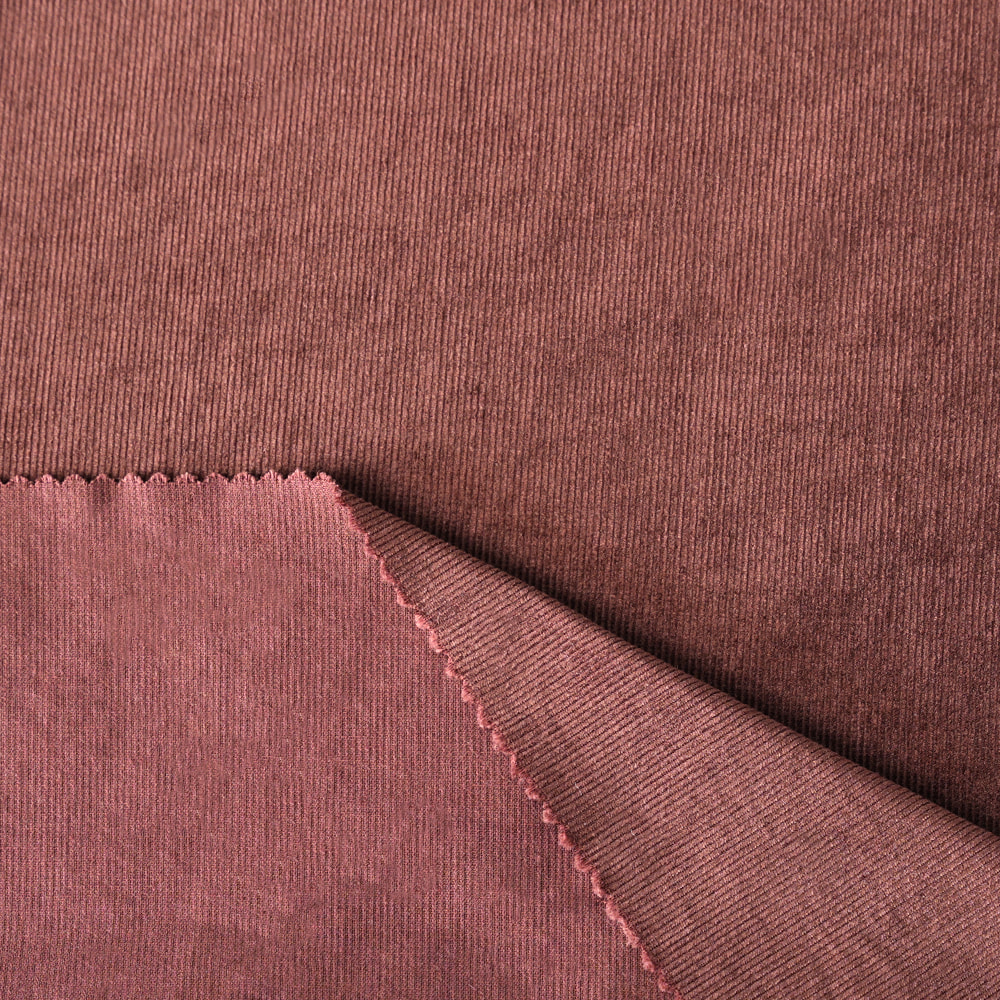
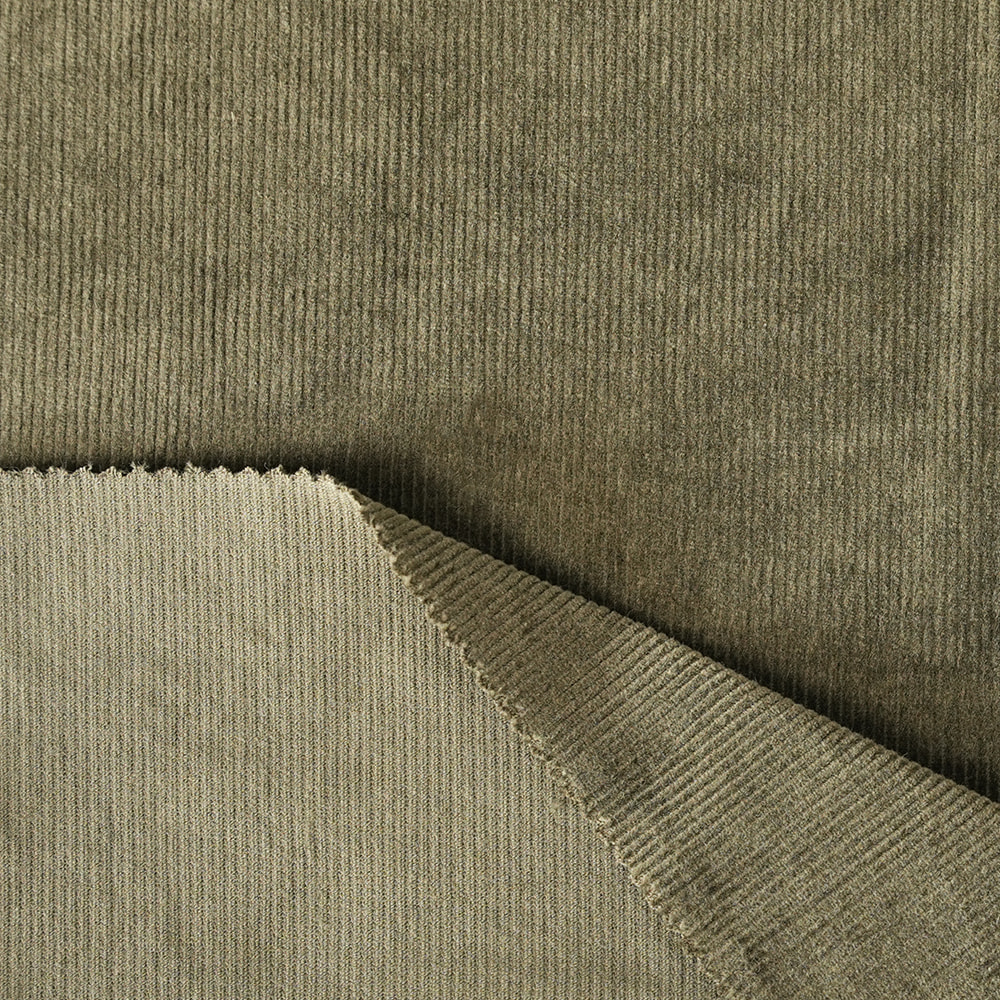
Picture a buyer opening a swatch book and running fingers over two corduroy samples. One feels rigid and rough; the other feels like brushed cotton with soft, defined ribs. The difference is not a mystery. Soft corduroy fabric is the result of choices in fiber content, yarn twist, wale construction, and finishing. Once those levers are clear, evaluating a supplier's range becomes a much faster process.
Content
Corduroy is a woven pile fabric with raised vertical lines called wales. In the weaving process, extra filling yarns are formed into loops and then cut, creating the pile. The way those loops are cut and brushed, together with the base construction, determines the characteristic ridged surface. A soft corduroy keeps those ribs intact while allowing the pile to lie down gently against the skin. That requires short, uniform pile, a stable weave, and a finishing sequence that relaxes the fabric without flattening the ridge.
Softness is not a single property. It combines tactile smoothness, drape, and flexibility. For example, a fine-wale cotton corduroy with a lightweight structure can feel noticeably softer than a wide-wale version with the same fiber because the surface has more ridges per inch and less stiffness per unit of area. This is why specifications matter more than the word "soft" on a marketing page.
Three variables influence the hand feel of corduroy more than anything else: fiber and blend, wale count and fabric weight, and finishing.
Pure cotton is the classic corduroy fiber, but it is not automatically the softest. The yarn quality and how the cotton is combed and spun matter. Blends can change the hand feel dramatically. Lyocell or modal added to cotton adds a smooth, drapable quality. Viscose helps the fabric breathe and gives a matte, soft surface. Spandex adds stretch and can improve the perceived comfort of fitted garments, but it does not by itself make the fabric softer; that comes from finishing and yarn structure.
| Fiber blend | Softness profile | Typical wales | Best uses |
|---|---|---|---|
| Cotton | Crisp and classic; soft when combed and brushed | 3.5-21 | Trousers, jackets, upholstery |
| Cotton-spandex | Soft with stretch and recovery | 8-16 | Pants, dresses, fitted garments |
| Lyocell-cotton | Smooth, fluid, lightweight | 8-21 | Shirts, skirts, jackets |
| Modal-cotton | Velvety warm and plush | 6-18 | Coats, pants, hats |
| Rayon-cotton | Soft, breathable, matte | 6-12 | Casual pants, skirts, jackets |
| Polyester-rayon-cotton | Durable with a soft body | 6-12 | Upholstery, jackets, casual wear |
A useful benchmark is a lightweight lyocell-cotton stretch corduroy in the 11-12 wale range. It combines a soft handle with enough mechanical stretch for movement, making it suitable for shirts and lightweight jackets. For an existing example, inspect the 11-wale lyocell-cotton stretch lightweight soft corduroy from the product range.
 Custom KLD10685 11W Tencel-Cotton Stretch Lightweight Soft Corduroy Fabric SupplCloud Cloth are China OEM Custom KLD10685 11W Tencel-Cotton Stretch Lightweight Soft Corduroy Fabric Suppliers and Company,The compositio...View Product →
Wale count is the number of vertical ribs per inch. A 21-wale corduroy has fine, closely packed ribs, which produces a smoother surface and a lighter, more flexible hand. An 8-wale or 12-wale corduroy has a more pronounced ridge and more presence, so it is better for outerwear and pants. On the wider end, a 3.5-wale or 6-wale fabric is heavy, structured, and often chosen for upholstery or workwear.
Fabric weight is equally important. A low-grammage corduroy under about 250 g/m2 will feel softer and drape better; a 300-plus g/m2 version feels more substantial and can still be made soft through brushing and softening agents. The best approach is to specify both wale count and weight, then compare swatches.
Dyeing can be done as piece dyeing, yarn dyeing, or printing, and the route affects both appearance and hand feel. Piece-dyed corduroy is dyed after weaving and can be brushed more aggressively, yielding a plush hand. Yarn-dyed corduroy is woven with pre-colored yarns, which makes stripes and checks possible but requires careful finishing to keep the hand soft. Printing adds patterns to a finished base and is common for children's fabrics.
Finishing steps such as shearing, brushing, tumbling, and the use of softener formulations set the final quality. A mill that controls weaving and finishing in-house can adjust these steps to meet a client's softness target without losing the rib definition.
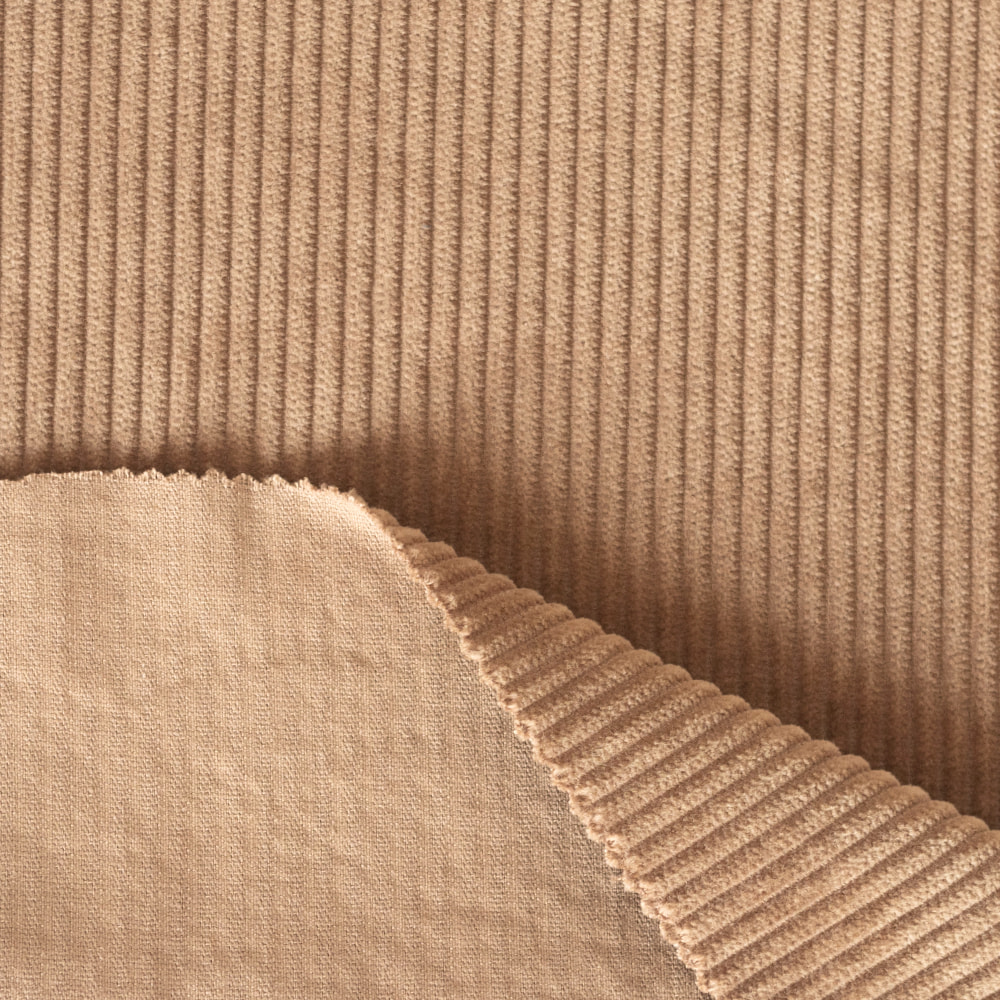
For children's clothing, the priority is usually skin-friendliness and easy care. A high wale count like 16-21 gives a fine, soft surface that does not irritate, and a short pile keeps the fabric breathable. A practical example is the 21-wale non-stretch cotton baby-soft corduroy, which is often used for shirts and soft separates.
 Custom KLD10088 21 Wales Non-Stretch Cotton Soft Baby Corduroy Clothing Fabric SCloud Cloth are China OEM Custom KLD10088 21 Wales Non-Stretch Cotton Soft Baby Corduroy Clothing Fabric Suppliers and Company,The fine c...View Product →
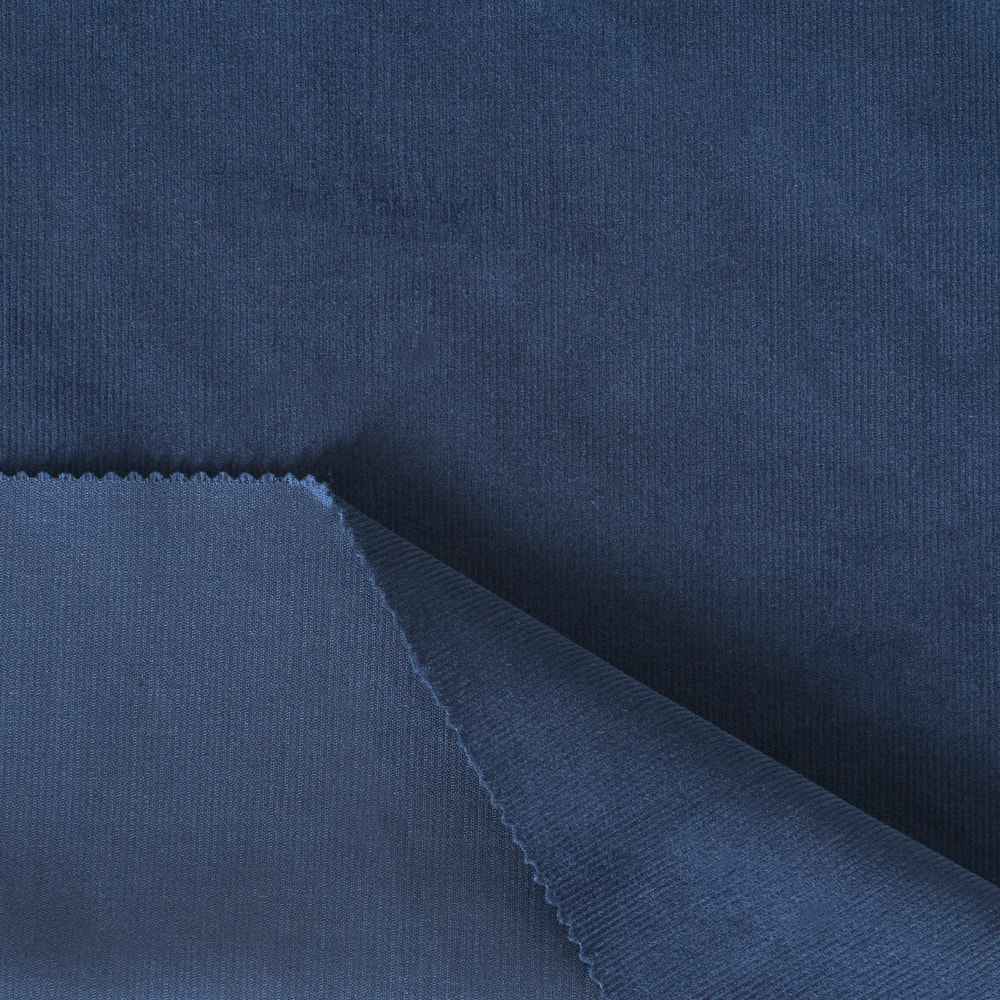
For adult apparel, think about the end-use silhouette. A stretch corduroy with 8-12 wales can be used for trousers and jackets that need to release and recover during movement. If the design calls for woven patterns rather than solid colors, a stretch yarn-dyed corduroy gives crisp checks and stripes; the 16-wale stretch yarn-dyed soft corduroy is a solid option for shirts, skirts, and dresses.
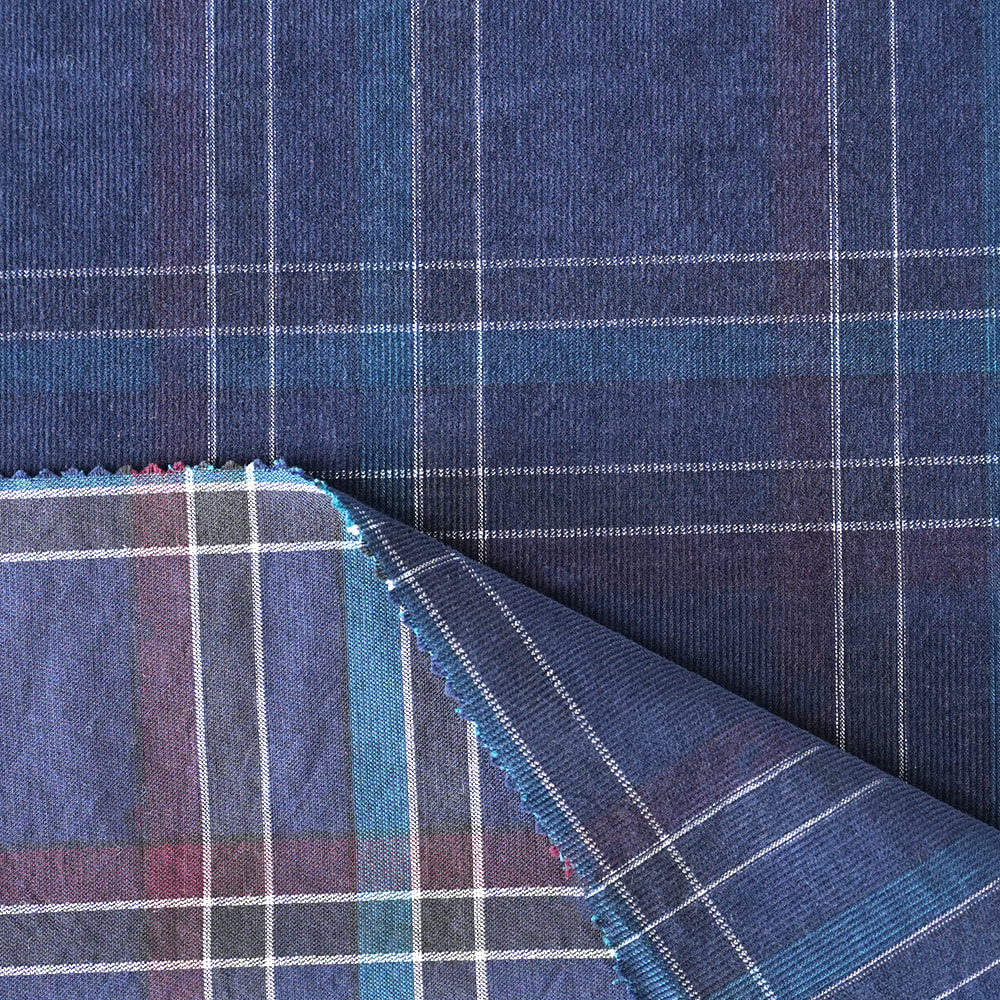 Custom KLD00053 16W Stretch Yarndyed Soft Corduroy Fabric for shirts, skirts, drCloud Cloth are China OEM Custom KLD00053 16W Stretch Yarndyed Soft Corduroy Fabric for shirts, skirts, dresses Suppliers and Company,16W...View Product →
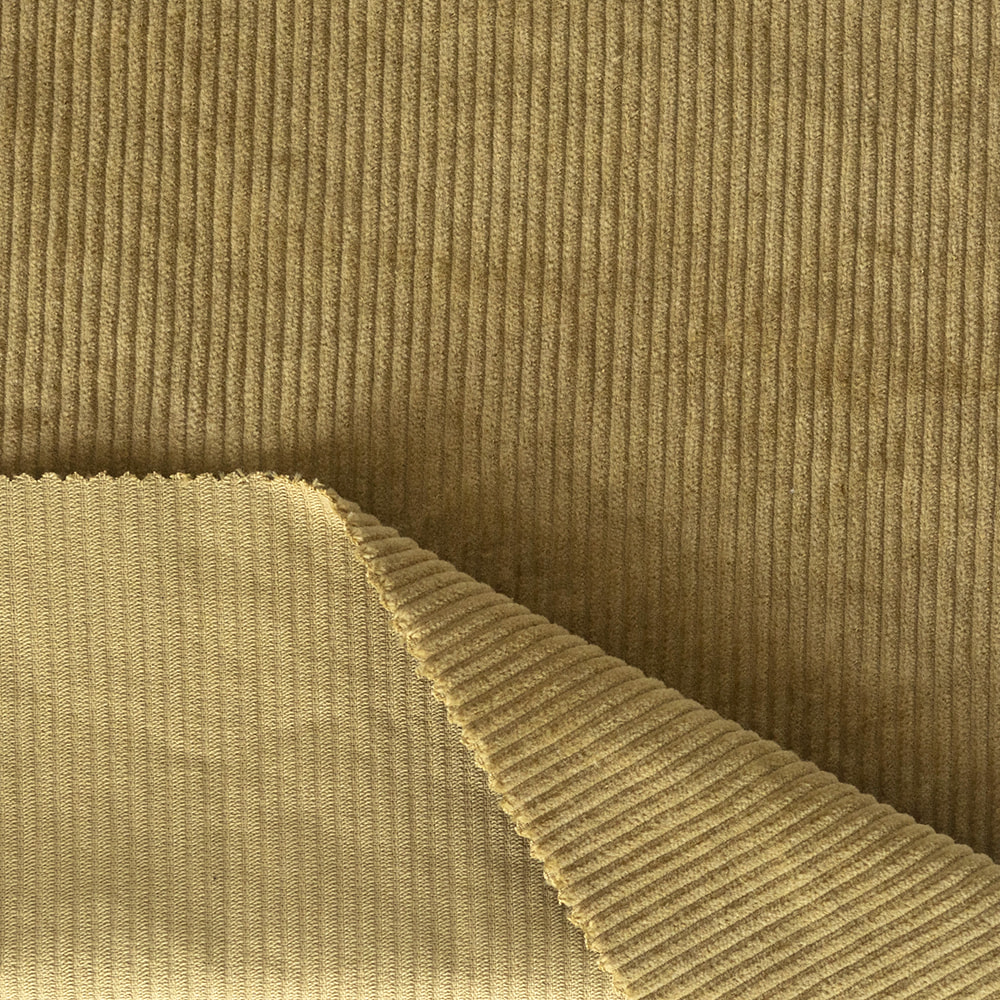
Because wale counts and blends differ so much, it helps to compare a full assortment in one place. A manufacturer that groups options by fiber and weave makes specification easier and shortens the selection process.
Soft corduroy works where comfort and structure need to coexist. In apparel, it shows up in pants, casual suits, jackets, shirts, skirts, and dresses. In children's wear, soft corduroy is a favorite for dresses, overalls, and shirts because it adds warmth without stiffness. In the home, mid-wale and wide-wale versions are used for upholstery, cushions, and decorative throws, where durability matters as much as touch. There are also plush toys and accessories that rely on corduroy's friendly hand rather than its heavyweight image.
The same fabric can serve more than one category if the supplier can adjust weight and finishing. For instance, a piece-dyed cotton corduroy in 6 wale can go from a workwear jacket to a sofa cushion, while a lighter 16-wale printed version is better for children's shirts. This is why a flexible mill is valuable for product developers.
If stretch is part of your design, know that bi-stretch corduroy has a different comfort profile from single-stretch versions. The fabric should return to shape after repeated wear, not just stretch initially. Spandex percentage, heat-setting, and recovery testing all need to be part of the conversation before you place a bulk order.
When these points are covered, "soft corduroy fabric" becomes a spec, not a slogan. The final step is to test samples against the garment pattern, because a fabric can feel soft in the hand yet still lack the required drape or recovery on the body. A transparent corduroy fabric manufacturer will be willing to discuss those variables before you place an order.
Please feel welcome to contact our friendly reception staff with any general call us

+86 139 6116 7127

Email: cloud@jacquardcloth.com

Textile Industry Zone, East Hutang Town, Wujin District,213100 Changzhou,China
