

 English
 日本語
日本語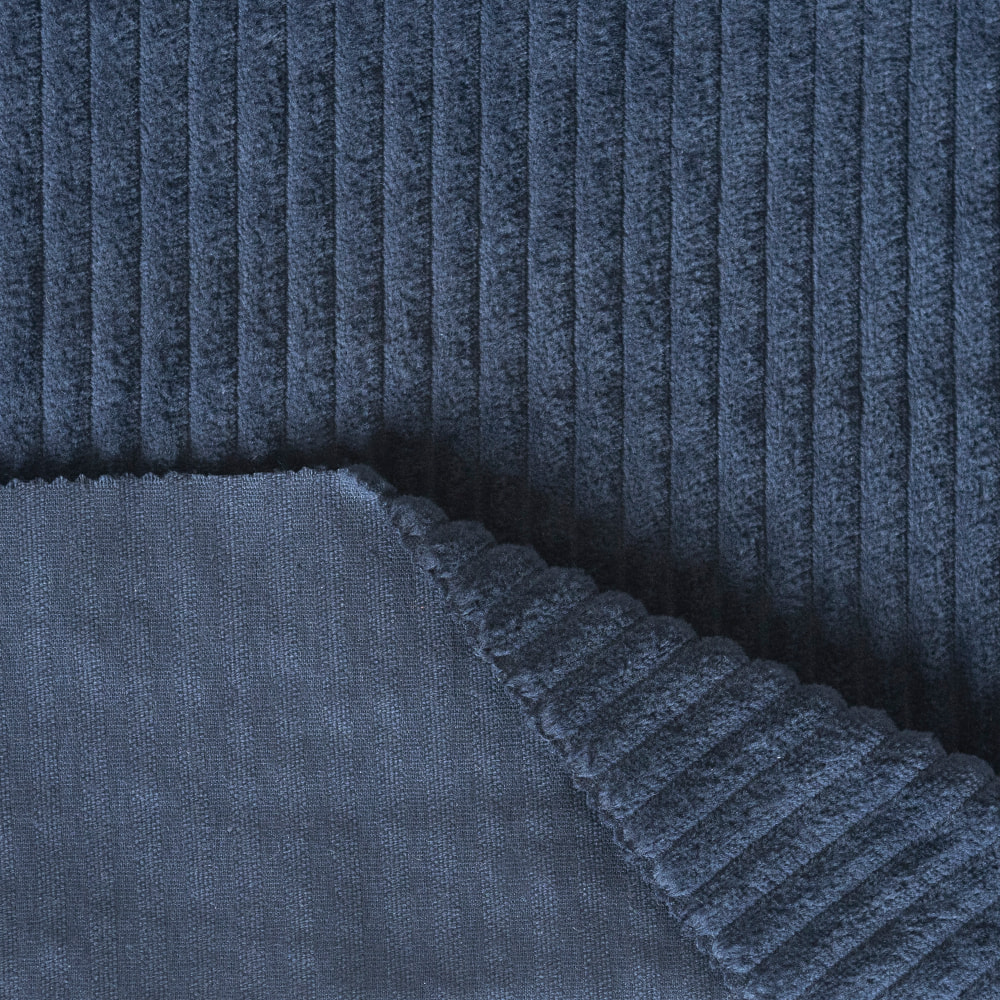


Get Directions
Textile Industry Zone, East Hutang Town, Wujin District,213100 Changzhou,China
Black absorbs light. Corduroy reflects it — selectively, directionally, in a way that shifts with every angle of view. Put the two together and you get a fabric that does something few textiles manage: it reads simultaneously as versatile and distinctly textured, as understated and visually rich. Black corduroy fabric has held a place in both wardrobes and workrooms for generations, and its continued relevance is not nostalgia. It is the result of genuine, measurable performance across a range of applications where other black fabrics simply cannot compete.
Content
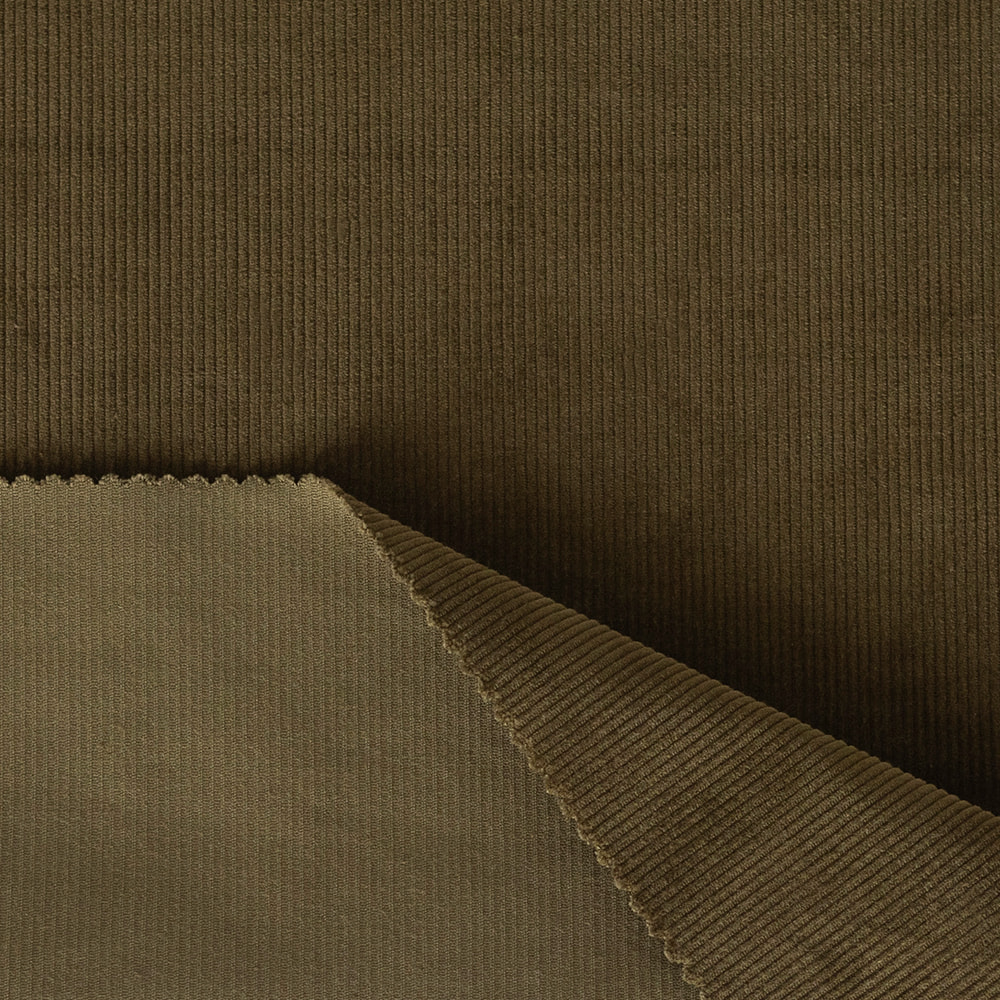
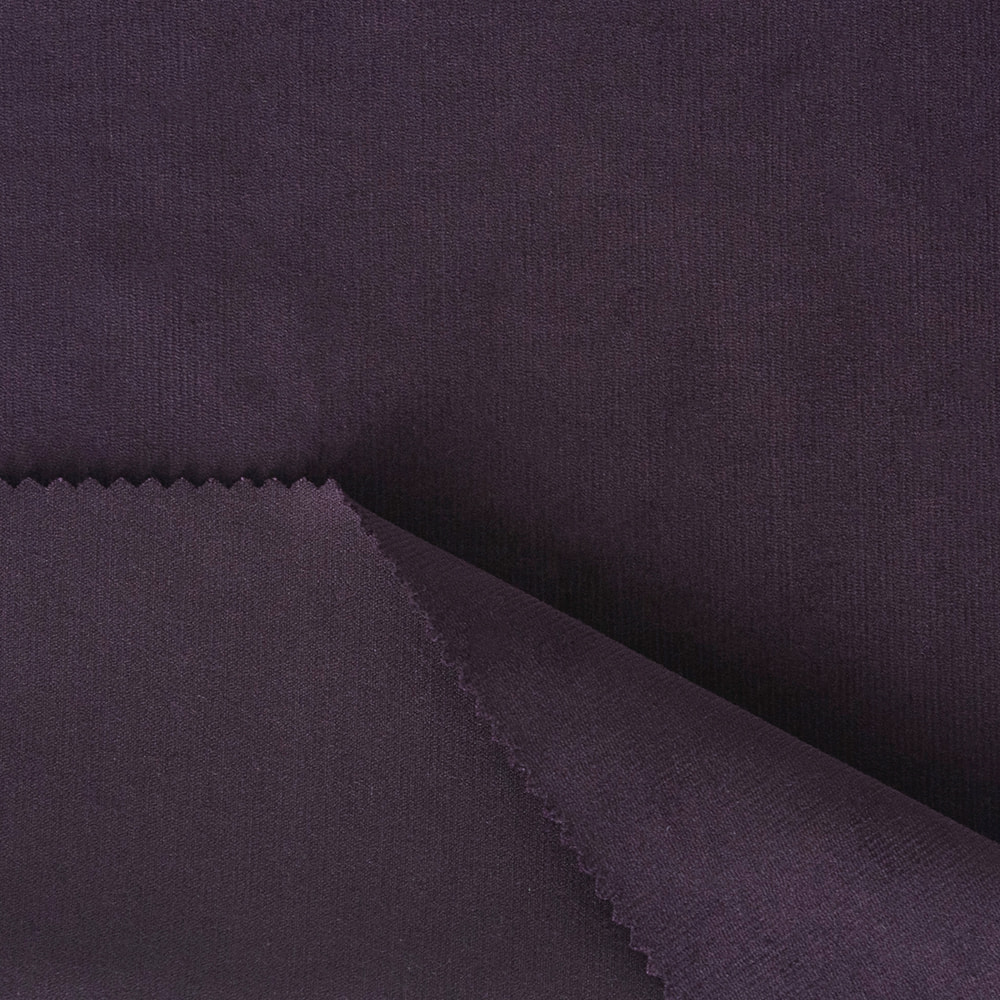
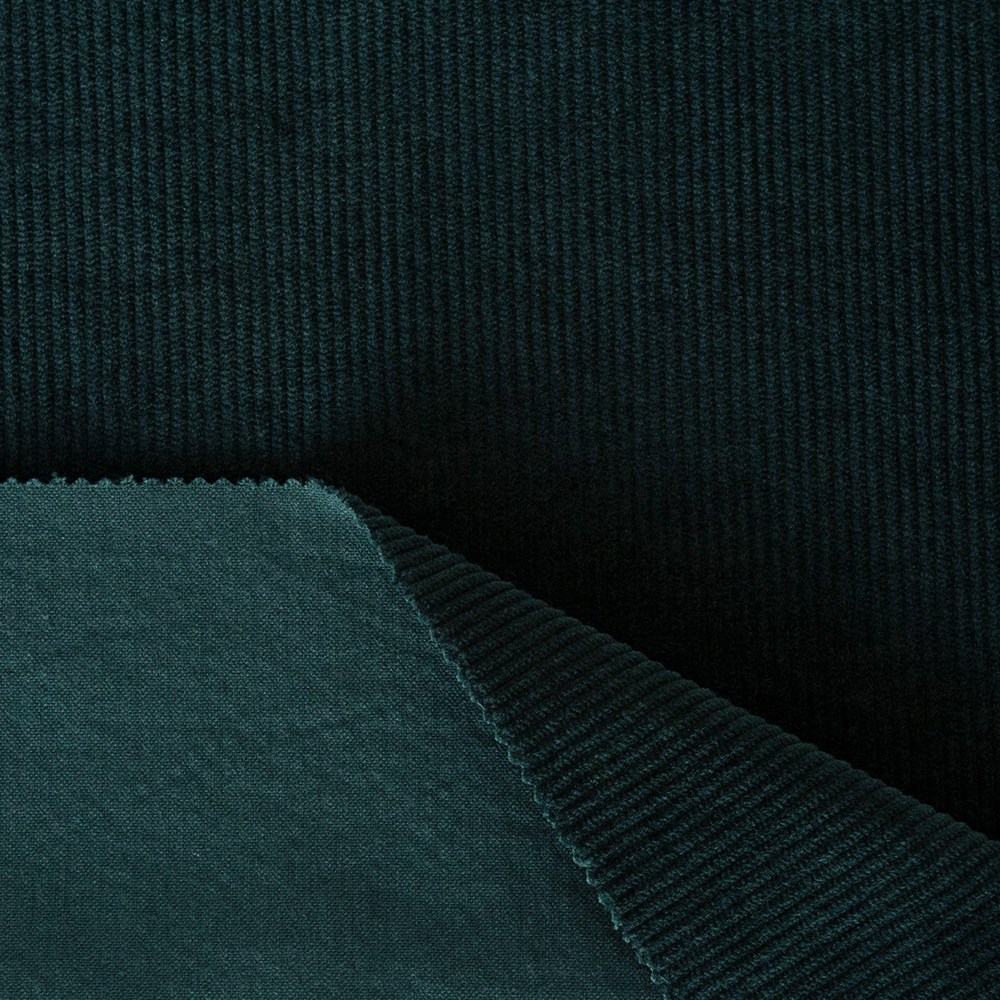
Most black fabrics are flat. Black denim, black twill, black poplin — they absorb light uniformly and present a consistent surface that reads identically from every angle. Black corduroy behaves differently. Its raised parallel ridges, called wales, create a pile surface that interacts with light directionally: when viewed along the wales, the fabric appears darker; across them, it catches light and produces a softer, slightly silvered effect. The result is a fabric with inherent depth and visual movement that requires no pattern, no print, and no surface treatment to achieve.
This optical behavior is not a styling trick. It is a structural consequence of how corduroy is constructed. Two sets of filling yarns — ground yarns that form the base weave and pile yarns that form the ridges — are woven simultaneously, then cut to produce the characteristic tufted surface. In black corduroy, that pile structure creates the light-and-shadow interplay that makes the fabric look richer and more complex than a flat equivalent in the same colorway.
Black corduroy also maintains color integrity over time better than many other black fabrics. The pile construction protects the dyed fibers from direct surface abrasion, slowing the fading process. A well-maintained black corduroy garment retains depth of color through years of use — a meaningful advantage over black denim or canvas, which tend to grey and fade at wear points relatively quickly.
The wale count — the number of ridges per inch — is the single most important specification when selecting black corduroy for any application. It determines the fabric's visual weight, drape, hand feel, and appropriate end use. Understanding wale categories makes black corduroy selection straightforward rather than guesswork.
| Wale Category | Wales per Inch | Texture Character | Best Applications |
|---|---|---|---|
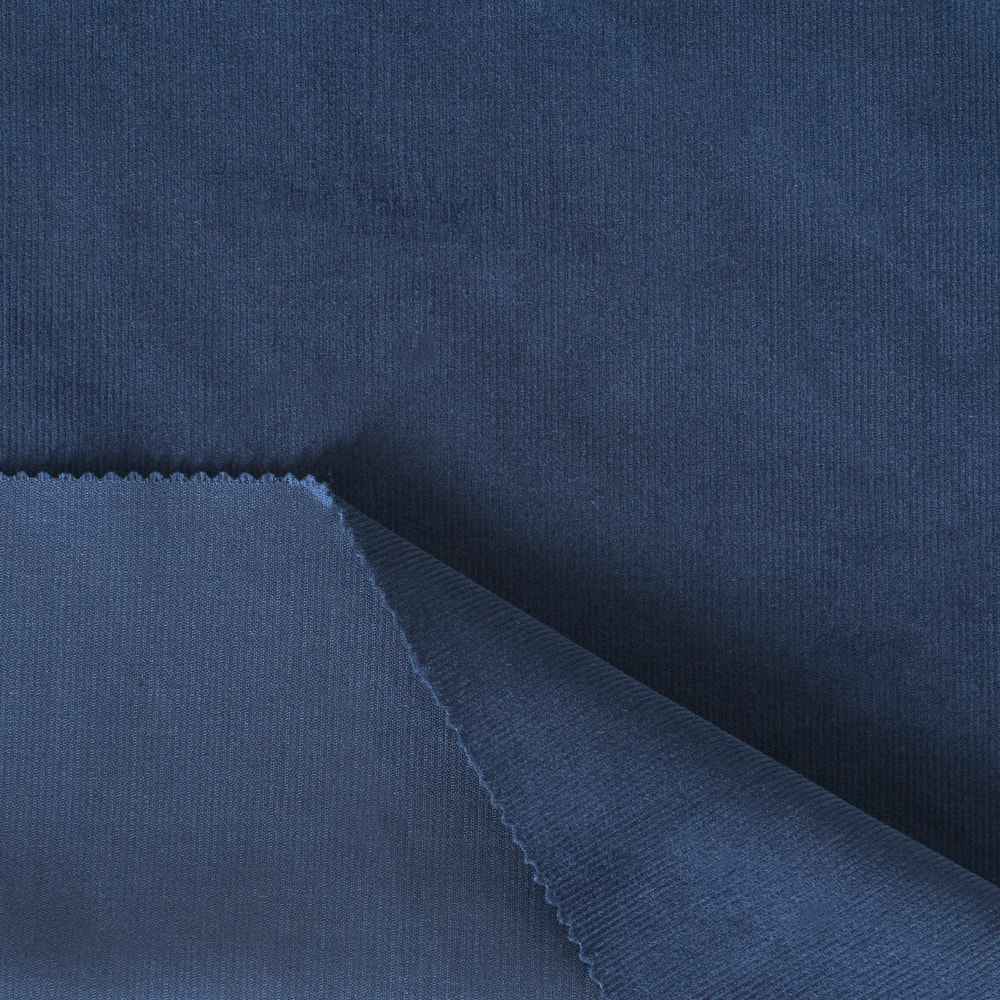
| Pinwale / Fine wale | 16–21+ | Fine, subtle, almost smooth | Dress shirts, tailored trousers, childrenswear |
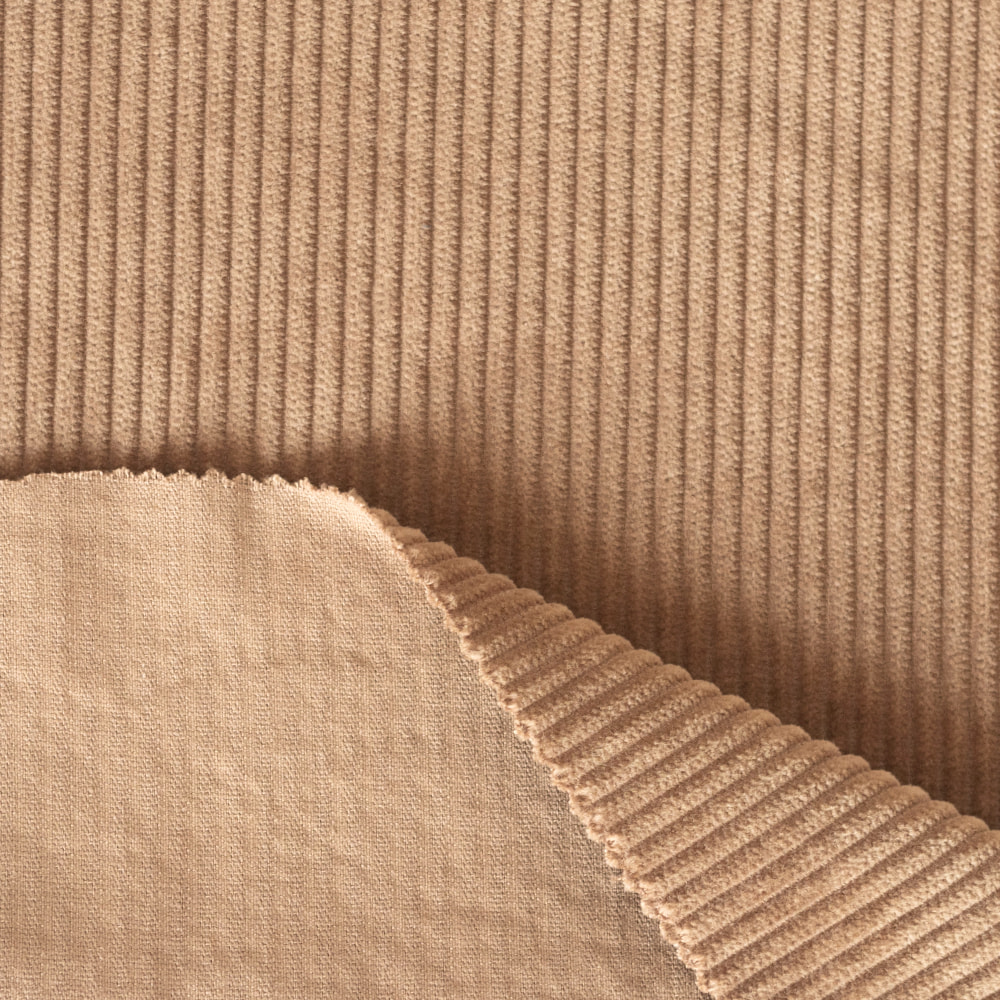
| Standard / Mid-wale | 8–15 | Classic corduroy look, balanced texture | Pants, skirts, casual jackets, everyday wear |
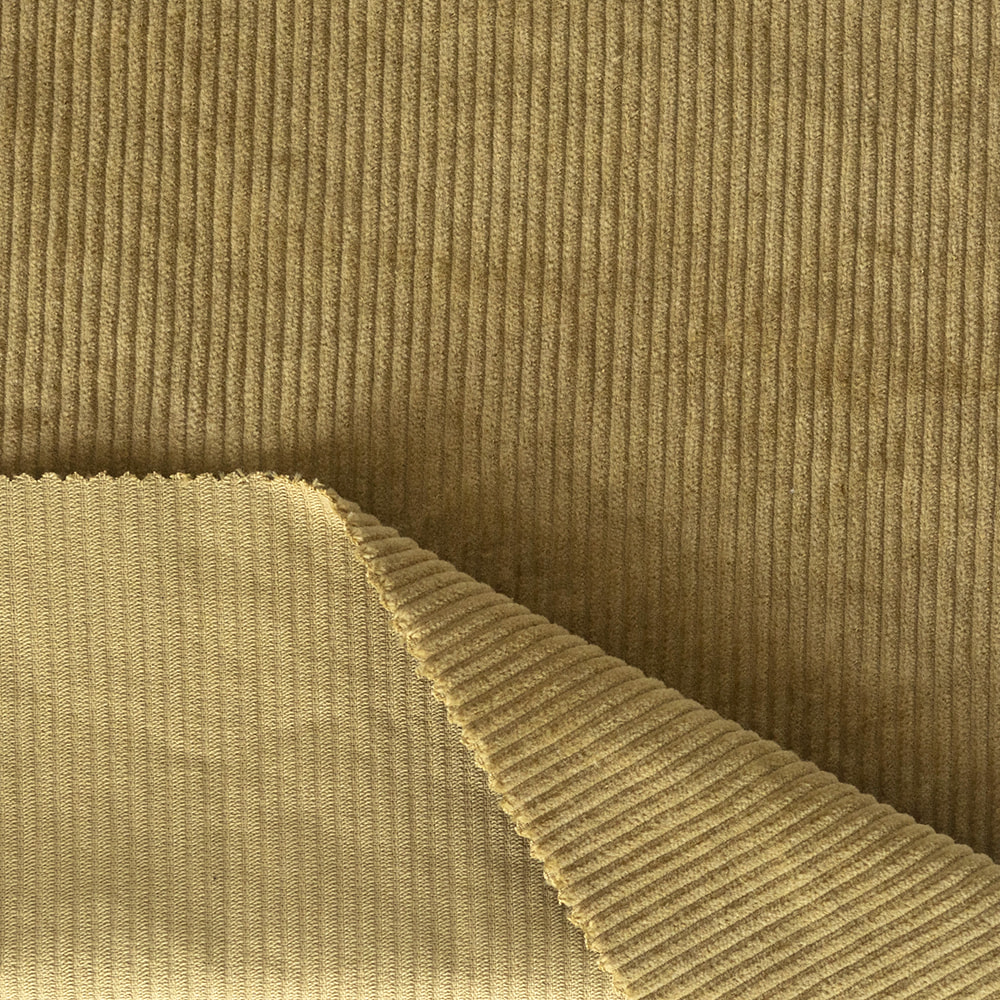
| Wide wale | 3–8 | Bold, tactile, pronounced ridges | Outerwear, upholstery, statement pieces |
| Jumbo / Elephant wale | 1.5–3 | Very bold, heavily textured | Heavy outerwear, furniture, decorative applications |
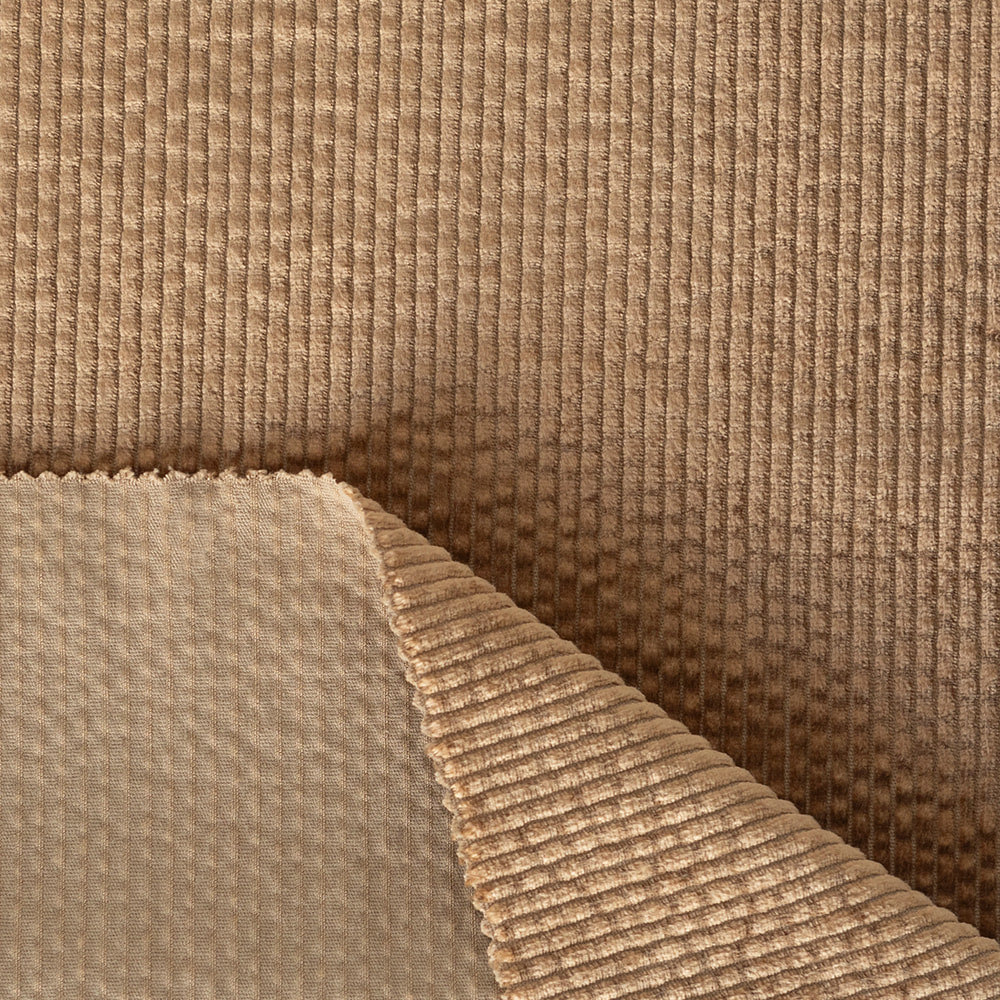
For black corduroy specifically, wale width also affects how dramatically the light-and-shadow effect reads. Wide-wale black corduroy produces the most pronounced optical depth — each ridge casts a visible shadow into the adjacent valley. Fine-wale black corduroy creates a more refined, almost velvet-like appearance where the texture is felt more than seen. Both are useful; neither is inherently superior. The choice depends entirely on what the finished piece needs to do.
Traditional corduroy is cotton. Cotton piece-dyed black corduroy is the standard reference point: breathable, soft against skin, capable of absorbing reactive dyes to produce deep, saturated black, and durable enough for daily use. For garments where natural fiber performance is the priority — breathability in close-fitting pants, comfort in a shirt worn against skin — a cotton piece-dyed corduroy fabric is the straightforward choice.
Blended compositions expand what black corduroy can do. Cotton-spandex blends — typically 97/3 or 95/5 cotton to elastane — add four-way or two-way stretch to the woven structure, allowing black corduroy to track body movement rather than resist it. This is particularly valuable for slim-fit trousers, fitted skirts, and any application where the garment must maintain a close silhouette without restricting movement. Cotton-spandex stretch corduroy in black reads as structured and tailored while moving with the body in a way that rigid cotton never can.
Tencel-cotton blends bring a different set of properties. Tencel (lyocell) is a cellulosic fiber produced from wood pulp, notable for its silk-like drape, high moisture absorption, and exceptionally smooth surface. In a black Tencel-cotton corduroy, the pile has a refined sheen and a fluid fall that cotton alone cannot produce. The resulting fabric bridges the gap between structured corduroy and fluid woven textiles, making it excellent for garments — dresses, wide-leg trousers, tailored shirts — that need both the textural interest of corduroy and a softer, more relaxed hand.
Rayon-cotton and modal-cotton blends follow similar logic: both rayon and modal are regenerated cellulosic fibers that add drape, softness, and a slight sheen. Black corduroy in these blends has a more luxurious feel than pure cotton and is lighter in weight — useful for garments intended for transitional seasons or indoor wear where the warmth retention of heavy cotton is excessive. The rayon-cotton piece-dyed corduroy fabric and modal-cotton corduroy are particularly well suited to fashion-forward applications where drape and hand are as important as durability.
Black corduroy is produced by two primary dyeing methods, and the choice between them affects color depth, uniformity, and character.
Piece-dyed black corduroy is dyed after weaving, as a finished fabric. This produces consistent, even color across the entire surface. The black is uniform, deep, and predictable — the right specification for garments where absolute color consistency across panels and pieces is required. Reactive dyes on cotton in piece-dyed construction deliver some of the deepest, most light-stable blacks available in corduroy.
Yarn-dyed black corduroy is constructed from yarns that are dyed before weaving. This method allows different colored yarns to be combined in the same fabric — producing stripes, checks, or tonal variations even in what reads as a "black" colorway. A yarn-dyed black corduroy might combine jet black pile yarns with very dark charcoal ground yarns, creating a subtle tonal depth invisible in piece-dyed construction. For the most refined, complex surface effects in black corduroy, yarn-dyed corduroy offers color dimension that flat piece-dyeing cannot replicate.

Beyond fiber composition, the weave construction itself determines how much black corduroy moves. Standard woven corduroy has minimal stretch — the warp and weft yarns lock into a stable structure that provides excellent shape retention and a clean, tailored appearance but resists stretch in both directions.
Bi-stretch corduroy constructions use a combination of elastane yarns in both the warp and weft directions, enabling meaningful stretch across and along the fabric. This is not the modest two-way stretch of a cotton-spandex blend — it is deliberate four-way stretch engineered into the weave structure itself. Bi-stretch corduroy fabric in black is the specification of choice for activewear-adjacent garments, equestrian trousers, and any application where the body must move freely through a full range of motion without the garment lifting, pulling, or distorting.
Trousers and pants are the most natural home for black corduroy, and for good reason. The fabric combines the visual authority of black with a texture that distinguishes it from the flat surfaces of denim or wool. Mid-wale black corduroy trousers (8–12 wales per inch) occupy a useful space between casual and smart — more relaxed than a wool trouser, more refined than denim — and work across a wide range of styling contexts from business casual to weekend wear.
Jackets and outerwear benefit from the heavier weights available in wide-wale and standard-wale black corduroy. The fabric's natural warmth retention makes it appropriate for structured overshirts, tailored blazers, and casual field jackets. A 6-wale or 8-wale black corduroy jacket in cotton carries enough visual presence to function as a standalone statement piece while retaining the versatility to work as a layering element.
Skirts and dresses in black corduroy work best in finer wales — 14-wale to 21-wale — where the fabric has enough drape to fall cleanly without the stiffness that wider-wale constructions introduce. Fine-wale black corduroy midi skirts and pinafore dresses have been consistent elements of contemporary fashion collections, valued for the way the fabric adds tactile interest without competing with styling details.
Childrenswear has historically been one of corduroy's core applications, and black corduroy for children combines the fabric's practical durability — resistance to abrasion, color retention through repeated washing — with a colorway that holds its appearance longer than pastels or prints.
Black corduroy is not a difficult fabric to maintain, but it rewards a few specific practices that preserve both color depth and pile structure over time.
For designers, garment manufacturers, and fabric buyers working with black corduroy at production scale, the specification conversation goes beyond color. The critical parameters to define are wale count, fabric weight (g/m²), fiber composition, stretch level, and dyeing method. Each of these determines whether the finished fabric performs correctly in its intended application.
A 21-wale pinwale black cotton corduroy at 180 g/m² behaves entirely differently from a 6-wale cotton corduroy at 320 g/m², despite both being "black corduroy." Treating them as interchangeable in a specification leads to garments that drape incorrectly, construct poorly, or fail to meet performance requirements.
For specialty applications requiring patterned or printed surface effects in black corduroy, printed corduroy fabric and jacquard and dobby corduroy with woven-in patterns extend the design possibilities beyond solid black, allowing complex visual effects on a corduroy base. Explore the full corduroy fabric range across all constructions and fiber compositions to identify the right specification for each application.
Please feel welcome to contact our friendly reception staff with any general call us

+86 139 6116 7127

Email: cloud@jacquardcloth.com

Textile Industry Zone, East Hutang Town, Wujin District,213100 Changzhou,China
