

 English
 日本語
日本語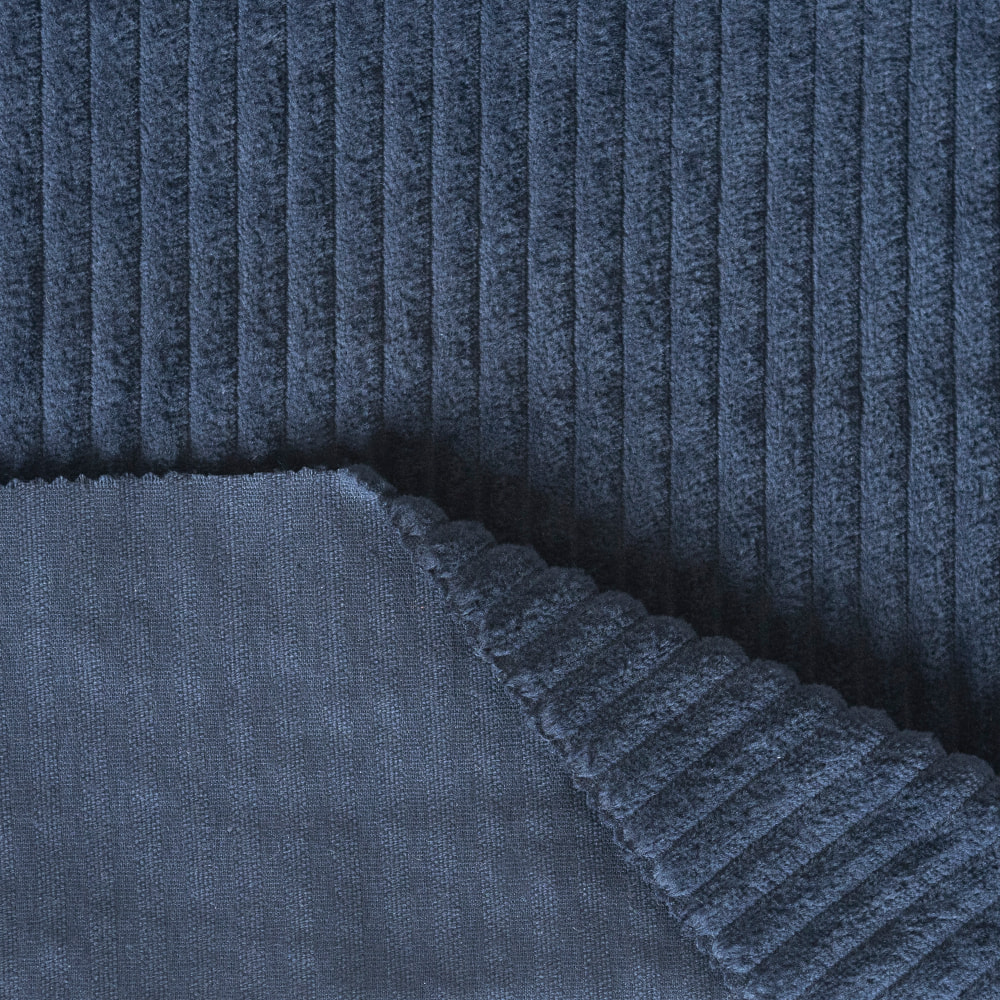


Get Directions
Textile Industry Zone, East Hutang Town, Wujin District,213100 Changzhou,China
Content
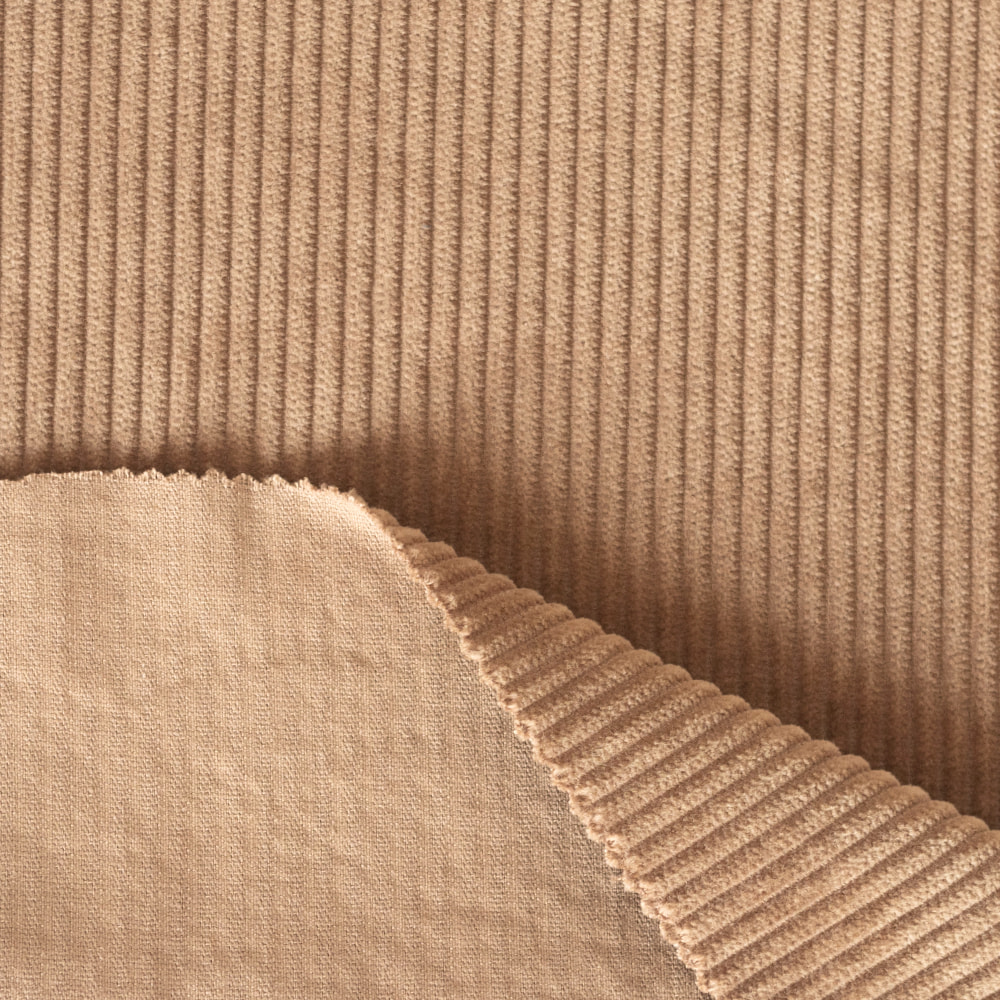
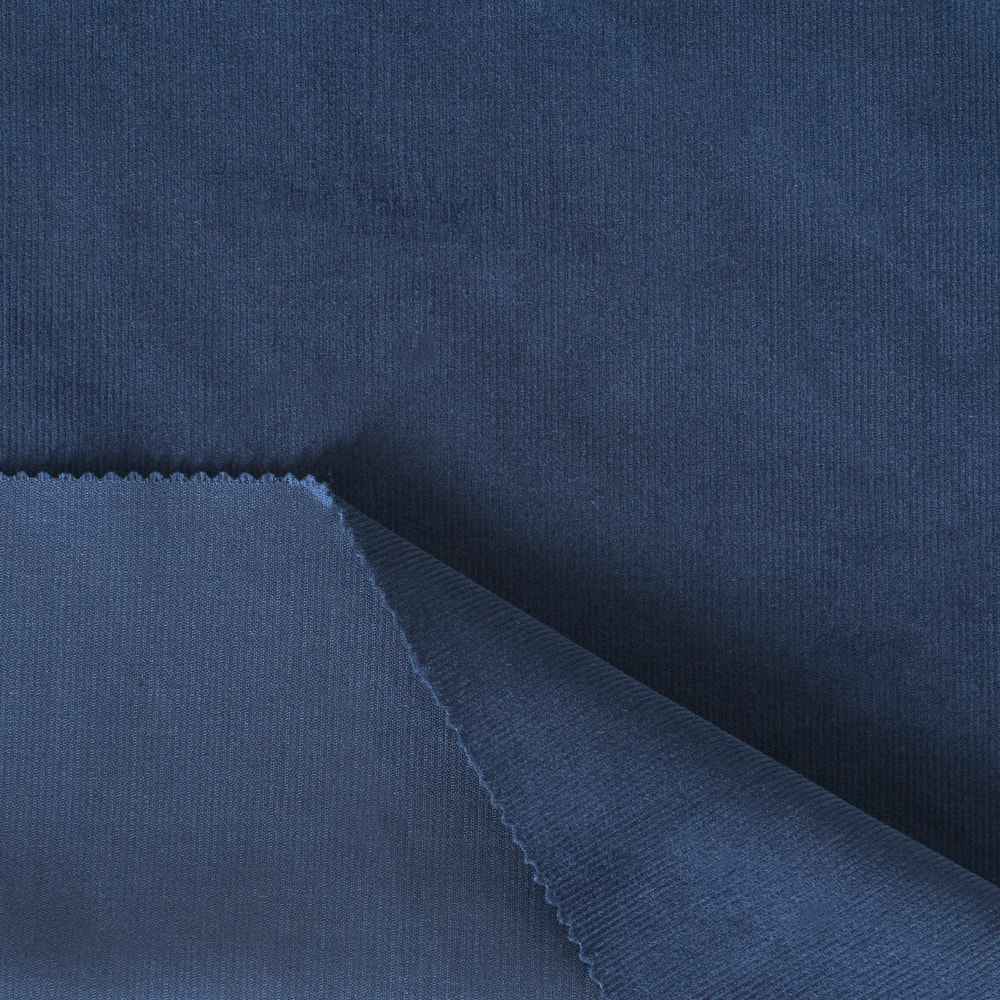
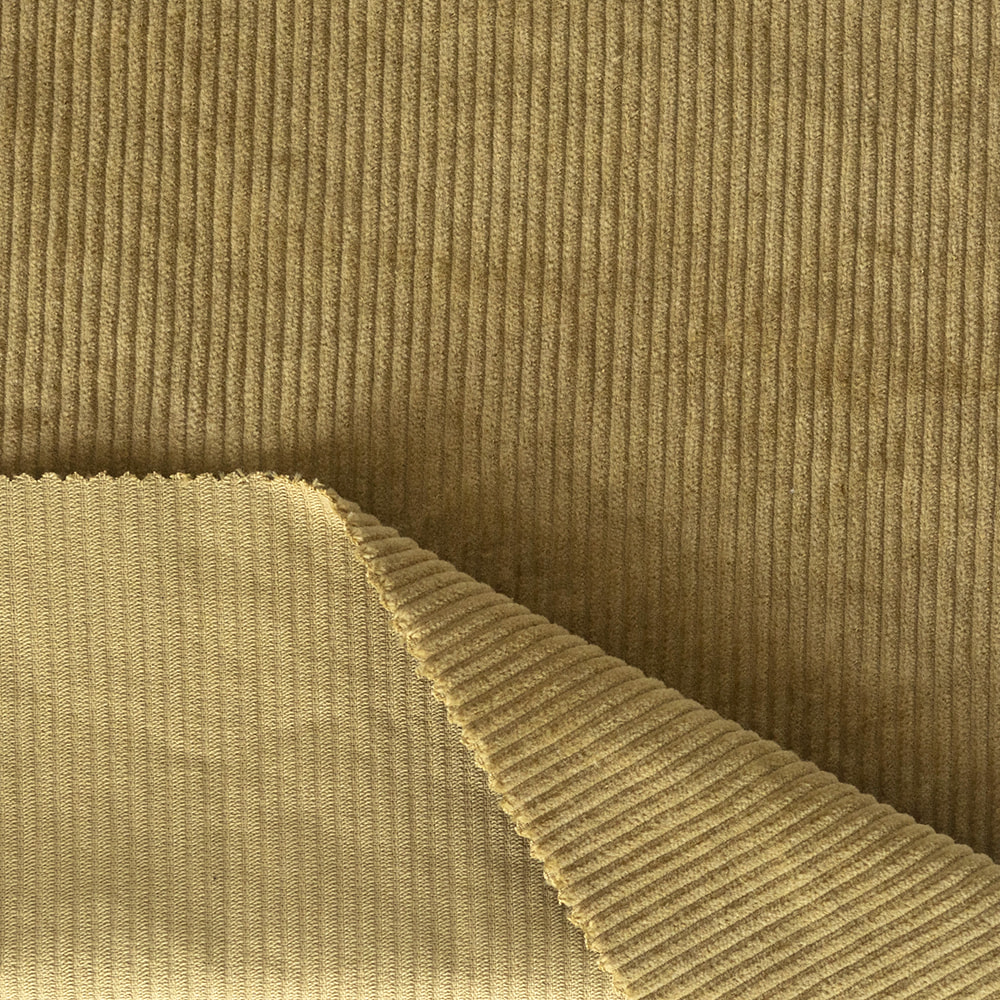
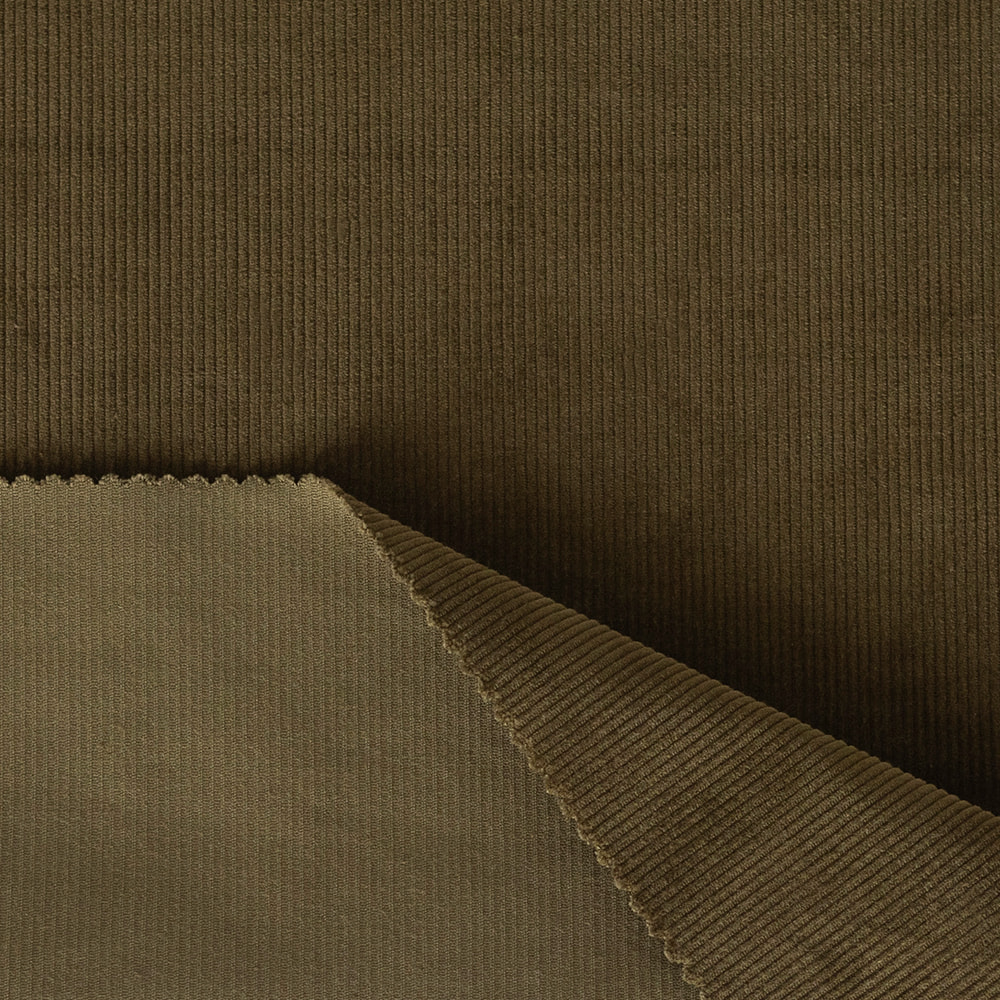
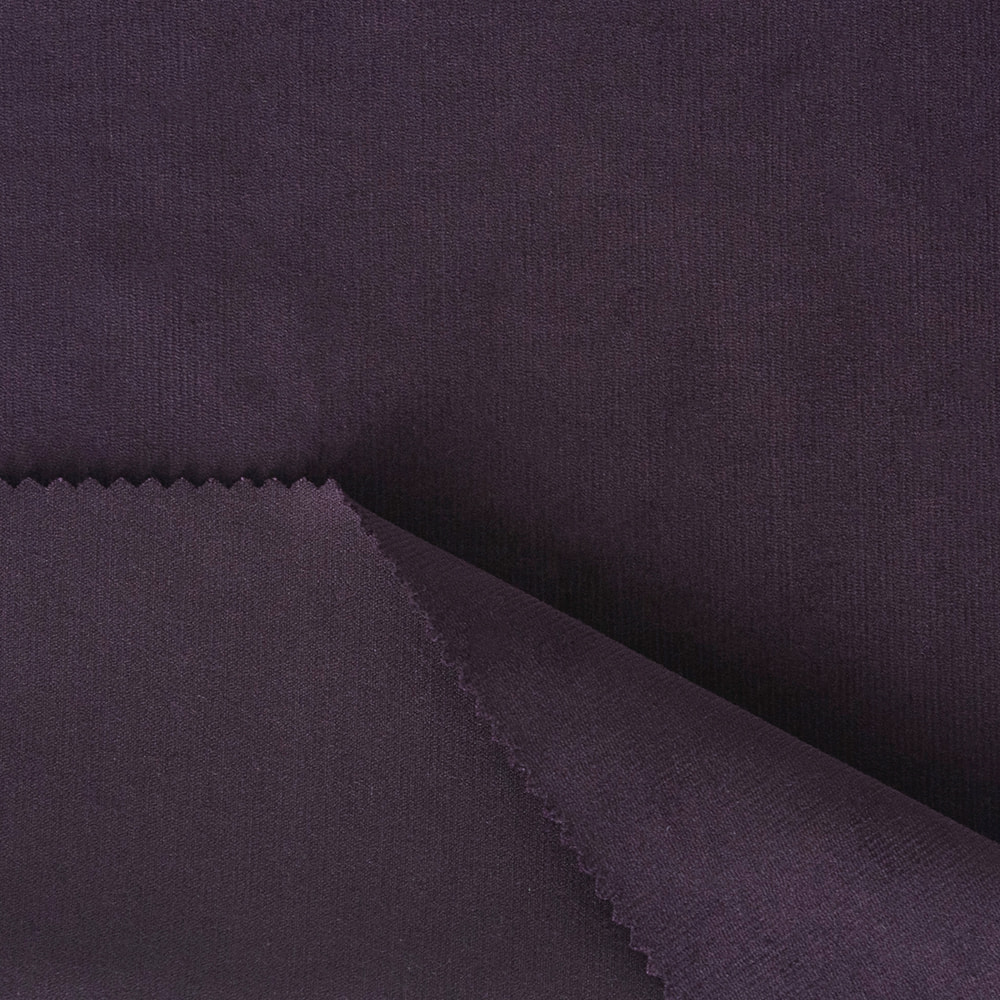
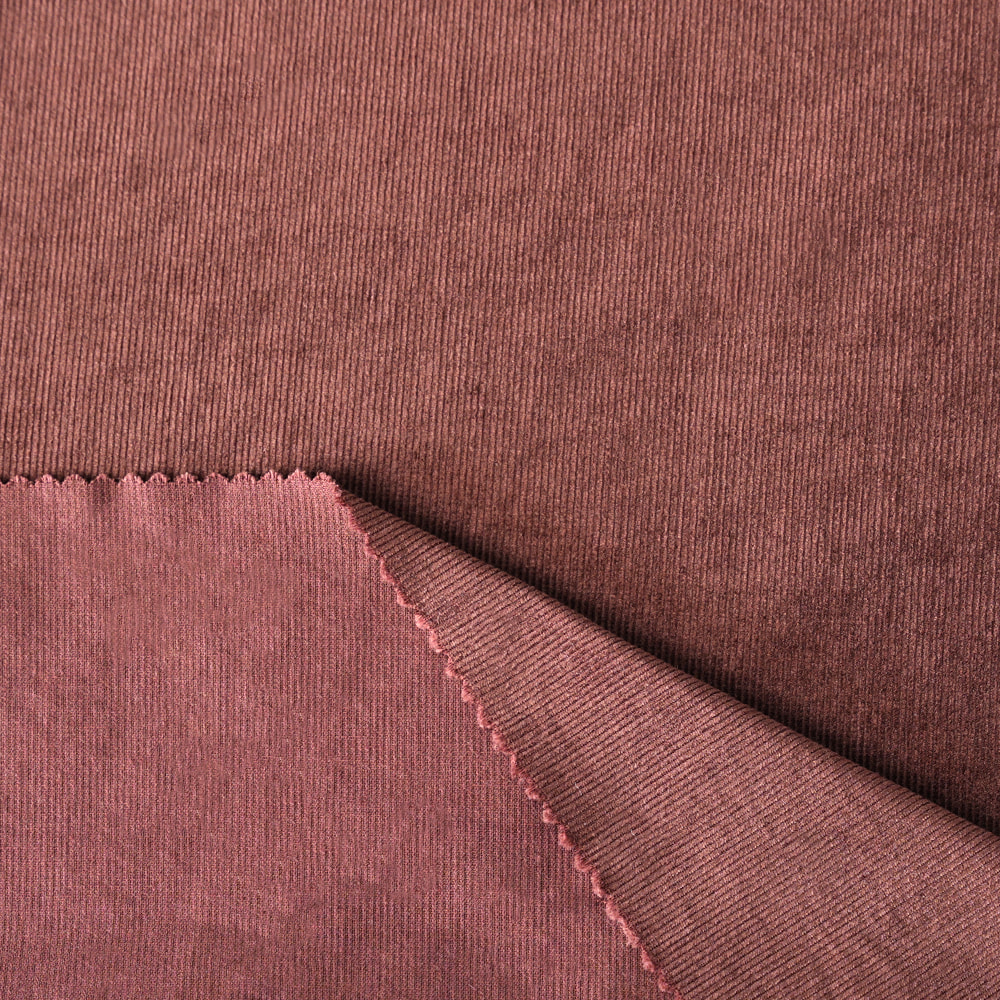
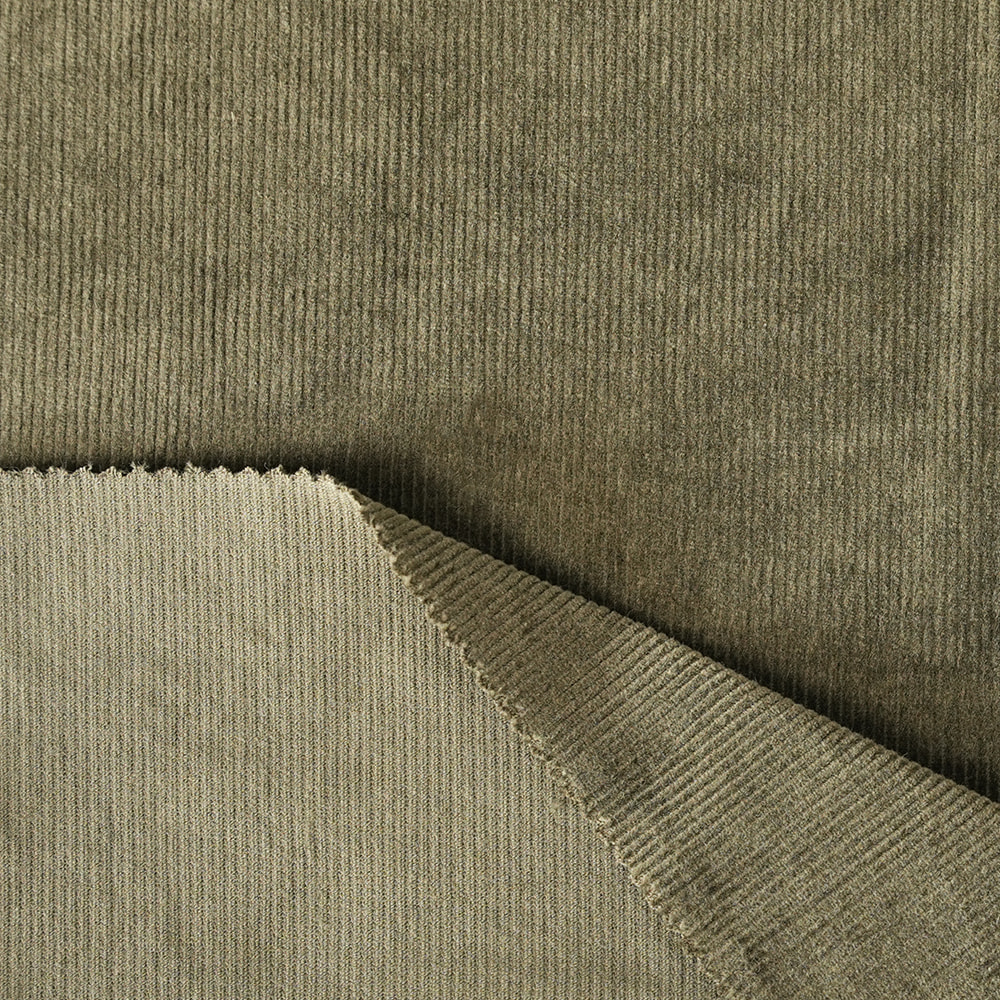
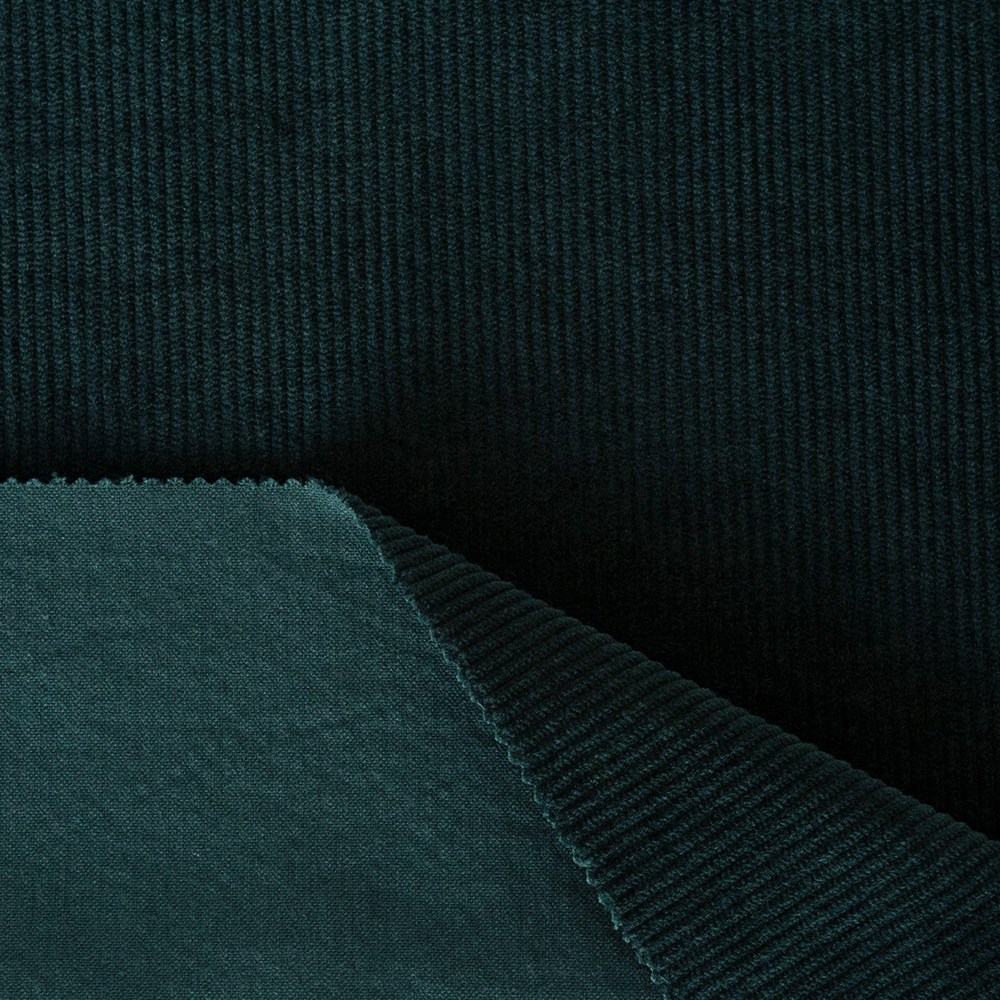
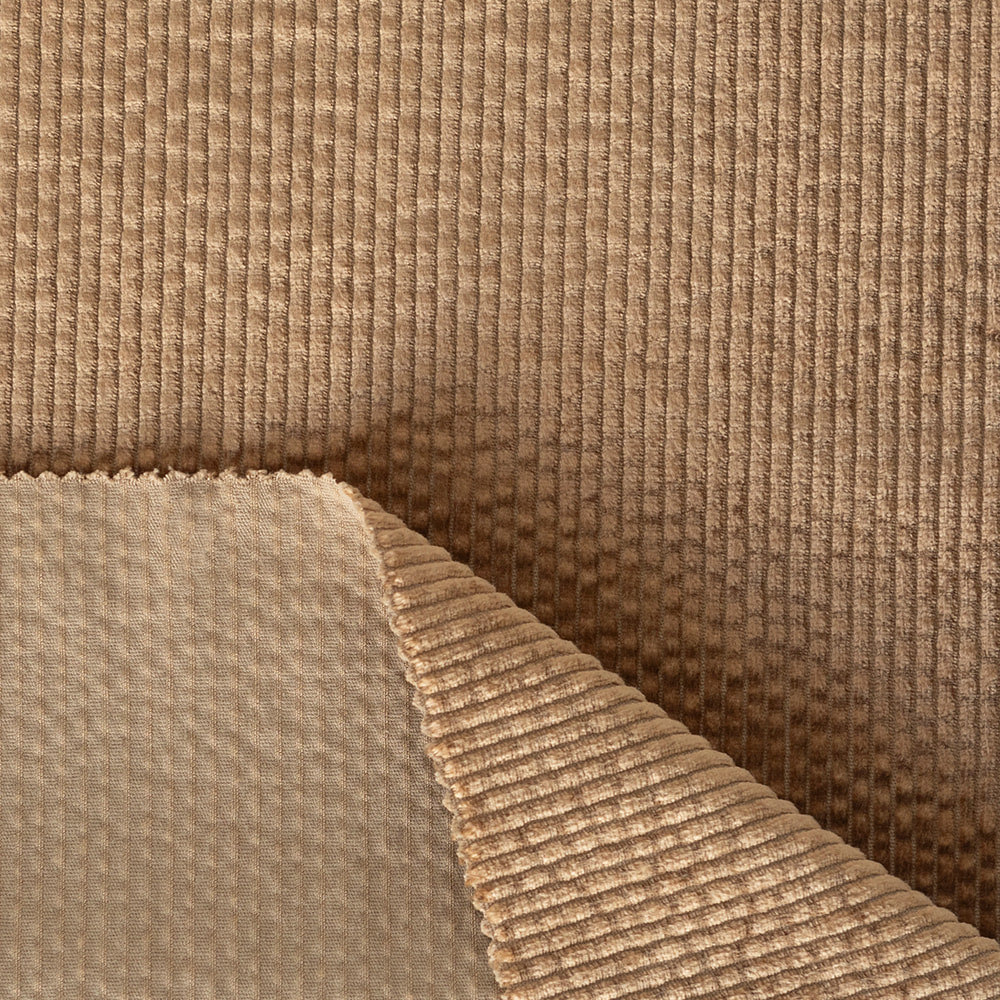
Polyester-cotton piece-dyed corduroy fabric combines the softness of natural fibers with the resilience of synthetics, creating a versatile textile for modern apparel and upholstery. This blend reduces shrinkage by up to 50% compared to 100% cotton corduroy, ensuring garments maintain their fit and shape after repeated washing.
Piece-dyeing, where the fabric is dyed after weaving, allows for deeper color penetration and a richer texture. This method enhances the distinctive wale (ridge) pattern of corduroy, making it a favorite for autumn/winter collections and durable home furnishings.
The synergy between polyester and cotton offers several practical advantages:
Piece-dyeing is a critical step that defines the quality of corduroy fabric. Unlike yarn-dyeing, where threads are colored before weaving, piece-dyeing involves immersing the entire woven fabric in dye baths.
This method allows manufacturers to produce large quantities of undyed "greige" fabric and dye it on demand, reducing inventory costs. For corduroy, piece-dyeing highlights the texture because the dye settles differently on the raised wales versus the recessed valleys, creating subtle depth and visual interest.
Advanced control systems ensure that each batch matches the previous one within a Delta E value of less than 1.0, guaranteeing consistency for large production runs in fashion retail.
| Feature | Piece-Dyeing | Yarn-Dyeing |
|---|---|---|
| Cost Efficiency | High | Low |
| Color Flexibility | High (Quick Change) | Low (Pre-planned) |
| Texture Depth | Enhanced | Uniform |
To preserve the texture and color of polyester-cotton corduroy, follow these care instructions:
Proper care can extend the vibrant life of the fabric by 2–3 years, keeping it looking new season after season.
Due to its balance of comfort and durability, polyester-cotton piece-dyed corduroy is suitable for various uses:
Whether for fashion or function, this fabric offers a timeless aesthetic with modern performance benefits.
Please feel welcome to contact our friendly reception staff with any general call us

+86 139 6116 7127

Email: cloud@jacquardcloth.com

Textile Industry Zone, East Hutang Town, Wujin District,213100 Changzhou,China
