

 English
 日本語
日本語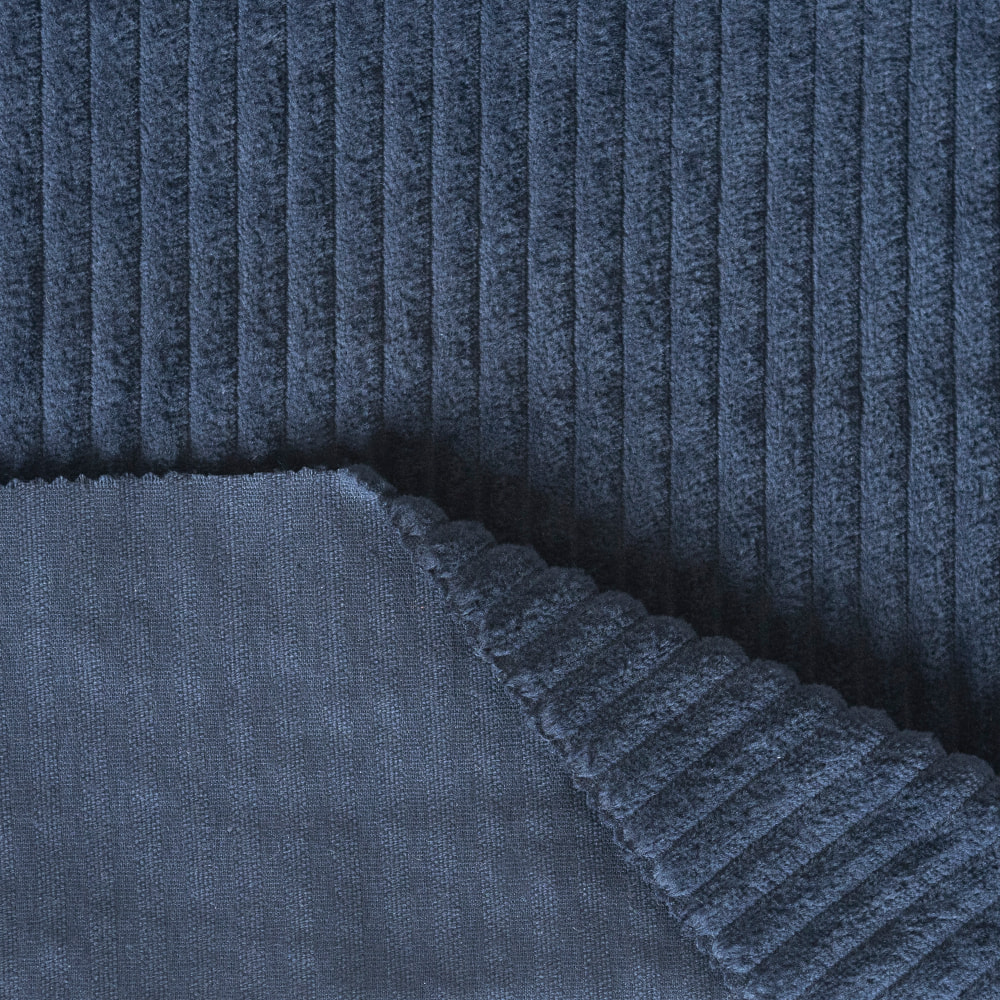


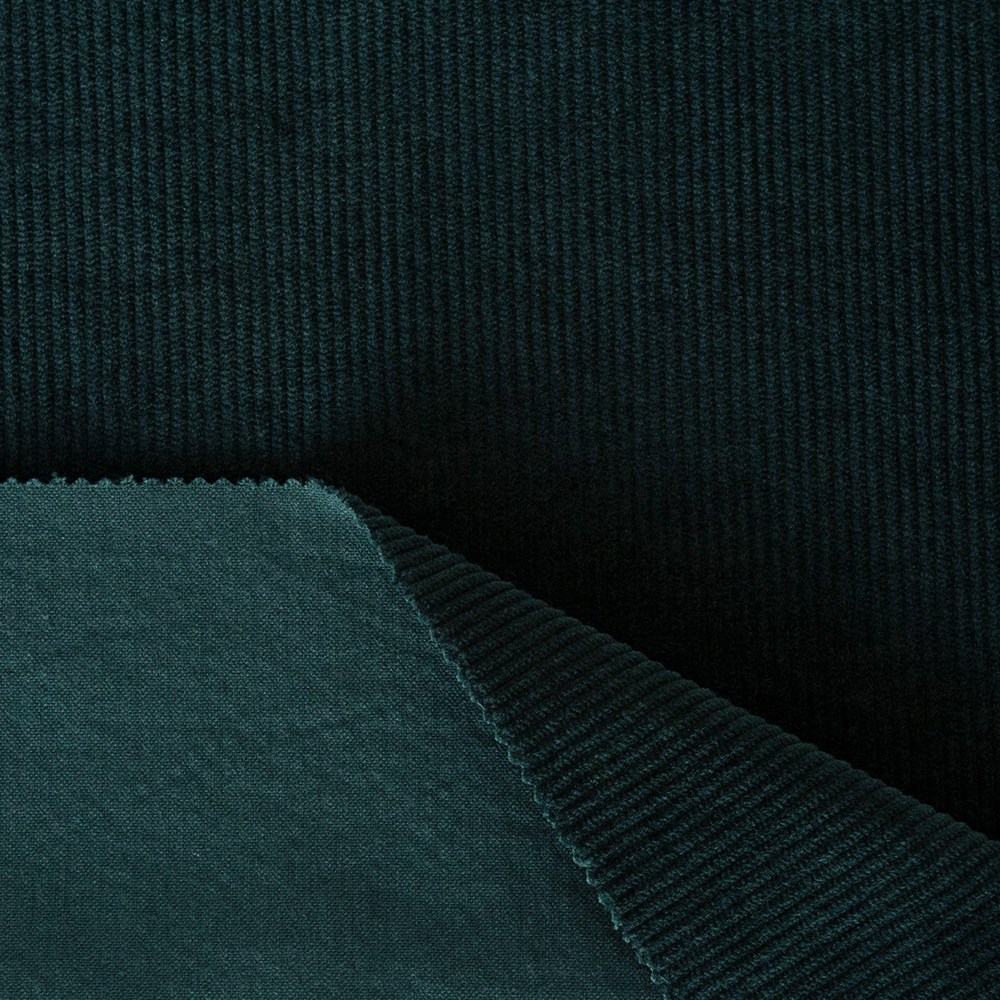
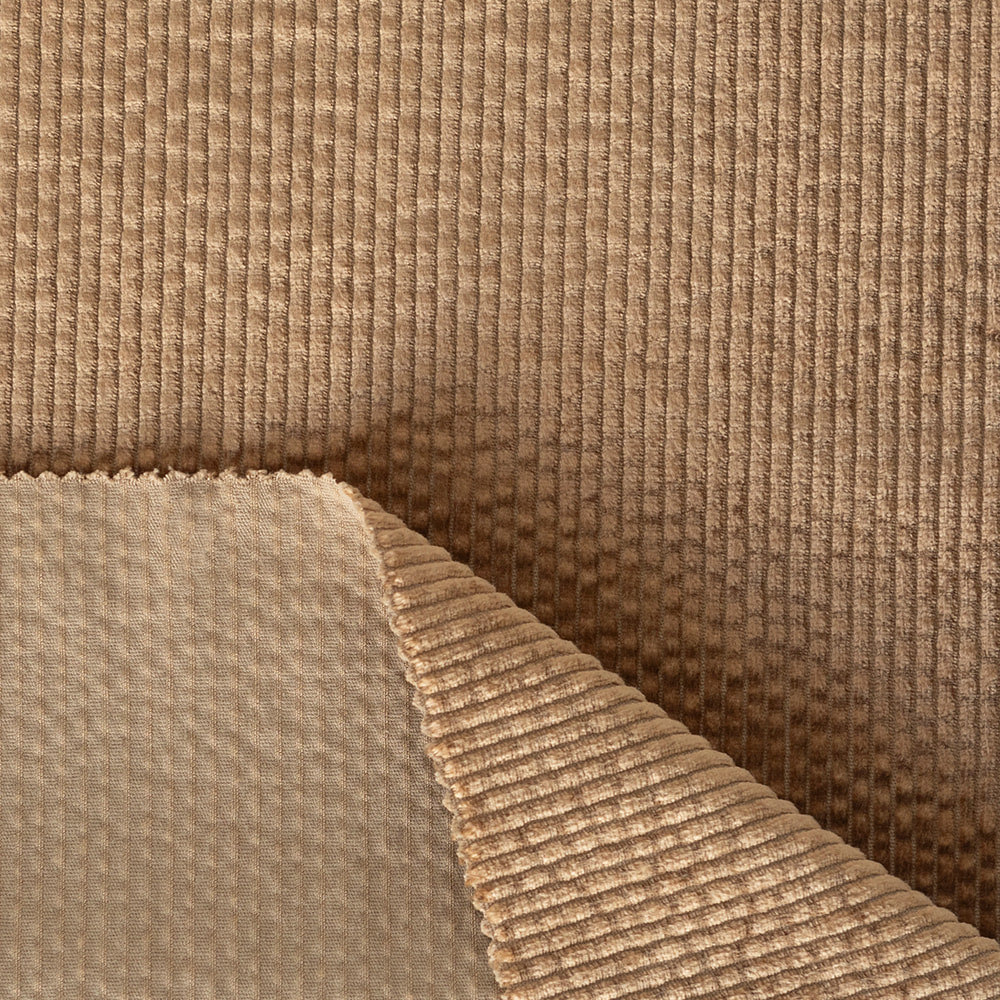
Get Directions
Textile Industry Zone, East Hutang Town, Wujin District,213100 Changzhou,China
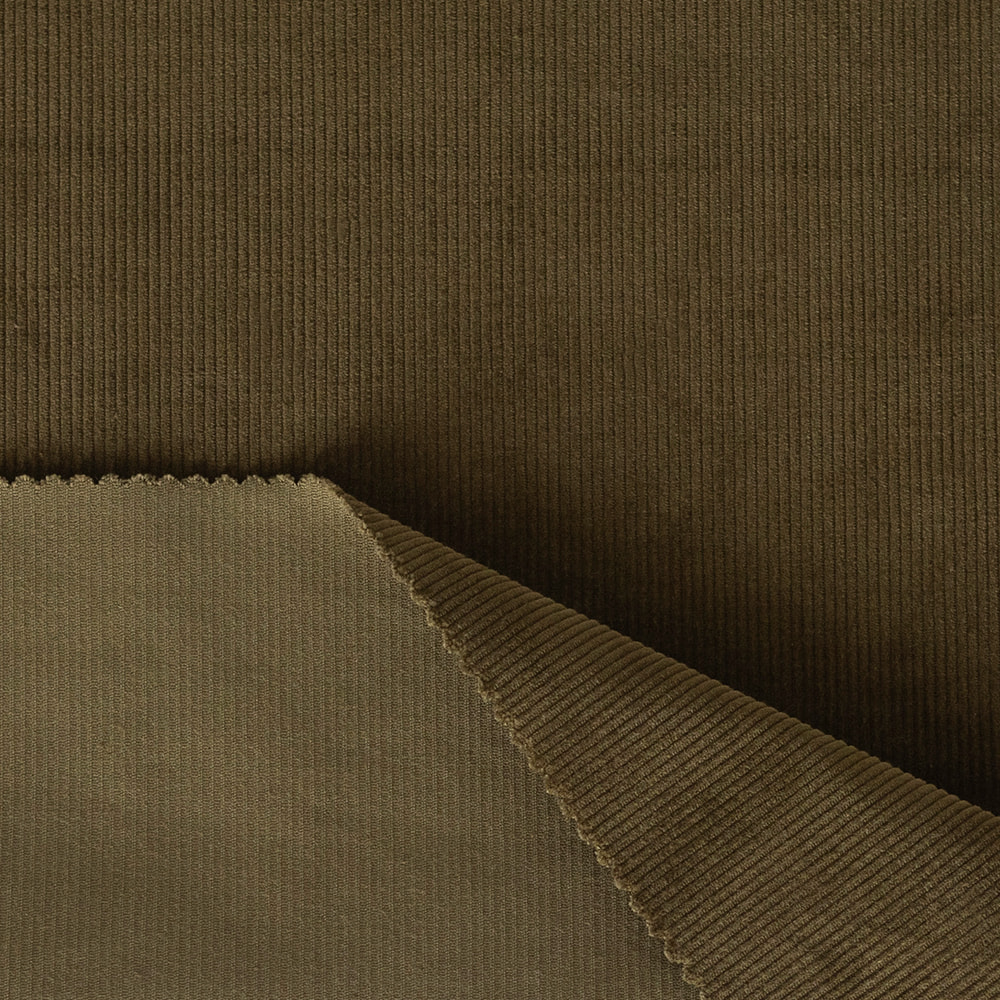
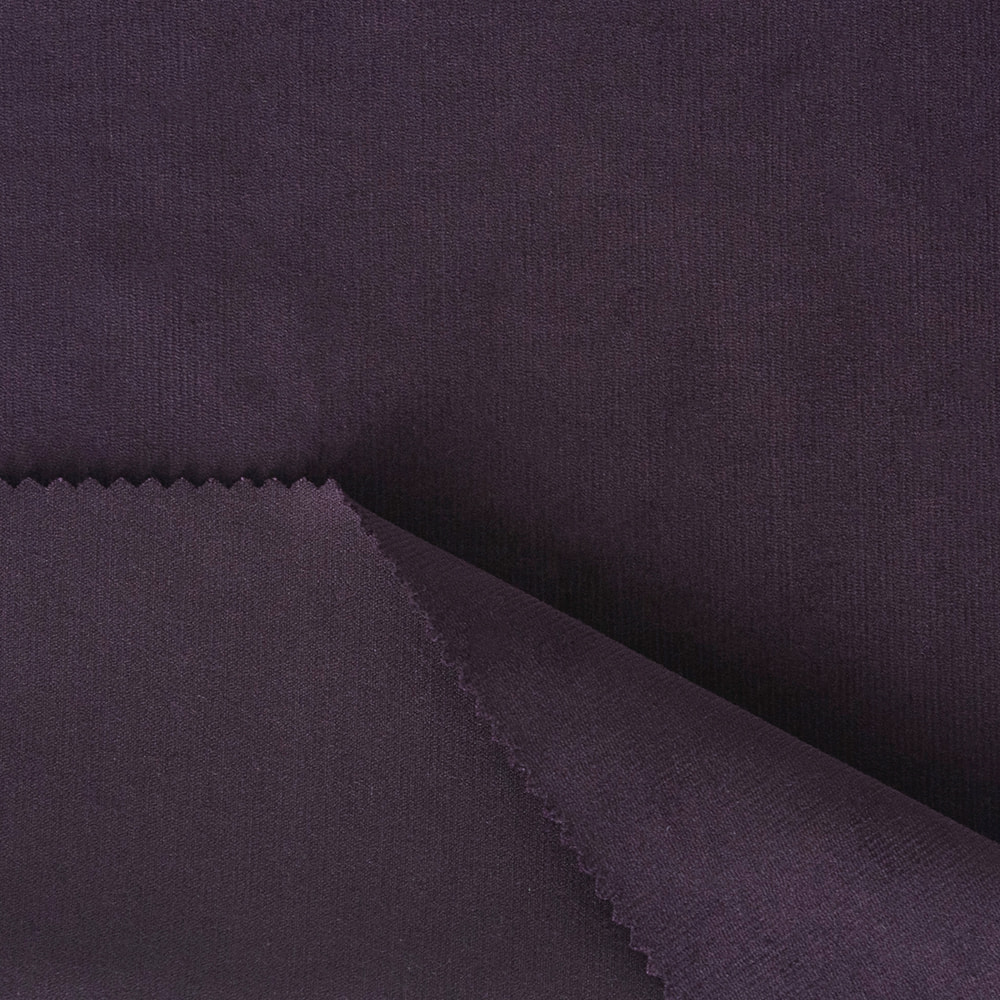
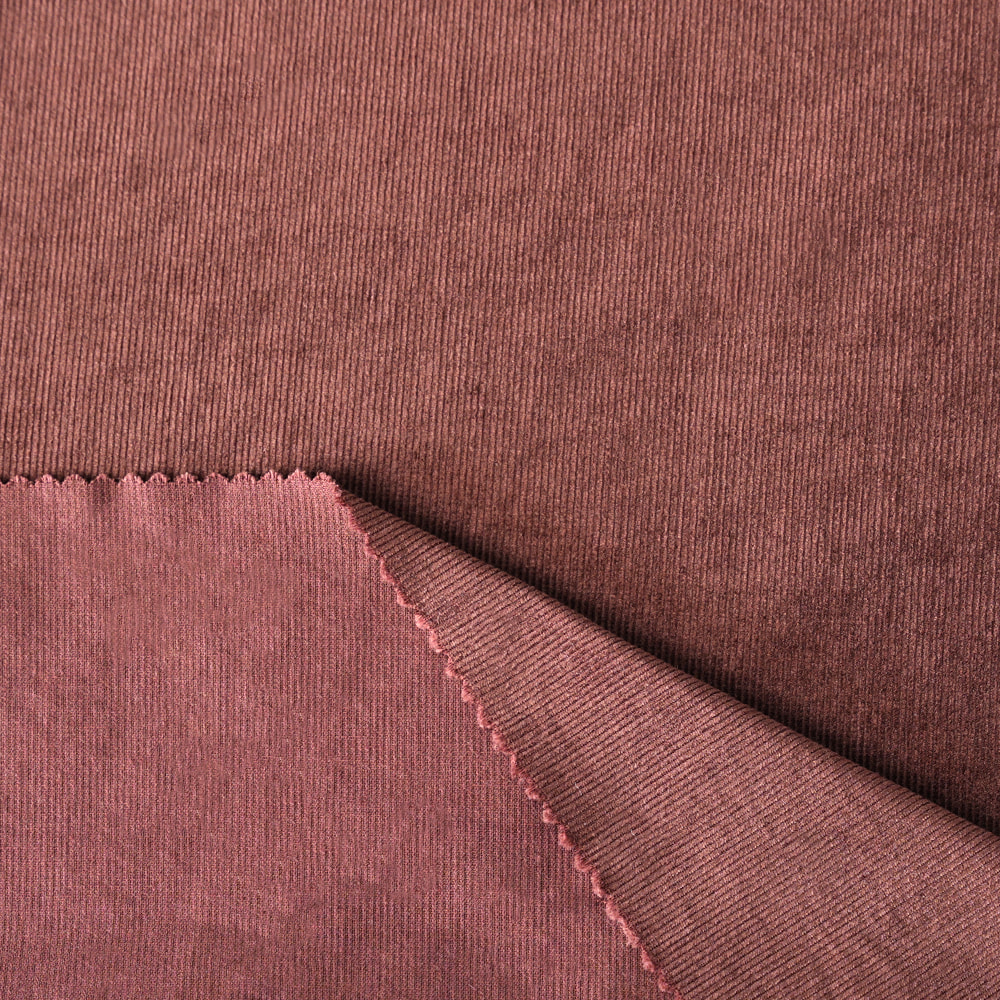
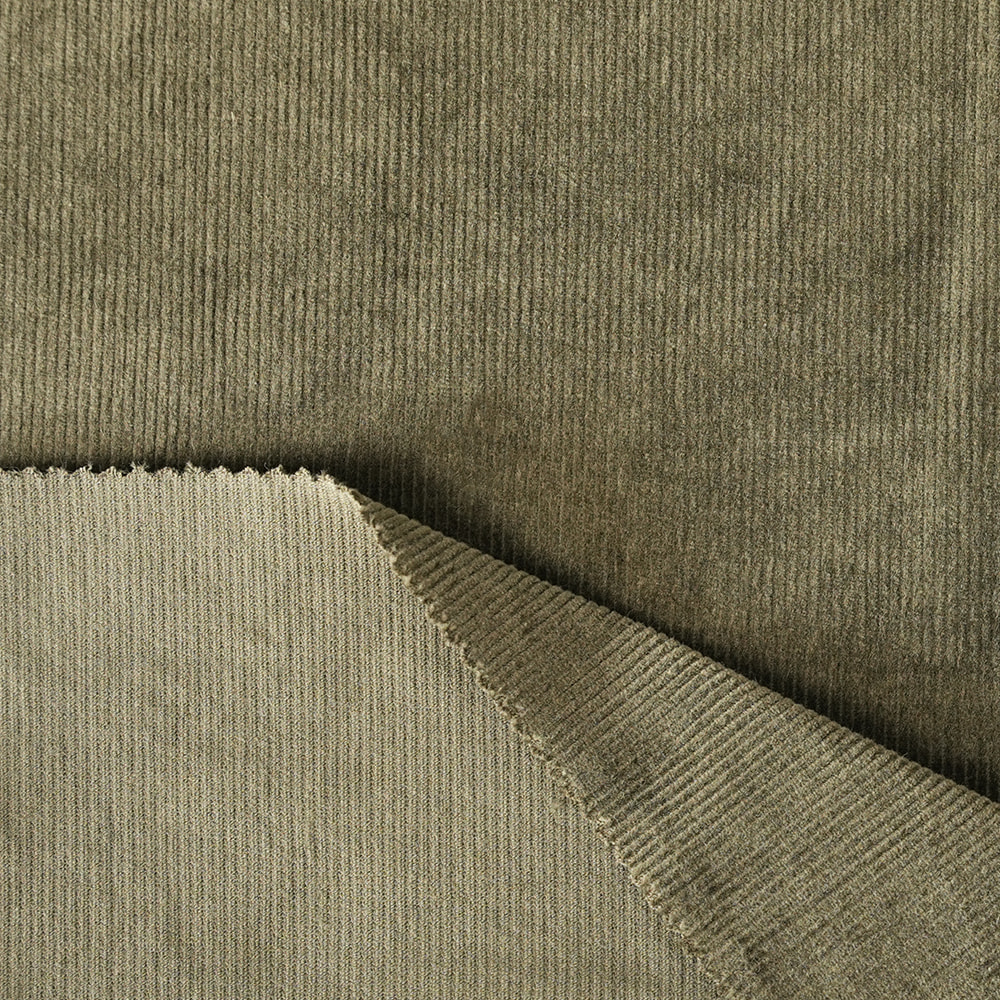
Corduroy's reputation for softness is well earned, but not all corduroy fabric is equally soft. The same fabric category spans a wide range of hand feels — from the coarse, heavyweight texture of wide-wale upholstery cord to the almost velvety smoothness of fine pinwale or baby cord. Understanding what drives softness in corduroy lets designers, buyers, and sewers choose the right variant for their application instead of discovering the mismatch after cutting. Three factors determine how soft a corduroy fabric feels: wale count, fiber content, and finishing treatment. All three interact, and the softest corduroy fabrics optimize all three simultaneously.
Content
Corduroy's surface texture is produced by cutting extra filling yarns woven into the base fabric, then brushing the resulting pile upright to create the characteristic raised ridges called wales. The softness of the finished fabric is a direct function of how that pile is constructed and treated.
Wale structure is the primary driver of perceived softness. When the wales are narrow and densely packed, the pile fibers are shorter and more numerous per inch of fabric. This creates a finer, more uniform surface where individual fibers are less distinct to the touch — the hand feels smooth and even, similar to velvet. When the wales are wide and widely spaced, each individual cord is more prominent, the channels between cords are more pronounced, and the tactile experience is coarser and more textured. This is why pinwale and baby cord consistently feel softer than wide-wale or elephant cord, even when made from the same fiber.
Pile height is a second structural variable. A deeply cut pile — sometimes called plush construction — produces a more cushioned, pillowy surface that traps more air between the fibers. Standard corduroy has a pile height of approximately 1–2 mm; premium soft corduroy may reach 3 mm or more. The deeper pile absorbs light more fully, which also makes colors appear richer and more saturated.
Finishing treatments applied after weaving complete the softness equation. Brushing lifts the pile fibers and aligns them uniformly. Washing — particularly enzyme washing or garment washing — relaxes the fiber structure and breaks in the cotton, producing the soft, worn-in feel that well-finished corduroy develops over time. Calendering adds a subtle surface smoothness by pressing the pile lightly under heat and pressure. Fabrics that receive thorough finishing feel noticeably softer off the bolt than those that receive minimal post-processing.
Wale count — the number of ridges per inch — is the single most useful specification for predicting hand feel before touching a fabric. The following table compares the major corduroy categories from finest to coarsest, with softness characteristics and primary applications for each.
| Type | Wale Count (per inch) | Softness Profile | Best Applications |
|---|---|---|---|
| Baby cord / feather cord | 20–30 | Exceptionally soft, velvety, very fine texture | Childrenswear, blouses, lightweight dresses |
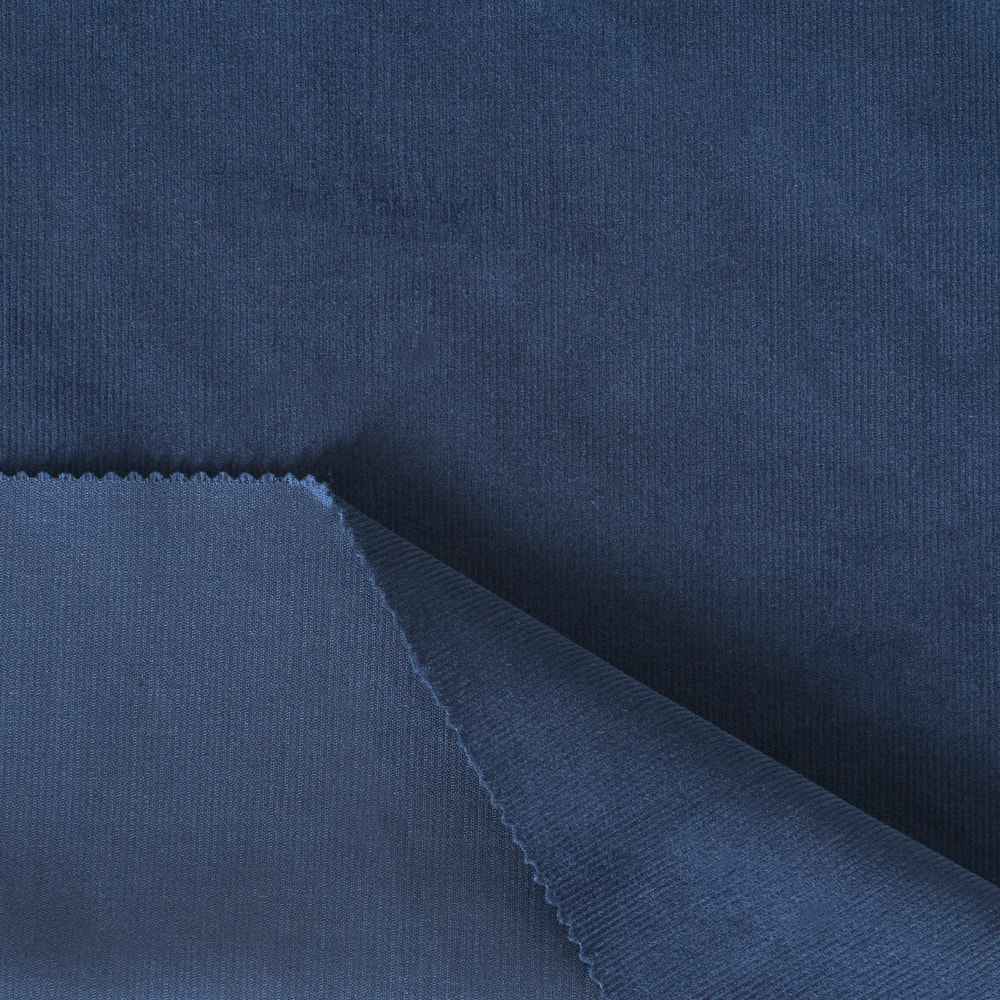
| Pinwale / needlecord | 16–21 | Very soft, subtle texture, refined hand feel | Fine shirts, women's trousers, children's clothing |
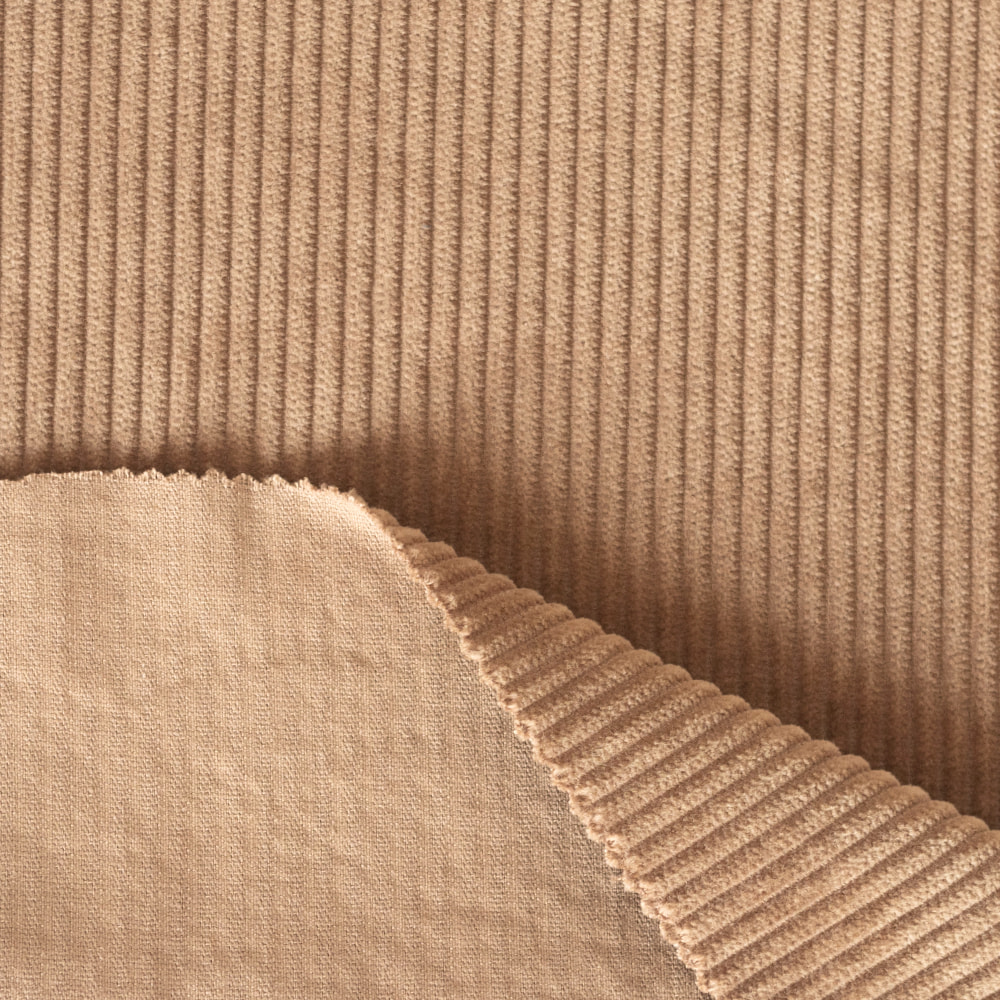
| Standard / medium wale | 11–14 | Soft with noticeable texture, classic corduroy feel | Pants, jackets, skirts, everyday apparel |
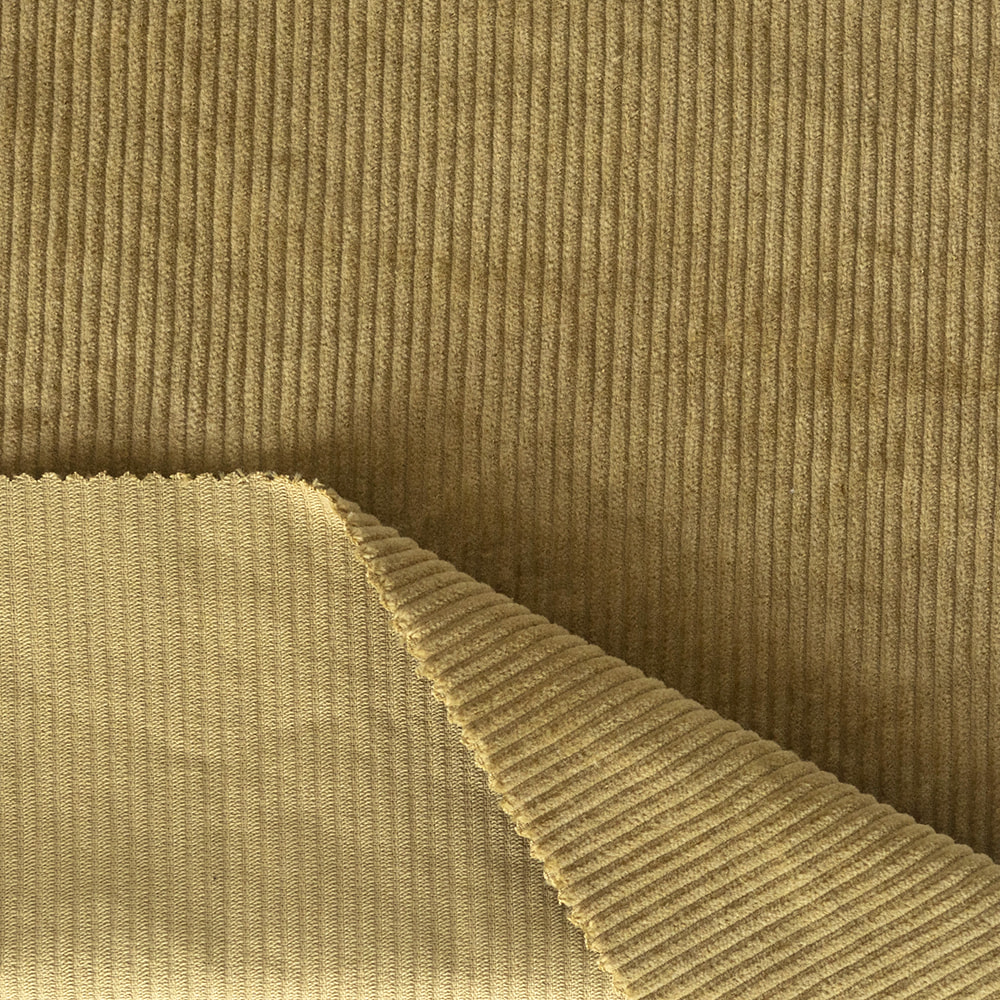
| Wide wale | 3–8 | Cushioned but textured, individual cords prominent | Outerwear, casual jackets, upholstery |
| Elephant cord / jumbo wale | 1.5–3 | Coarse, deeply ridged, bold tactile character | Furniture, heavy outerwear, decorative applications |
Baby cord and pinwale sit at the top of the softness range. Their high wale density means more individual pile fibers per square inch, creating a surface that approaches the smoothness of velvet while retaining the structural durability of corduroy's base weave. For applications where softness against the skin is the primary requirement — children's clothing, blouses, or garments worn without underlayers — these fine-wale constructions are the correct specification.
Standard wale corduroy strikes the most versatile balance. It is soft enough for comfortable all-day wear while retaining the pronounced rib pattern that defines the corduroy aesthetic. This is the most commercially prevalent corduroy type and the reference point against which other wale counts are judged. Wide and elephant cord sacrifice fine softness for visual drama and structural weight — they are chosen for their texture and presence, not primarily for their hand feel.
Wale count determines the structural framework of softness; fiber content determines what that structure is actually made of. Different fibers contribute different tactile qualities, and modern corduroy blends are engineered to maximize specific performance characteristics.
Cotton remains the dominant fiber for corduroy production, and for good reason. Long-staple cotton yarns produce a fine, even pile that brushes to a smooth, consistent surface. Cotton corduroy improves with washing — the cellulose fibers relax and soften progressively, so a well-washed cotton corduroy garment often feels softer than a new one. Cotton also accepts reactive dyes readily, producing the deep, saturated colors that corduroy is known for. The main limitation of pure cotton corduroy is its lack of stretch, which can create fit and movement constraints in fitted garments.
Tencel (lyocell) blended into corduroy construction introduces a silky smoothness that cotton alone cannot achieve. Tencel fibers are produced from sustainably sourced wood pulp and have a particularly fine, round fiber cross-section that creates a noticeably slippery, cool-to-the-touch surface. Corduroy with a Tencel component drapes more fluidly than pure cotton and feels cooler against the skin — properties that make it suitable for transitional and spring-weight corduroy garments where cotton can feel heavy.
Modal is another semi-synthetic fiber derived from wood pulp that enhances softness when blended into corduroy. Modal has an exceptionally fine fiber diameter — finer than cotton — and retains its soft hand feel after repeated washing without the stiffening that can affect some synthetic blends. Modal corduroy is lightweight, smooth, and comfortable for extended wear.
Spandex (elastane) blended at 2–5% transforms standard corduroy into stretch corduroy, which moves with the body rather than resisting it. The elastic component does not significantly affect surface softness — the hand feel remains primarily determined by the cotton or cotton-blend pile — but it eliminates the tight, restrictive feeling that rigid corduroy can produce in fitted trousers and skirts. Stretch corduroy is the preferred specification for garments that need to fit closely and accommodate movement simultaneously.
Rayon (viscose) added to a corduroy blend produces a lustrous, fluid fabric with exceptional drape. Rayon's natural sheen makes corduroy colors appear richer, and its softness approaches silk in fine constructions. The trade-off is care sensitivity: rayon corduroy requires gentle washing and is prone to shrinkage if laundered incorrectly.
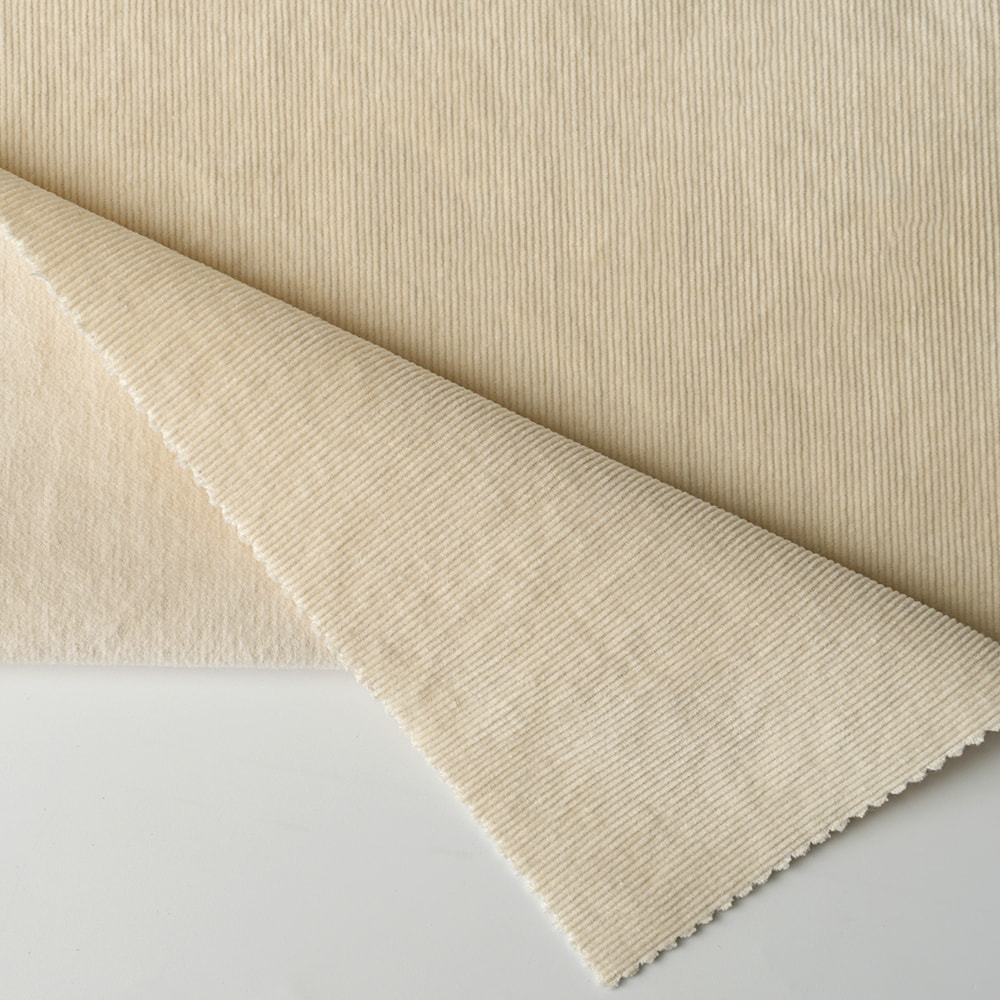
Selecting the correct corduroy specification for a garment depends on balancing softness requirements against the structural needs of the design. Fine-wale and medium-wale corduroy cover the majority of apparel applications; wide-wale is reserved for structured outerwear where its visual weight is an asset.
For shirts, blouses, and lightweight tops, baby cord or pinwale (16–30 wales per inch) is the appropriate specification. The fine pile lies close to the skin, the fabric weight is low enough to allow comfortable drape, and the subtle texture reads as refined rather than casual. These fine-wale constructions work in all seasons when made from cotton-Tencel or cotton-Modal blends that reduce the thermal heaviness associated with heavier corduroy.
For trousers and fitted pants, standard wale corduroy (11–14 wales per inch) in a stretch blend delivers the best combination of classic appearance and wearing comfort. The stretch component prevents the notorious knee-bagging that rigid cotton corduroy develops after a few wears, and the medium wale provides a textured surface that holds its shape and resists the pilling that very fine wale constructions can develop at friction points.
Children's clothing benefits particularly from soft corduroy. Baby cord and pinwale are durable enough to withstand active use and repeated washing while remaining gentle against sensitive skin. A cotton-spandex blend is the most practical specification for childrenswear, combining the washability and softness of cotton with enough stretch to survive playground movement without seam stress.
For jackets and structured outerwear, medium to wide wale corduroy (8–14 wales per inch) in 100% cotton or a cotton-polyester blend provides the body and structure these garments require. The slightly coarser texture of wider wales supports the garment's shape and adds to the visual weight appropriate for outerwear, while the cotton pile remains comfortable at collar and cuff contact points.
Corduroy's combination of durability, tactile warmth, and visual depth makes it a practical and attractive choice for home furnishings. The softness requirements for upholstery differ from those for apparel: cushioned pile depth matters more than fine wale count, and abrasion resistance becomes a primary consideration alongside hand feel.
For sofas and upholstered seating, wide-wale or plush corduroy provides the best balance of softness and durability. The deep pile of plush constructions (pile height 3 mm or more) creates a cushioned surface that feels luxurious to the touch while the corduroy base weave resists the surface abrasion that flat fabrics show quickly on seat cushions and armrests. Premium upholstery-grade corduroy typically rates above 20,000 double rubs in abrasion testing, making it comparable to durable upholstery textiles while offering a softer, more tactile surface. For a detailed look at wide and plush construction options, the wide and plush corduroy guide covers pile depth specifications and application guidance in detail.
For cushions, throw pillows, and decorative items, medium to wide wale corduroy in rich, saturated colors adds textural depth to a room. Corduroy's directional nap means that panels cut in different orientations appear as different shades of the same color — a property that skilled upholsterers exploit to create tonal interest, but that requires consistent cutting direction when uniformity is the goal.
For curtains and soft furnishings, lightweight pinwale or standard wale corduroy in cotton or cotton-Tencel blends drapes well without the heaviness of upholstery-weight cord. The ribbed texture filters light softly and adds visual interest at windows without the formality of heavier drapery fabrics.
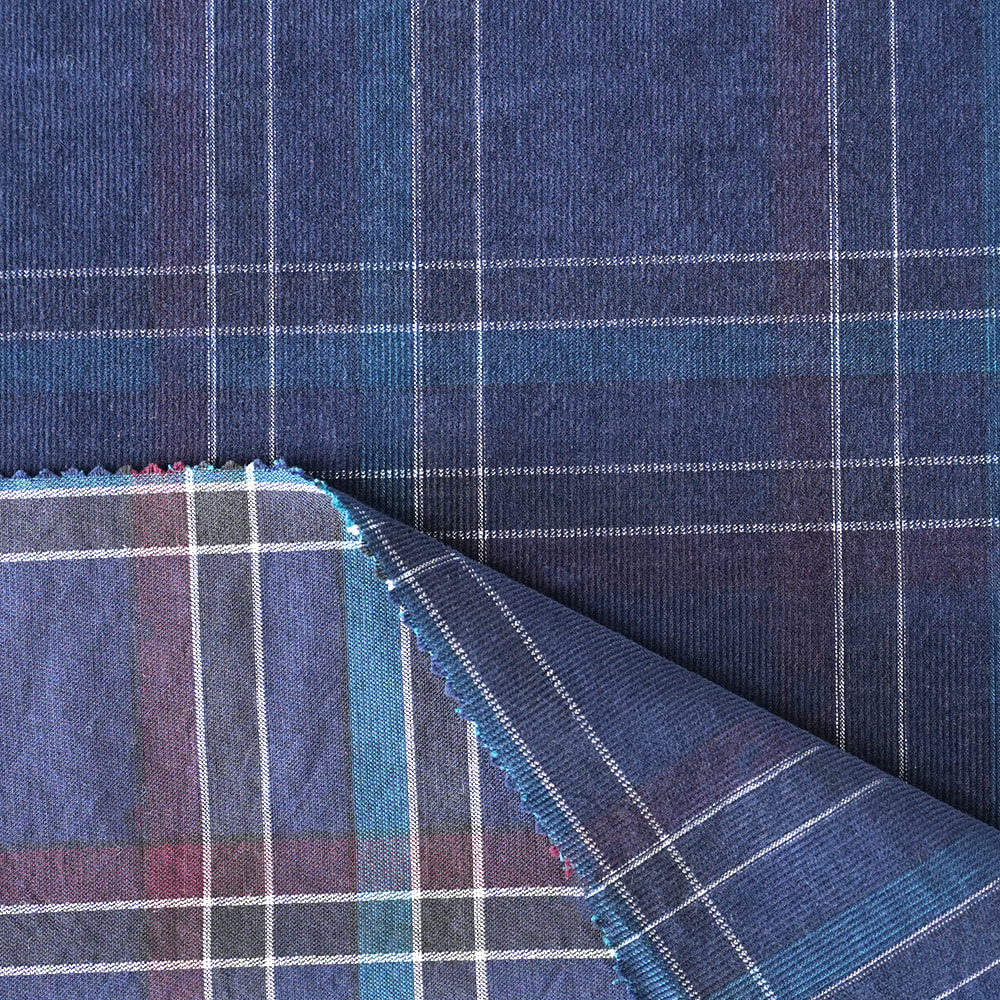
Corduroy's softness is not permanent by default — improper washing, drying, or storage can crush the pile, stiffen the fibers, or permanently flatten the wales that give the fabric its characteristic feel. Following the correct care procedure preserves the hand feel that the fabric's construction and finishing are designed to deliver.
Washing. Turn corduroy garments inside out before washing to protect the pile surface from friction against the drum. Use cold or lukewarm water — hot water accelerates cotton fiber relaxation and can cause shrinkage, particularly in the first few washes. A gentle or delicate cycle reduces mechanical agitation that can mat the pile. Avoid washing corduroy with rough fabrics like denim or towels that can abrade the pile surface during the wash cycle. For rayon or Tencel-blend corduroy, hand washing or a machine delicate cycle with cool water is essential — these fibers weaken when wet and shrink under heat.
Drying. Never tumble dry corduroy at high heat. High heat flattens and stiffens the pile and can cause significant shrinkage in cotton-based constructions. Tumble dry on low heat or air dry flat. If tumble drying, remove the garment while still slightly damp and shake it gently to restore pile loft before laying flat or hanging to finish drying. Hanging wet corduroy can distort the fabric's weight-bearing structure, particularly in wider wale constructions.
Ironing. If ironing is necessary, turn the garment inside out and iron on the reverse side using a low to medium heat setting. Ironing directly on the pile surface — even with a press cloth — risks flattening the wales permanently. A light steaming from the right side (without contact ironing) is the safest method for refreshing the pile and removing wrinkles while preserving the fabric's three-dimensional texture.
Storage. Store corduroy folded rather than hanging for long periods. Heavy garments hung by the shoulders can distort the base weave over time. Keep stored corduroy away from prolonged direct light, which fades the directional pile color unevenly. A lint brush or soft clothes brush used lightly in the pile direction before storage keeps the surface clean and the pile aligned, which is the simplest single habit for maintaining corduroy's soft, fresh appearance between wears.
Please feel welcome to contact our friendly reception staff with any general call us

+86 139 6116 7127

Email: cloud@jacquardcloth.com

Textile Industry Zone, East Hutang Town, Wujin District,213100 Changzhou,China
