

 English
 日本語
日本語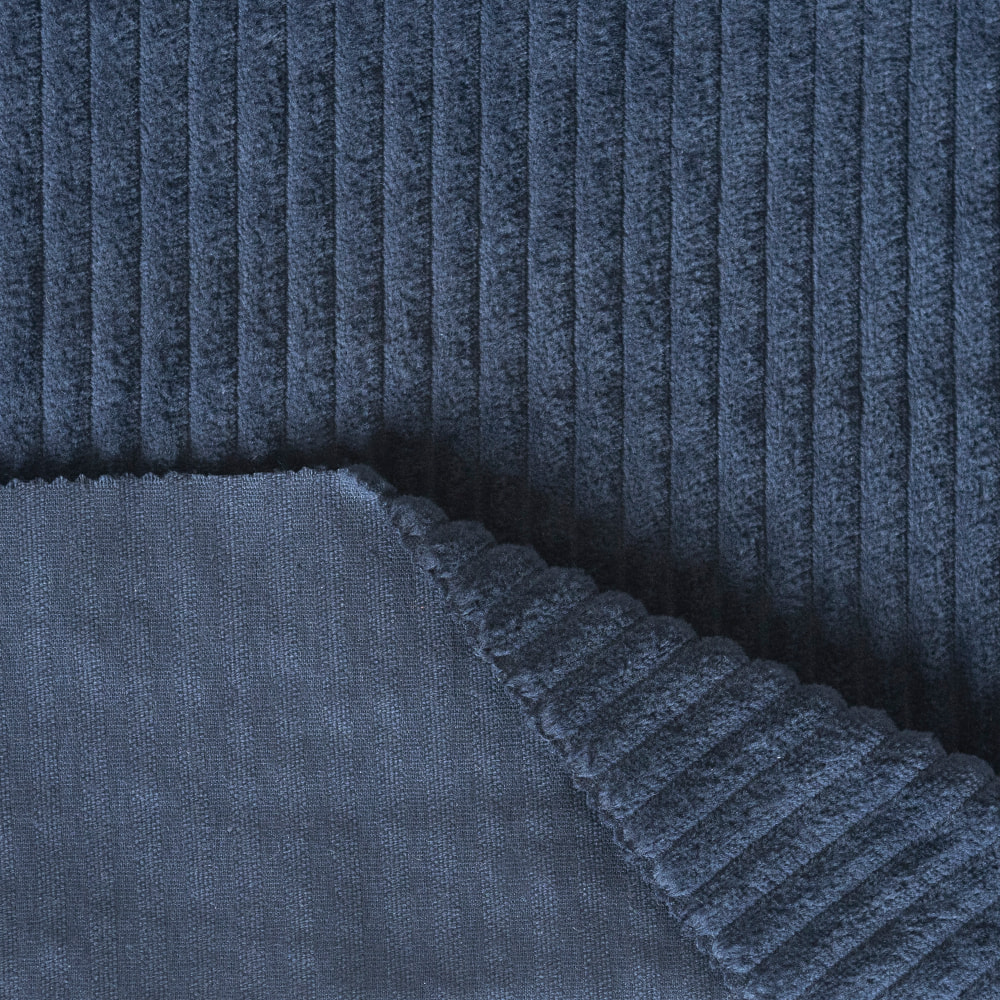


Get Directions
Textile Industry Zone, East Hutang Town, Wujin District,213100 Changzhou,China
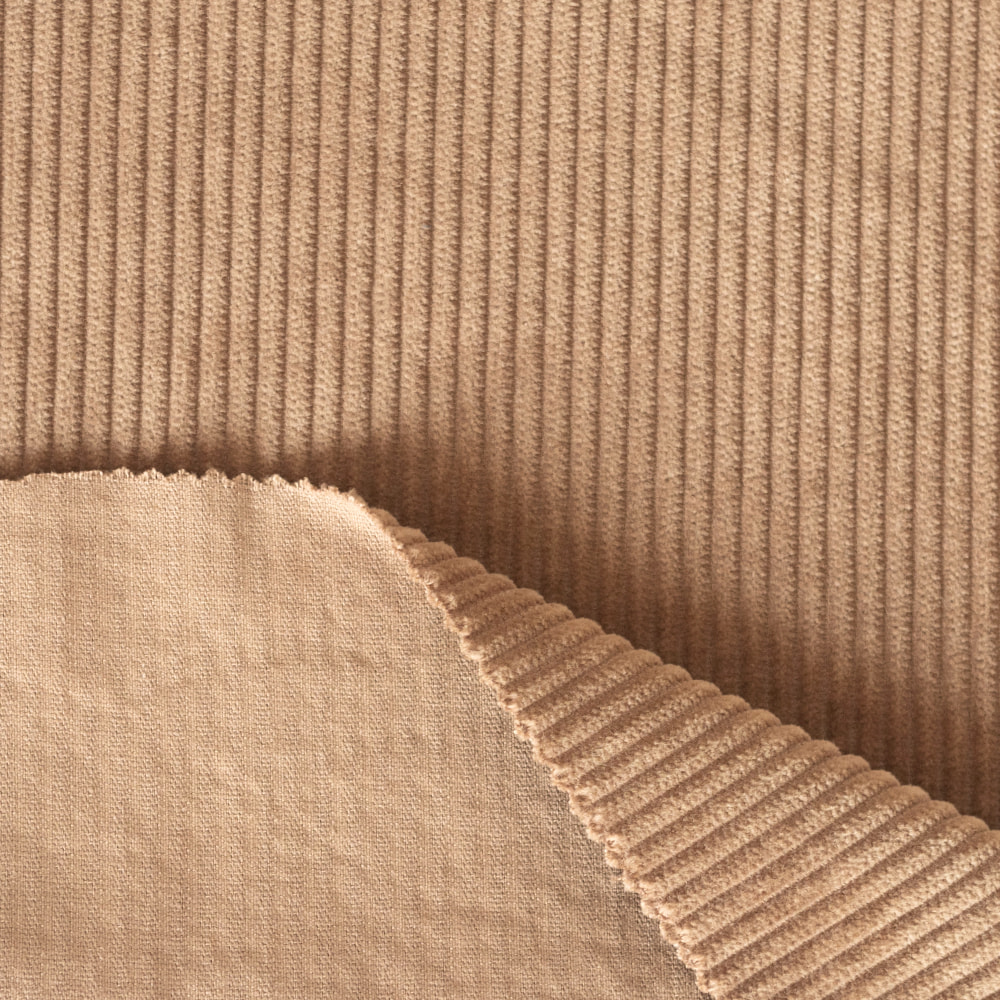
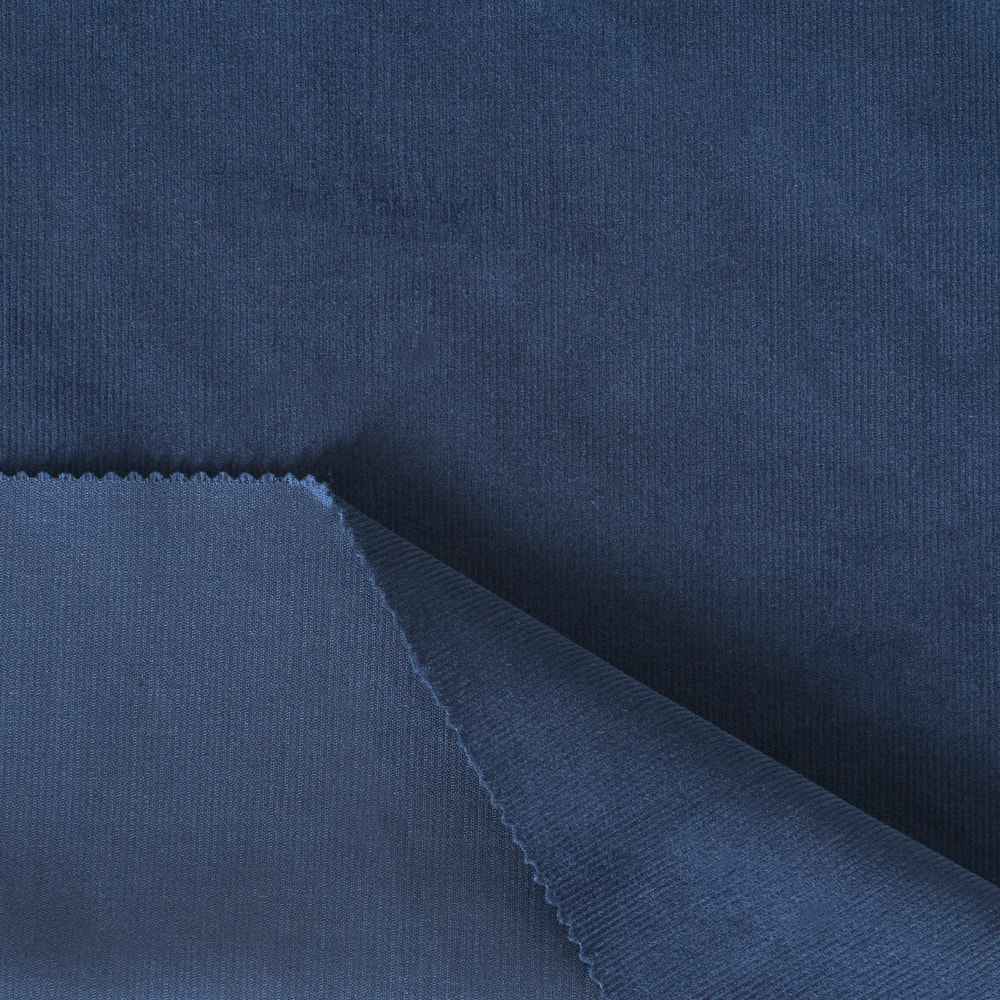
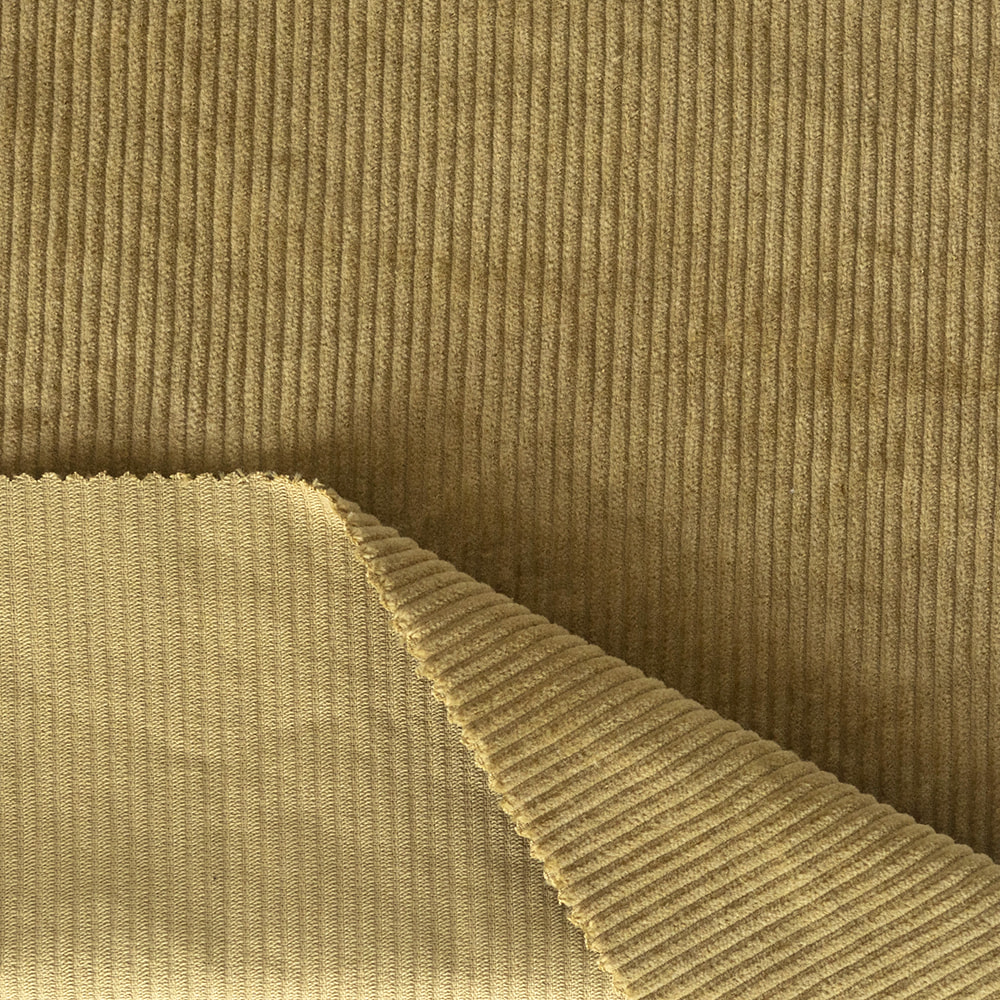
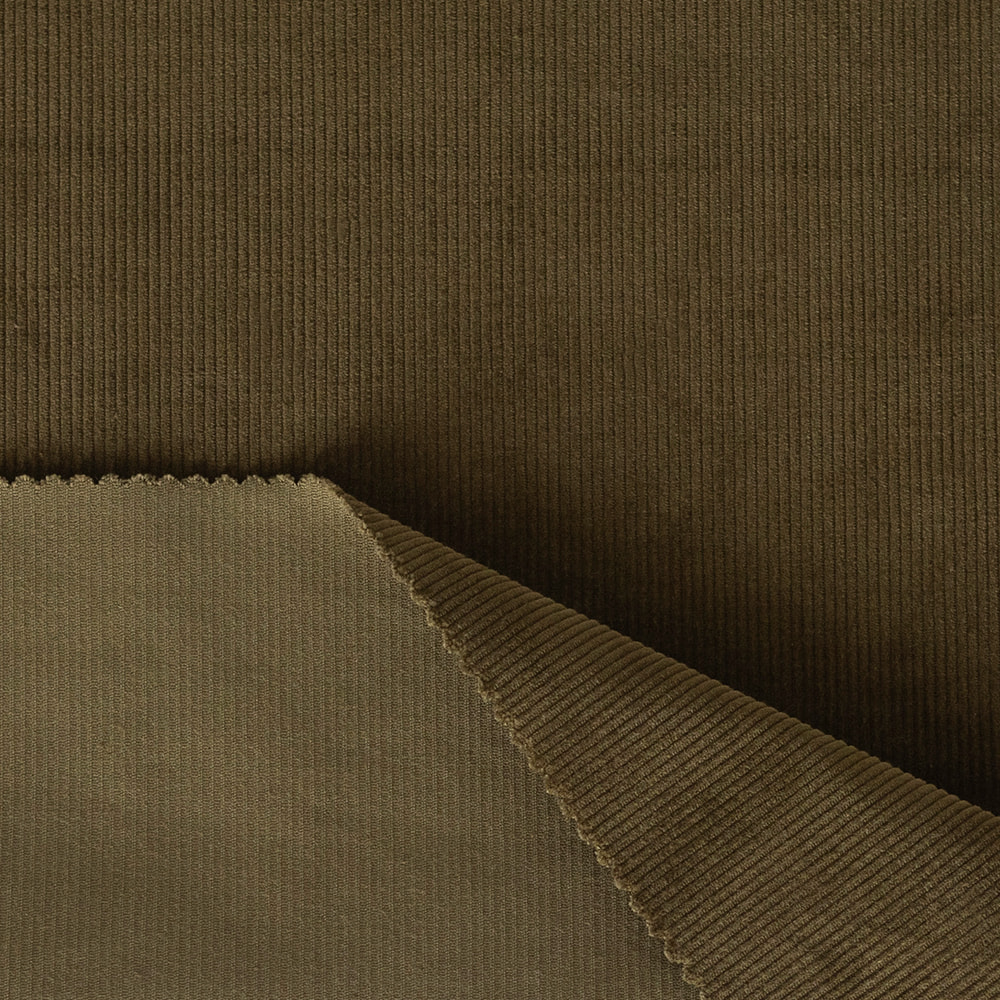
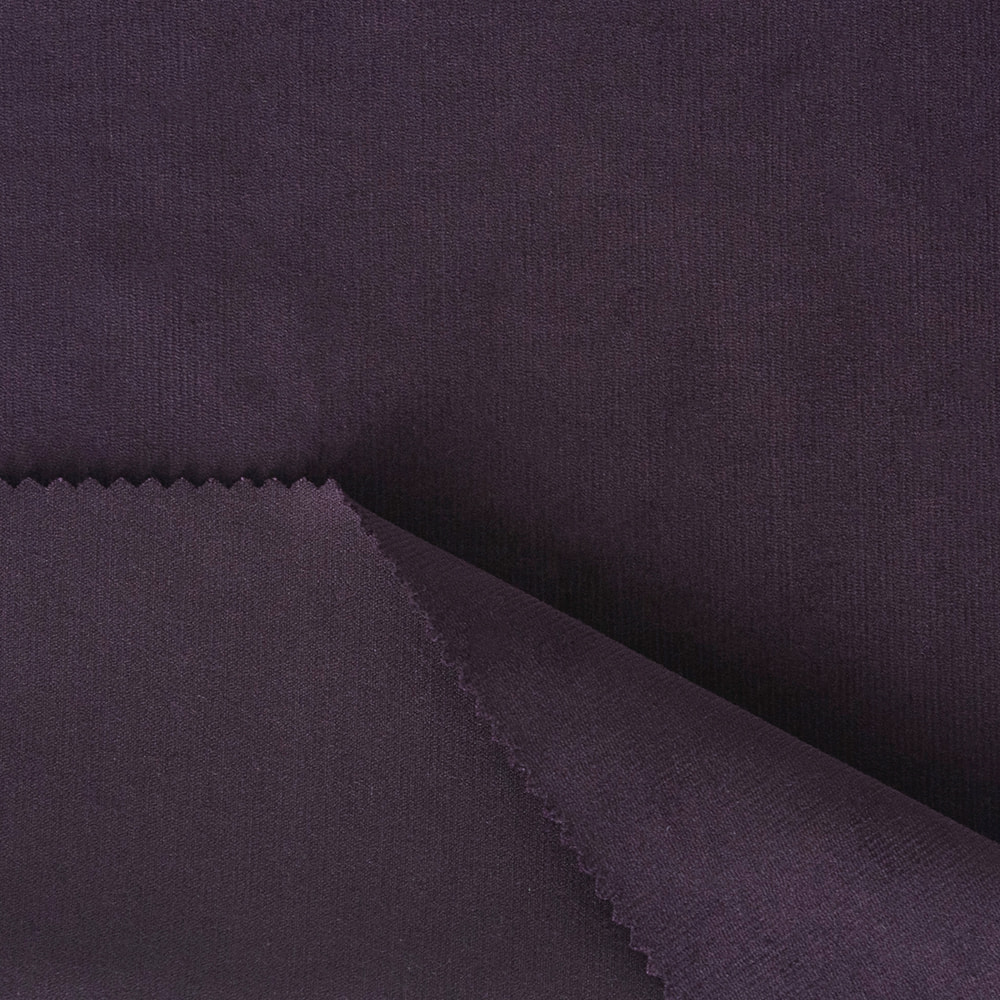
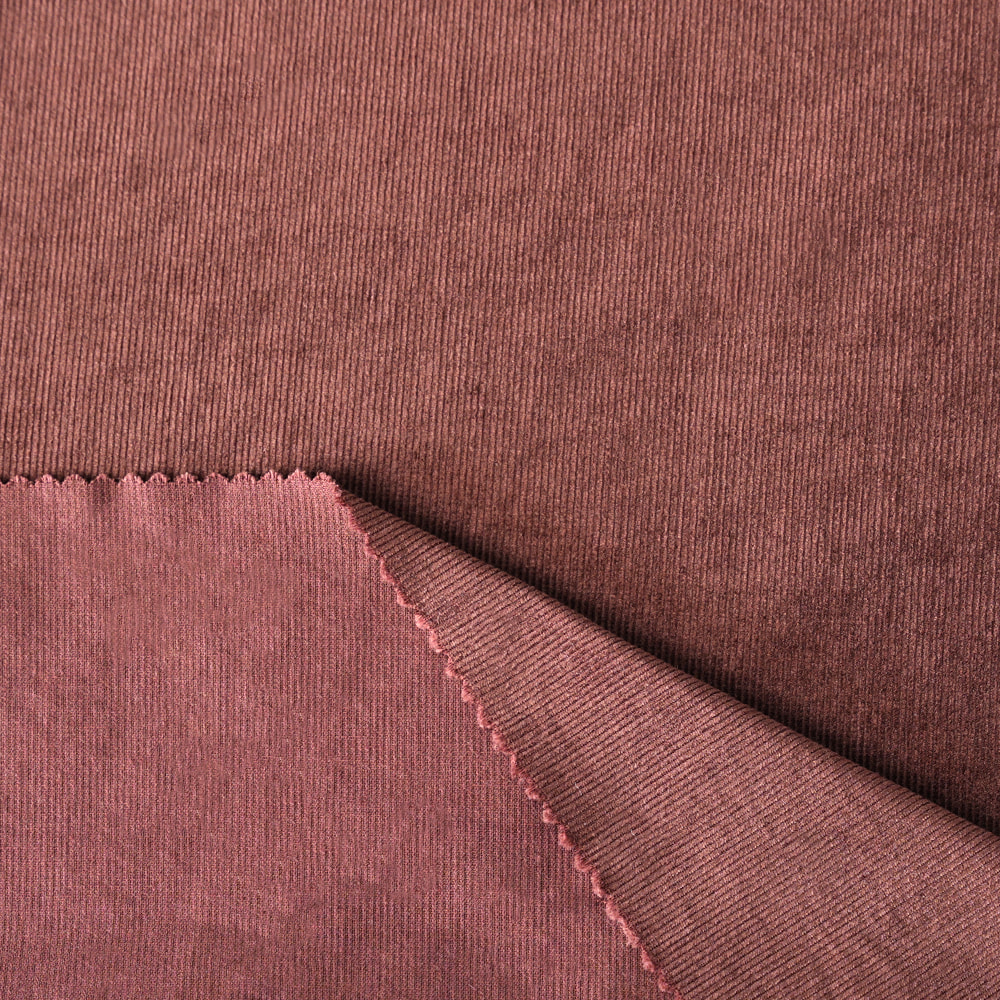
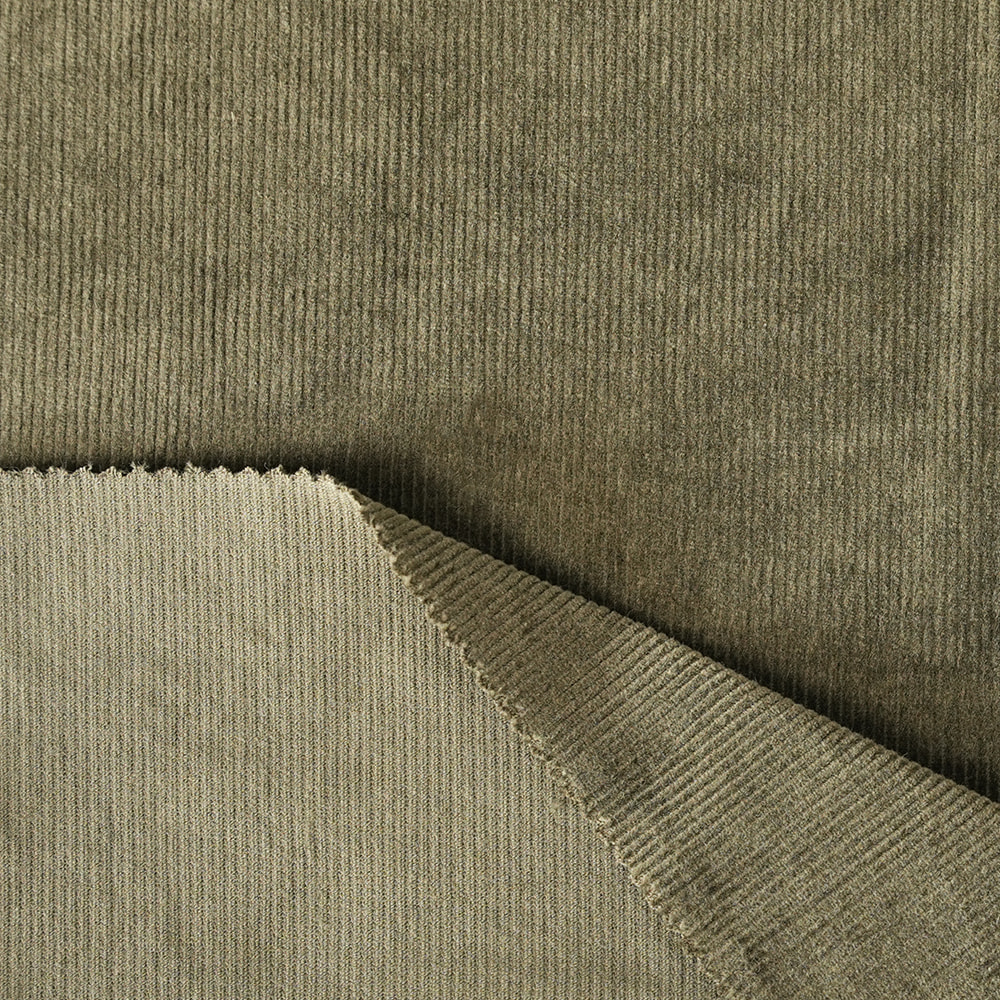
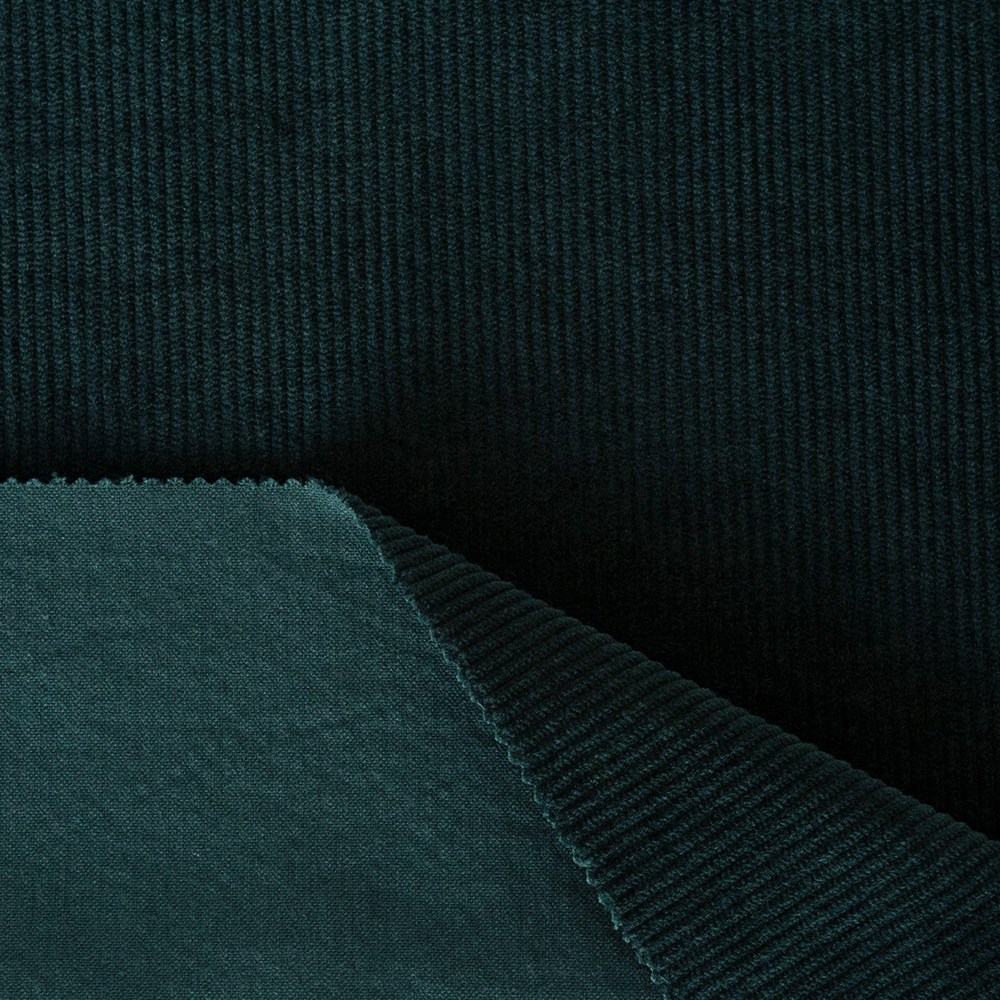
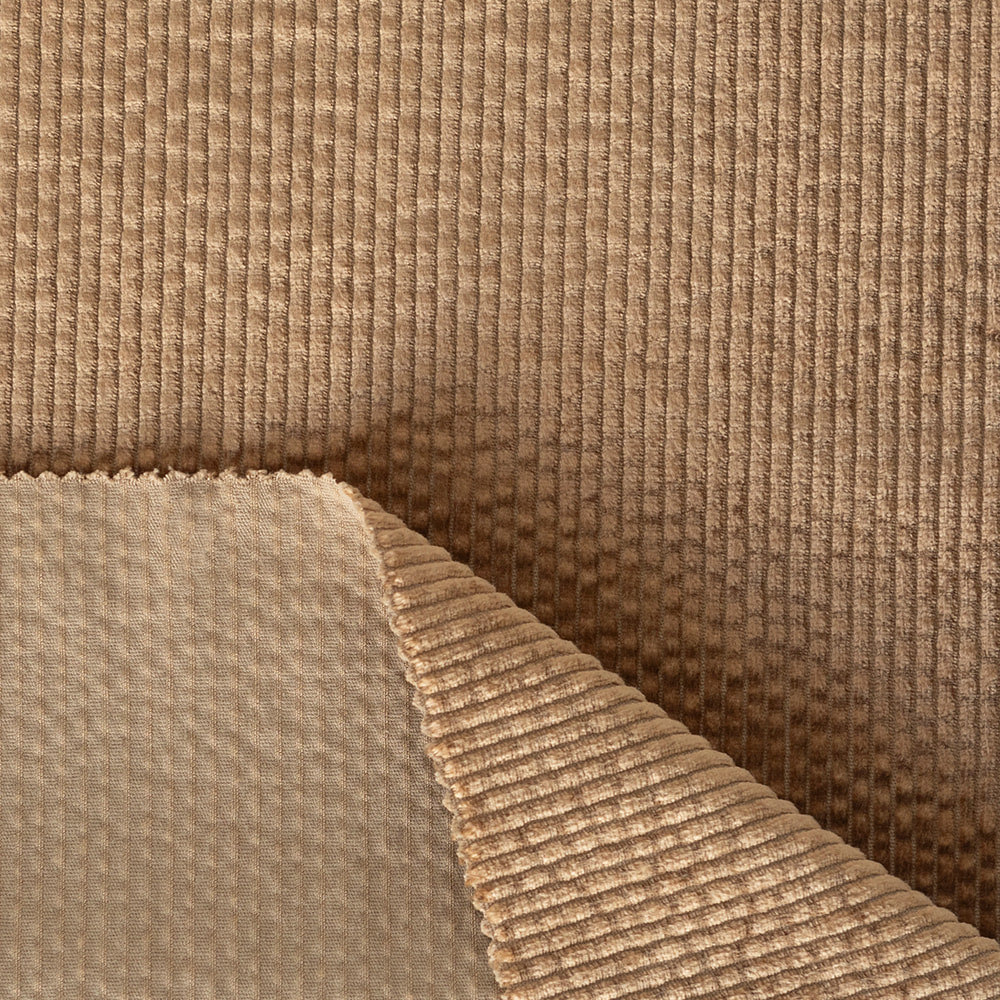
Cotton-spandex piece-dyed corduroy fabric represents the perfect evolution of a classic textile, combining the timeless warmth and texture of corduroy with modern elasticity and comfort. By integrating a small percentage of spandex (typically 2-5%) into a high-quality cotton base, this fabric offers superior freedom of movement and shape retention compared to traditional 100% cotton varieties. The piece-dyeing process further enhances its appeal, allowing for rich, uniform color penetration that highlights the distinctive wale structure while maintaining softness against the skin.
For designers and consumers alike, this material solves the common complaint of rigid, restrictive corduroy. It is ideal for fitted garments like skinny jeans, jackets, and children’s wear, where durability must be balanced with flexibility. The result is a versatile fabric that retains the aesthetic heritage of corduroy but performs like a modern technical textile, resisting bagging at the knees and elbows while providing a comfortable, breathable wear experience.
Content
The core advantage of cotton-spandex corduroy lies in its blended composition. Cotton provides natural breathability, moisture absorption, and a soft hand feel, while spandex (elastane) introduces mechanical stretch. This synergy creates a fabric that is not only comfortable but also more durable in high-stress areas.
Adding just 2% to 5% spandex significantly alters the performance of the fabric. It allows for a two-way or four-way stretch, depending on the weave. This elasticity ensures that garments made from this fabric return to their original shape after stretching, preventing the sagging often seen in pure cotton corduroy after prolonged wear. It also allows for tighter, more contemporary fits without sacrificing comfort.
Corduroy is defined by its "wales," the vertical ridges formed by the cut pile. Cotton-spandex blends are available in various wale counts:
Understanding the term "piece-dyed" is crucial for assessing the quality and appearance of the fabric. In textile manufacturing, dyeing can occur at the fiber stage (stock dyeing), yarn stage (yarn dyeing), or fabric stage (piece dyeing).
Piece-dyeing involves dyeing the fully constructed gray fabric after weaving. This method is particularly effective for corduroy because it ensures uniform color coverage across the raised pile and the base cloth. It allows manufacturers to produce large quantities of neutral fabric and dye them in smaller batches based on current fashion trends, reducing inventory risk.
For cotton-spandex blends, piece dyeing requires careful selection of dyes that can bond with both cellulose (cotton) and synthetic (spandex) fibers, or using a single-fiber dye if the spandex content is low enough to remain undyed (appearing white or translucent within the weave). However, most high-quality piece-dyed corduroys use reactive dyes for the cotton, resulting in vibrant, colorfast hues that penetrate deep into the pile.
| Method | Color Uniformity | Production Flexibility | Cost Efficiency |
|---|---|---|---|
| Piece Dyeing | High (Solid Colors) | High (Quick Response) | High |
| Yarn Dyeing | Variable (Patterns) | Low (Long Lead Time) | Moderate |
| Stock Dyeing | Heathered/Mixed | Low | Low |
To preserve the integrity and appearance of cotton-spandex piece-dyed corduroy, proper care is essential. The combination of natural and synthetic fibers requires a balanced approach to washing and drying.
Turn garments inside out before washing to protect the pile from abrasion. Use cold or warm water (not exceeding 30-40°C / 86-104°F) to prevent shrinkage and protect the spandex fibers, which can degrade under high heat. Avoid bleach, as it can weaken cotton fibers and cause discoloration in piece-dyed fabrics.
Tumble dry on low heat or air dry to maintain elasticity. High heat can damage spandex, leading to loss of stretch. If ironing is necessary, use a steam iron on a medium setting. Iron the fabric on the reverse side or use a press cloth to avoid crushing the wales. Crushing the pile permanently flattens the texture, diminishing the characteristic look of corduroy.
The versatility of cotton-spandex piece-dyed corduroy makes it suitable for a wide range of applications. Its blend of comfort, durability, and style appeals to both casual and semi-formal markets.
This fabric is a staple for autumn and winter collections. It is extensively used in:
Heavier weights of cotton-spandex corduroy are used in upholstery for sofas and chairs, where the stretch helps the fabric conform to curves and cushions. The piece-dyed finish ensures consistent color across large furniture pieces, enhancing the aesthetic appeal of living spaces.

Please feel welcome to contact our friendly reception staff with any general call us

+86 139 6116 7127

Email: cloud@jacquardcloth.com

Textile Industry Zone, East Hutang Town, Wujin District,213100 Changzhou,China
