Home / Blog / Industry Information / Dark Blue & Stretch Corduroy Fabric: Uses and Buying Guide
News

Dark Blue & Stretch Corduroy Fabric: Uses and Buying Guide

Dark Blue Corduroy and Stretch Corduroy Serve Different but Overlapping Needs

Dark blue corduroy is one of the most versatile colorways in the fabric — it reads as a near-neutral, pairs with a wide range of other tones, and works across casual and semi-formal garments alike. Stretch corduroy, meanwhile, solves the stiffness problem that puts many sewists and buyers off traditional corduroy entirely. The best choice depends on whether you prioritize the rich, structured look of classic corduroy or the ease and comfort of a fabric with 10–30% stretch recovery. In many cases, dark blue stretch corduroy gives you both.

This guide breaks down the construction, practical differences, ideal applications, and buying considerations for both fabric types so you can make a confident decision for your next project or purchase.

What Makes Corduroy Distinctive: The Wale Structure

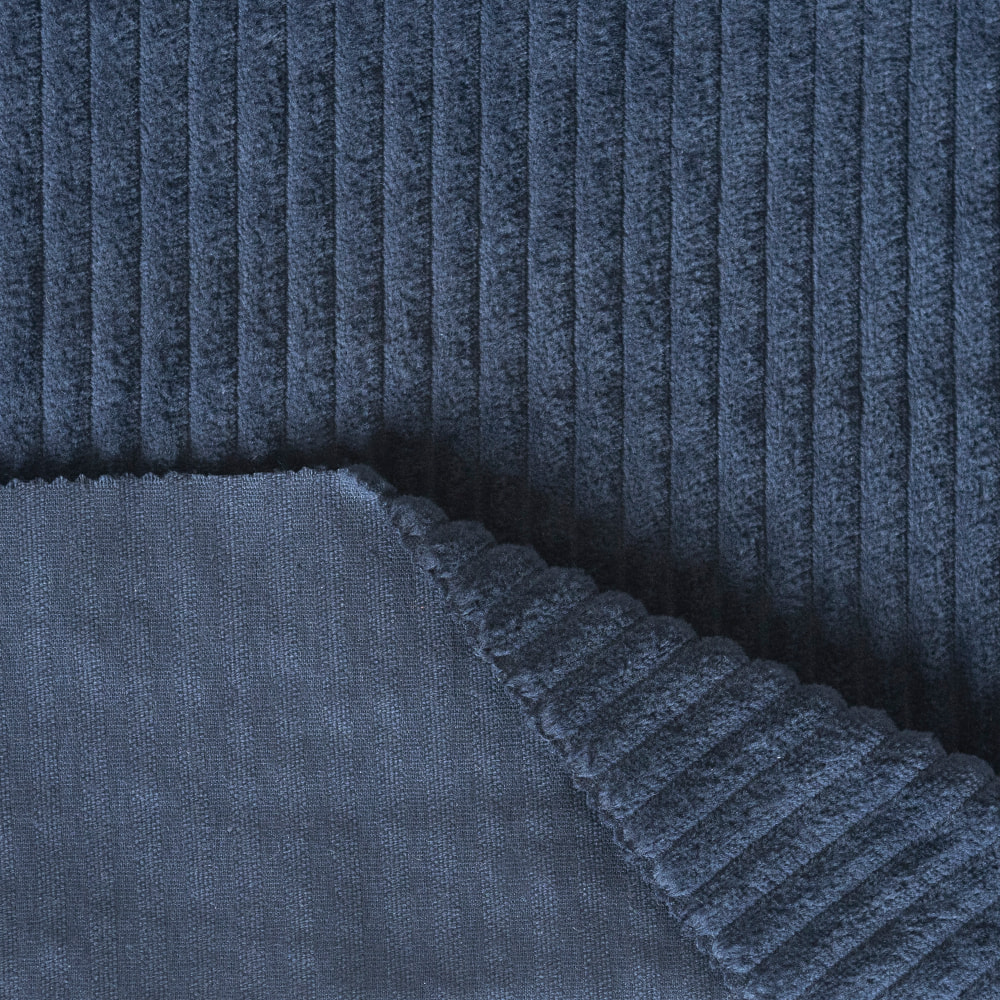
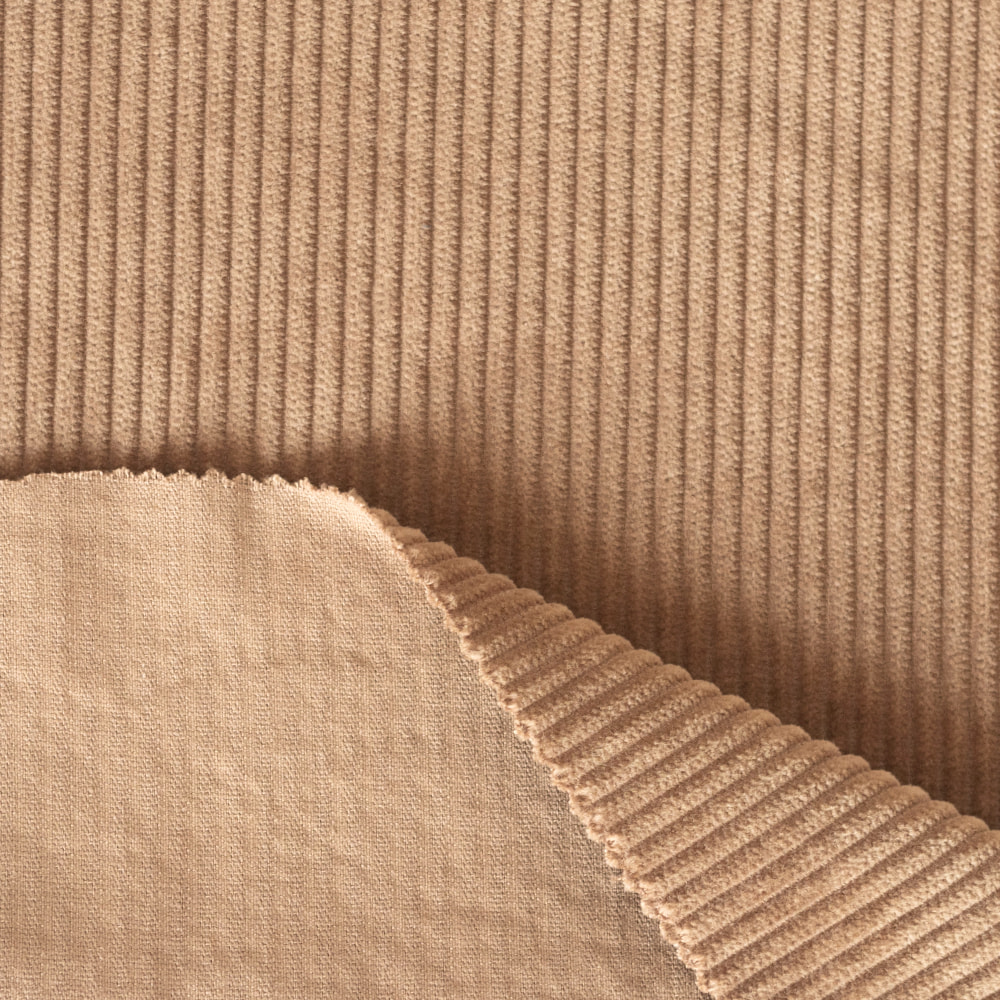
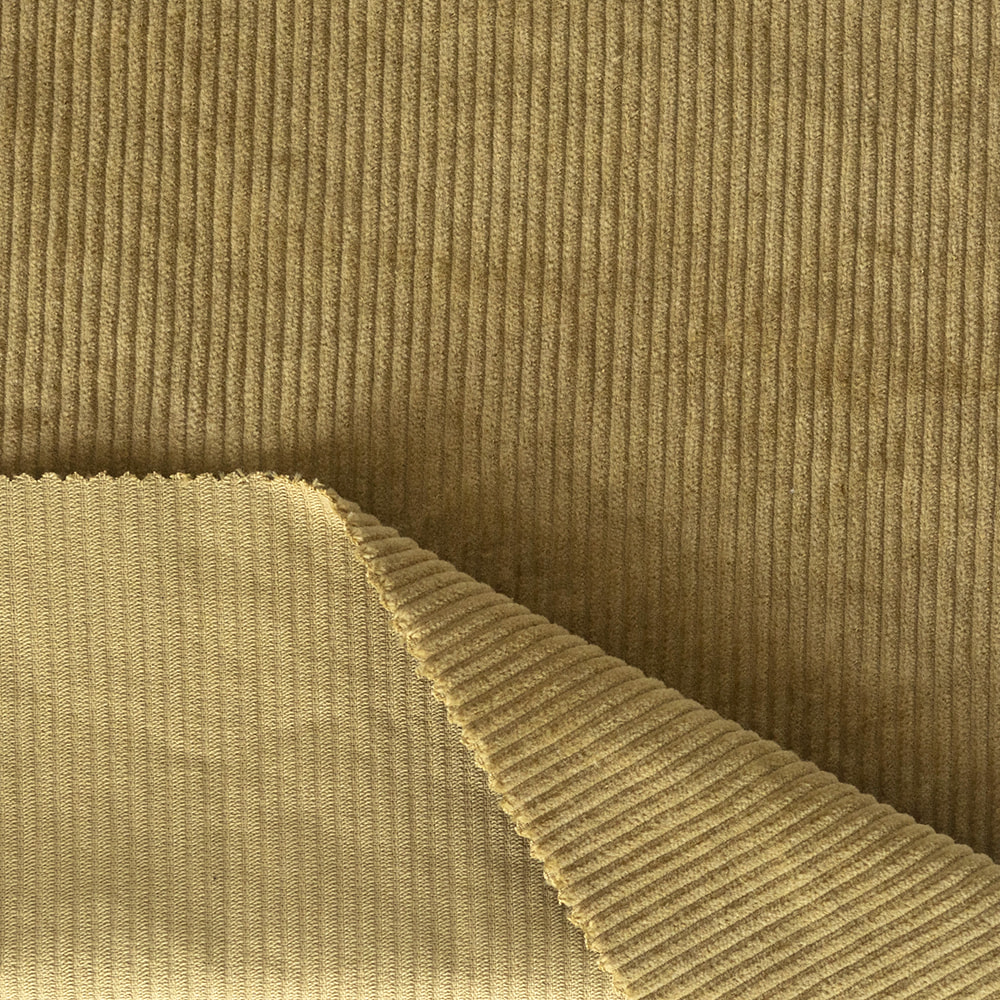
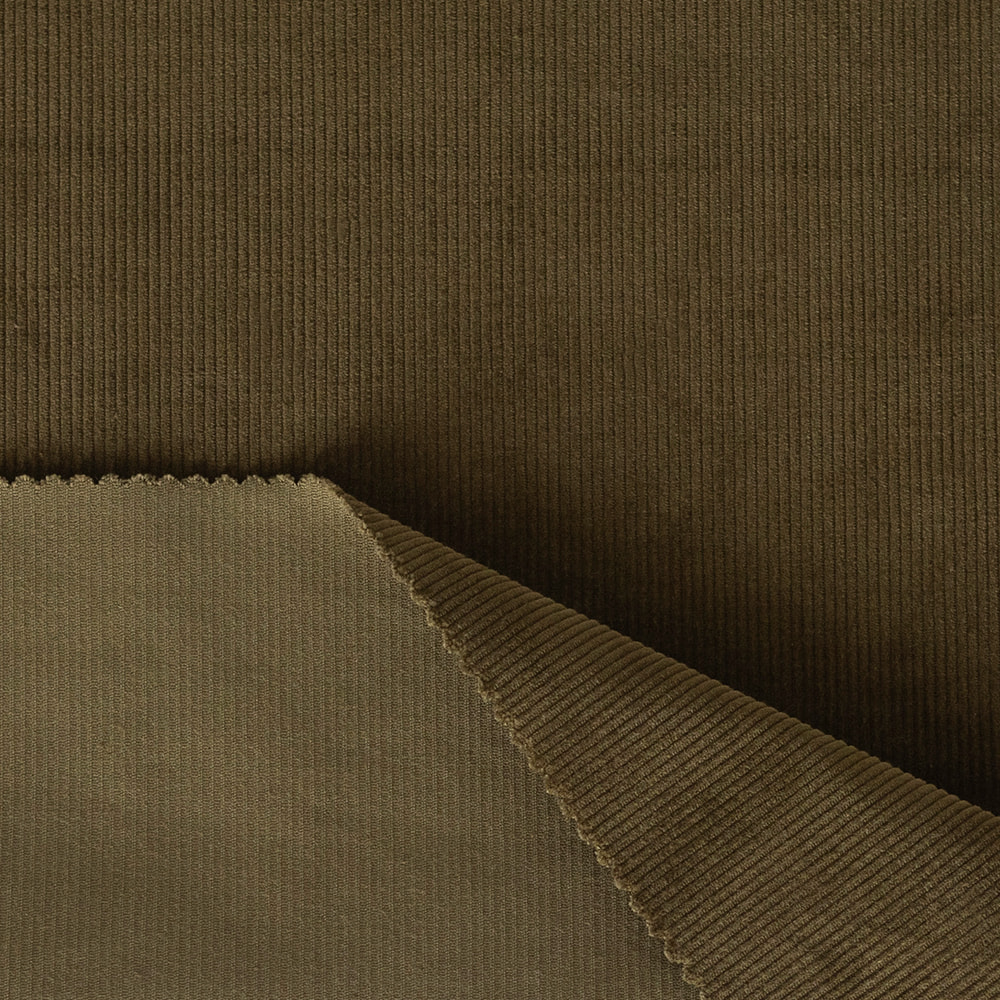
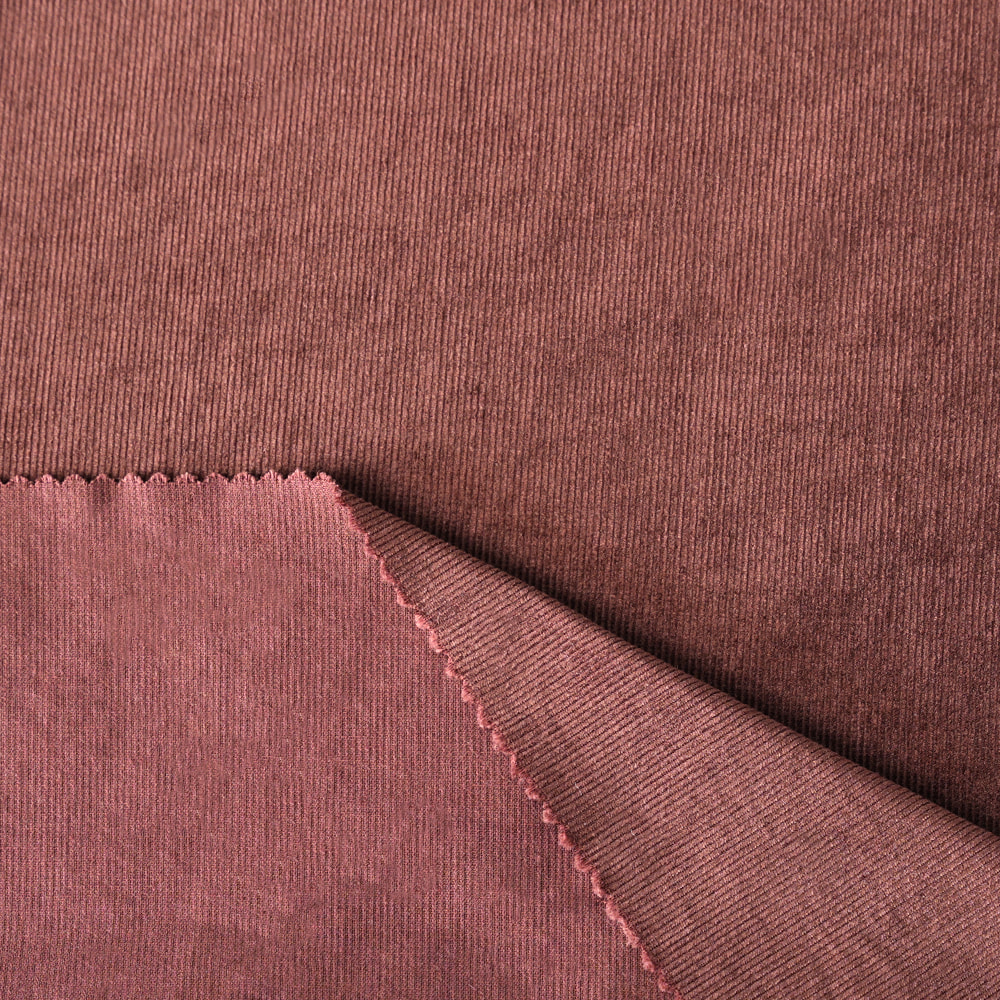
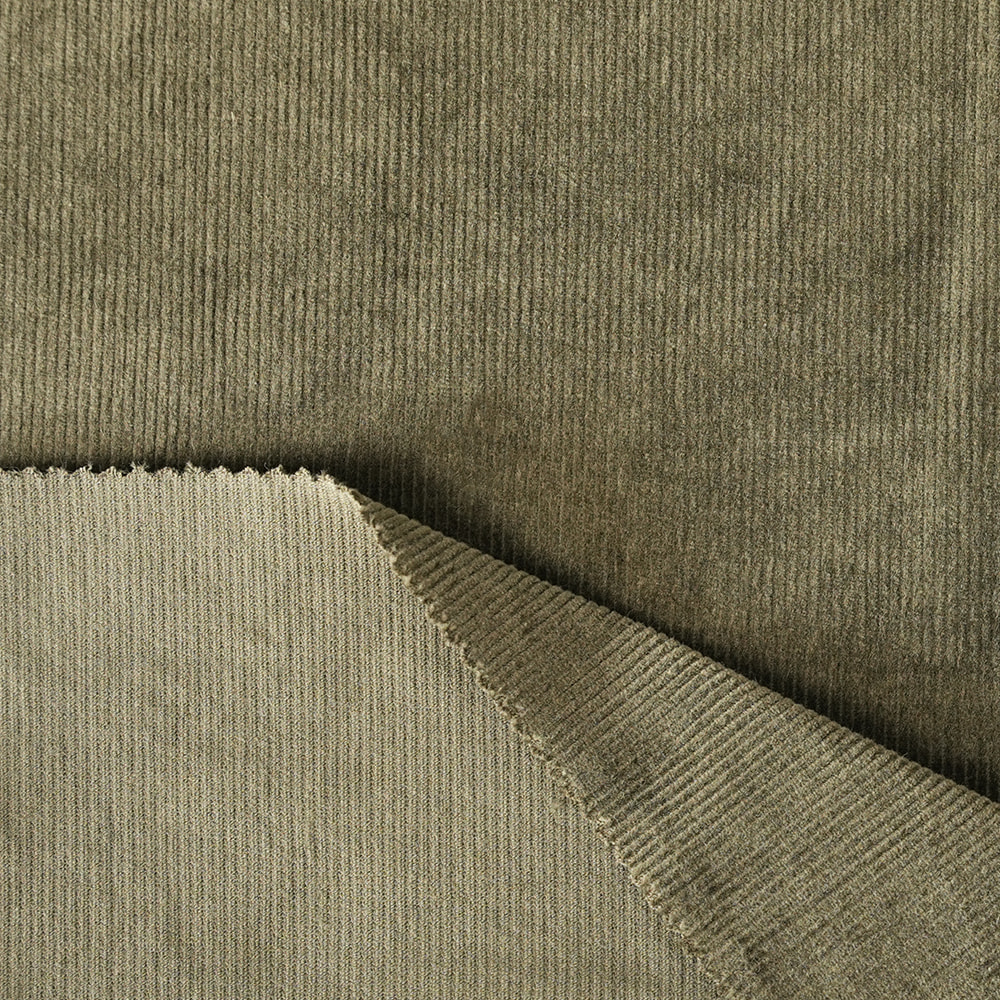
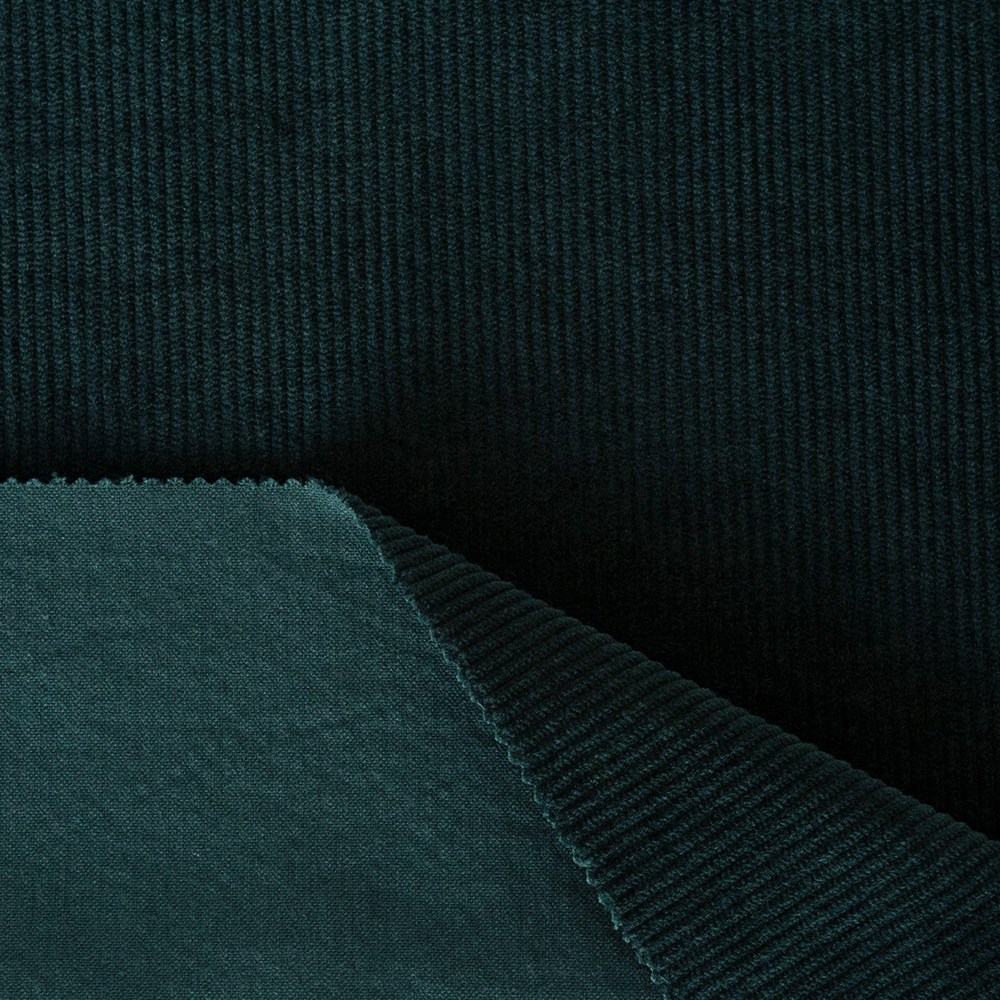
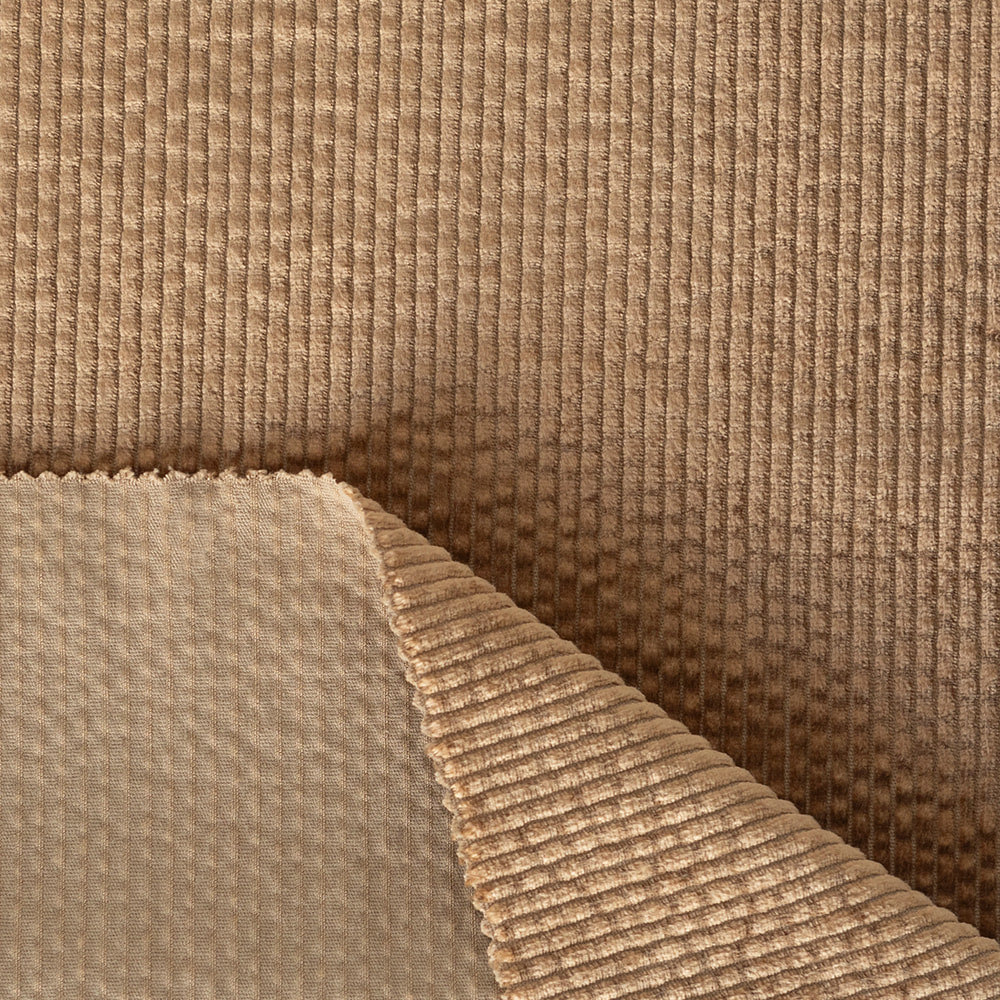
Corduroy is a cut-pile fabric defined by its parallel ridges, called wales. These wales run vertically along the fabric and are formed by extra sets of yarn woven into the base cloth, then cut to create a soft, raised pile. The number of wales per inch determines the fabric's weight, texture, and visual character.

  • Wide-wale (2–6 wales per inch): Bold, chunky texture. Heavy and warm — best for outerwear, upholstery, and structured trousers.
  • Standard-wale (8–10 wales per inch): The most common type. Balanced between texture and drape — suitable for pants, jackets, and skirts.
  • Fine-wale (11–16 wales per inch): Finer texture, lighter hand. Works well for shirts, children's clothing, and tailored pieces.
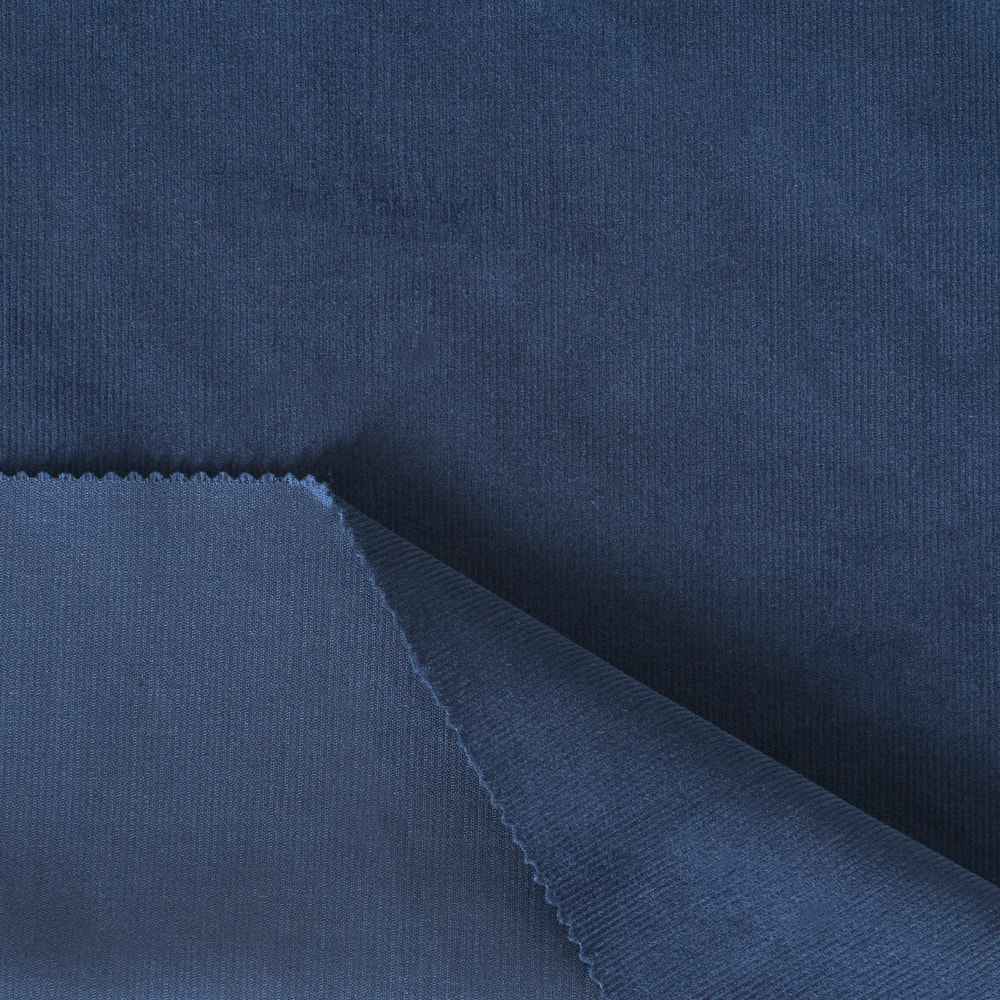
  • Pinwale (16–21+ wales per inch): Almost velvety in appearance. The lightest and most drapey corduroy — often used in babywear and fine tailoring.

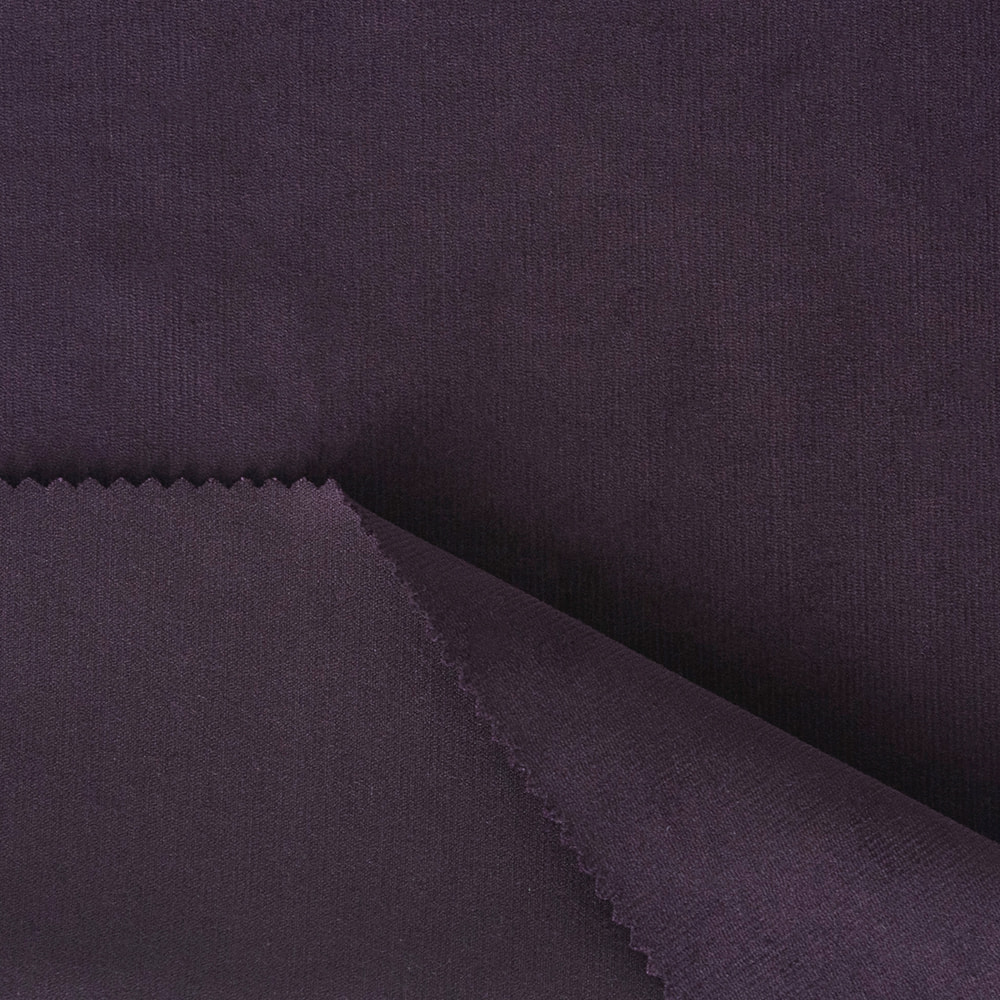
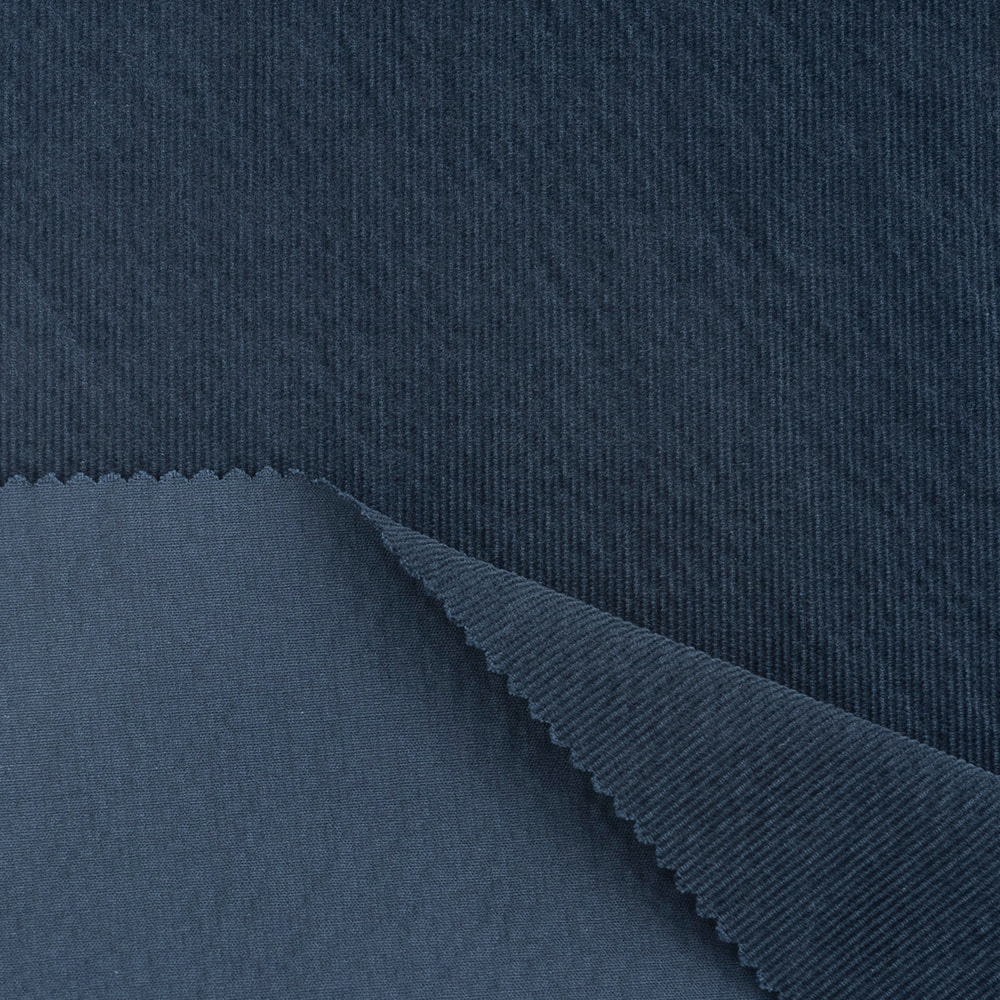
In dark blue, the wale depth affects how the color reads visually. Wider wales create stronger light-and-shadow contrast, making the blue appear richer and more dimensional, while fine-wale in the same color appears more uniform and subtle — closer to a dark denim tone from a distance.

Dark Blue Corduroy: Why This Colorway Works So Well

Dark blue — spanning navy, midnight, indigo, and deep teal-blue — is one of the most enduringly popular corduroy colors for several practical reasons. It is dark enough to hide wear and minor staining, neutral enough to pair with cream, grey, olive, rust, and black, and rich enough to stand on its own as a statement fabric.

Common Uses for Dark Blue Corduroy

  • Trousers and jeans-adjacent pants: Dark blue wide- or standard-wale corduroy trousers are a direct alternative to jeans — warmer, more textured, and dressier in casual contexts.
  • Blazers and structured jackets: Navy or midnight blue corduroy blazers are a staple of smart-casual and academic dressing, particularly in heavier 11–14 oz weights.
  • Skirts and midi dresses: Fine-wale dark blue corduroy drapes well enough for A-line and gathered skirts that hold their shape through wear.
  • Children's clothing: Dark blue hides dirt effectively, making it practical for kids' dungarees, shorts, and pinafores in pinwale or fine-wale.
  • Home accessories: Cushion covers, tote bags, and small upholstered pieces in dark blue corduroy add texture and warmth to interiors without dominating a room.

Dye Depth and Fading: What to Expect

Deep blue corduroy — especially in cotton — uses reactive or vat dyes to achieve saturated color. High-quality cotton corduroy retains color well for 30–50 wash cycles before noticeable fading, but the pile surface means that abrasion fading can appear on wales that experience friction — thighs in trousers, elbows in jackets. Washing inside out in cold water significantly slows this process. Cheaper polyester-blend corduroy may hold color longer but loses pile softness more quickly.
Stretch Corduroy: Construction and What the Stretch Actually Does

Stretch corduroy incorporates elastane (spandex) or Lycra — typically 2–5% elastane content — into either the weft or warp yarns of the base weave. This addition gives the fabric crosswise, lengthwise, or four-way stretch depending on the construction, while preserving the characteristic wale surface.

The practical effect is significant. Standard cotton corduroy has almost no give — it can feel restrictive across the hips and thighs in fitted cuts, and tends to bag at the knees over time without recovering. Stretch corduroy recovers to its original shape after repeated wear, holds a cleaner silhouette through the day, and allows for closer-fitting patterns without the stiffness that makes traditional corduroy uncomfortable in movement-heavy contexts.

Types of Stretch in Corduroy Fabrics

  • Two-way horizontal stretch: The most common configuration. The fabric stretches across the width (weft direction) only. Ideal for trousers and skirts where hip and waist ease matters most.
  • Two-way vertical stretch: Stretches along the length (warp direction). Less common but useful for tops and structured bodices.
  • Four-way stretch: Stretches both horizontally and vertically. Found in performance-oriented or athleisure corduroy — rarer but increasingly available in fine-wale constructions.

Standard vs. Stretch Corduroy: Key Differences at a Glance

Property Standard Corduroy Stretch Corduroy
Fiber content 100% cotton or cotton/poly blend Cotton + 2–5% elastane (spandex)
Stretch recovery Minimal — bagging at knees and seat Good — returns to shape after wear
Fit suitability Relaxed, straight, or wide cuts Slim, skinny, and fitted cuts
Weight range 8–16 oz per yard 7–12 oz per yard (typically lighter)
Drape Stiffer, holds structure well Softer drape, more fluid movement
Care Machine wash cold, tumble dry low Machine wash cold — avoid high heat to protect elastane
Price range (per yard) $8–$20 $12–$28
Comparison of standard and stretch corduroy across construction, performance, and practical use factors

For sewists, stretch corduroy requires slightly different handling — a stretch needle (ballpoint or jersey needle, size 75/11 or 90/14) and a walking foot or differential feed help prevent the pile from shifting during cutting and stitching. Always pre-wash stretch corduroy before cutting, as elastane blends can shrink 3–5% on the first wash if not pre-treated.

Sewing with Dark Blue Corduroy: Practical Tips for Better Results

Corduroy's pile direction creates a challenge that plain woven fabrics do not: all pattern pieces must be cut with the pile running in the same direction, or sections will reflect light differently and appear to be different colors when sewn together. In dark blue, this effect is particularly noticeable because deep colors show pile-direction shading very clearly.

Cutting and Layout

  • Always use a "with nap" layout — all pieces oriented the same direction. This typically requires 10–15% more fabric than a without-nap layout.
  • Stroke the fabric to determine pile direction before pinning. Pile stroked upward feels rough; stroked downward feels smooth. Most garments are cut with pile running downward for durability and a richer color appearance.
  • Use pattern weights instead of pins where possible — pins leave marks in the pile that can be difficult to remove from dark fabrics.

Stitching and Seam Finishing

  • Use a slightly longer stitch length than you would for woven cotton — 2.5–3mm works well for most corduroy weights.
  • Press seams with a needle board or by placing a scrap of corduroy pile-to-pile under the iron to prevent flattening the pile. Use a damp pressing cloth and steam rather than direct dry heat.
  • Finish seam allowances with a serger or zigzag stitch — corduroy raw edges fray moderately and shed pile fibers during wear if left unfinished.
  • For stretch corduroy, use a narrow zigzag (1.5mm width, 2.5mm length) or a stretch stitch rather than a straight stitch to prevent seam popping under movement.

Care and Longevity: Keeping Dark Blue Corduroy Looking Its Best

Corduroy is more care-sensitive than plain woven fabrics because the pile can mat, flatten, or develop bald spots if handled incorrectly. Dark colors make any pile damage more visible. Following a consistent care routine significantly extends the fabric's life.

  • Wash inside out in cold water on a gentle cycle to reduce pile abrasion and color fading. Dark blue corduroy that is washed right-side out loses surface color faster from drum friction.
  • Avoid fabric softener — it coats the pile fibers and reduces their ability to stand upright, resulting in a flattened, matted appearance over time.
  • Tumble dry on low heat or air dry flat. High heat degrades elastane in stretch corduroy and can cause standard cotton corduroy to shrink unevenly.
  • To revive flattened pile after washing or storage, hang the garment in a steamy bathroom or use a handheld steamer, then gently brush the pile back into alignment with a soft clothes brush while still warm.
  • Store corduroy garments hanging rather than folded — fold lines compress the pile and can create permanent creases in heavier fabric weights.

Well-cared-for quality cotton corduroy garments can remain in active use for 5–10 years, making the fabric a sound investment compared to lighter-weight alternatives that wear through more quickly.
Buying Guide: What to Check Before You Purchase

Not all corduroy sold as "dark blue" or "stretch" meets the same quality standard. These are the specification points worth checking before committing to a purchase, whether online or in person:

  • Fiber content: For durability and comfort, look for at least 95% cotton in standard corduroy or 93–98% cotton with 2–5% elastane in stretch versions. High polyester content reduces breathability and softness.
  • Wale count: Confirm the wale count matches your project. Many online listings describe fabric only as "corduroy" without specifying wale width — request a swatch or check product dimensions if wale size matters for your design.
  • Weight (GSM or oz/yd²): Garment-weight corduroy typically falls between 200–320 GSM (approximately 6–10 oz/yd²). Upholstery-weight runs 350–500 GSM. Buying fabric that is too heavy or too light for a pattern will affect drape and construction significantly.
  • Stretch percentage: For stretch corduroy, confirm the percentage and direction of stretch. A fabric listed as "stretch" with only 5% crosswise extension behaves very differently from one with 25–30% recovery.
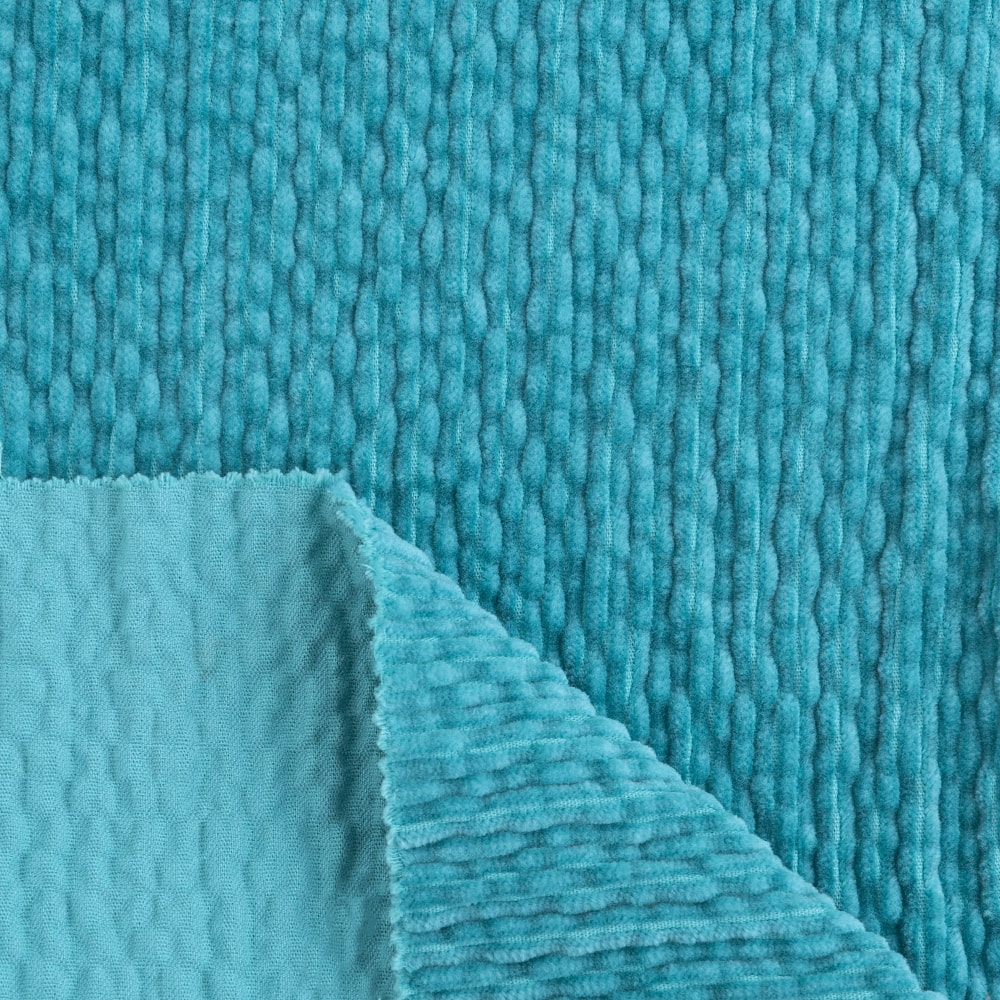
  • Color consistency: Request a physical swatch for dark blue — monitor calibration and screen settings mean that navy, indigo, midnight, and dark teal can look identical on screen but differ significantly in person.