

 English
 日本語
日本語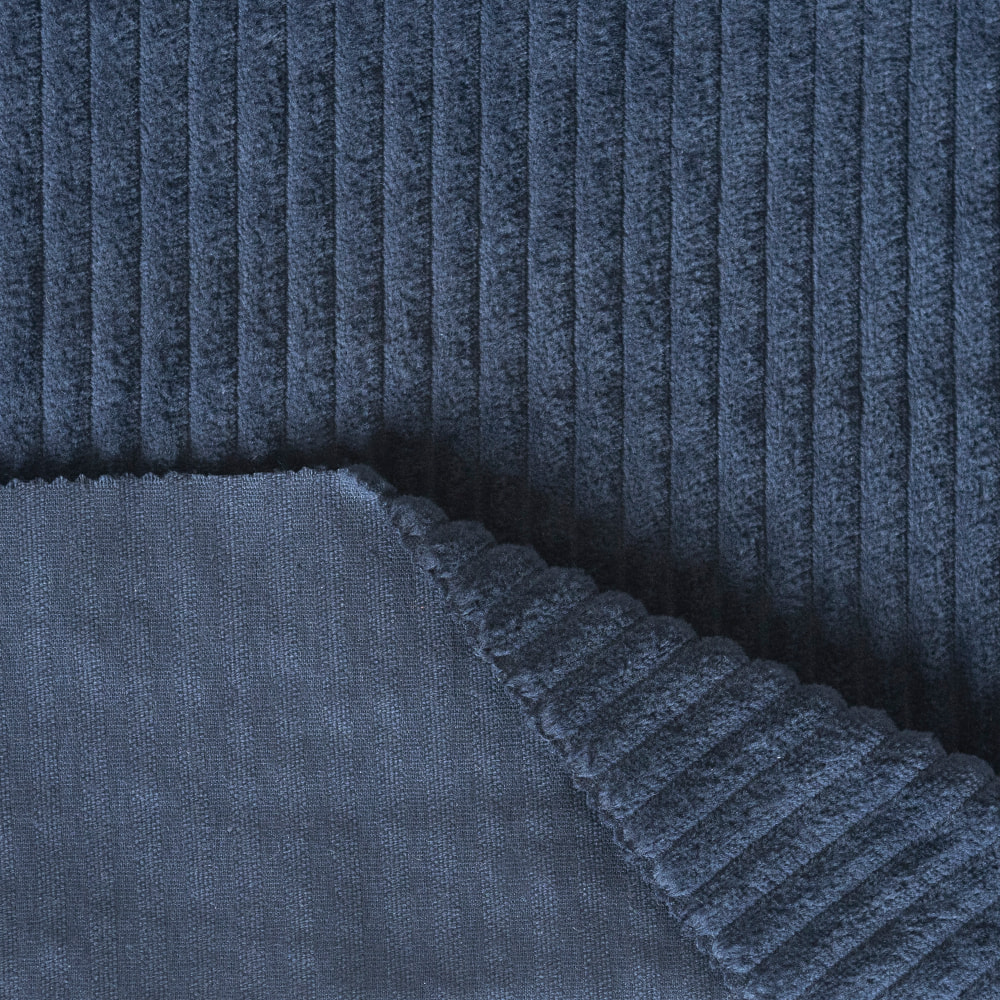


Get Directions
Textile Industry Zone, East Hutang Town, Wujin District,213100 Changzhou,China
Content
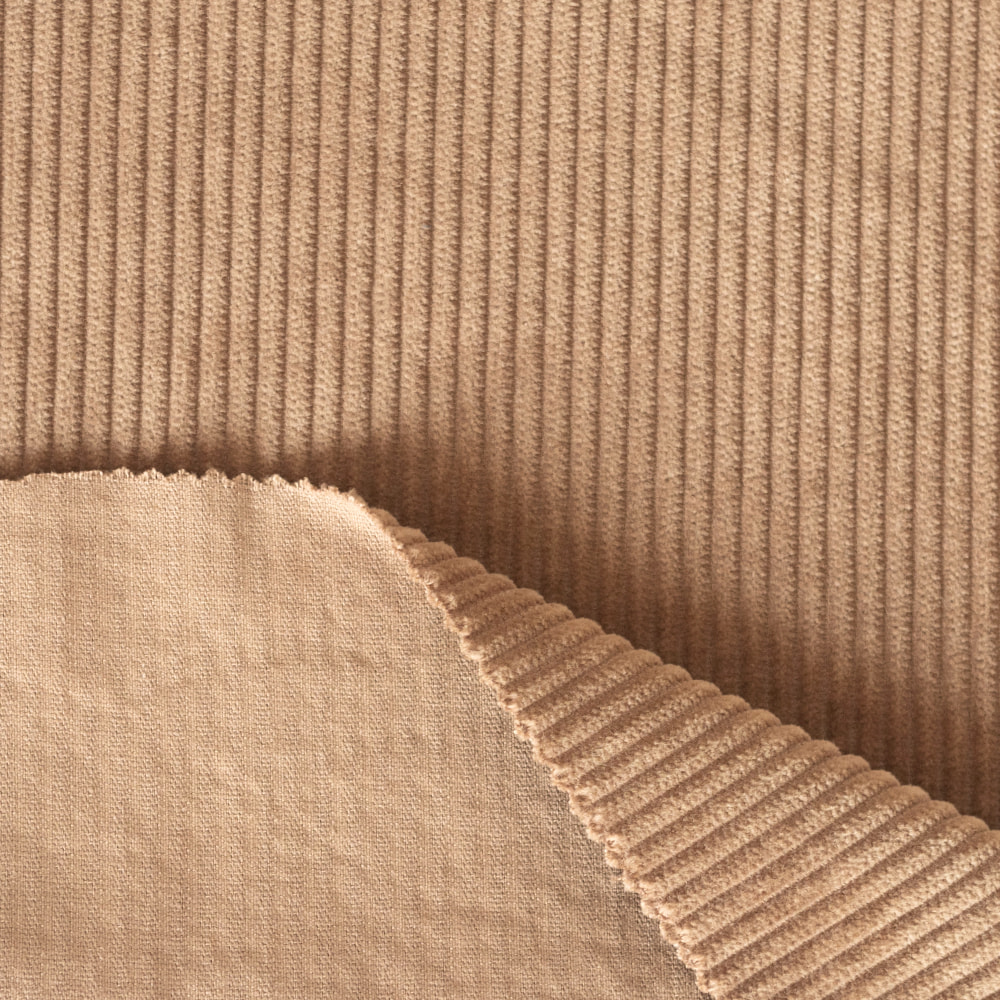
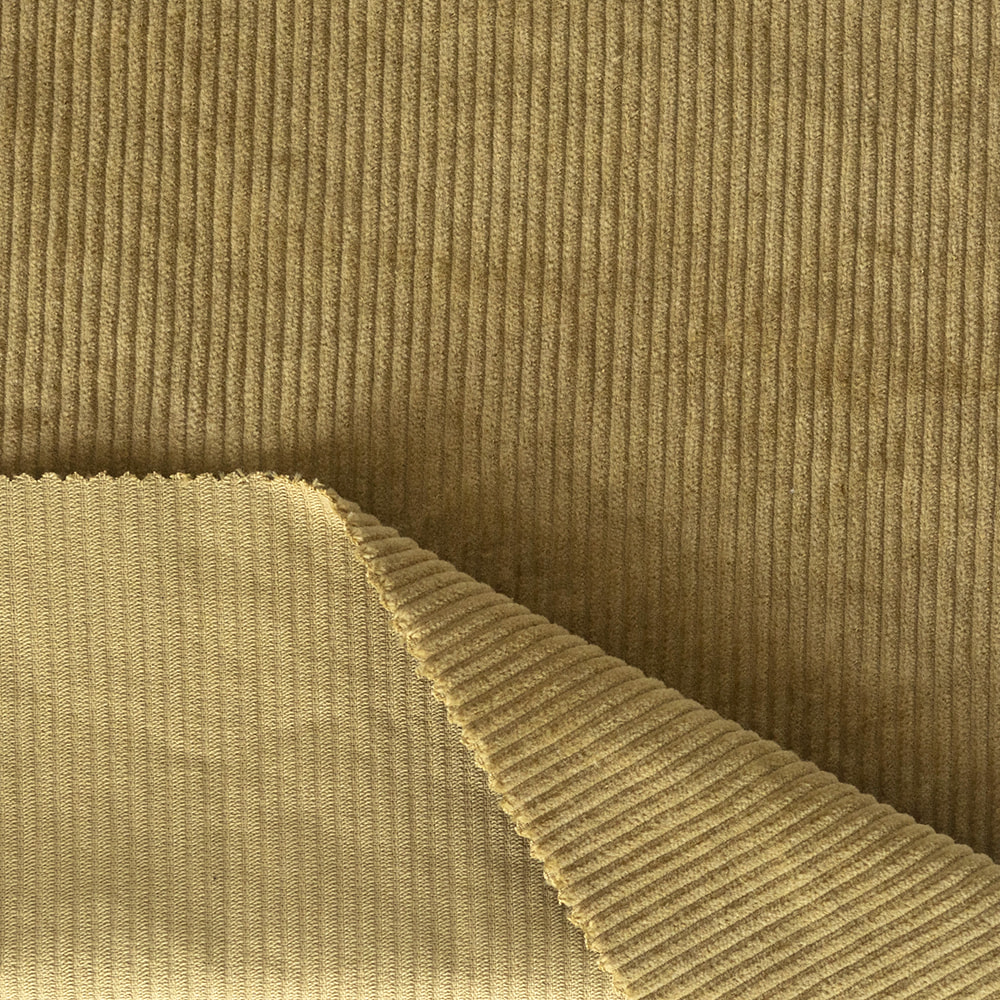
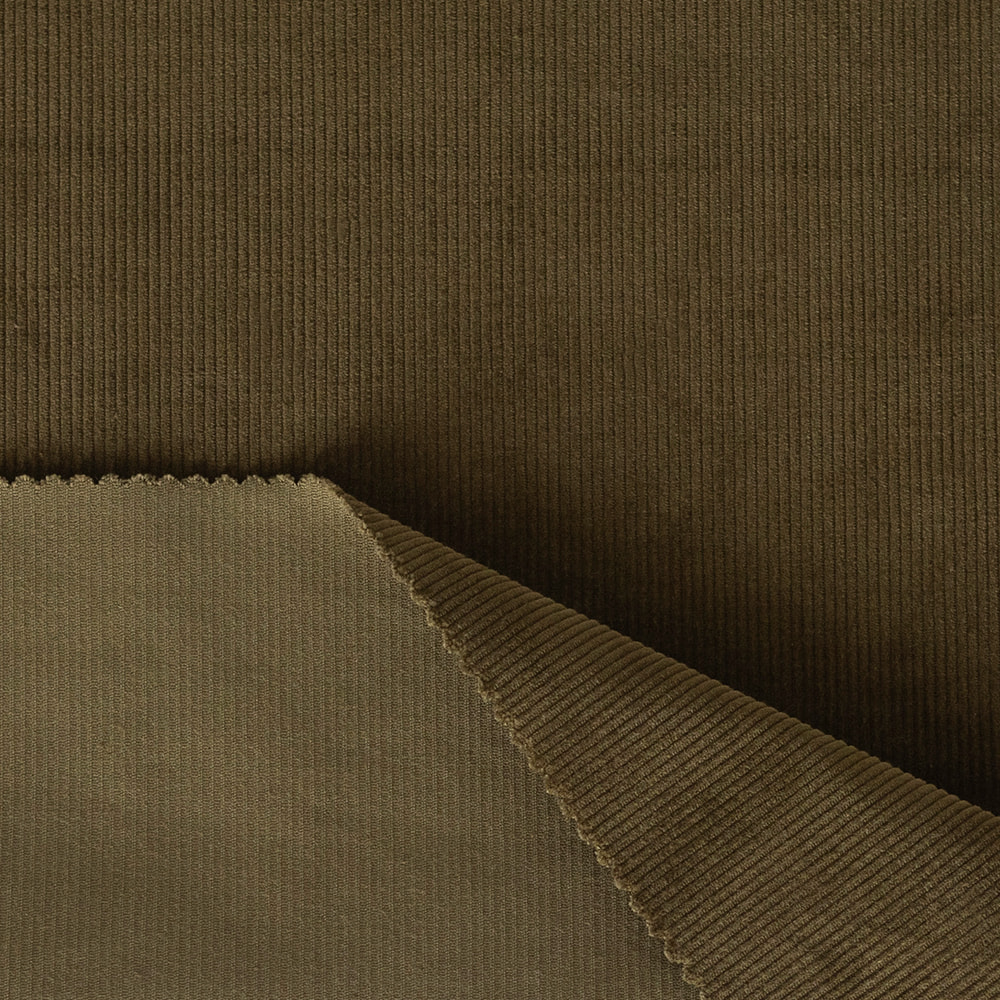
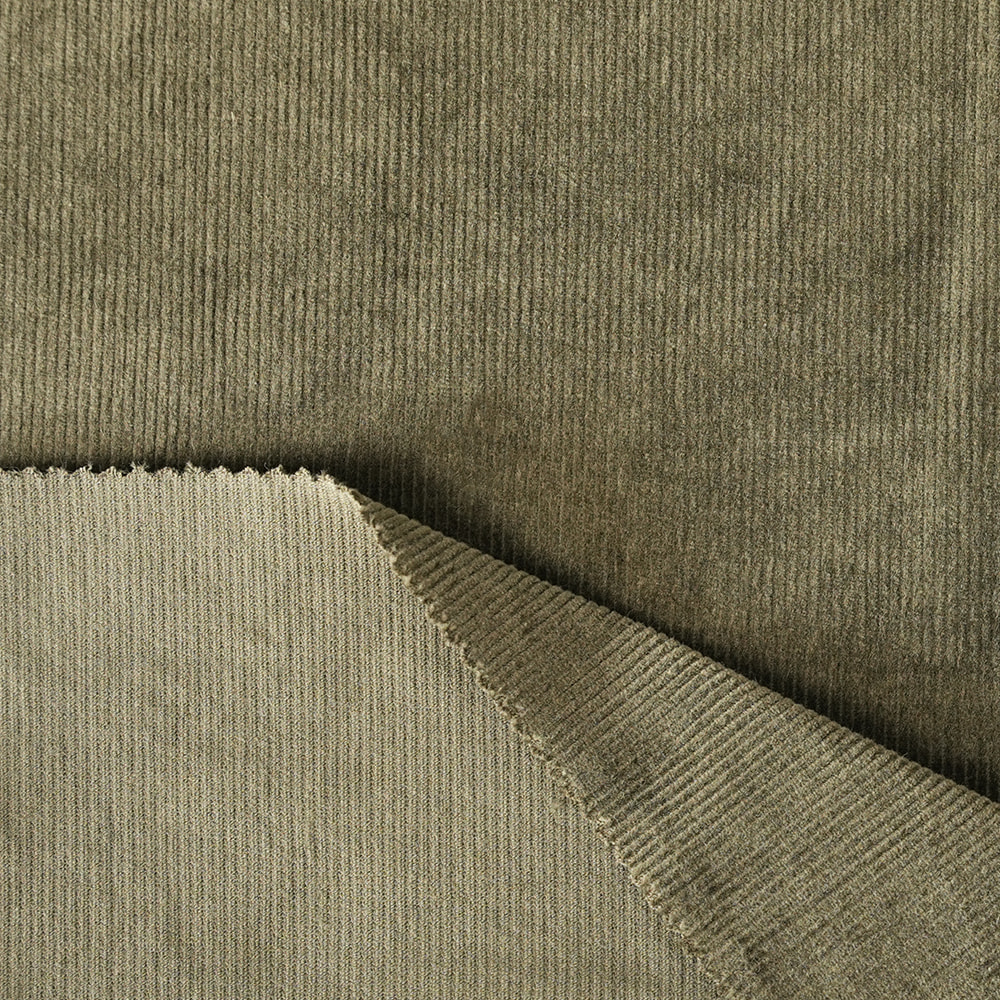
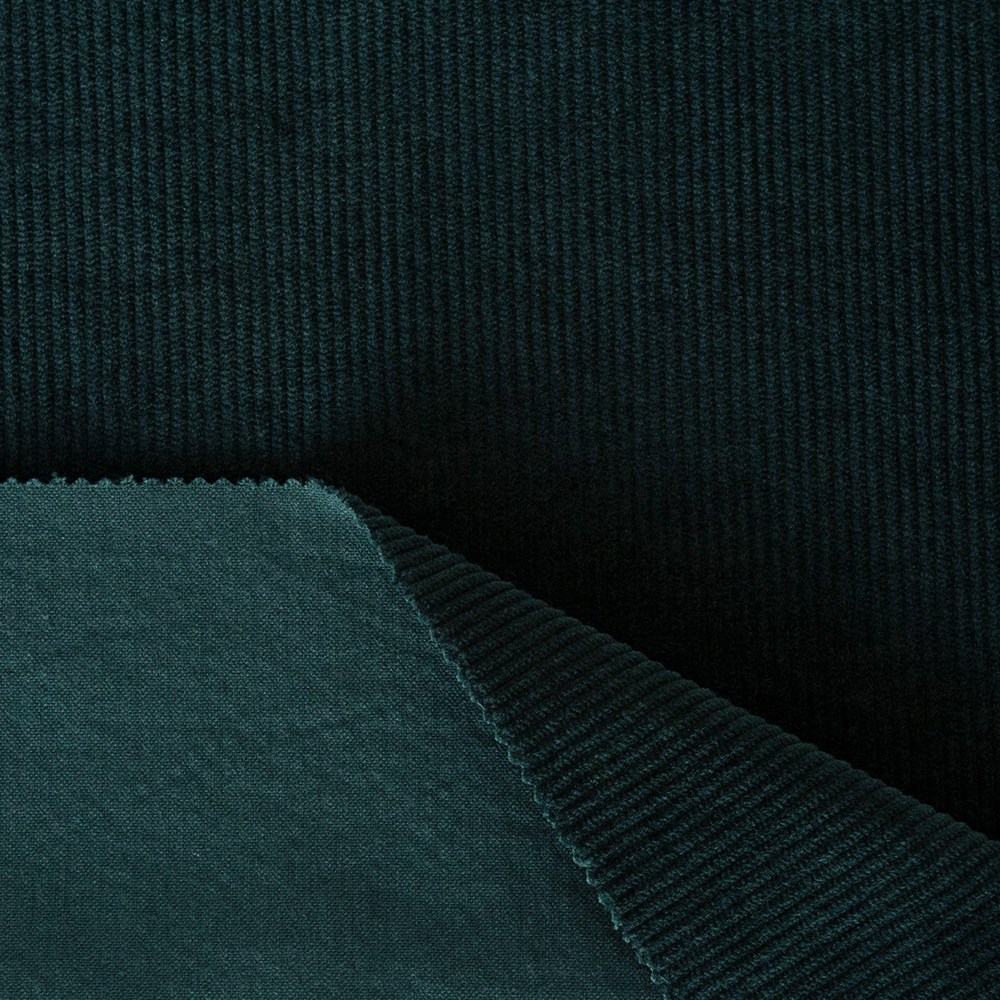
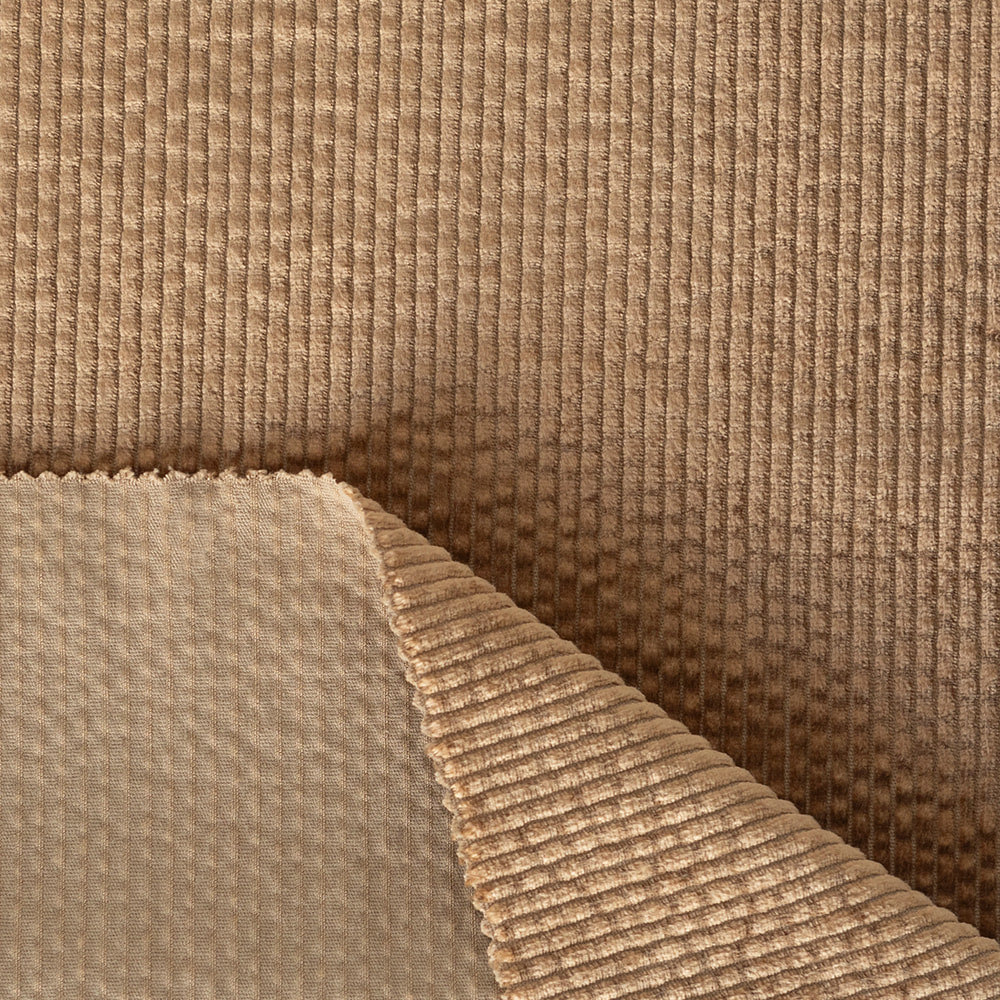
Corduroy is a ridged pile fabric most commonly made from cotton, though it can also be woven from cotton-polyester blends, wool, or synthetic fibers. Its defining feature — the parallel raised cords or "wales" running along the fabric's length — is created through a specific weaving process in which extra sets of yarn are woven into the base fabric and then cut to form the soft, tufted ridges. The result is a fabric that feels distinctly textured on one side and smooth on the other.
Pure cotton corduroy remains the most widely used variety for apparel because cotton is breathable, durable, and holds dye well — a particularly important quality for saturated colors like red. Blended versions (typically 65–80% cotton with 20–35% polyester) are used to improve wrinkle resistance and reduce shrinkage, though they sacrifice some of cotton's natural breathability and color depth.
Understanding how corduroy is constructed explains why it behaves so differently from other cotton fabrics in terms of warmth, durability, and texture.
Corduroy begins as a plain or twill base weave. During weaving, additional filling yarns are interlaced over the base at regular intervals. After weaving, these extra yarns are cut — either by machine blades or a specialized cutting process — to release the loops and create the soft pile surface. The cut yarns are then brushed to give the cords a soft, even finish.
The width of each ridge is determined by the spacing of these extra yarns, giving corduroy its wale count — the number of ridges per inch. Wale count is the single most important spec for determining how a corduroy fabric looks and feels, and it varies significantly across product types:
| Wale Count | Ridge Width | Texture Feel | Typical Use |
|---|---|---|---|
| 4–6 wale | Wide / chunky | Very textured, casual | Outerwear, upholstery, bags |
| 8–10 wale | Standard | Balanced texture | Pants, jackets, skirts |
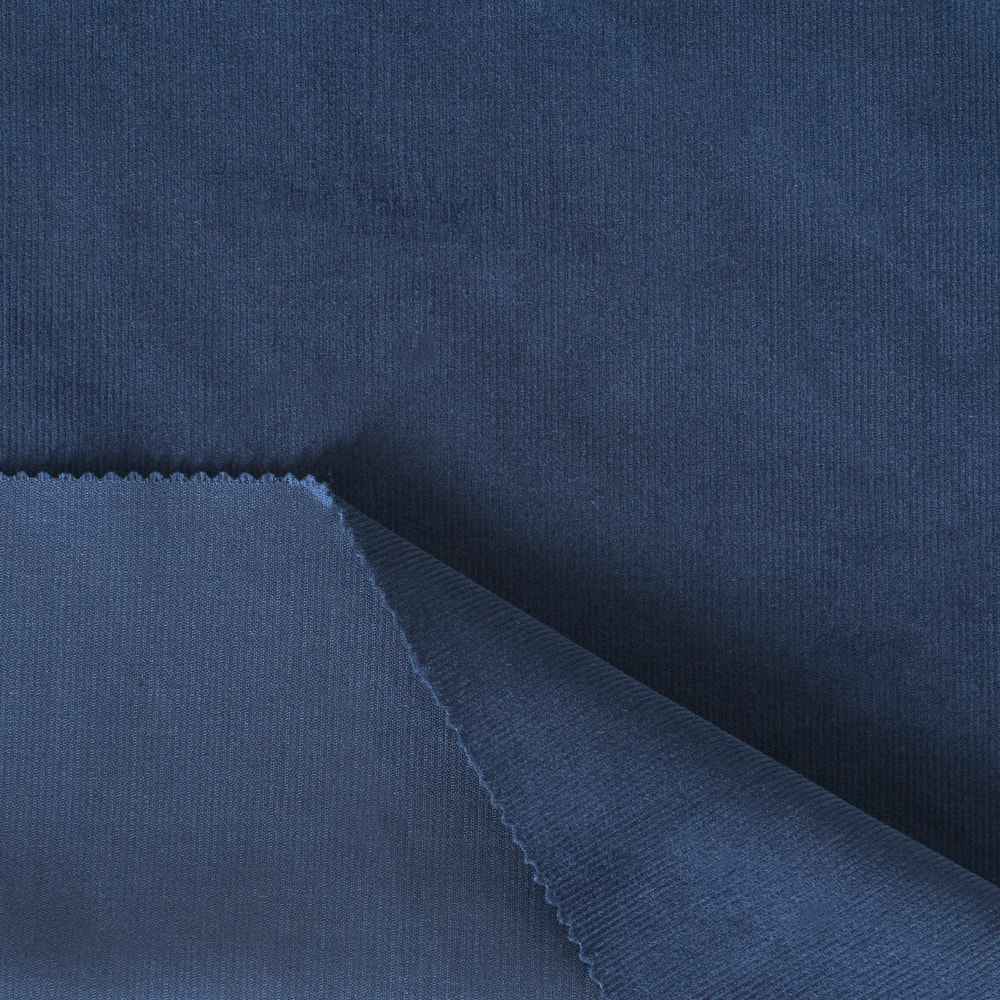
| 14–16 wale | Fine / narrow | Smooth, subtle texture | Shirts, children's wear, dresses |
| 21+ wale | Micro / ultra-fine | Almost velvet-like | Luxury garments, accessories |
Corduroy's construction gives it a distinct set of properties that separate it from other woven or knit fabrics. These characteristics directly affect how the fabric performs in garments, upholstery, and craft applications.
The raised pile traps air between the ridges, giving corduroy natural insulating properties. This makes it significantly warmer than a flat-woven cotton fabric of equivalent weight — one reason it's strongly associated with autumn and winter collections. Wide-wale corduroy, with its deeper ridges, tends to be warmer than fine-wale varieties.
Cotton corduroy is notably durable. The multiple-yarn construction of the pile creates a fabric that resists surface wear better than many comparable wovens. Corduroy trousers in particular have historically been valued in workwear and children's clothing because the fabric holds up to heavy use. A well-made pair of corduroy pants can outlast denim of equivalent weight in abrasion tests.
Like velvet, corduroy has a nap — the pile lies in one direction, which affects how light reflects off the surface. Running your hand up the fabric feels different from running it down, and the color can appear lighter or darker depending on the direction. This is a critical consideration when cutting corduroy for sewing projects: all pattern pieces must be cut in the same direction to avoid panels that look mismatched once assembled.
The pile surface absorbs and diffuses light in a way that makes corduroy colors appear richer and more saturated than flat fabrics. This is especially noticeable in deep tones — navy, forest green, burgundy, and red all appear more vibrant in corduroy than in a comparable flat cotton weave. The same dye formula applied to corduroy and plain cotton will produce a visibly more intense result on the corduroy.
Corduroy tends to be a medium-to-heavy weight fabric, typically ranging from 8 to 14 oz per square yard depending on wale size and fiber content. It has moderate drape — it holds its shape well without being stiff, which makes it suitable for structured garments like trousers, jackets, and skirts but less ideal for flowing, draped styles.

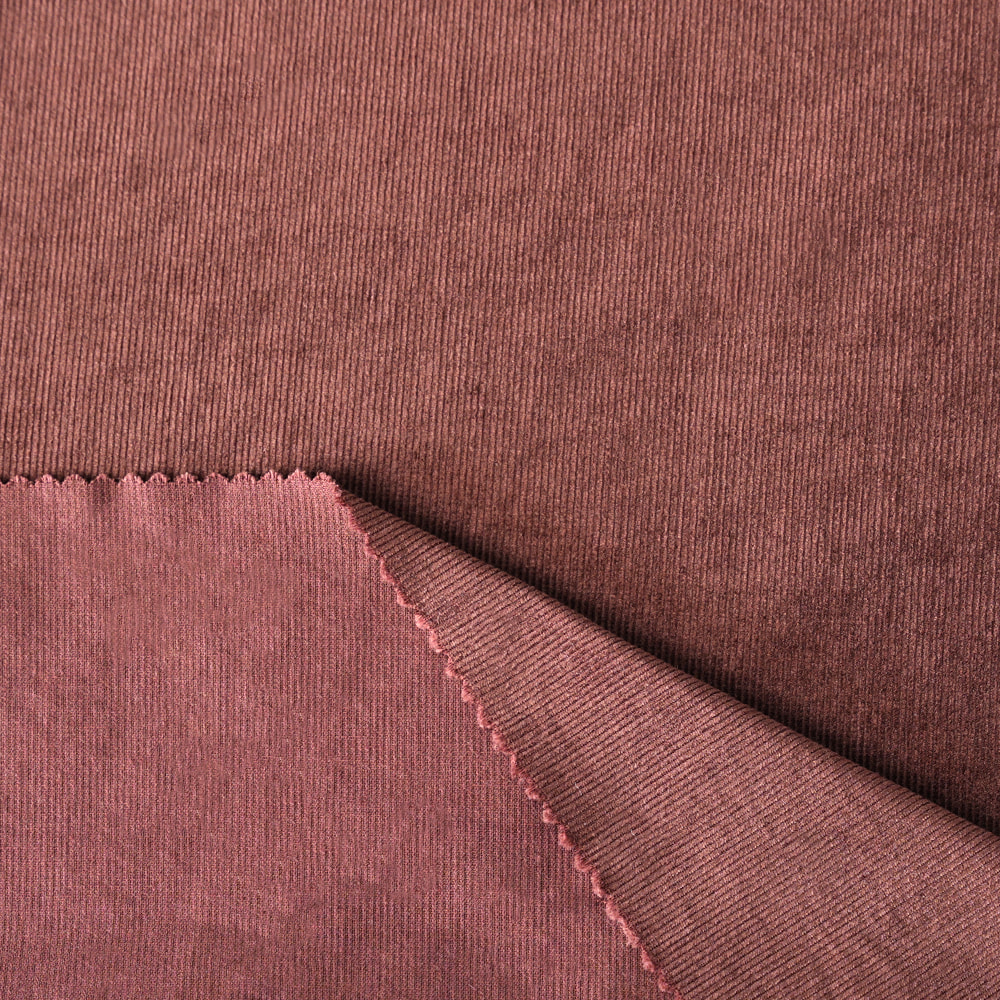
Red is one of the most striking colors available in corduroy, and the fabric's pile structure is a large part of why it works so well. The textured surface creates subtle variations in how the red reads across the fabric — deeper in the valleys between ridges, brighter at the crest of each cord — giving it a dimensional quality that flat red fabrics simply don't replicate.
Red corduroy is available in a wide range of shades, each carrying a different visual tone:
When purchasing red corduroy, note that the color can shift significantly depending on the wale count and lighting. Request a physical swatch before ordering large quantities for upholstery or garment projects, as screen representations of red fabrics are notoriously inconsistent across monitors.
Matching the wale count to your project is just as important as the color. Here's how red corduroy performs across its main applications:
For trousers and structured jackets, 8–10 wale red corduroy is the standard. It's substantial enough to hold tailoring details like pressed seams and patch pockets, while still comfortable for all-day wear. Fine-wale (14–16 wale) red corduroy is better suited to shirts, blouses, and children's garments where a softer hand and less visual weight are preferred.
Wide-wale corduroy (4–6 wale) in red is a popular choice for accent chairs, ottomans, throw pillows, and headboards. The chunky ridges add tactile interest and the durability of cotton corduroy makes it appropriate for furniture that sees regular use. Red upholstery corduroy is particularly striking in reading rooms, studies, and mid-century modern interiors.
Red corduroy adds rich texture to quilts, tote bags, stuffed animals, and holiday decorations. Fine to mid-wale varieties work best for quilting because they're easier to piece and press. One consideration: corduroy's nap means that in a quilt, patches with misaligned pile directions will catch light differently — an effect that can be used intentionally for visual interest, or avoided by standardizing pile direction across all pieces.
Corduroy is durable, but improper care can crush the pile, cause pilling, or distort the ridges permanently. Following a few basic guidelines keeps corduroy looking its best for years:
Corduroy is beginner-accessible but has a few quirks that trip up even experienced sewists. These practical adjustments make a significant difference in the finished quality of a corduroy project:

Please feel welcome to contact our friendly reception staff with any general call us

+86 139 6116 7127

Email: cloud@jacquardcloth.com

Textile Industry Zone, East Hutang Town, Wujin District,213100 Changzhou,China
