

 English
 日本語
日本語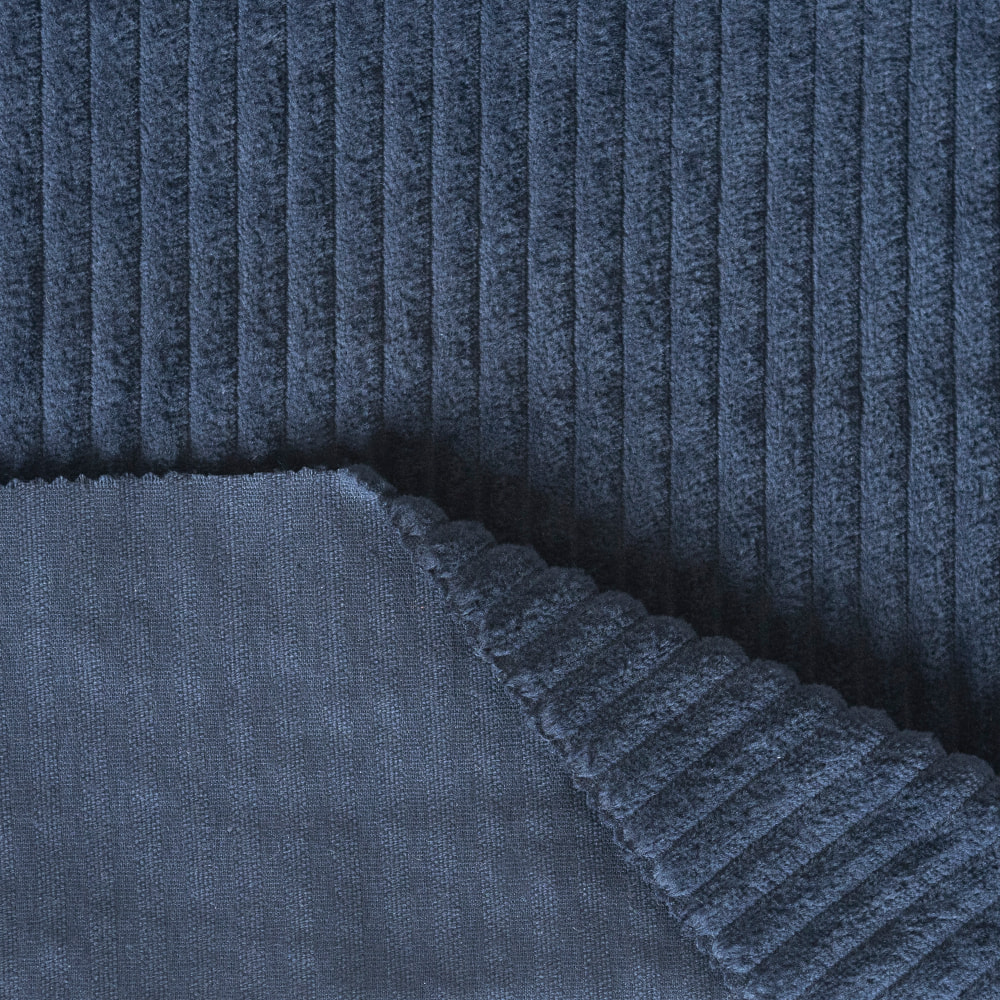


Get Directions
Textile Industry Zone, East Hutang Town, Wujin District,213100 Changzhou,China
Polyester-cotton piece-dyed corduroy fabric has emerged as a preferred material for durable apparel, offering a unique combination of strength, texture, and aesthetic appeal. This fabric integrates the resilience of polyester with the comfort of cotton, while the piece-dyeing process allows for consistent color application that enhances design versatility. As consumers increasingly demand long-lasting, stylish, and comfortable garments, manufacturers are turning to piece-dyed corduroy as a practical solution for both casual and workwear collections.
From jackets and trousers to skirts and outerwear, piece-dyed corduroy meets multiple performance and design requirements. Unlike standard fabrics, this combination of fiber composition and dyeing technique ensures that apparel maintains its color, texture, and structural integrity even after repeated wear and washing.
Content
The foundation of this corduroy fabric’s durability lies in its polyester-cotton blend. Polyester fibers contribute tensile strength, wrinkle resistance, and dimensional stability, while cotton ensures breathability, softness, and natural comfort. The synergy of these fibers allows garments to withstand frequent wear, physical stress, and washing cycles without losing shape or structural integrity.
High-twist cotton yarns in combination with polyester improve abrasion resistance, reducing pilling and thread breakage. This makes the fabric suitable for high-stress applications, including workwear, casual wear, and fashion pieces that require longevity without sacrificing comfort.
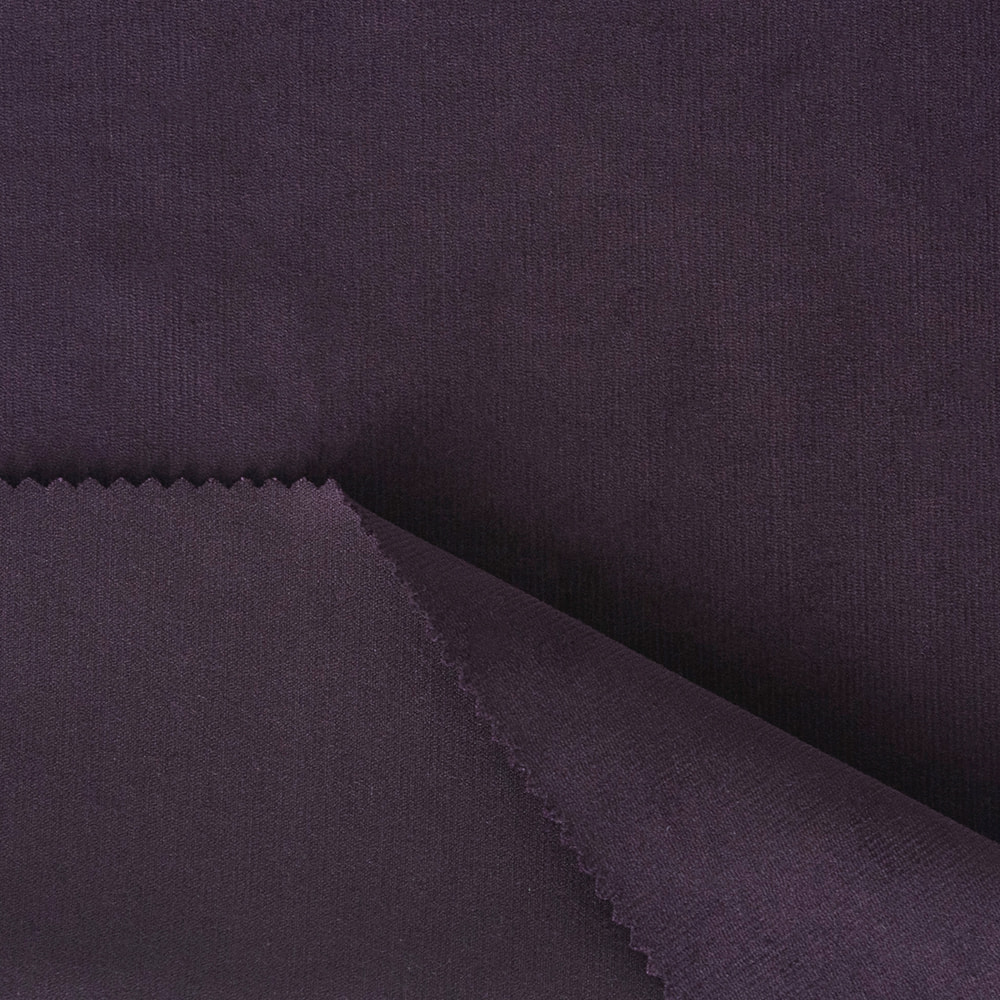
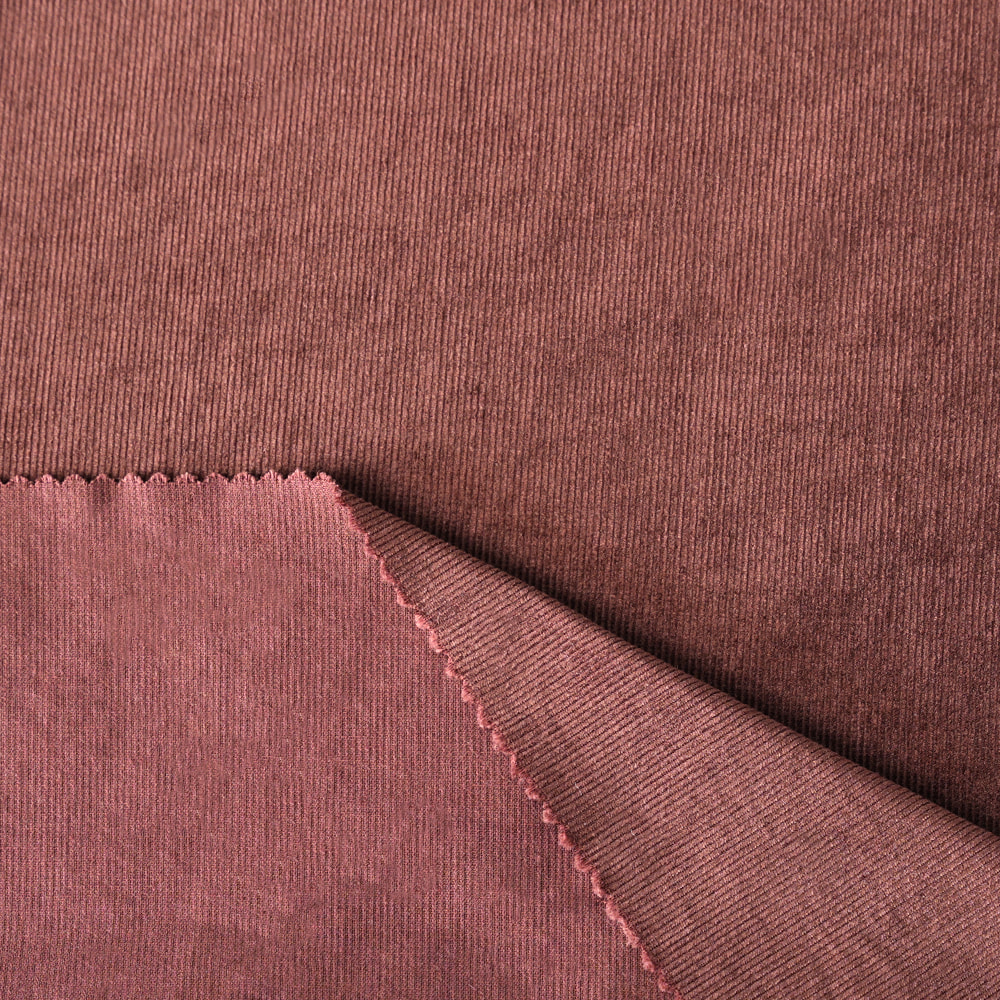
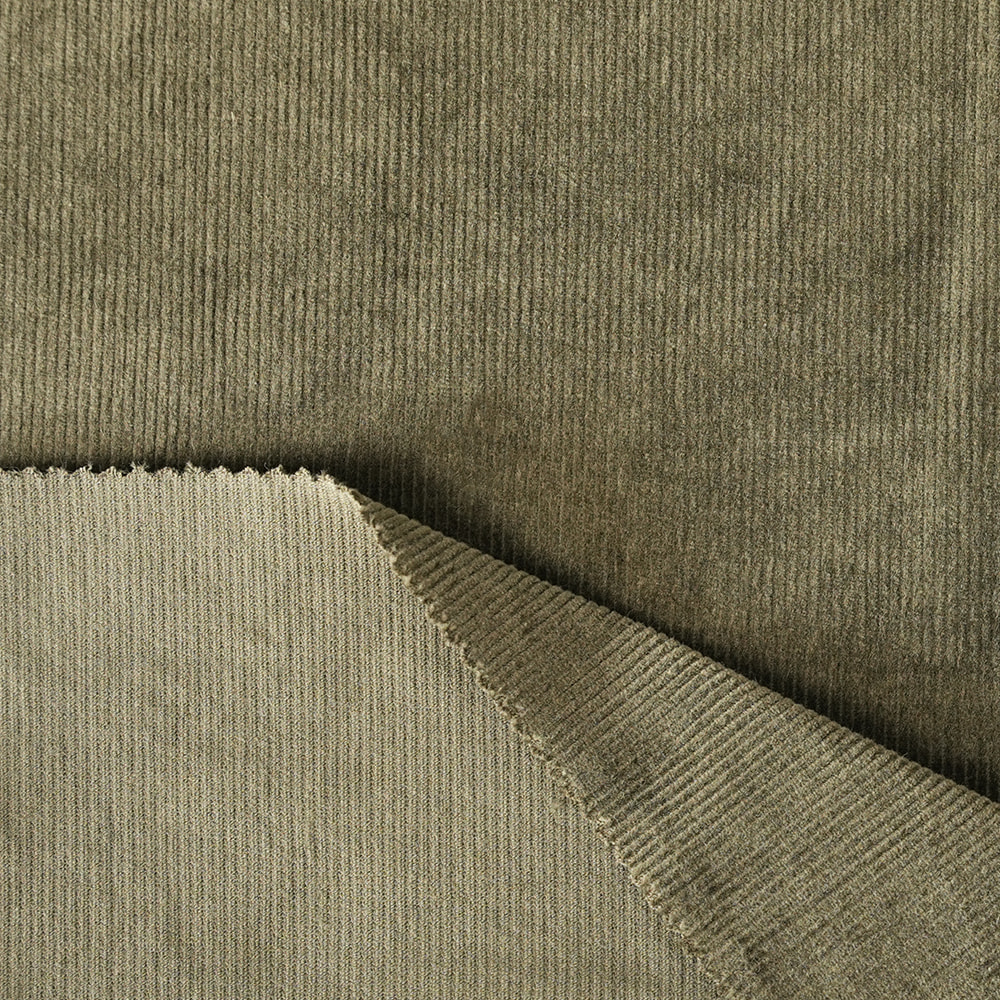
Piece-dyeing, in which the woven fabric is dyed after weaving, offers several advantages over yarn-dyeing or stock-dyeing methods. This approach ensures uniform color penetration across the fabric, including the distinctive ridges of corduroy, while allowing for flexibility in color choices and shades. Manufacturers can respond to seasonal trends or special design requests without altering yarn stocks, improving production efficiency.
Additionally, piece-dyed corduroy exhibits superior color retention during washing and exposure to sunlight. The dye bonds with the fiber structure, reducing fading over time. This makes garments visually appealing for longer periods, meeting consumer expectations for durable and aesthetically consistent apparel.
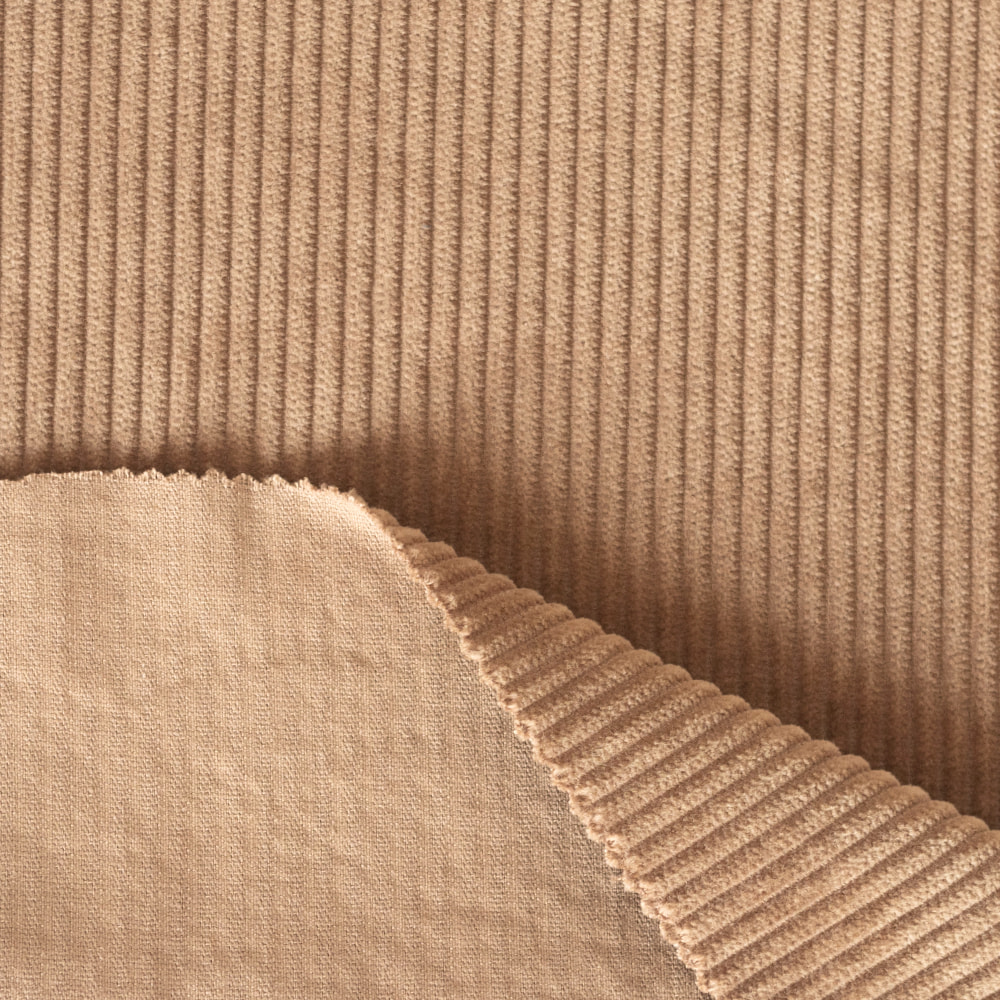
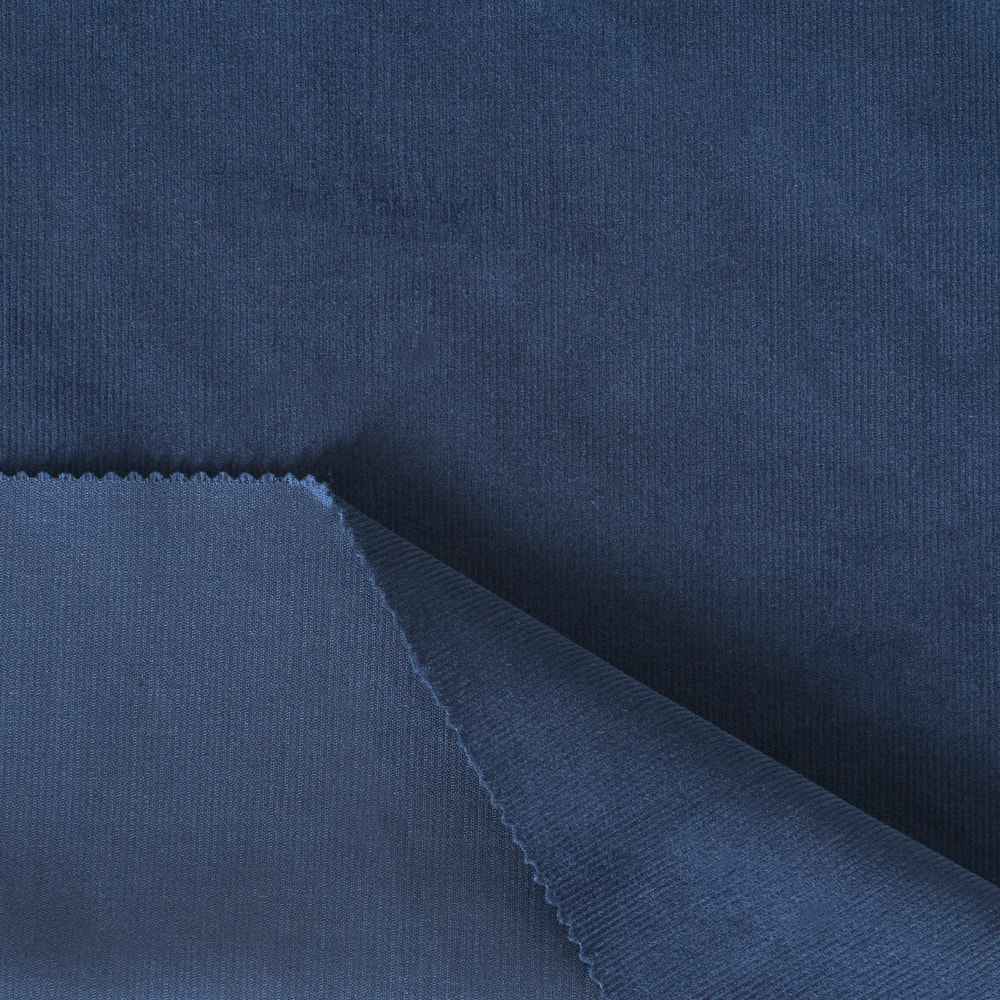
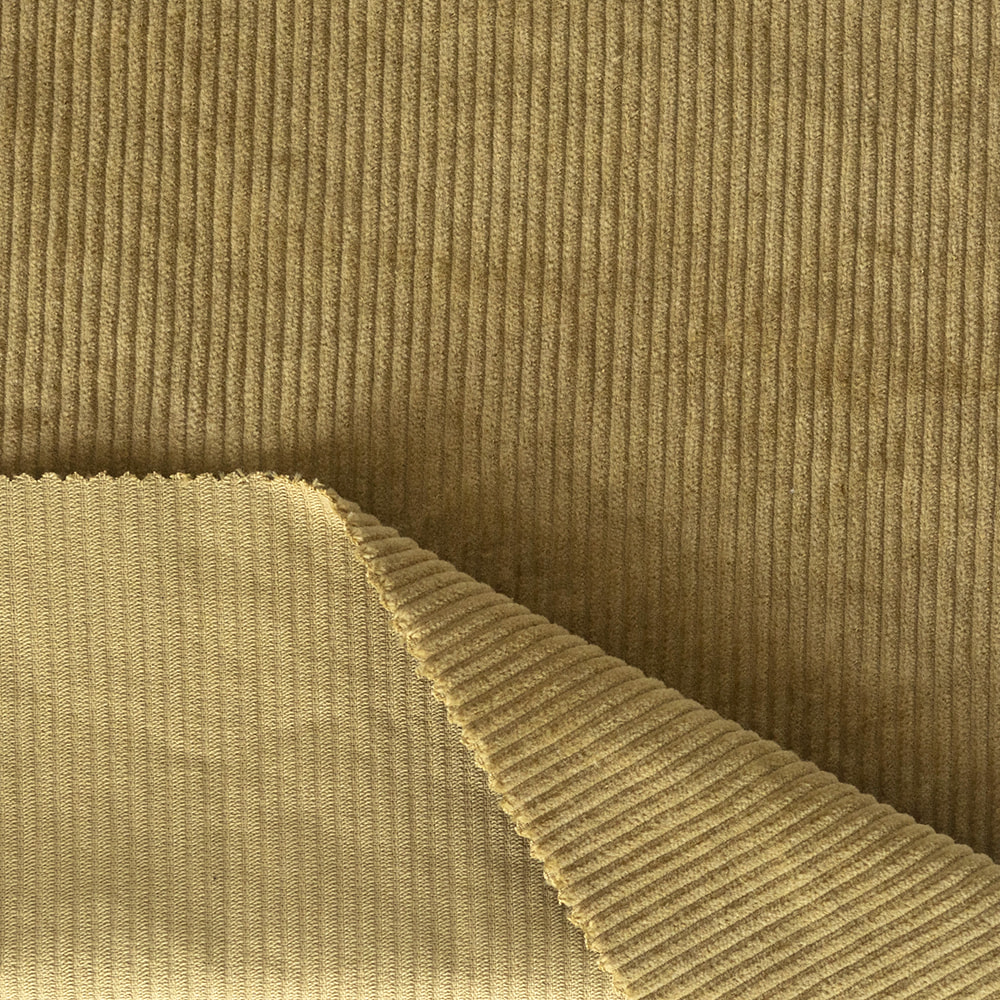
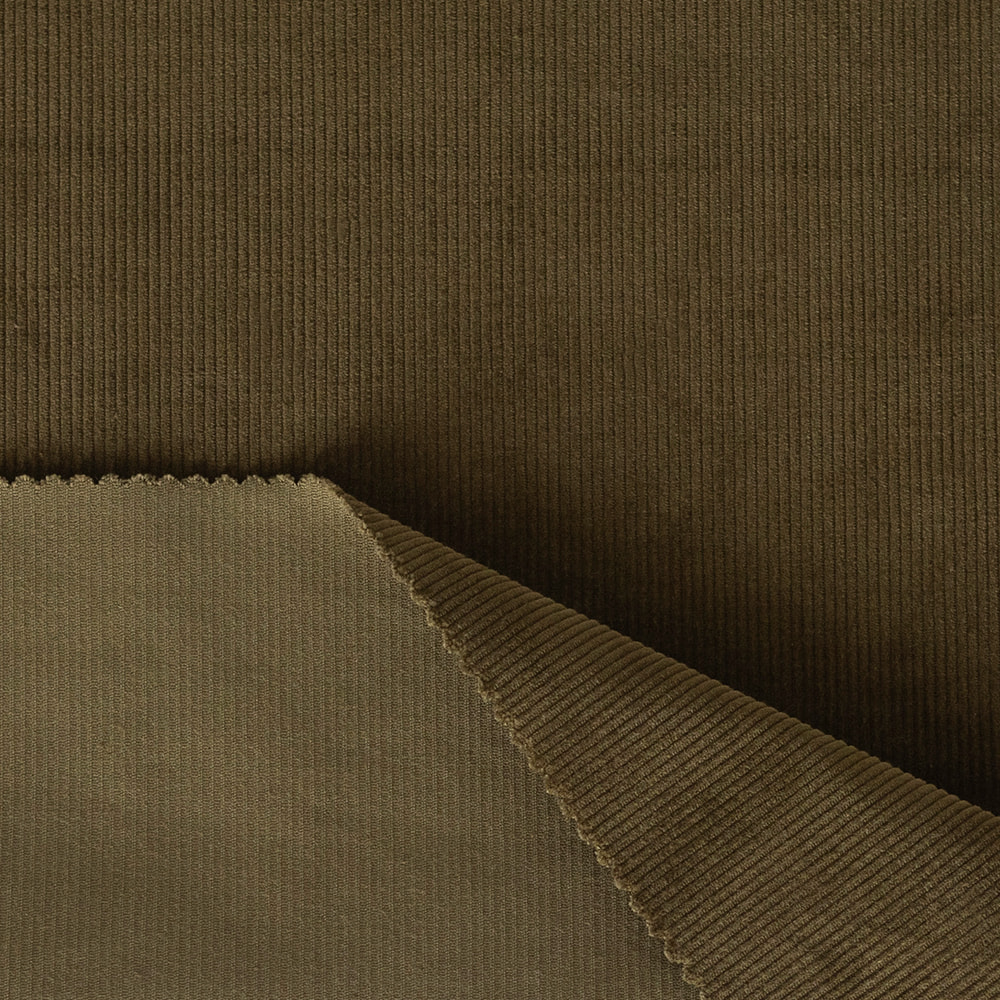
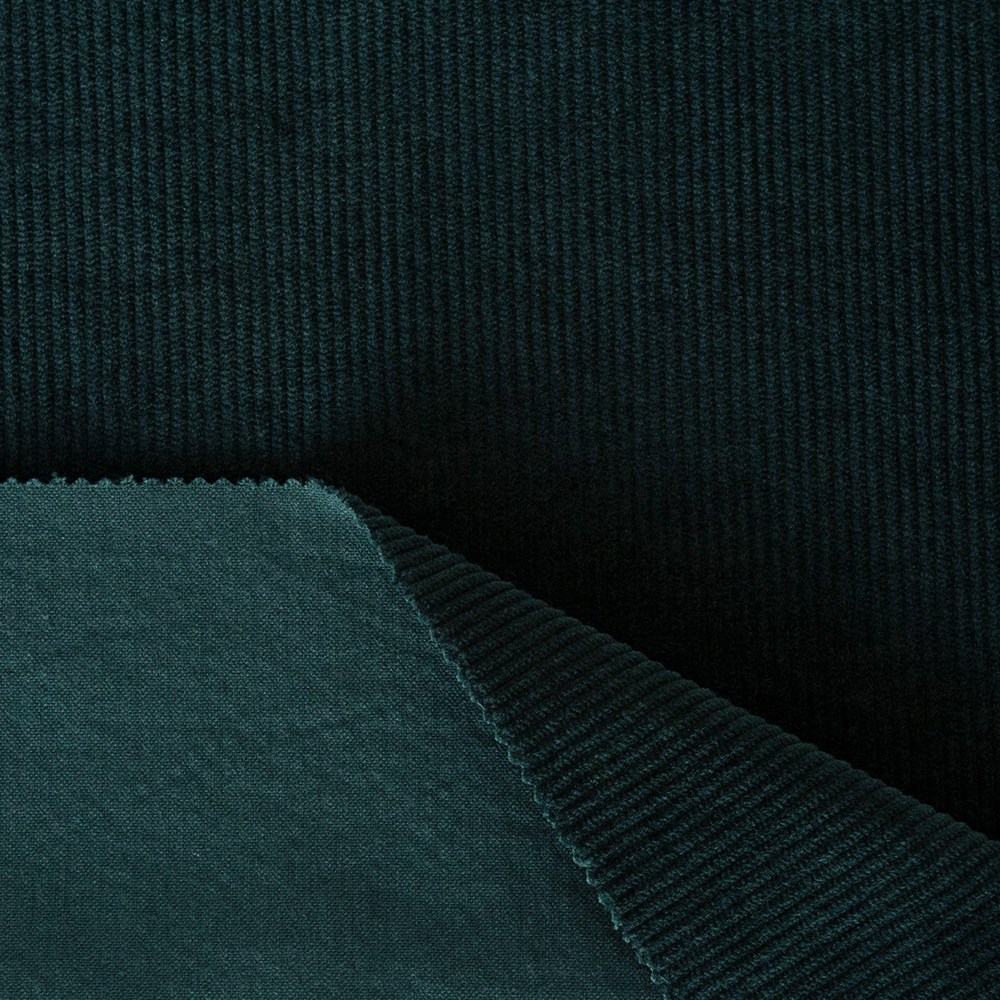
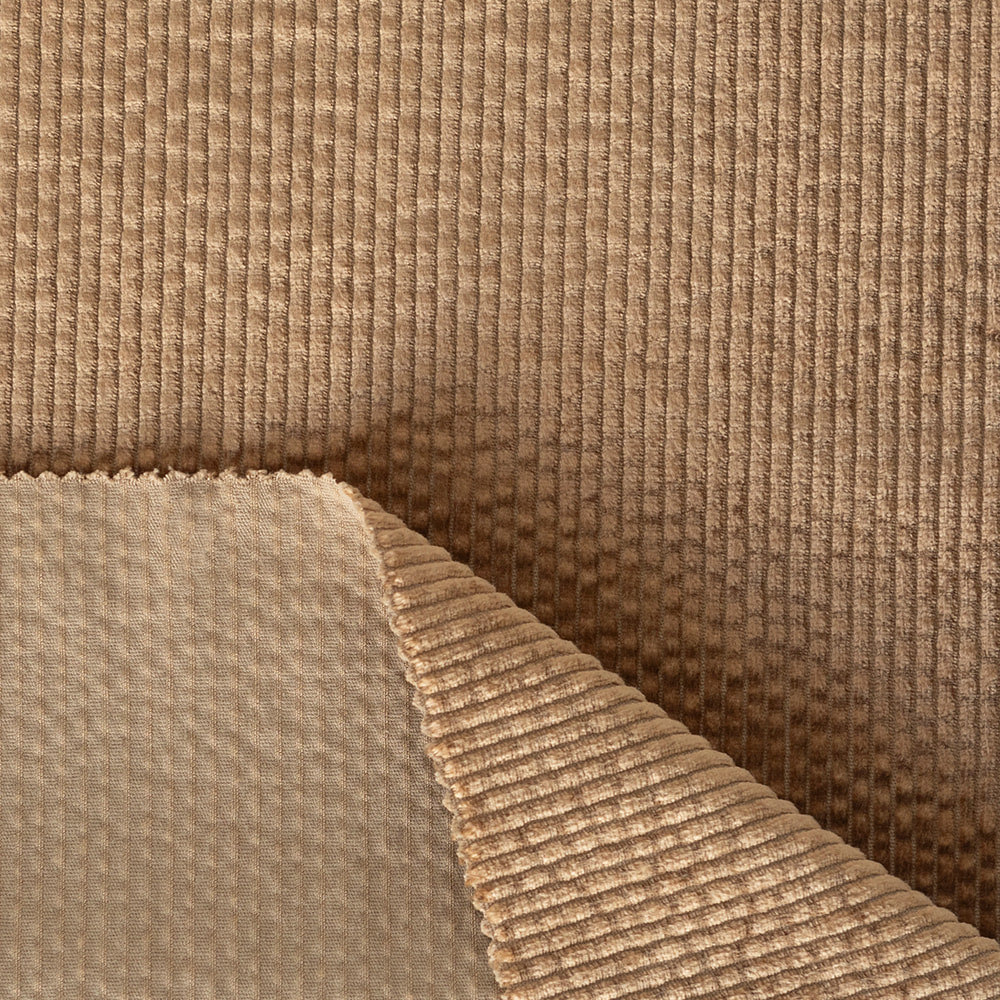
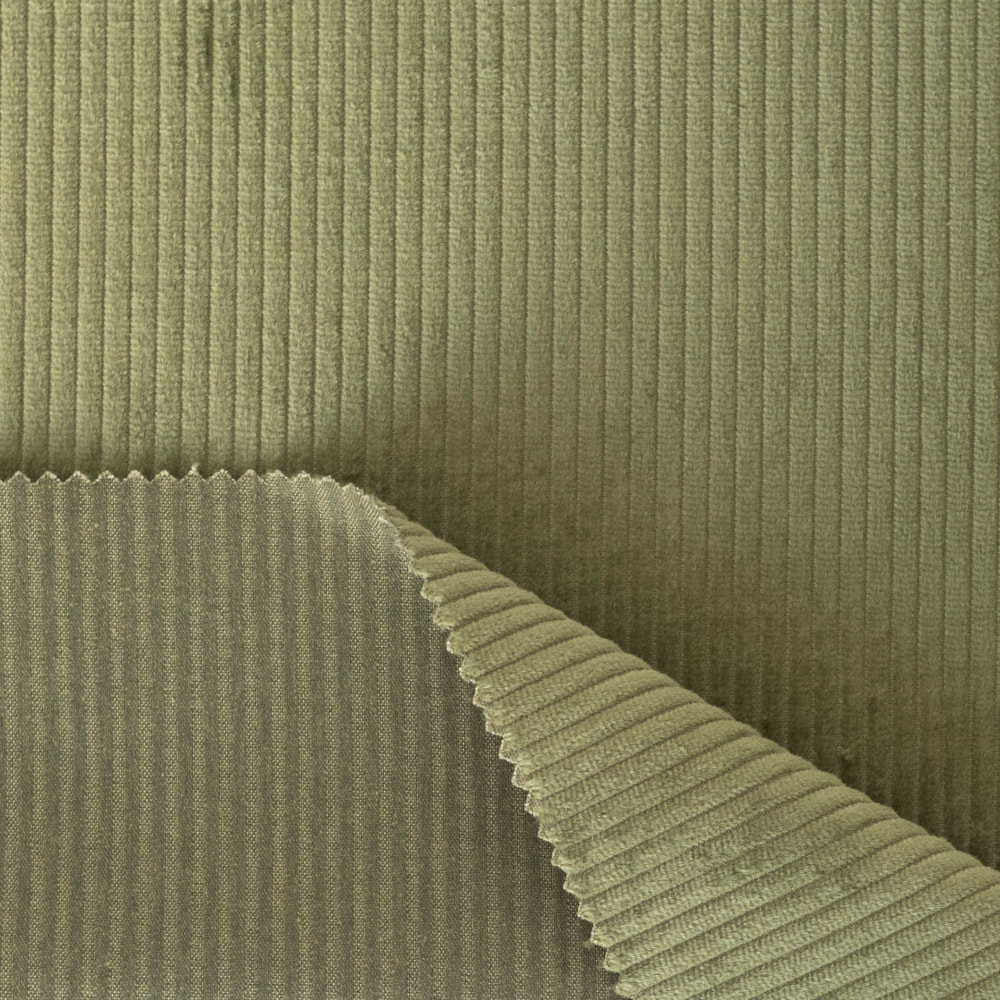
Corduroy’s characteristic raised ridges, or wales, provide a tactile texture that is both visually appealing and functionally beneficial. The piece-dyeing process enhances this texture by allowing color to penetrate evenly, highlighting the ridges and valleys for a sophisticated, multi-dimensional look. Designers appreciate the ability to balance texture with color depth, creating garments that are both stylish and durable.
This fabric is also versatile across apparel types. Heavier wales provide a robust appearance suitable for outerwear and workwear, while finer wales offer softness and drape ideal for shirts, skirts, or fashion-forward pieces. Piece-dyed corduroy can easily be combined with other textiles, such as denim or knit panels, to achieve hybrid designs that enhance comfort and performance.
Durability extends beyond fiber strength. Piece-dyed polyester-cotton corduroy demonstrates excellent wear resistance, with reduced pilling and abrasion even after repeated use. Garments retain their original texture and structure, making them suitable for long-term use in workwear, school uniforms, and daily apparel.
The fabric’s balance of polyester and cotton fibers also supports laundering resilience. Pieces maintain shape and size, minimizing shrinkage or distortion. This is particularly important for consumers seeking reliable, long-lasting apparel that withstands regular washing cycles without compromising fit or appearance.
Beyond durability, polyester-cotton piece-dyed corduroy offers advantages in sustainability and production efficiency. The use of blended fibers allows for optimized material consumption, while piece-dyeing reduces energy and water usage compared to batch yarn-dyeing methods. Additionally, long-lasting garments reduce replacement frequency, contributing to lower textile waste over time.
From a cost perspective, the balance between durability, aesthetic appeal, and ease of care translates into value for both manufacturers and consumers. Apparel made from this fabric often commands higher satisfaction due to its ability to combine performance, style, and longevity in a single textile solution.
Polyester-cotton piece-dyed corduroy fabric continues to be a preferred choice for durable apparel because it successfully integrates strength, comfort, texture, and colorfastness. Its fiber composition, combined with the piece-dyeing process, provides exceptional wear resistance, design versatility, and long-term performance. From workwear to fashion-forward garments, this fabric offers manufacturers and designers a practical, cost-effective solution that meets consumer demands for style and durability.
In summary, the combination of enhanced mechanical properties, superior color retention, versatile design applications, and sustainability advantages ensures that piece-dyed polyester-cotton corduroy fabric remains a staple in modern apparel production, bridging the gap between functionality and aesthetics.
Please feel welcome to contact our friendly reception staff with any general call us

+86 139 6116 7127

Email: cloud@jacquardcloth.com

Textile Industry Zone, East Hutang Town, Wujin District,213100 Changzhou,China
