

 English
 日本語
日本語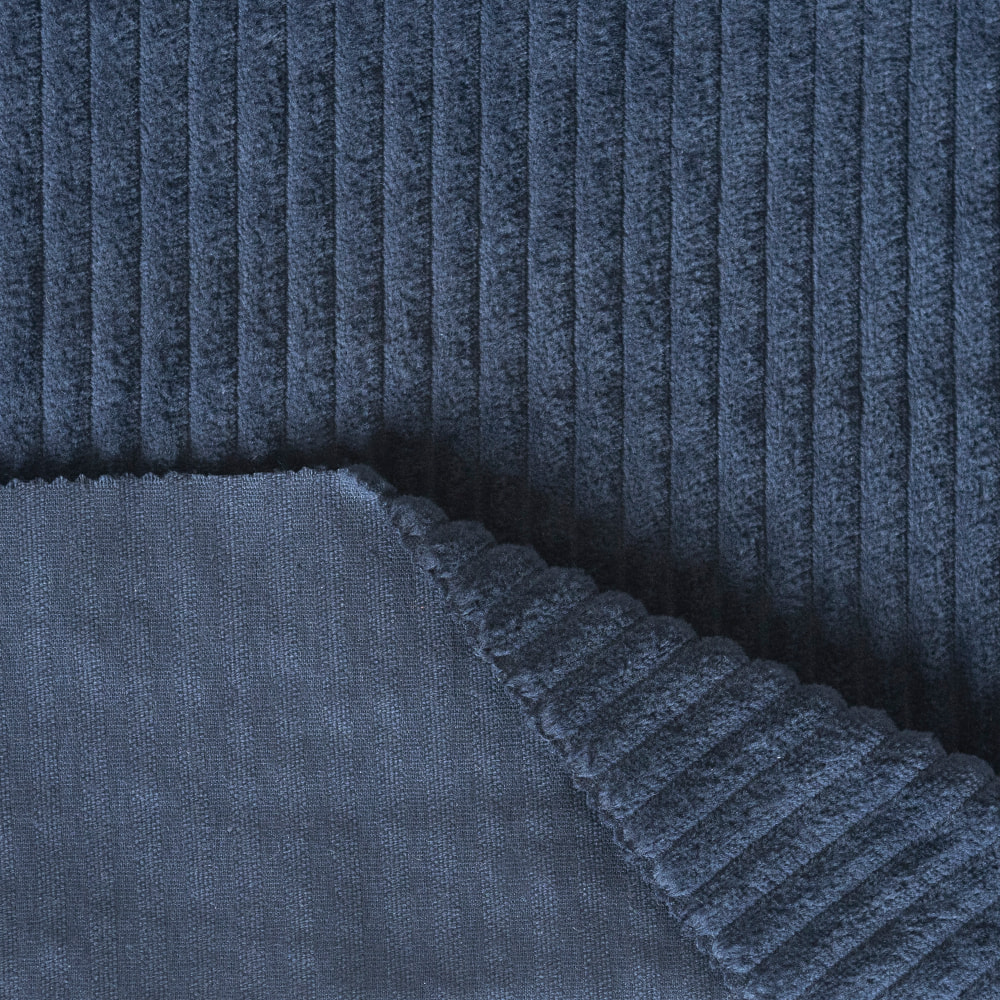


Get Directions
Textile Industry Zone, East Hutang Town, Wujin District,213100 Changzhou,China
Content
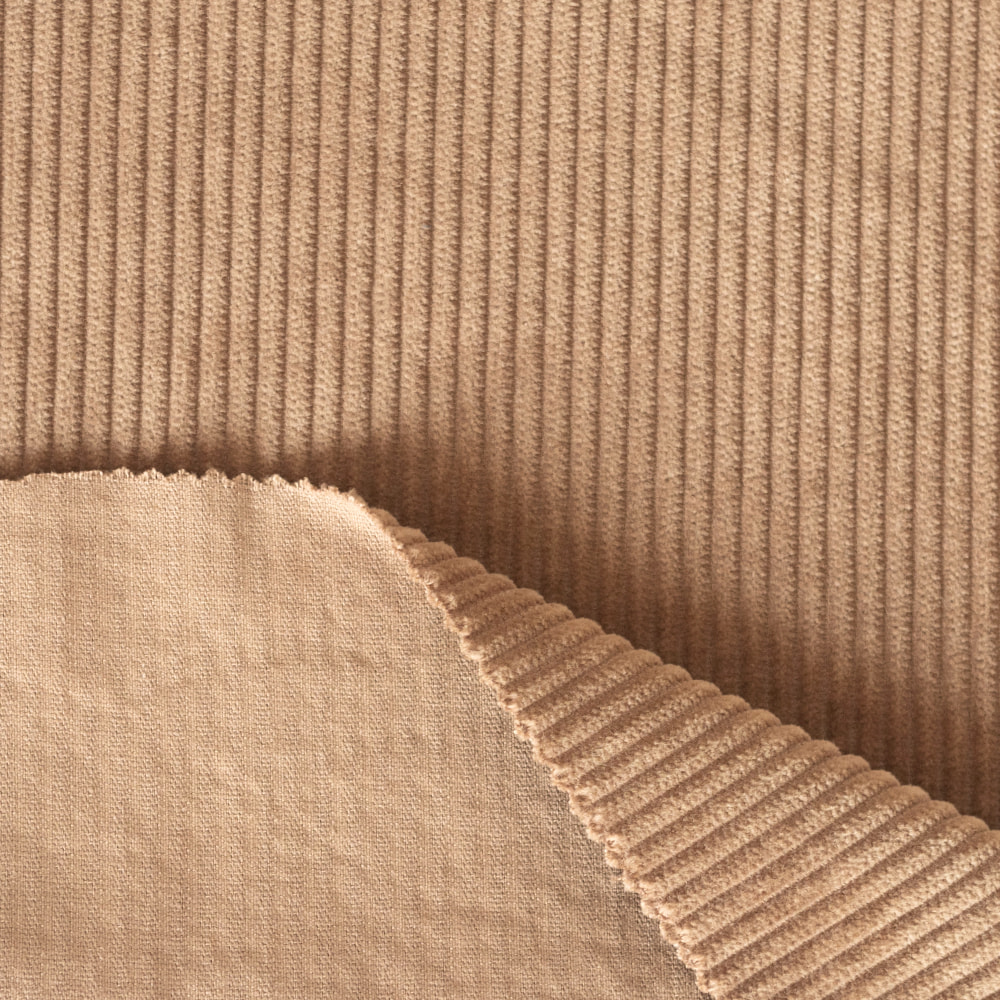
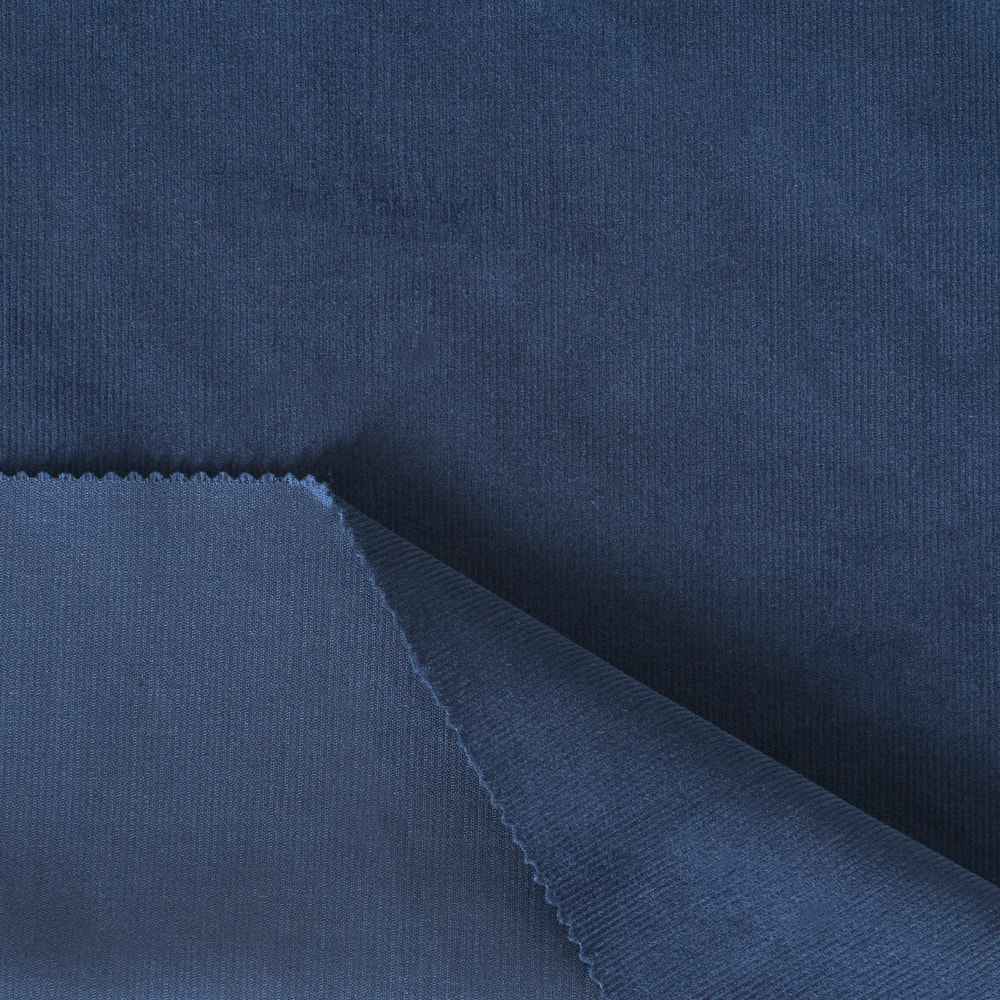
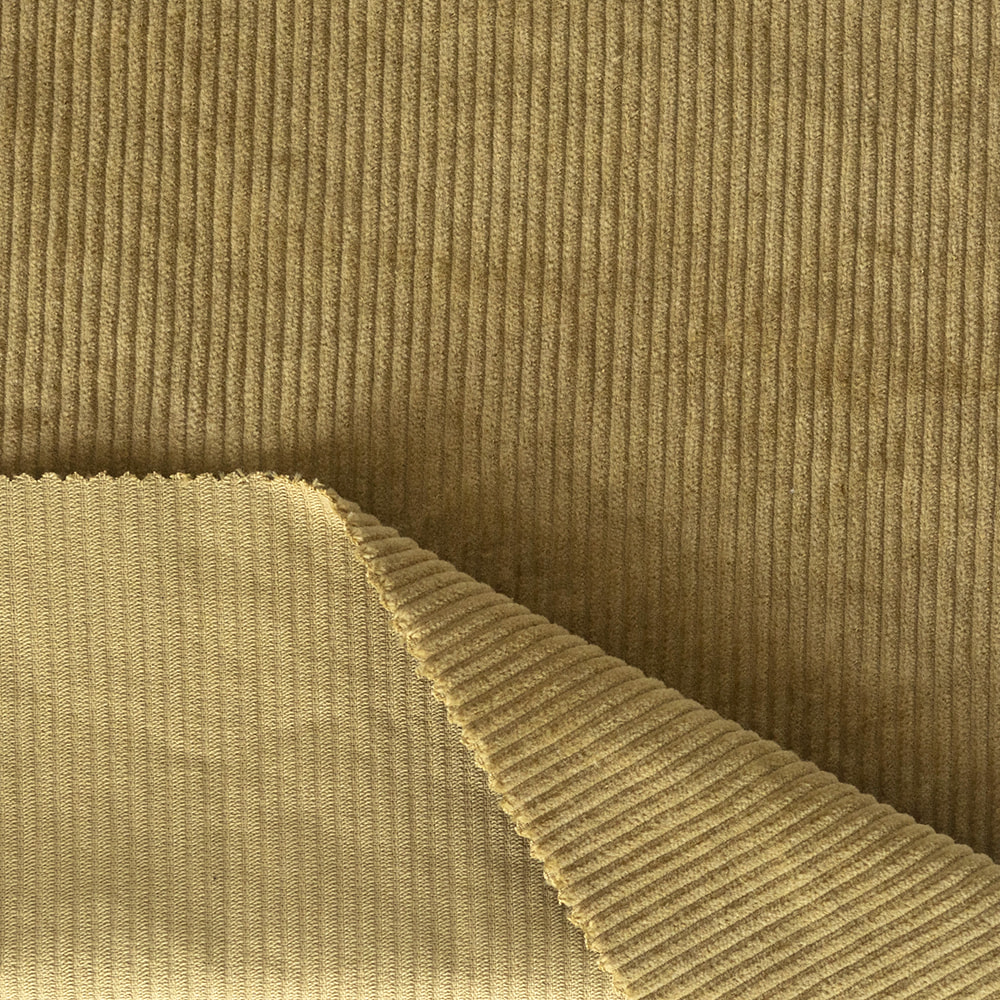
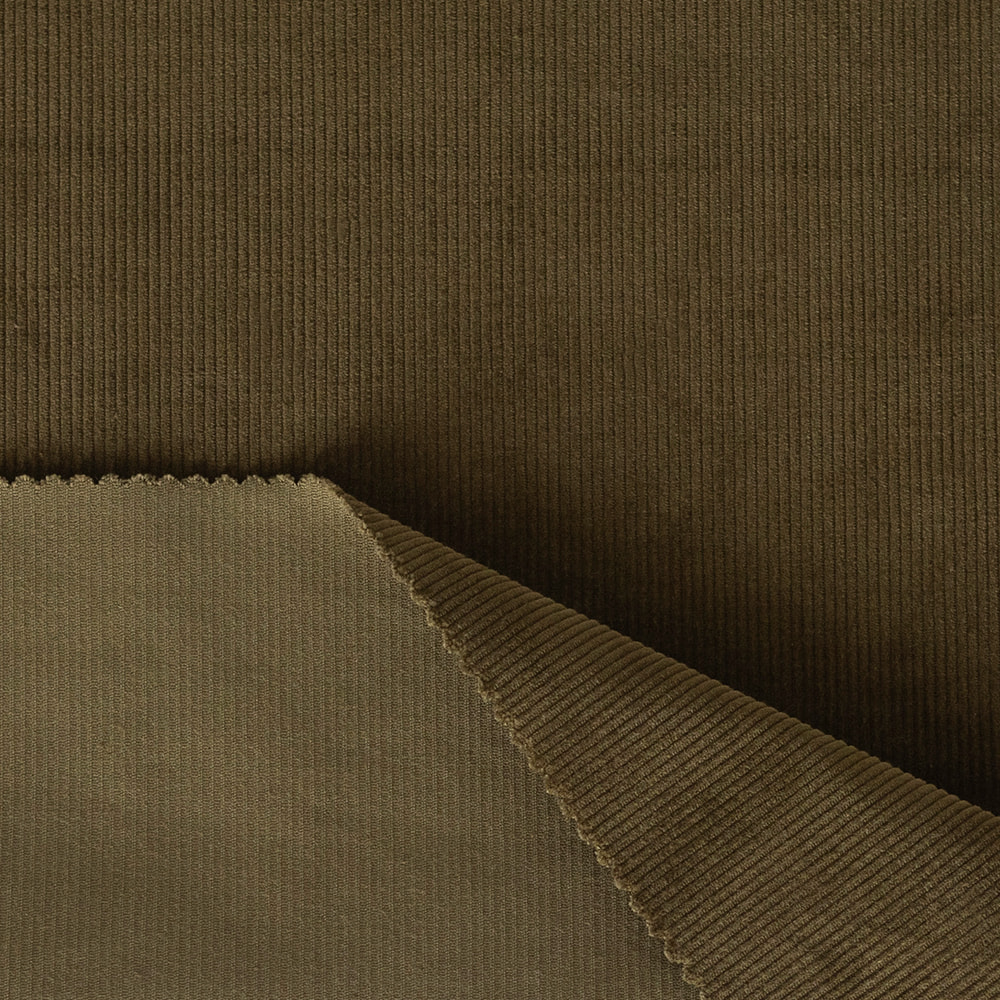
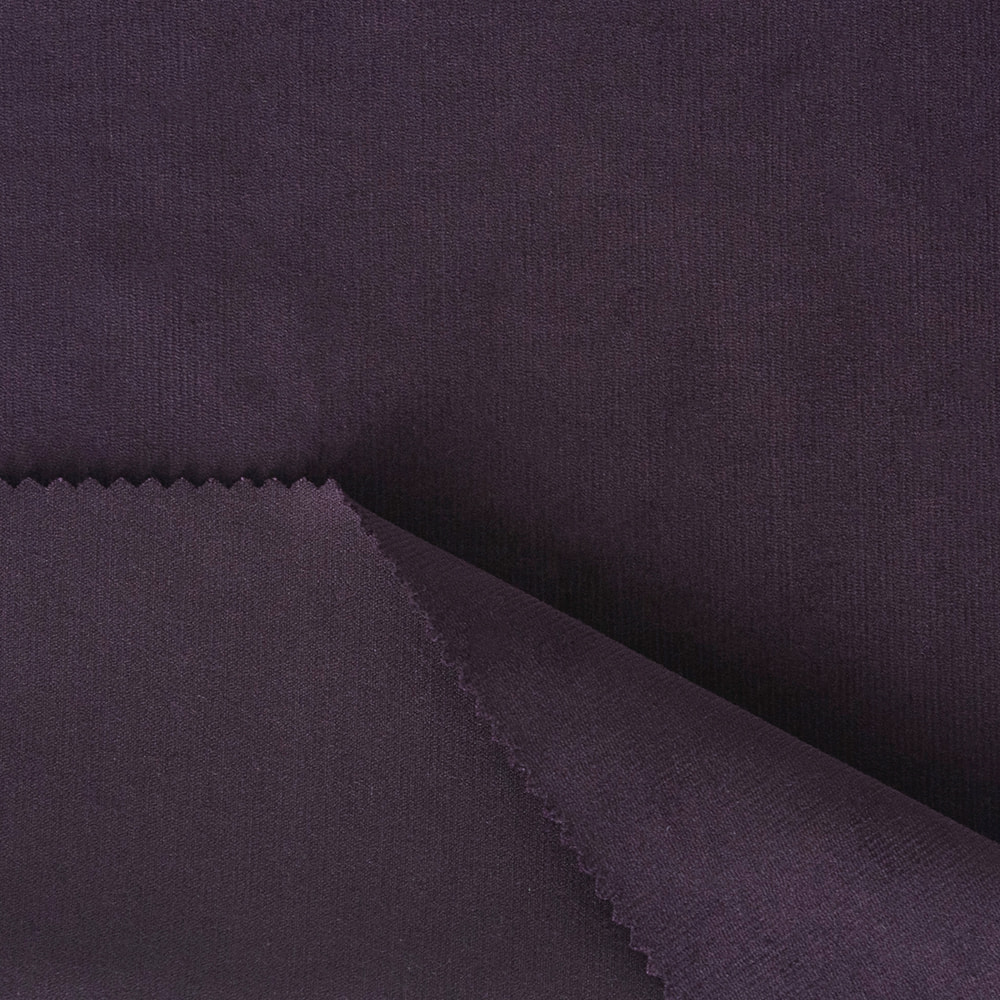
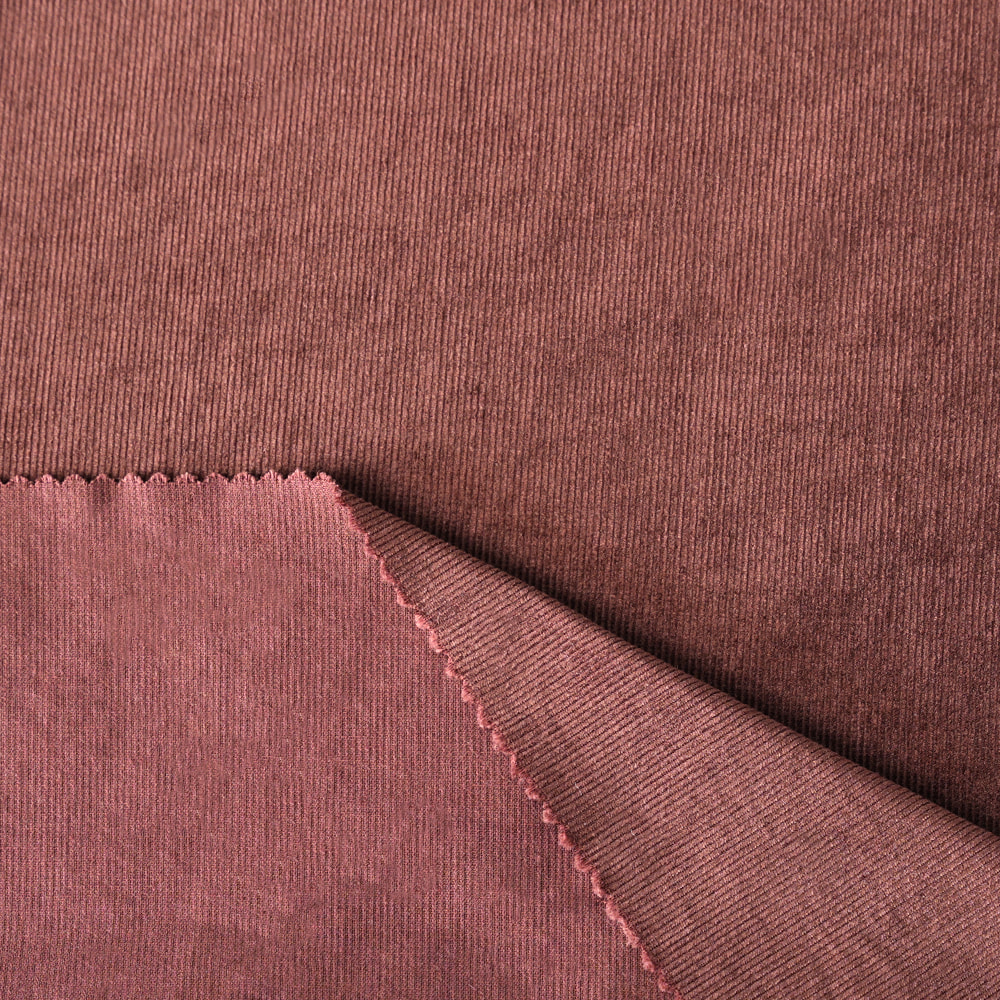
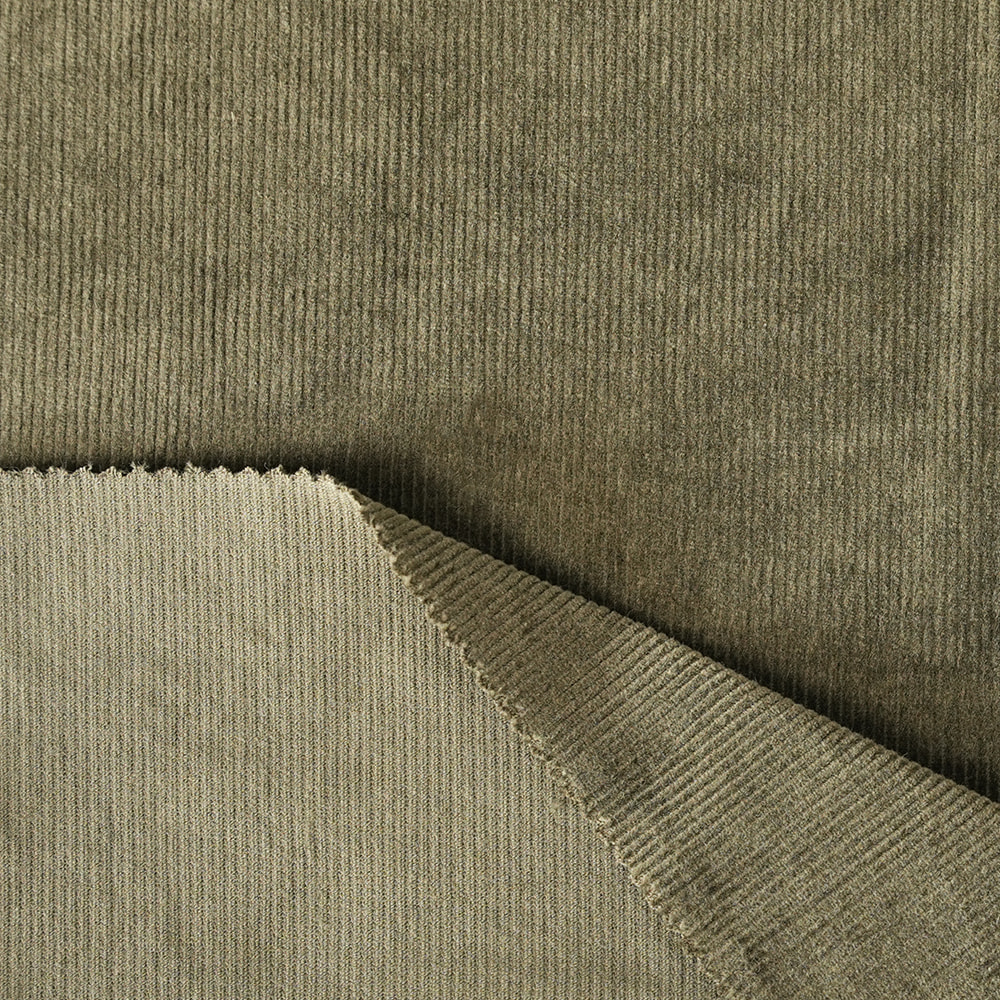
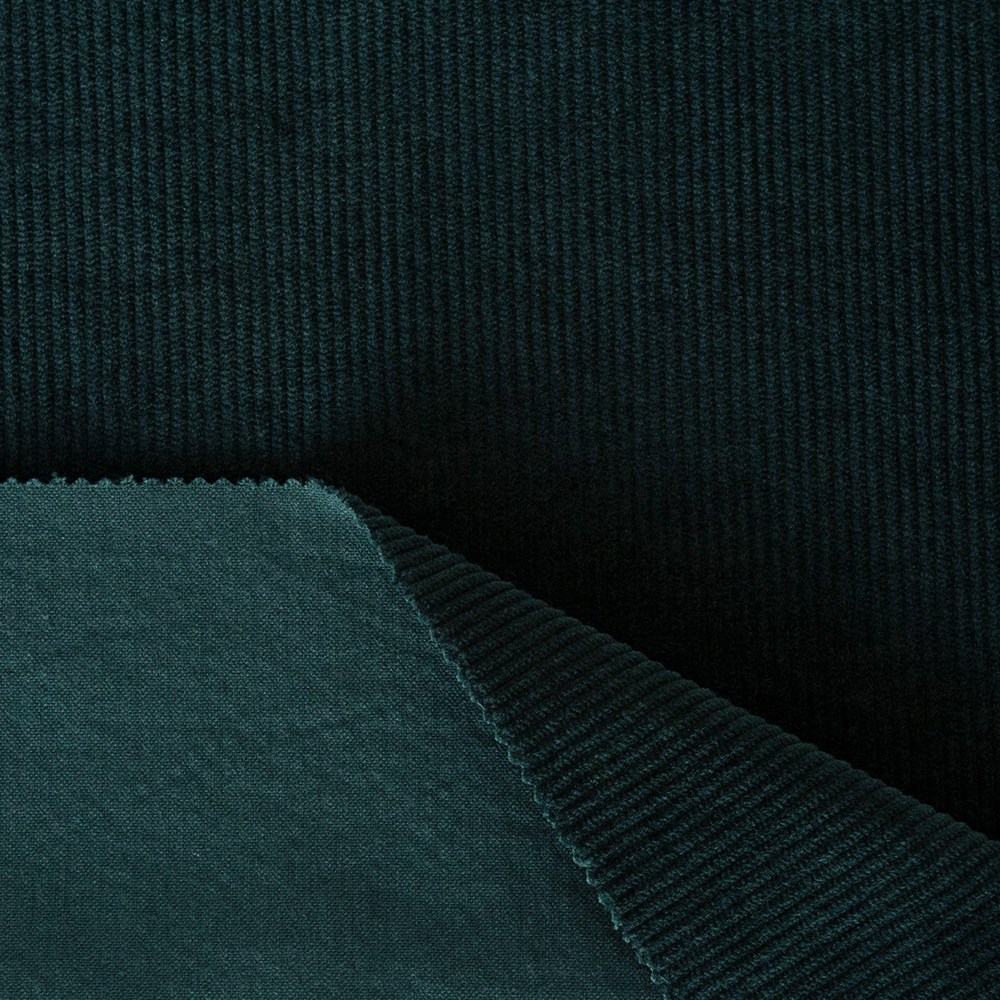
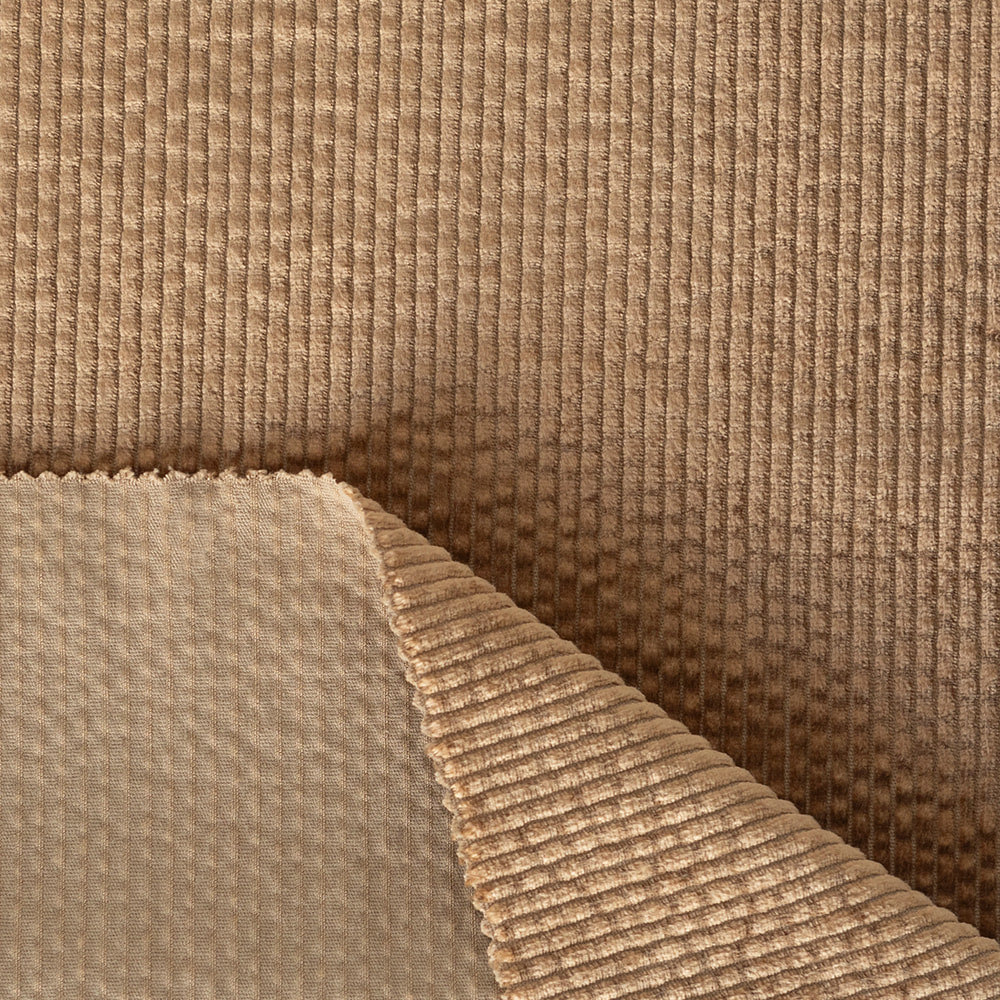
Bi-Stretch Corduroy Fabric is a modern evolution of traditional corduroy, designed to meet contemporary demands for comfort, flexibility, and sustainability. Unlike classic corduroy, which is typically woven from cotton with limited stretch, bi-stretch corduroy incorporates elastic fibers that allow the fabric to stretch both horizontally and vertically. This dual-direction elasticity makes garments more adaptable to body movement, enhancing wearability without compromising the textured aesthetic that defines corduroy.
From a sustainability standpoint, bi-stretch corduroy represents a thoughtful balance between heritage textile craftsmanship and modern performance engineering. Brands adopting this fabric are responding to consumers who value both timeless style and responsible production practices, especially as fashion shifts toward longer-lasting, multifunctional apparel.
Sustainability has become a central force in fabric development, influencing everything from fiber selection to manufacturing efficiency. In the case of Bi-Stretch Corduroy Fabric, sustainability is addressed not through a single feature, but through a combination of material efficiency, extended garment life, and adaptability across seasons and use cases.
Traditional rigid fabrics often wear out faster at stress points such as knees, elbows, and seams. Bi-stretch structures distribute tension more evenly, reducing fabric fatigue. As a result, garments last longer, which directly supports sustainable consumption by lowering replacement frequency.
One of the strongest arguments for Bi-Stretch Corduroy Fabric lies in its performance characteristics. Stretch functionality improves wearer comfort, but it also enhances garment efficiency. Designers can create more tailored silhouettes without relying on excessive pattern complexity or multiple fabric panels, which simplifies production and reduces cutting waste.
Additionally, bi-stretch corduroy performs well across a wide temperature range. Its ribbed surface traps air for warmth, while stretch fibers allow for lighter fabric weights. This versatility supports year-round wear, an important factor in sustainable wardrobe planning.
| Feature | Traditional Corduroy | Bi-Stretch Corduroy Fabric |
| Stretch Capability | Minimal or none | Two-directional stretch |
| Durability | Moderate wear resistance | Enhanced stress resistance |
| Sustainability Potential | Fiber-dependent | Higher due to longevity |
Bi-Stretch Corduroy Fabric opens new creative possibilities for designers seeking sustainable solutions without sacrificing visual identity. Its ability to stretch in both directions allows for closer fits, innovative seam placements, and modern tailoring techniques that were difficult to achieve with rigid corduroy.
This flexibility is particularly valuable in categories such as workwear-inspired fashion, casual trousers, skirts, and transitional outerwear. Designers can produce fewer garment variations while accommodating a wider range of body types, which supports inclusive sizing strategies and reduces overproduction.
Modern consumers increasingly associate sustainability with comfort and practicality. A garment that feels restrictive, even if made from eco-friendly fibers, is less likely to be worn frequently. Bi-Stretch Corduroy Fabric addresses this challenge by combining tactile comfort with responsible material use.
As buyers become more educated about fabric performance, they recognize that durability and versatility are essential components of sustainable fashion. Bi-stretch corduroy meets these expectations by delivering everyday comfort while maintaining a refined, structured appearance.
Circular fashion emphasizes reuse, repair, and recyclability. Bi-Stretch Corduroy Fabric supports this model by maintaining structural integrity over time, even with repeated wear and washing. Garments that hold their shape are more likely to be resold, repaired, or repurposed, extending their lifecycle.
Manufacturers are also exploring mono-material or low-blend bi-stretch constructions to improve recyclability. When designed with end-of-life considerations in mind, bi-stretch corduroy can align with future textile recycling systems and closed-loop production.
Bi-Stretch Corduroy Fabric stands at the intersection of tradition, innovation, and sustainability. It preserves the recognizable look and feel of classic corduroy while solving long-standing issues related to comfort and durability. This balance makes it especially relevant as brands move away from disposable fashion toward more thoughtful, long-term design strategies.
As sustainable fashion continues to evolve from a niche concept into an industry standard, materials that offer measurable environmental benefits alongside consumer appeal will lead the way. Bi-Stretch Corduroy Fabric, with its functional advantages and adaptable design potential, is well positioned to become a defining textile in the next generation of responsible fashion.
Please feel welcome to contact our friendly reception staff with any general call us

+86 139 6116 7127

Email: cloud@jacquardcloth.com

Textile Industry Zone, East Hutang Town, Wujin District,213100 Changzhou,China
