

 English
 日本語
日本語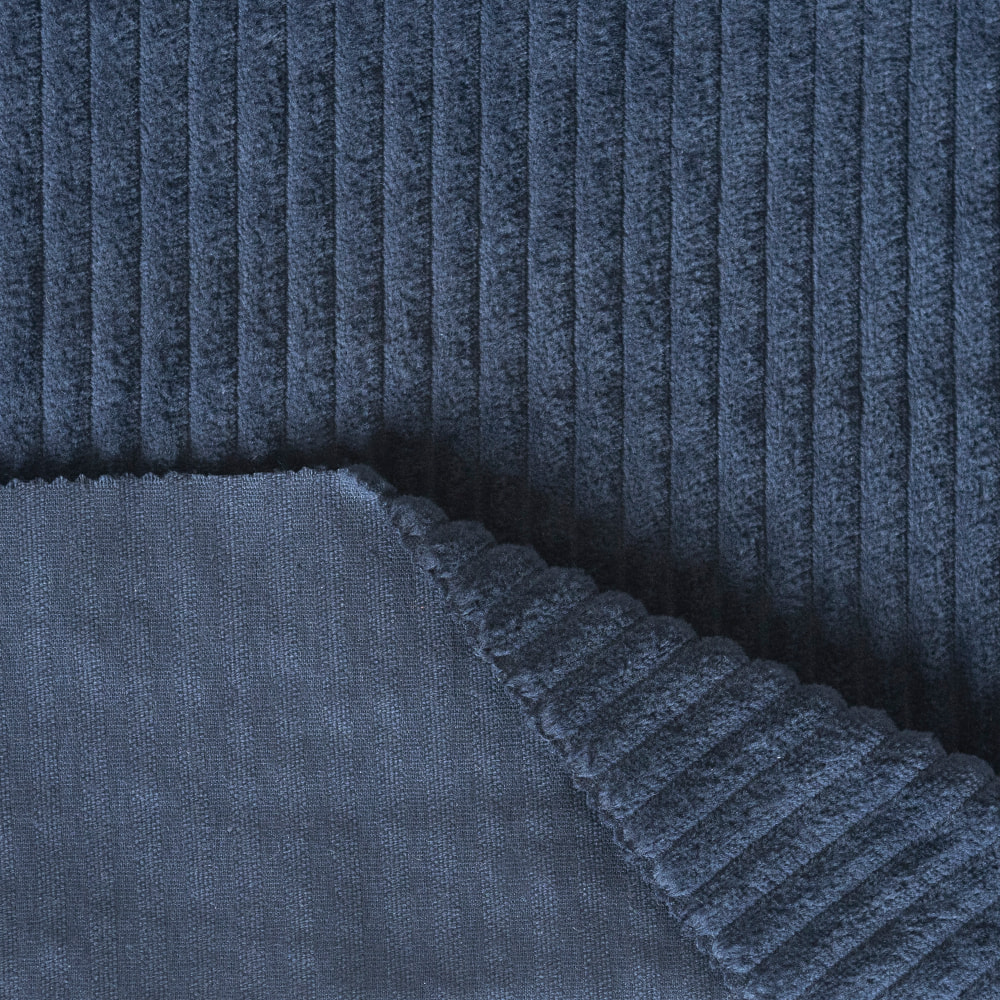


Get Directions
Textile Industry Zone, East Hutang Town, Wujin District,213100 Changzhou,China
Content
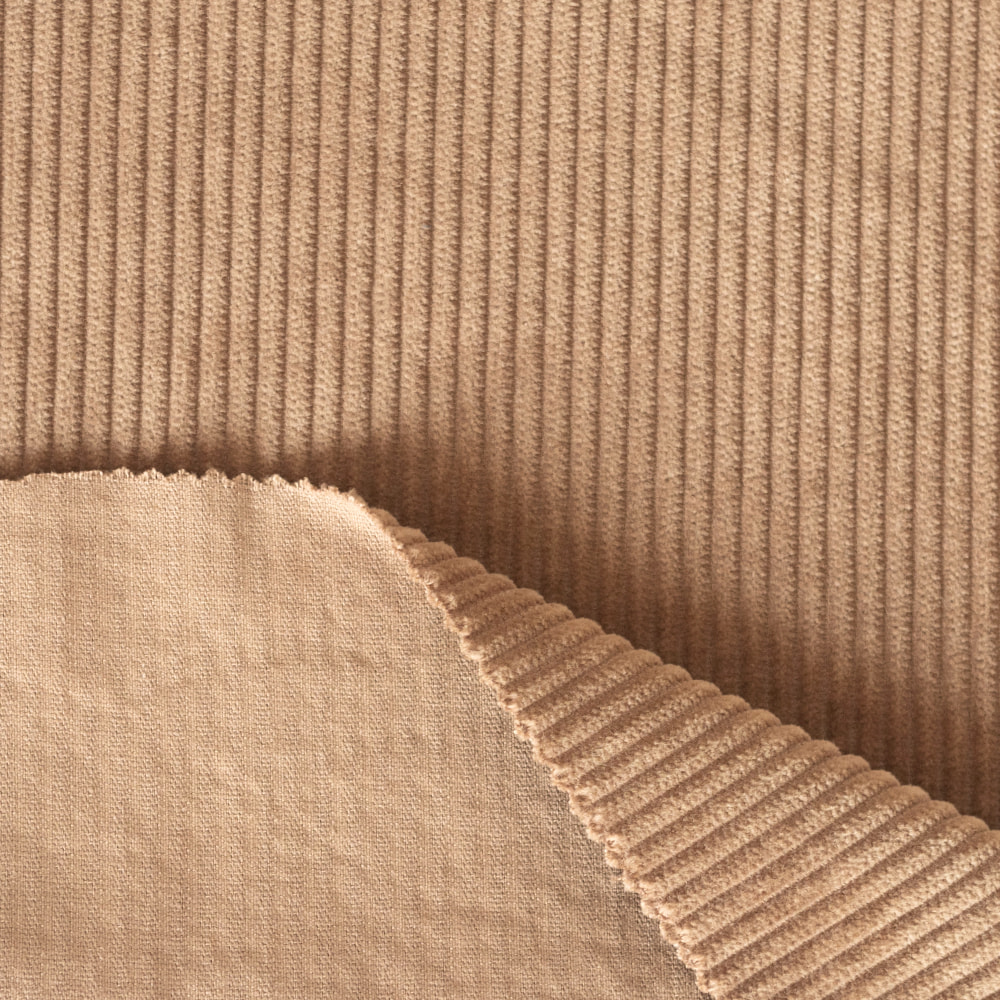
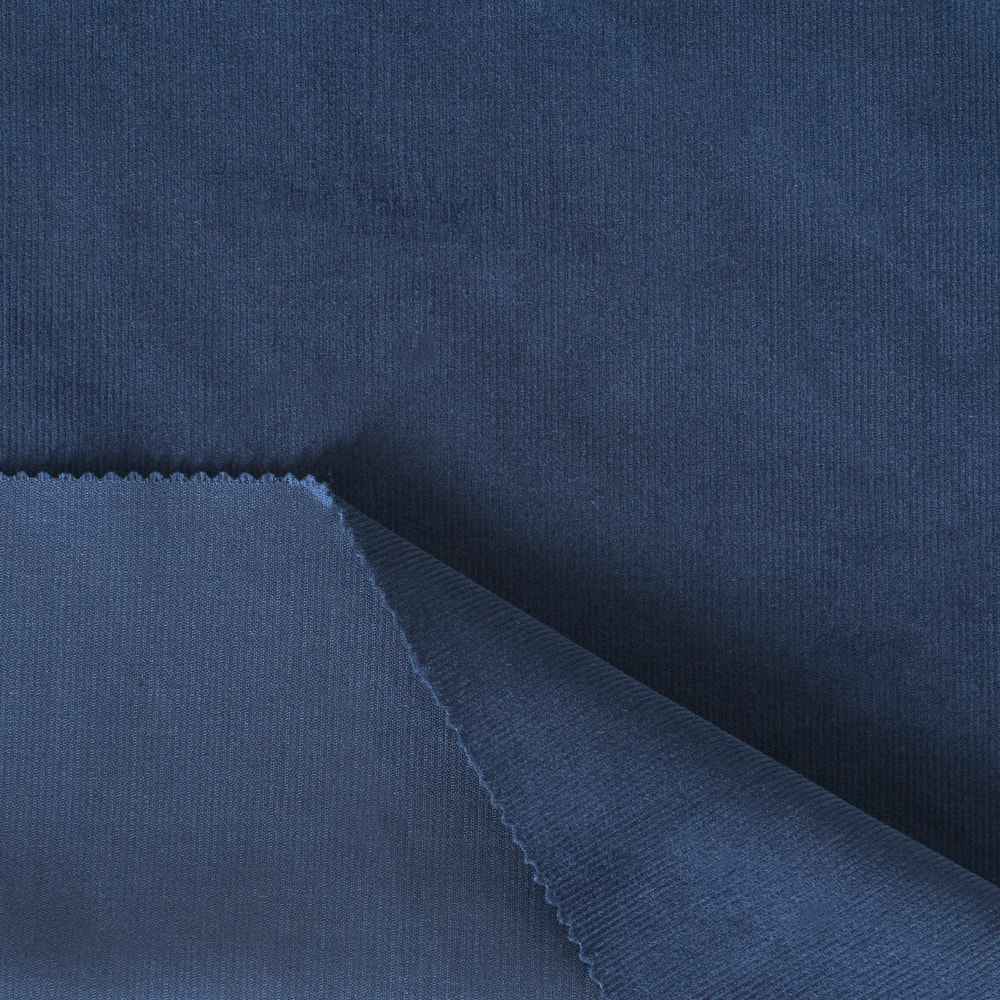
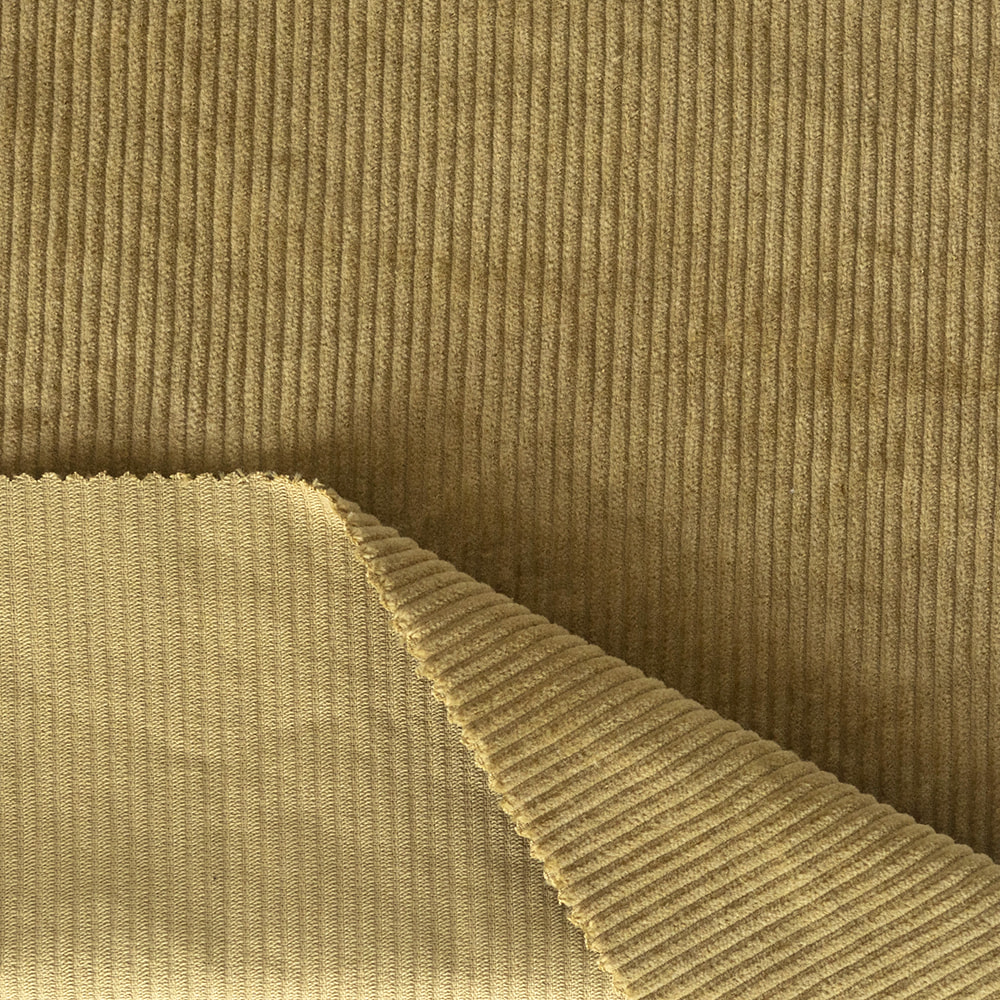
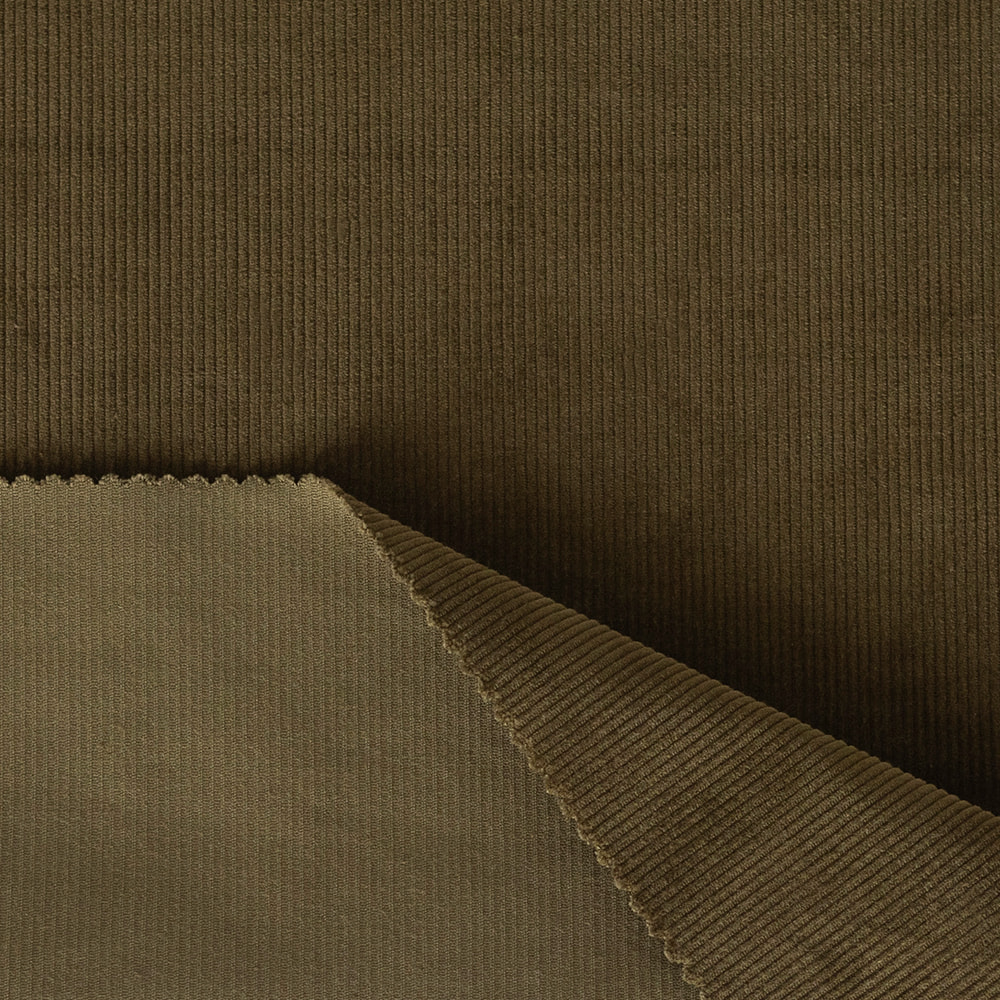
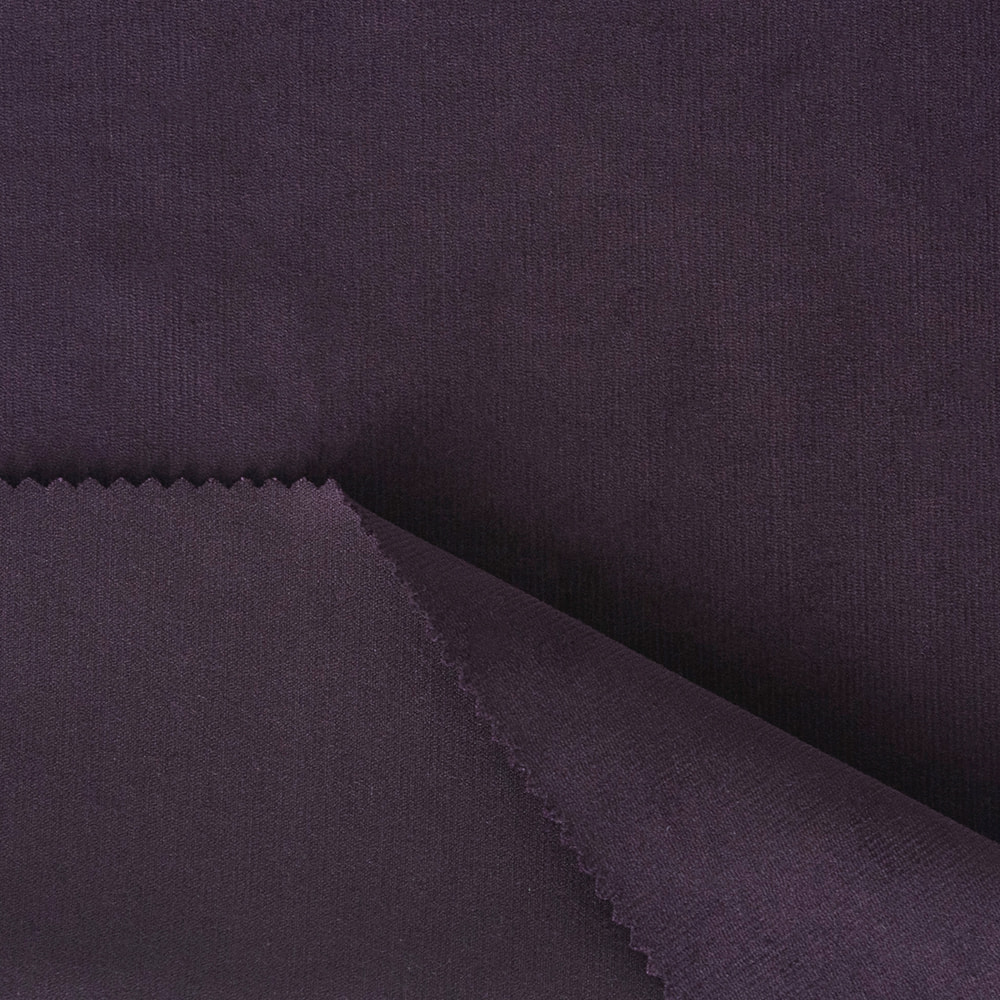
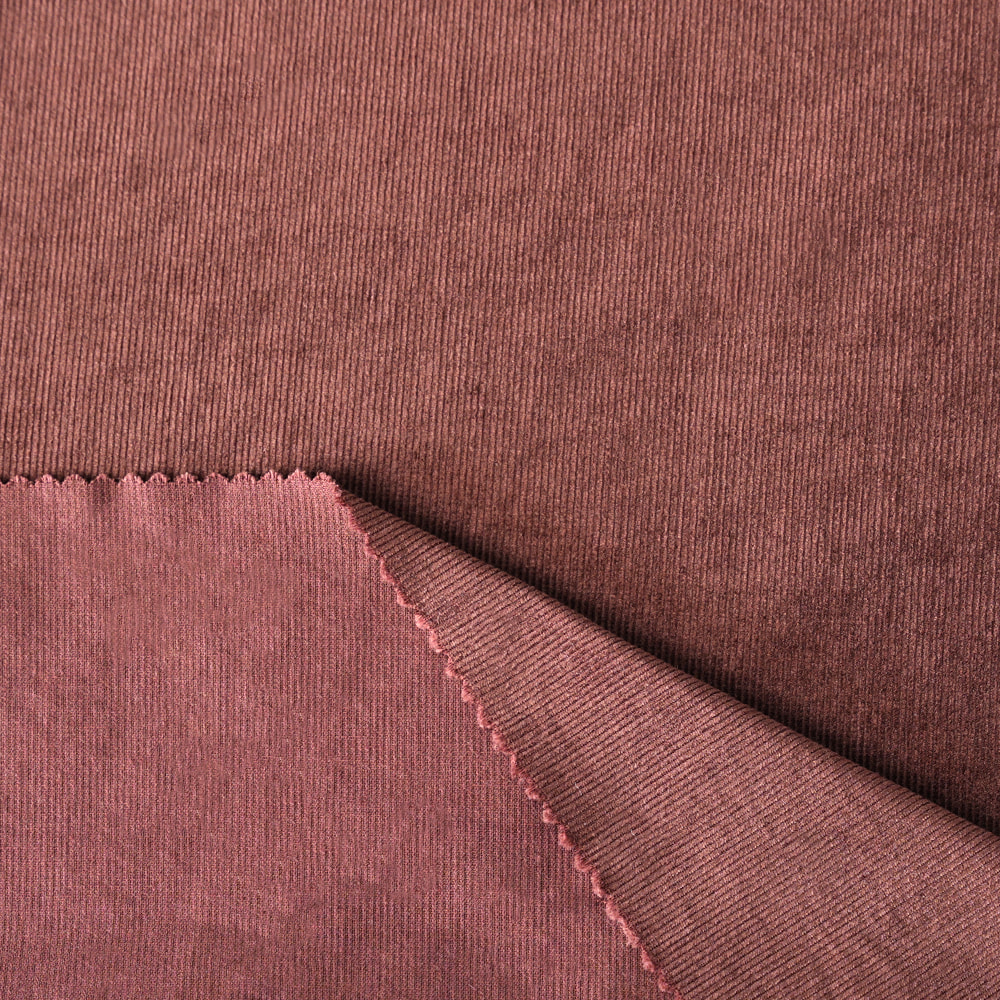
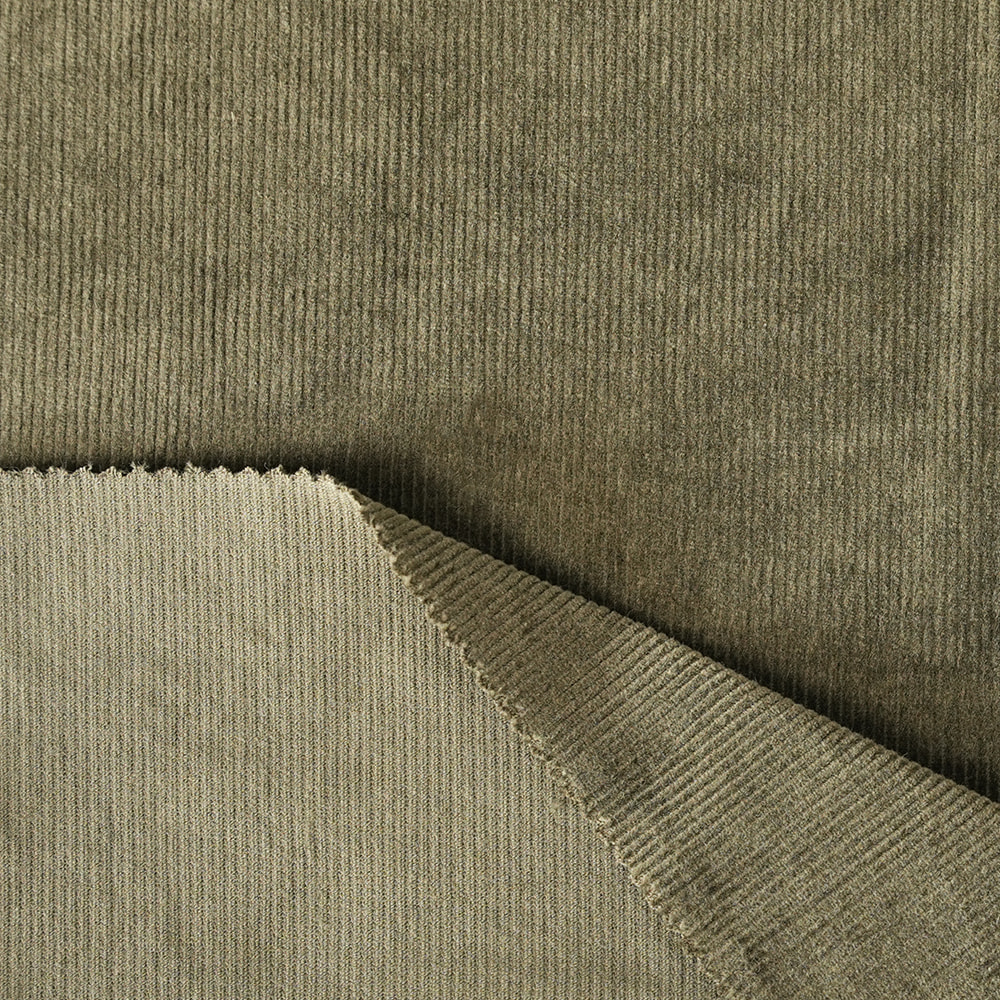
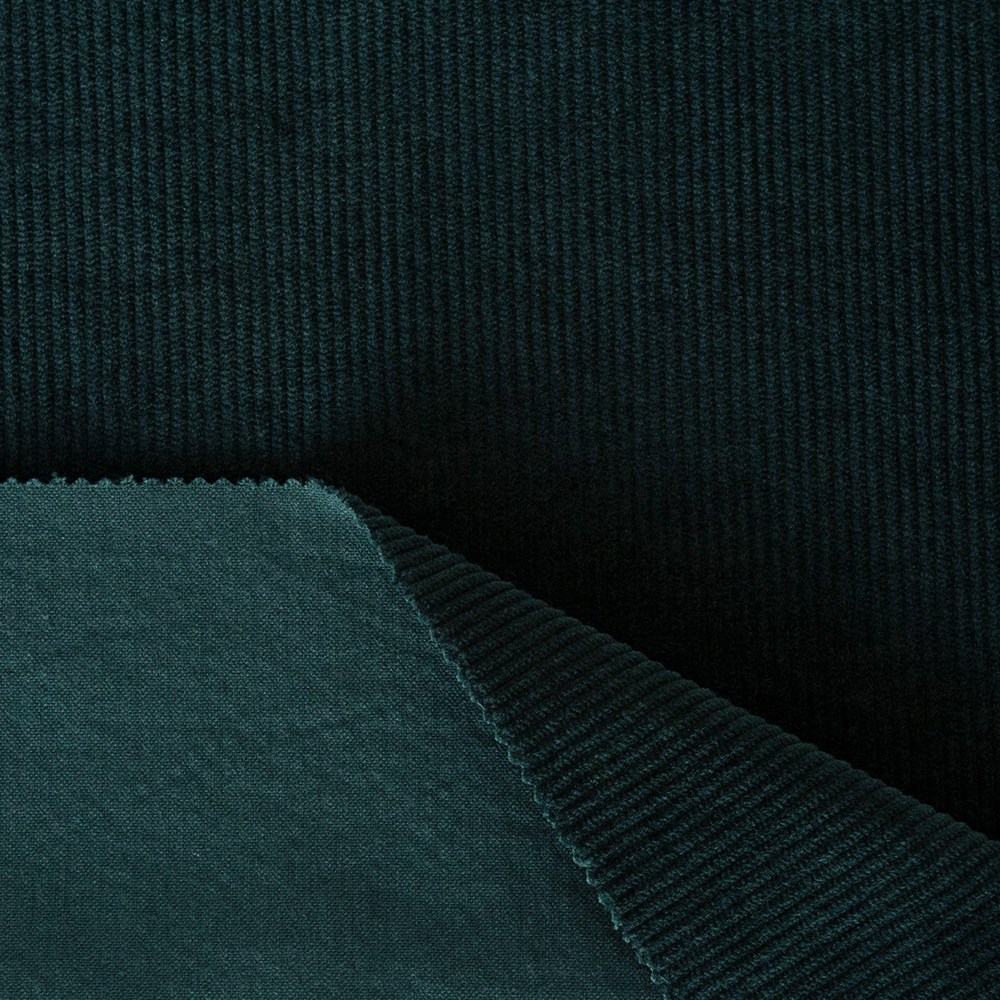
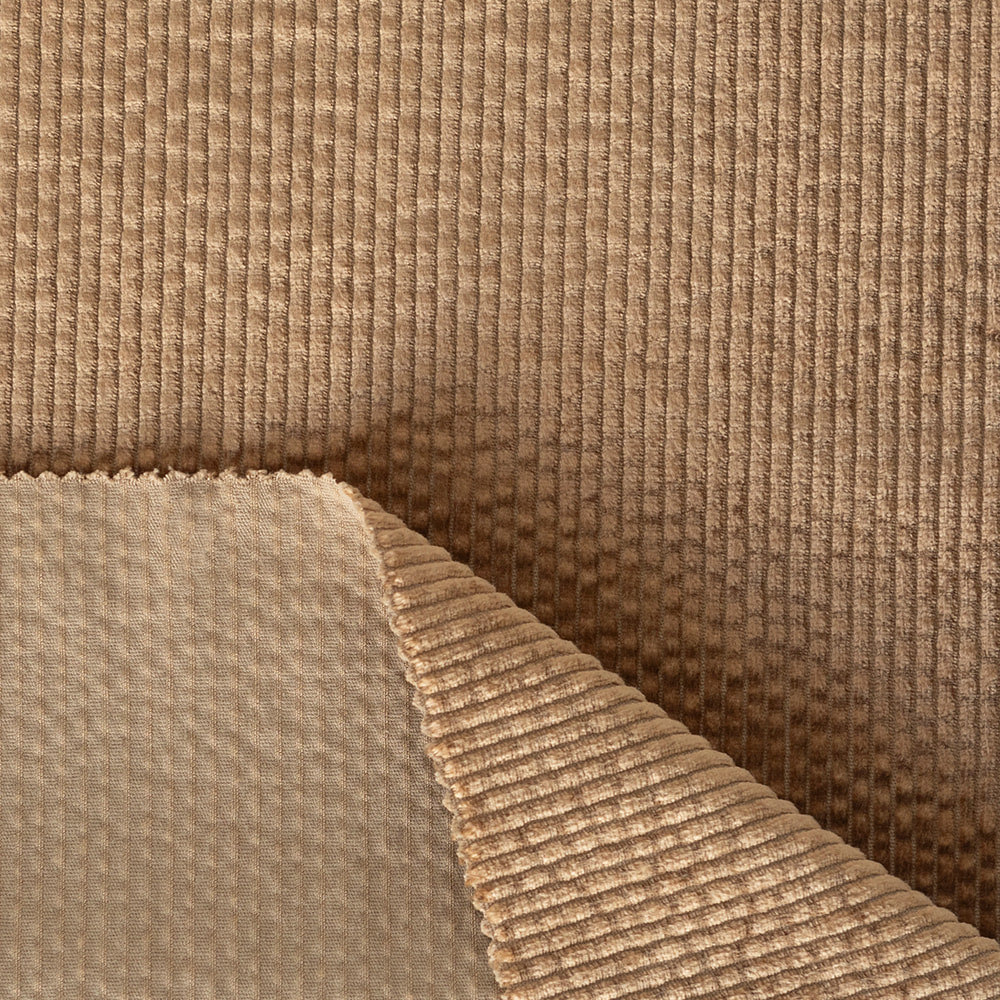
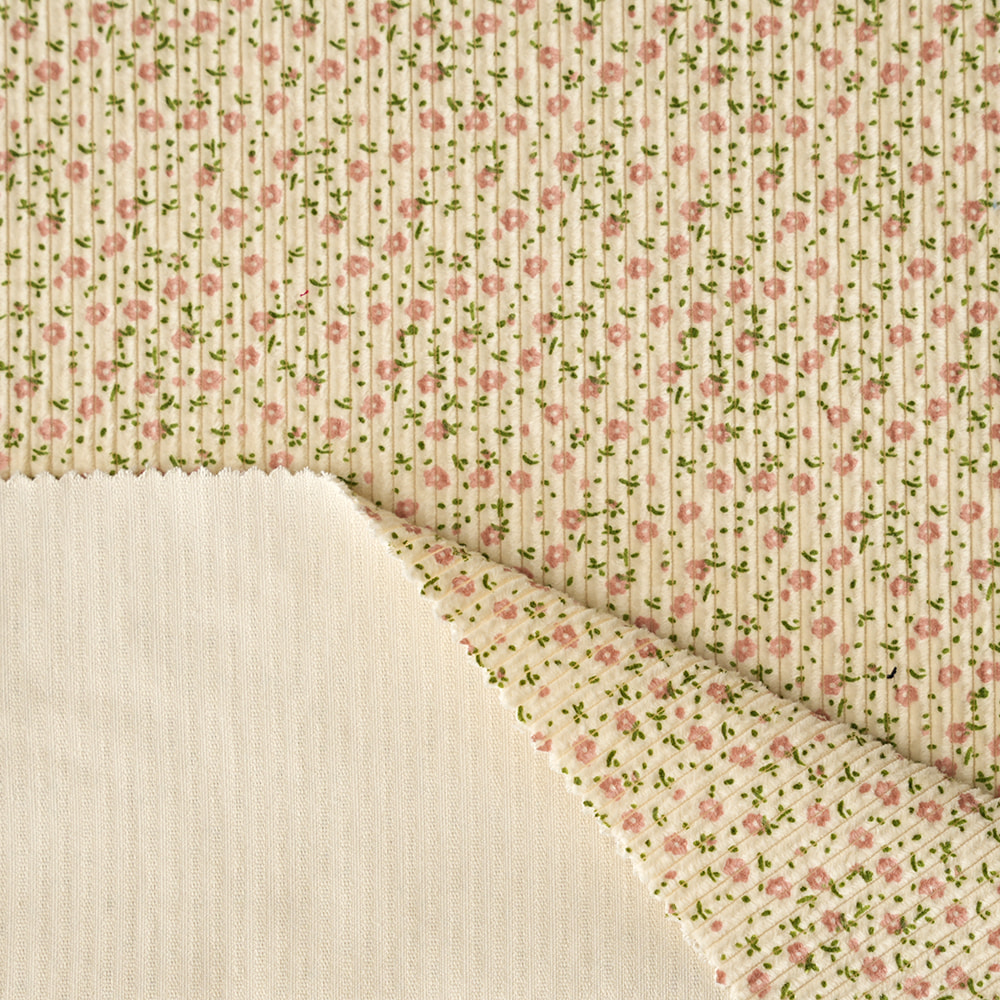
Corduroy fabric, known for its distinctive raised ridges or “wales,” presents unique challenges in printing due to its textured surface. Printing designs onto corduroy requires careful consideration of fabric structure, pile orientation, and ink absorption to achieve clear, durable, and consistent patterns. Unlike smooth fabrics, corduroy’s texture can distort prints if proper techniques are not applied.
This article explores the common challenges encountered in printing corduroy fabric and provides practical strategies to overcome them, ensuring high-quality results for apparel, upholstery, and decorative textile applications.
The primary challenge in printing corduroy arises from its unique ribbed structure. The raised wales can cause uneven ink distribution, resulting in blotchy or incomplete prints. When ink pools in the valleys or fails to reach the tips of the ridges, the design may appear distorted or faded.
The pile height and density of the corduroy can also influence print sharpness. Thicker or denser fabrics tend to absorb more ink, while shorter pile fabrics may create friction during printing, further affecting uniformity.
Selecting the right type of ink is crucial for achieving vibrant and durable prints on corduroy. Water-based inks can soak into the valleys, while pigment-based or plastisol inks provide better coverage on the pile tips. Compatibility with the fabric material, whether cotton, polyester, or blended fibers, also determines ink adhesion and wash fastness.
Testing different ink formulations on fabric swatches before full-scale production can prevent unexpected results. Pre-treatments, such as coating or priming the corduroy surface, may also improve ink adhesion and color vibrancy.
Different printing techniques offer varying degrees of success on corduroy fabric. Screen printing, for instance, is effective for bold and simple designs, but intricate patterns may be distorted by the pile. Digital printing provides detailed design control but requires careful adjustment to avoid ink pooling in the fabric grooves.
In screen printing, mesh size, squeegee pressure, and ink viscosity must be adjusted for corduroy. Using a lower mesh count can help deposit more ink onto the pile tips, while moderate squeegee pressure prevents ink from being forced into the valleys excessively.
Digital textile printers can produce high-resolution designs, but corduroy’s texture requires precise calibration. Ensuring even fabric tension and pre-treating the fabric to minimize ink spreading are essential steps. Additionally, printing at slightly higher ink densities can enhance color visibility on textured surfaces.
Corduroy pile direction significantly affects printing outcomes. Printing along the direction of the wales ensures smoother ink deposition, whereas printing across the pile can result in uneven coverage and blurred lines.
Fabric stretch during printing may also distort patterns. Using stabilizers or frames to hold the fabric taut during the printing process helps maintain design alignment and sharpness. Pre-conditioning the fabric to reduce tension-related distortions is another effective strategy.
Maintaining consistent color intensity on corduroy is challenging due to variations in pile density and fiber absorption. Pigment migration into valleys can make colors appear darker in some areas, while the tips may retain lighter shades. Proper ink formulation, multiple print passes, and post-treatment processes can enhance uniformity.
Wash fastness is also critical. Corduroy prints may fade faster if ink penetration is shallow or if the fabric is not properly heat-set. Using heat-setting, curing processes, or fabric pre-treatments improves durability and maintains vibrant patterns through repeated laundering.
Surface preparation is essential for printing corduroy. Washing the fabric to remove sizing agents, oils, or residues ensures uniform ink absorption. Pre-treatment techniques, such as coating with a bonding agent or primer, help fill the valleys slightly and create a more even surface for ink application.
Proper drying and curing after pre-treatment also prevent ink bleeding or smudging, which is particularly important for detailed patterns or vibrant colors.
| Technique | Advantages | Challenges |
| Screen Printing | Bold colors, scalable | Fine detail difficult, ink pooling |
| Digital Printing | High resolution, complex patterns | Requires calibration, ink absorption issues |
Printing corduroy fabric requires attention to texture, pile direction, ink type, and surface preparation. By selecting appropriate techniques, pre-treating the fabric, and adjusting ink application methods, manufacturers can achieve sharp, vibrant, and durable prints.
Understanding the unique challenges of corduroy and applying targeted solutions ensures high-quality textile printing suitable for fashion, home décor, and industrial applications, while maintaining the integrity and aesthetic appeal of this textured fabric.
Please feel welcome to contact our friendly reception staff with any general call us

+86 139 6116 7127

Email: cloud@jacquardcloth.com

Textile Industry Zone, East Hutang Town, Wujin District,213100 Changzhou,China
