

 English
 日本語
日本語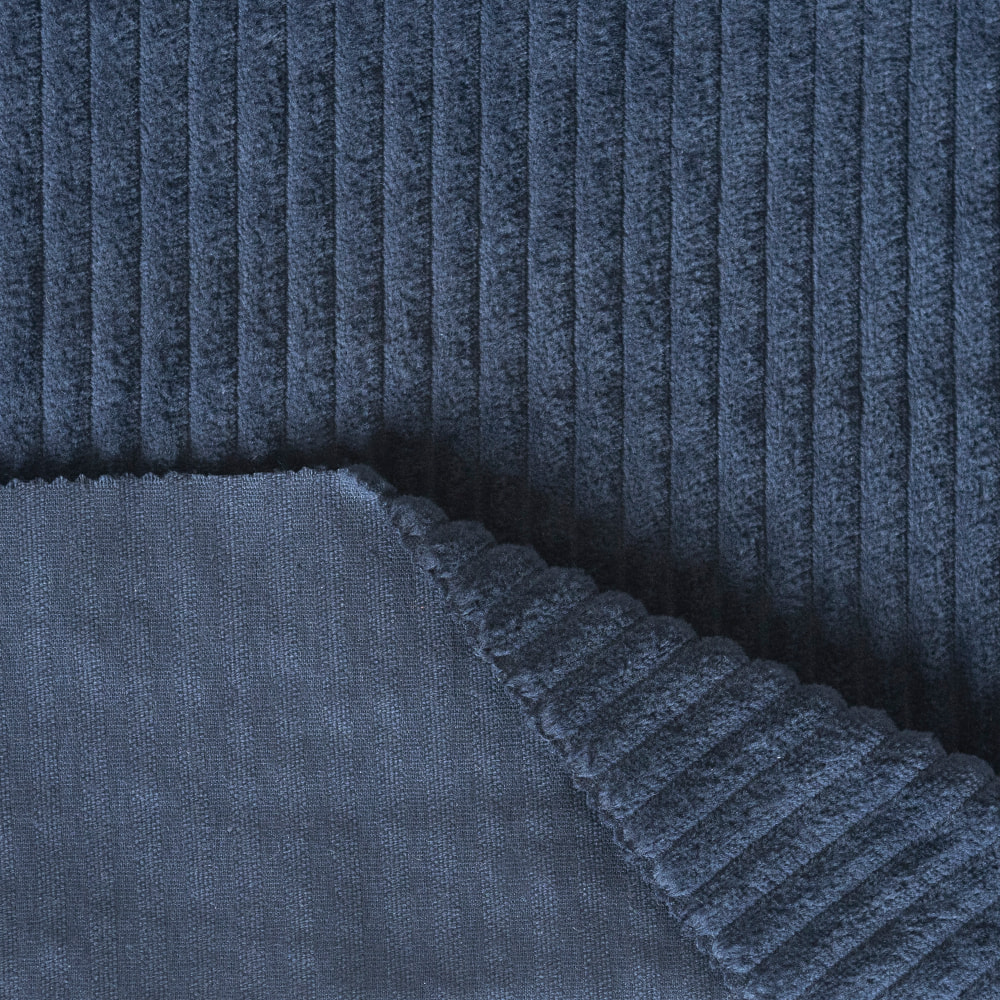


Get Directions
Textile Industry Zone, East Hutang Town, Wujin District,213100 Changzhou,China
Since around 2020, corduroy has become one of the most in-demand upholstery fabrics across residential interiors and hospitality design. That shift is not a coincidence. It reflects a broader turn in interior design toward tactile, comfort-forward surfaces — and corduroy delivers exactly that combination: a fabric that feels warm, looks textured, and holds up to the practical demands of furniture far better than its soft appearance suggests. For anyone choosing fabric for a sofa, armchair, ottoman, headboard, or cushion, understanding how upholstery corduroy actually behaves — and what separates a good specification from a poor one — is the starting point for a decision that will last years.
Content
The appeal of corduroy for upholstery is structural, not just aesthetic. The raised wale surface does several useful things simultaneously. Visually, it creates depth and dimension through light interaction — a corduroy sofa reads differently from every angle, producing a dynamic, living surface quality that flat fabrics cannot match. Practically, the pile construction concentrates wear on the tips of the ridges rather than the flat weave base, distributing abrasion across a larger effective surface area and slowing the rate at which high-use zones show wear.
The wales also perform an informal camouflage function for everyday use. Small crease lines, minor surface compression from sitting, and light dust particles tend to disappear visually into the texture of the pile rather than showing prominently as they would on a flat, smooth upholstery fabric. This makes corduroy a particularly practical choice for furniture that receives frequent, heavy use — family sofas, dining chairs, children's room seating — where a pristine surface appearance after every use is not realistic.
Thermally, corduroy's pile construction creates micro air pockets between the ridges that provide natural insulation. A corduroy chair or sofa does not feel cold to the touch in the way that many woven fabrics or synthetic materials do, which contributes to the immediate perception of comfort that drives corduroy's popularity in living spaces.
The wale count determines the visual scale of the fabric — how prominent the ridges are — and it should be matched to the size and visual weight of the furniture piece it will cover.
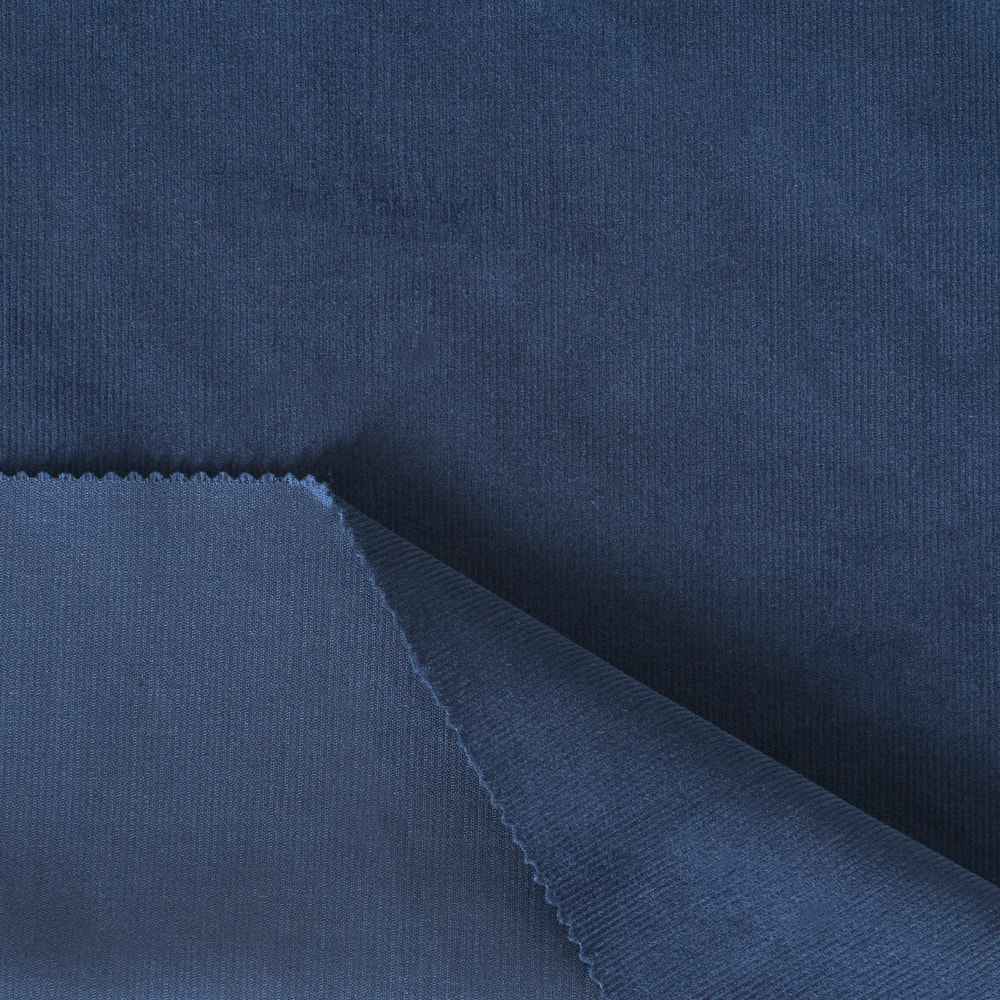
Fine wale (16–21 wales per inch) creates a subtle, refined surface with ridges barely visible from a distance. On upholstery, this reads almost like a structured plain fabric with a soft texture. Fine-wale corduroy suits formal furniture — occasional chairs, dining seating, tailored headboards — and contemporary interiors where a clean, restrained aesthetic is the objective. The texture adds interest without dominating.
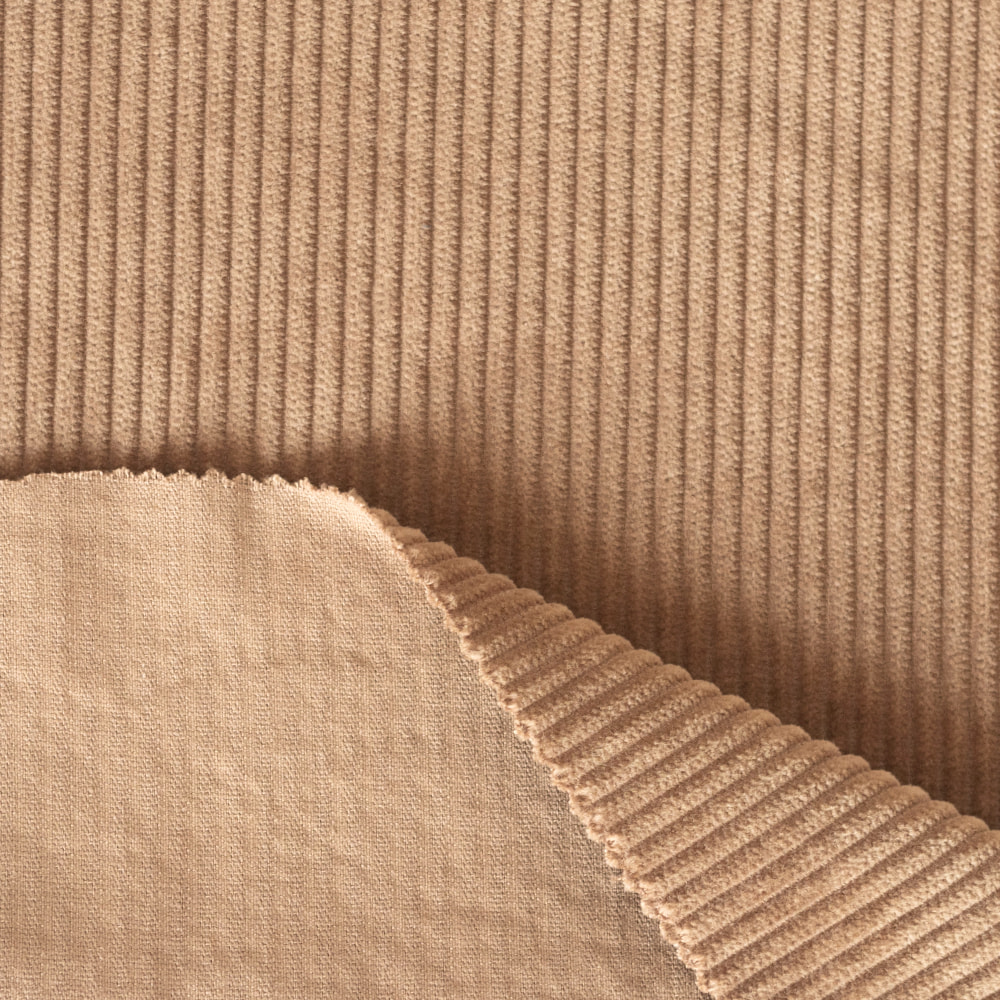
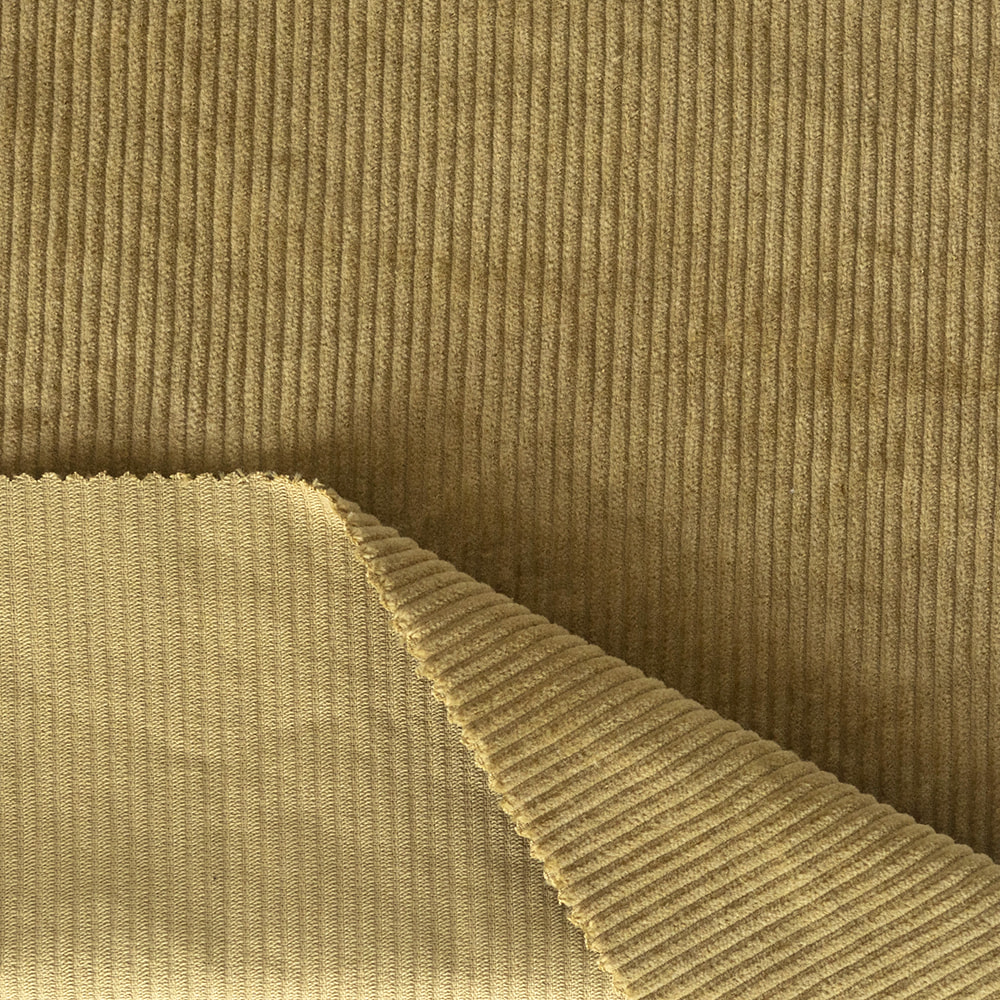
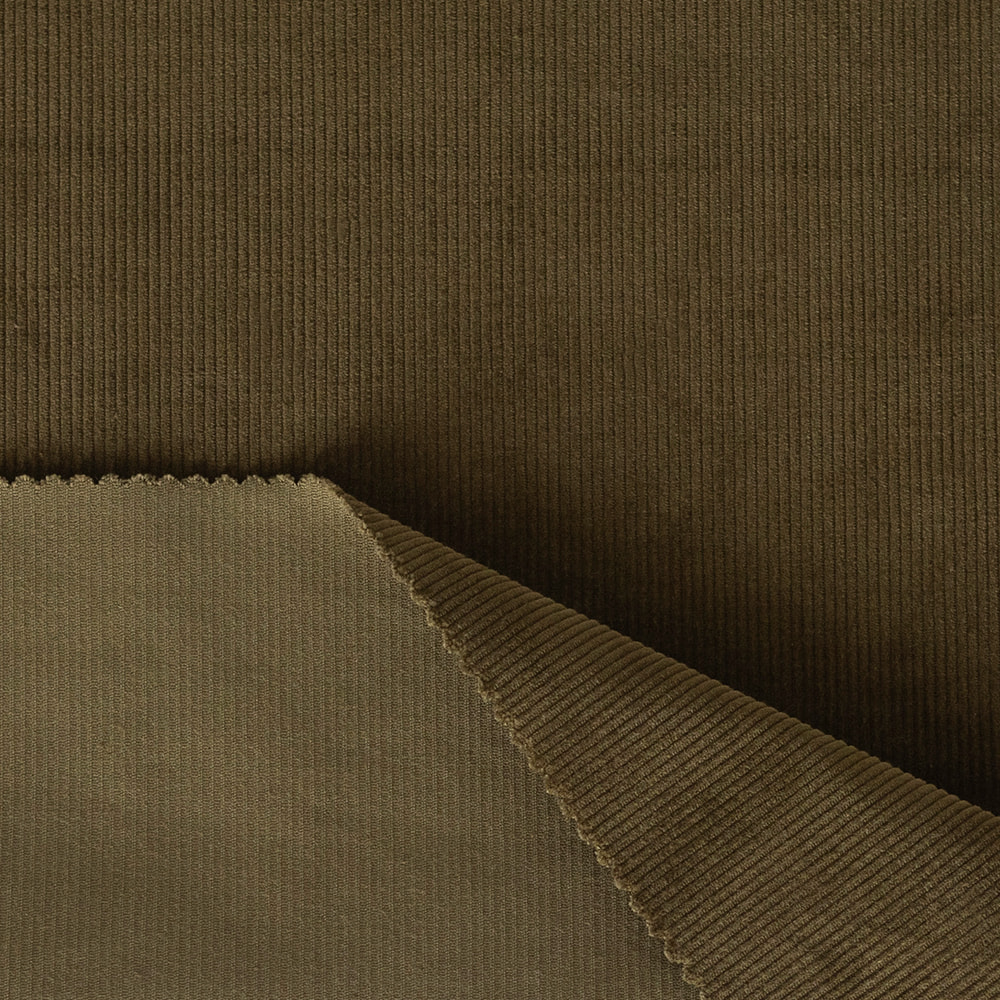
Medium wale (8–15 wales per inch) is the most versatile specification for upholstery use. The ridges are visible and contribute clearly to the fabric's character, but they scale proportionally to most standard furniture sizes. Medium-wale corduroy works across a wide range of furniture types — two- and three-seat sofas, armchairs, ottomans, bench seating — and suits both contemporary and transitional interior styles. The 6-wale cotton corduroy fabric specifically developed for upholstery applications sits at the bolder end of this range, with ridges substantial enough to create strong visual impact on larger furniture pieces.
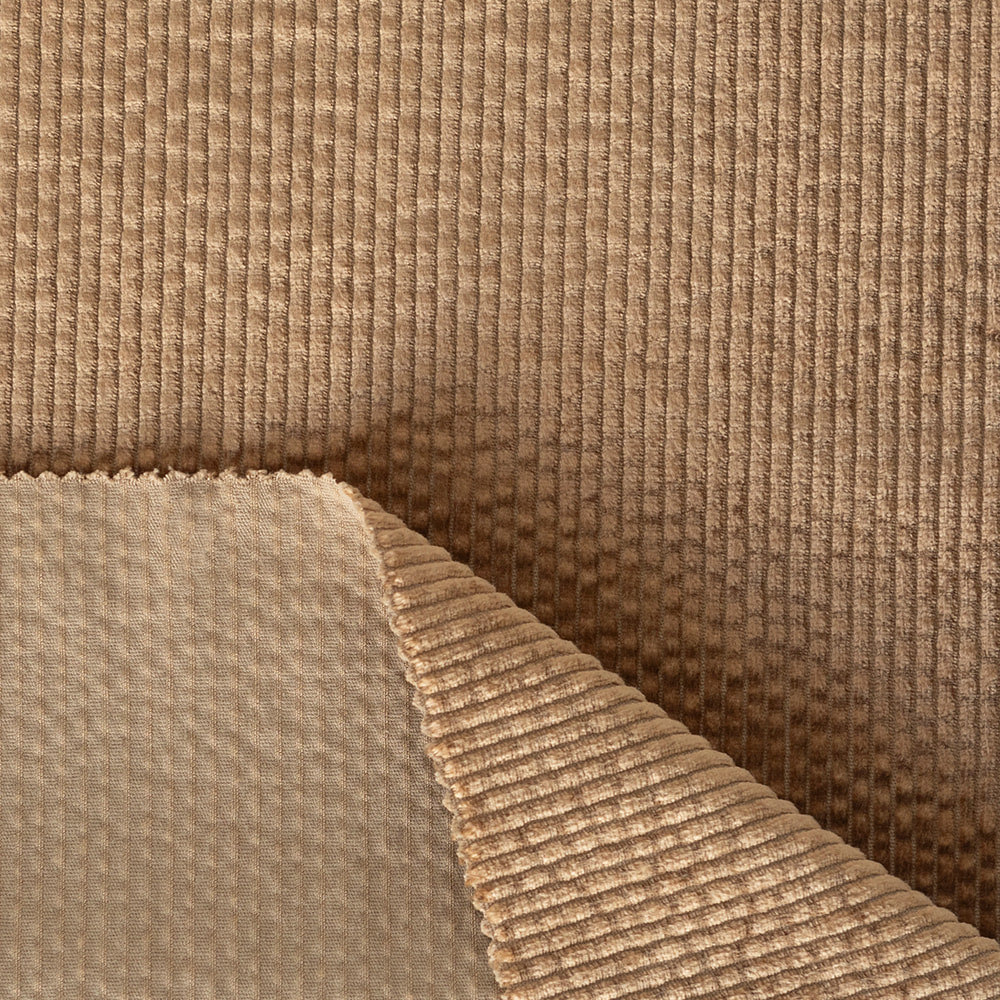
Wide wale (3–8 wales per inch) is the specification most associated with the current corduroy revival in interior design. Bold, tactile ridges create unmistakable visual presence that works best on larger furniture — generous sofas, statement armchairs, substantial footstools — where the scale of the pattern is proportional to the piece. Wide-wale corduroy reads as retro-inflected and maximalist; it is a design choice as much as a fabric choice, and it should be made deliberately.
A practical rule: larger furniture pieces can carry broader wales comfortably. Smaller accent chairs, cushions, and decorative pieces suit finer ribs. Mismatching scale — wide-wale fabric on a petite accent chair, for instance — tends to look out of proportion regardless of how well the color works.

The fiber composition of upholstery corduroy directly affects its durability, cleanability, and long-term appearance. For furniture applications, these factors carry more weight than they do in garment contexts, where fabrics are washed regularly and replaced more frequently.
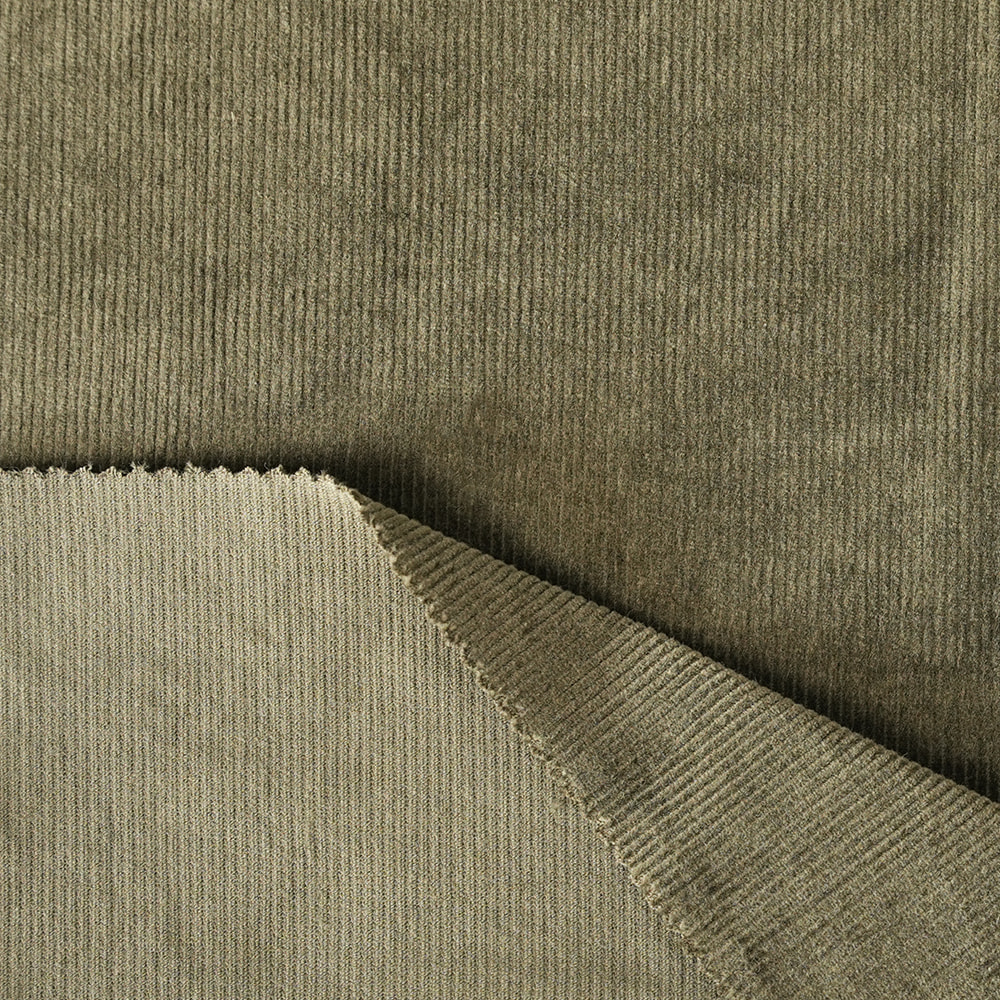
Cotton corduroy is the traditional upholstery choice. Cotton fibers are strong, capable of accepting rich dye colors including deep blacks and saturated tones, and breathable in use. The limitation of pure cotton for upholstery is relatively low abrasion resistance compared to synthetic blends — cotton corduroy shows wear more readily under daily use than a polyester-reinforced equivalent. For furniture receiving light to moderate use, or for interiors where natural fiber credentials are important, cotton remains a valid and popular specification.
Polyester-cotton blends address the durability limitation directly. Polyester fibers have significantly higher tensile strength and abrasion resistance than cotton; in a blended corduroy, polyester reinforces the structure of both the ground weave and the pile yarns, extending the fabric's service life meaningfully. The polyester-cotton piece-dyed corduroy is often the preferred specification for commercial upholstery applications — hotel seating, restaurant banquettes, and office furniture — where high use frequency demands extended fabric life.
Cotton-spandex constructions add conformability to upholstery corduroy — the stretch allows the fabric to follow curved furniture profiles cleanly without pulling or puckering at corners and seams. The 8-wale cotton-spandex stretch corduroy suitable for home textiles is particularly useful for upholstering furniture with compound curves — rounded arms, barrel chairs, curved bench seating — where non-stretch fabrics require complex pattern cutting to achieve a clean result.
Standard single-layer corduroy covers the majority of upholstery applications, but specialist constructions extend the possibilities for demanding or decorative projects.
Double-weave corduroy bonds two layers of fabric together in the weaving process, producing a fabric with substantially greater weight, body, and structural integrity than a single-layer equivalent. For upholstery, this translates into a fabric that holds its shape under sustained compression — important for seat cushions and back panels that need to resist the physical memory of repeated use. The double-weave corduroy fabric is the specification of choice for heavy-duty upholstery projects where fabric longevity and structural performance are the primary requirements.
Jacquard and dobby corduroy introduces woven-in patterns — geometric motifs, organic textures, or repeating structures — created by controlling individual warp yarns through electronic jacquard or dobby loom mechanisms. On an upholstery corduroy, this produces a fabric where the ribbed texture of corduroy intersects with a second layer of surface pattern, creating complex visual effects that cannot be achieved through printing or simple weaving. The jacquard dobby corduroy fabric with woven-in pattern designs suits decorative upholstery applications — headboards, accent chairs, cushion covers — where a standard solid corduroy is too plain but a printed fabric lacks the structural depth that a woven pattern provides.
Color choice in corduroy upholstery operates differently from color choice in flat fabrics, because the pile surface changes color appearance with viewing angle and light direction. A warm ochre or dusty green that appears balanced in direct light reads warmer and deeper in oblique light, as shadows pool in the valleys between wales. This directional character makes corduroy inherently richer in color than an equivalent flat fabric — but it also means that evaluating samples under a single light source is insufficient. Always assess corduroy upholstery samples in the actual room under the room's actual lighting conditions before committing to a specification.
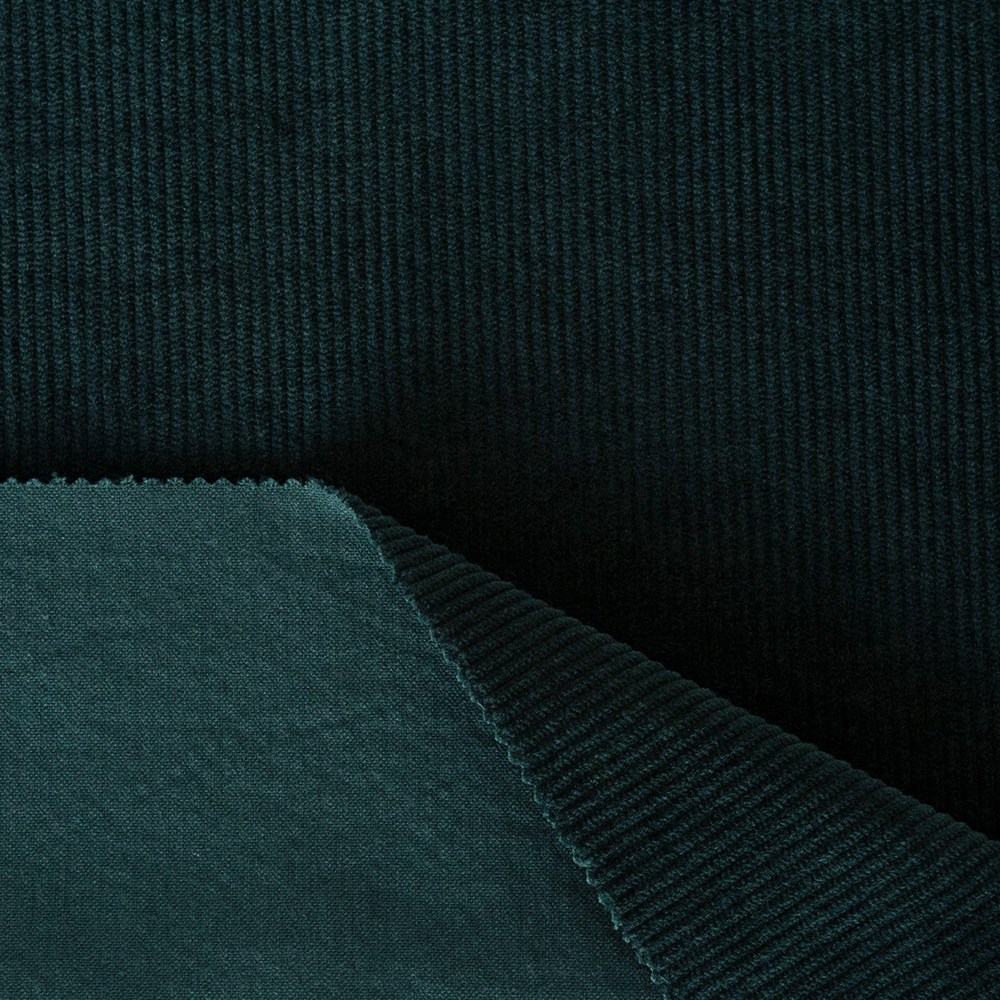
Neutral corduroy colorways — warm off-whites, taupes, warm greys, and camel tones — suit the widest range of interior contexts and are the safest specification for commercial upholstery projects where the furniture needs to work across multiple color schemes. Deeper jewel tones — navy, forest green, burgundy, teal — maximize the light-play effect of the pile and work particularly well in rooms where the furniture is intended as a focal point. Black and very dark charcoal corduroy upholstery reads as sophisticated and modern while retaining the warmth and tactility that distinguishes it from leather or flat-woven alternatives.
| Furniture Type | Recommended Wale | Recommended Construction | Notes |
|---|---|---|---|
| Large sofa (3+ seats) | Wide to medium (6–12w) | Double weave or heavy cotton | Scale supports bold wales; weight needed for seat durability |
| Armchair / accent chair | Medium (8–15w) | Cotton or cotton-poly blend | Balance between texture impact and proportional fit |
| Curved/barrel chair | Fine to medium (12–21w) | Stretch or cotton-spandex | Stretch aids clean fit over curves without pulling |
| Ottoman / footstool | Wide wale (3–8w) | Heavy cotton or double weave | High abrasion area; weight and structure recommended |
| Dining chair seat pad | Fine to medium (12–15w) | Polyester-cotton blend | Durability priority; poly blend resists food and wear |
| Headboard | Fine to wide (any) | Jacquard or plain, any fiber | Low-abrasion use; aesthetic choice leads specification |
| Cushions / throw pillows | Any wale | Any construction | Easily replaceable; can use bolder or experimental specs |
Corduroy upholstery requires straightforward but consistent maintenance to preserve the pile structure that makes it attractive. Unlike smooth fabrics where surface debris is immediately visible, corduroy's ridges can trap dust and fine particles between the wales — accumulation that eventually dulls the fabric's appearance and, if left, can work down into the base weave.
For interior designers, furniture manufacturers, and procurement teams ordering upholstery corduroy at production scale, the specification checklist should cover: wale count, fabric weight (g/m²), fiber composition and blend ratio, stretch level, weave construction type, dyeing method, and any required performance finishes such as stain resistance, flame retardancy, or anti-pill treatment.
Each of these parameters interacts. A wide-wale fabric at 200 g/m² will not perform the same as a wide-wale at 350 g/m². A polyester-cotton blend will accept dye differently from pure cotton and may require adjusted color standards. Defining the full specification upfront eliminates the production-stage discoveries that delay projects and compromise finished outcomes.
The complete range of corduroy fabric products spanning cotton, blended, stretch, and specialty constructions covers the full spectrum of upholstery requirements — from entry-level standard-wale cotton to heavy double-weave and decorative jacquard constructions — allowing specification decisions to be made against actual production-grade samples rather than generic descriptions.
Please feel welcome to contact our friendly reception staff with any general call us

+86 139 6116 7127

Email: cloud@jacquardcloth.com

Textile Industry Zone, East Hutang Town, Wujin District,213100 Changzhou,China
