

 English
 日本語
日本語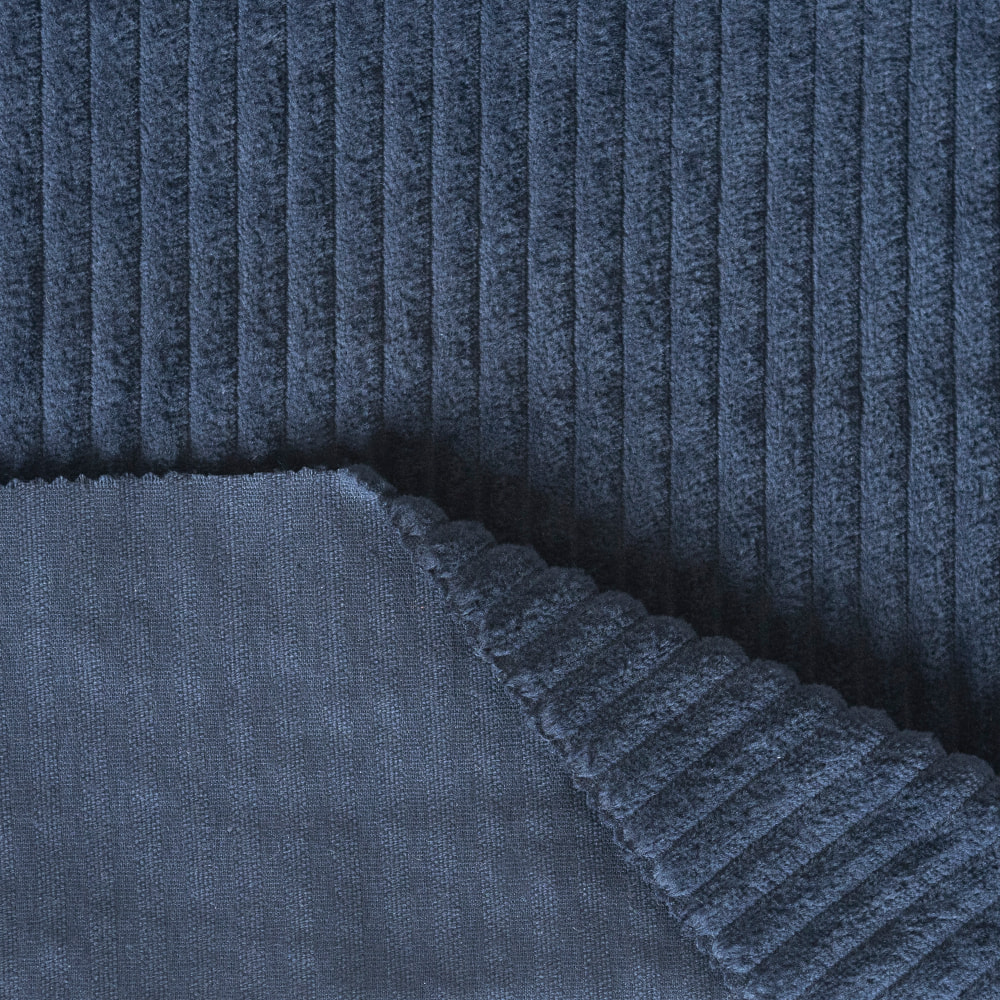


Get Directions
Textile Industry Zone, East Hutang Town, Wujin District,213100 Changzhou,China
Content
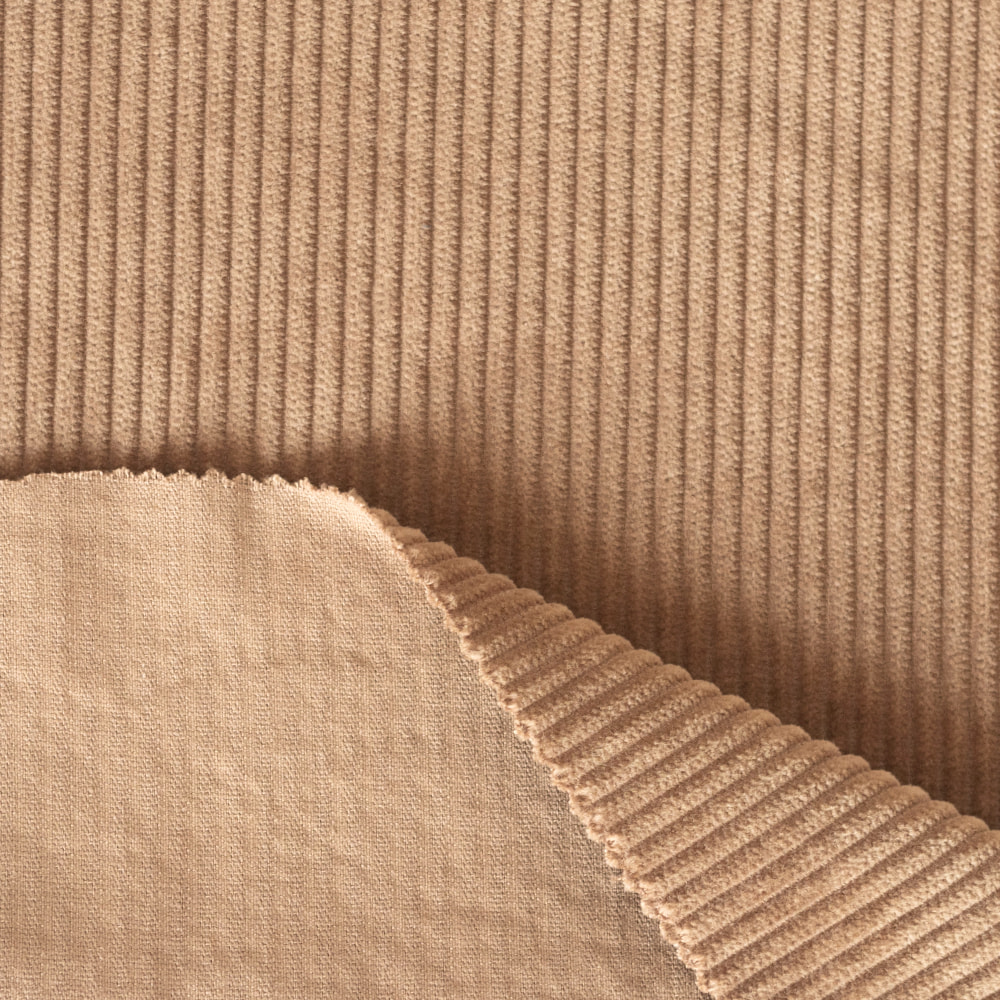
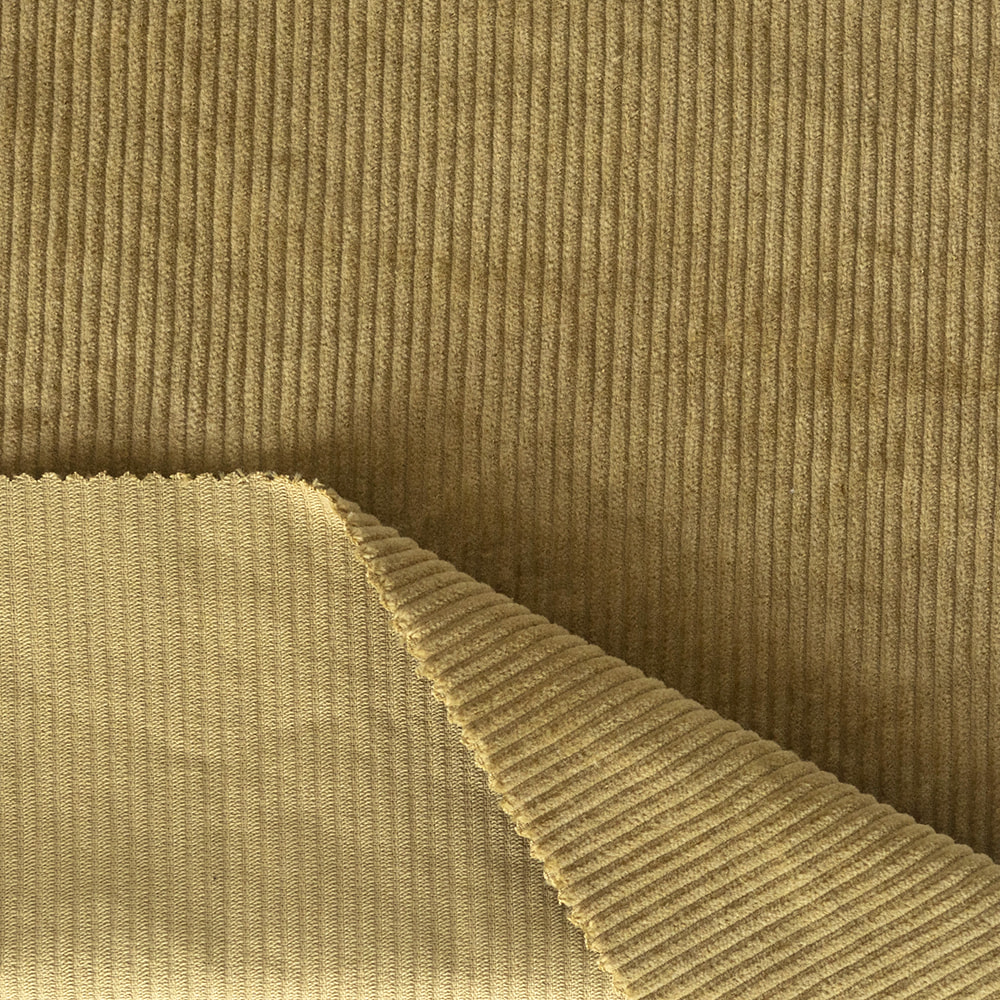
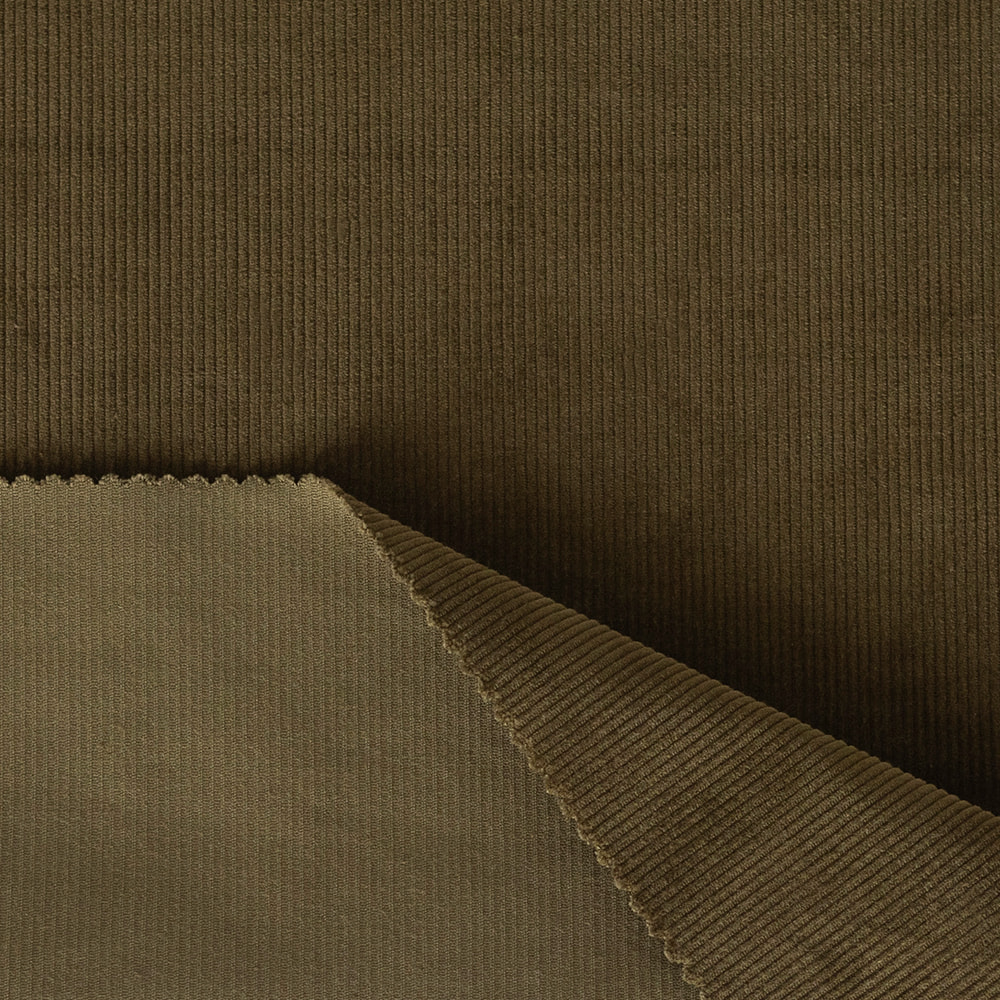
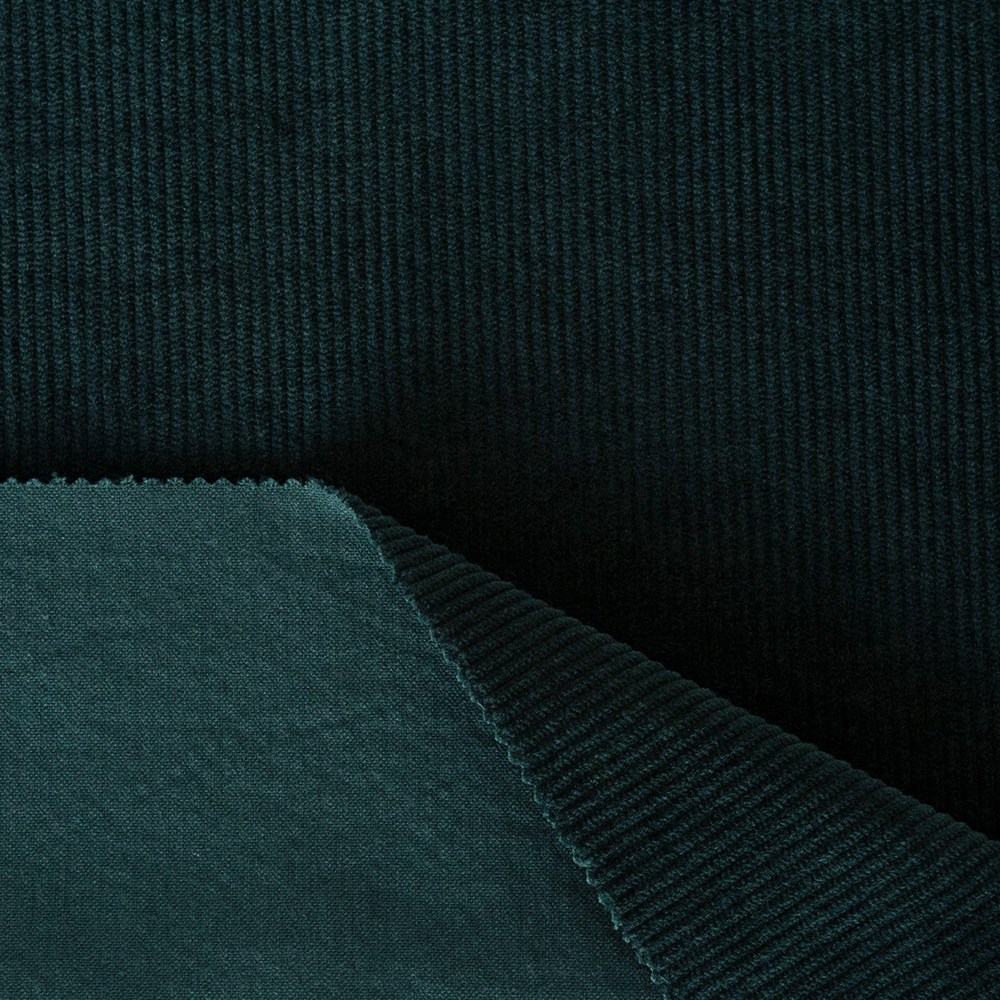
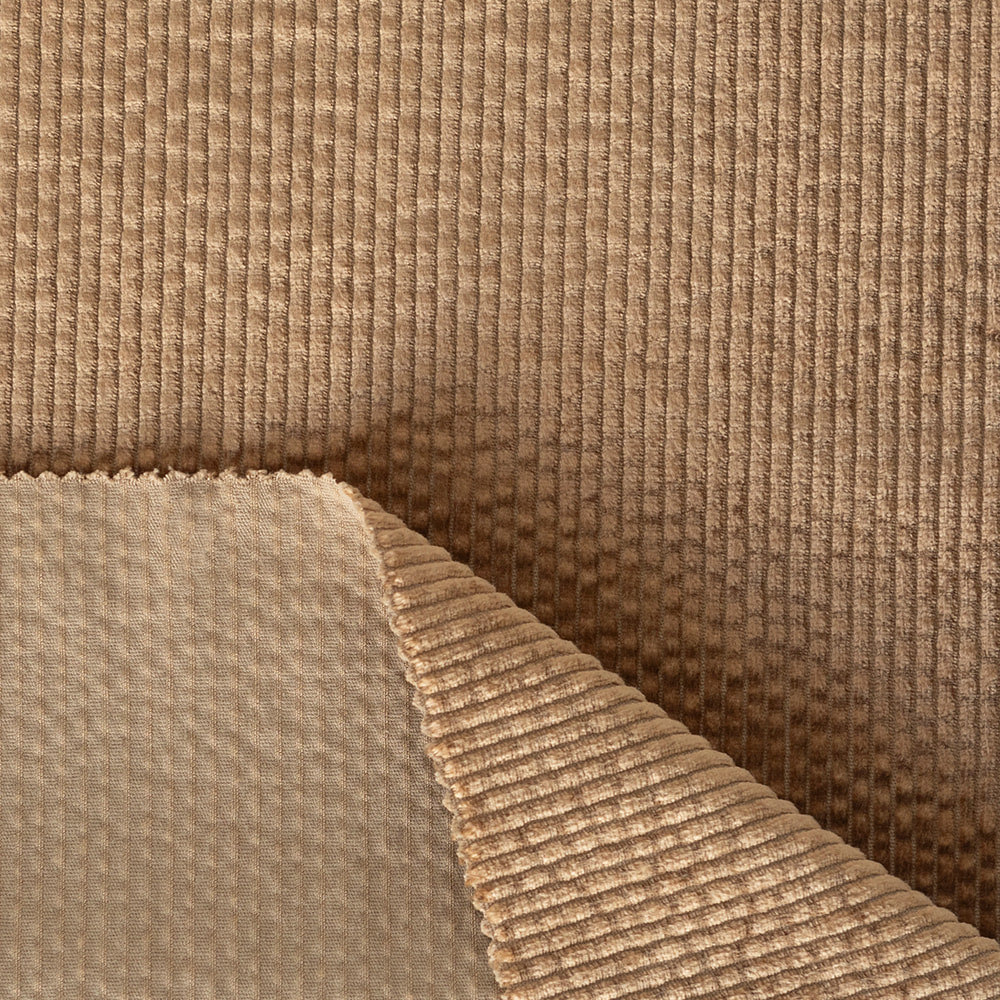
Corduroy is not simply a textured fabric — it is an engineered one. The signature raised ridges, known as wales, are created by weaving extra yarn into a base cloth and then cutting it to produce a uniform pile. Each ridge runs vertically along the fabric, forming a series of soft columns that give corduroy its immediately recognizable appearance and tactile depth.
Those ridges do more than look distinctive. Structurally, the wale system distributes surface stress across multiple raised columns rather than concentrating it on a flat plane. This is why corduroy resists wear differently from plain-woven fabrics — friction is absorbed by the tops of the wales rather than grinding directly into the weave itself. For a sofa that will be sat on daily for years, that structural advantage compounds over time into noticeably longer upholstery life.
The pile also creates a soft, napped surface that responds to touch and light direction, giving the fabric a subtle shimmer when viewed at different angles. On a sectional sofa, this means the same piece of furniture can look slightly different depending on where you sit — a quiet visual richness that flat fabrics simply cannot replicate.
Several fabric properties converge to make corduroy a genuinely strong choice for upholstered seating, and understanding them separately helps clarify why the material performs the way it does.
Abrasion resistance is the most practically significant. The wale structure means the fabric surface has a built-in buffer layer — the pile — that takes the brunt of daily contact before the base weave is ever stressed. High-quality cotton piece-dyed corduroy fabric with a tight, dense weave can withstand substantial use without thinning, pilling, or fraying at the surface.
Breathability matters more on seating than most people anticipate. Corduroy's pile construction allows air to circulate between the ridges, reducing the heat buildup that sealed or synthetic fabrics produce after prolonged sitting. This makes it more comfortable for extended use than many comparable upholstery materials.
Pilling resistance is another advantage rooted in the weave. Unlike looped fabrics or loosely spun blends, corduroy's cut-pile construction means the fiber ends are locked into the weave rather than left free to tangle and ball. The result is a surface that stays smooth-looking even after sustained contact and washing.
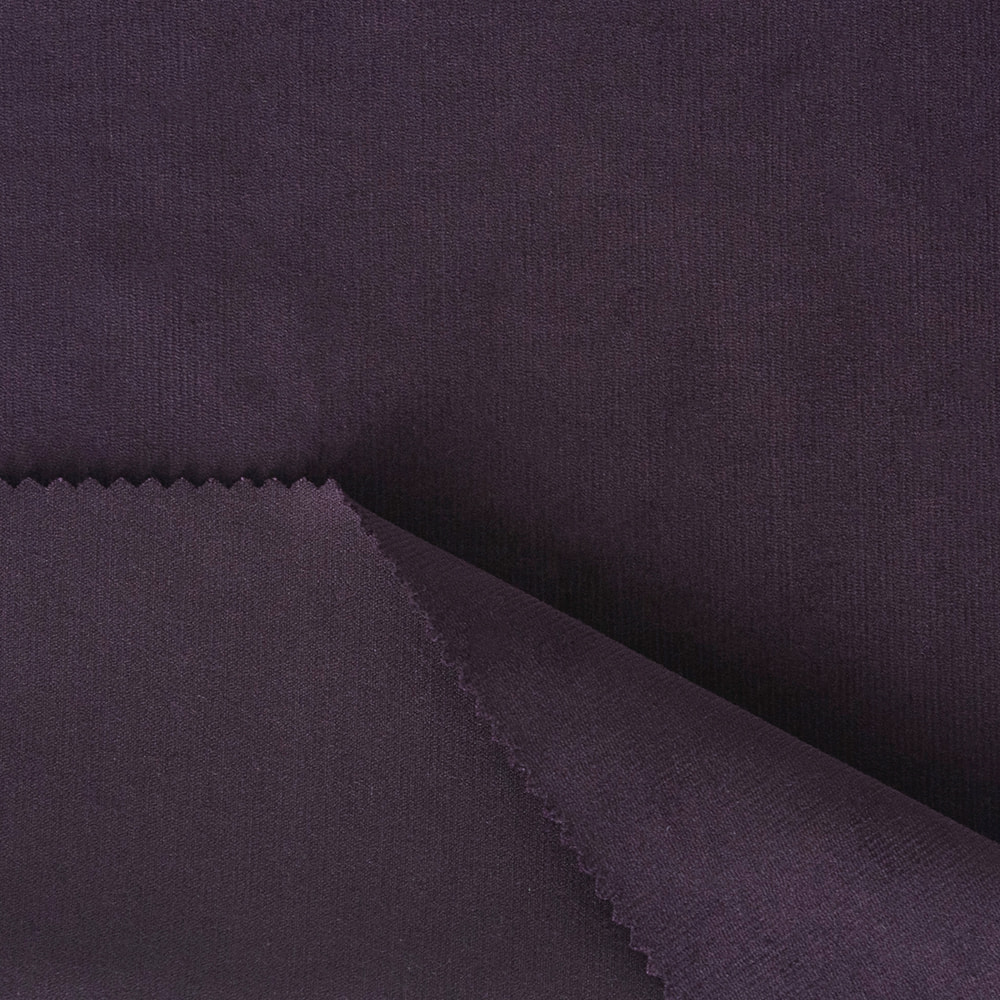
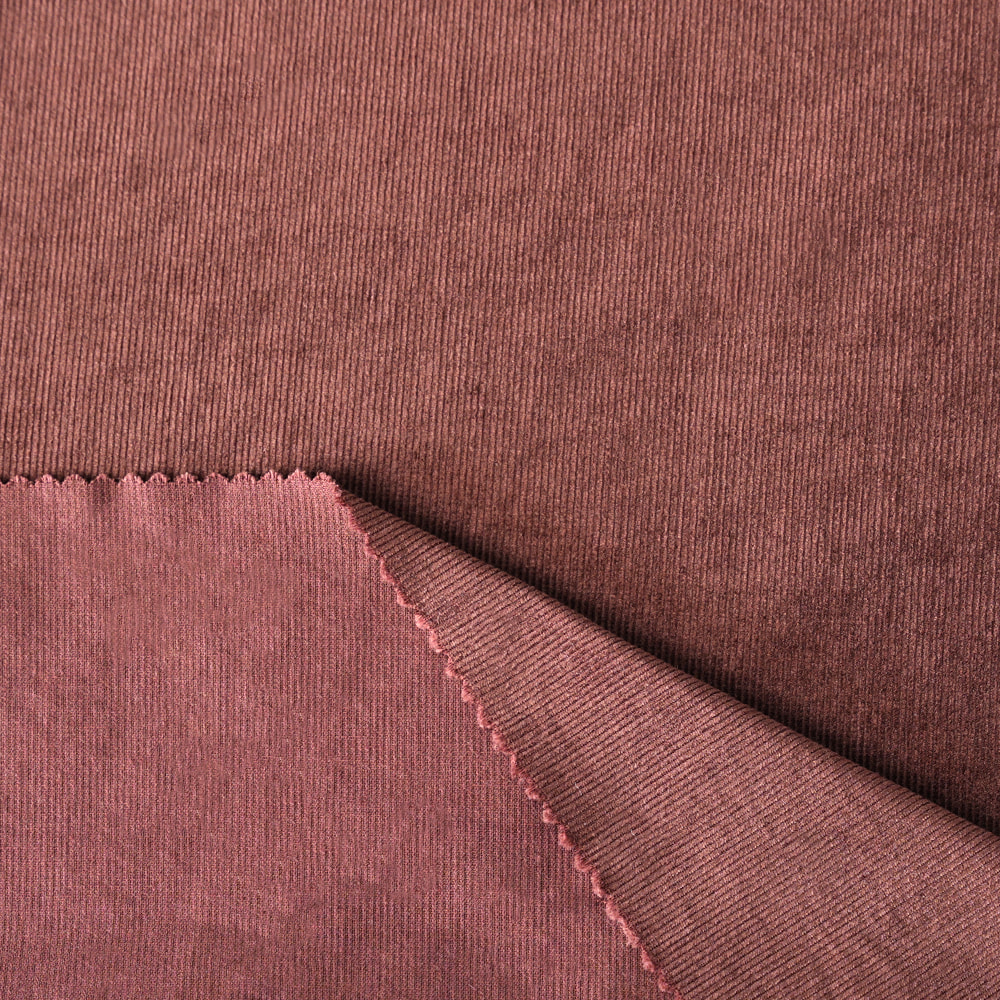
Color depth and retention round out the profile. The pile structure absorbs dye evenly and holds it well, which is why corduroy tends to display particularly rich, saturated colors — a quality that translates directly into sectional sofas that look intentional and tailored rather than flat or forgettable.

The number of wales per inch — expressed as 6W, 13W, 21W, and so on — is one of the most important specifications to understand when selecting corduroy for upholstery. It affects not just appearance but structural behavior and tactile comfort in ways that matter over years of daily use.
| Wales Count | Wale Width | Texture Feel | Durability | Best Sofa Application |
|---|---|---|---|---|
| 4W – 6W | Wide / bold | Chunky, highly tactile | Excellent — thick pile absorbs heavy wear | Statement sectionals, high-traffic family rooms |
| 8W – 13W | Standard / medium | Balanced — soft yet structured | Very good — versatile everyday performance | General-purpose sectionals, living and lounge areas |
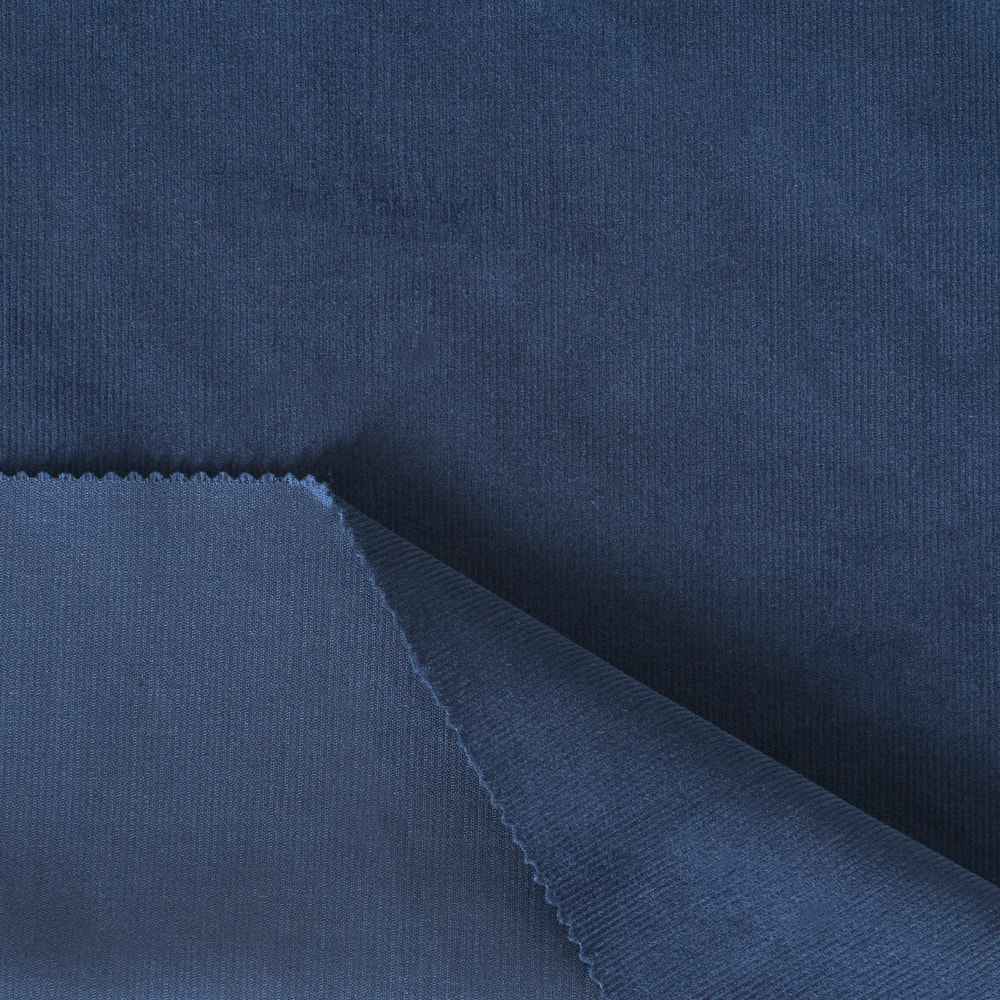
| 18W – 21W | Fine / pinwale | Smooth, almost suede-like | Good — less pile depth, more refined look | Low-profile modern sectionals, accent seating |
Wide-wale corduroy around 6 wales per inch is the traditional choice for upholstery. The thick ridges create a bold visual texture and provide a generous pile depth that cushions impact and resists compression over time. For sofas expected to handle significant daily use, this range is the most forgiving. Purpose-built wide-wale cotton corduroy upholstery fabric in this category is specifically constructed to deliver that plush, durable performance in seating applications.
Mid-range wales around 13W offer a cleaner, more contemporary appearance without sacrificing too much surface durability. They work particularly well in modern interiors where the texture should register as a design detail rather than a dominant feature.
Fine-wale corduroy at 21W and above is the most delicate of the three and better suited to accent chairs or decorative seating rather than high-use sectionals. Its softness is exceptional but its pile depth is shallower, which limits long-term wear resistance under daily household pressure.
The fiber content of a corduroy upholstery fabric determines how it performs in real conditions — how it ages, how it responds to body weight over time, and how easily it can be maintained. Not all corduroy is the same, and the differences in composition have direct consequences for sectional sofa applications.
Pure cotton corduroy is the classic benchmark. It is naturally breathable, hypoallergenic, and develops a pleasant softness with use. Its main limitation in upholstery is that it has no inherent stretch, which means fabric tension must be managed carefully during manufacturing. It is the most appropriate choice for traditional aesthetics and buyers who prioritize natural fiber content.
Cotton-spandex blends introduce elasticity into the weave. For sectional sofas with complex curves, wraparound arms, or modular components that require the fabric to conform to non-flat surfaces, a small percentage of spandex — typically 3–5% — allows the corduroy to stretch and recover without distorting the wale pattern. This is increasingly the preferred specification for contemporary modular designs. The double weave corduroy fabric construction takes this further, layering structural density for even greater dimensional stability in demanding upholstery applications.
Polyester-rayon-cotton blends optimize for a different set of priorities: color vibrancy, wrinkle recovery, and cost efficiency at scale. A blend of these three fibers produces a corduroy that holds dye exceptionally well, resists creasing during shipping and installation, and recovers its surface appearance after sustained pressure. For furniture manufacturers sourcing at volume, the stretch corduroy upholstery material for home textiles in this composition category offers a practical balance of aesthetic and structural performance.
The right composition depends on the specific demands of the sofa design — there is no universally superior choice. What matters is matching the fiber properties to the structural requirements of the piece and the usage expectations of the end customer.
Corduroy's ribbed texture gives it a visual warmth that pairs naturally with a wide range of interior styles, but it performs best when the surrounding decor leans into what the fabric already offers — tactility, depth, and a relaxed, considered aesthetic.
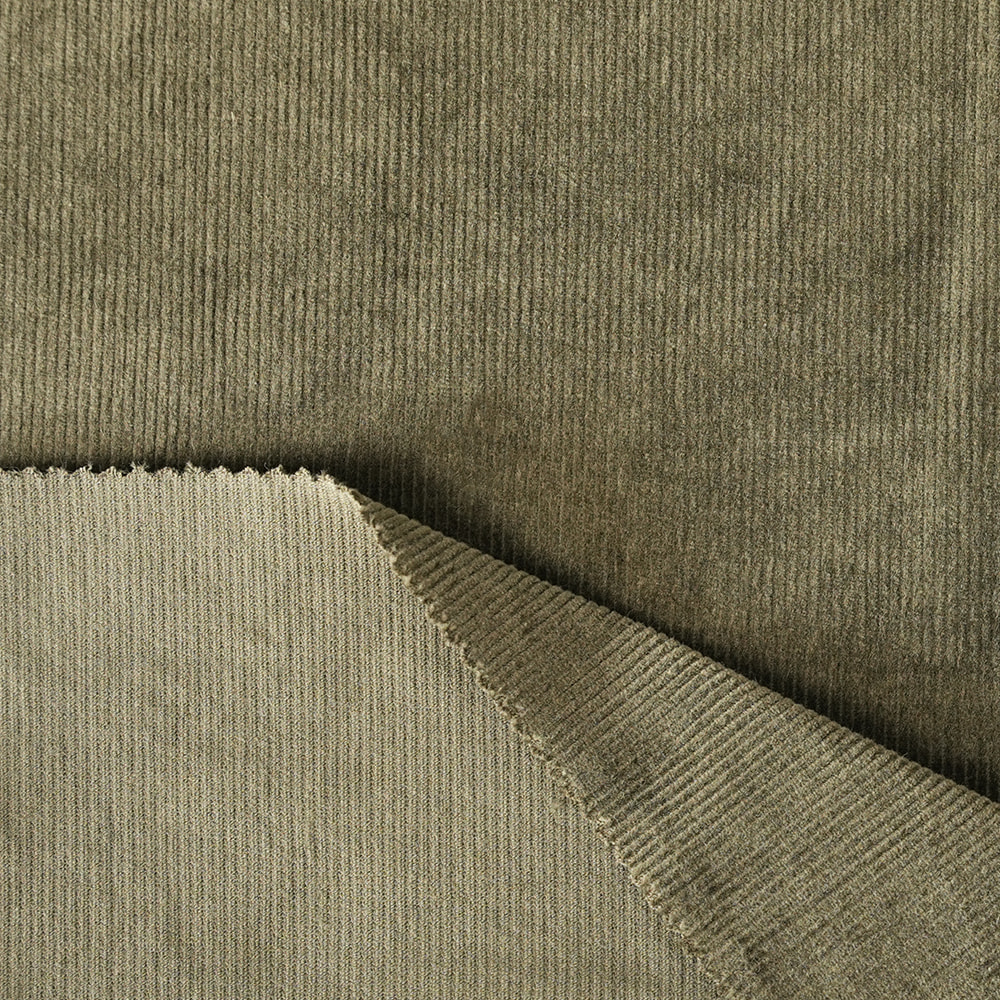
For retro and mid-century modern interiors, corduroy is an almost effortless match. Deep earthy tones — burnt sienna, olive, mustard, or terracotta — amplify the vintage character of the fabric's wale texture. Paired with low-profile wooden furniture and warm metallic accents, a corduroy sectional becomes the visual anchor of the room rather than background seating.
In contemporary and Scandinavian spaces, the key is restraint. Neutral corduroy tones — stone, off-white, slate, or warm gray — allow the texture itself to provide interest without competing with cleaner architectural elements. The pile catches diffuse light in a way that adds dimension to otherwise minimal rooms. Large-format sectional configurations work especially well here, occupying space with substance rather than visual noise.
For eclectic or maximalist interiors, corduroy invites contrast. Pairing it with leather accents, velvet throw cushions, or woven baskets creates a layered tactile experience where each material reinforces the others. Bold corduroy colors — deep navy, forest green, or burgundy — hold their own against patterned rugs and diverse accessory textures without overwhelming the space. The applications of corduroy fabric in home decoration extend well beyond the sofa itself, and understanding the broader decorative context helps buyers choose the right color and wale profile for their full interior vision.
Corduroy upholstery is more forgiving than its textured appearance suggests, but a few consistent habits make a significant difference in keeping it looking its best over years of use.
Vacuum regularly along the wale direction. The ridges trap dust, pet hair, and fine particles more readily than flat fabrics. A soft-brush attachment used in the direction of the pile — not across it — removes debris without flattening or distorting the wales. Making this a weekly habit prevents buildup that becomes harder to address once embedded.
Address spills immediately and carefully. Blot — never rub — with a clean, dry cloth to absorb liquid before it penetrates the pile. For residual staining, a mild soap solution applied with a soft cloth and worked gently along the wale direction is usually sufficient. Rubbing across the grain compresses and distorts the pile, which can leave a visible mark even after the stain itself is gone.
Keep corduroy upholstery out of prolonged direct sunlight. Like most dyed textiles, corduroy will fade with sustained UV exposure. In sun-facing rooms, repositioning the sofa slightly or using window treatments during peak daylight hours significantly extends the color life of the fabric.
If the pile develops a flattened or matted appearance in high-contact areas — seat centers and armrests being the most common — light steaming from a distance can restore the pile's lift without requiring cleaning. Hold the steamer several inches away and allow the moisture to work gently; direct contact can cause watermarks or over-compress the fibers. With consistent care, a quality corduroy sectional sofa retains both its appearance and its structural performance well beyond what most alternative upholstery fabrics can offer.
Please feel welcome to contact our friendly reception staff with any general call us

+86 139 6116 7127

Email: cloud@jacquardcloth.com

Textile Industry Zone, East Hutang Town, Wujin District,213100 Changzhou,China
