

 English
 日本語
日本語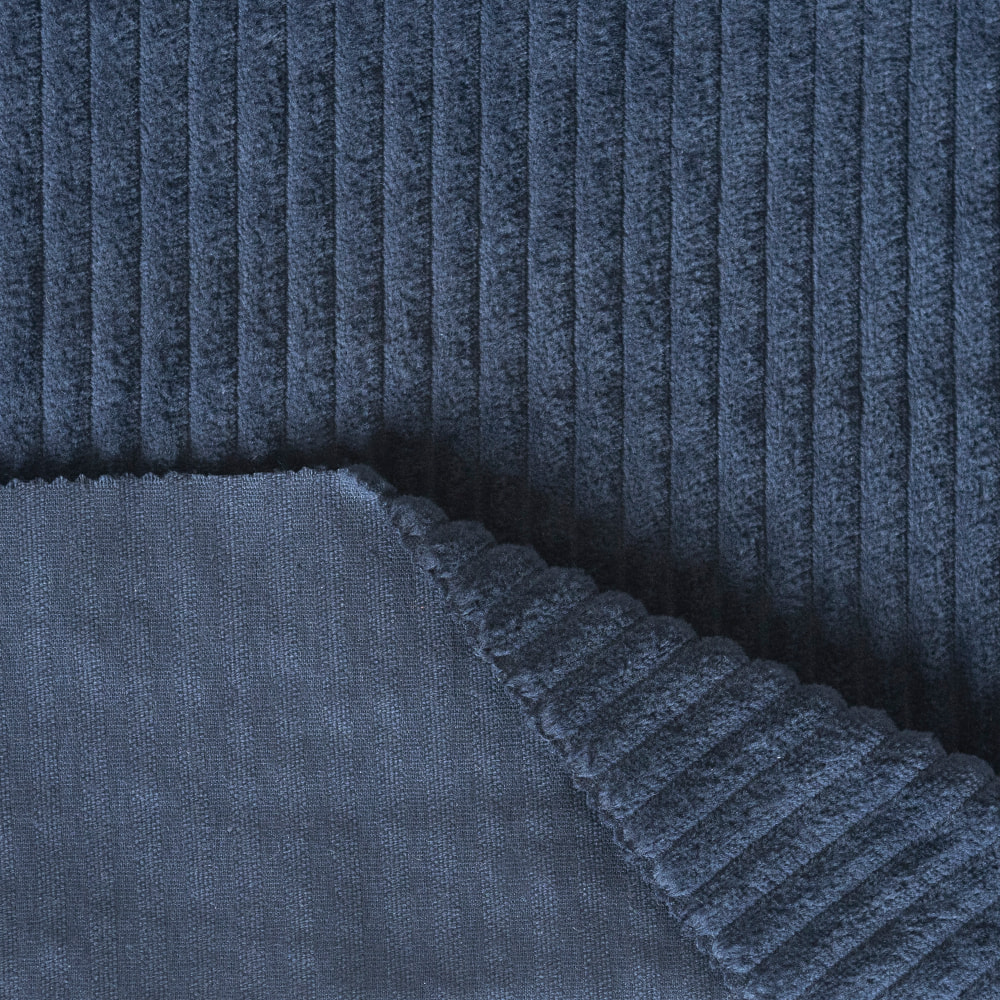


Get Directions
Textile Industry Zone, East Hutang Town, Wujin District,213100 Changzhou,China
Content
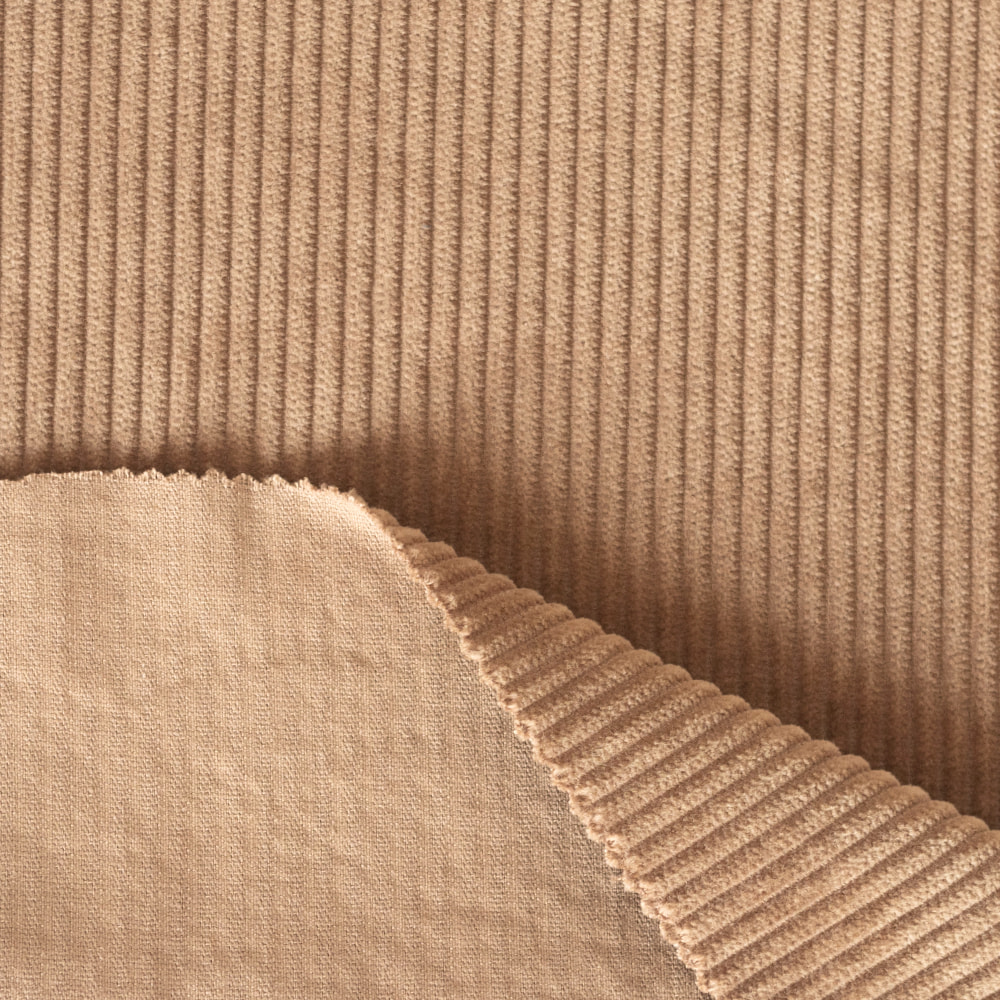
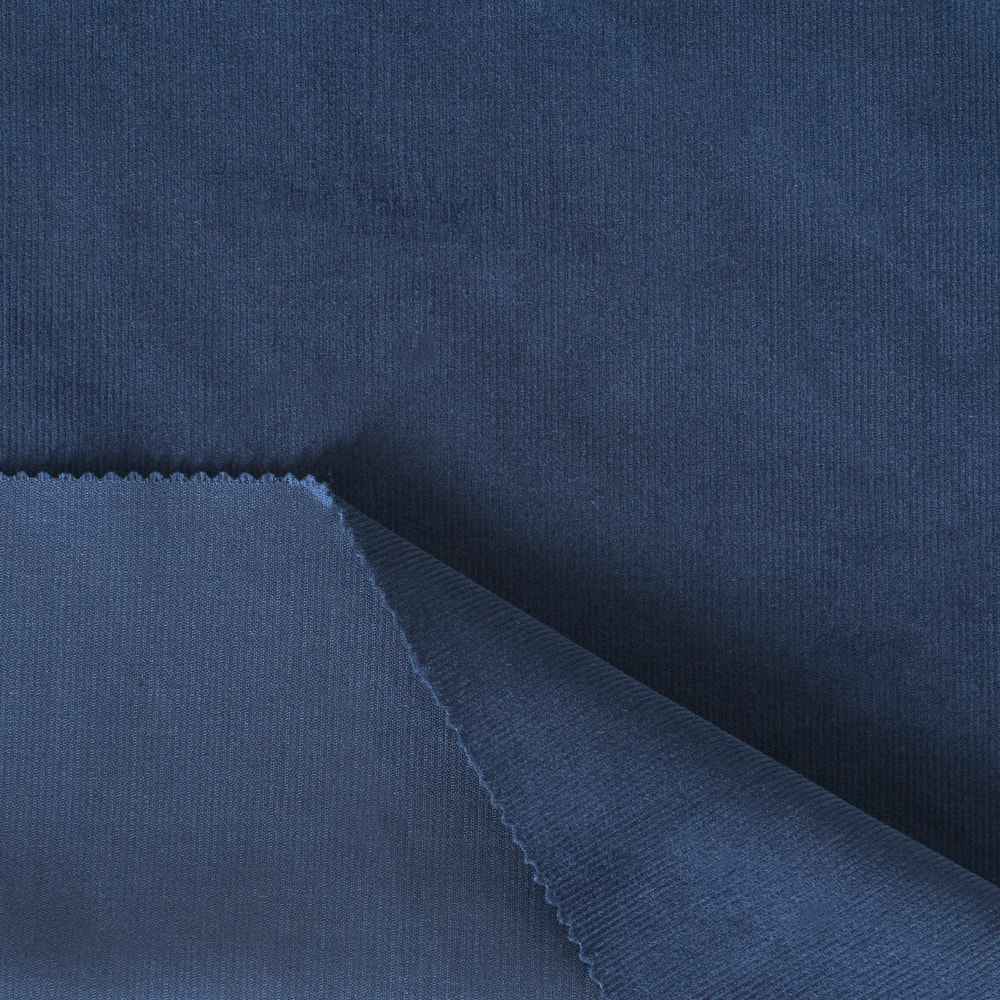
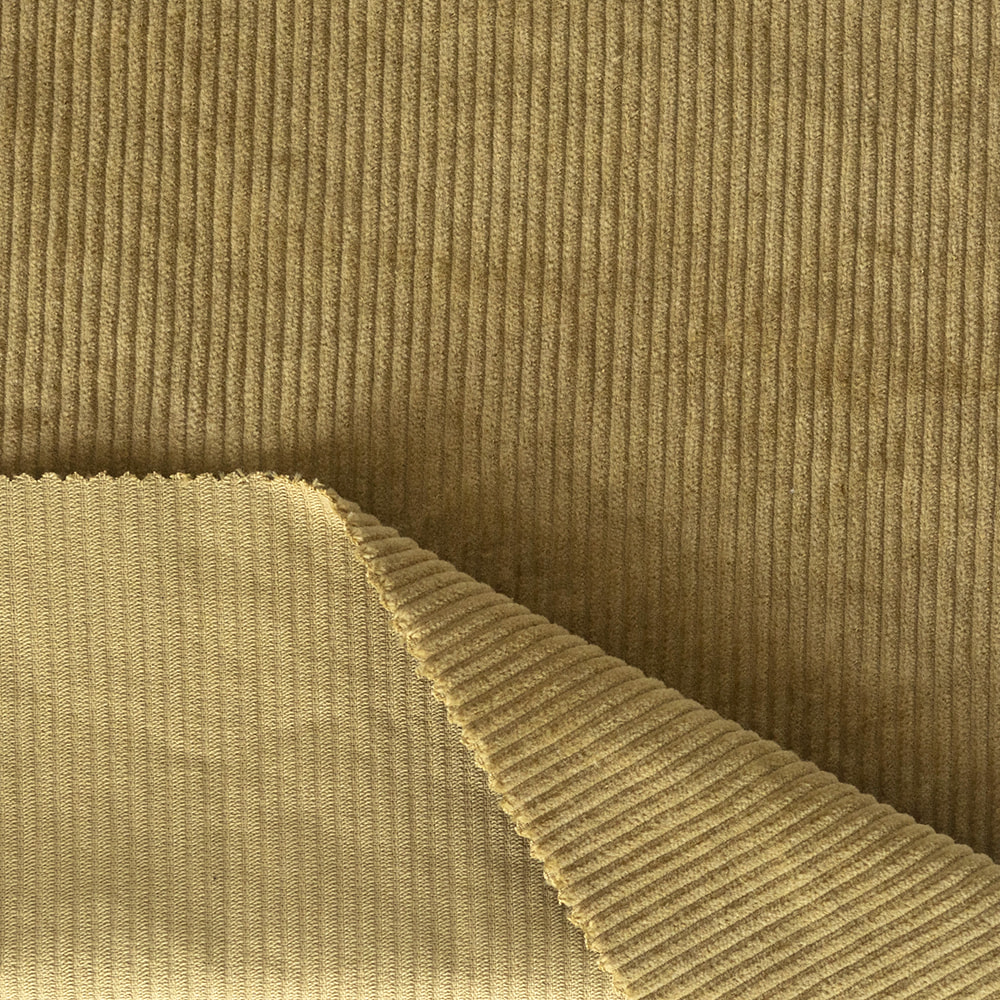
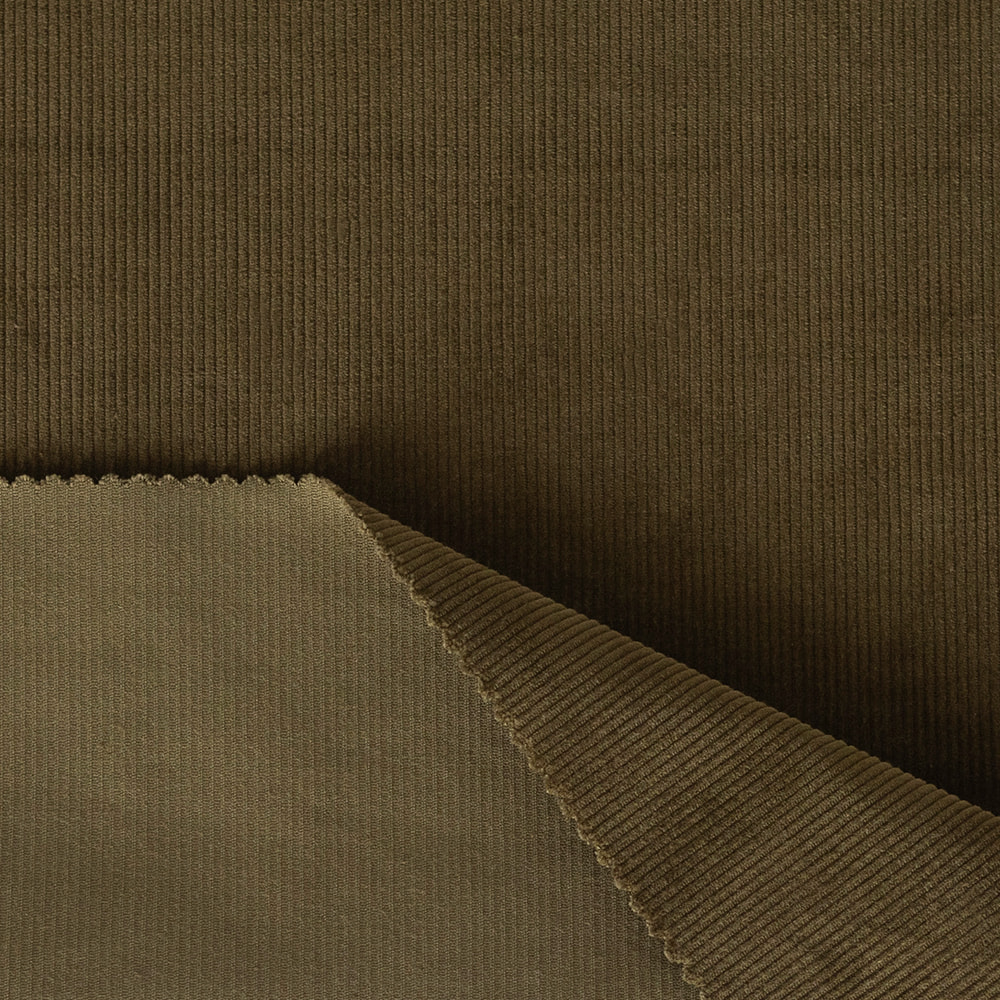
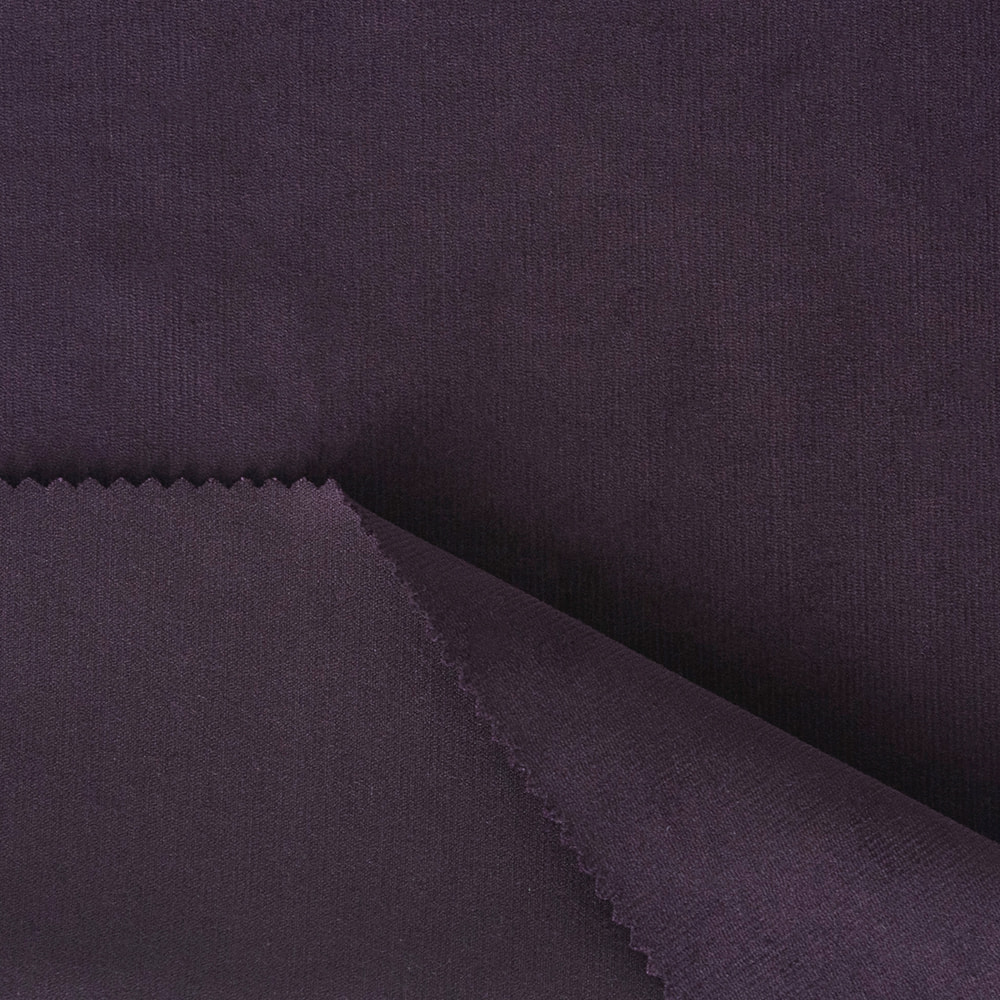
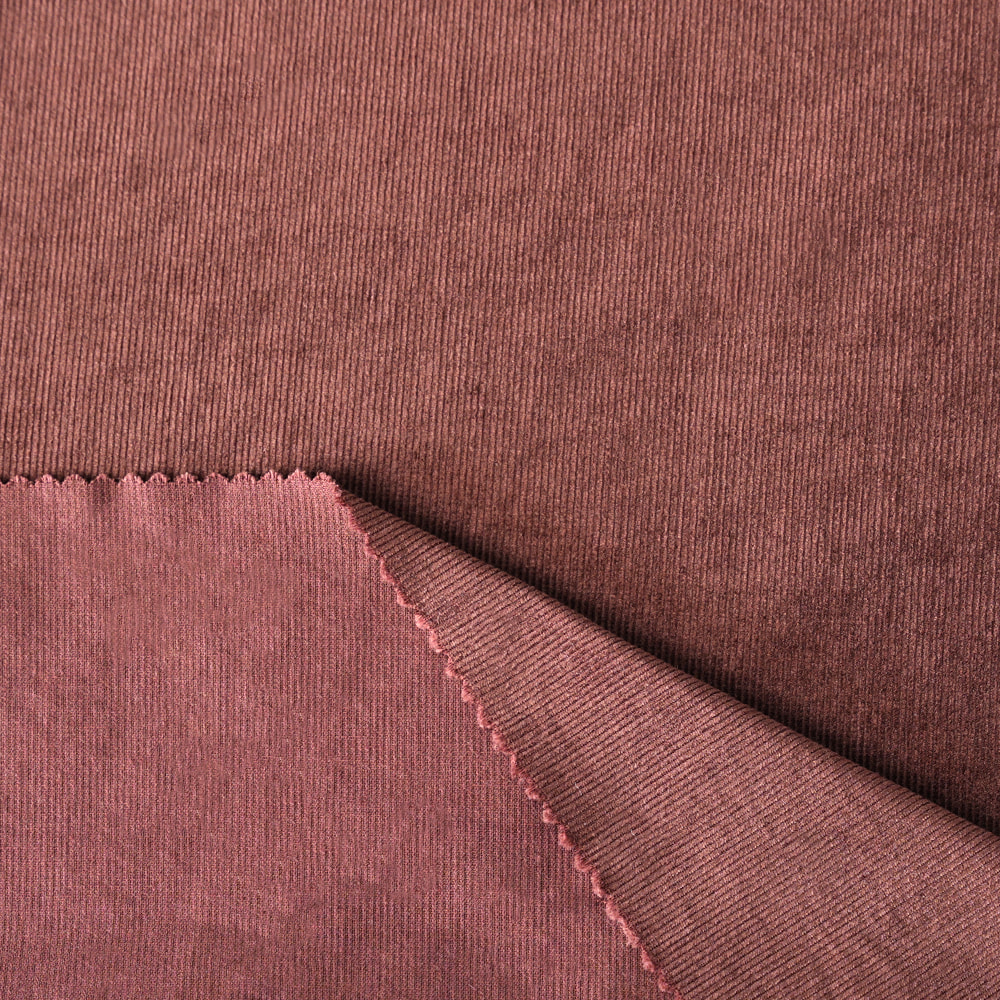
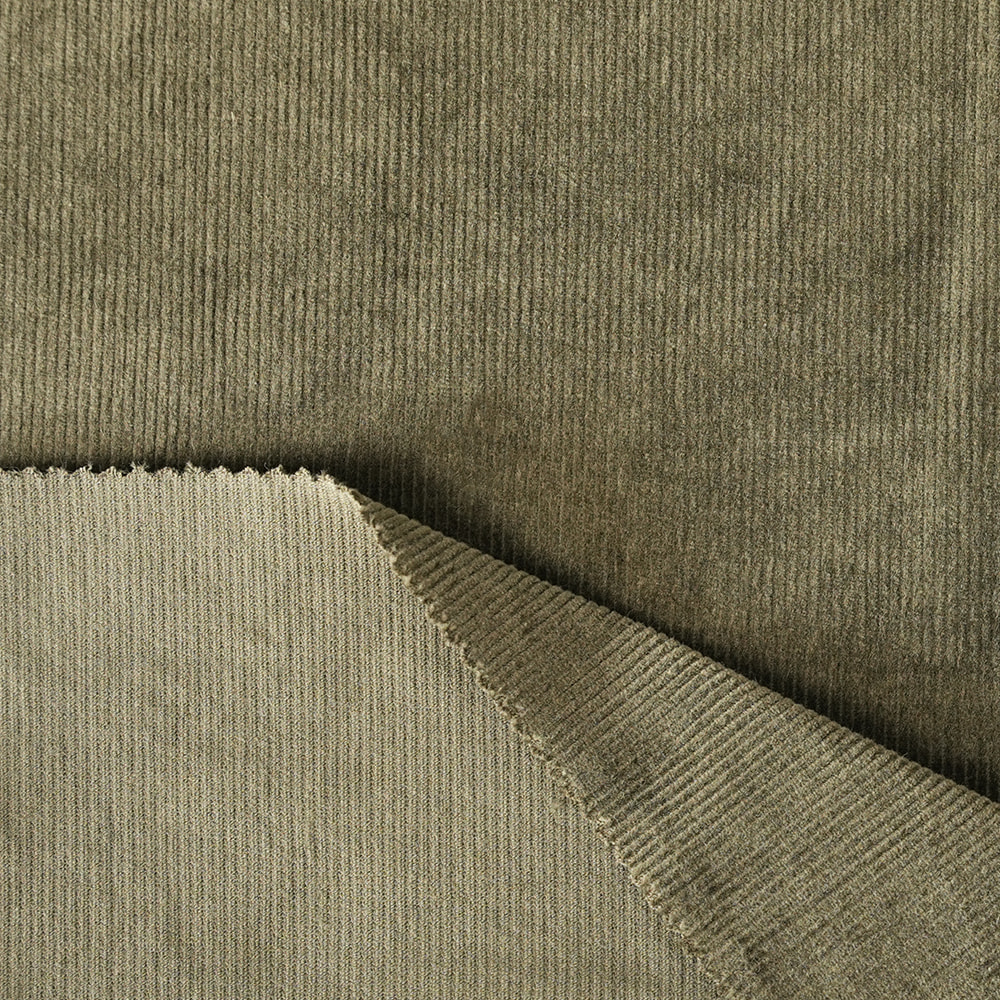
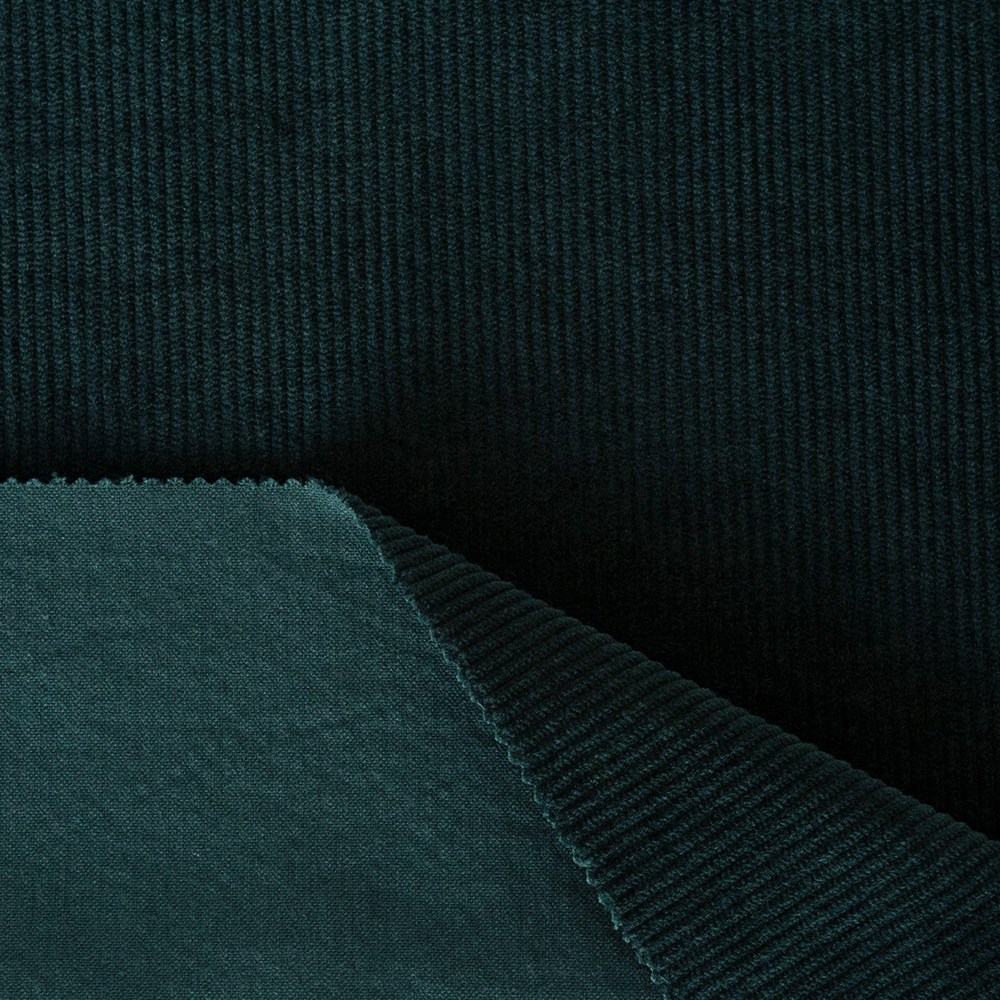
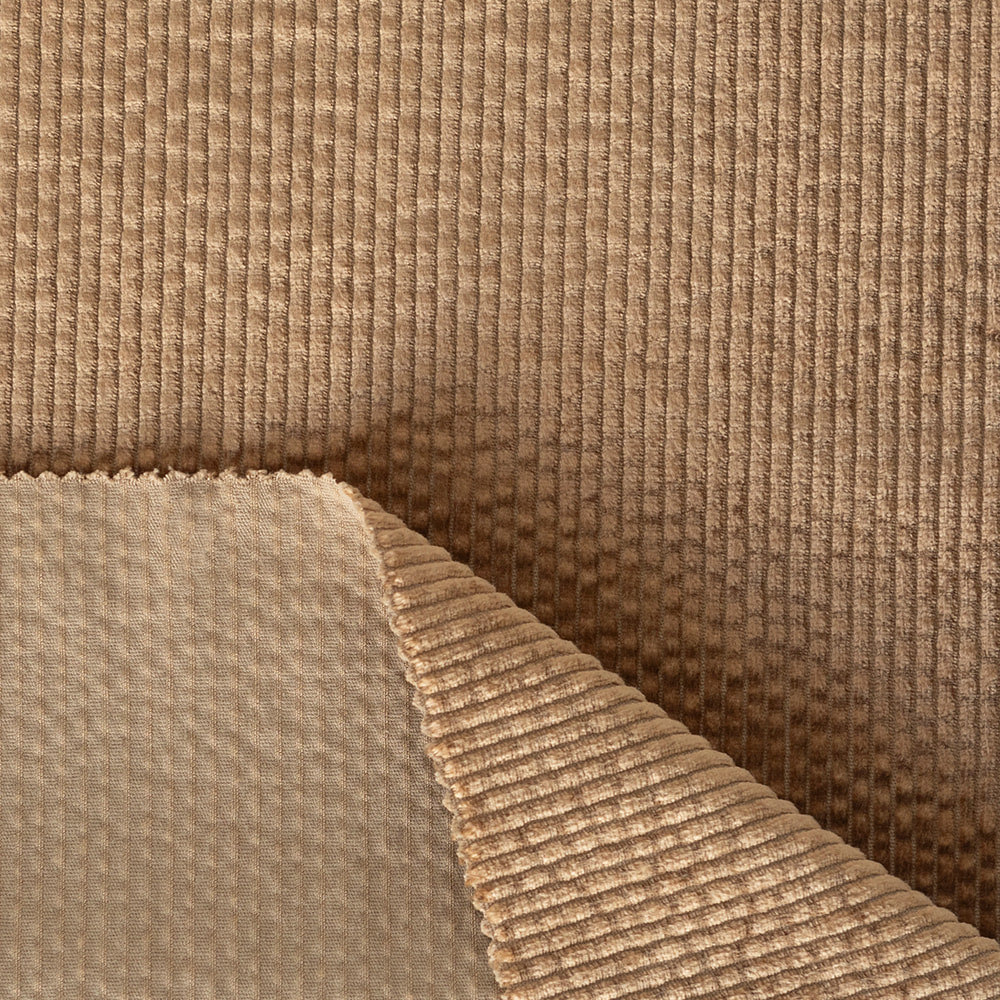
Stretch corduroy is a woven fabric that combines the ribbed, tufted pile surface of traditional corduroy with an elastic component — most commonly 2–5% spandex (elastane) or Lycra blended into the base weave. The result is a fabric that retains corduroy's distinctive ridged texture and warm, durable character while adding meaningful give in one or both directions. It moves with the body rather than resisting it, which is the core limitation of rigid, 100% cotton corduroy.
For most garment applications — especially pants, fitted jackets, and skirts — stretch corduroy is the superior choice over standard corduroy. It offers better fit retention, greater comfort during movement, and comparable durability when properly cared for.
Traditional corduroy is woven entirely from cotton, with vertical cut-pile cords (called "wales") running the length of the fabric. It is warm and rugged but has almost no elasticity — typically less than 3% stretch — which can cause garments to feel restrictive, particularly in the seat, thighs, and knees of trousers.
Stretch corduroy addresses this directly by integrating an elastic fiber into the weft (horizontal) threads, or sometimes both warp and weft, creating two-way or four-way stretch. The wales remain intact and visually identical to standard corduroy, so the aesthetic is preserved while the functional performance improves significantly.
| Property | Standard Corduroy | Stretch Corduroy |
|---|---|---|
| Typical Fiber Content | 100% cotton | 95–98% cotton, 2–5% spandex |
| Stretch | ~2–3% | 15–40% depending on blend |
| Comfort During Movement | Restricted | Flexible, body-conforming |
| Shape Retention | Can bag at knees/seat | Recovers shape well |
| Drape | Stiffer, more structured | Softer, more fluid |
| Wale Appearance | Defined, traditional | Identical or very similar |
| Best For | Outerwear, structured pieces | Pants, fitted garments, skirts |
Wale count — the number of ridges per inch — significantly affects the look, weight, and behavior of stretch corduroy. It's measured as "W" (wales per inch), and the count changes both the fabric's visual character and how the stretch component performs.
For sewing projects, note that finer wale counts are generally easier to work with in stretch corduroy because the smaller pile creates less directional resistance when feeding through a sewing machine.
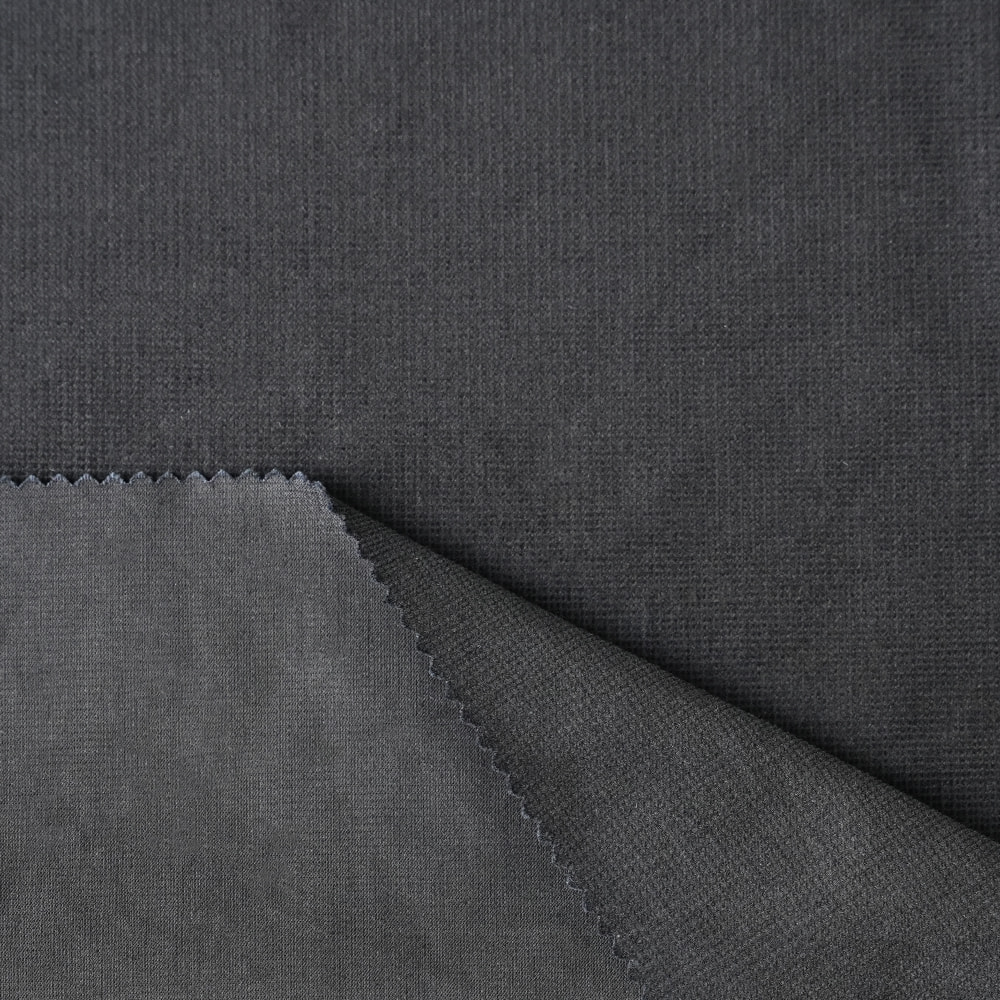
Stretch corduroy's combination of texture, warmth, and flexibility makes it particularly well-suited for garments that need to fit closely or accommodate significant body movement:
This is where stretch corduroy most clearly outperforms its non-stretch counterpart. Standard corduroy trousers are notorious for bagging at the knees after a few wears and feeling tight across the thighs when sitting. A 2–3% spandex blend eliminates both issues — the fabric snaps back to shape and gives enough during seated movement to remain comfortable throughout the day.
Fine or mid-wale stretch corduroy drapes more elegantly than standard corduroy, making it a practical fabric for A-line and pencil skirts. The stretch component allows a closer cut without sacrificing ease of walking — a trade-off that rigid corduroy cannot manage well.
Wide-wale stretch corduroy is used in relaxed blazers and casual structured jackets where comfort across the back and shoulders matters. The stretch allows a more athletic or slim cut without restricting arm movement.
Pinwale stretch corduroy is especially popular in children's wear because it combines durability with the freedom of movement kids need. It withstands repeated washing better than many synthetic stretch fabrics while remaining soft against sensitive skin.
Stretch corduroy presents a few specific challenges that differ from both standard corduroy and typical stretch fabrics. Understanding these before cutting into your yardage saves time and material.
Like all corduroy, stretch corduroy has a directional nap — the pile reflects light differently depending on which way it runs. All pattern pieces must be cut in the same direction, or the finished garment will show visible color variation between panels. The standard practice is to cut with the nap running downward (from waistband to hem on trousers), which produces the richest, deepest color.
Use a stretch needle (size 75/11 or 90/14) to prevent skipped stitches caused by the spandex fibers. A straight stitch with a slight zigzag (or a genuine stretch stitch) is preferable to a standard straight stitch, which may pop under tension if the seams are stressed. Stitch length of 2.5–3mm works well for most applications.
Stretch corduroy can shrink 3–5% in length after the first wash due to the cotton component. Always pre-wash and dry the fabric using your intended care method before cutting to avoid a finished garment that runs short after laundering.
The cut edges of corduroy can fray more than standard woven fabrics. Serging or overlocking seam allowances is strongly recommended. If a serger is unavailable, a tight zigzag stitch along the raw edges provides adequate protection against fraying during wear and washing.
Never press corduroy with a hot iron directly on the pile — it flattens the wales permanently. Always press on the wrong side, or use a corduroy pressing board or thick terry cloth towel as a buffer on the right side. Use steam and moderate heat, and avoid sliding the iron across the fabric.
Not all stretch corduroy is equivalent in quality. When evaluating fabric for purchase — whether online or in store — consider these factors:
Stretch corduroy is more sensitive to care mistakes than standard corduroy because heat and agitation affect the spandex component over time. Following the right practices significantly extends the fabric's lifespan and keeps the pile looking full.
For garments where fit and comfort are priorities, yes — stretch corduroy is almost always the better fabric choice. The spandex addition is small enough that it doesn't compromise the fabric's visual identity, warmth, or durability, but large enough to make a meaningful difference in how the garment wears over a full day.
The only scenarios where standard corduroy has a clear advantage are highly structured garments — like tailored coats or stiff work jackets — where body rigidity is a design feature rather than a limitation. For everything else, stretch corduroy delivers the classic corduroy aesthetic with the modern comfort expectations that both sewists and ready-to-wear shoppers have come to expect.
Please feel welcome to contact our friendly reception staff with any general call us

+86 139 6116 7127

Email: cloud@jacquardcloth.com

Textile Industry Zone, East Hutang Town, Wujin District,213100 Changzhou,China
