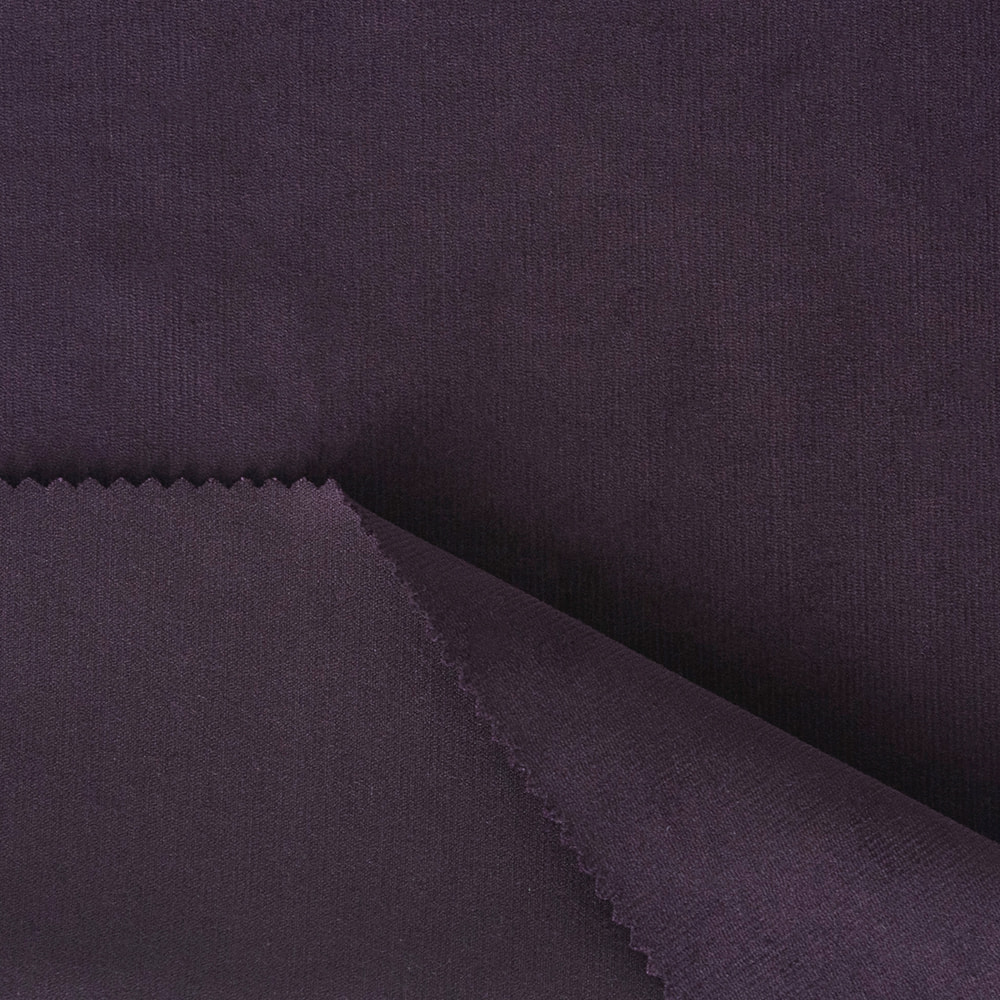
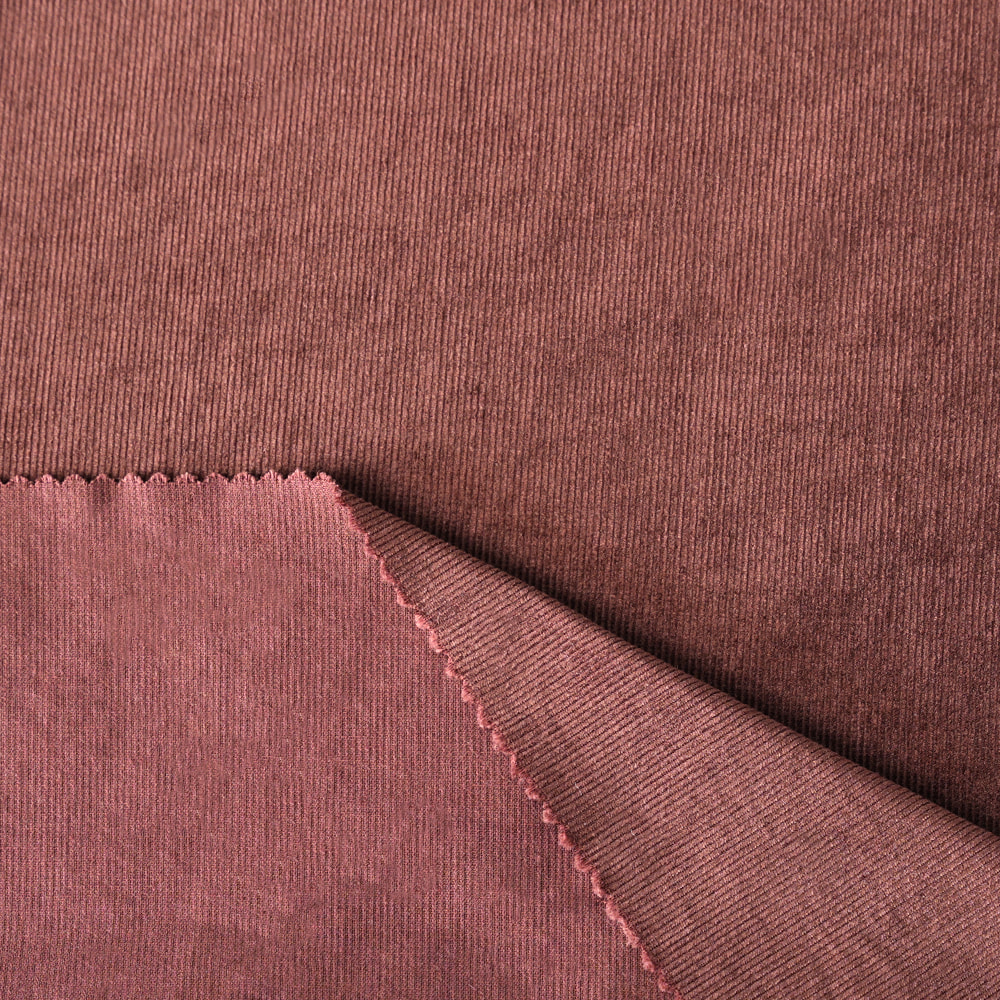
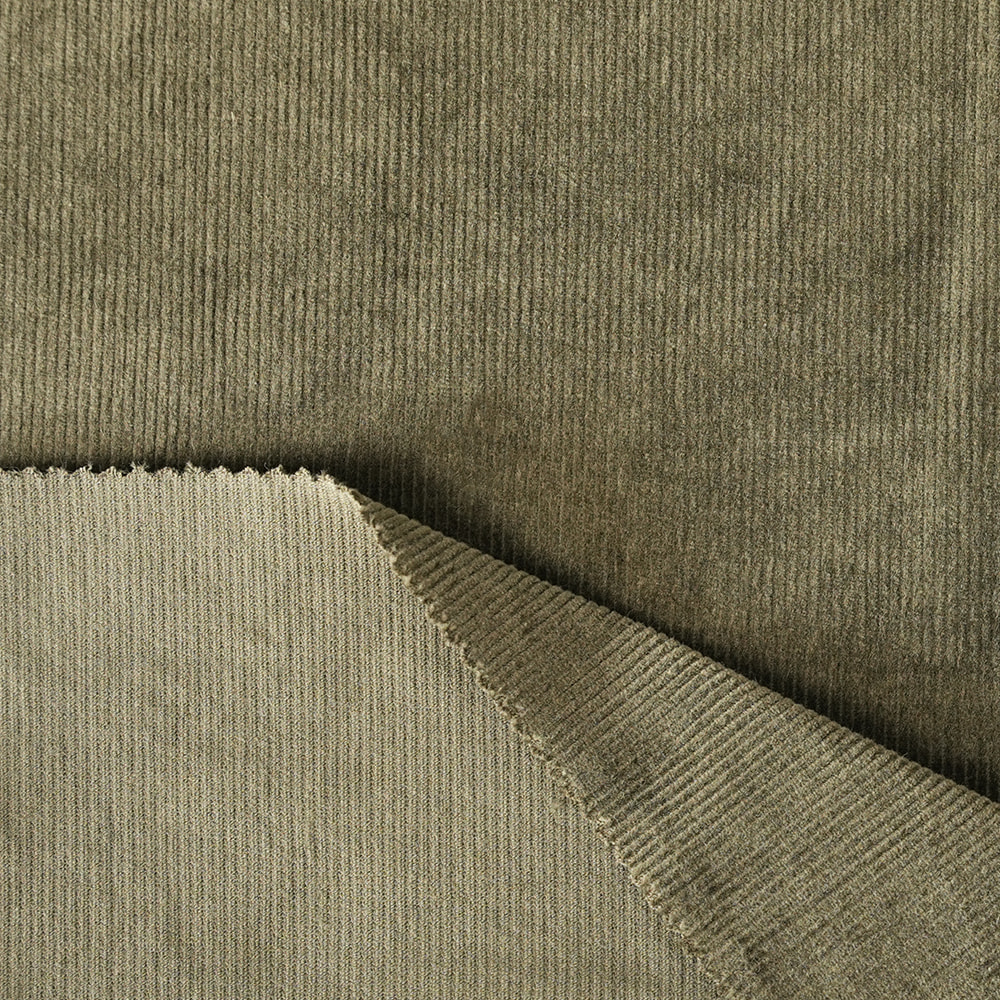
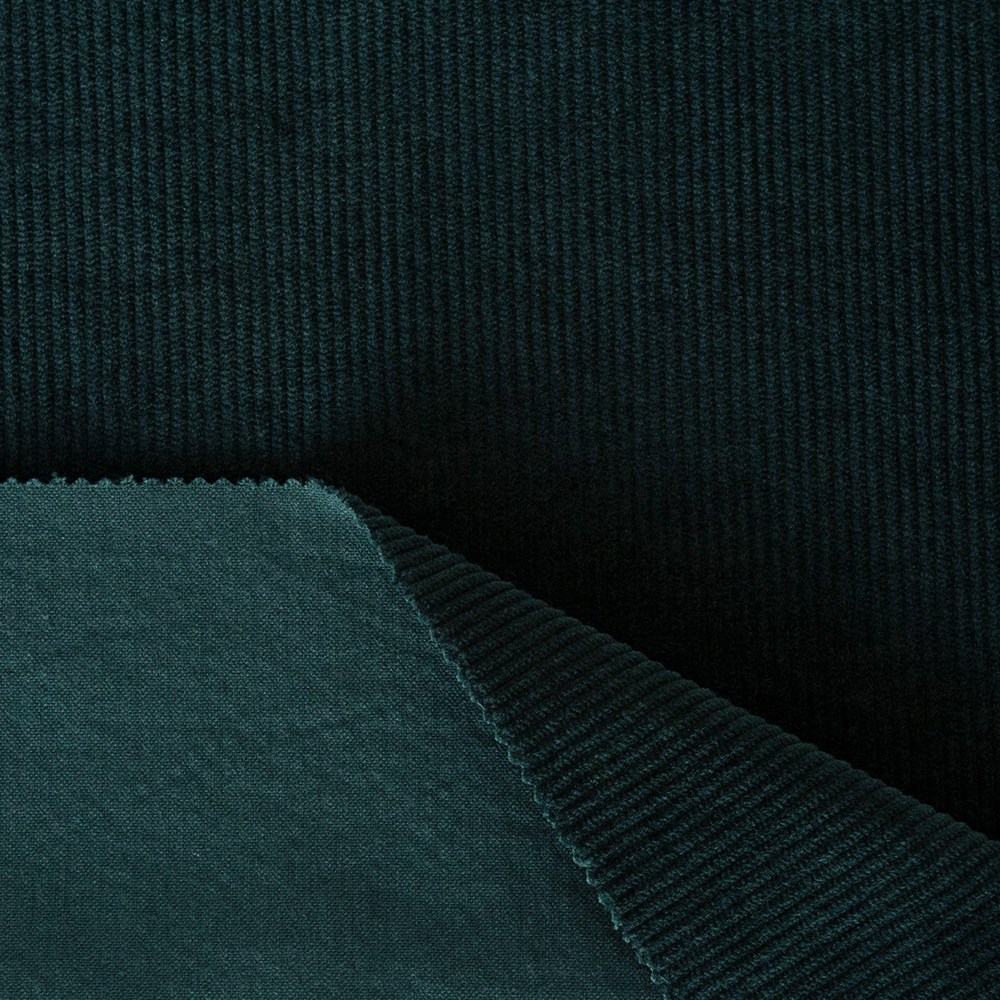
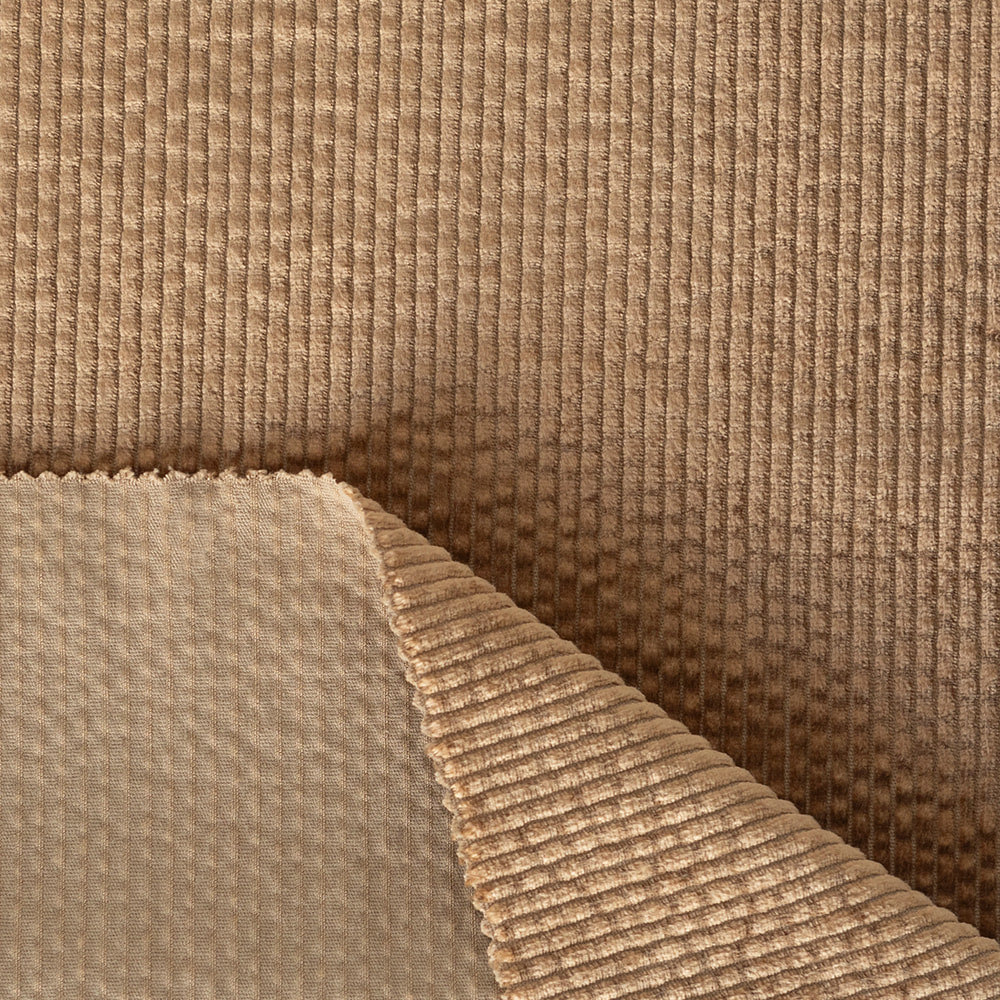
Gold Corduroy Is One of the Most Versatile Fabric Choices Available
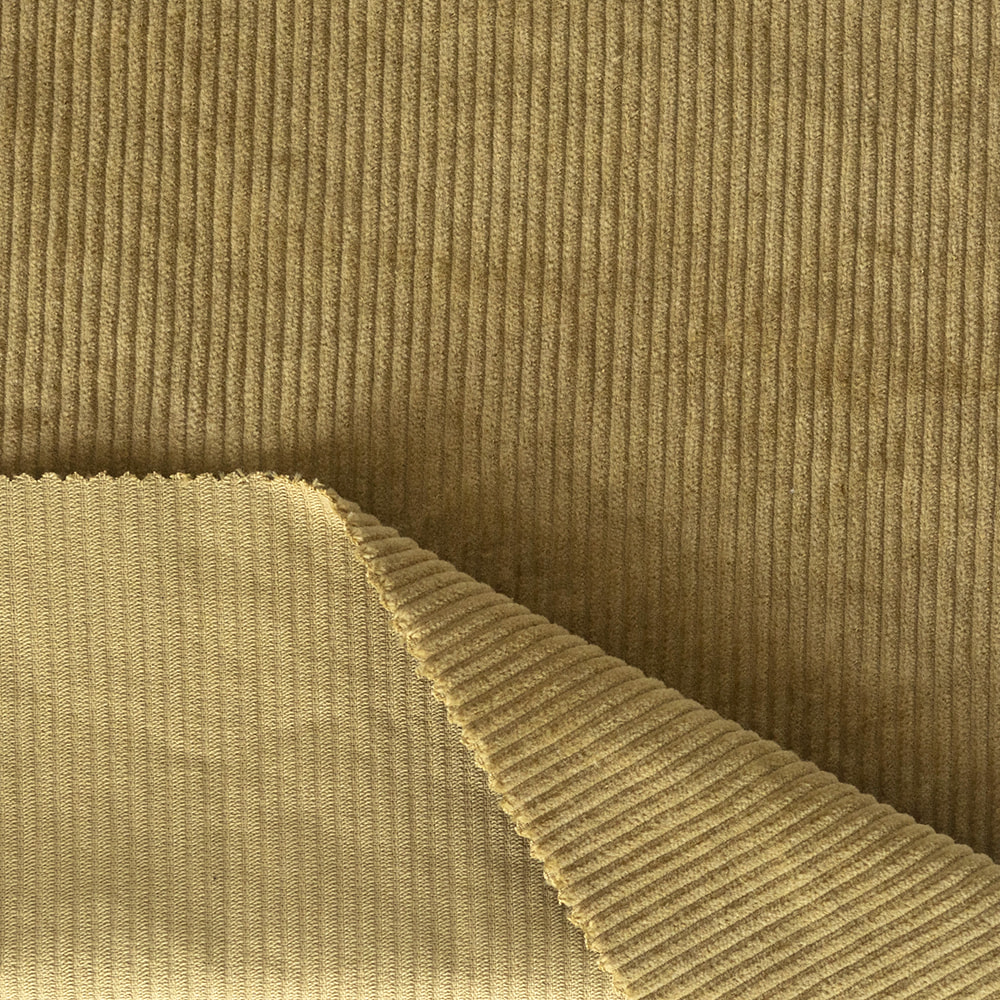
Gold corduroy fabric combines one of fashion's most tactile textures with a warm, richly saturated color that works across apparel, upholstery, and home décor. The distinctive ridged surface — formed by cut pile woven into parallel cords — gives the fabric both visual depth and a soft, directional feel that plain wovens simply cannot replicate. Whether you are sewing a structured blazer, reupholstering a reading chair, or crafting accent cushions, gold corduroy delivers a look that feels both classic and current.
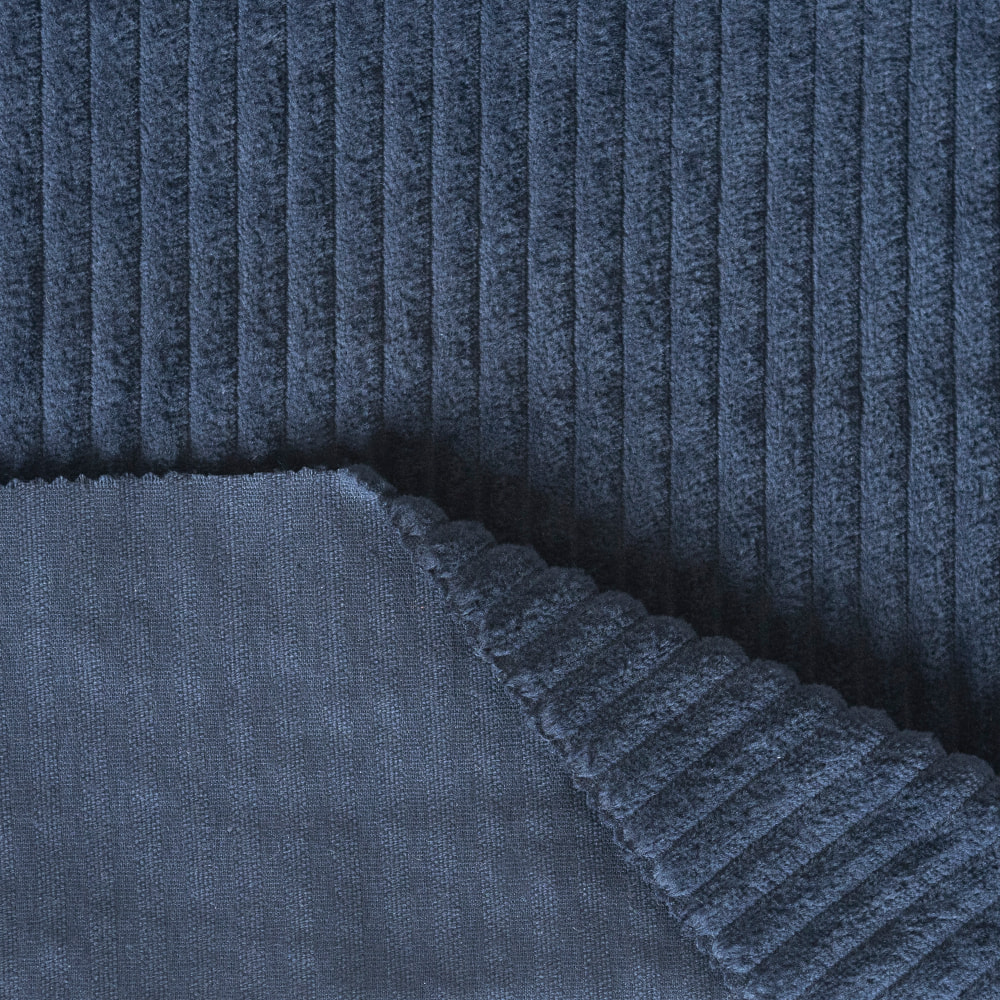
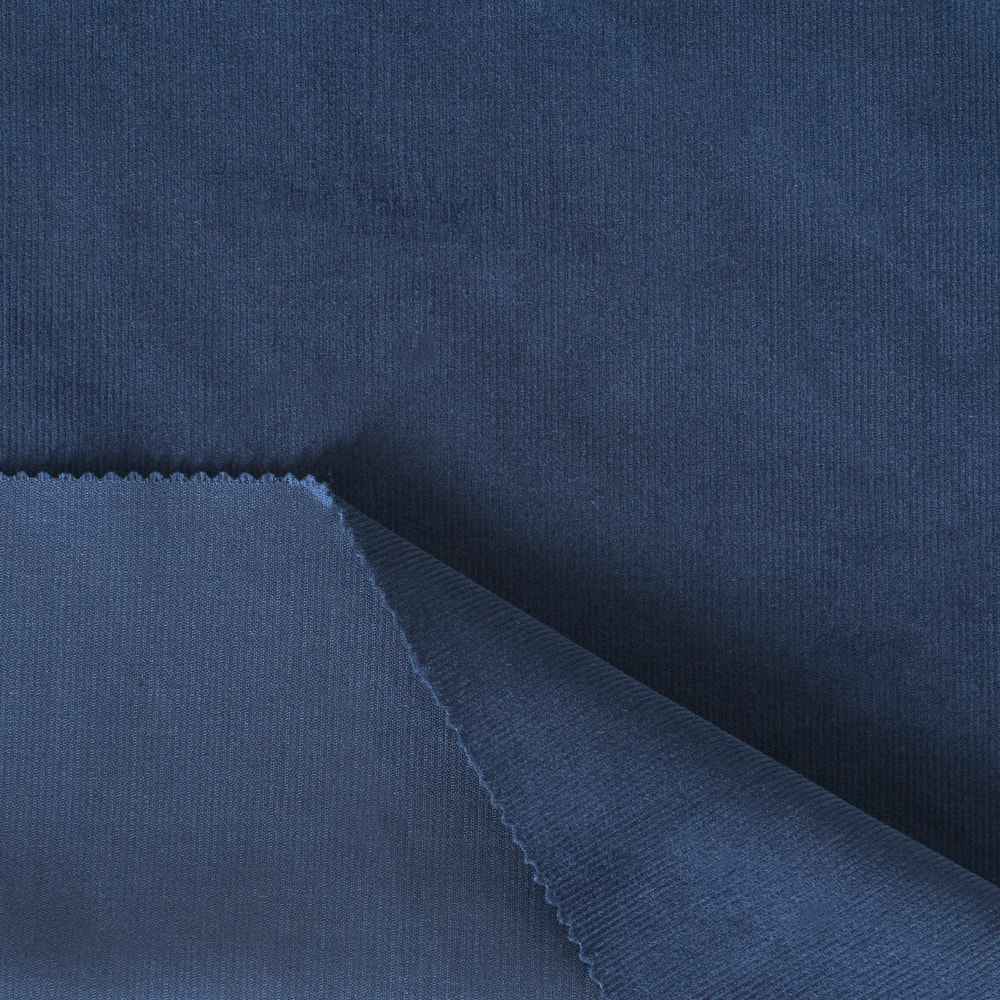
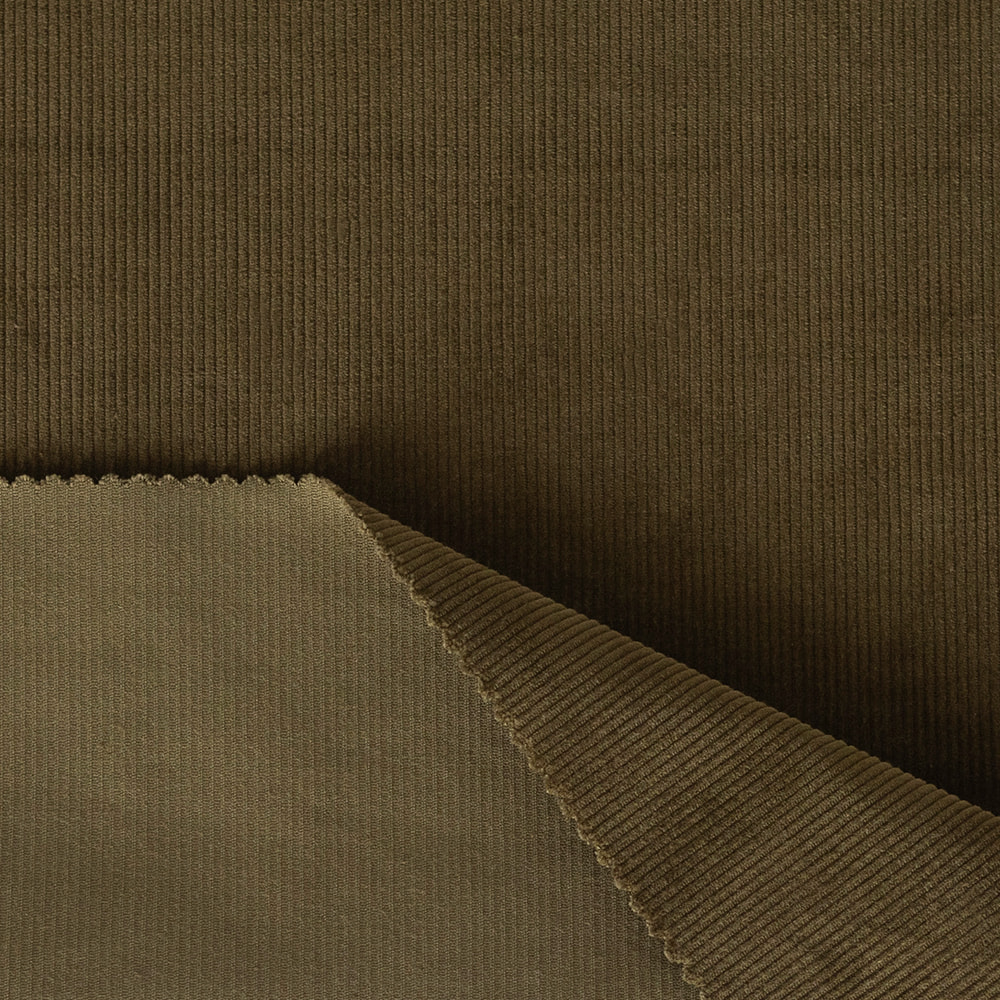
Corduroy fabric texture is defined by its wales — the raised ridges that run lengthwise along the cloth. The wale count determines everything from drape to durability, and choosing the right wale for your project is just as important as choosing the right color. This guide covers what makes gold corduroy distinctive, how to read its texture specifications, and how to choose, cut, and care for it correctly.
Understanding Corduroy Fabric Texture: Wales, Pile, and Weight
The texture of corduroy is not uniform across all versions of the fabric. It is shaped by three variables: wale count, pile height, and base fabric weight. Understanding each one helps you predict how the finished fabric will look, feel, and behave.
Wale Count: The Number That Defines the Surface
Wale count refers to the number of ridges (cords) per inch. A lower wale number means wider, more prominent ridges; a higher number means finer, closer-set cords. Here is how the most common wale counts compare:
| Wale Count |
Texture Feel |
Best Uses |
Weight Range |
| 2–4 wale (Jumbo) |
Very chunky, bold ridges |
Outerwear, upholstery, bags |
Heavy (12–16 oz/yd²) |
| 8–11 wale (Standard) |
Classic corduroy look |
Pants, blazers, cushions |
Medium (8–12 oz/yd²) |
| 14–16 wale (Fine/Pinwale) |
Subtle texture, smooth hand |
Shirts, children's wear, dresses |
Light–Medium (5–9 oz/yd²) |
| 21+ wale (Micro) |
Near-velvet feel, very fine |
Tailoring, formal garments |
Light (4–7 oz/yd²) |
Corduroy wale count guide — wale number, texture, use case, and typical fabric weight
Pile Height and Its Effect on Color Depth
Pile height — the length of the cut fibers that form the ridge surface — directly affects how gold corduroy reads in light. A higher pile creates more shadow between the cords, making the gold appear richer and more dimensional. A shorter pile produces a flatter, more uniform tone. This is why jumbo-wale gold corduroy often appears deeper and more jewel-like than fine pinwale versions of the same dye lot.
What Makes Gold the Right Color Choice for Corduroy
Gold sits in a particularly advantageous position as a corduroy colorway. Unlike flat-weave fabrics where color appears uniform, corduroy's ridged texture causes gold tones to shift between warm amber and deep ochre depending on the viewing angle and light source — a phenomenon called pile shading. This gives gold corduroy a visual complexity that solid-colored smooth fabrics cannot achieve.
Designers and decorators frequently choose gold corduroy for autumn and winter collections specifically because the pile shading mimics the tonal variation of natural materials like velvet and suede, while remaining significantly more durable and easier to care for. In interior design, gold corduroy upholstery adds warmth to neutral spaces without the maintenance demands of velvet.
Fiber Content: How Cotton, Polyester, and Blends Change the Texture
Most gold corduroy on the market is made from cotton, polyester, or a blend of both. Each fiber content produces a noticeably different hand feel and performance profile.
- 100% cotton corduroy: The softest and most breathable option. Natural cotton pile feels warm against the skin and develops a pleasant patina with wear. It is more prone to shrinkage (up to 5–8% if not pre-washed) and tends to crease more readily than blends.
- Cotton-polyester blends (typically 70/30 or 80/20): More resistant to shrinkage and wrinkling while retaining most of the softness of cotton. A good choice for upholstery and heavy-use garments like work jackets or children's clothing.
- 100% polyester corduroy: The most affordable and most resistant to fading and moisture. The pile tends to feel slightly stiffer and less natural. Often used in budget upholstery or craft projects where cost matters more than hand feel.
- Cotton-spandex blends: Adds stretch and recovery — useful for fitted garments like corduroy jeans or leggings. Less common in gold colorways but available from specialty fabric suppliers.
For gold corduroy specifically, cotton or cotton-blend fabrics tend to hold dye more evenly across the pile, producing a truer, more saturated gold tone. Polyester versions can sometimes appear slightly brighter or more synthetic-looking under natural light.
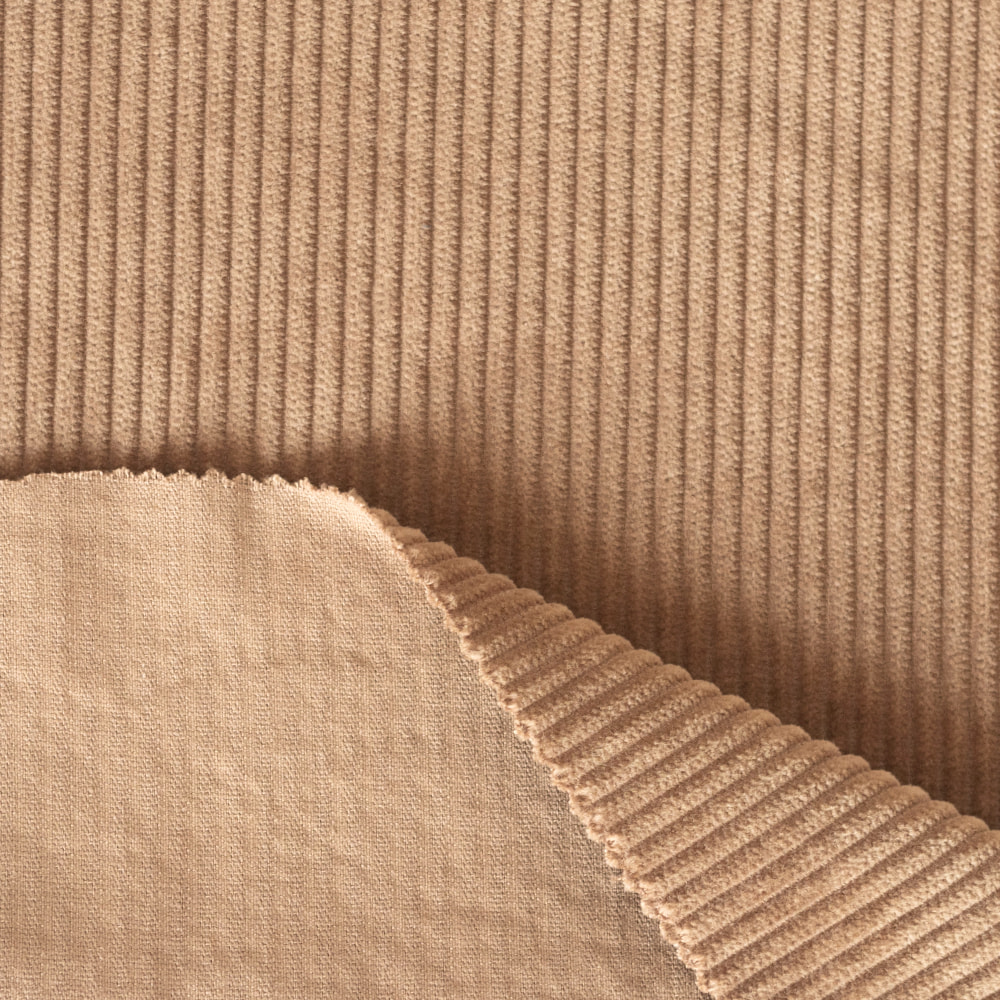
Best Applications for Gold Corduroy Fabric
Gold corduroy's combination of texture, warmth, and durability makes it suitable for a wide range of projects. Choosing the right wale and weight for your specific application is the key to a professional result.
Apparel and Fashion
- Blazers and structured jackets: 8–11 wale gold corduroy is the standard choice, providing enough body to hold tailored seams while remaining flexible enough to move comfortably.
- Trousers and wide-leg pants: Medium-weight 10–11 wale drapes well for pants, especially when cut on the straight grain.
- Skirts and dresses: 14–16 wale pinwale gold corduroy works beautifully in A-line and wrap silhouettes, offering a subtle texture without adding bulk.
- Children's wear: Fine pinwale cotton corduroy is a long-standing favorite for children's dungarees, overalls, and pinafore dresses due to its softness and durability.
Home Décor and Upholstery
- Throw pillows and cushion covers: Any wale works well, but jumbo or standard wale gold corduroy makes a particularly strong visual statement on sofas and armchairs.
- Chair and bench upholstery: Use heavy-weight (12 oz or more) cotton-blend corduroy rated for upholstery use. The pile direction should run downward on vertical surfaces to resist flattening.
- Curtains and drapes: Medium-weight corduroy creates softly textured curtains that add warmth to a room. Gold reads particularly well against white walls and dark wood furniture.
- Table runners and place mats: Corduroy's texture adds tactile interest to table settings, and the color gold is a natural fit for holiday and autumn tablescapes.
Cutting and Sewing Corduroy: Handling the Pile Correctly
Corduroy's pile is both its greatest asset and its most important handling consideration. Ignoring pile direction when cutting leads to finished pieces that appear to be different colors even when cut from the same fabric — a common and frustrating mistake.
- Determine pile direction before cutting. Run your hand along the fabric lengthwise. The direction where the pile feels smooth is the "with the pile" direction. Most sewists cut corduroy with the pile running upward, which produces a deeper, richer color appearance.
- Cut all pieces in the same pile direction. Lay all pattern pieces with nap arrows pointing the same way, treating corduroy exactly as you would velvet or any napped fabric.
- Pre-wash before cutting. Cotton corduroy can shrink significantly. Wash and dry the fabric once (using the same method you plan to use after the project is complete) before cutting pattern pieces.
- Use a walking foot when sewing. Corduroy pile causes fabric layers to shift as they feed through the machine. A walking foot (even-feed foot) keeps layers moving at the same rate, preventing seam drift and puckering.
- Press from the wrong side using a needle board or towel. Pressing corduroy directly with an iron crushes the pile permanently. Place the fabric pile-down on a thick towel or needle board and press gently from the reverse side using steam.
How to Buy Gold Corduroy: What to Check Before You Purchase
Whether buying in-store or online, there are several specifications to confirm before committing to a yardage purchase of gold corduroy fabric.
- Wale count: Always confirm the wale specification. Many online retailers label fabric only as "corduroy" without specifying whether it is 4-wale jumbo or 14-wale pinwale — two fabrics that look and behave completely differently.
- Fabric width: Standard corduroy is most commonly sold at 54 to 60 inches wide, though some fashion-weight varieties come at 44–45 inches. Wider fabric reduces cutting waste significantly on large pattern pieces.
- Fiber content and care instructions: Check whether the fabric is machine washable. Some upholstery-grade corduroy is dry-clean only due to backing treatments or heavyweight construction.
- Color consistency: Request a swatch before ordering large quantities online. Gold is a broad spectrum ranging from pale champagne to deep amber, and monitor color can misrepresent the true tone significantly.
- Pile density: Higher-quality corduroy has a denser pile that feels plush and springs back after compression. Rub the fabric firmly with your hand and release — good-quality corduroy recovers quickly; lower-quality versions may show permanent matting.
Caring for Gold Corduroy to Preserve Its Texture
With correct care, quality gold corduroy lasts for many years without significant pile flattening or color fading. The key is gentle, low-heat handling throughout the garment or product's life.
- Machine wash inside out on a gentle cycle in cold water. Washing inside out protects the pile surface from abrasion against other garments.
- Tumble dry on low heat or air dry. High heat damages cotton pile fibers over time, causing the corduroy texture to feel rougher and look dull. Remove from the dryer slightly damp and allow to finish air drying.
- Brush the pile after washing with a soft-bristled clothes brush to restore the nap direction and prevent matting.
- Avoid folding along the wale lines for long-term storage. Fold or roll along the cross-grain to prevent permanent crease lines forming in the pile.
- Steam rather than iron to refresh the pile between washes. Hold a garment steamer a few inches from the surface and allow the steam to lift and reset the nap without direct contact.
Gold Corduroy vs. Similar Fabrics: When to Choose It
Shoppers often compare gold corduroy to velvet, velveteen, and tweed when choosing a textured fabric. Each has distinct strengths, but corduroy occupies a practical middle ground that the others do not.
| Fabric |
Texture |
Durability |
Care |
Price Range (per yard) |
| Gold Corduroy |
Ridged, directional pile |
High |
Machine washable (most types) |
$8–$25 |
| Gold Velvet |
Smooth, dense pile |
Moderate |
Dry clean recommended |
$15–$60 |
| Velveteen |
Short, flat pile |
Moderate |
Machine washable |
$7–$18 |
| Gold Tweed |
Rough, looped weave |
Very high |
Dry clean recommended |
$20–$80 |
Comparison of gold corduroy against similar textured fabrics by texture type, durability, care, and approximate retail price
Gold corduroy's biggest advantage over velvet is its washability and its structural body, which makes it far easier to sew into tailored garments. It costs less than quality velvet and tweed while delivering a comparable sense of texture and warmth, making it one of the most cost-effective premium-feeling fabric choices available.


 English
 日本語
日本語