

 English
 日本語
日本語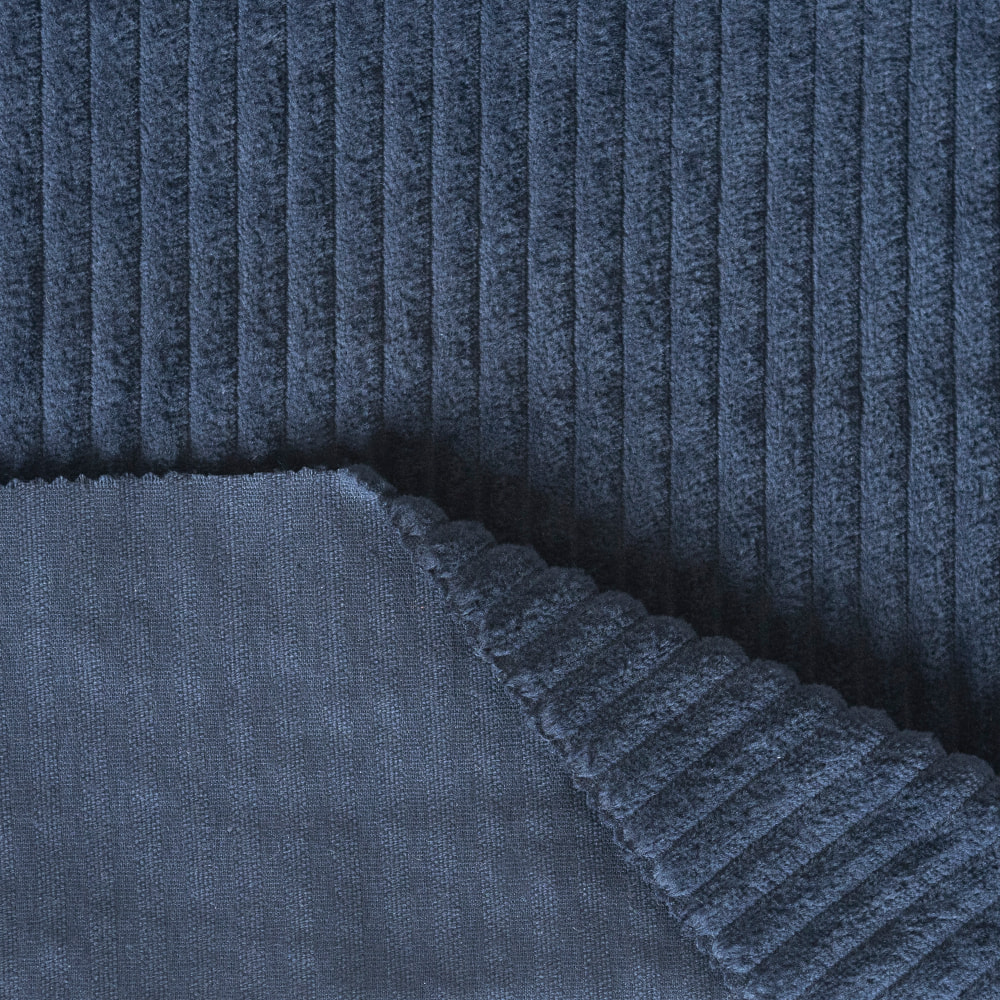


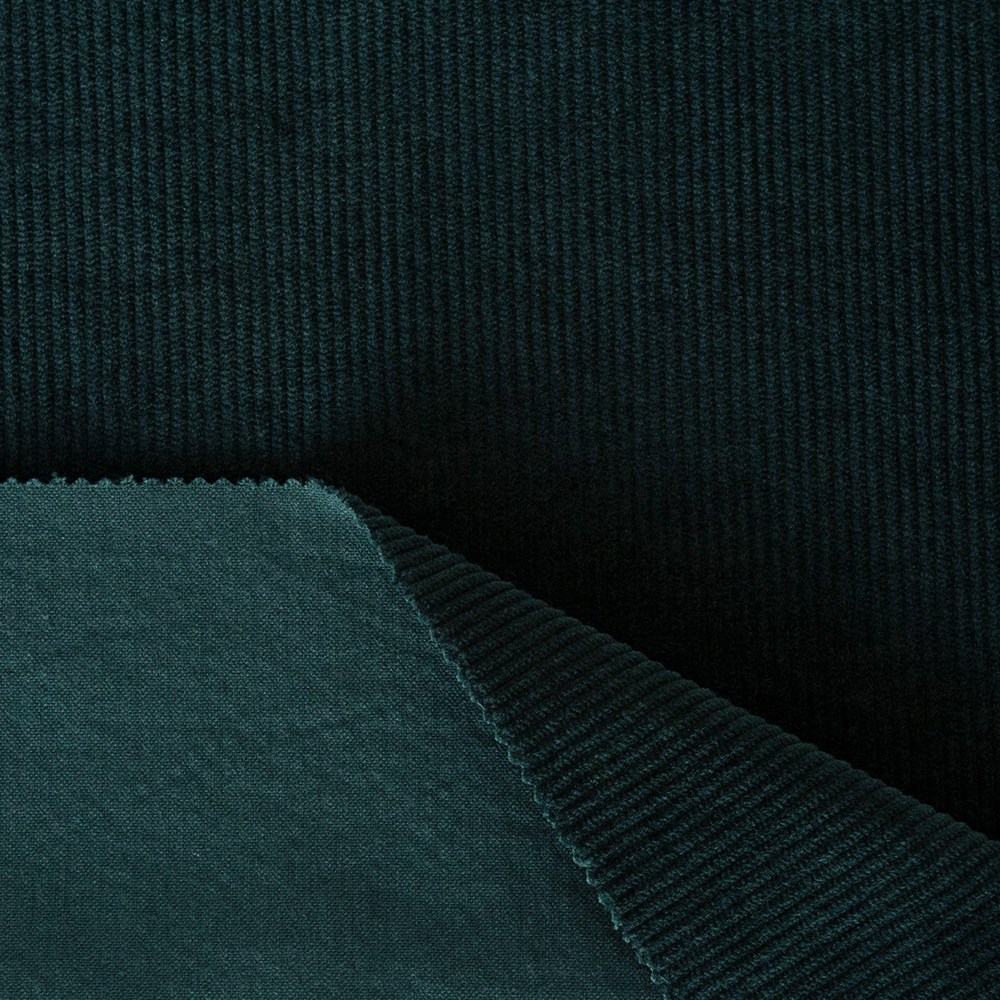
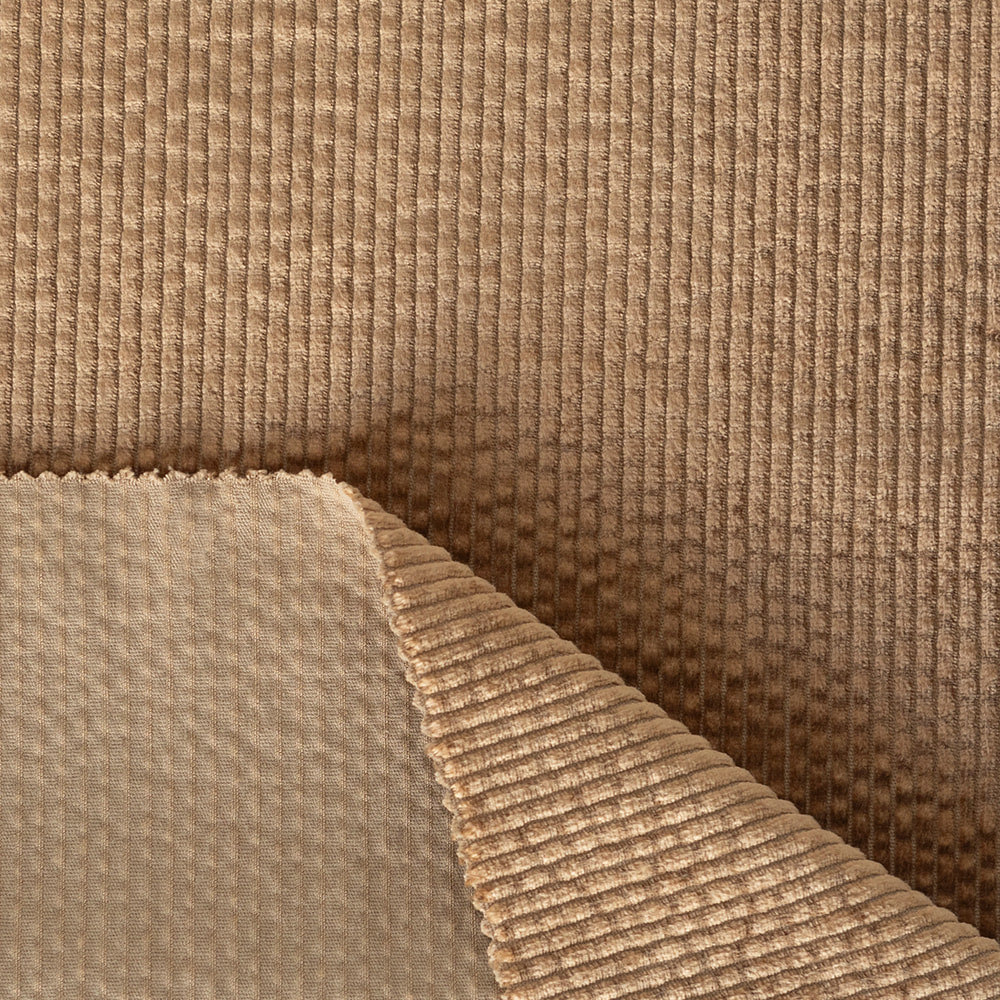
Get Directions
Textile Industry Zone, East Hutang Town, Wujin District,213100 Changzhou,China
Stretch corduroy fabric is a purchase you make for an end product, not for its name. The ribbed look may be familiar, but the way it behaves on a cutting table, in a sewing machine, and on a customer's body depends on three variables: the wale count, the stretch mechanism, and the fibre blend. If you are sourcing for a garment line, a home textile collection, or a toy manufacturer, the right choice is the one that survives production and repeated wear. The guideline below is practical: first identify the wale count, then confirm the stretch direction, then verify the fibre content and finishing quality.
Content
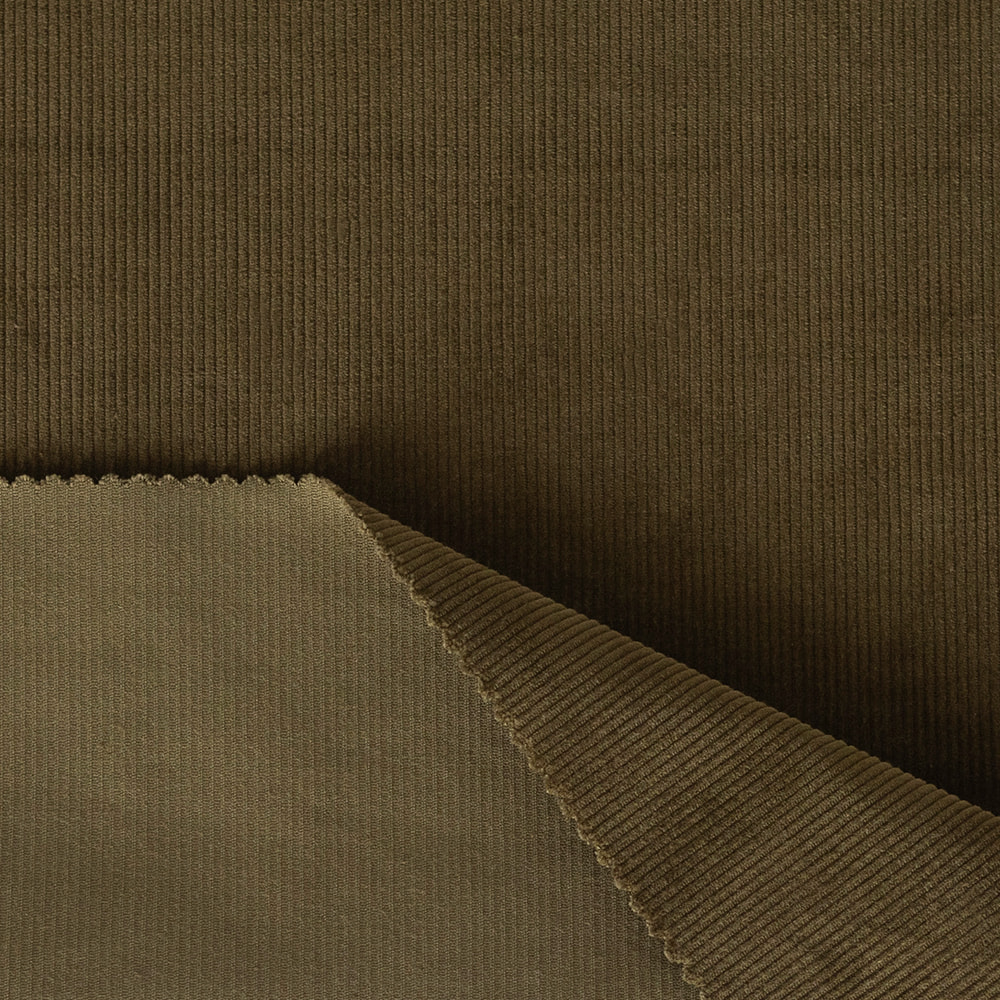
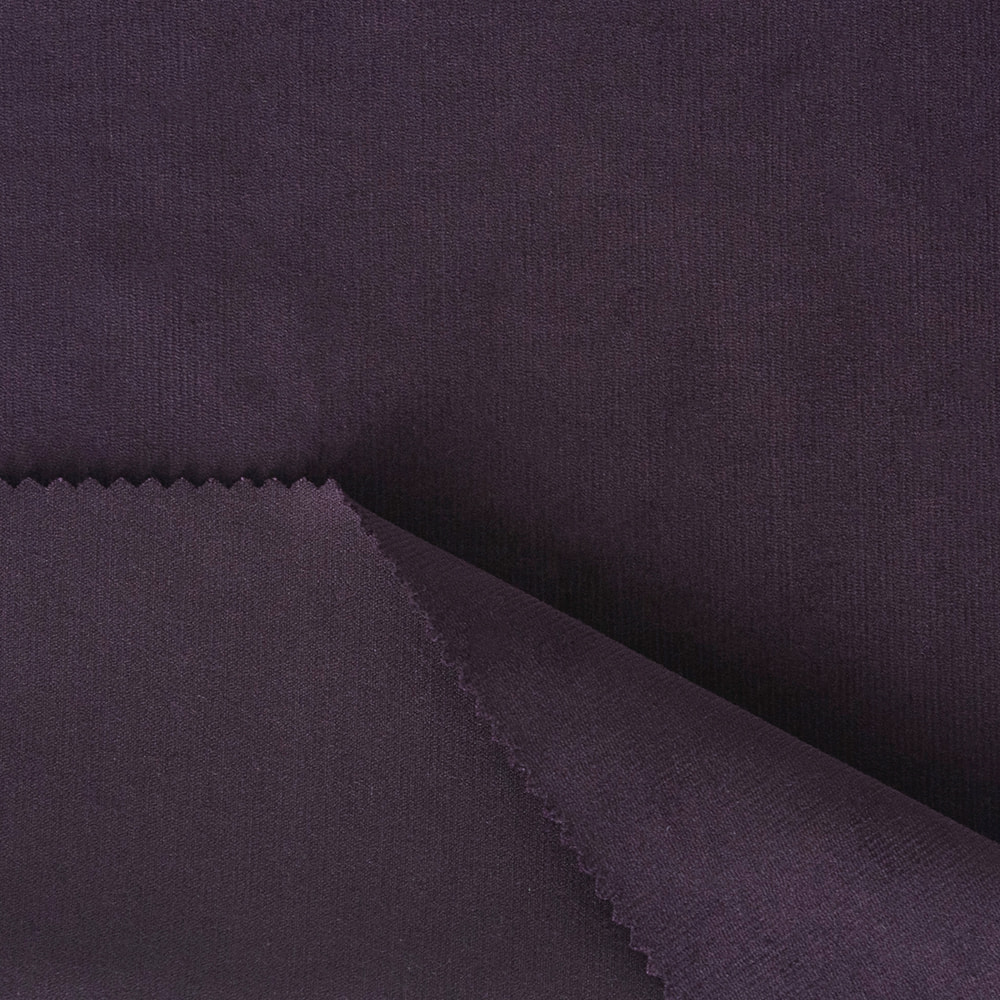
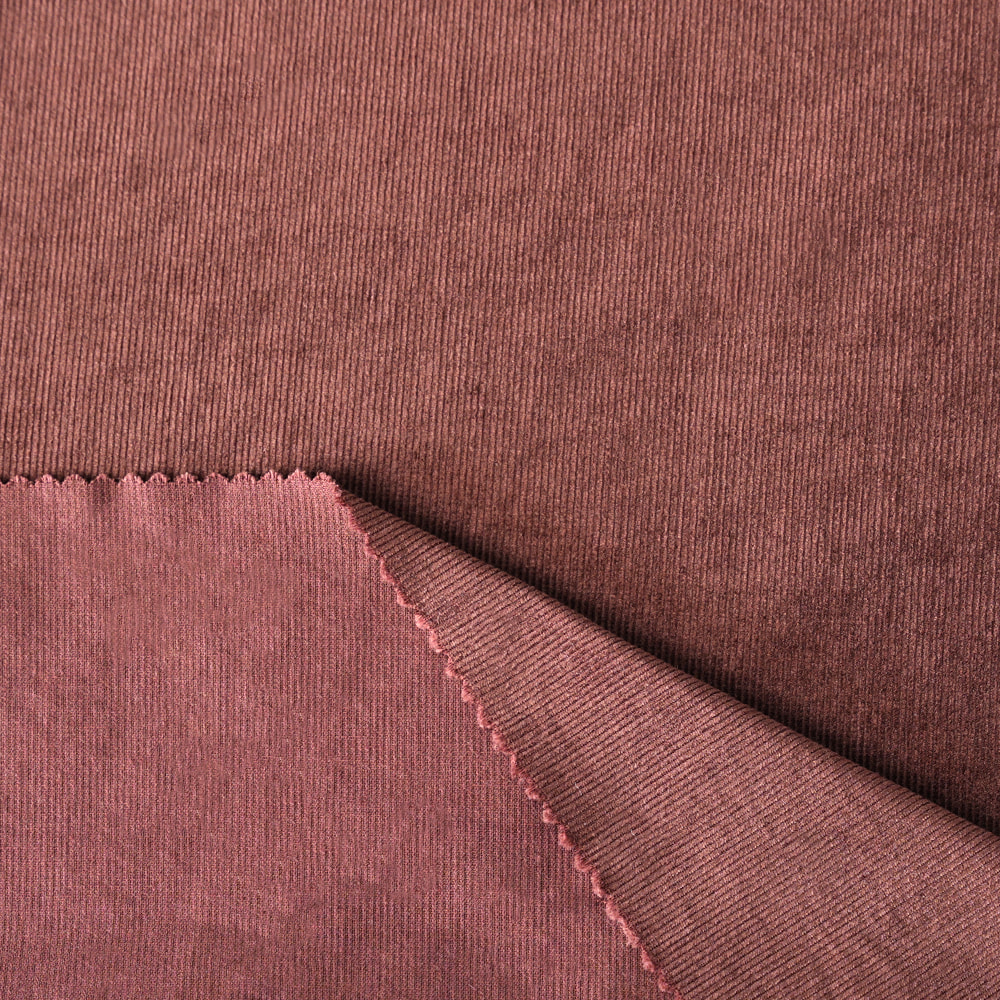
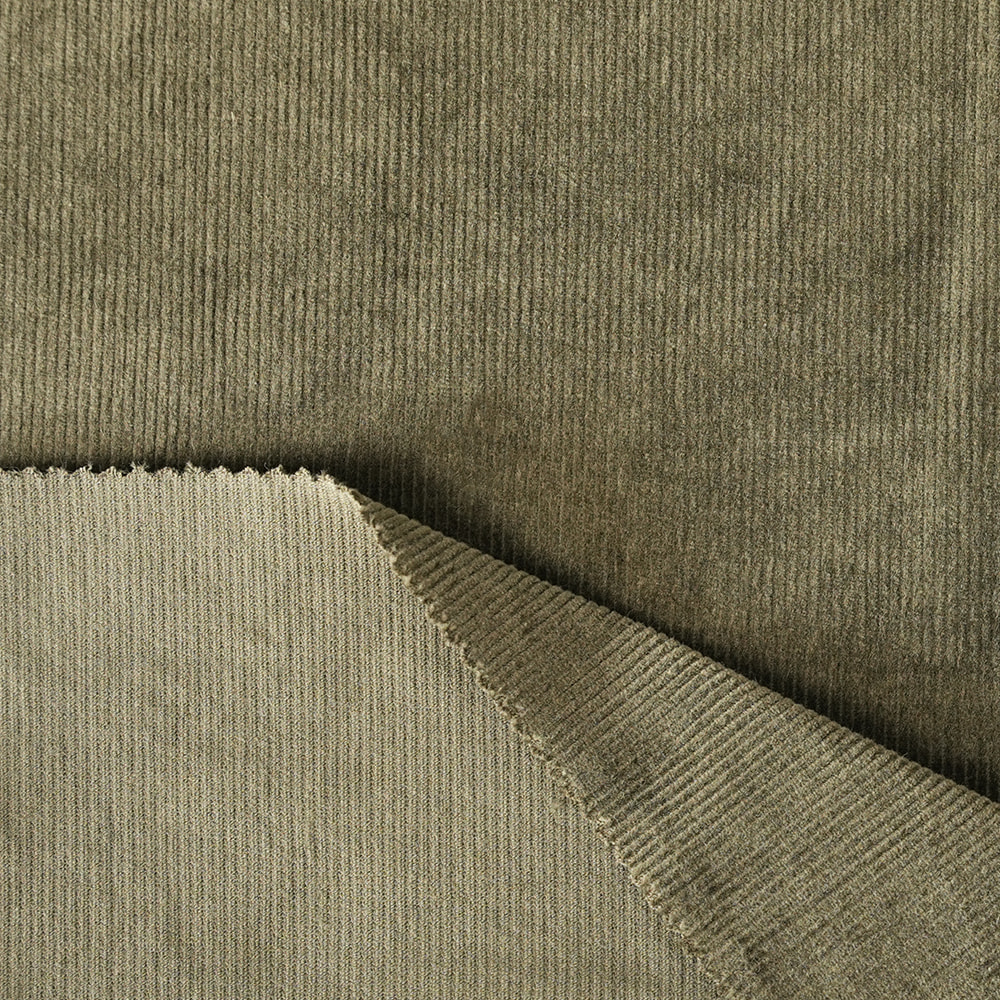
Corduroy is a pile fabric where raised ribs, called wales, are cut from extra weft yarns. Stretch corduroy is not a different visual style; it is a construction that adds elastic recovery to that pile structure. Two dominant techniques are used. In the first, spandex or elastane yarns are introduced into the warp or weft during weaving, so the woven cloth has built-in stretch. In the second, a knit-backed structure is used, which gives the fabric a softer, more flexible base. The result is a fabric that can move with the body and return to its original shape.
This distinction matters for buyers because a woven stretch corduroy and a knit-backed stretch corduroy can share the same wale count but perform very differently. Woven versions hold their shape better in tailored garments. Knit-backed versions offer more comfort and are easier to fit in stretch jeans or casual trousers. When a supplier simply labels a fabric "stretch corduroy," ask whether the elasticity comes from the weave or from the backing.
The wale count is measured in wales per inch (W). A 6W corduroy has six ribs per inch; a 21W corduroy has twenty-one ribs per inch. The number changes both the visual texture and the physical weight. Wide wales (3.5W, 6W) are heavier and more rugged. Medium wales (8W, 12W) provide a balanced hand feel that drapes well in trousers and jackets. Fine wales (16W, 21W, 24W) are lightweight, soft, and often used in shirts, dresses, and children's clothing.
| Wale Count | Texture | Typical Applications |
|---|---|---|
| 3.5W | Very wide, rugged | Heavy outerwear, upholstery |
| 6W | Wide, pronounced | Coats, upholstery, home textiles |
| 8W | Medium-wide | Jackets, pants, plush toys |
| 12W | Medium | Trousers, casual wear, suits |
| 16W | Fine, soft | Shirts, skirts, children's clothing |
| 21W | Very fine | Shirts, baby apparel |
| 24W | Micro-fine | Light blouses, delicate garments |
When you shortlist stretch corduroy samples, always compare the same wale count with different stretch constructions. A 21W fine-wale stretch corduroy will feel very different from a 3.5W wide-wale version, even if both contain the same percentage of spandex. For children's clothing, a fine 21W or 24W helps reduce bulk and keeps seams light. For upholstery, a 6W or 8W provides a stronger surface that can resist abrading traffic. For trousers and casual wear, 12W offers a useful balance of body and flexibility.
Wale count also affects how the fabric takes dye and how it wrinkles. Wide-wale corduroy tends to show a deeper rib and often feels warmer. Fine-wale corduroy is easier to cut and sew into intricate patterns. Think about the pattern repeat in your design; a large-scale rib can clash with complex sewing details, while a fine rib fades into the background.
Stretch corduroy exists on a spectrum. Non-stretch corduroy has no added elastic and gives a crisp, structured drape. One-way stretch corduroy usually stretches in the warp direction, which makes it suitable for fitted trousers and skirts where vertical movement matters. Two-way stretch, sometimes called bidirectional stretch, stretches in both warp and weft, allowing much greater freedom of movement. It is especially common in stretch suiting and in garments used for permanent travel or commuting.
Read our technical explainer on why bistretch corduroy is comfortable to wear for a more detailed look at stretch resistance and recovery. A good stretch corduroy should recover at least 90% to 95% of its original dimensions after being stretched by 10% for a period of time. If the recovery is poor, the knees and elbows will bag out within a few wears. If the recovery is too strong, the fabric may feel rigid and push back during movement.
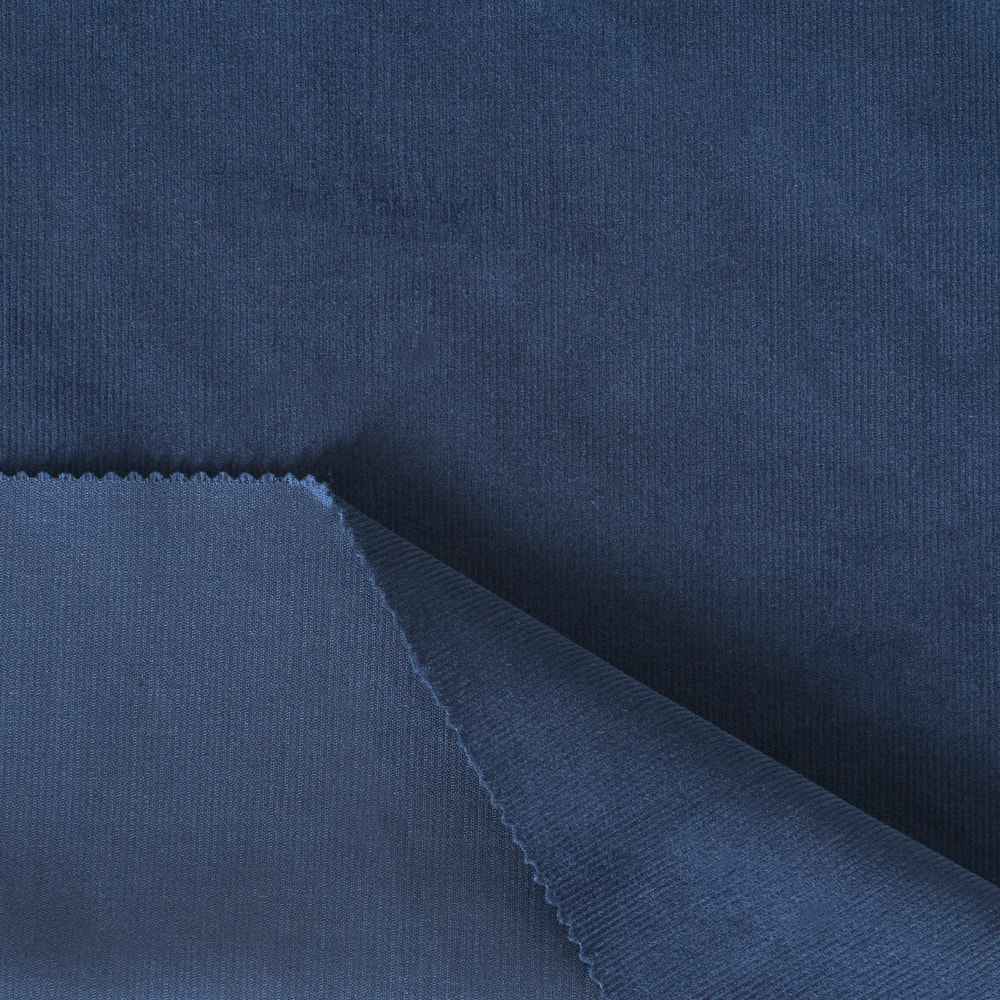
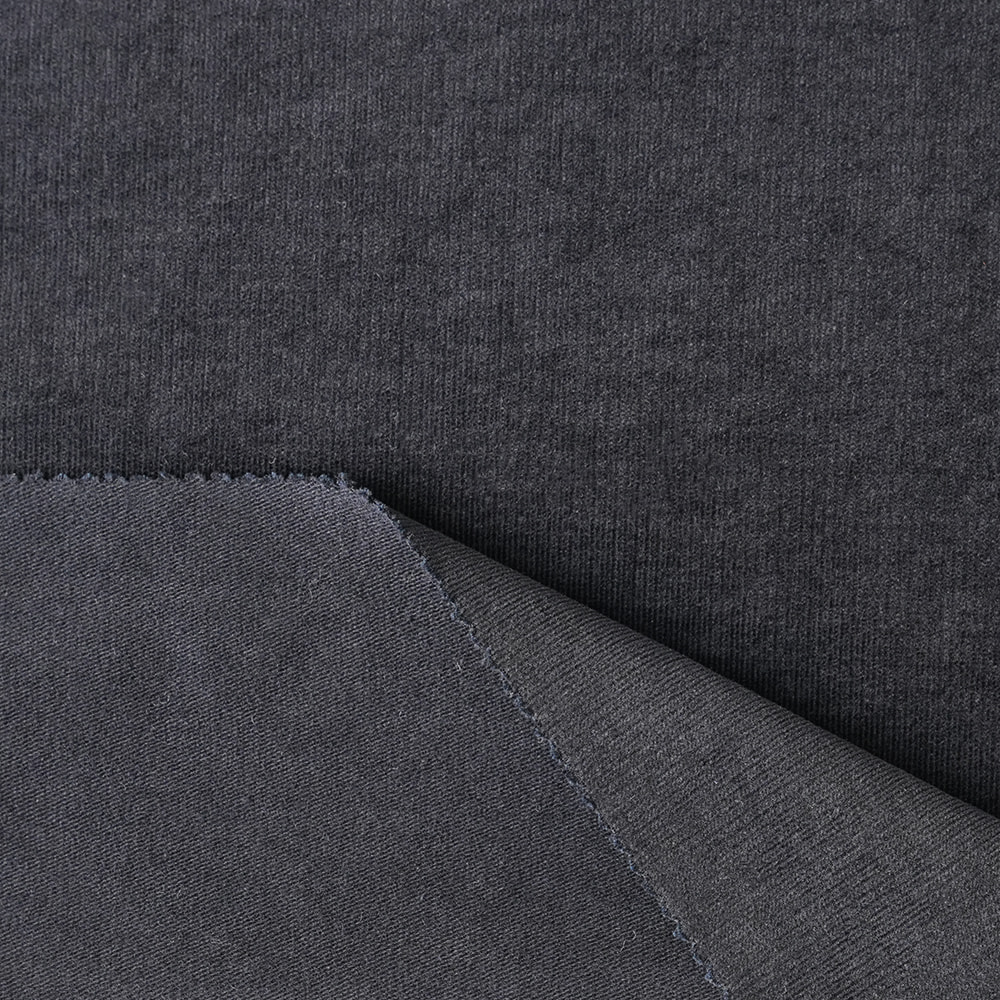 12W Bi-Stretch Corduroy for Trousers, Casual Wear, and SuitsThis bi-stretch corduroy offers stretch in both warp and weft directions, providing comfort and ease for trousers and suits. Its high recovery ensures knees and elbows retain shape, making it suitable for active and casual wear.View Product →
For a trousers manufacturer, one-way stretch in the warp direction is usually enough to give comfortable give at the waist and knee. For activewear or kids' wear, two-way stretch offers better freedom. The choice also affects the cut: with two-way stretch, seam allowances and ease allowances must be adjusted; the pattern needs less ease because the fabric itself moves.
Cotton is the standard base for stretch corduroy, but blending changes performance. Cotton/spandex blends offer good breathability and a familiar hand feel. Tencel/cotton blends add softness and a fluid drape, which is especially useful for shirts and lightweight jackets. Modal/cotton improves smoothness and touch. Rayon/cotton brings luster and a dry hand. Polyester/rayon/cotton blends improve durability and are common in upholstery and heavy outerwear.
When you evaluate stretch corduroy for a specific end use, consider the break-in period: blends with more synthetic fibre keep their colour longer, while pure cotton takes on a softer patina over time. The amount of stretch fibre is also critical. Most woven stretch corduroys contain between 2% and 4% spandex. Above 5%, the fabric becomes more elastic but can lose stability, especially if the spandex is not closely covered by cotton. Ask for the exact blend percentage and test it against your expected number of wash cycles.
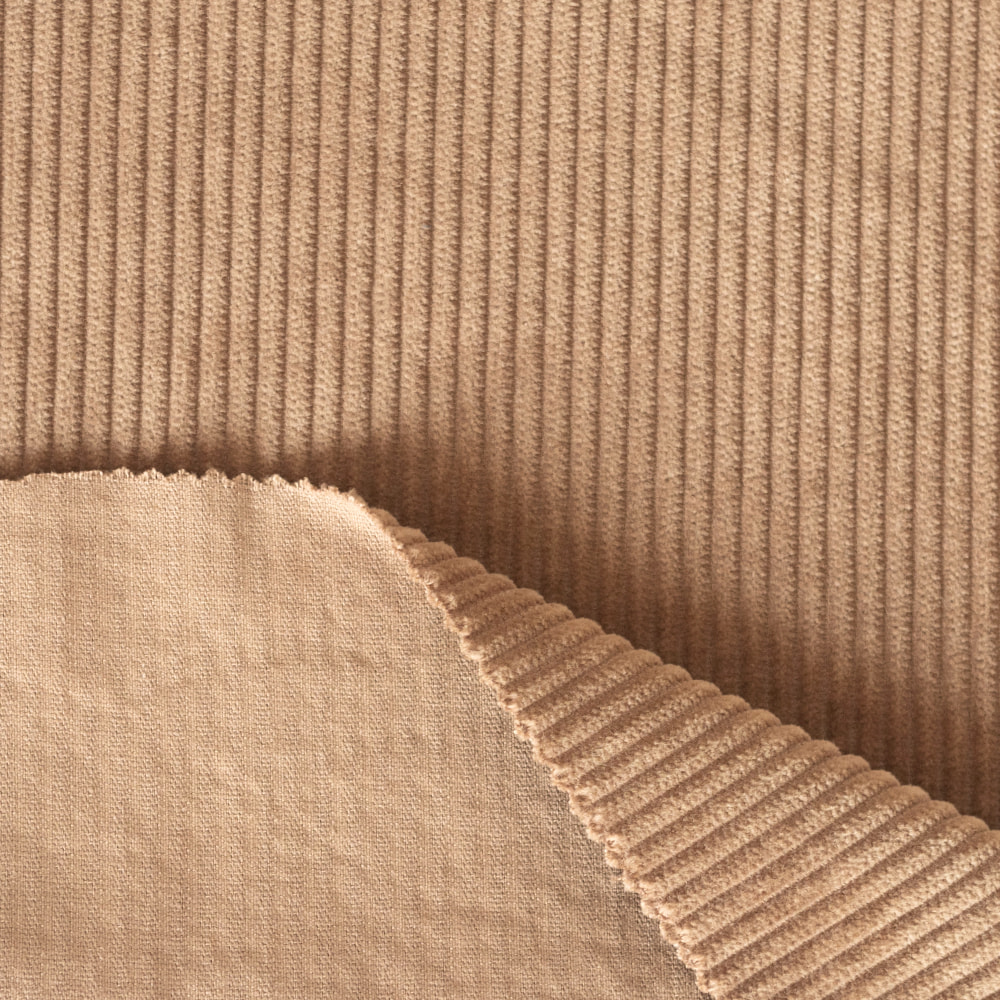
 Tencel-Cotton Blend Stretch Corduroy with Soft Lightweight FeelA lightweight 11W corduroy blending Tencel and cotton with 2% spandex, delivering softness and stretch. The Tencel content adds a sustainable edge while maintaining the corduroy aesthetic for various garments.View Product →
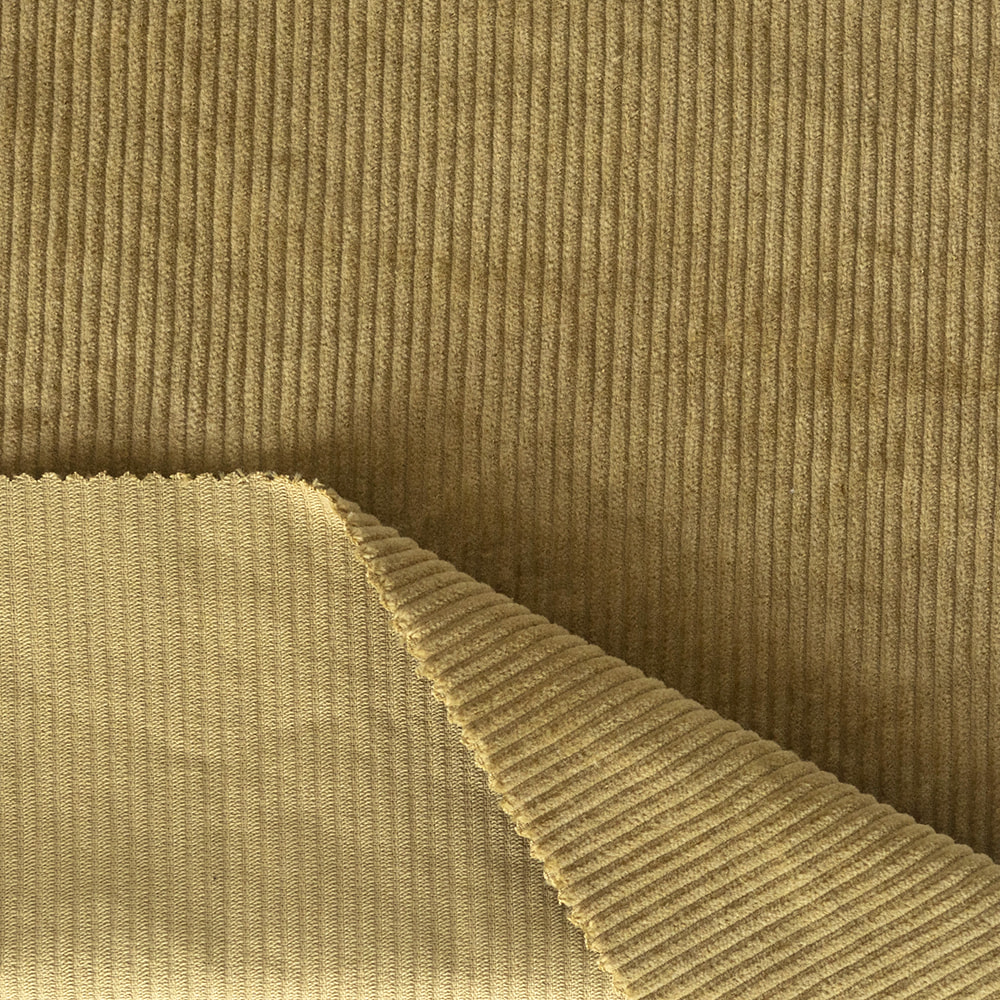
  12W Stretch Knit Corduroy for Dresses, Shirts, and PantsThis knitted corduroy provides two-way stretch and breathability, ideal for dresses, shirts, and pants. Its knit construction gives freedom of movement, combining corduroy texture with comfort for active lifestyles.View Product →
There is also a sustainability angle. Tencel and modal are regenerated cellulosic fibres that come from responsibly managed wood sources. Rayon made from a closed-loop process can also be a more sustainable option than conventional viscose. If your brand promotes lower-impact materials, a cotton/stretch blend with a high proportion of Tencel or modal allows you to keep the corduroy aesthetic while reducing the reliance on pure cotton.
Before you place a large order, verify the following with the supplier:
Also remember that a napped, stretchy fabric behaves differently on the cutting table. Longer stitch length, a walking foot, and consistent nap alignment reduce the risk of uneven seams and shade variation in the finished product.
One additional check is the pilling tendency on fine wale fabrics. Fabrics with 21W or finer can fuzz and ball in high-friction areas. If the product is a shirt or blouse, ask for a pilling test result or use an anti-pilling finish.
The versatility of stretch corduroy means it can support a broad range of categories. For garment brands, it works well in casual trousers, shirts, dresses, skirts, and children's wear. A 12W one-way stretch is a classic choice for tailored trousers. A 16W or 21W two-way stretch is better for dresses that need to move with the body. For home textile companies, the same fabric with a wider wale and a stronger backing is appropriate for sofa covers, cushions, and decorative cushions. For toy manufacturers, a medium-wale stretch corduroy is often specified for plush animals.
When you are planning a product launch, keep sample quantities small and test the fabric under your own production conditions. Different fabric batches can vary in dye shade, stretch recovery, and wale uniformity. A reliable supplier should be able to provide shade bands, test reports, and a consistent sampling process. The more specific you can be about your end use, the better the fabric selection will align with your production line.
Choose a supplier that can offer documented specifications and consistent batches. With so many variables in construction—wale, stretch type, blend, and finishing—the decisive factor is not finding a fabric that looks good in the hand. It is finding one that behaves predictably in production.
Please feel welcome to contact our friendly reception staff with any general call us

+86 139 6116 7127

Email: cloud@jacquardcloth.com

Textile Industry Zone, East Hutang Town, Wujin District,213100 Changzhou,China
