

 English
 日本語
日本語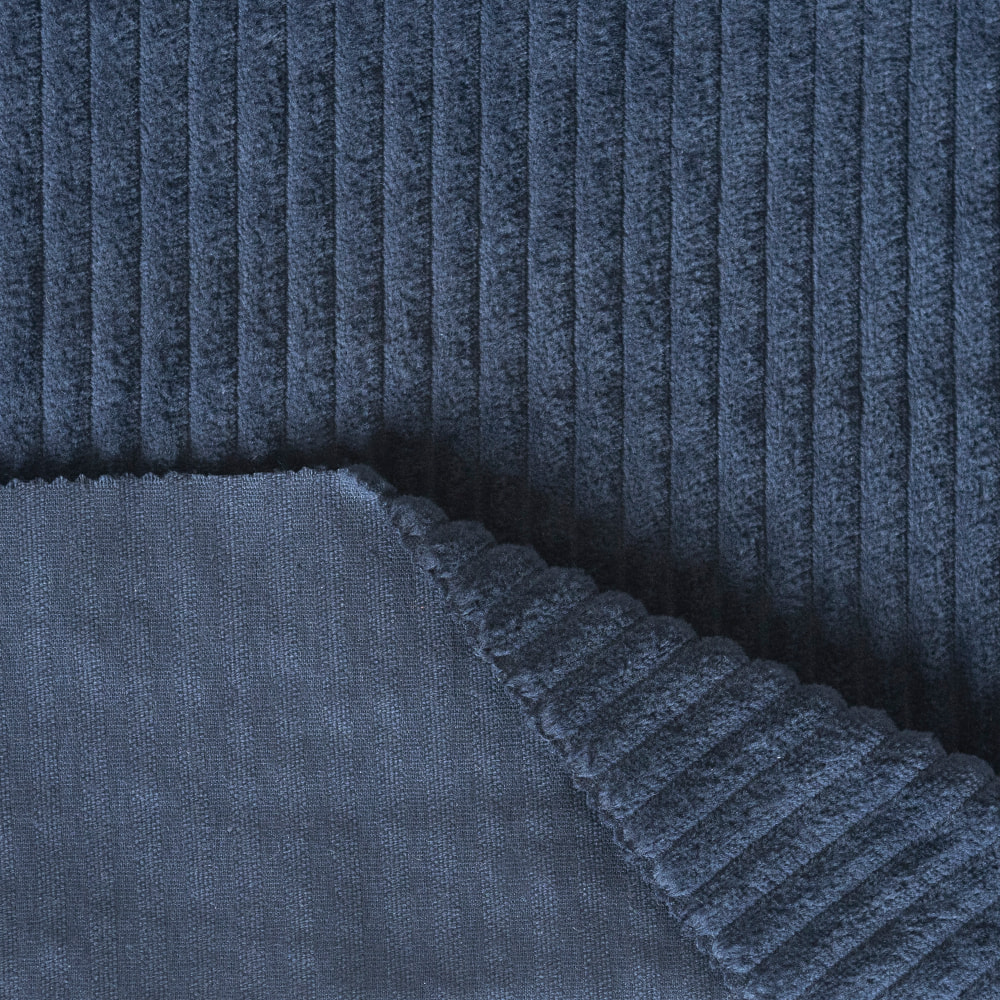


Get Directions
Textile Industry Zone, East Hutang Town, Wujin District,213100 Changzhou,China
When a design team specifies fine wale corduroy for a shirt or dress program, the first specification a fabric buyer should confirm is the wale count. Fine wale corduroy, the dense, finely ribbed cloth with roughly 16 to 21 vertical ridges per inch, delivers a softer hand and a more refined surface than standard or wide wale corduroy. That makes it the natural choice for shirts, blouses, skirts, children's clothing, and lighter-weight trousers. This guide explains how wale counts are defined, why the density of the ribs changes fabric performance, and what to check when sourcing fine wale from a mill.
Content
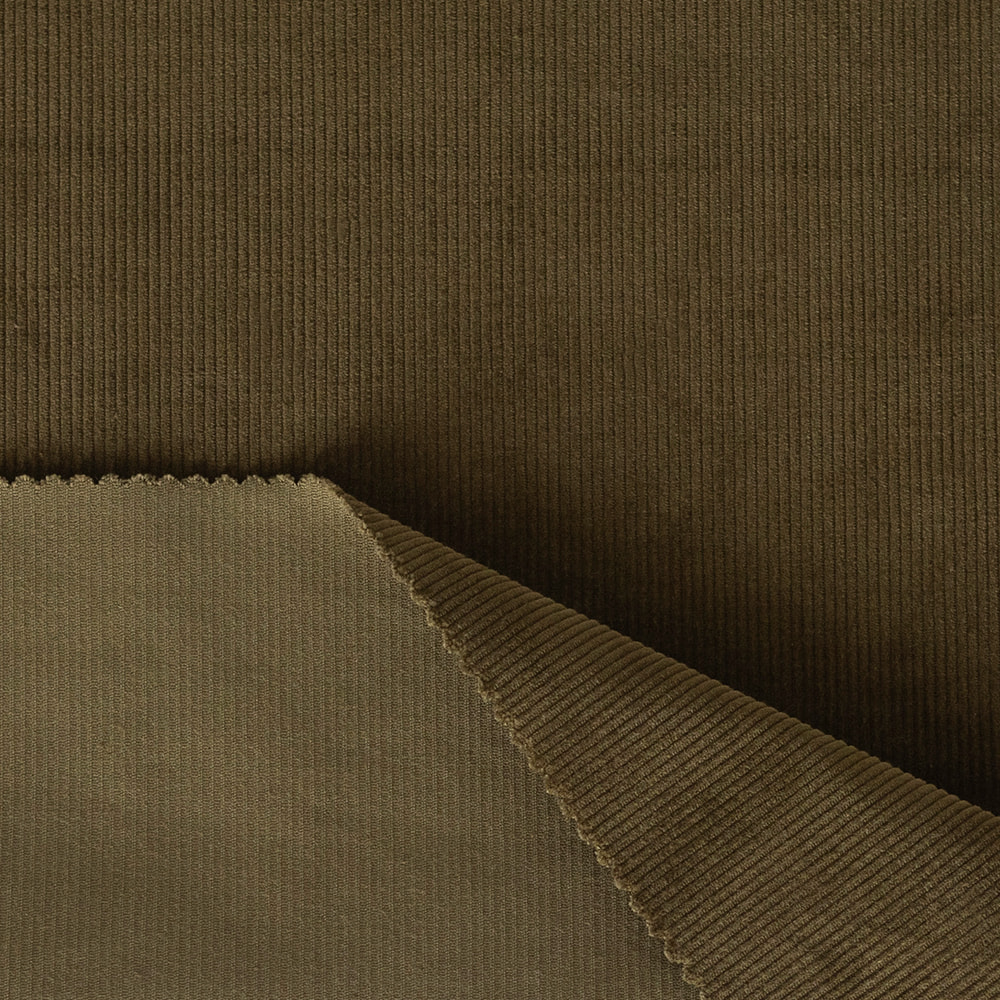
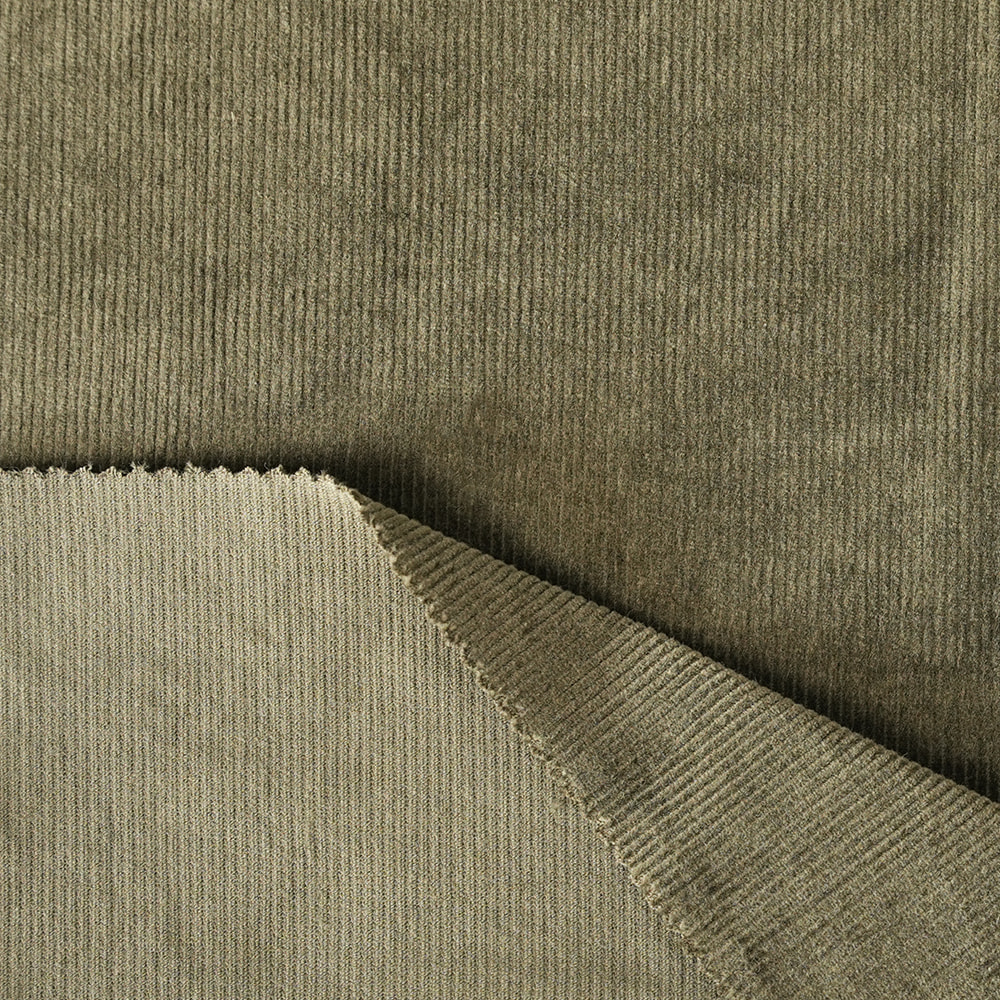
Corduroy is a cut-pile woven fabric. The vertical lines on the face, called wales, are formed by weaving floating pile yarns into a ground weave and then cutting the floats open, so each line of pile stands up as a small, soft ridge. The wale count is the number of ridges measured across one inch of fabric width. The higher the count, the finer the wale.
| Category | Wales per inch | Typical garment uses |
|---|---|---|
| Pinwale / very fine wale | 16 to 21 | Shirts, dresses, skirts, children's clothing |
| Fine wale | 12 to 16 | Casual pants, lighter jackets, soft skirts |
| Standard wale | 8 to 11 | Trousers, jackets, workwear |
| Wide / elephant wale | 1.5 to 6 | Coats, upholstery, bags |
Mills draw the boundary between fine wale and pinwale slightly differently. Some reserve pinwale for 18 wales and above; others treat anything above 16 as pinwale. For a buyer, the name matters less than the number. Specify a measured wale count on the spec sheet, and keep a reference swatch of the approved hand feel, because two suppliers can quote fabrics that both call fine wale yet look and behave very differently.
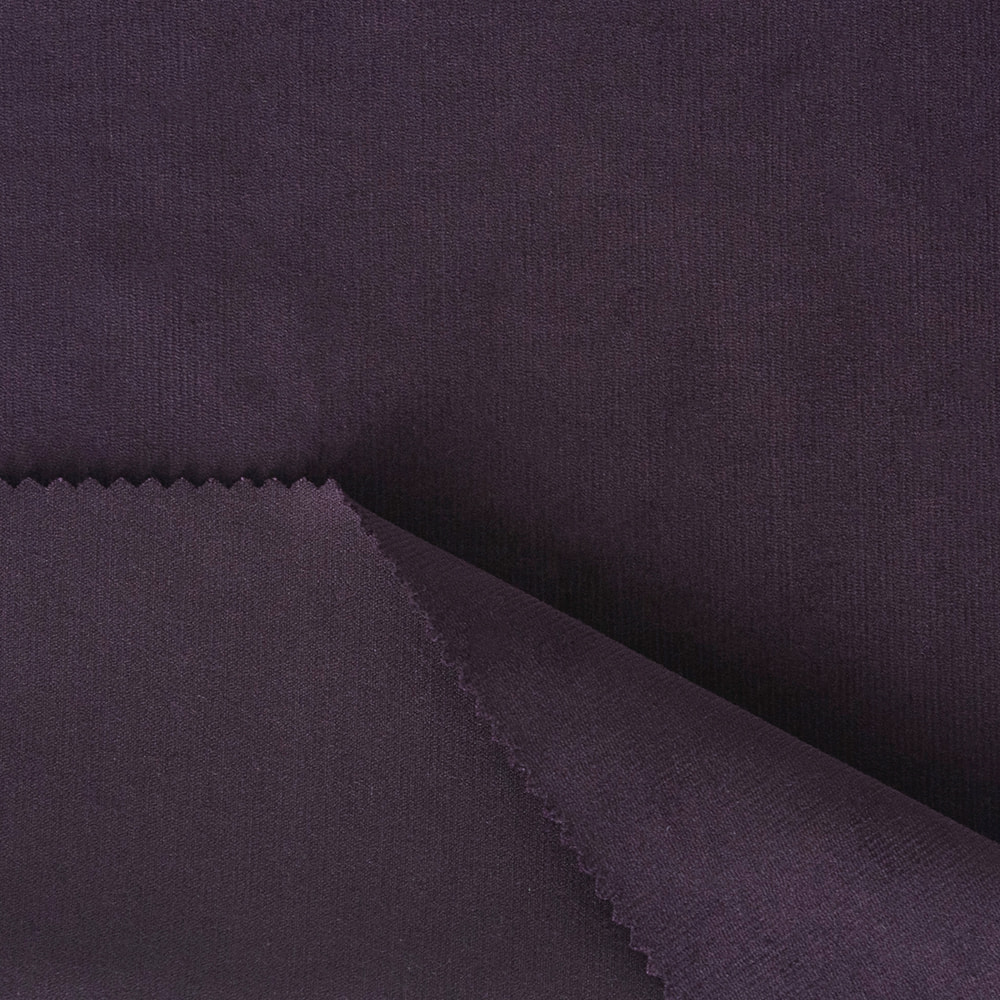
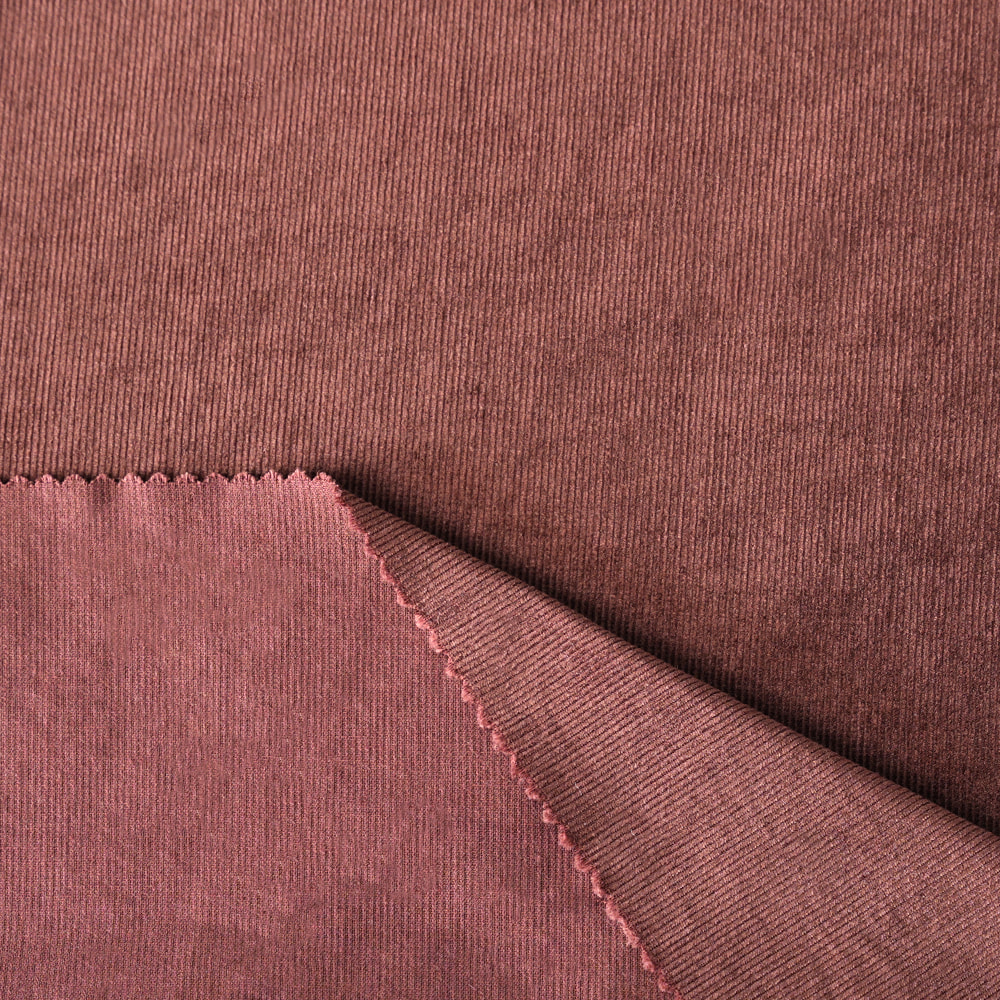
Moving from a standard 8-wale to a 16-wale or 21-wale corduroy changes far more than surface texture. The tight, narrow ridges create a face that reflects light evenly, so the fabric reads almost like a rich solid color from a short distance. The hand is smoother and more fluid, and the fabric drapes closer to the body, which is a key advantage for shirts and dresses.
Fine wale also performs better in garment production. The shallower pile reduces bulk at seams, so collars, plackets, and cuffs press cleaner. The dense surface resists crushing, and the even texture hides rubbing better than a coarse wale. For truly heavy end uses, such as furniture upholstery, a coarse wide wale with a heavier ground construction remains the better choice.
Fine wale occupies a useful middle position between smooth wovens and plush fabrics. It brings the textural interest of corduroy without the bulky, casual look of wide wale, which is why it keeps appearing in autumn shirts, relaxed dresses in lighter blends, and transitional jackets. At counts of 12 to 14 wales per inch, the same construction works for trousers, where the surface texture is visible but still tailored.
Wale count defines the surface; the fiber blend defines the hand, drape, and aftercare. Fine wale is produced in several blends, each matched to a different garment requirement.
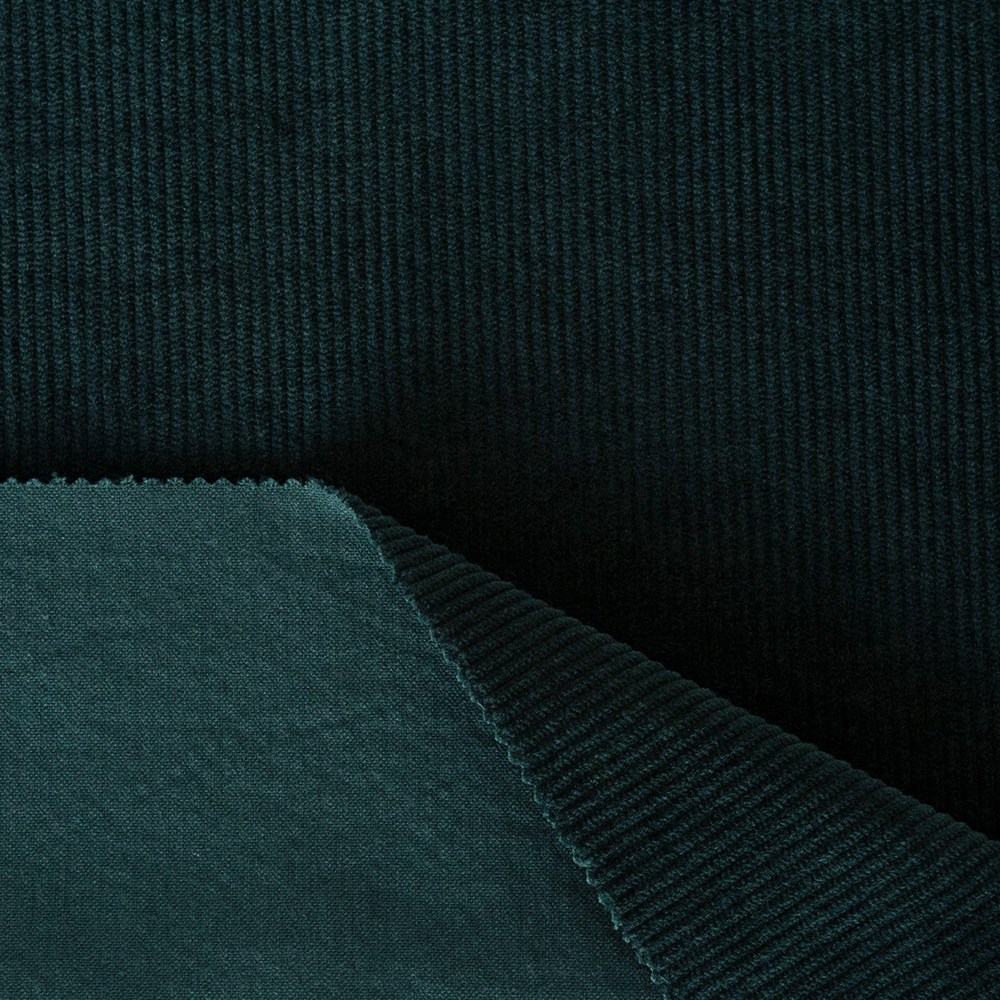
Pure cotton is the classic base for fine wale. It is breathable, takes piece dyeing and printing well, and softens with every wash, which makes it the first choice for children's clothing. For those programs we supply a 21-wale cotton baby corduroy fabric, a non-stretch style with a tightly packed pile and a stable back that survives repeated laundering.
 Custom KLD10088 21 Wales Non-Stretch Cotton Soft Baby Corduroy Clothing Fabric SCloud Cloth are China OEM Custom KLD10088 21 Wales Non-Stretch Cotton Soft Baby Corduroy Clothing Fabric Suppliers and Company,The fine c...View Product →
Adding spandex gives fine wale the stretch and recovery needed for slim-fit dresses, fitted trousers, and close-cut shirts. Two-way stretch is usually enough to improve wearing comfort without making seams pucker or the garment lose its shape. Because the ribbed face absorbs movement better than a flat woven, stretch fine wale is also popular for light transitional outerwear.
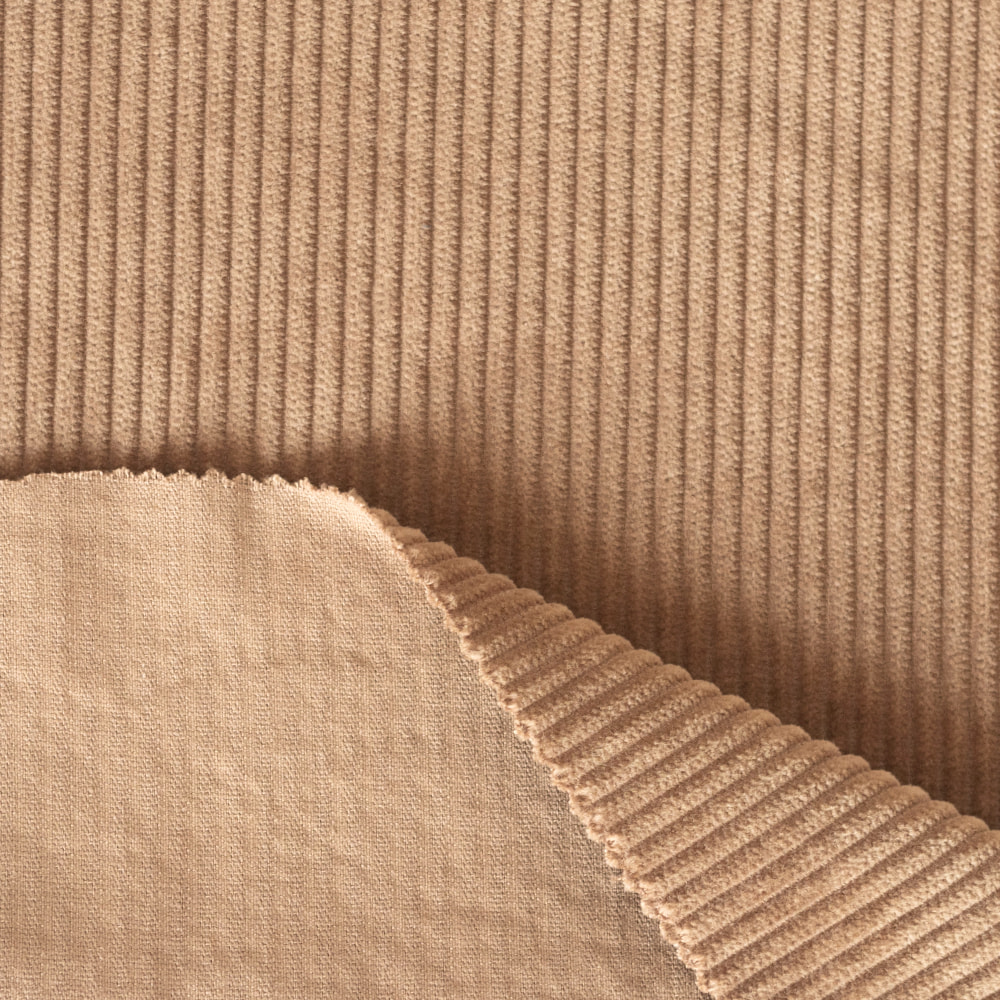
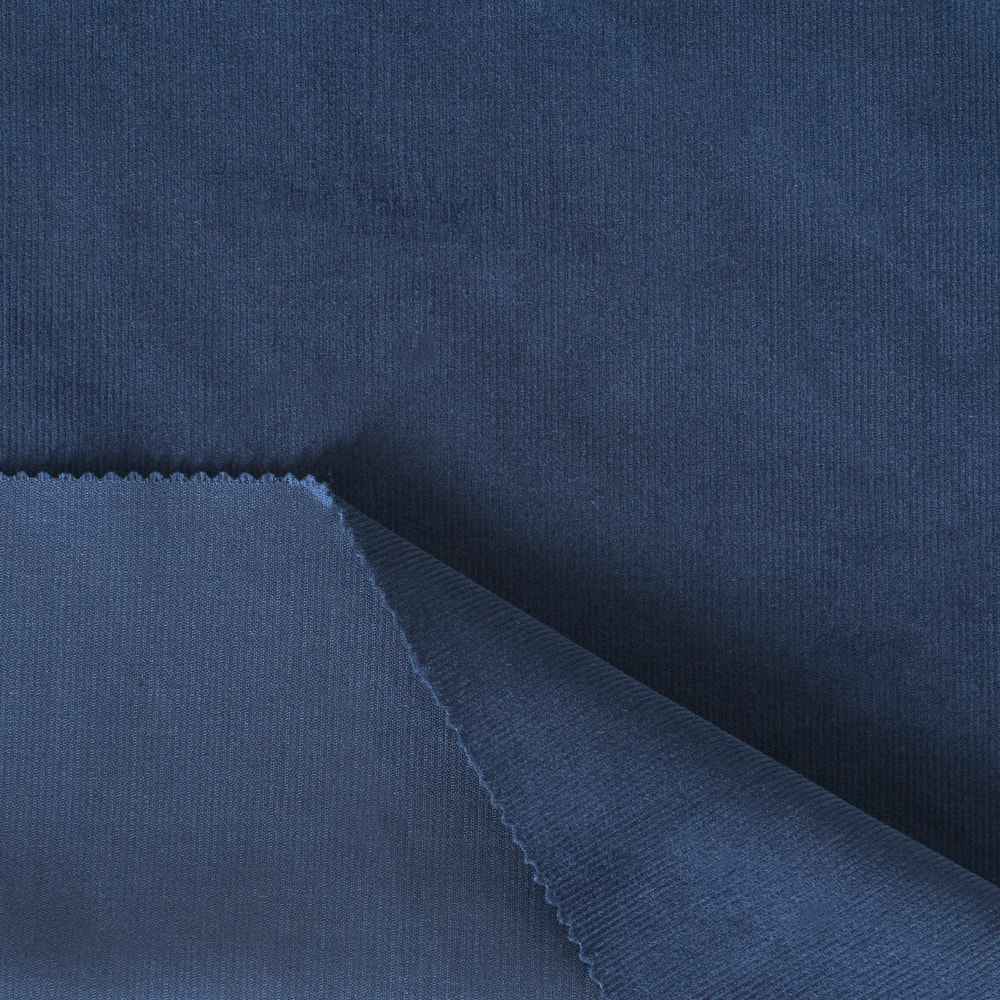
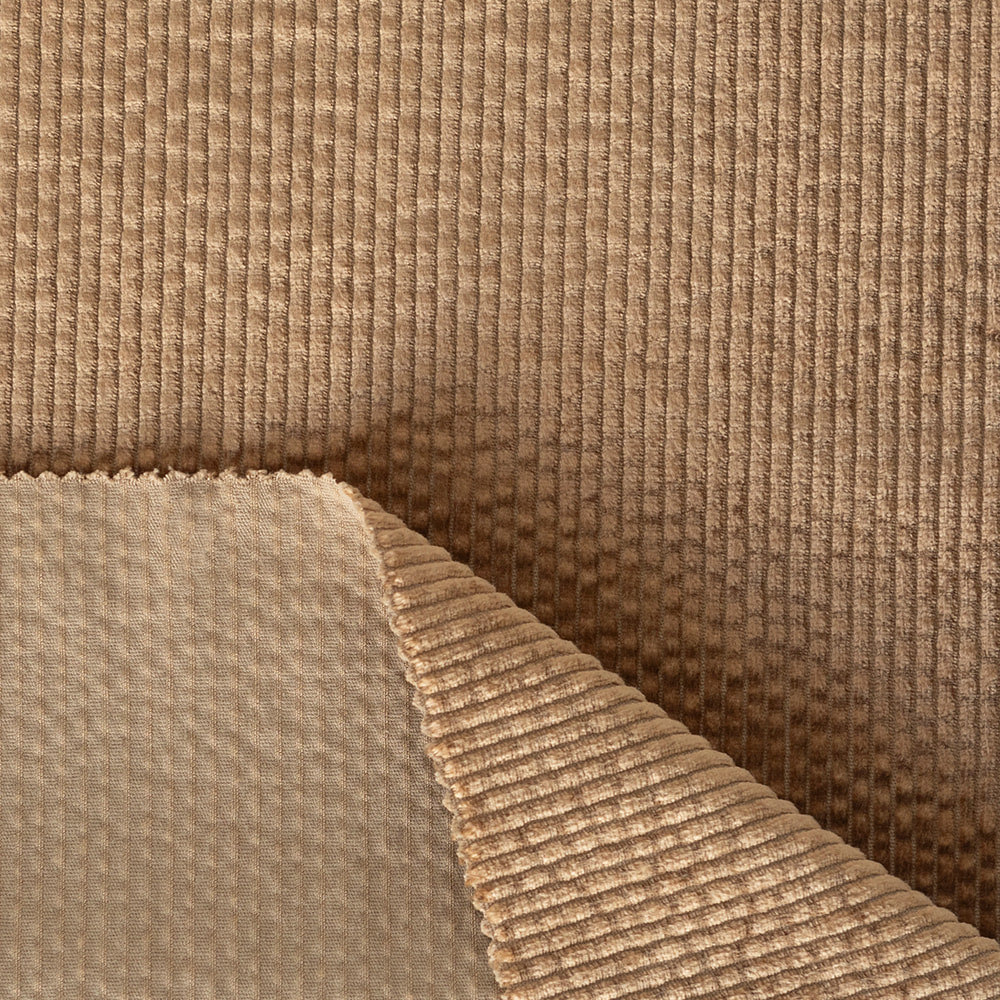
Tencel-cotton blends give fine wale a cooler touch, better drape, and deeper dye absorption while staying machine-washable. The difference is noticeable in shirts and casual pants: the fabric follows the body instead of standing away from it. Our 21-wale Tencel-cotton fine wale corduroy is a standard style for shirts, casual pants, bib overalls, and skirts, and it is a common starting point when designers want a softer, more modern corduroy look.
 Custom KLD10593 21W Tencel-Cotton Fine Wale Corduroy Fabric for shirts, casual pCloud Cloth are China OEM Custom KLD10593 21W Tencel-Cotton Fine Wale Corduroy Fabric for shirts, casual pants, Bib overalls, skirts, Sup...View Product →
Modal-cotton and rayon-cotton blends are efficient choices when the budget does not allow a Tencel program but a smooth hand is still required. Modal adds softness and spring; rayon adds a subtle sheen and excellent drape. Both take piece dyeing well and appear frequently in dresses, skirts, and blouse-weight shirting.
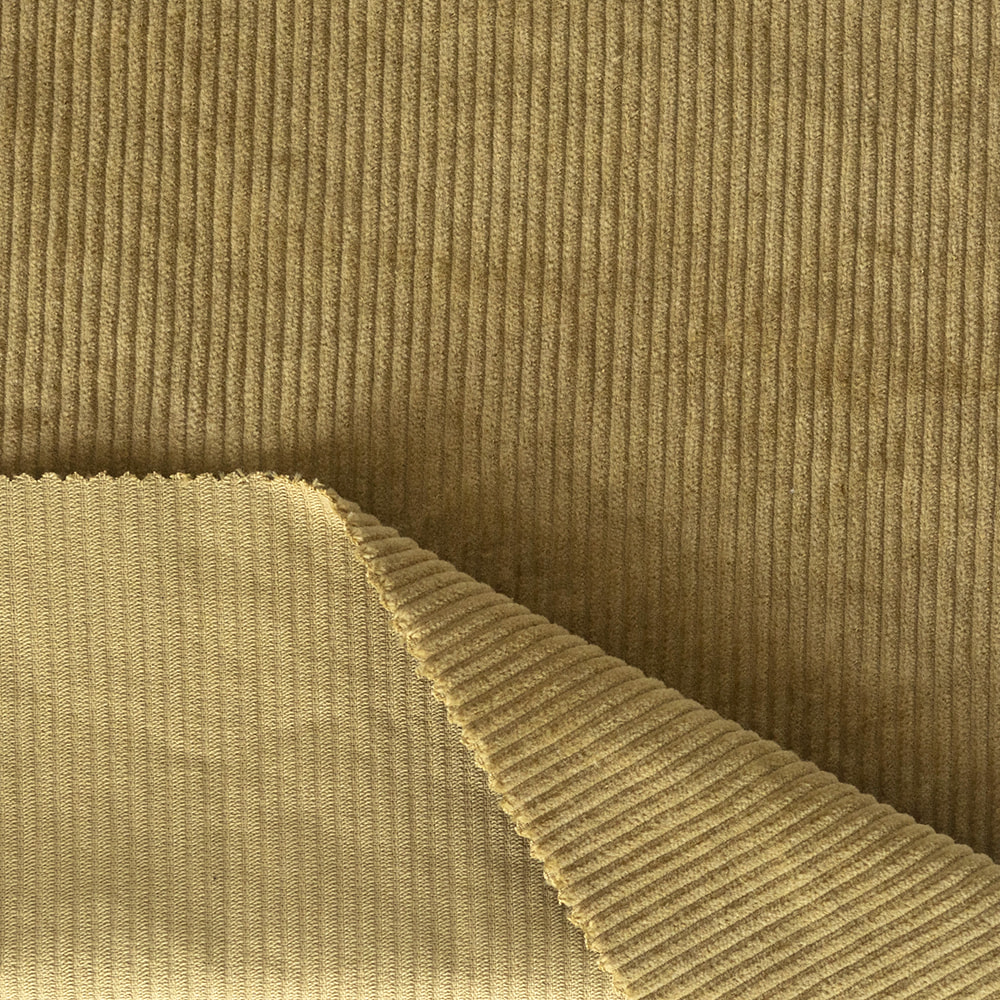
Most fine wale is piece-dyed after weaving, which suits solid-color programs. Yarn-dyed fine wale, where the yarn is dyed before weaving, opens the door to stripes, checks, and heathered effects that printing cannot replicate. The color also sits deeper in the fabric, giving a visual depth that designers value in woven patterns. A 21-wale cotton yarn-dyed fine wale fabric is a practical starting point for those programs.
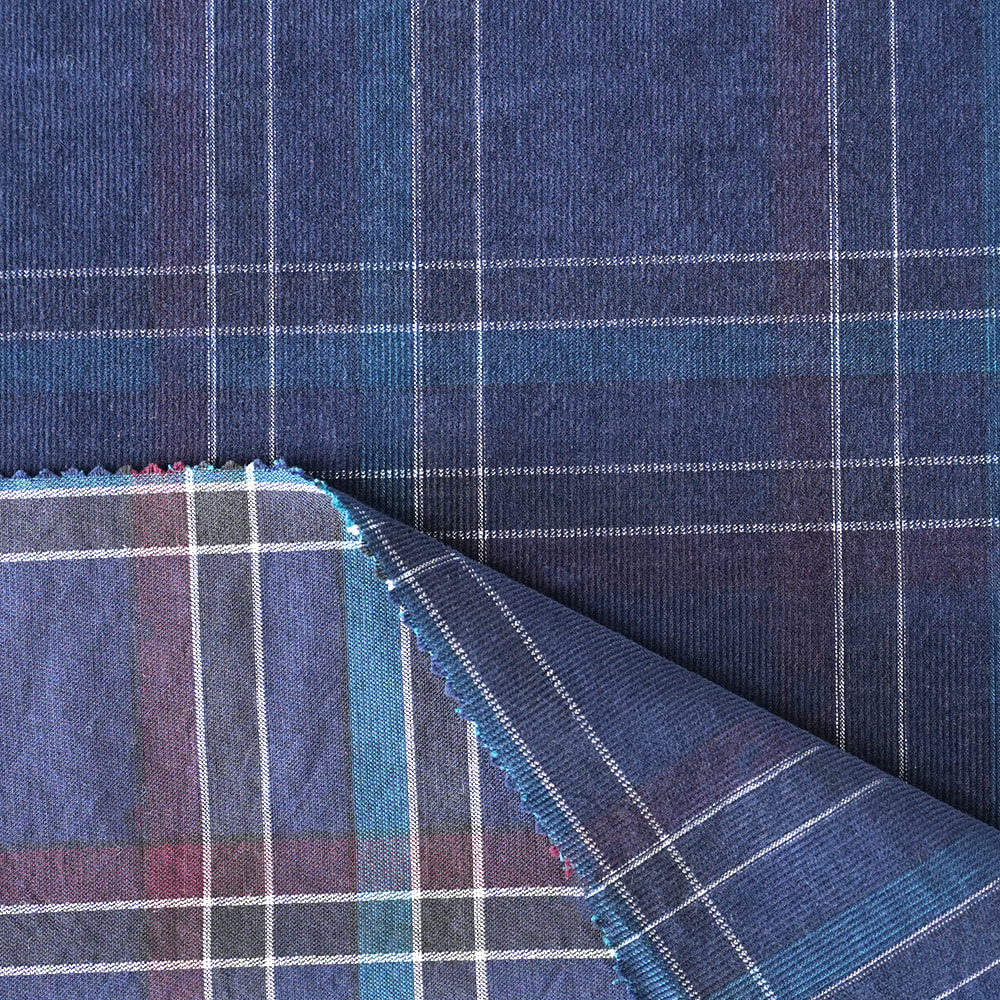 Custom KLD00039 21W Cotton Yarndyed Fine Wale corduroy fabric Suppliers, CompanyCloud Cloth are China OEM Custom KLD00039 21W Cotton Yarndyed Fine Wale corduroy fabric Suppliers and Company,The style of this fabric is...View Product →
Fine wale is technically demanding to produce. The floating pile yarns must be woven to a constant height across the full fabric width, and the pile-cutting process has to open every wale cleanly without nicking the ground weave. A mill that controls weaving, pile cutting, dyeing, and finishing under one roof can keep those processes aligned, which reduces the gap between laboratory samples and bulk production.
At Changzhou Cloud Cloth Industry, 200 air-jet looms and 20 air-jet jacquard looms support wale counts from coarse upholstery grades through 21-wale garment fabrics, and the in-house development team adjusts wale count, blend, and color in the same cycle. Quick strike-offs are part of how we work with apparel brands.
Before approving a bulk order, check these five points with your supplier:
Starting from an existing range is often faster. The complete corduroy fabric catalog at Cloud Cloth covers wale counts from 3.5 to 21 and blends from pure cotton to Tencel, modal, rayon, spandex, and jacquard constructions. Fashion brands exploring refined solids can begin with the cotton piece-dyed corduroy collection, where the wale range is the widest, and design teams interested in how the blend changes color depth and drape can read our notes on Tencel-cotton corduroy aesthetics.
Fine wale corduroy rewards a buyer who works with numbers rather than names. Confirm the wale count, choose the blend according to the garment's required drape and stretch, and partner with a mill that controls the full chain from weaving to finishing. When those three conditions are met, fine wale corduroy performs as well in bulk production as it does in the design drawing.
Please feel welcome to contact our friendly reception staff with any general call us

+86 139 6116 7127

Email: cloud@jacquardcloth.com

Textile Industry Zone, East Hutang Town, Wujin District,213100 Changzhou,China
