

 English
 日本語
日本語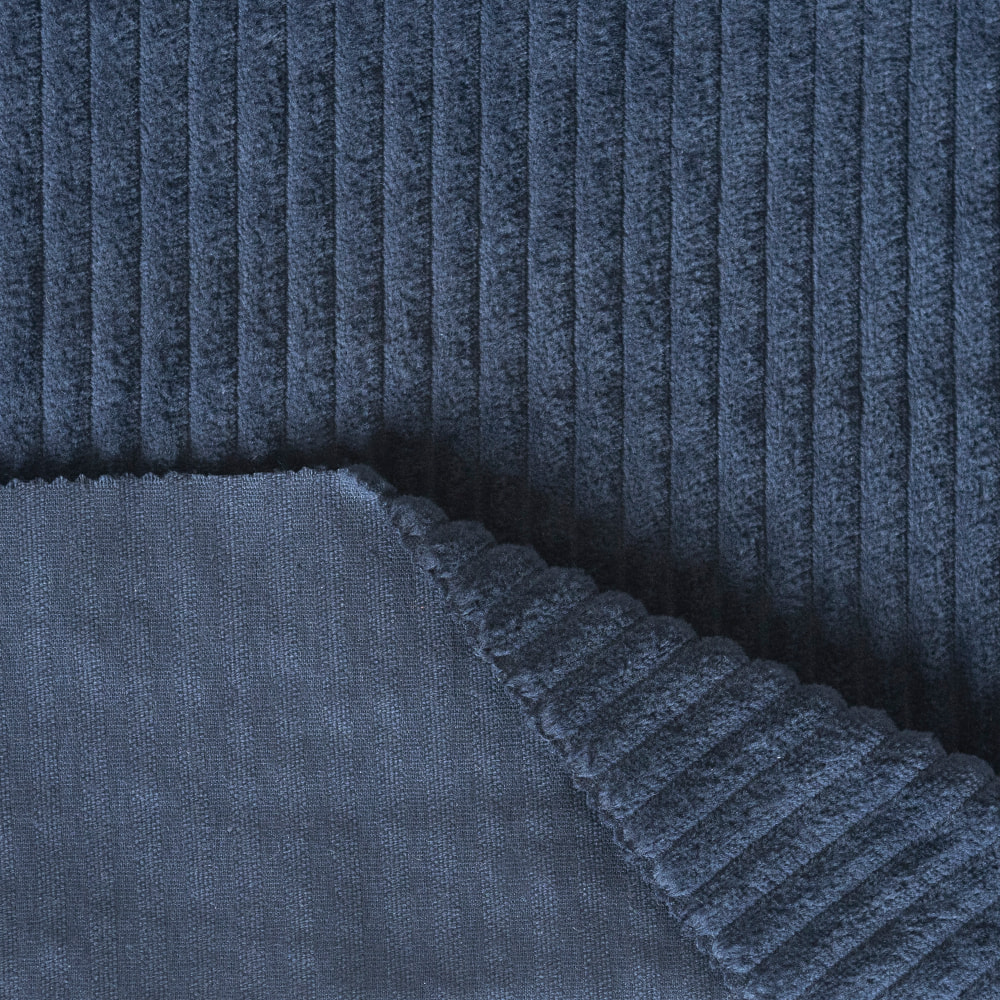


Get Directions
Textile Industry Zone, East Hutang Town, Wujin District,213100 Changzhou,China
Pull a navy corduroy jacket off the rack ten years from now and it should still look navy — not faded to slate gray, not patchy at the elbows. Whether that happens comes down to decisions made long before the fabric ever reaches a sewing table: how it was dyed, how tight the wale, and how the color was locked in.
Content
Navy sits in an unusual sweet spot among corduroy colors. It reads as neutral enough to pair with almost anything, yet carries more depth and formality than tan or khaki. That combination is exactly why it shows up across categories that rarely overlap — casual jackets, tailored trousers, children's wear, and even upholstery — without ever looking out of place in any of them.
The color also photographs and displays well across corduroy's textured surface. Because the fabric's ribs catch light unevenly, a flat color like navy shows off the wale's dimension more clearly than a busy print would, which is part of why solid navy remains one of the most consistently ordered colorways in corduroy production.
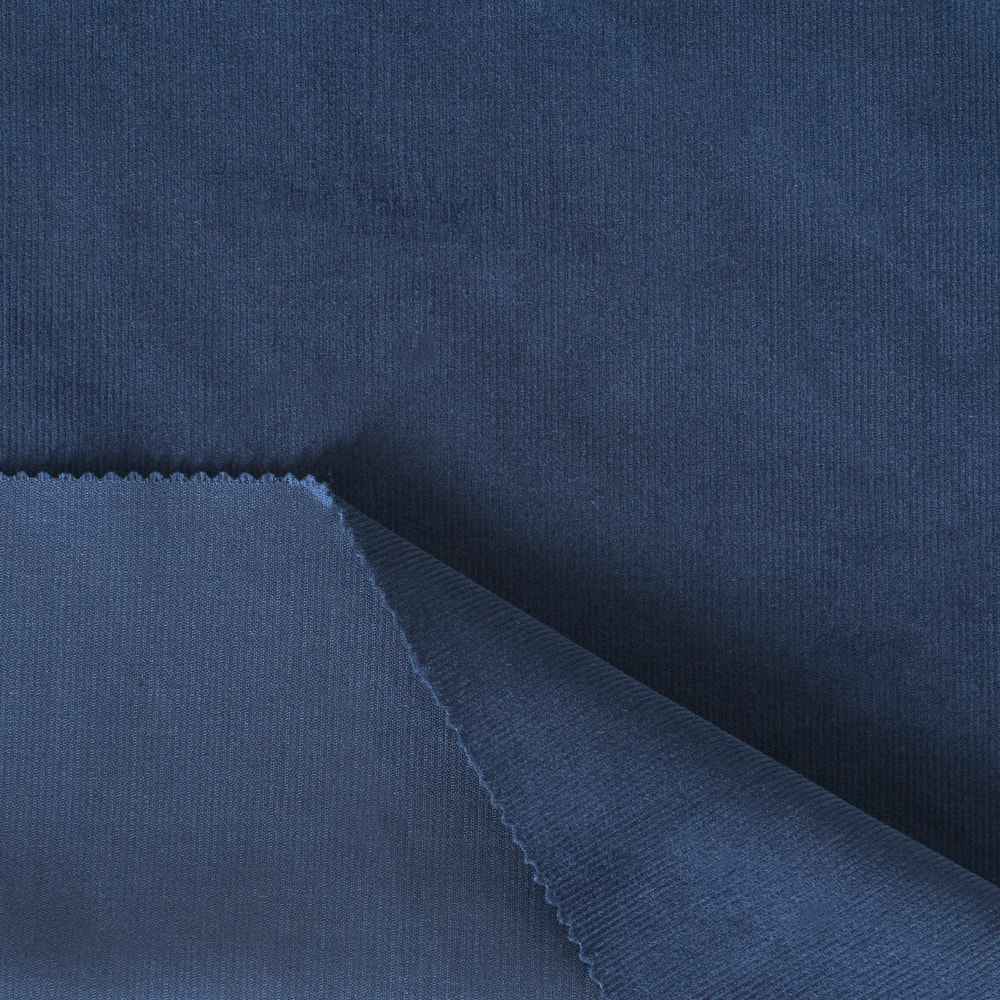
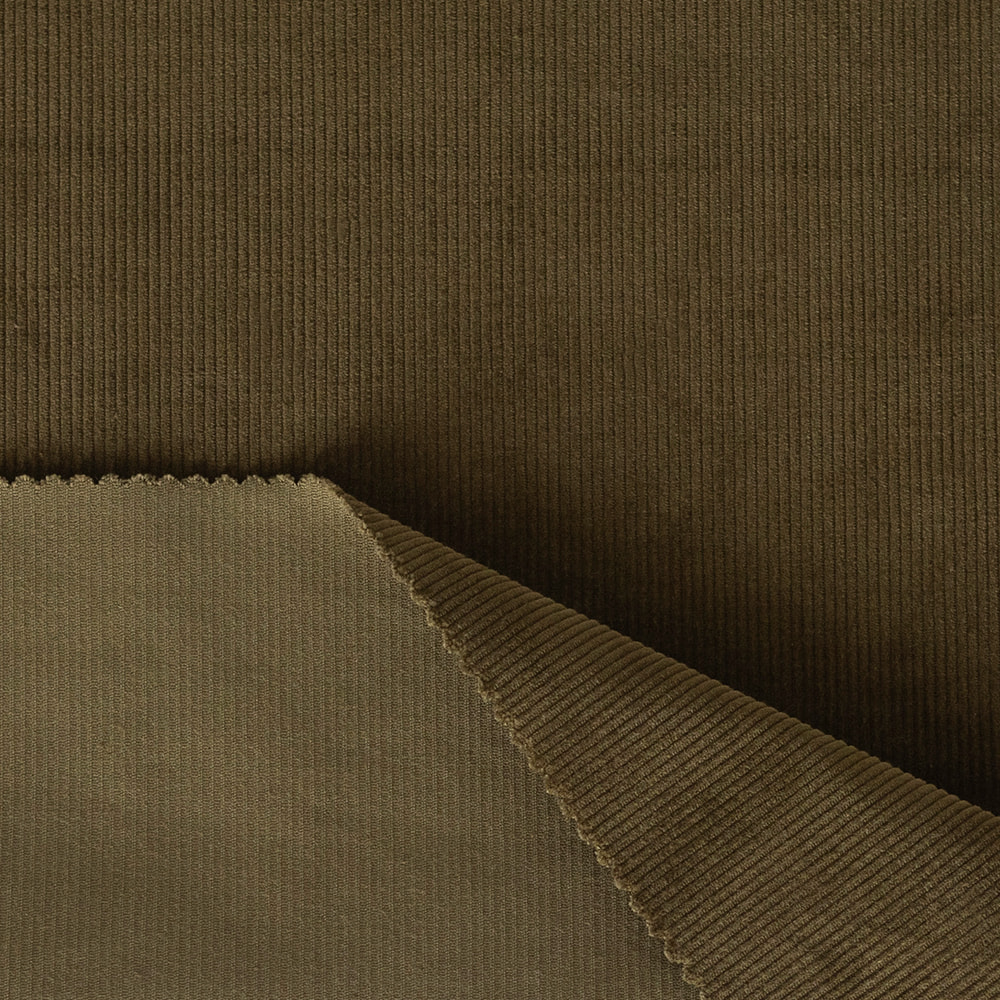
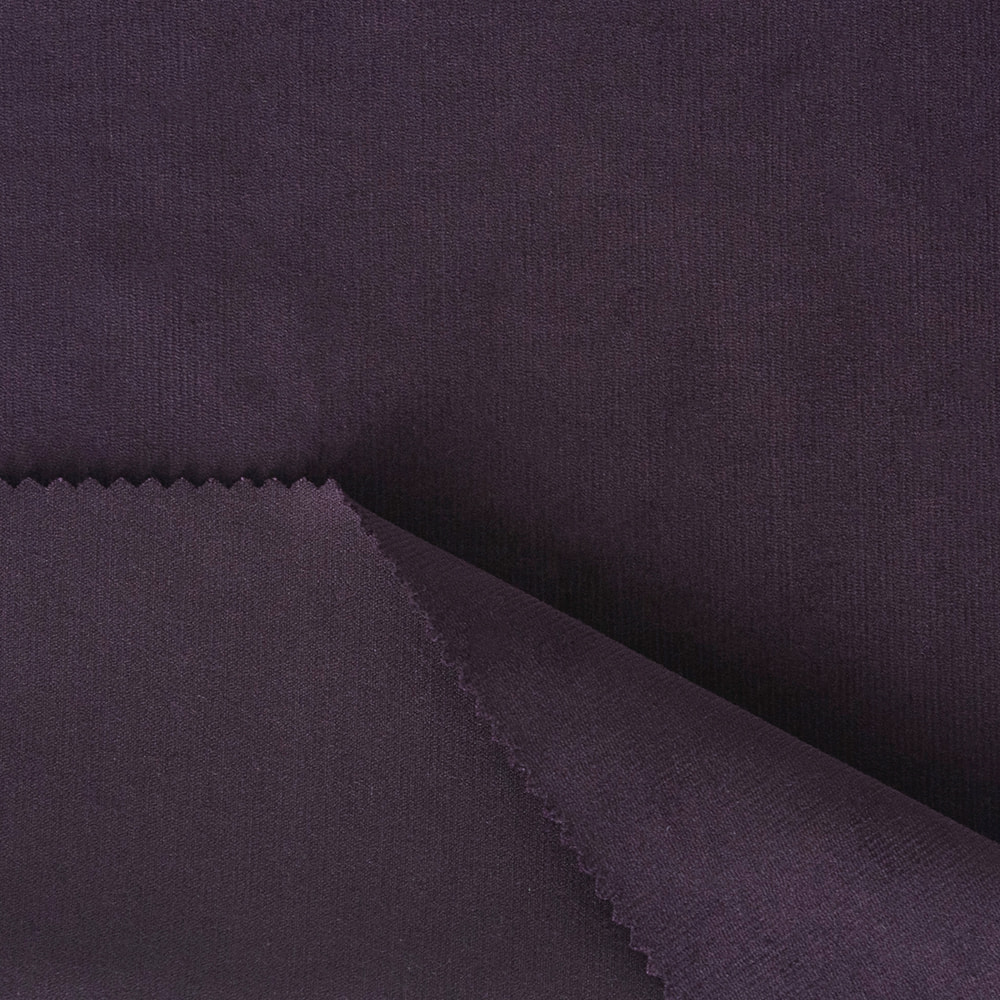
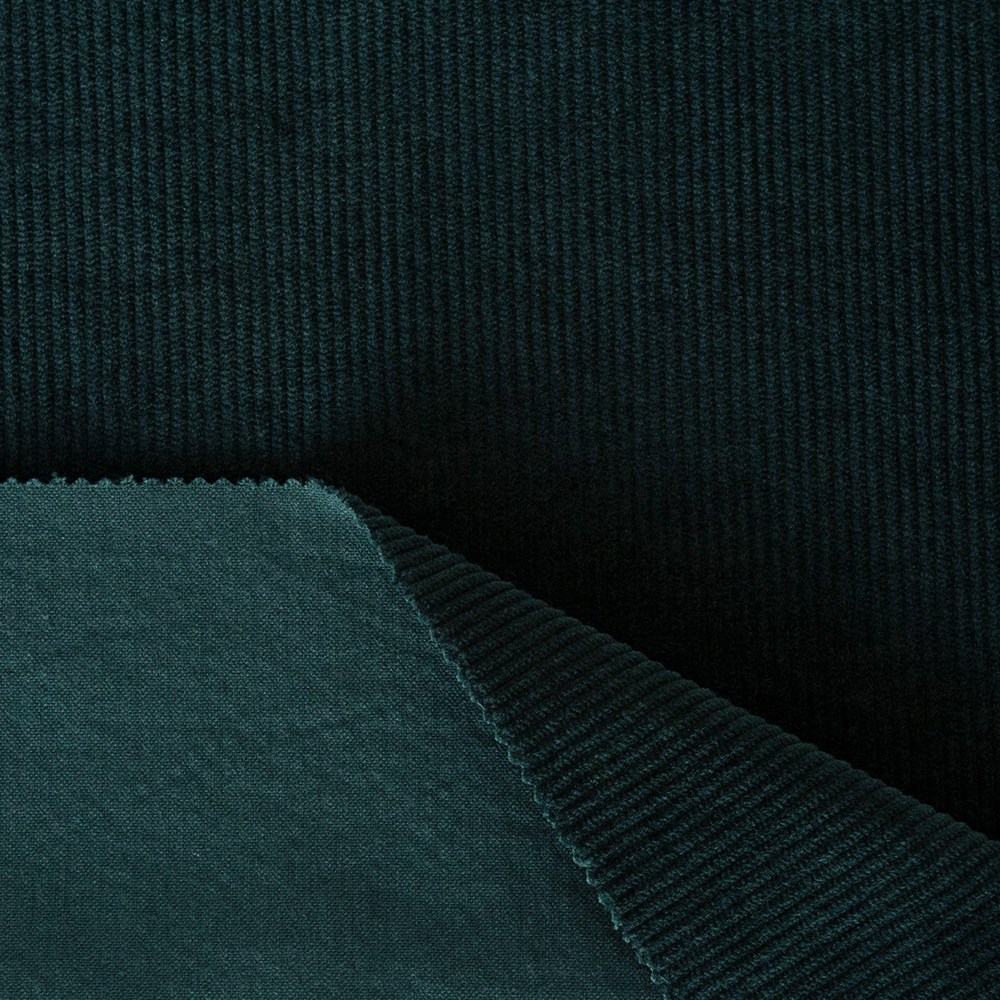
There are two main routes to a navy corduroy, and they produce noticeably different results. Yarn-dyed corduroy is colored before weaving — the cotton yarn itself goes through the dye bath, then gets woven into the ribbed structure. This tends to produce deeper, more uniform color that penetrates the fiber fully, which matters for a dark shade like navy where any unevenness is highly visible. Our solid-color yarn-dyed corduroy fabric collection includes options built around exactly this process, including a solid plain cotton yarn-dyed corduroy built for multiple applications.
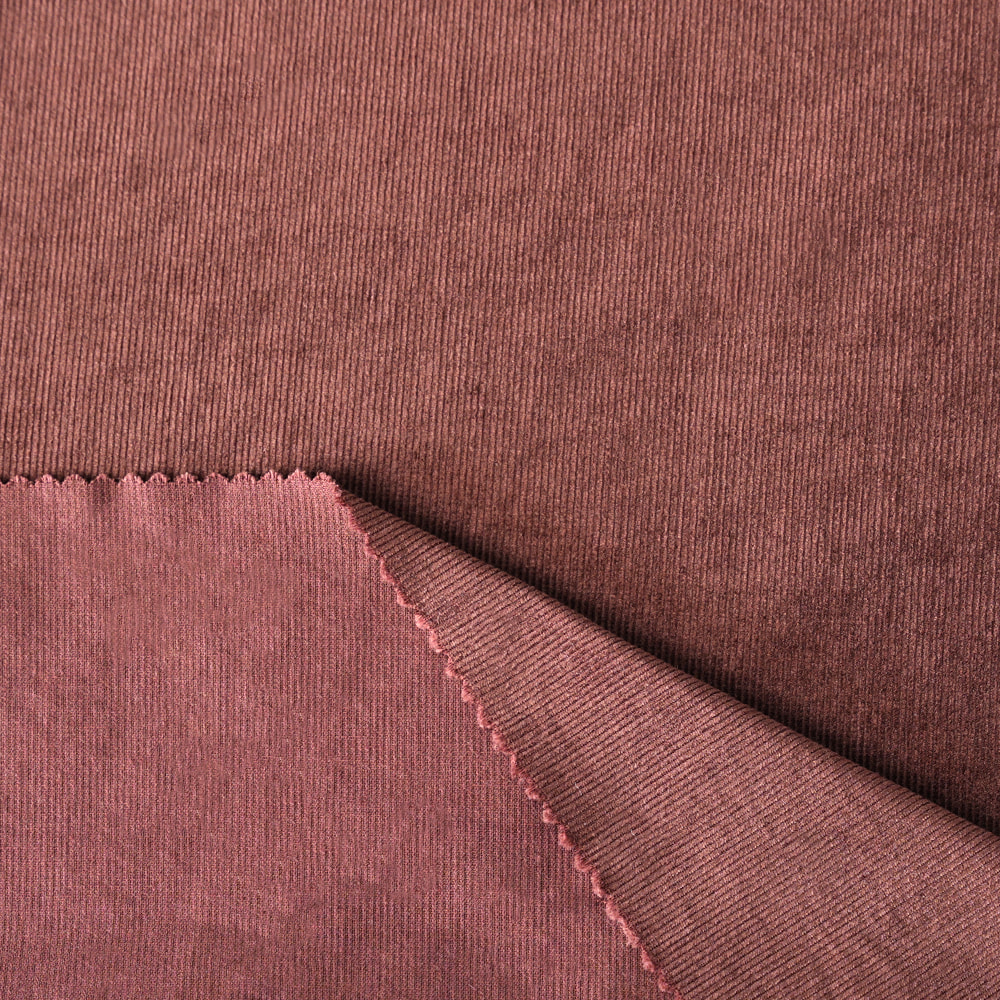
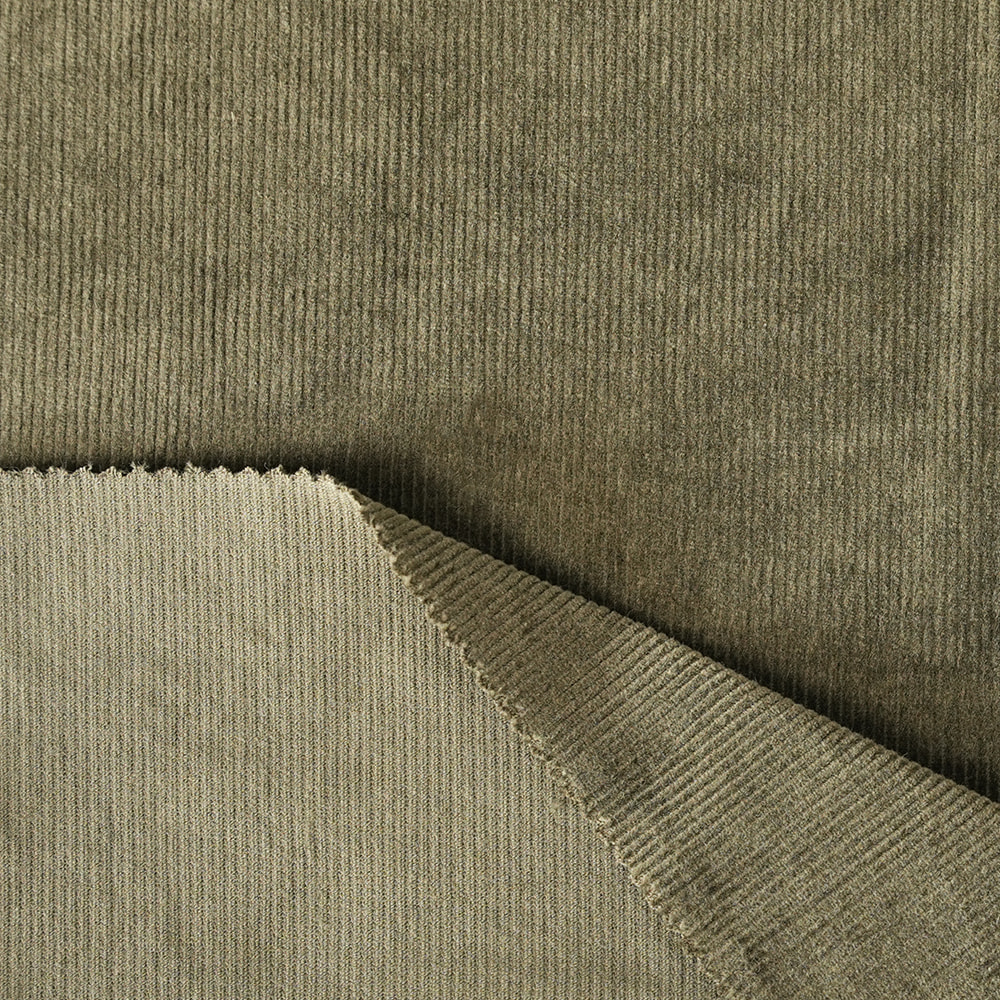
Piece-dyed corduroy takes the opposite order: the fabric is woven first in its natural (greige) state, then dyed as a finished piece. This route is generally faster and more cost-effective for bulk solid-color runs, though it demands tighter process control to avoid shade variation across a batch — especially in a dark, saturated tone like navy. Our piece-dyed cotton corduroy fabric collection covers this construction across multiple wale options.
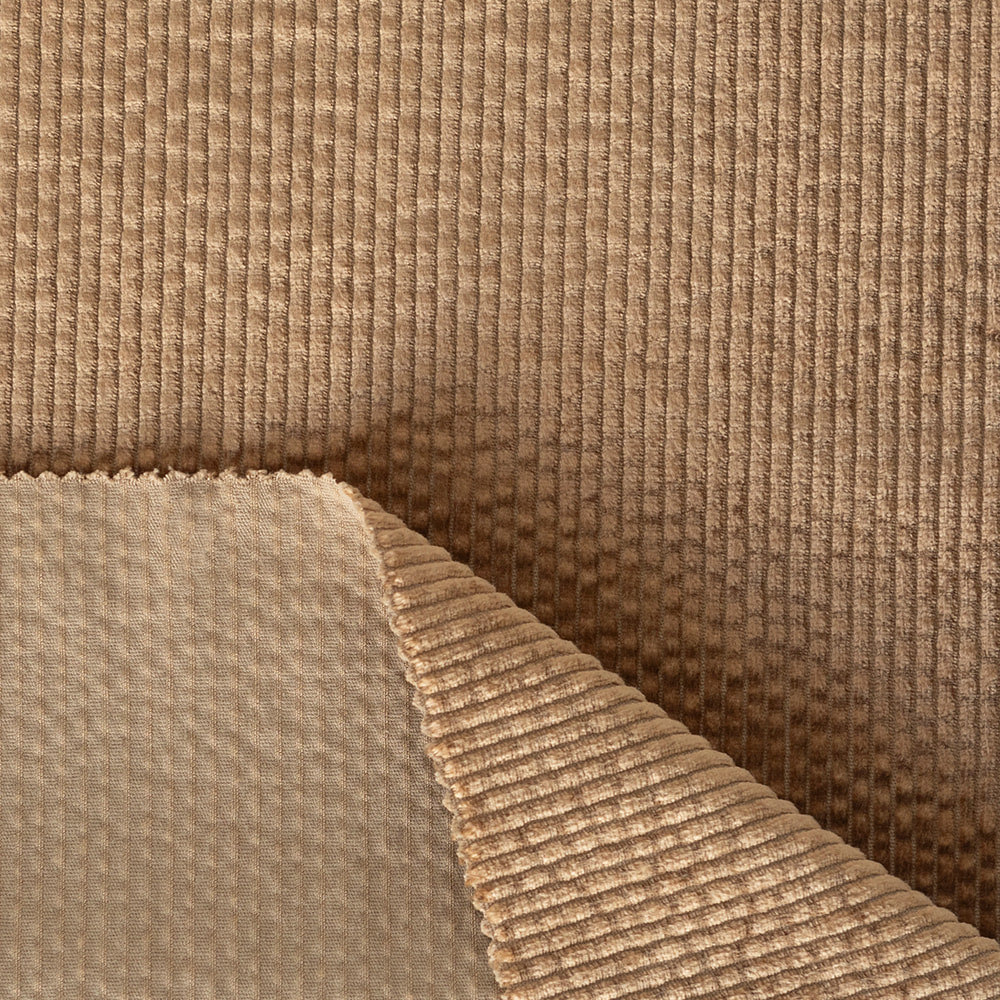
Wale — the number of ridges per inch — shapes how navy corduroy looks and behaves just as much as the color itself. Wide-wale corduroy, generally 3 to 5 wales per inch, gives a bold, rustic texture with a heavier hand, well suited to outerwear and upholstery where the deep navy tone reads almost black in the shadowed grooves between ribs.
Mid-wale, around 8 to 13 wales per inch, is the most versatile choice for trousers and jackets, striking a balance between drape and structure. Pinwale corduroy, at 14 wales per inch or finer, produces a smoother, almost velvet-like surface that suits shirts, dresses, and children's clothing, where a lighter hand and softer drape matter more than bold texture.
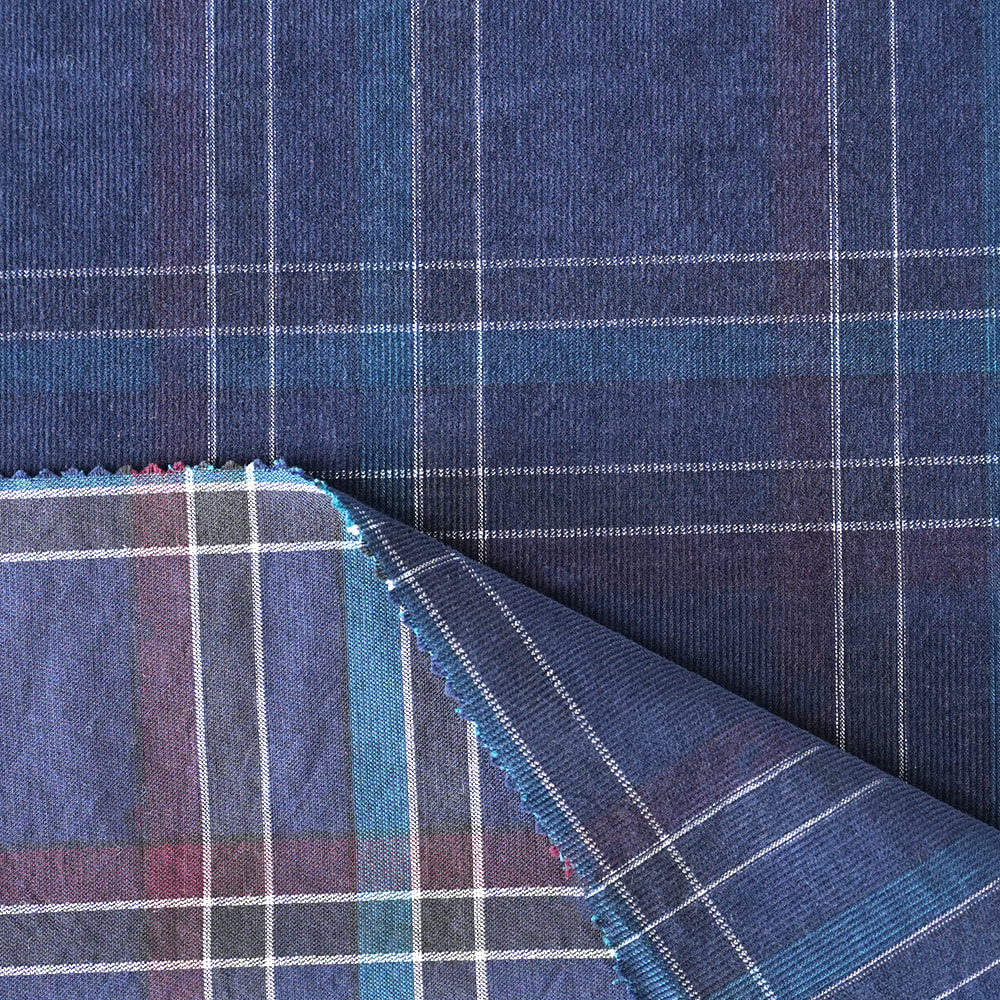
Navy corduroy has a long history in tailored trousers and semi-formal jackets, largely because the color bridges the gap between casual cotton fabrics and more formal wool suiting. A mid-wale or bi-stretch construction tends to work best here, since it holds a crease reasonably well while still allowing enough give for daily movement.
For applications that need both structure and stretch — trousers that need to move with the wearer without losing their shape — a stretch corduroy fabric designed for trousers, casual wear, and suits handles the navy colorway well while still offering the recovery needed for tailored fits.
Dark, saturated colors like navy are more prone to visible fading and rub-off than lighter shades, simply because any loss of dye is easier to spot against a deep base tone. This is especially true on corduroy, where the raised pile creates more surface area for friction to wear against during normal use.
Textile manufacturers commonly test dark colorways against standardized colorfastness protocols covering crocking (color transfer from rubbing), light exposure, and laundering. AATCC's colorfastness testing methods cover resistance to crocking, laundering, and light exposure, giving buyers a consistent way to compare how well a navy dye lot will hold up in real-world wear rather than relying on how it looks fresh off the roll.
Dyeing accounts for a meaningful share of the environmental footprint in corduroy manufacturing, particularly for deep, saturated colors that require more dye uptake and, often, more water in the fixing process. Fiber choice plays into this too — blending cotton with fibers like rayon can reduce water and chemical use during dyeing while still achieving a rich, consistent navy.
This is covered in more depth in our piece on how rayon-cotton piece-dyed corduroy supports environmentally friendly fashion production. For buyers prioritizing sustainability alongside colorfastness, asking a supplier about their dyeing process and water treatment is just as relevant as asking about wale count or GSM.
Please feel welcome to contact our friendly reception staff with any general call us

+86 139 6116 7127

Email: cloud@jacquardcloth.com

Textile Industry Zone, East Hutang Town, Wujin District,213100 Changzhou,China
