

 English
 日本語
日本語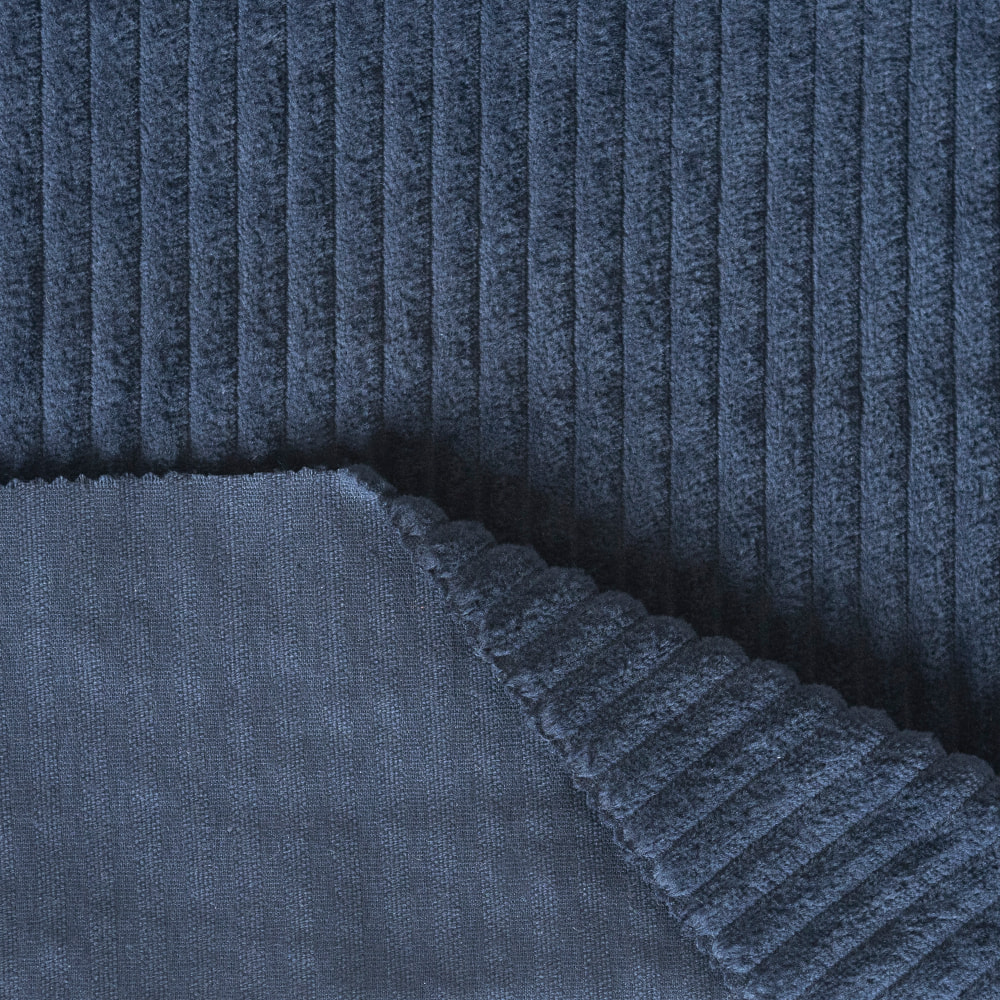


Get Directions
Textile Industry Zone, East Hutang Town, Wujin District,213100 Changzhou,China
Content
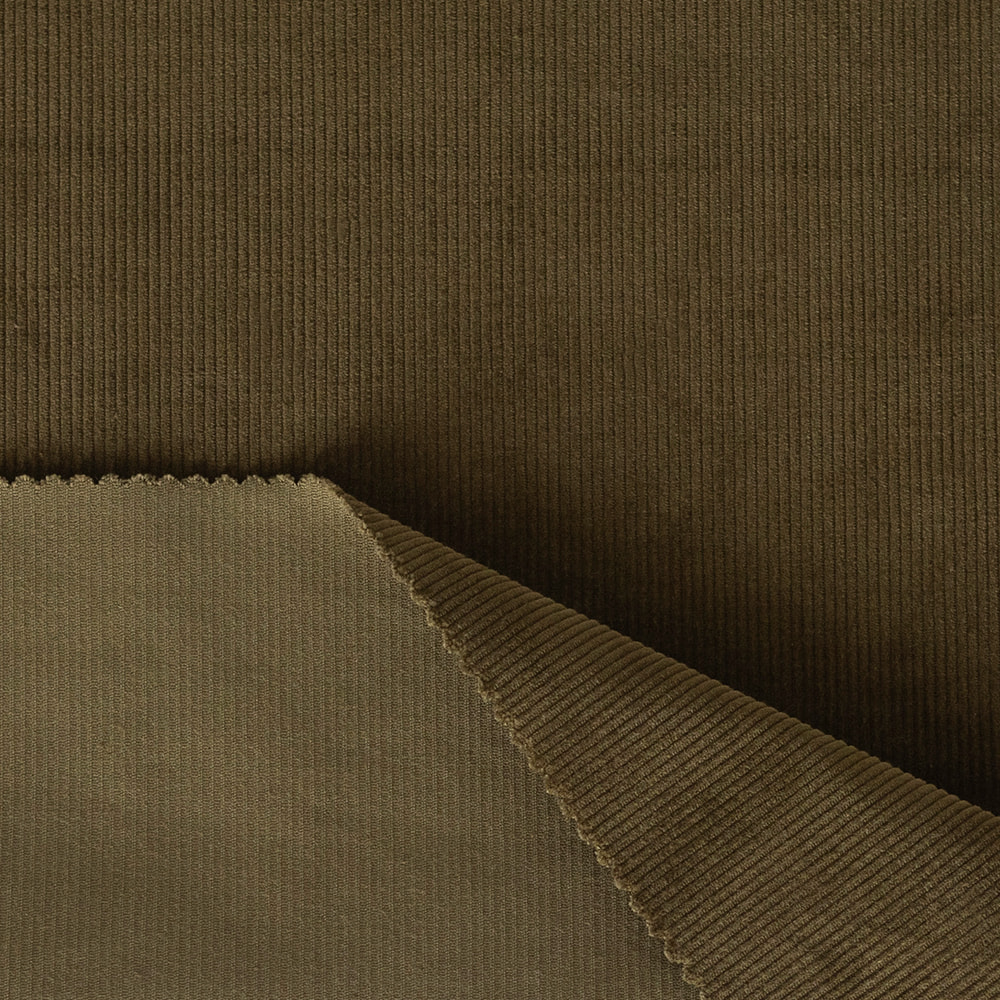
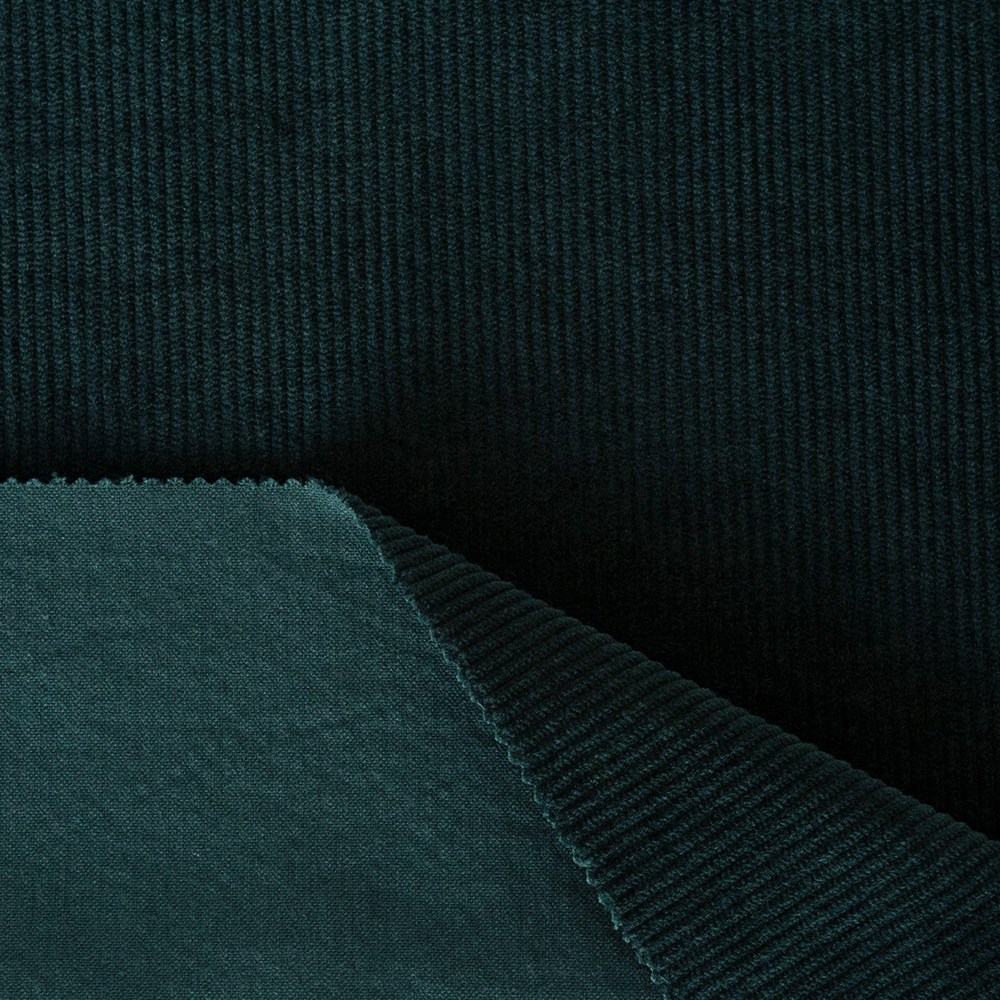
Run your hand across a pair of corduroy pants and you'll feel a series of raised, parallel ridges — that texture is the entire identity of the fabric. Those ridges are called wales, and they're built into the cloth during weaving, not printed or embossed onto the surface afterward.
The process starts with a base weave, usually plain or twill, into which an extra "pile" yarn is woven so it floats over several warp threads at a time. Manufacturers glue the back of the fabric to keep everything in place, then run an industrial cutter through the floated yarn to sever it. Brushing and singeing afterward turn those cut threads into the soft, rounded ridges everyone recognizes as corduroy.
That's also why corduroy behaves differently depending on which direction you run your hand — smooth one way, rougher against the nap the other. It's a structural quirk of the weave, not a flaw.
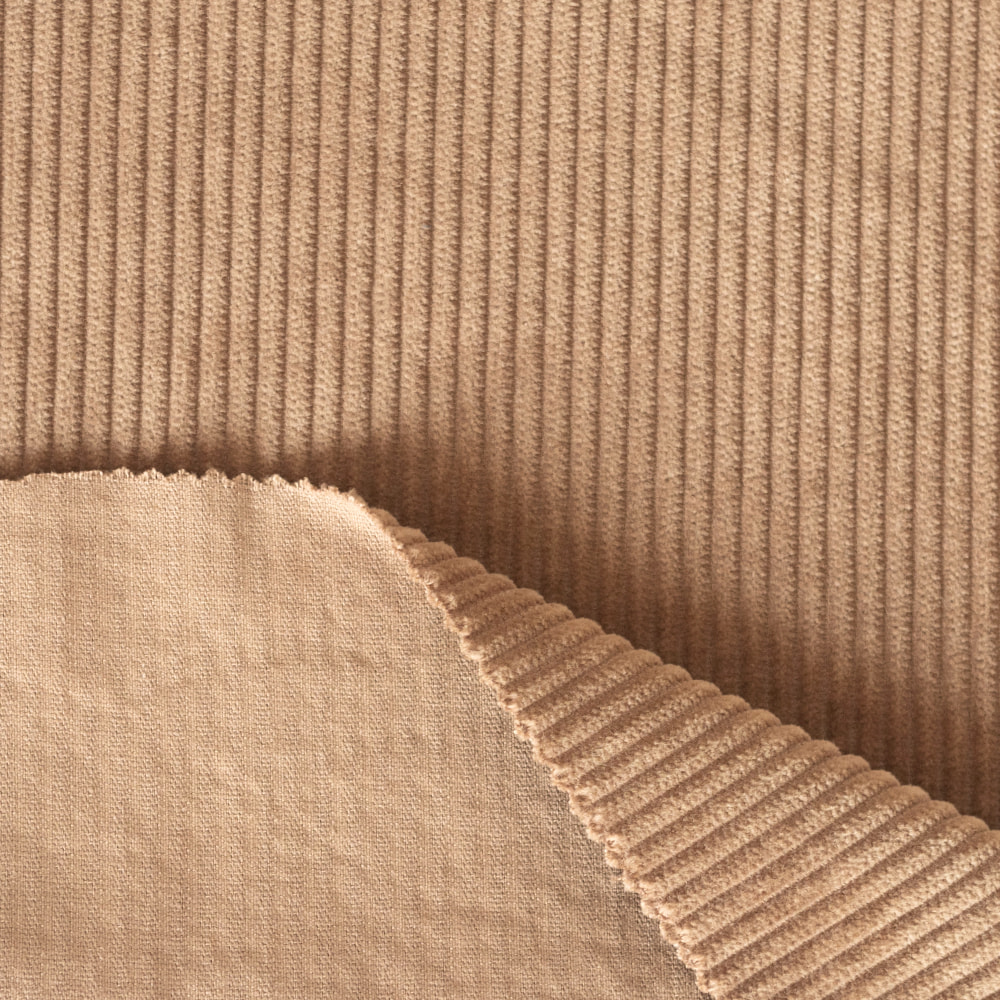
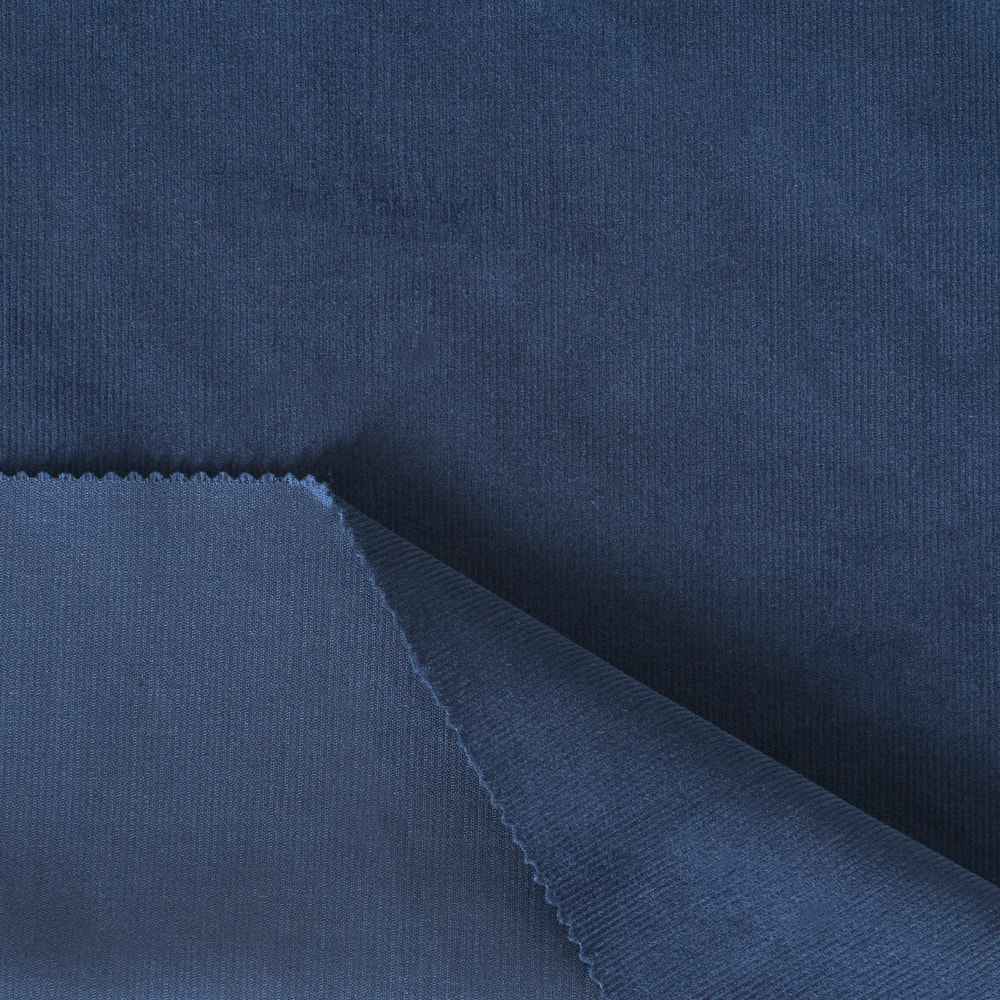
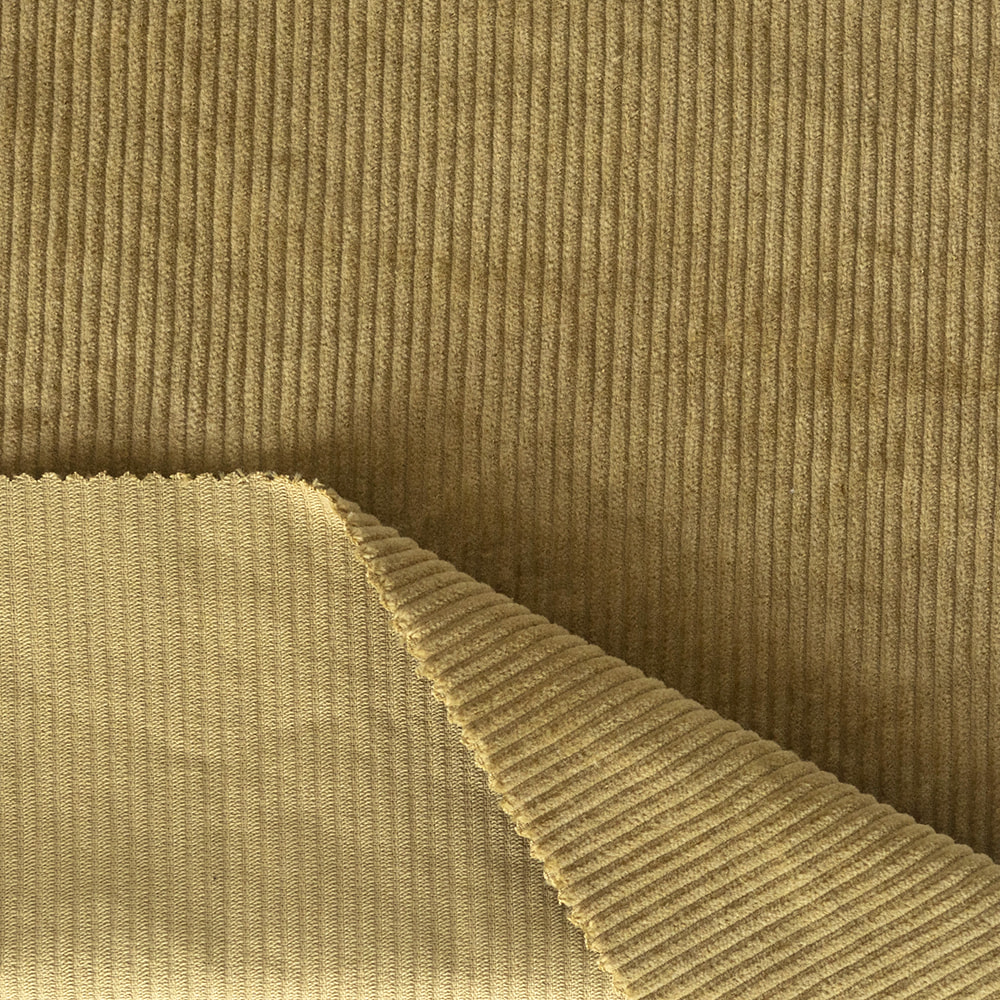
Wale count — the number of ridges packed into one inch of fabric — is the single number that tells you the most about how a piece of corduroy will look and behave. It typically ranges from around 1.5 up to 21 or more wales per inch, and the relationship is inverse: fewer wales per inch means thicker, more pronounced ridges, while a higher count means finer, more closely spaced ones.
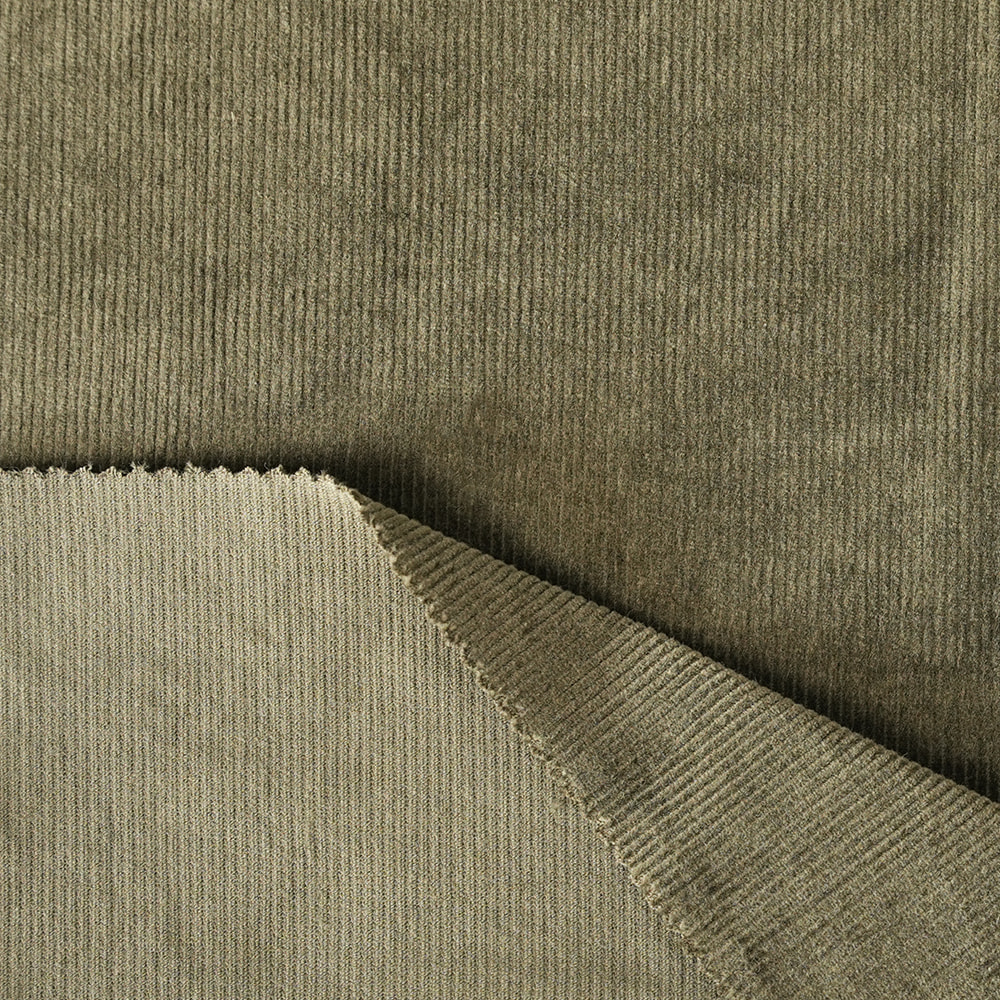
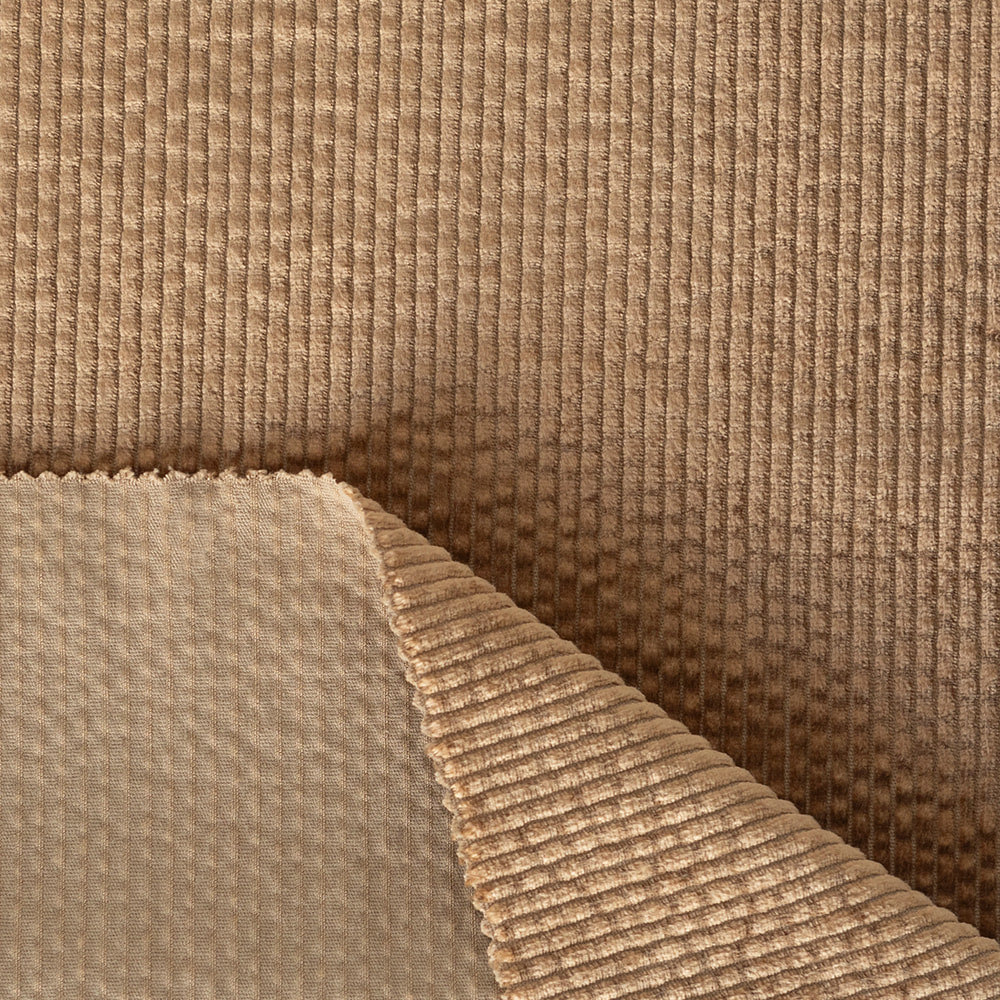
Wide-wale corduroy, sometimes called elephant cord, sits at the low end of that range and reads as bold and textured from across a room — a natural fit for jackets, statement trousers, or upholstery that needs to carry some visual weight. Standard corduroy, generally 8 to 13 wales per inch, is the versatile middle ground used in everyday trousers and skirts. Pinwale corduroy, at the fine end with as many as 21 wales per inch, has a smoother, almost velvet-like hand that suits shirts, dresses, and children's clothing where bulk isn't wanted.

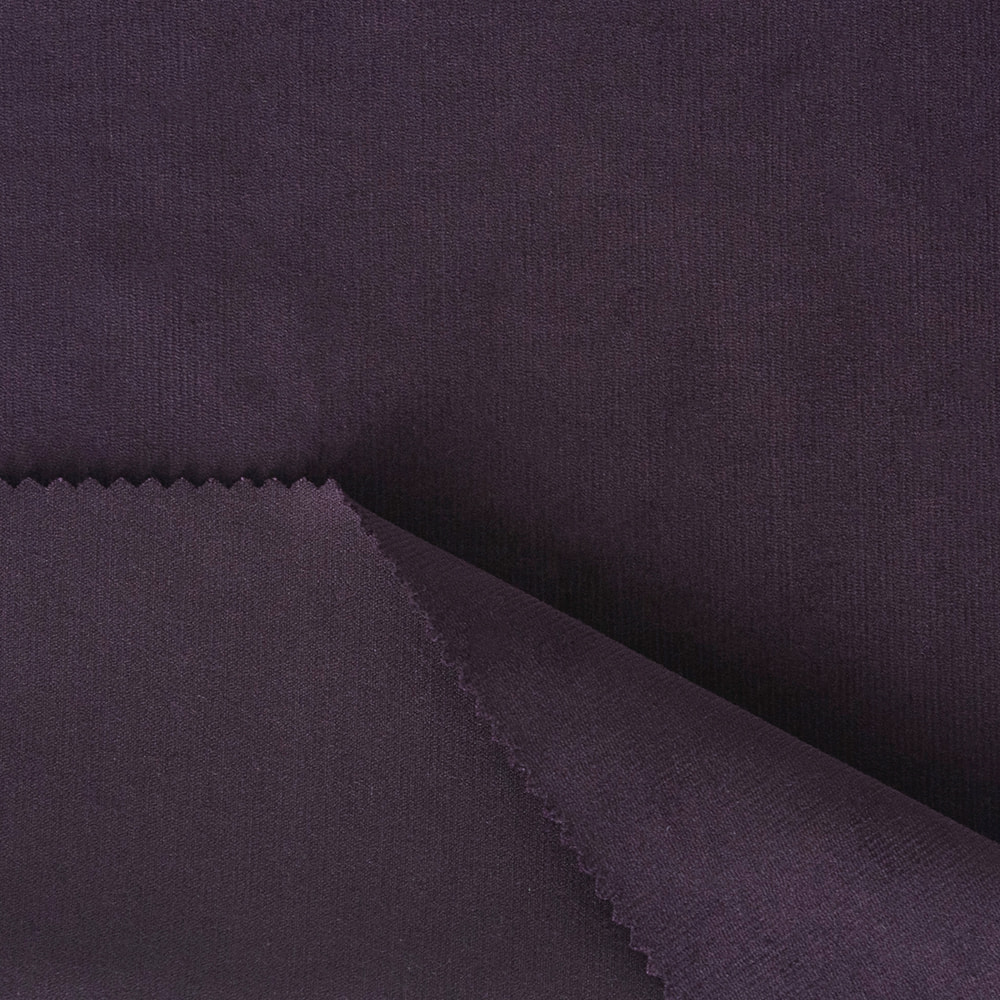
Wale count only tells half the story — fiber composition shapes the rest. Pure cotton corduroy is the traditional choice: breathable, durable, and able to hold a crisp wale, but with limited stretch and a tendency to wrinkle.
Blending in spandex solves the stretch problem directly. A stretch cotton-spandex corduroy fabric for garments keeps the familiar ridged texture while adding the give needed for fitted pants or children's wear that has to survive a lot of movement.
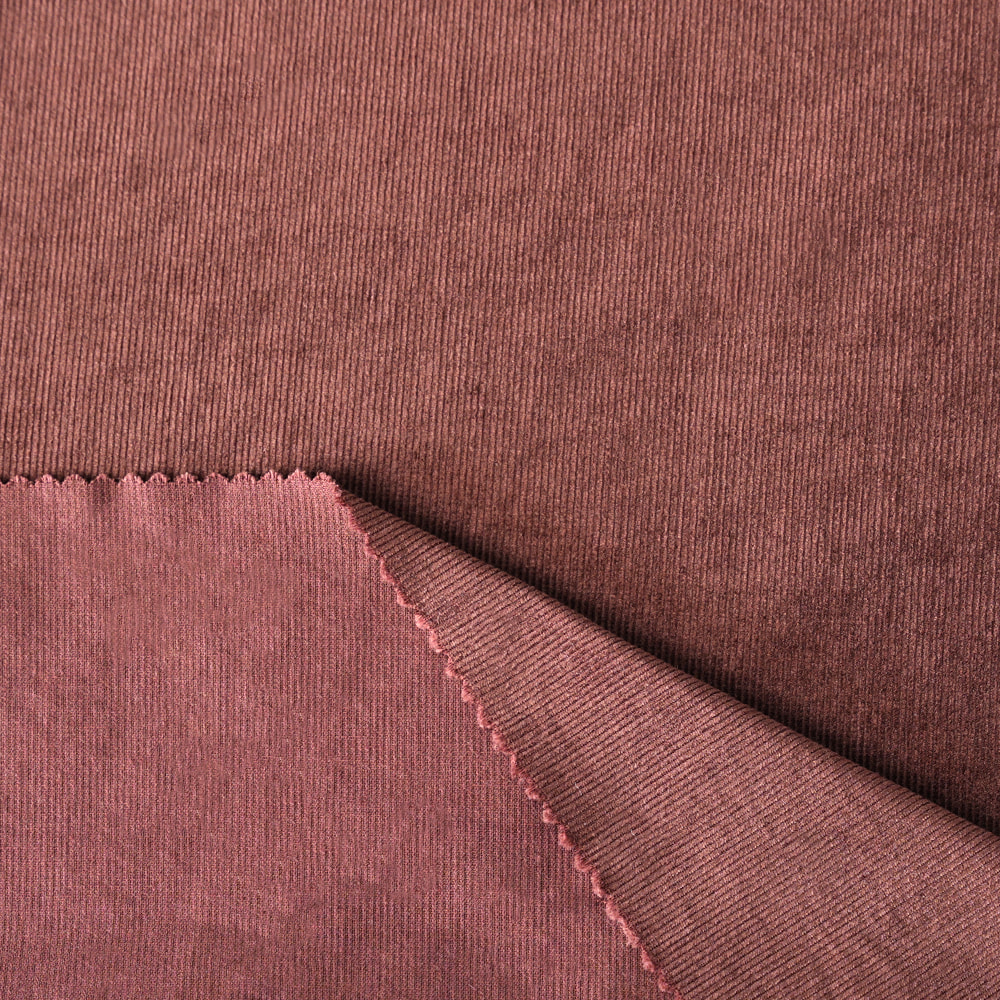
Tencel-cotton blends take the fabric in a different direction, trading some durability for drape and softness. A tencel-cotton corduroy prized for its soft drape hangs closer to the body than stiffer all-cotton versions, which is why it shows up more often in shirts and lighter casual pants than in heavy outerwear. There's a deeper explanation of how tencel-cotton corduroy achieves its distinctive aesthetic worth a look if drape and sheen are priorities for a specific design.
Rayon-cotton, modal-cotton, and polyester-cotton blends each shift the balance slightly further — generally trading some of cotton's structure for softness, warmth, or a lower price point, depending on what the finished garment needs to do.
Most corduroy reads as a solid color with a textured surface, but wale structure isn't the only design tool available. Jacquard and dobby weaving techniques let manufacturers build additional patterns — checks, dots, geometric motifs — directly into the base weave before the pile is even cut.
This means jacquard dobby corduroy with woven-in patterns carries two layers of texture at once: the classic wale ridges, plus a secondary structural pattern visible between them. It's a more complex weave to produce than standard corduroy, but it opens up design options that plain wales alone can't achieve. A closer look at how jacquard dobby corduroy achieves its varied pattern designs walks through how these two layers are built together during weaving.
Garment corduroy and upholstery corduroy aren't chosen the same way, even when the underlying wale structure looks similar. Clothing generally favors lighter to mid-weight fabric — standard or pinwale — where drape and comfort against skin matter more than raw abrasion resistance. Upholstery and home décor applications push in the opposite direction: wider wales, heavier weight, and more emphasis on how the fabric holds up under years of contact and cleaning.
| Corduroy type | Best suited for | Main trade-off |
|---|---|---|
| Pinwale (fine wale) | Shirts, dresses, children's wear | Less structure, more delicate |
| Standard wale | Trousers, skirts, everyday wear | Balanced but not specialized |
| Wide/elephant wale | Jackets, upholstery, statement pieces | Bulkier, heavier to sew |
For home textile use specifically, corduroy fabric suited for upholstery and home textiles covers how a printed or heavier cotton corduroy performs in cushions and furniture coverings specifically, where wear resistance carries more weight than drape.
Anyone comparing fiber blends, wale counts, and finishes side by side will get more out of browsing the full corduroy fabric collection than trying to judge a single swatch on its own — texture and hand both read differently once a fabric is cut into a full garment or yardage length.
The structural basics behind all of this — how wales are woven into the base fabric to create corduroy's ridged texture — remain the same regardless of which fiber blend or wale count a particular fabric ends up using.
Please feel welcome to contact our friendly reception staff with any general call us

+86 139 6116 7127

Email: cloud@jacquardcloth.com

Textile Industry Zone, East Hutang Town, Wujin District,213100 Changzhou,China
