

 English
 日本語
日本語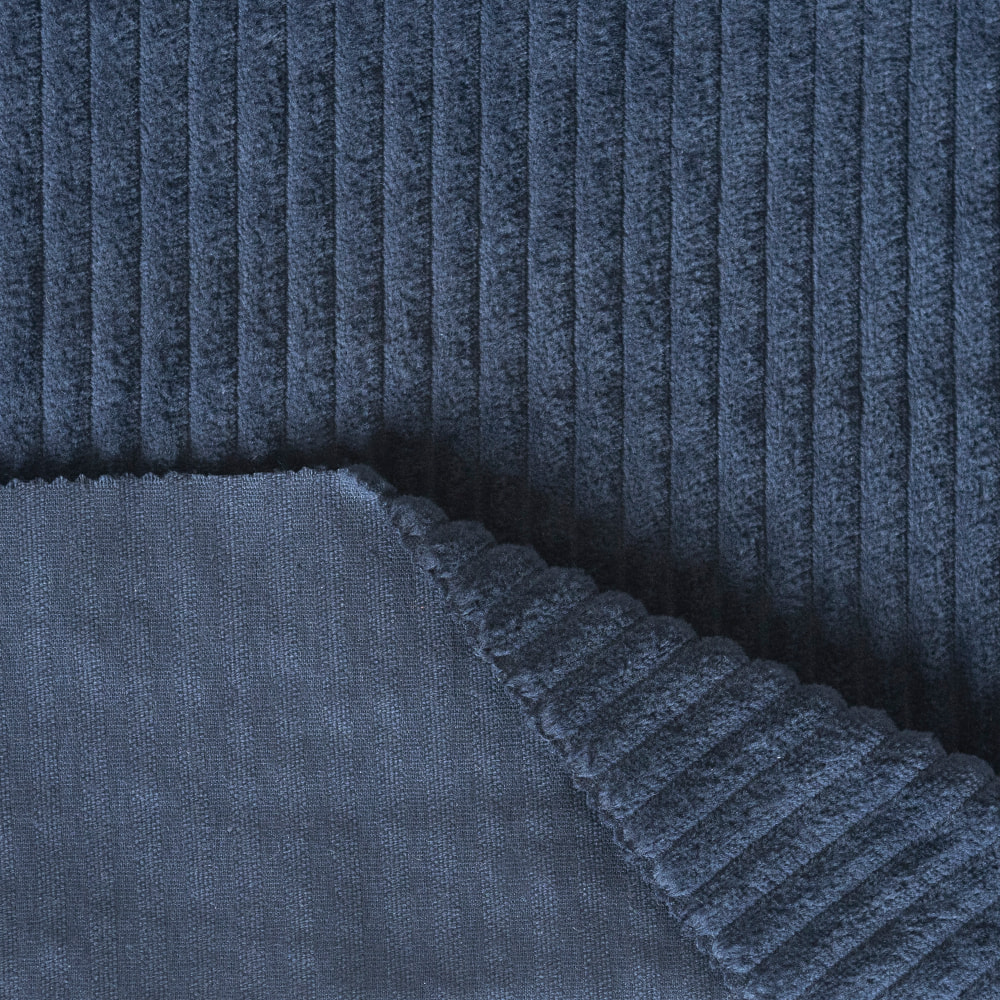


Get Directions
Textile Industry Zone, East Hutang Town, Wujin District,213100 Changzhou,China
Content
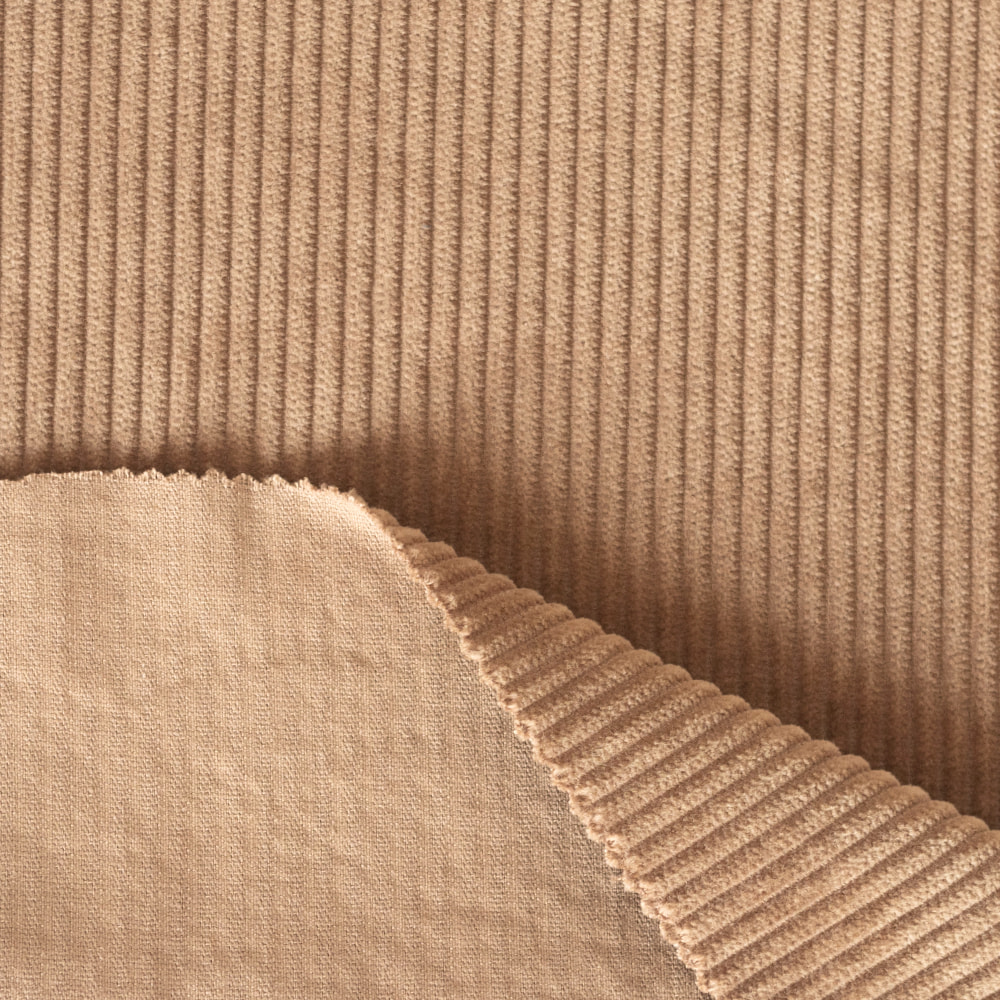
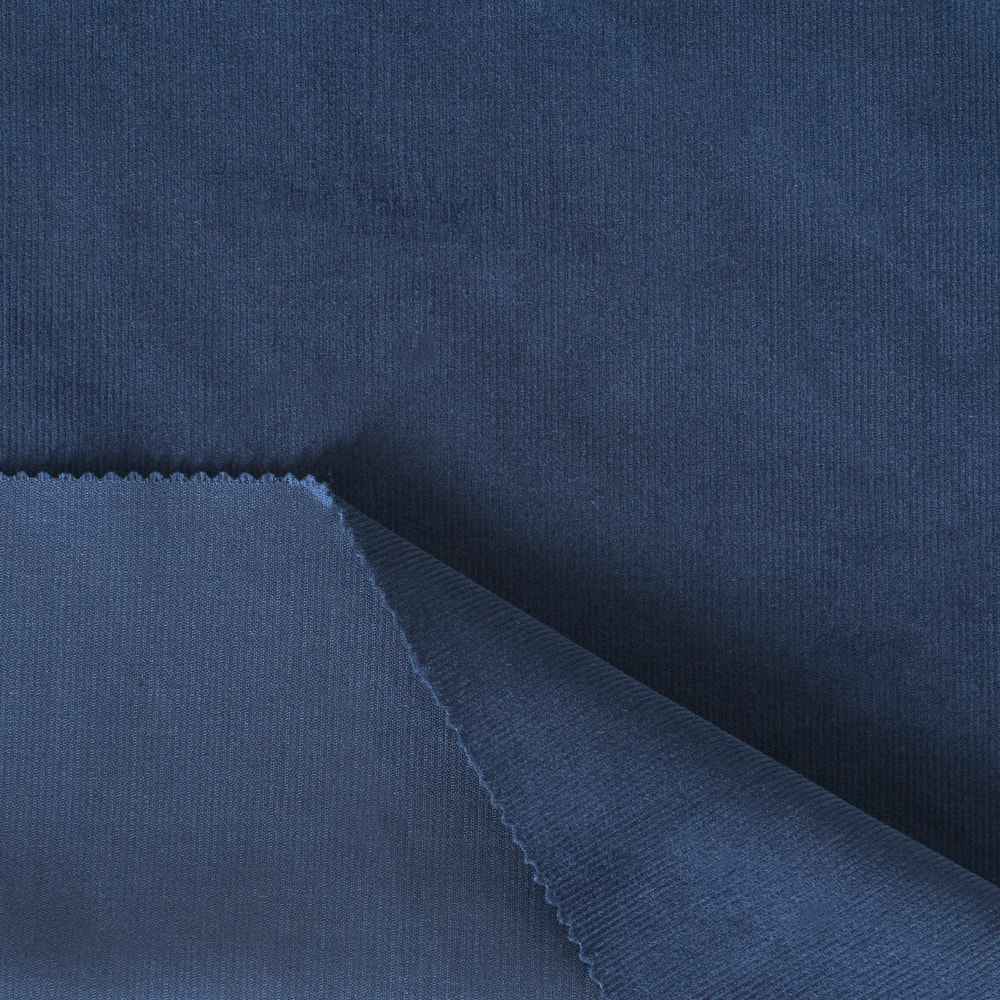
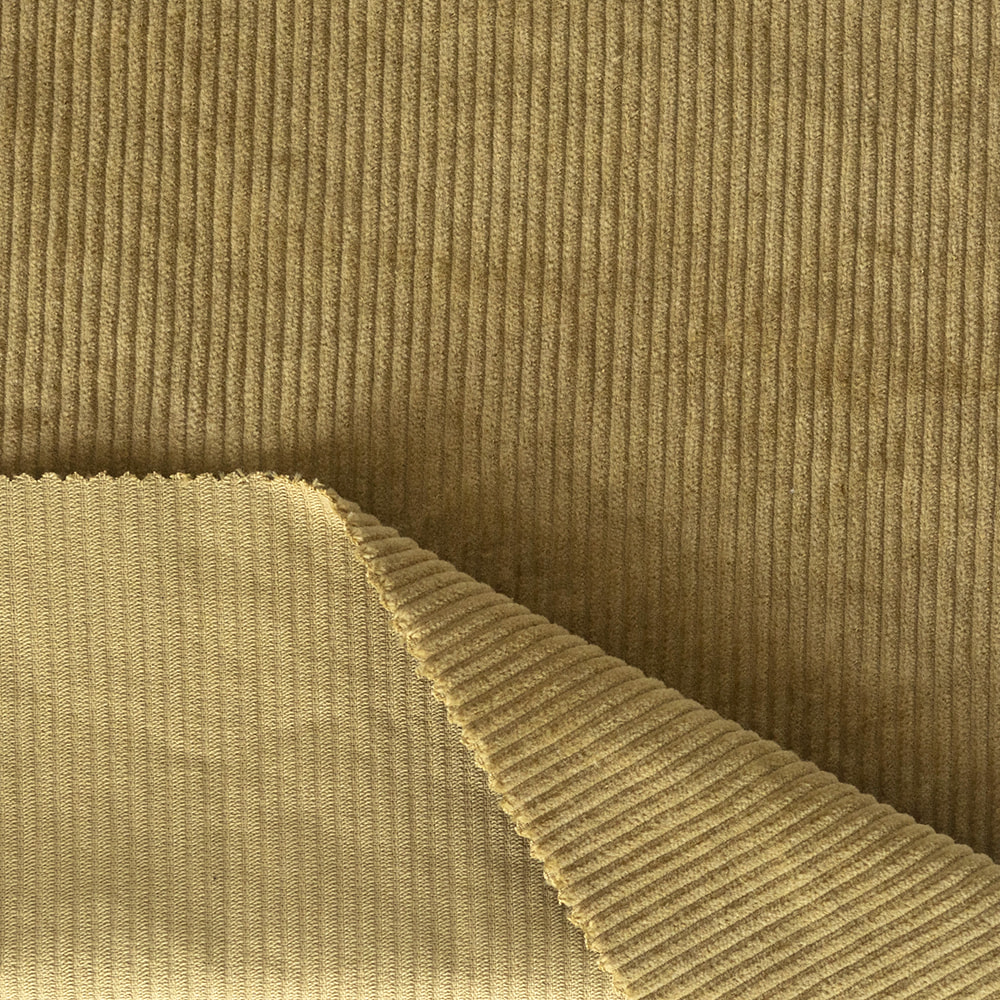
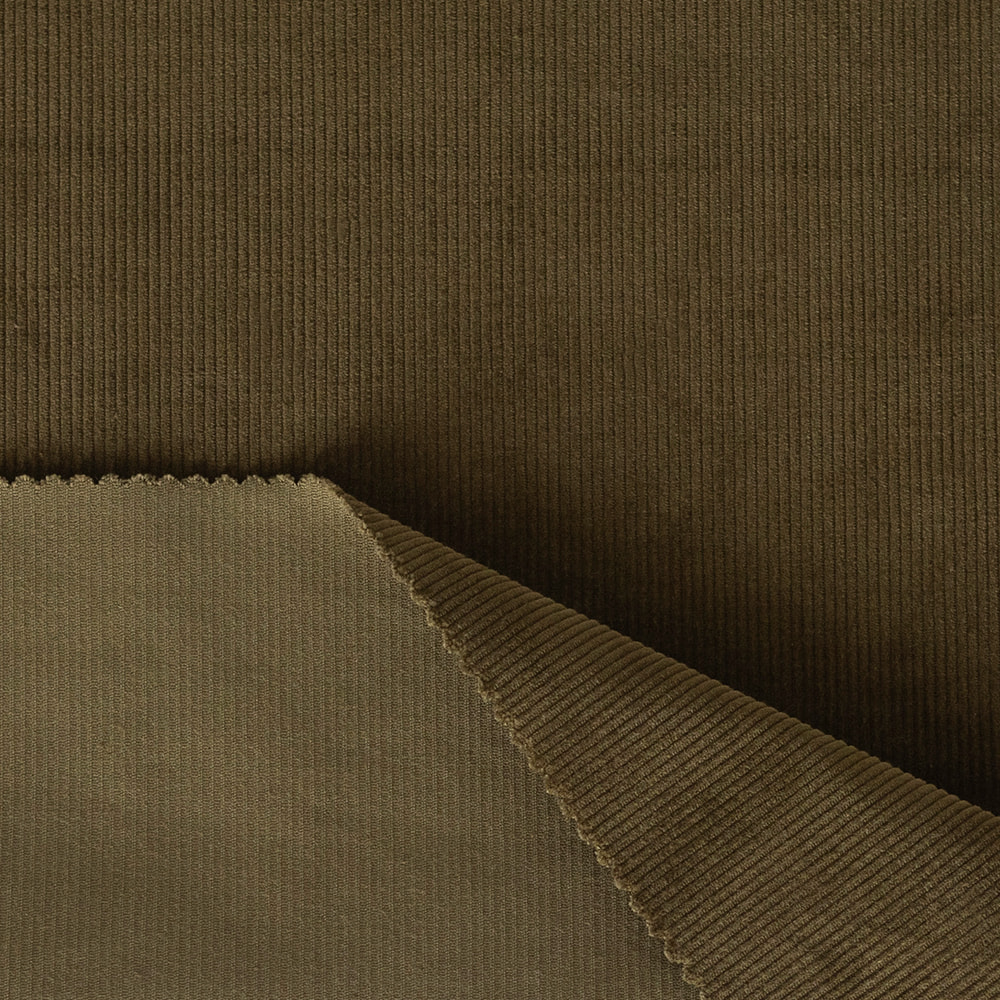
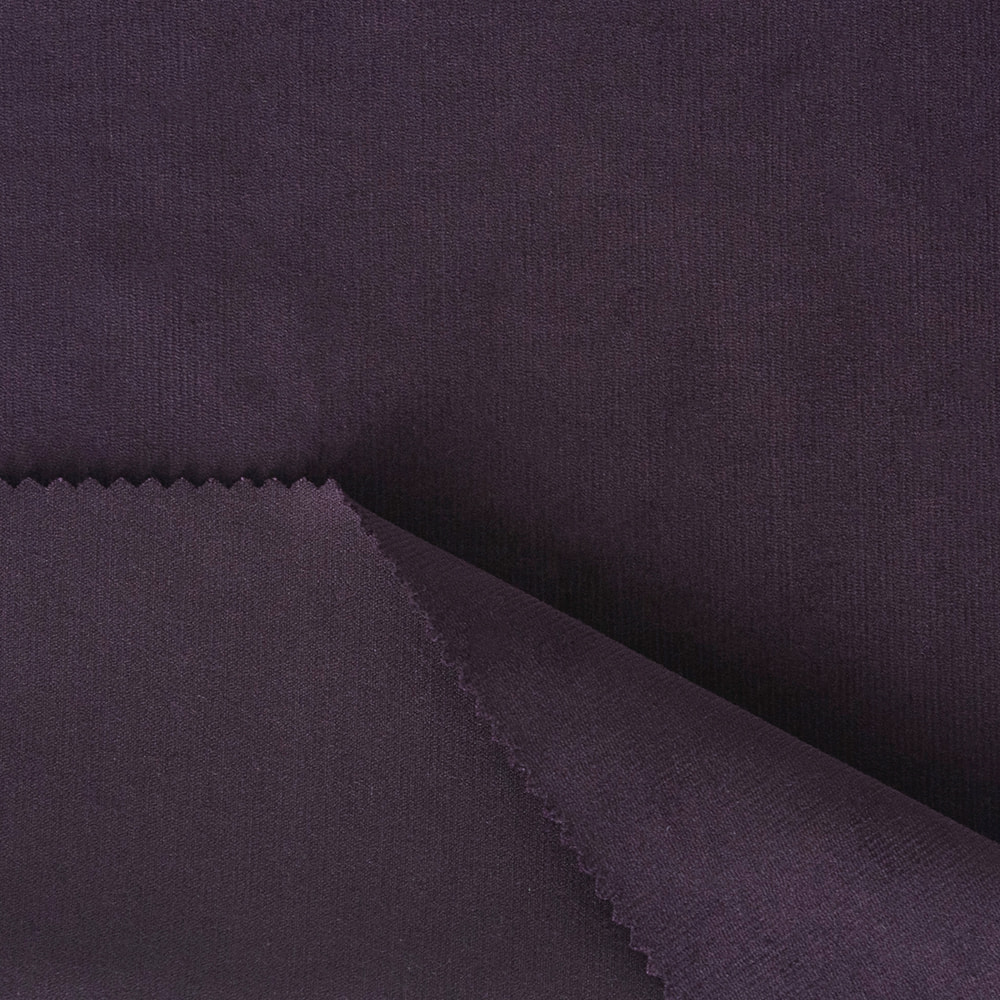
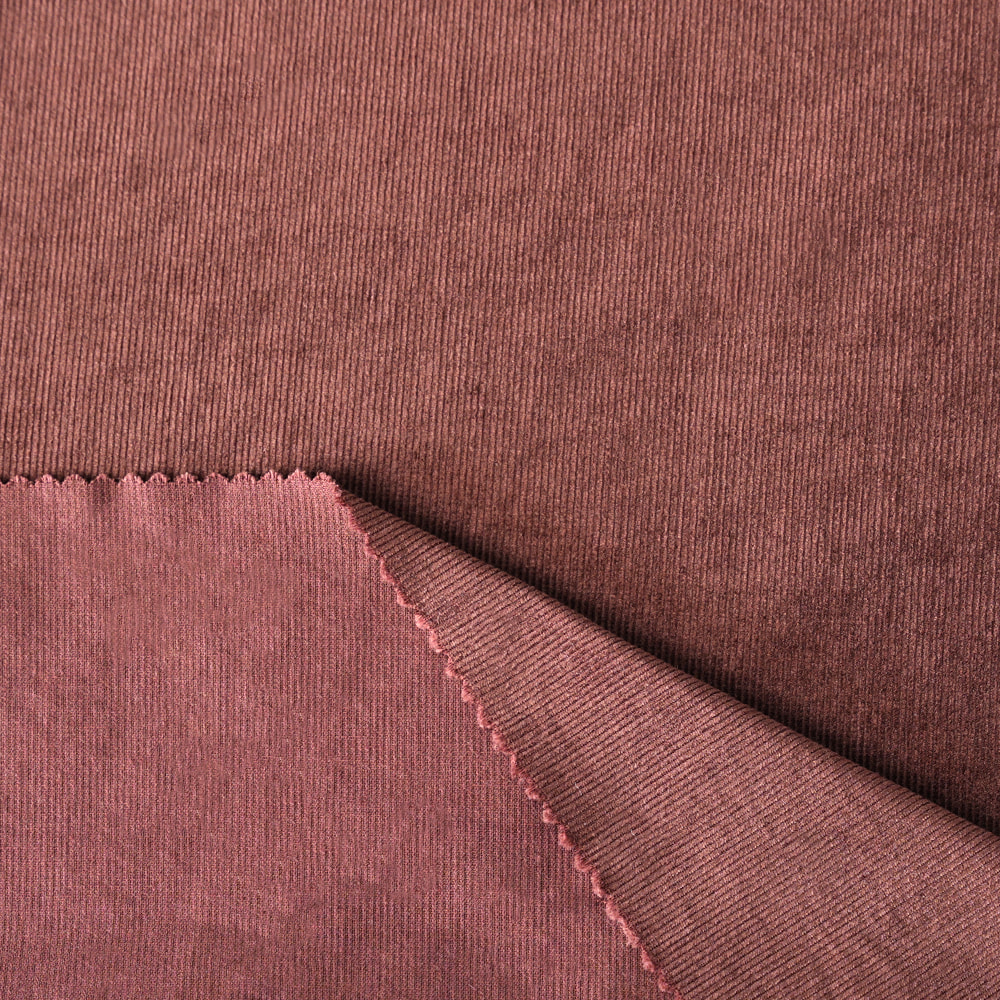
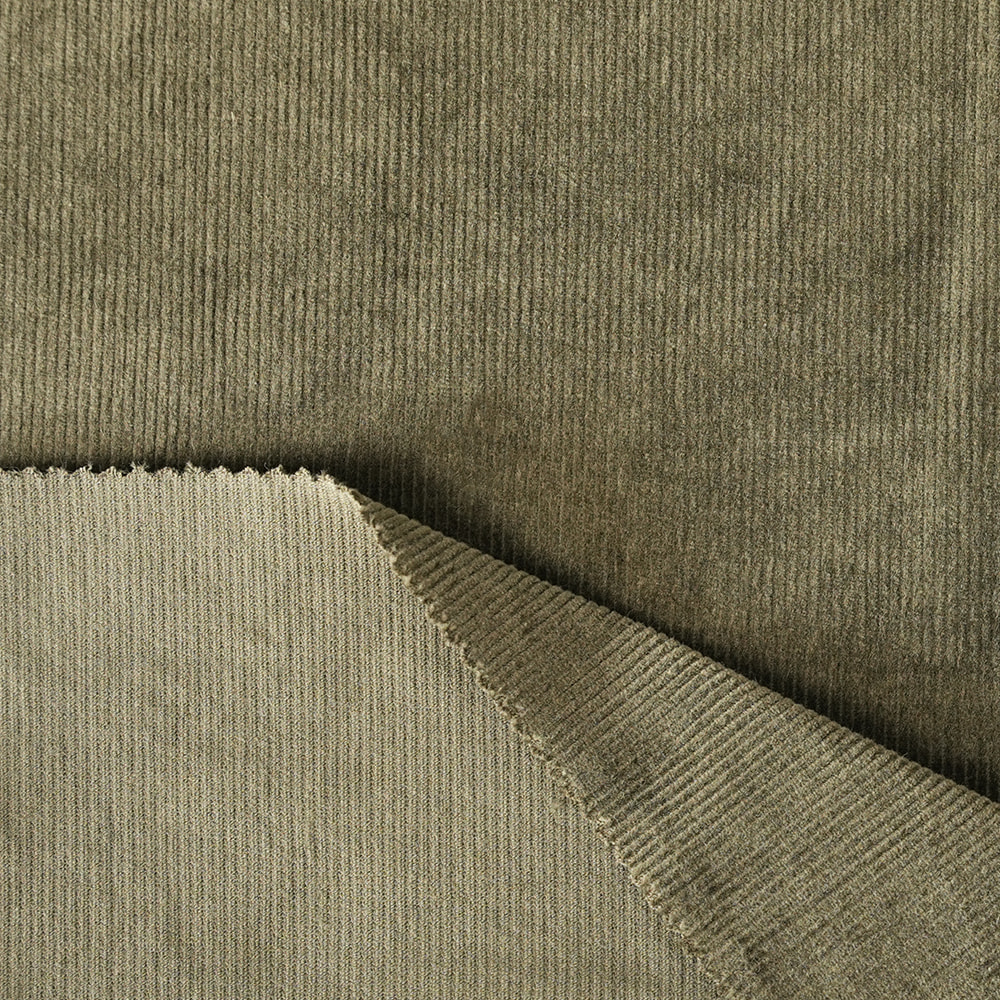
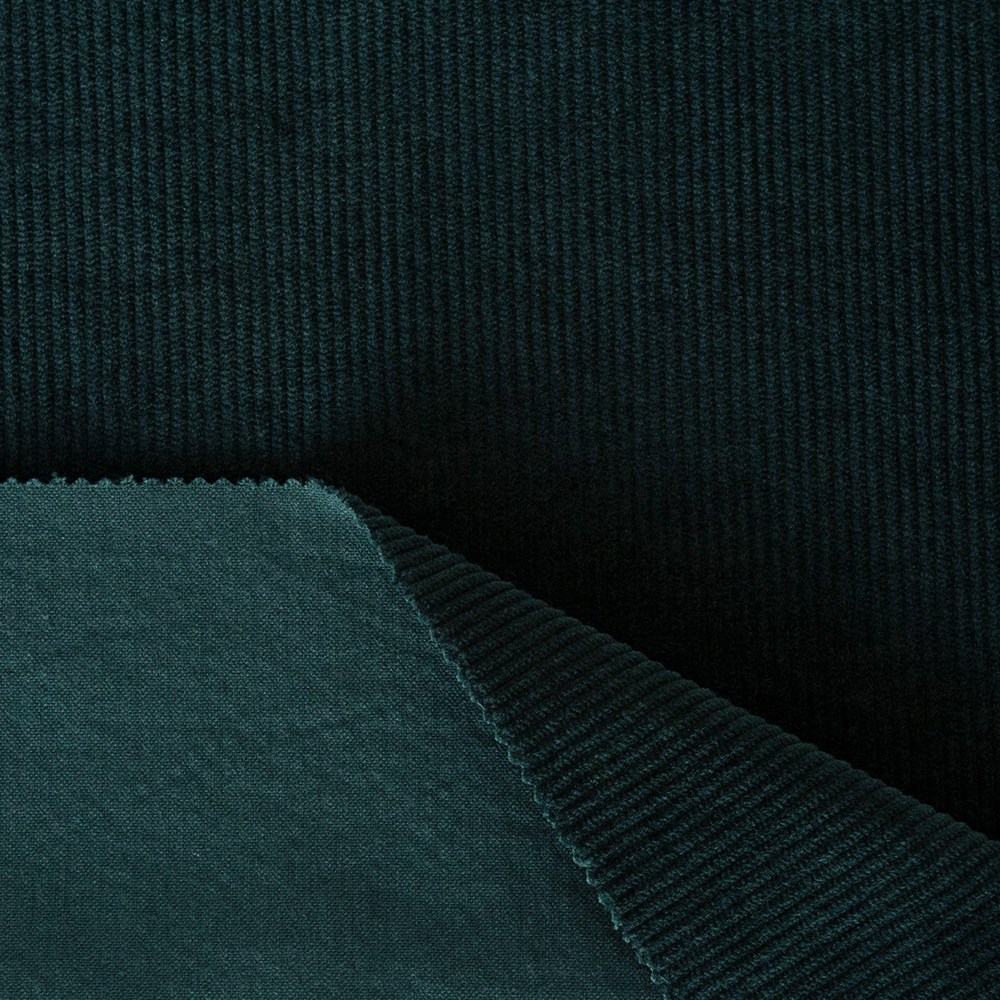
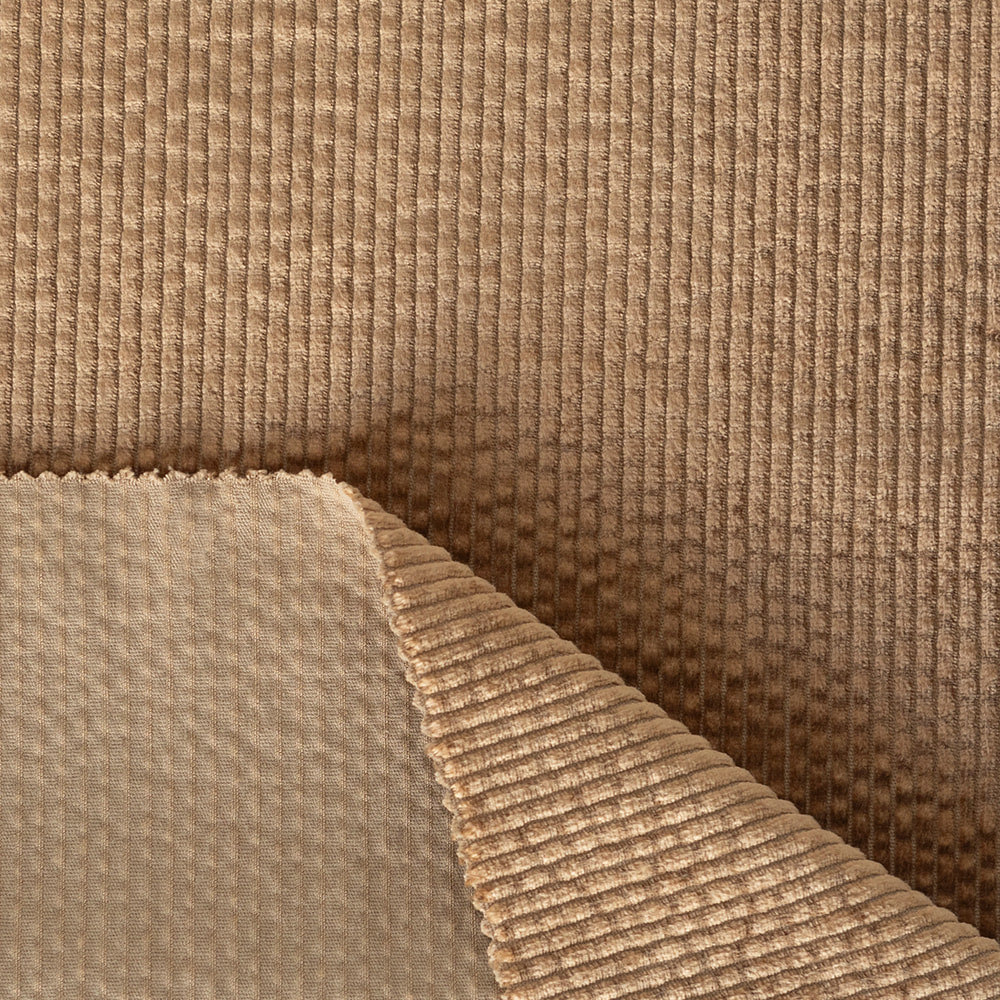
Bi-stretch corduroy fabric is an innovative textile that combines the classic ribbed texture of traditional corduroy with modern stretch capabilities in both directions. This dual elasticity enhances comfort, fit, and functionality, making it a preferred choice for fashion designers and apparel manufacturers seeking stylish yet wearable fabrics. In this article, we explore how bi-stretch corduroy fabrics balance stretch and texture while maintaining durability and aesthetic appeal.
The bi-stretch property refers to the fabric's ability to stretch both horizontally and vertically. Unlike traditional corduroy, which offers limited give, bi-stretch corduroy adapts to body movements, providing enhanced mobility. Key features include:
Bi-stretch corduroy fabrics are typically made from a blend of natural fibers like cotton and synthetic fibers such as elastane or spandex. This composition balances softness, durability, and stretch. Important construction aspects include:
Maintaining the iconic corduroy texture while introducing stretch requires precision weaving techniques. Manufacturers focus on:
Bi-stretch corduroy fabrics are versatile and suitable for various clothing categories. Common applications include:
The combination of stretch and texture provides multiple advantages for wearers and manufacturers:
Understanding the differences helps designers and consumers make informed choices:
| Feature | Traditional Corduroy | Bi-Stretch Corduroy |
| Stretch | Limited | Two-way elasticity |
| Fit | Standard sizing | Adaptive, body-conforming |
| Comfort | Moderate | High due to flexibility |
| Texture Retention | Good | Excellent under stretch |
Proper care preserves the stretch and texture of bi-stretch corduroy fabrics. Recommendations include:
Bi-stretch corduroy fabrics successfully merge traditional aesthetics with modern performance needs. By balancing stretch and texture, they offer exceptional wearability, comfort, and durability. Their versatility makes them ideal for fashion-forward yet functional garments, demonstrating that innovation in textile design can elevate both style and practical use.
Please feel welcome to contact our friendly reception staff with any general call us

+86 139 6116 7127

Email: cloud@jacquardcloth.com

Textile Industry Zone, East Hutang Town, Wujin District,213100 Changzhou,China
