

 English
 日本語
日本語


Get Directions
Textile Industry Zone, East Hutang Town, Wujin District,213100 Changzhou,China
Content
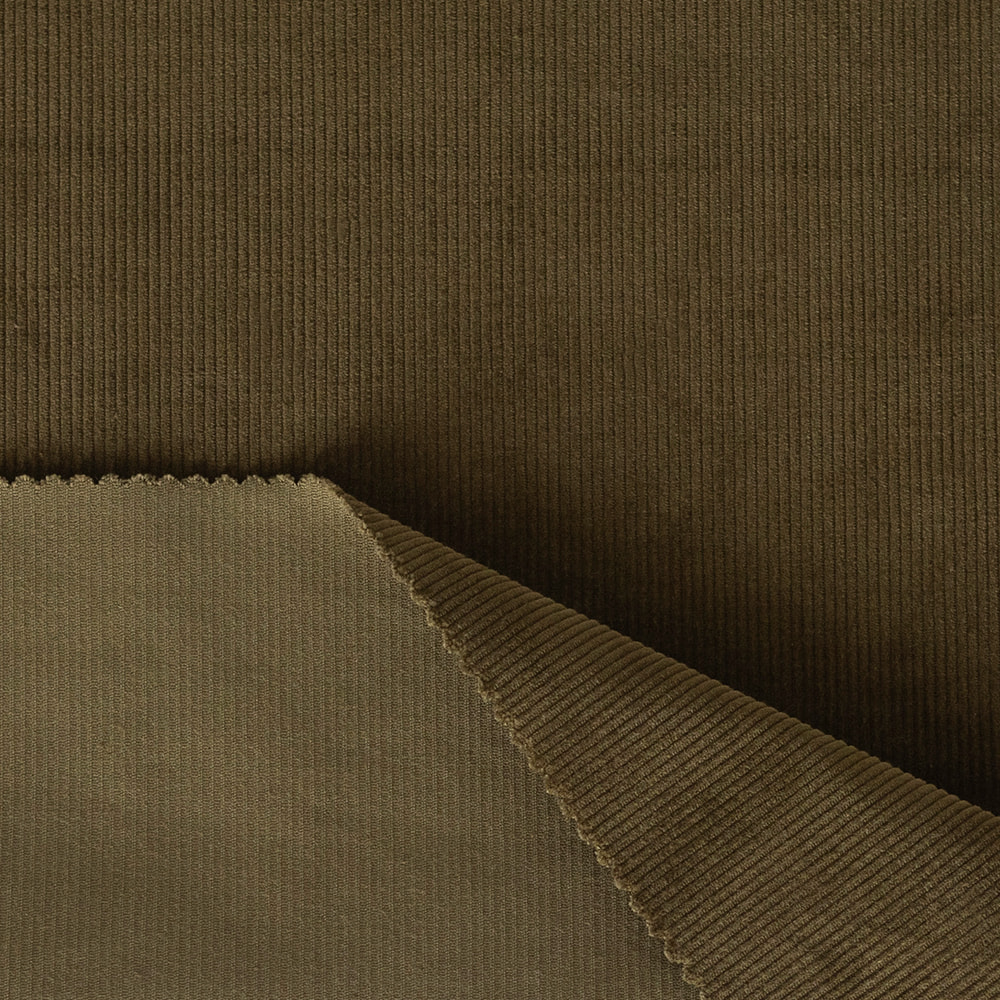
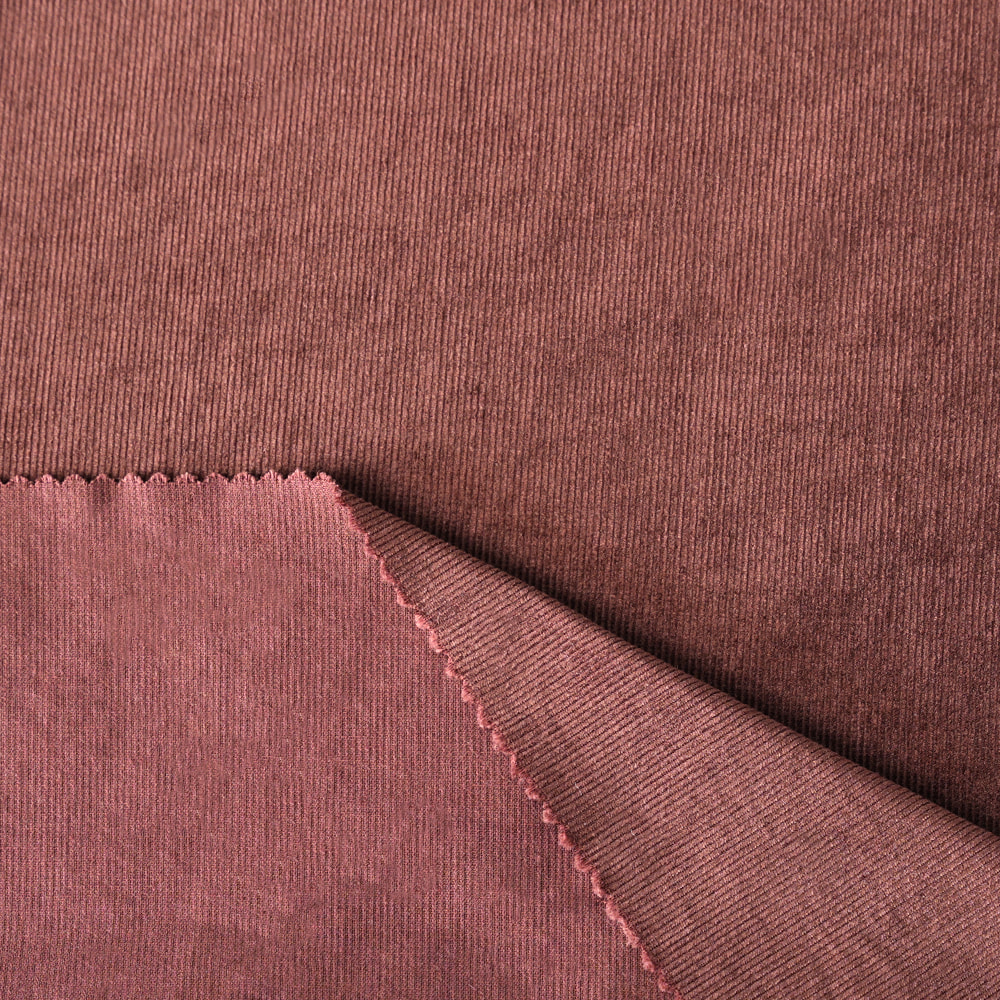
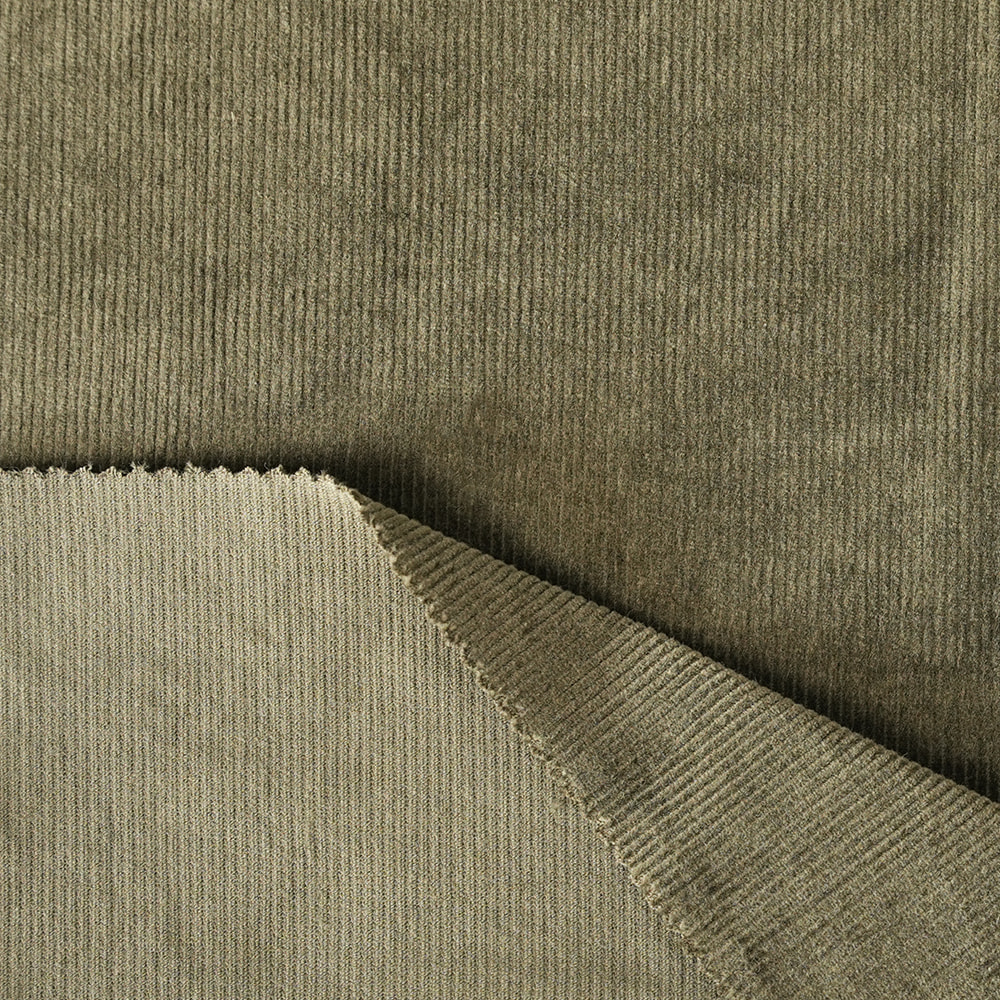
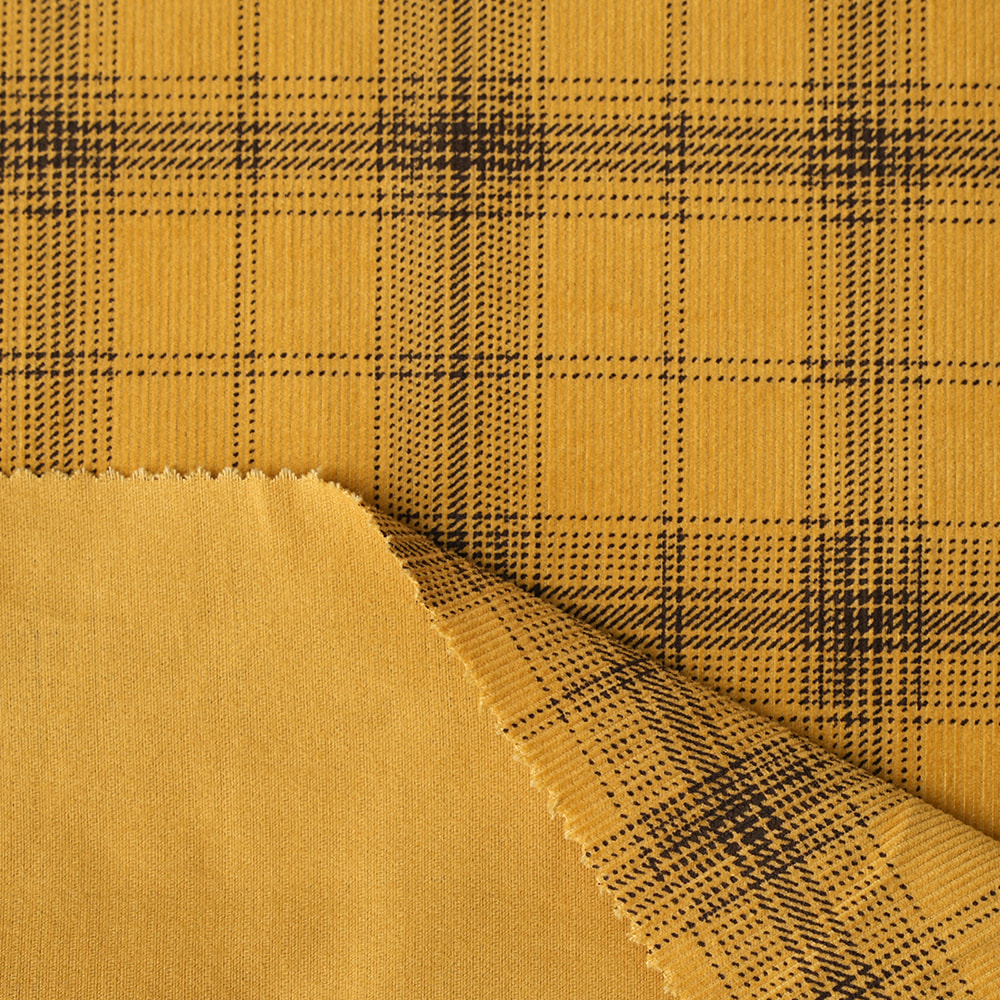
Printed corduroy fabrics combine the traditional ribbed texture of corduroy with innovative printing techniques to create visually appealing patterns. These fabrics are widely used in fashion, upholstery, and home décor for their aesthetic appeal and tactile richness.
As consumers and manufacturers focus more on environmental responsibility, questions arise about whether printed corduroy fabrics can be considered eco-friendly and sustainable. This article explores the environmental impacts of these fabrics and the sustainable practices being implemented in their production.
The eco-friendliness of printed corduroy fabrics largely depends on the materials used. Traditional corduroy is often made from cotton, polyester, or blended fibers, each with distinct environmental footprints.
Cotton corduroy is soft, breathable, and widely used in apparel. Organic cotton, grown without synthetic pesticides or fertilizers, significantly reduces environmental impact. Sustainable cotton production also focuses on water efficiency and soil health.
Polyester and other synthetic fibers offer durability and lower cost but rely on petrochemical resources. Advances in recycled polyester and bio-based alternatives help improve sustainability, reducing reliance on non-renewable resources.
Printing methods play a crucial role in determining the environmental footprint of corduroy fabrics. Traditional dyeing and printing often involve chemical-intensive processes that can generate water pollution and high energy consumption.
Water-based printing uses natural or low-impact synthetic dyes, minimizing harmful chemical runoff. This method reduces water pollution and allows for vibrant, durable designs without compromising sustainability.
Digital textile printing reduces water and energy use by applying color directly to the fabric with precision. It eliminates excess dye and minimizes waste, making it a highly sustainable option for printed corduroy.
Sustainable production practices significantly affect the eco-friendliness of printed corduroy fabrics. These practices include energy-efficient machinery, waste reduction, and environmentally conscious finishing techniques.
Modern textile factories employ energy-efficient looms, dryers, and finishing machines. Renewable energy integration further reduces the carbon footprint of corduroy production.
Proper handling of fabric scraps, dye residues, and chemical waste prevents environmental contamination. Recycling offcuts and reusing water in processing loops contribute to sustainable manufacturing.
The sustainability of printed corduroy also depends on its durability. Long-lasting fabrics reduce the need for frequent replacement, lowering the overall environmental impact associated with production, transportation, and disposal.
Printed corduroy fabrics designed for easy care extend product life. Fabrics that retain color, texture, and shape after multiple washes contribute to sustainability by minimizing waste and the environmental burden of repeated replacements.
Consumers can look for eco-certifications to ensure printed corduroy fabrics meet sustainability criteria. Certifications like GOTS (Global Organic Textile Standard) and OEKO-TEX® verify that fibers, dyes, and processes meet strict environmental and safety standards.
GOTS-certified corduroy fabrics use organic fibers and environmentally responsible dyeing and finishing processes. This certification ensures that the entire supply chain adheres to high sustainability standards.
OEKO-TEX® tests fabrics for harmful substances, ensuring that printed corduroy fabrics are safe for consumers and produced in an environmentally conscious manner.
Despite advances in sustainable printing and materials, challenges remain. Synthetic fiber use, chemical-intensive dyes, and energy consumption in large-scale production can impact the environmental footprint. Ongoing research focuses on biodegradable fibers, waterless printing, and low-energy finishing processes.
Printed corduroy fabrics can be eco-friendly and sustainable when produced using organic or recycled fibers, water-based or digital printing techniques, and energy-efficient manufacturing practices. Durability, longevity, and adherence to eco-certifications further enhance their environmental value.
By choosing printed corduroy fabrics made with sustainable practices, consumers and manufacturers contribute to reducing environmental impact while enjoying high-quality, visually appealing textile products.
Please feel welcome to contact our friendly reception staff with any general call us

+86 139 6116 7127

Email: cloud@jacquardcloth.com

Textile Industry Zone, East Hutang Town, Wujin District,213100 Changzhou,China
