

 English
 日本語
日本語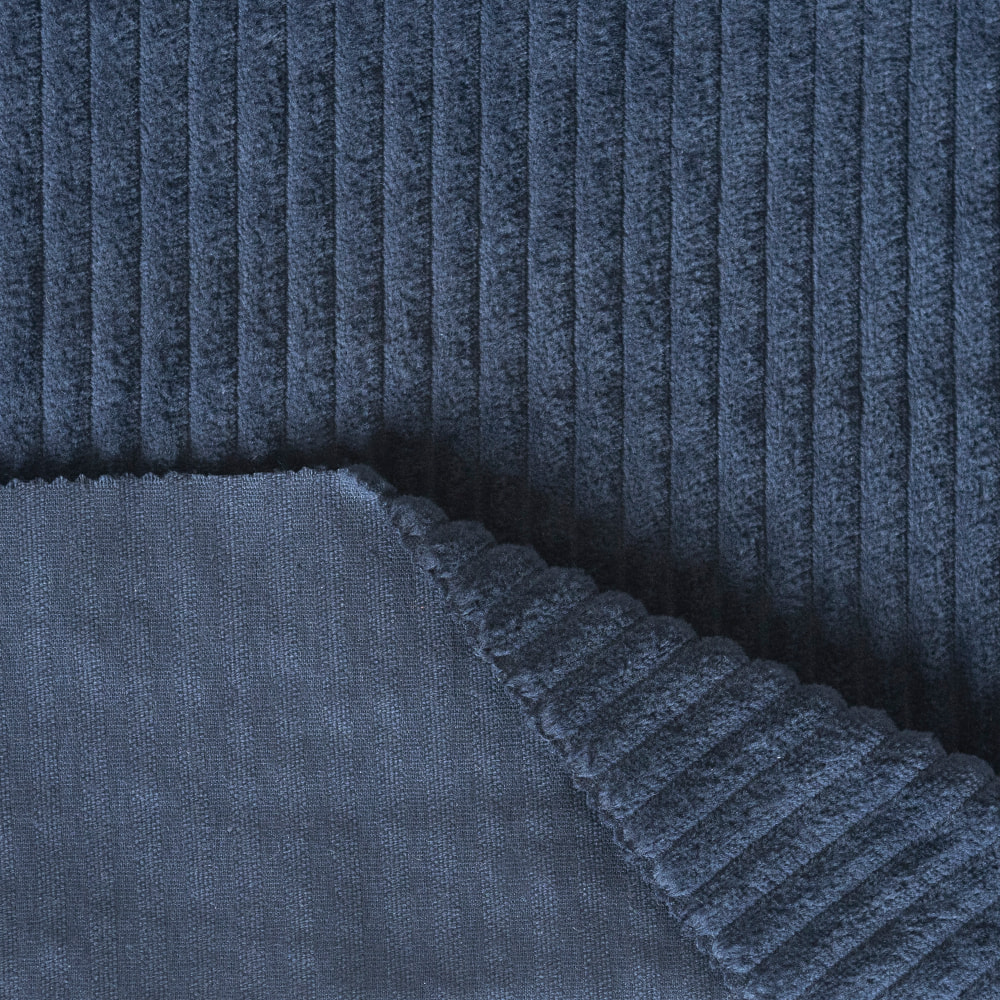


Get Directions
Textile Industry Zone, East Hutang Town, Wujin District,213100 Changzhou,China
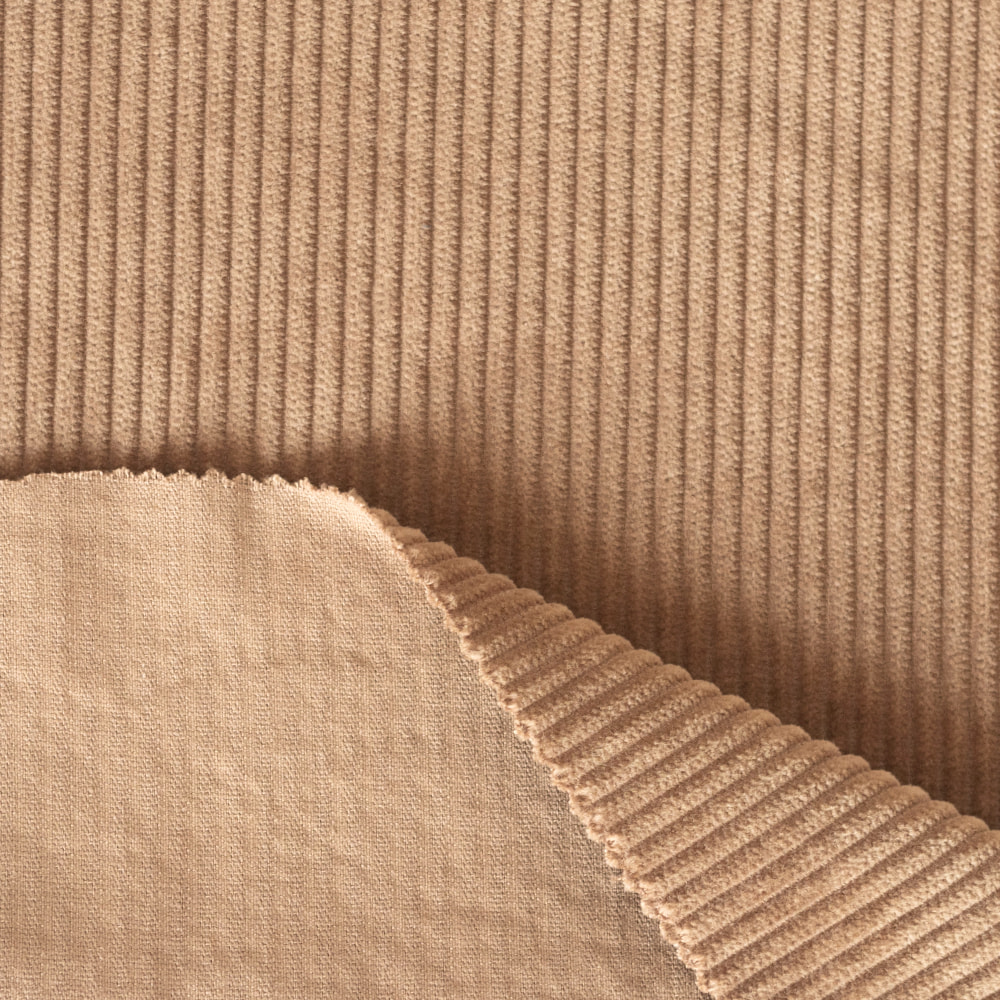
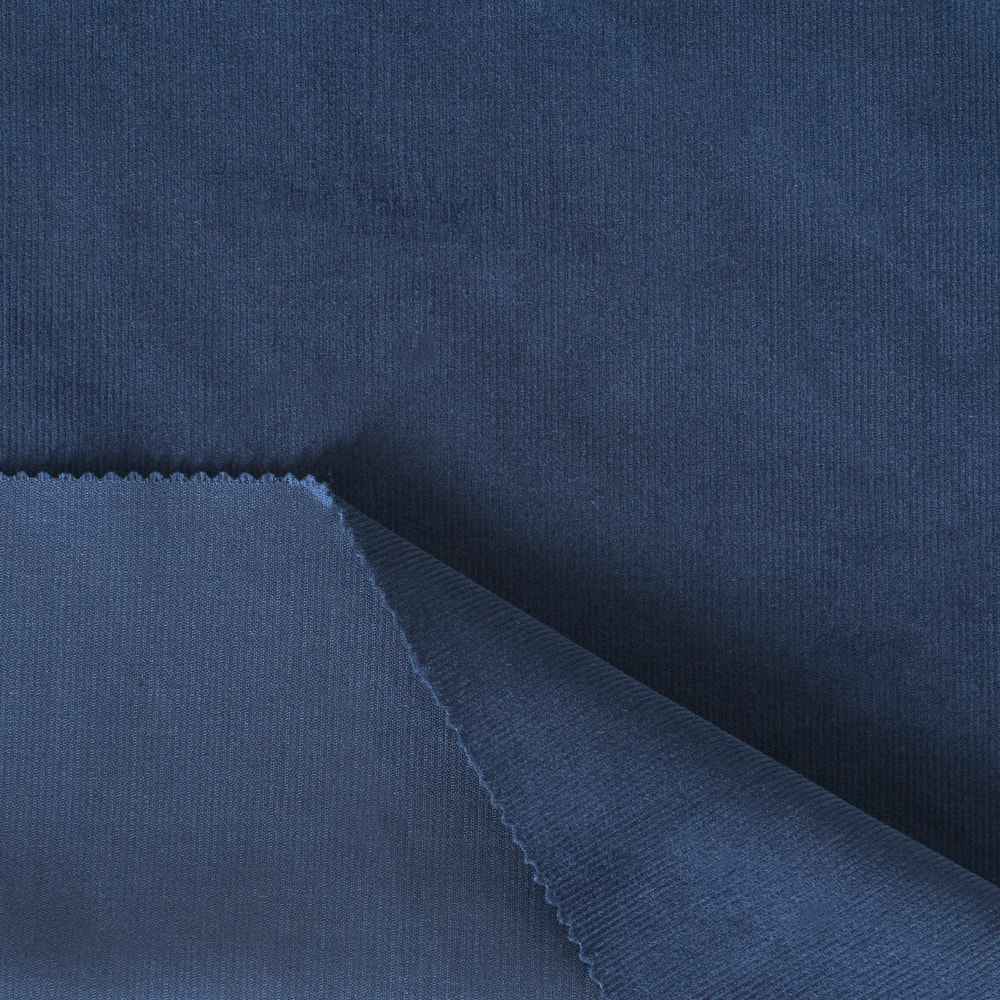
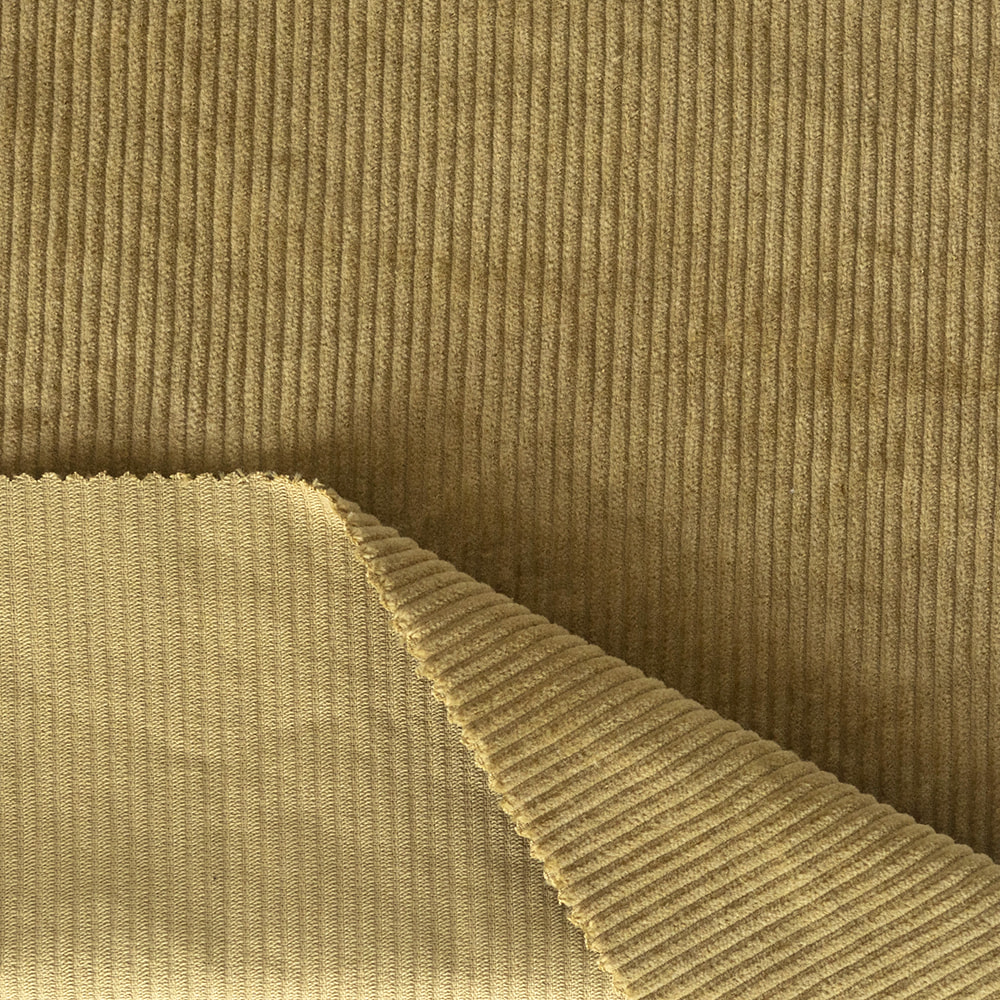
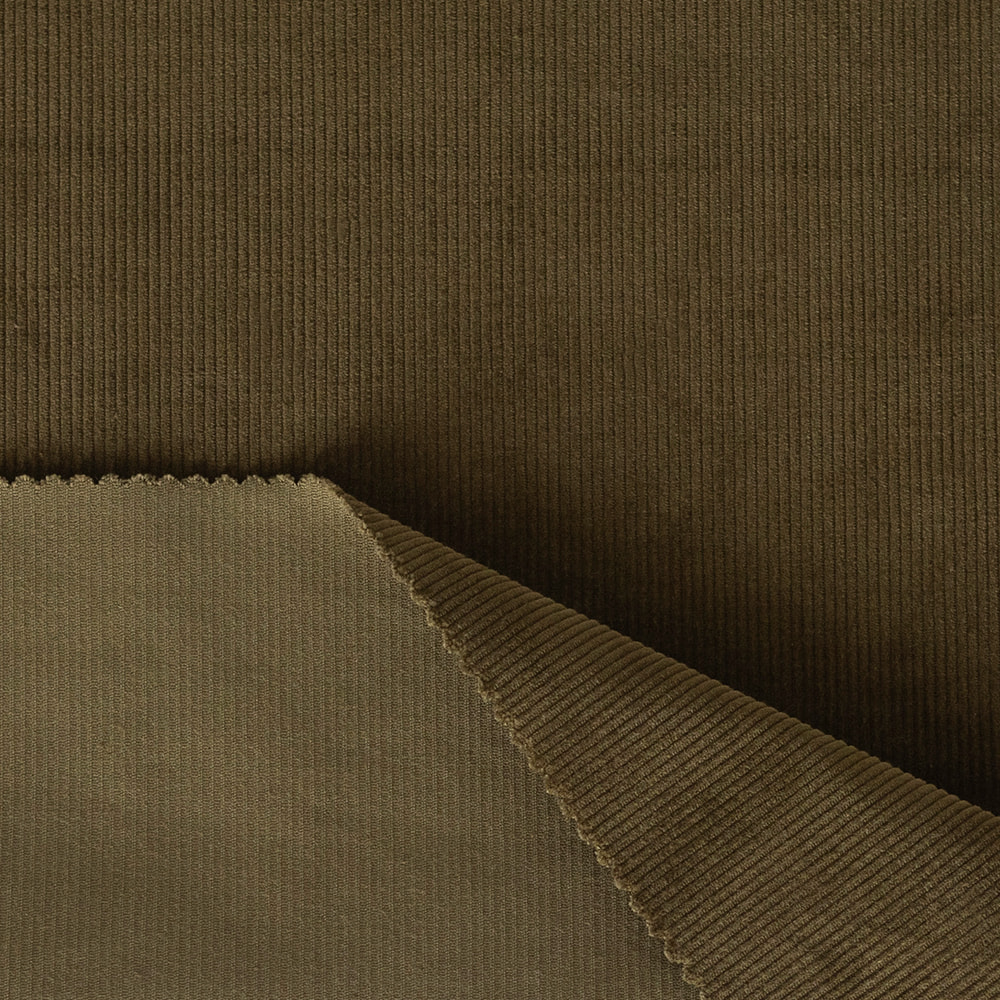
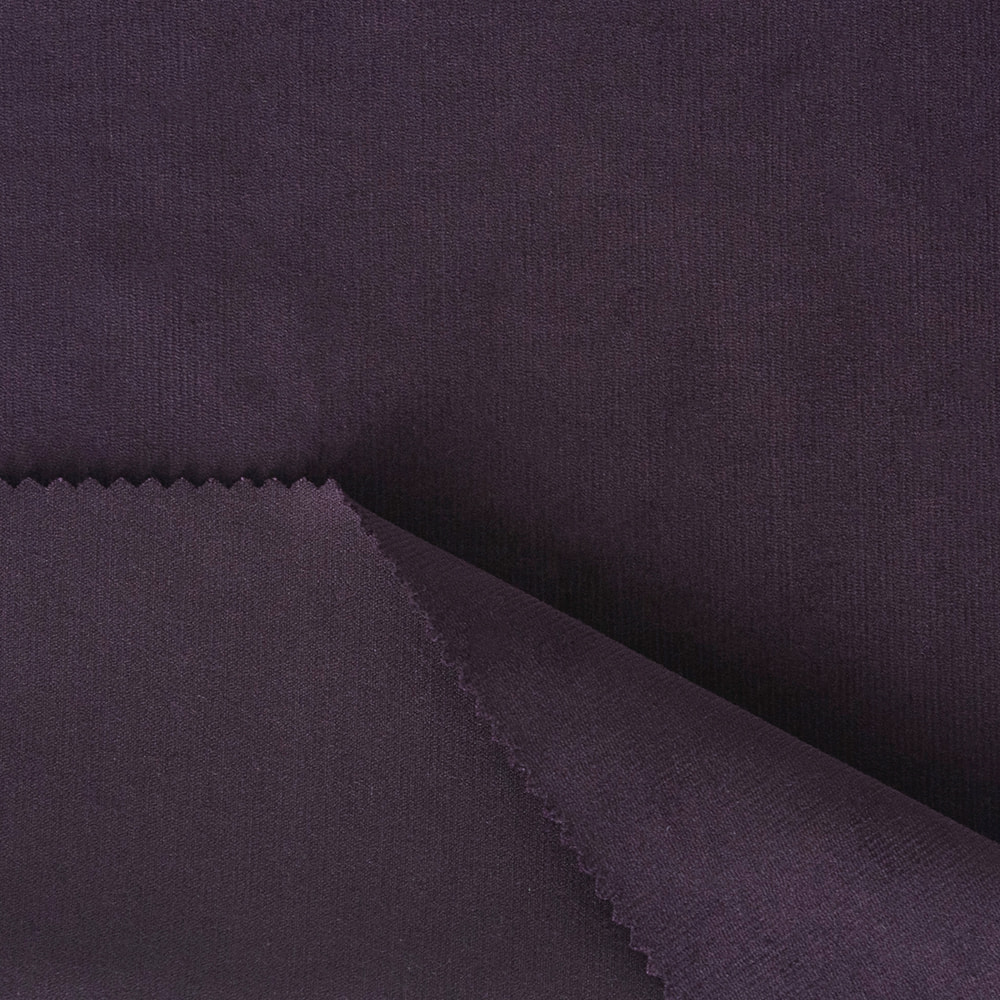
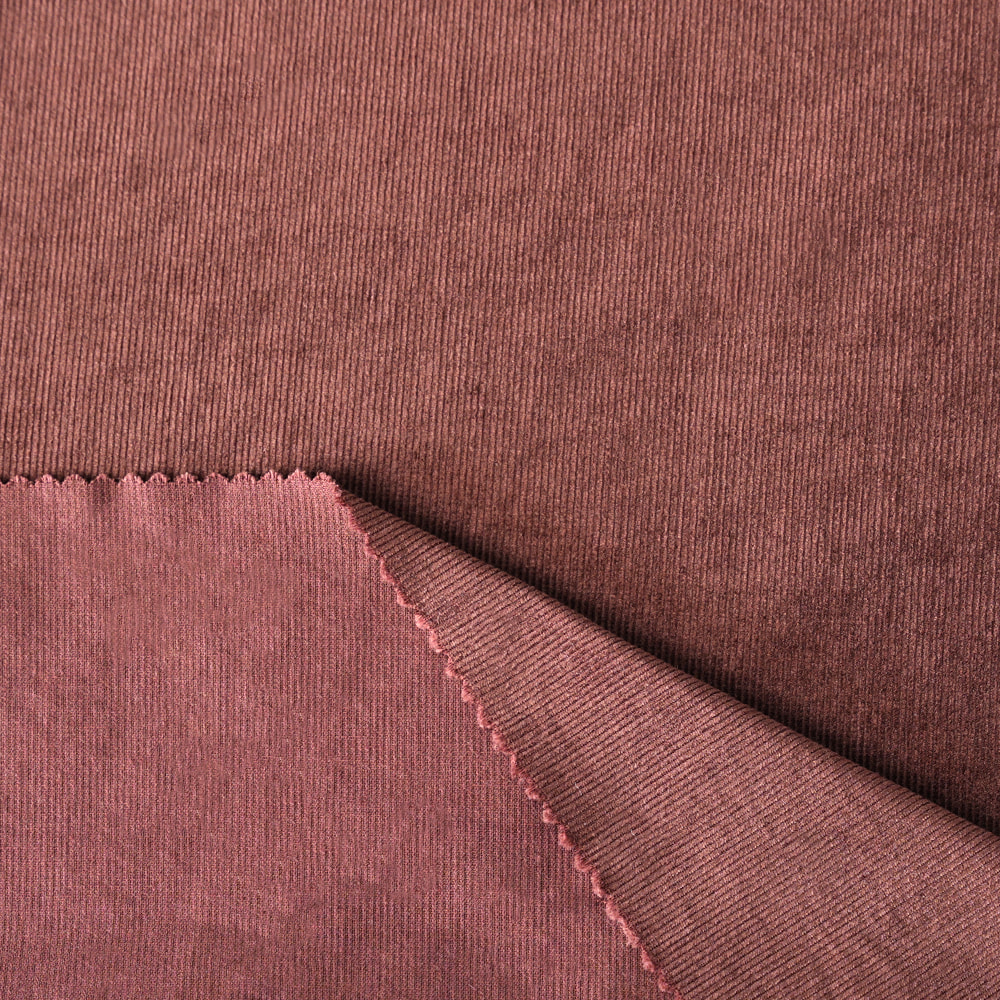
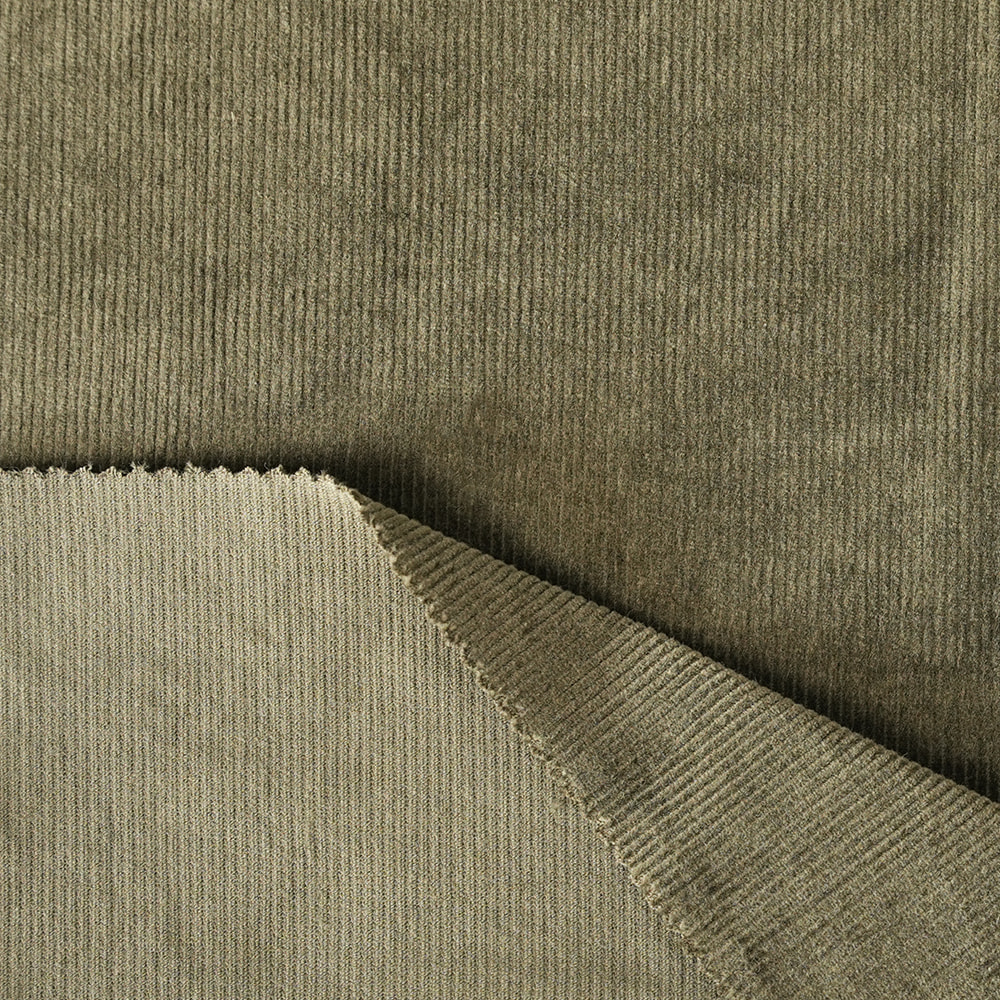
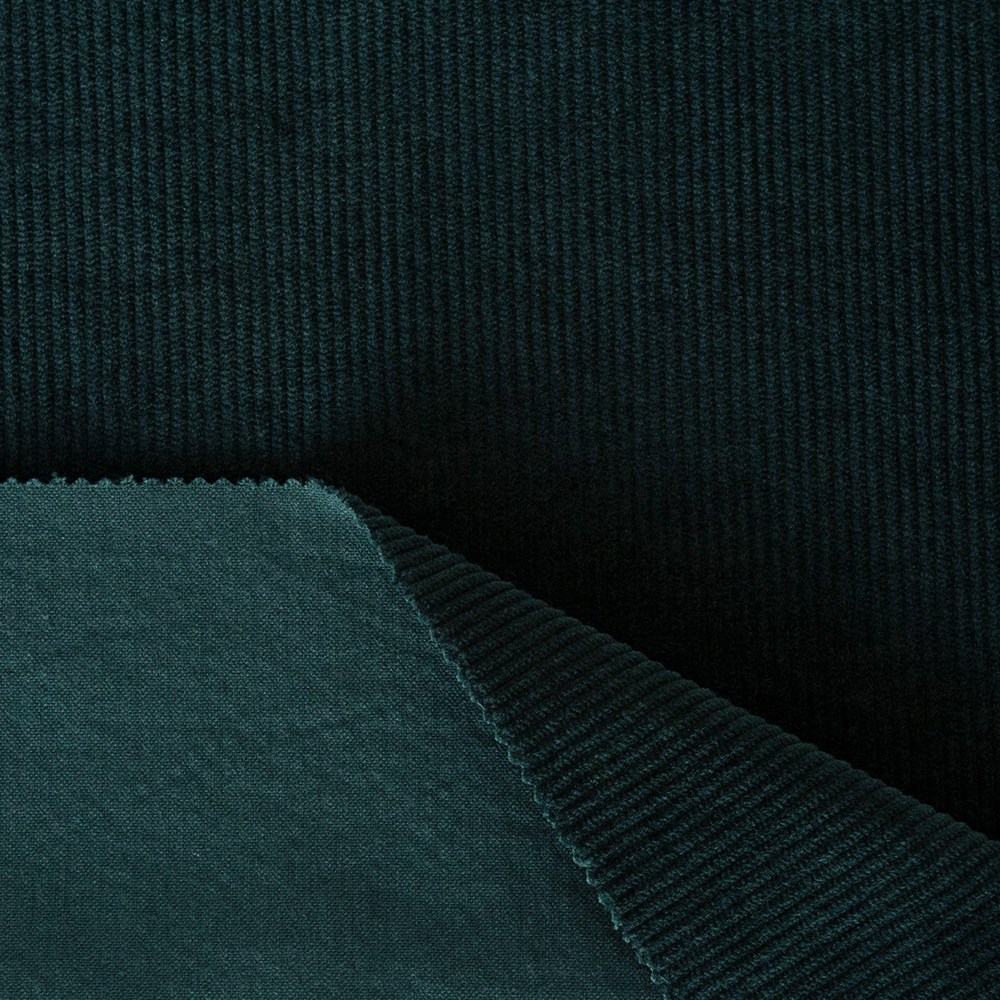
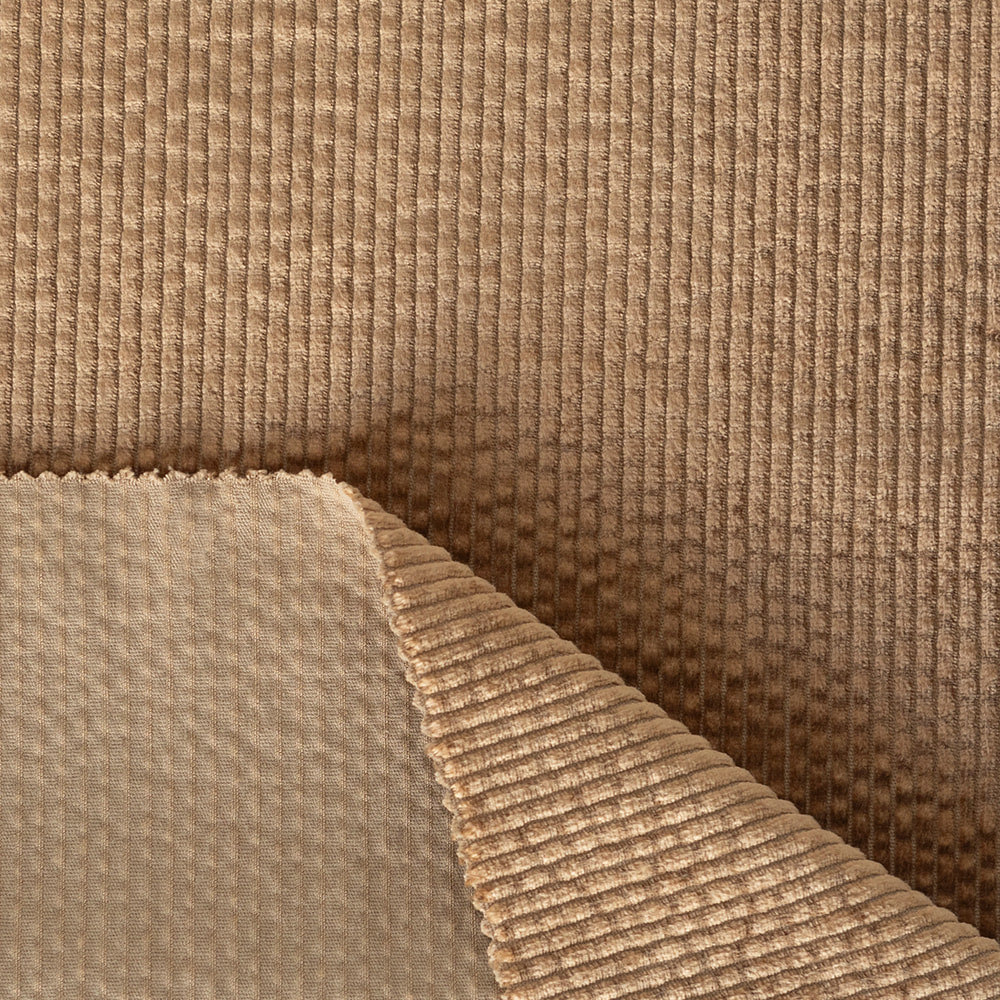
Bi-stretch corduroy fabric is revolutionizing modern apparel by combining the traditional textured charm of corduroy with enhanced elasticity. This fabric stretches both horizontally and vertically, offering unparalleled comfort and improved fit for a wide range of garments. Its versatility makes it popular in fashion-forward clothing as well as functional wear, such as activewear and work attire. Understanding how bi-stretch corduroy fabric enhances comfort and fit requires an in-depth look at its composition, stretch properties, garment applications, and care requirements.
Content
Bi-stretch corduroy typically combines natural fibers like cotton with synthetic fibers such as spandex or elastane. The natural fibers provide softness, breathability, and the classic corduroy rib texture, while synthetic fibers impart elasticity. The unique weaving technique allows the fabric to stretch in two directions, enhancing mobility and adapting to body movements without compromising the structured appearance of corduroy.
The thickness and wale count of the corduroy ribs can vary depending on intended use. Fine-wale bi-stretch corduroy is suitable for tailored shirts and dresses, while thicker-wale versions provide durability and warmth for pants, jackets, and outerwear. The bi-directional stretch ensures garments fit comfortably across diverse body shapes.
Comfort is one of the primary benefits of bi-stretch corduroy. The dual-direction stretch reduces restriction, allowing wearers to move freely during daily activities or physical tasks. Unlike traditional corduroy, which can feel stiff and limiting, bi-stretch variants adapt to body contours and maintain softness even under tension.
The addition of elastic fibers also improves garment recovery, preventing sagging or bagging after extended wear. This property is particularly valuable in pants, skirts, and fitted jackets, ensuring consistent comfort throughout the day without the need for constant adjustment.
Bi-stretch corduroy fabric enhances fit by allowing garments to closely follow body contours. The horizontal and vertical stretch accommodates different body types, providing a tailored appearance without compromising ease of movement. This adaptability reduces the risk of tight or loose spots, resulting in a flattering fit for a wide range of wearers.
For tailored clothing, the bi-stretch property reduces the need for complex pattern adjustments and additional panels, simplifying production while improving wearer satisfaction. The fabric’s recovery ensures that the garment maintains its shape even after repeated bending, sitting, or stretching.
Bi-stretch corduroy is increasingly used in both casual and formal fashion due to its combination of style, comfort, and mobility. In casual wear, it is ideal for pants, skirts, and jackets, providing warmth without sacrificing movement. In formal or semi-formal attire, fine-wale bi-stretch corduroy allows for tailored shirts, dresses, and blazers that offer a polished look while accommodating body movement.
Designers also utilize the fabric in fashion-forward outerwear and active-inspired garments. The elasticity supports dynamic silhouettes, enabling modern cuts and innovative patterns that traditional corduroy cannot easily achieve. Its versatility allows it to bridge the gap between comfort-oriented casual wear and style-focused designer pieces.
Beyond fashion, bi-stretch corduroy is valuable in functional clothing, including workwear and utility garments. The stretch improves range of motion, essential for tasks requiring bending, lifting, or prolonged sitting. The combination of durability and flexibility ensures garments withstand frequent use without tearing or losing shape.
The thermal properties of corduroy ribs provide insulation, making it suitable for outdoor workwear in cooler climates. When combined with bi-directional stretch, the fabric balances protection, comfort, and mobility, offering a practical solution for industries that require functional yet comfortable attire.
Proper care is essential to maintain the stretch, texture, and appearance of bi-stretch corduroy. Washing in cold water and avoiding harsh detergents prevents fiber damage and shrinkage. Air drying or low-heat tumble drying preserves elasticity and prevents permanent deformation of the fabric ribs.
Ironing should be performed on the reverse side with low heat to avoid flattening the corduroy texture. For garments containing spandex or elastane, avoiding bleach and excessive heat is crucial to maintain fiber integrity and prolong lifespan. Proper care ensures that the comfort and fit benefits of bi-stretch corduroy remain consistent over time.
| Feature | Bi-Stretch Corduroy | Traditional Corduroy |
| Stretch | Horizontal and Vertical | Minimal |
| Comfort | High, adaptive to movement | Moderate, limited flexibility |
| Fit | Flattering, body-contouring | Less adaptable to body shapes |
| Durability | High with proper care | High, but less forgiving on movement |
| Applications | Fashion, activewear, workwear | Traditional apparel, casual wear |
Bi-stretch corduroy fabric significantly enhances comfort and fit in clothing by combining the classic texture of corduroy with dual-direction stretch. Its versatility allows for improved mobility, body-contouring fit, and adaptability across fashion, functional, and workwear garments. With proper material selection, design, and care, bi-stretch corduroy garments provide wearers with a superior combination of style, comfort, and durability, making it a highly desirable fabric in modern apparel design.
Please feel welcome to contact our friendly reception staff with any general call us

+86 139 6116 7127

Email: cloud@jacquardcloth.com

Textile Industry Zone, East Hutang Town, Wujin District,213100 Changzhou,China
