

 English
 日本語
日本語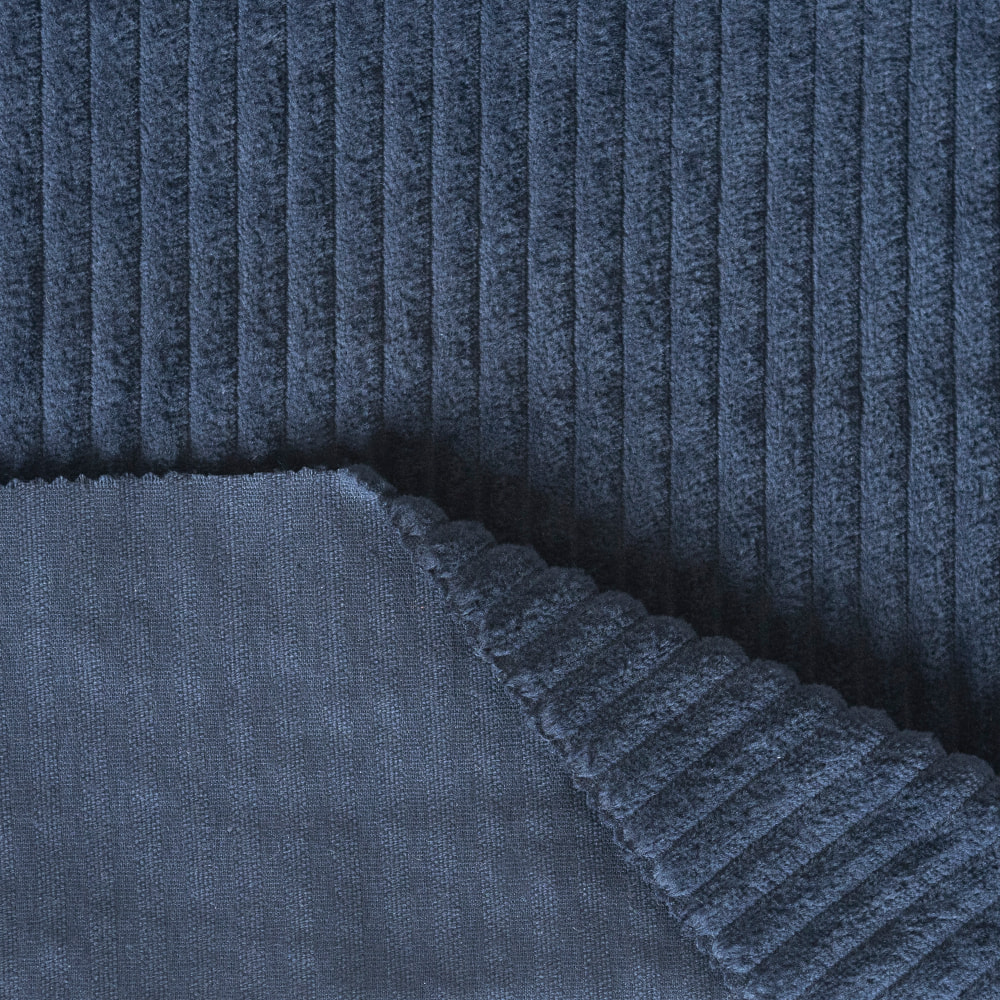


Get Directions
Textile Industry Zone, East Hutang Town, Wujin District,213100 Changzhou,China
Cotton corduroy fabric is having one of its strongest commercial and cultural moments in decades. Driven by a convergence of vintage fashion revivals, sustainability demand, and bold new color trends — including a surge of interest in orange corduroy fabric — the global corduroy market is expanding rapidly. Industry forecasts project the market to grow from approximately $1.2 billion in 2023 to $2.1 billion by 2032, at a compound annual growth rate of 6.3%. At the center of this growth is 100% cotton corduroy, which currently accounts for over 65% of total market revenue.
Content
Among all fiber types used in corduroy production — including polyester, nylon, and blended options — cotton remains the dominant material by a significant margin. Its natural breathability, moisture absorption, skin comfort, and dye affinity make it the preferred choice for both apparel manufacturers and end consumers. 100% cotton corduroy fabric in particular is gaining ground as buyers increasingly prioritize natural and traceable materials over synthetic alternatives.
The shift toward organic cotton corduroy is especially pronounced. As consumers become more environmentally conscious, brands that offer corduroy made from organic or sustainably sourced cotton are capturing a growing segment of the market. This trend is strongly supported by the broader textile industry's move away from conventional cotton, with the global sustainable fabrics market projected to grow from $37.26 billion in 2025 to $41.28 billion in 2026, registering an annual growth rate of over 12% through 2035.
From a production standpoint, cotton corduroy's durability and resistance to wear make it a smart long-term investment for both the manufacturer and the buyer — aligning well with the 2026 industry emphasis on fabrics that improve with age rather than deteriorate.
While classic autumnal shades — chocolate brown, burgundy, and navy — continue to anchor the corduroy color palette, orange corduroy fabric is emerging as one of the breakout tones of the 2026 fashion season. Interior design forecasters have identified rust orange as a key trending neutral for 2026, describing it as a sophisticated shade that pairs naturally with textured materials. In apparel, warm orange tones are resonating strongly with Gen Z consumers, who are driving the ongoing vintage and retro fashion revival that has brought corduroy back to the mainstream.
The Fall/Winter 2025–26 runway season marked a pivotal moment for bold corduroy colors. Luxury houses including Zegna and Brunello Cucinelli presented collections with corduroy in striking warm hues and wide-wale textures, while fashion editors from publications including Vogue and Harper's BAZAAR featured corduroy prominently in their seasonal trend coverage. This high-profile visibility has translated into measurable commercial demand — search interest for women's corduroy pants peaked at a score of 86 (on a normalized scale) in November 2024, reflecting the strongest seasonal momentum the fabric has seen in years.
For textile buyers and fabric suppliers, orange corduroy fabric — particularly in 100% cotton construction — represents a targeted commercial opportunity. The color aligns with multiple 2026 macro trends simultaneously: warm earth tones in interior design, vintage silhouettes in apparel, and the growing preference for natural-fiber fabrics with rich surface texture.
One of the most significant structural shifts in the corduroy fabric market for 2026 is the erosion of its traditionally seasonal character. Historically regarded as a fabric reserved for autumn and winter collections, corduroy is now being designed into spring and summer offerings as well. AI-powered trend forecasting firm Heuritech confirmed in late 2025 that typically autumnal materials — including corduroy — showed a significant increase in Spring/Summer 2026 collections compared to the same period in 2025, with brands finding ways to use the fabric in season-appropriate, lighter iterations.
This de-seasonalization is being facilitated by advances in corduroy finishing technology. Biancalani's AIRO® and AIRO®24 treatment systems, widely adopted across premium fabric mills, deliver enhanced softness and volume through controlled air-mechanical processes — resulting in corduroy with a lighter, more breathable hand feel suitable for warmer-weather garments. The development of fine-wale and lightweight cotton corduroy constructions has further extended the fabric's seasonal range, with fine-wale versions being incorporated into spring shirts, overshirts, and casual jackets that offer texture without excessive weight.

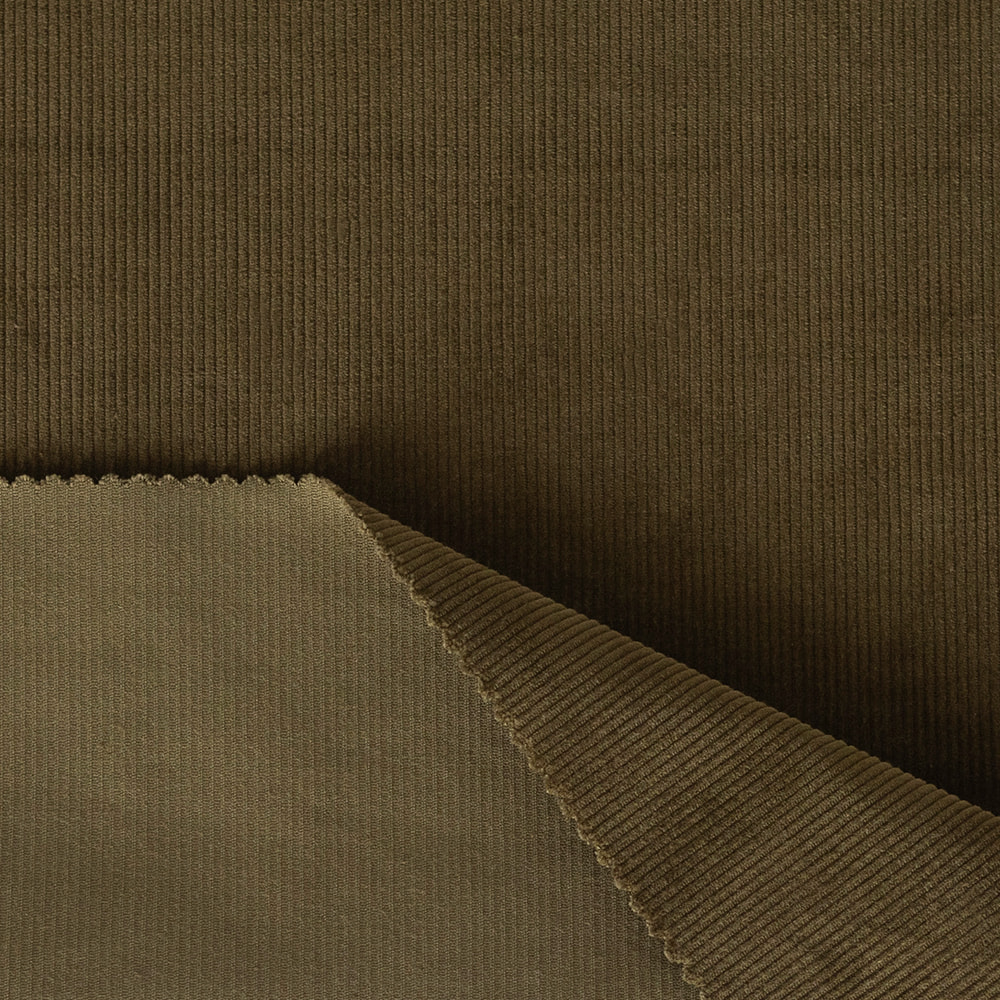
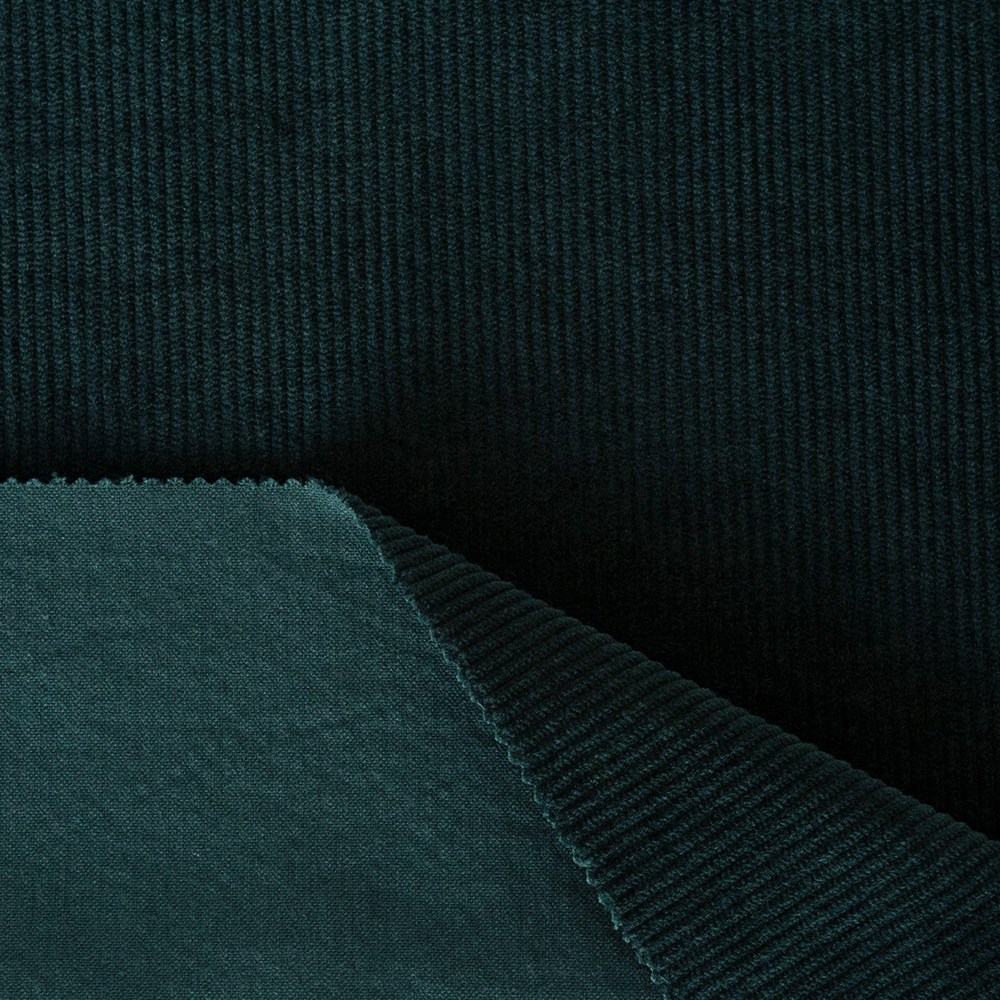
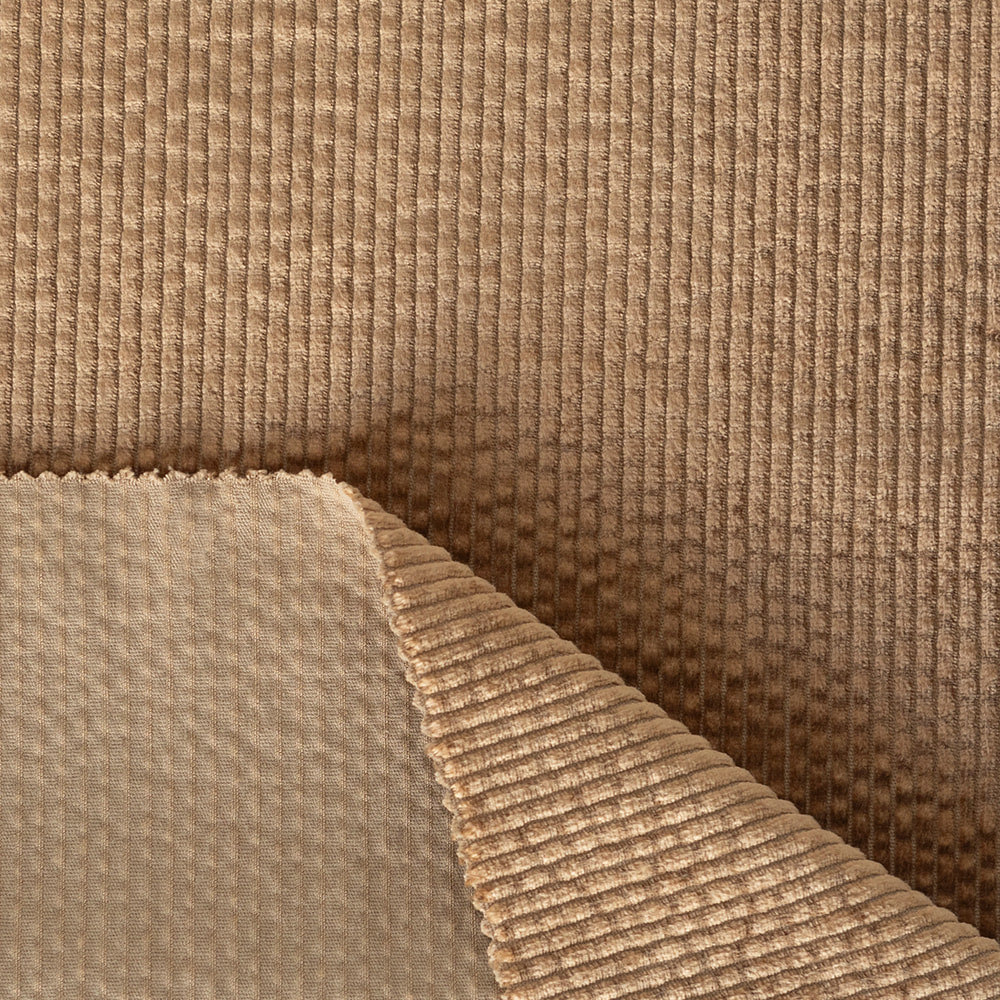
Understanding wale width is essential for buyers sourcing cotton corduroy fabric for specific end uses. The wale refers to the ridged cord running along the fabric's surface; the number of wales per inch determines the fabric's texture, weight, and application suitability.
| Wale Type | Wales per Inch | Characteristics | Typical Applications |
|---|---|---|---|
| Wide Wale (Jumbo) | 2–4 | Heavy, bold texture, high visual impact | Outerwear, upholstery, statement jackets |
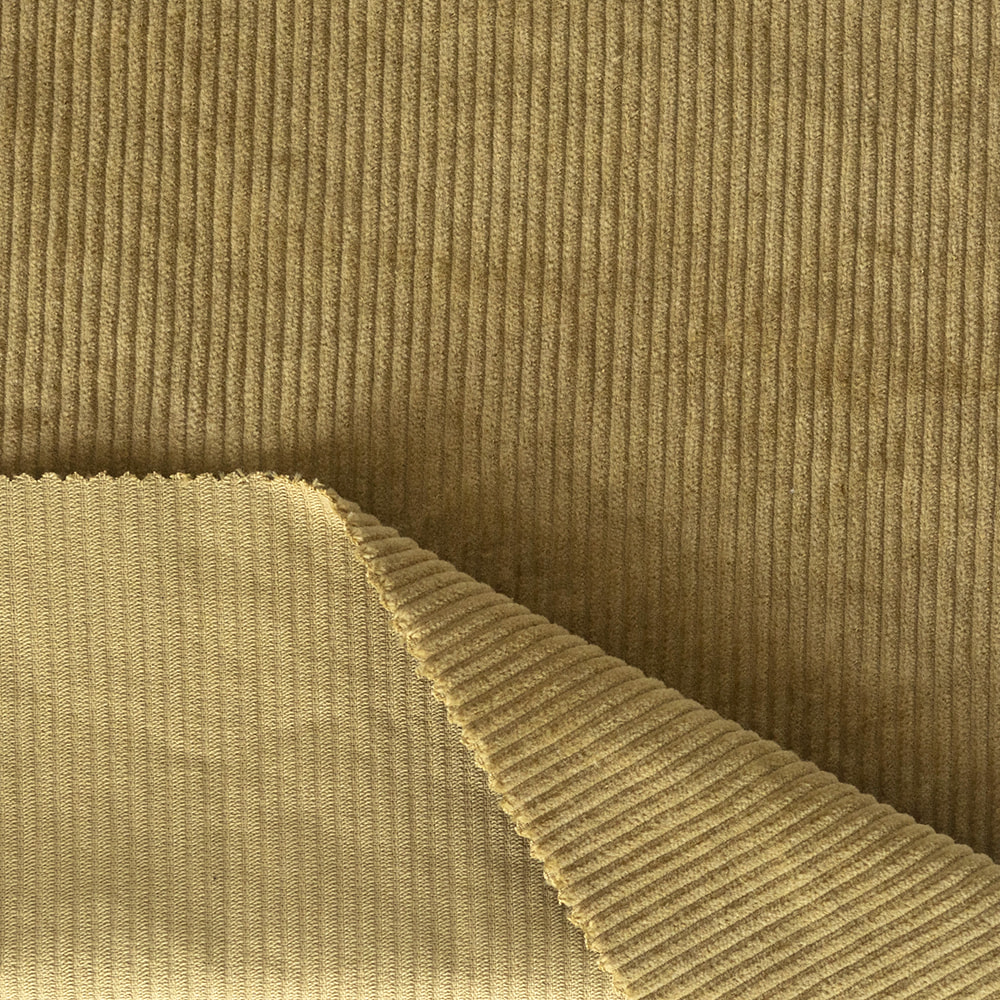
| Standard Wale | 8–10 | Balanced texture and weight, versatile | Trousers, casual jackets, skirts |
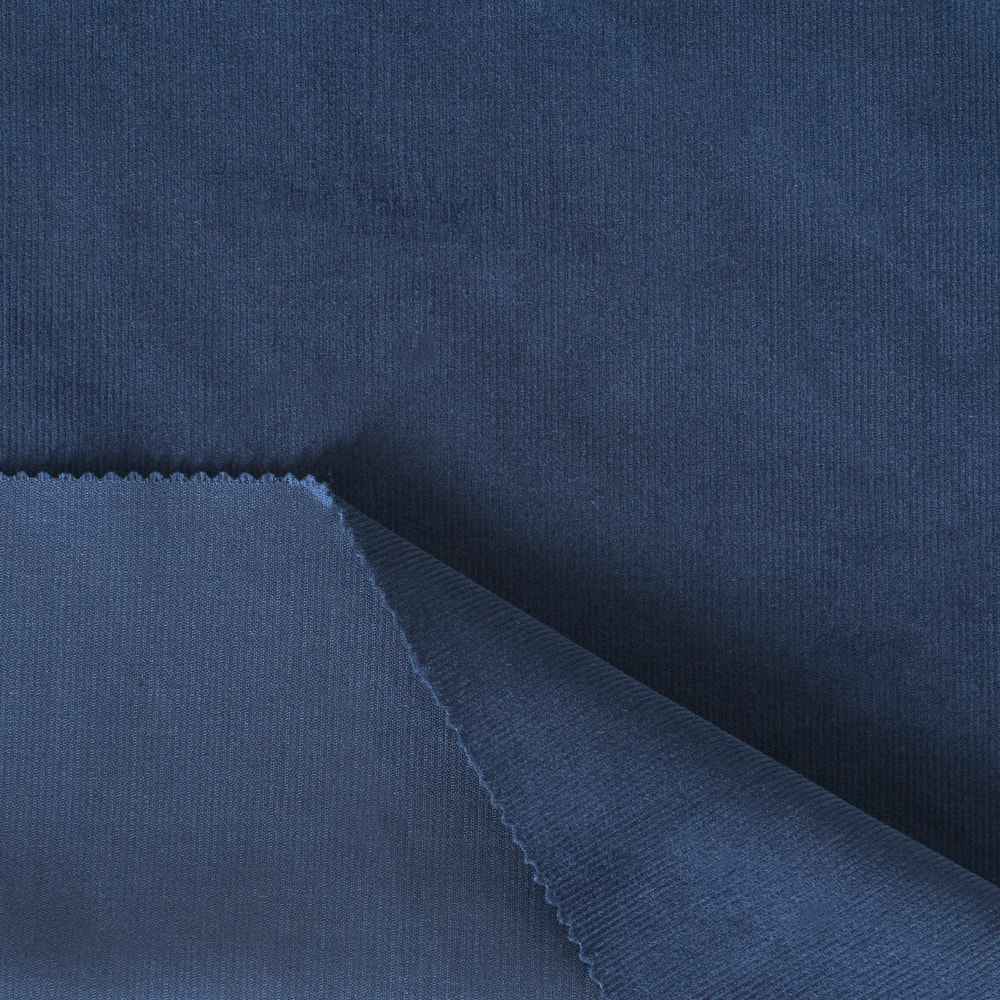
| Fine Wale (Needlecord) | 16–21 | Lightweight, subtle texture, soft drape | Shirts, children's wear, accessories |
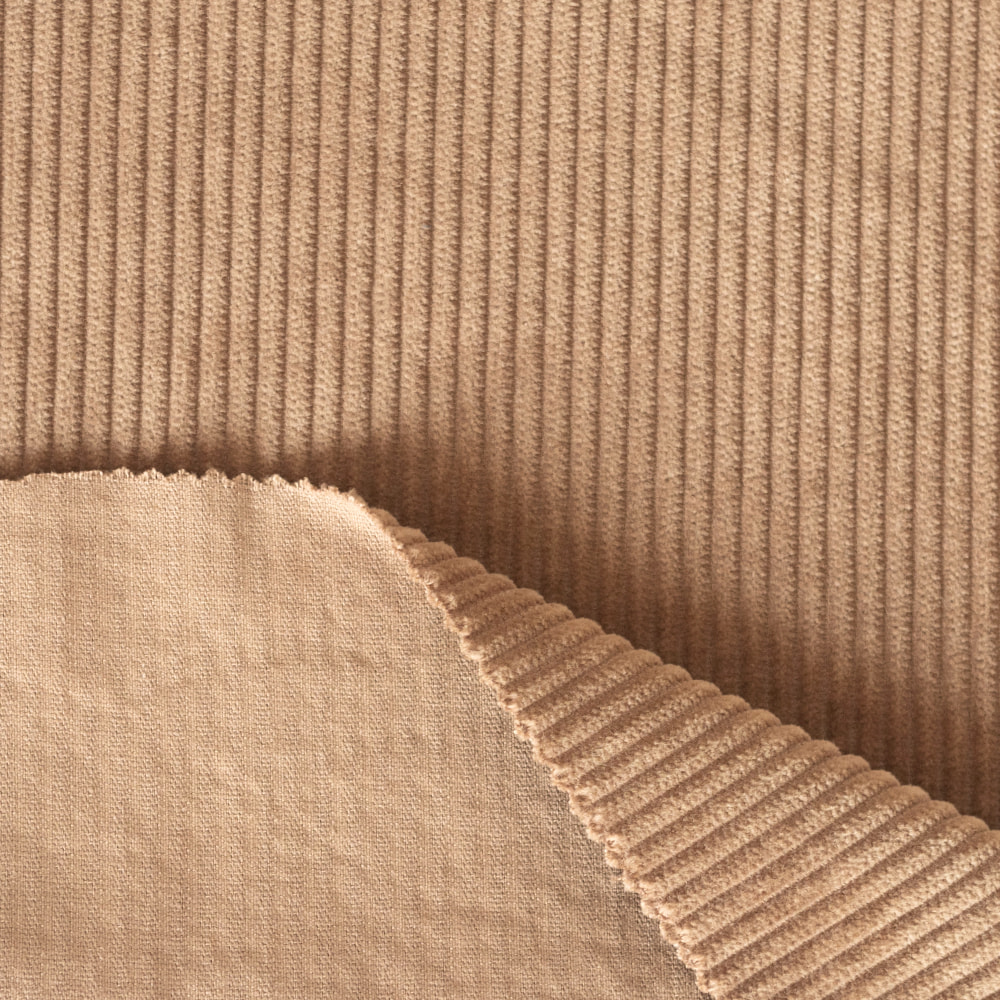
For orange corduroy fabric sourced in 100% cotton, standard and wide-wale constructions are currently the most commercially active, particularly for trousers and outerwear. Fine-wale orange cotton corduroy is gaining traction in accessories and children's wear, where the color's energy and the fabric's softer finish combine effectively.
While the apparel segment remains the largest end-use category for corduroy cotton fabric, the home furnishings segment is the fastest-growing area in the market. Corduroy's distinctive ribbed texture adds depth, warmth, and visual interest to interior spaces, making it increasingly popular for upholstery, cushions, curtains, and headboards. This growth is being accelerated by the 2026 interior design trend toward tactile, natural-fiber materials that combine sustainability with sensory richness.
In home décor applications, orange and rust tones in cotton corduroy are performing particularly well, complementing the broader 2026 palette of deep neutrals and warm earthy tones identified by interior design forecasters. Brands that position corduroy cotton fabric across both apparel and home décor channels are finding expanded commercial reach without changing their core material or production infrastructure.
For fabric buyers, distributors, and designers, the current market environment represents a well-aligned opportunity: 100% cotton corduroy fabric sits at the intersection of sustainability demand, vintage fashion momentum, and expanding application categories — with orange as one of the season's most commercially relevant color directions.
Please feel welcome to contact our friendly reception staff with any general call us

+86 139 6116 7127

Email: cloud@jacquardcloth.com

Textile Industry Zone, East Hutang Town, Wujin District,213100 Changzhou,China
