

 English
 日本語
日本語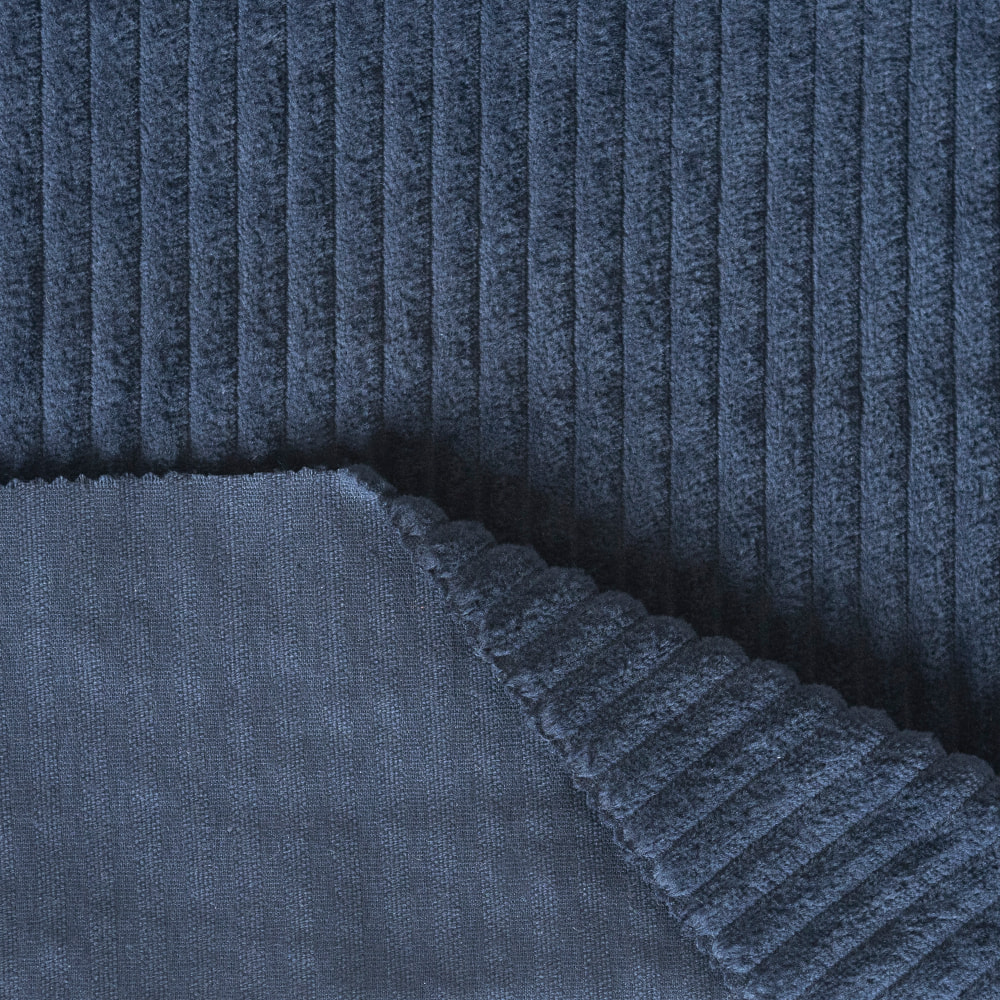


Get Directions
Textile Industry Zone, East Hutang Town, Wujin District,213100 Changzhou,China
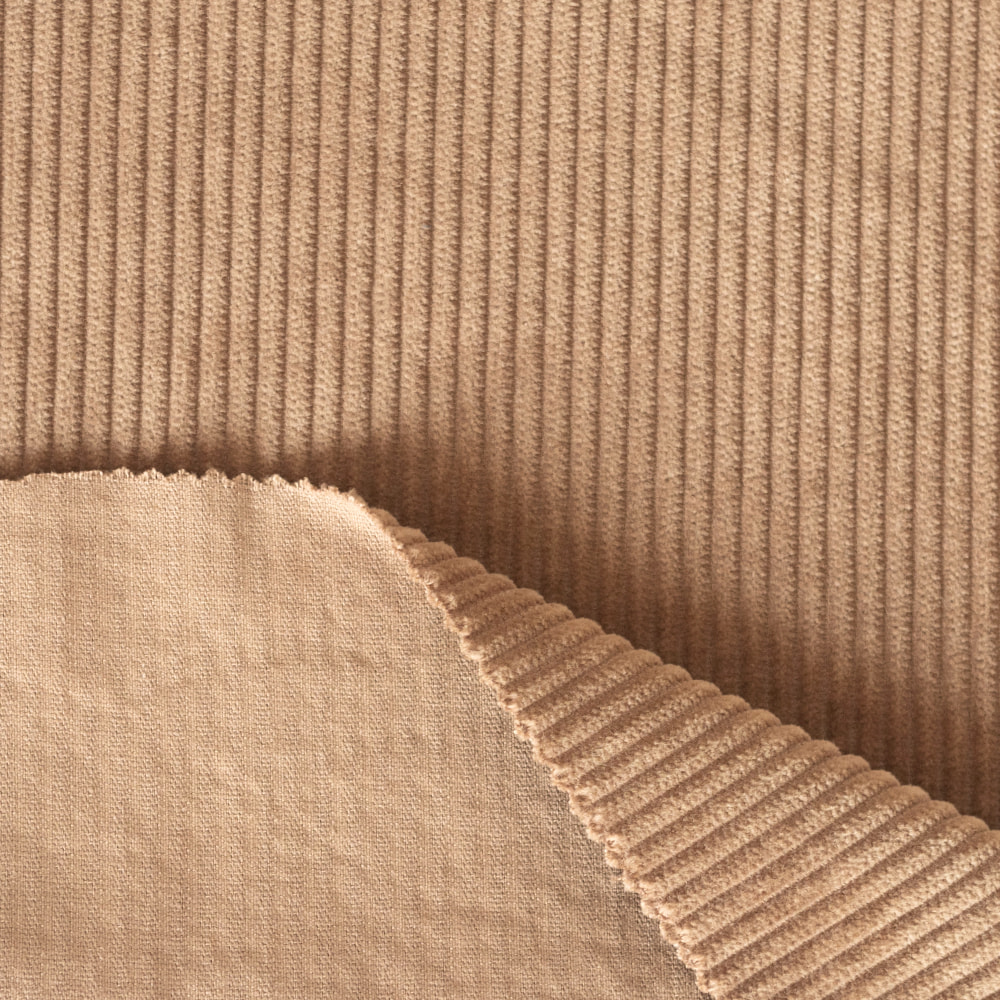
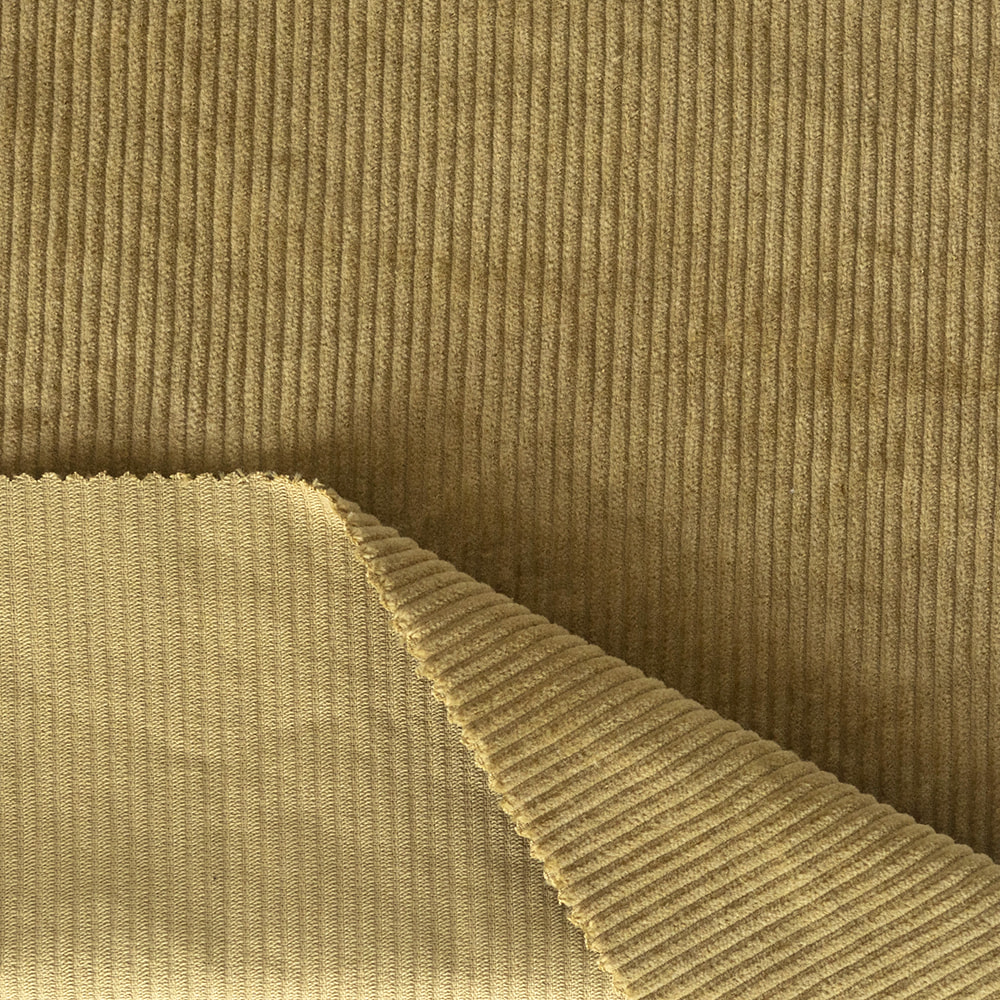
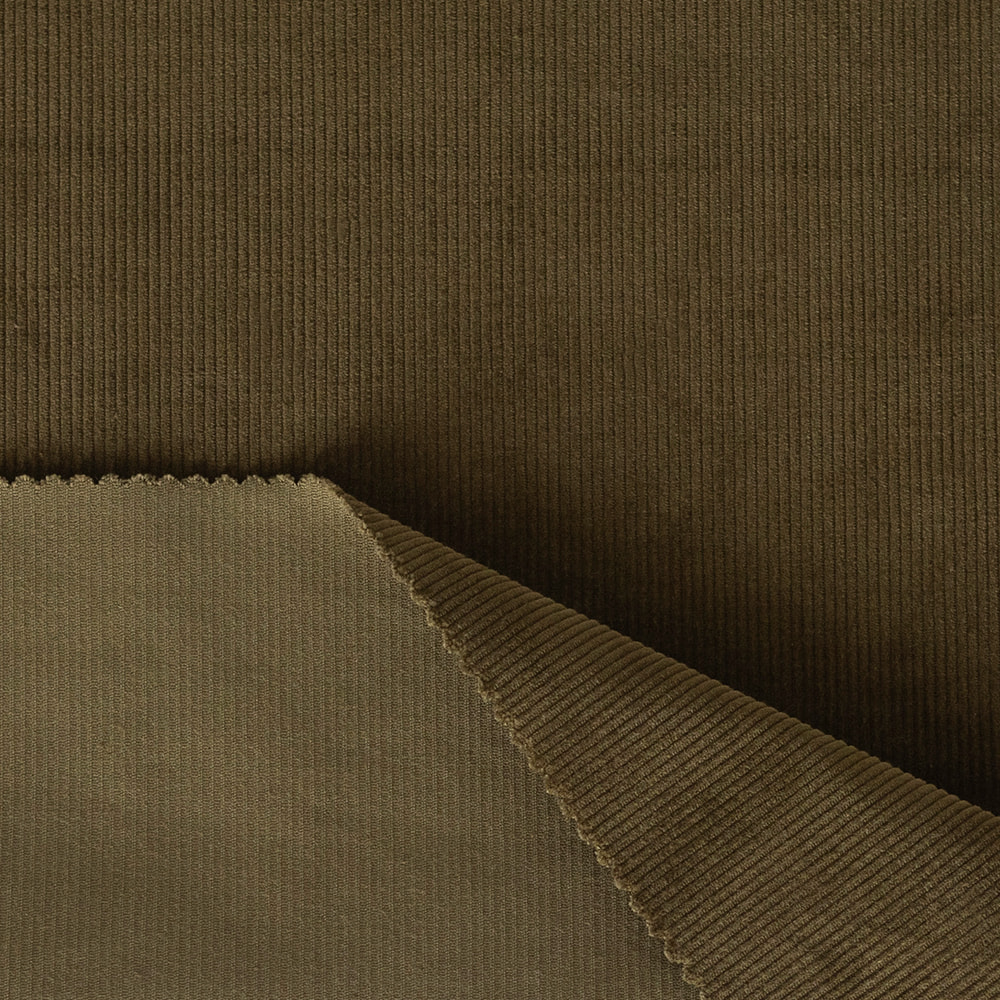
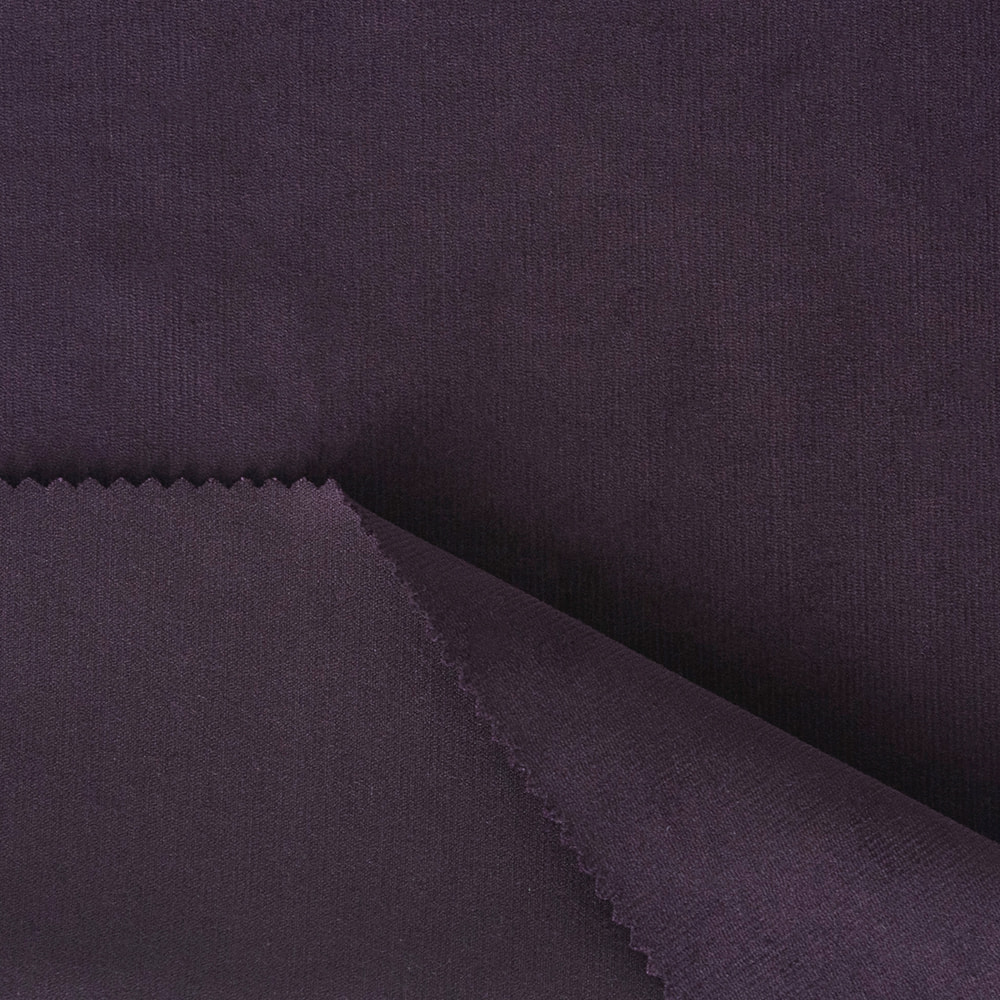
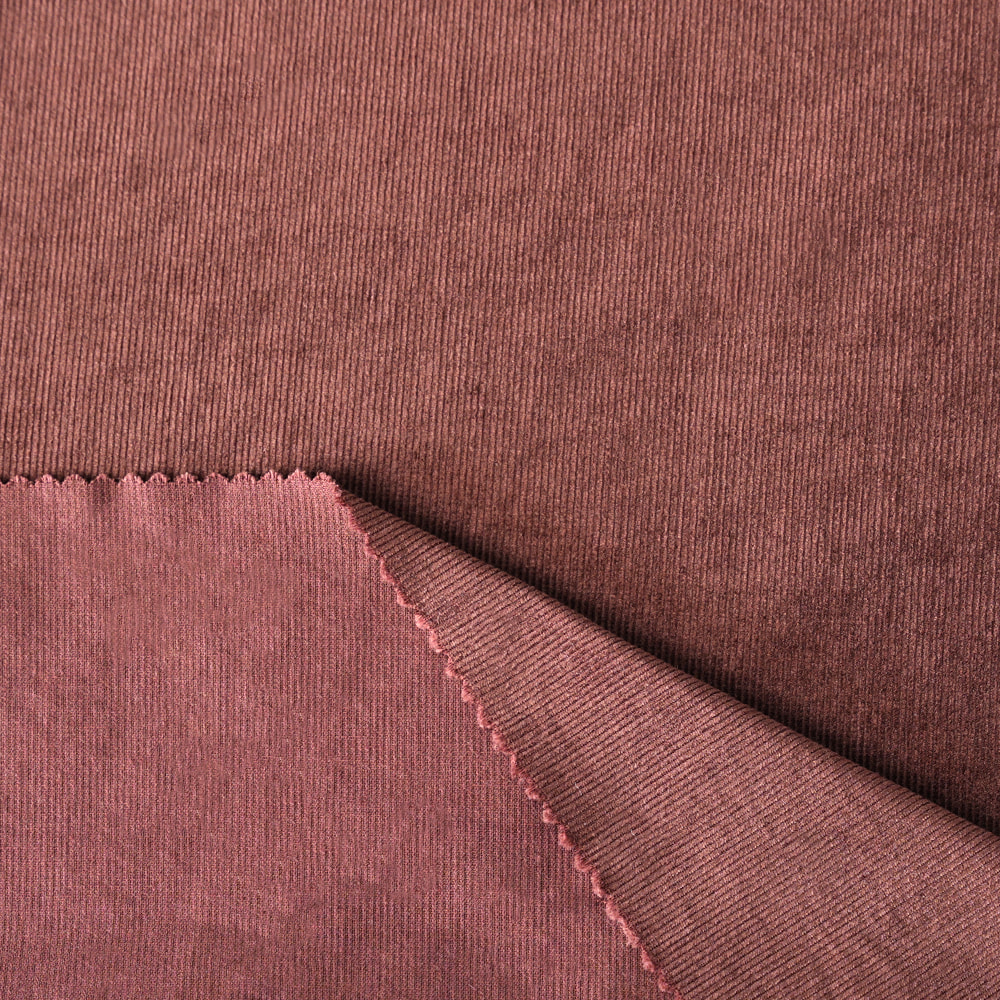
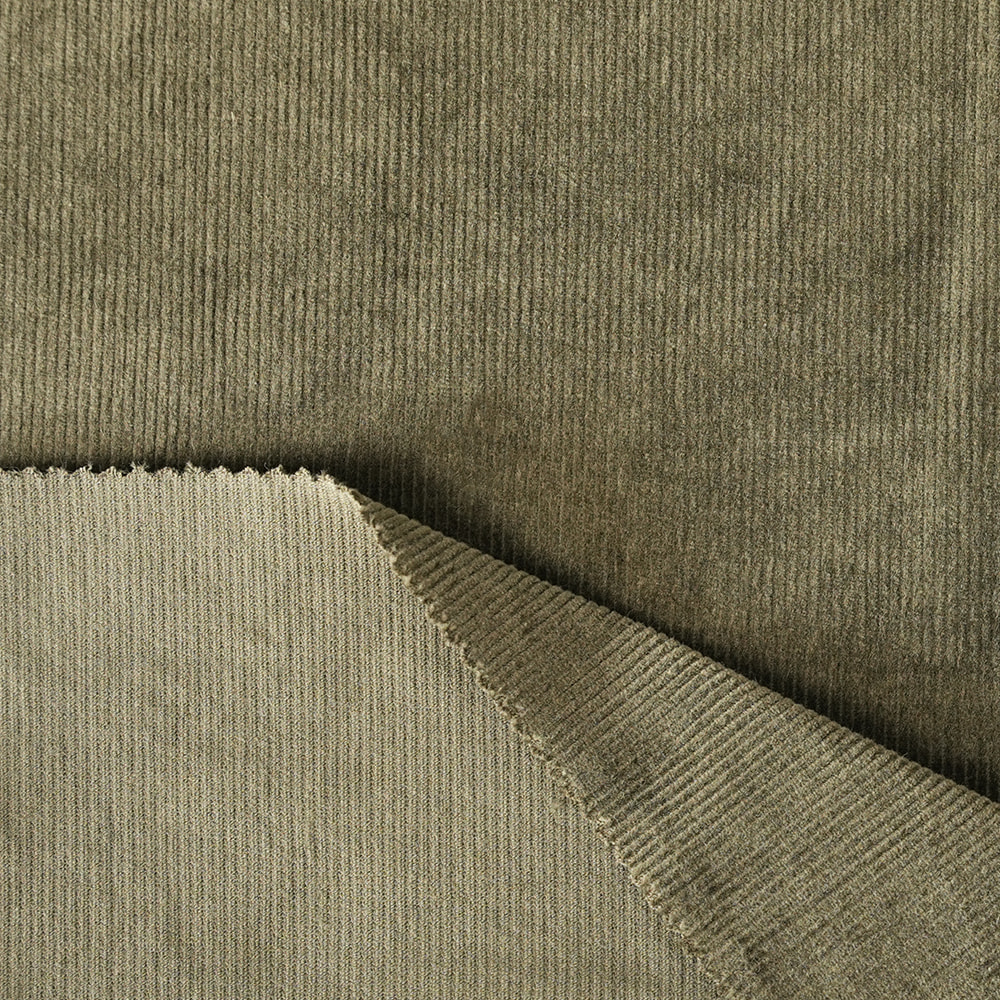
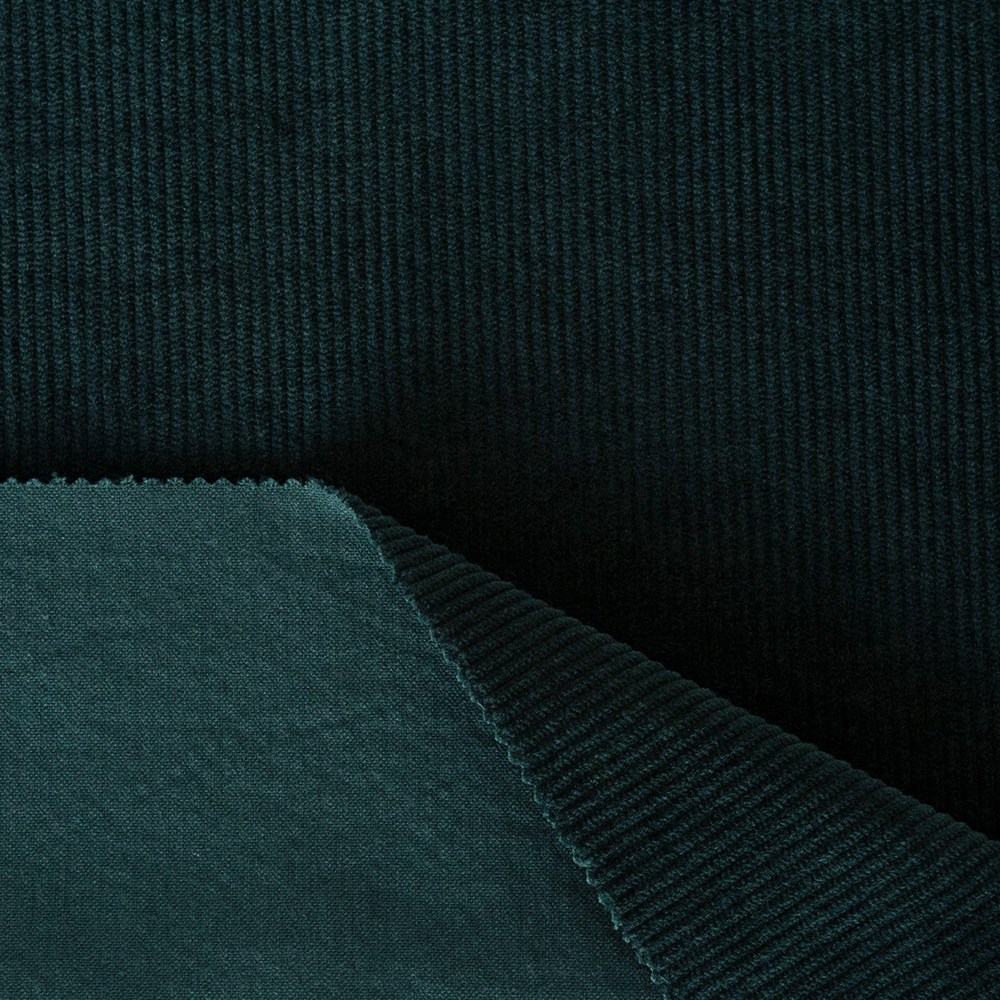
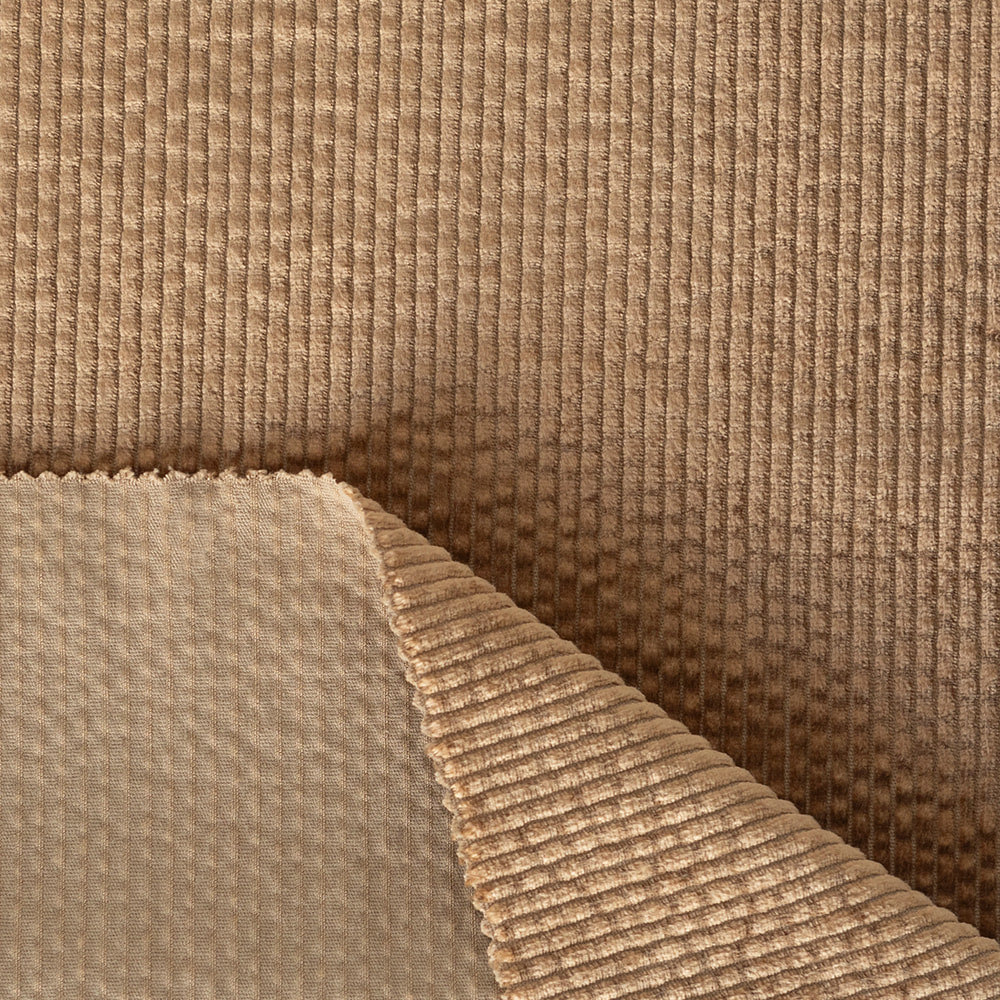
Run your hand along a roll of corduroy and you will feel the ridges before you see them. Those parallel cords are called wales, and they are the defining characteristic of corduroy fabric. Corduroy is a cut-pile woven textile: extra pile yarns are woven into a ground cloth, then cut and brushed to create a raised, ribbed surface. This construction gives corduroy a combination of durability, warmth, and softness that is hard to match with smooth weaves. In practice, the characteristics of corduroy fabric change with wale count, fiber blend, and finishing, so the same word covers everything from a rugged 3.5W upholstery cloth to a delicate 21W shirting fabric.
Content
Wale count is the number of cords per inch. A low number like 3.5W means wide, prominent wales; a high number like 21W means narrow, fine wales. Between those endpoints, 6W, 8W, 12W, and 16W offer different scales of texture, hand feel, and visual character.
Because the pile has a direction, corduroy has a nap. Rubbing it with the nap feels smooth; rubbing against the nap feels rougher and the color appears darker. For this reason, all pattern pieces in a garment or a block of upholstery panels should be cut in the same direction to avoid shading problems.
What you are really buying is a balance of visual texture, physical strength, and comfort. The balance shifts with construction and fiber content.
Corduroy's strength comes from the cut pile riding over a tightly woven base. Wide-wale styles with heavier backings are often used for upholstery and outdoor clothing because they tolerate abrasion. In apparel, the pile can crush under pressure at elbows, knees, and seats, but a sound construction will keep its color and shape for years. When you source, look past the surface and check the density of the base weave; a thin backing makes any corduroy easier to tear. For a heavy-duty example, a rough 6W cotton non-stretch corduroy intended for furniture coverings shows how durable this product family can be.
 Custom KLD10090 6 Wales Rough Cotton Non-Stretch Corduroy Upholstery Fabric SuppCloud Cloth are China OEM Custom KLD10090 6 Wales Rough Cotton Non-Stretch Corduroy Upholstery Fabric Suppliers and Company,The thick cor...View Product →
The raised pile traps still air, giving corduroy more insulation per gram than a smooth cotton twill of similar weight. That is why a mid-weight 8W or 12W corduroy works so well for trousers and jackets in cooler months. Total weight and weave density matter more than the width of the wale; a thick wide-wale cloth will feel warmer than a fine, lightweight version. For a jacket shell, a thick 8W Tencel-cotton corduroy provides enough body and insulation to carry through late autumn.
 Custom KLD10595 8W Tencel-Cotton Thick Corduroy Fabric for jackets Suppliers, CoCloud Cloth are China OEM Custom KLD10595 8W Tencel-Cotton Thick Corduroy Fabric for jackets Suppliers and Company,This kind of corduroy ...View Product →
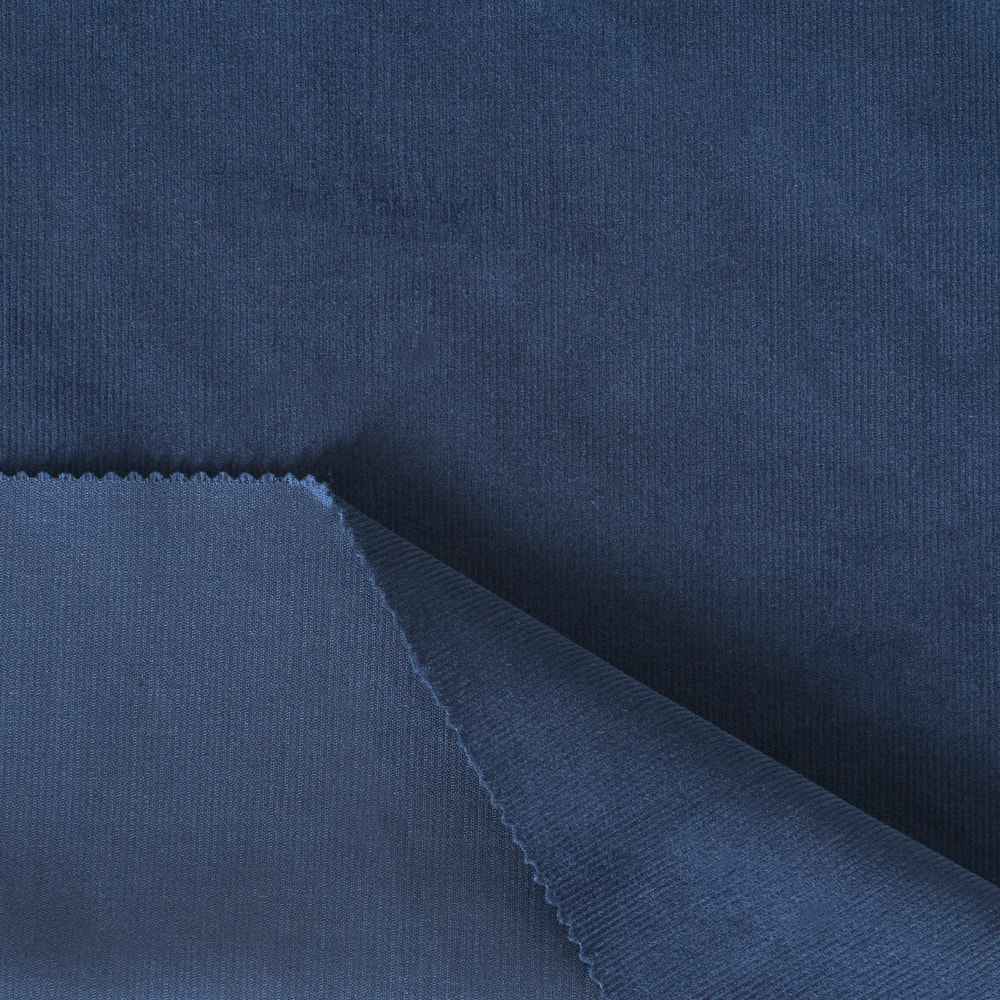
Once the pile is cut and brushed, corduroy can be genuinely soft. Fine-wale and pinwale versions feel the softest because the pile fibers are short and tightly packed. Cotton, Tencel, modal, and rayon also improve the hand feel, which is why 21W corduroy appears so often in shirts and children's clothing. A typical example is a 21W fine-wale Tencel-cotton corduroy made for shirts, casual pants, bib overalls, and skirts.
Custom KLD10593 21W Tencel-Cotton Fine Wale Corduroy Fabric for shirts, casual pCloud Cloth are China OEM Custom KLD10593 21W Tencel-Cotton Fine Wale Corduroy Fabric for shirts, casual pants, Bib overalls, skirts, Sup...View Product →
Classic corduroy has almost no stretch. When manufacturers add spandex, corduroy becomes more comfortable in fitted garments. Depending on the construction, the stretch can be one-way or bidirectional. The main risk is poor recovery: if the yarn structure cannot return to its original shape, knees and elbows will bag out. Request stretch and recovery data before approving a stretch corduroy for trousers or dresses.
Fiber selection changes how a corduroy hangs, drapes, and wears. Here is how the common blends behave:
Wale count is the fastest way to narrow down a corduroy because it controls the scale of the surface texture.
| Wale count | Character | Typical uses |
|---|---|---|
| 3.5W | Wide, rugged cords; heavy and textured | Workwear, outerwear, furniture covers |
| 6W | Broad, distinct cords; medium-heavy | Jackets, upholstery, home textiles |
| 8W | Bold but manageable; medium-heavy | Outerwear, trousers, casual jackets |
| 12W | Medium, classic corduroy; versatile | Trousers, casual suits, skirts |
| 16W | Fine, soft; lighter | Dresses, shirts, children's clothing, printed designs |
| 21W | Very fine, pinwale; soft and smooth | Shirts, blouses, baby clothing, light pants |
Wale count also changes color and texture. Fine wales reflect light evenly, giving a smoother appearance. Wide wales create deeper shadows and a more rustic look. Printed corduroy is normally based on 16W or 21W because a finer surface accepts printing detail better. For upholstery and workwear, 6W or 8W hides dust and abrasion better than pinwale.
Corduroy has two practical weaknesses: the pile can crush, and the nap can cause shade differences. A little care keeps both under control.
Once you know the wale count and fiber blend, a sourcing decision comes down to consistency. In our experience, these five checks prevent most problems downstream:
A mill that weaves, cuts, dyes, and finishes in-house can control these variables more effectively. This is why comparing a dedicated corduroy product range is more useful than looking at a single generic sample. If you want a deeper look at how construction affects performance, our industry note on 8W Tencel-cotton stretch resistance explains one real-world case.
Corduroy is not one fabric; it is a system of choices. Wale count sets the texture, fiber composition sets the hand and drape, and finishing sets the stability and care behavior. Once you know how those variables work together, corduroy becomes a comfortable, durable, and predictable material for garments, upholstery, and accessories.
Please feel welcome to contact our friendly reception staff with any general call us

+86 139 6116 7127

Email: cloud@jacquardcloth.com

Textile Industry Zone, East Hutang Town, Wujin District,213100 Changzhou,China
