Home / Blog / Industry Information / Cotton Corduroy Fabric: Types, Characteristics & Buying Guide
News

Cotton Corduroy Fabric: Types, Characteristics & Buying Guide

What Is Cotton Corduroy Fabric?

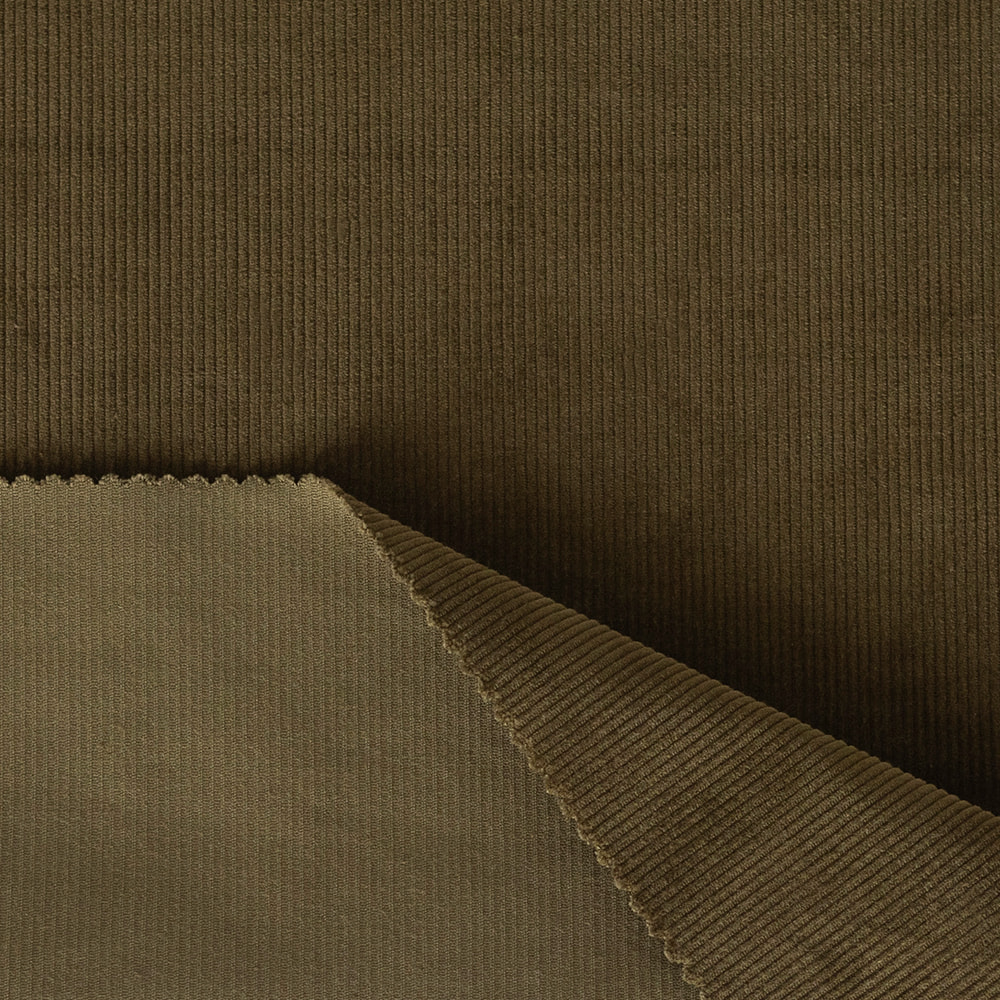
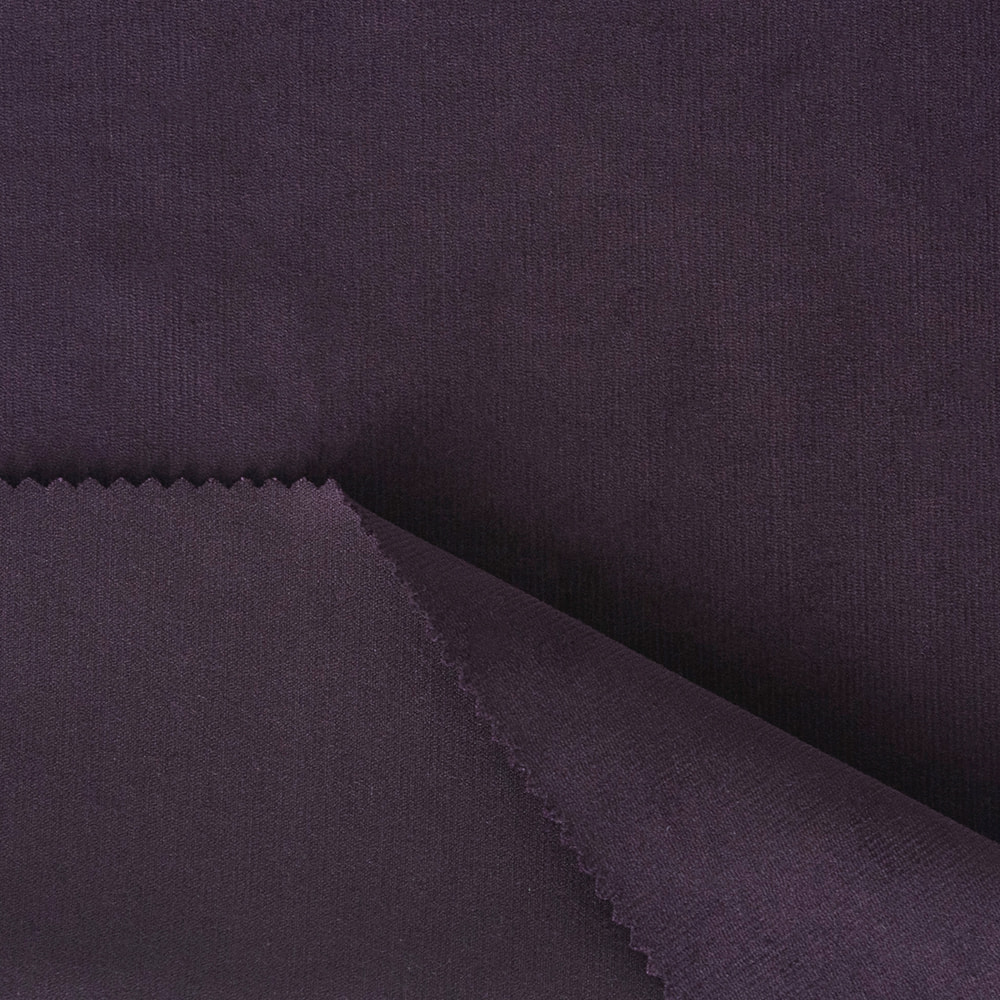
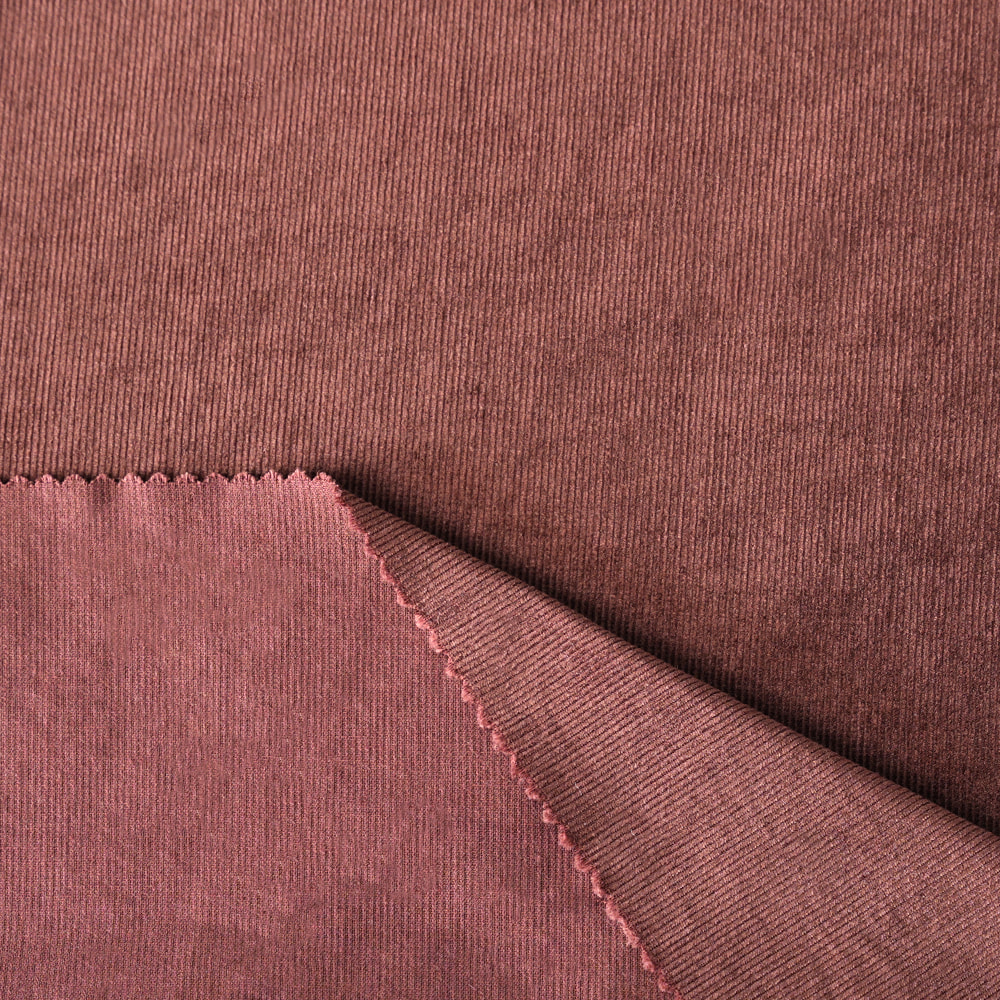
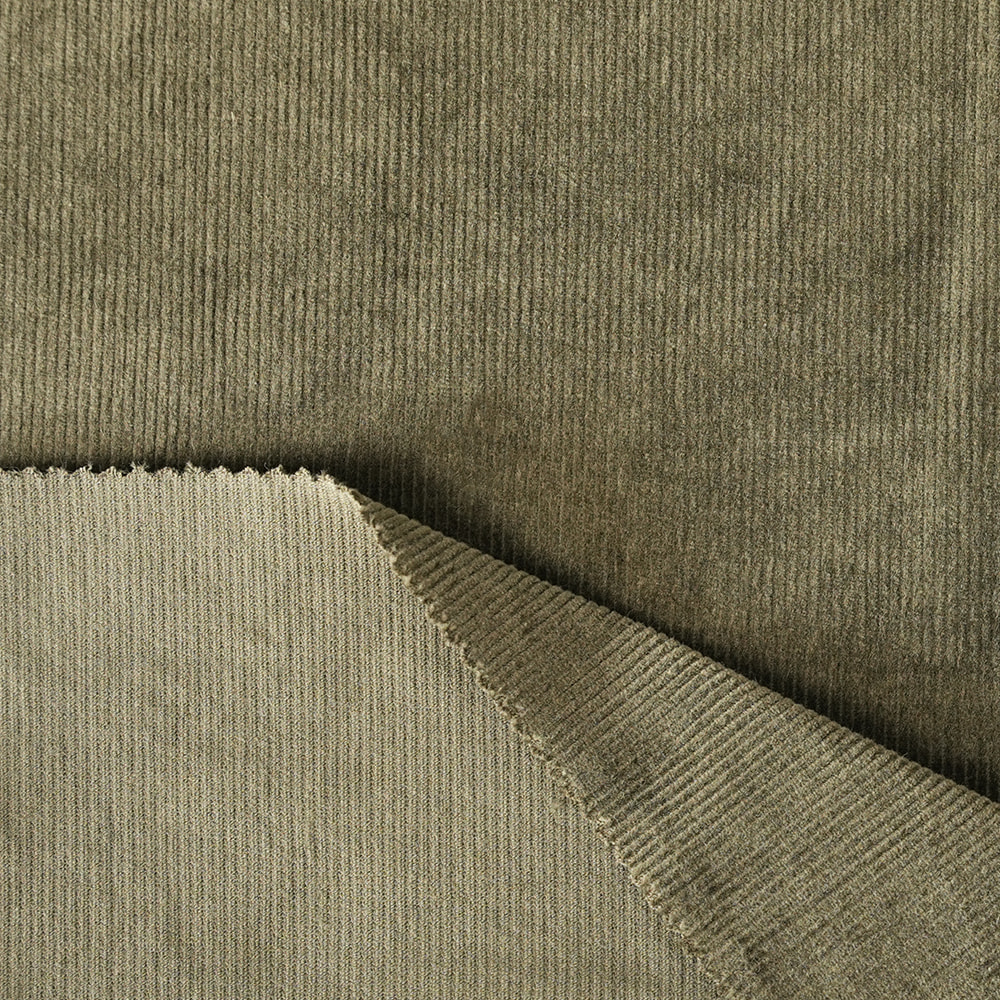
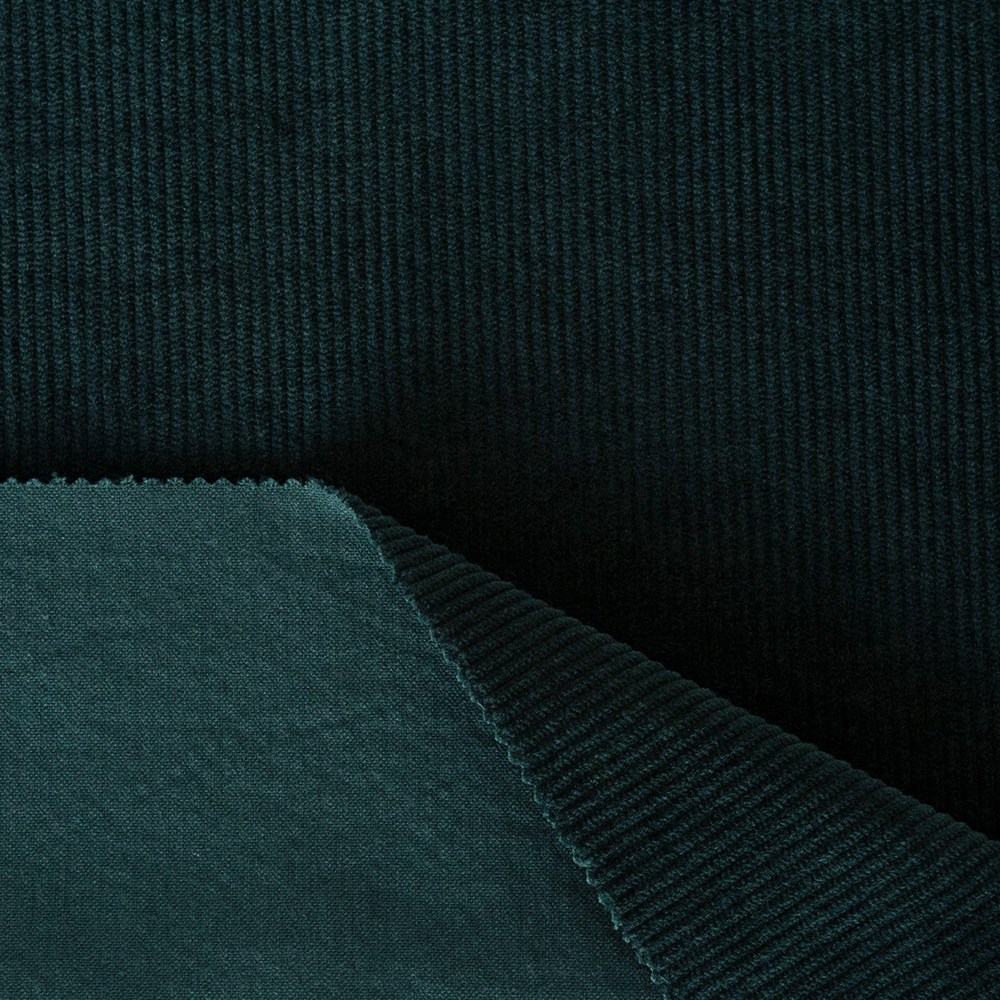
Cotton corduroy is a ridged, pile-woven textile made from 100% cotton or cotton-blend fibers. Its defining feature is the parallel raised cords (called "wales") running vertically along the fabric surface. These wales are formed by cut pile loops woven into a base cloth, giving corduroy its signature texture, warmth, and durability.

Among all corduroy varieties, 100% cotton corduroy fabric is the most valued for everyday use. It is breathable, hypoallergenic, machine washable, and biodegradable—qualities that synthetic blends cannot fully replicate. It is widely used in pants, jackets, shirts, skirts, upholstery, and accessories across fashion and home décor industries worldwide.

Key Characteristics of Corduroy Fabric

Understanding the core characteristics of corduroy fabric helps you choose the right weight and wale count for your specific project or purchase.

The Wale System: Texture and Weight

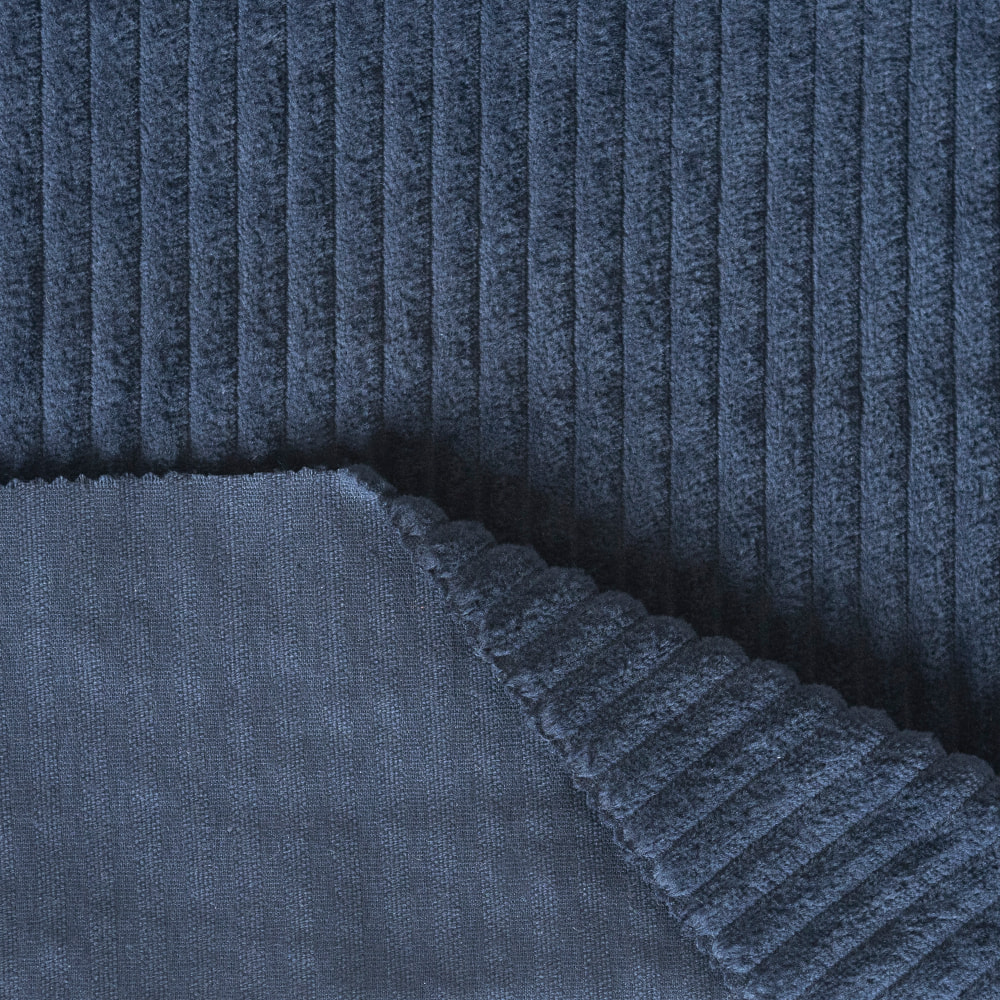
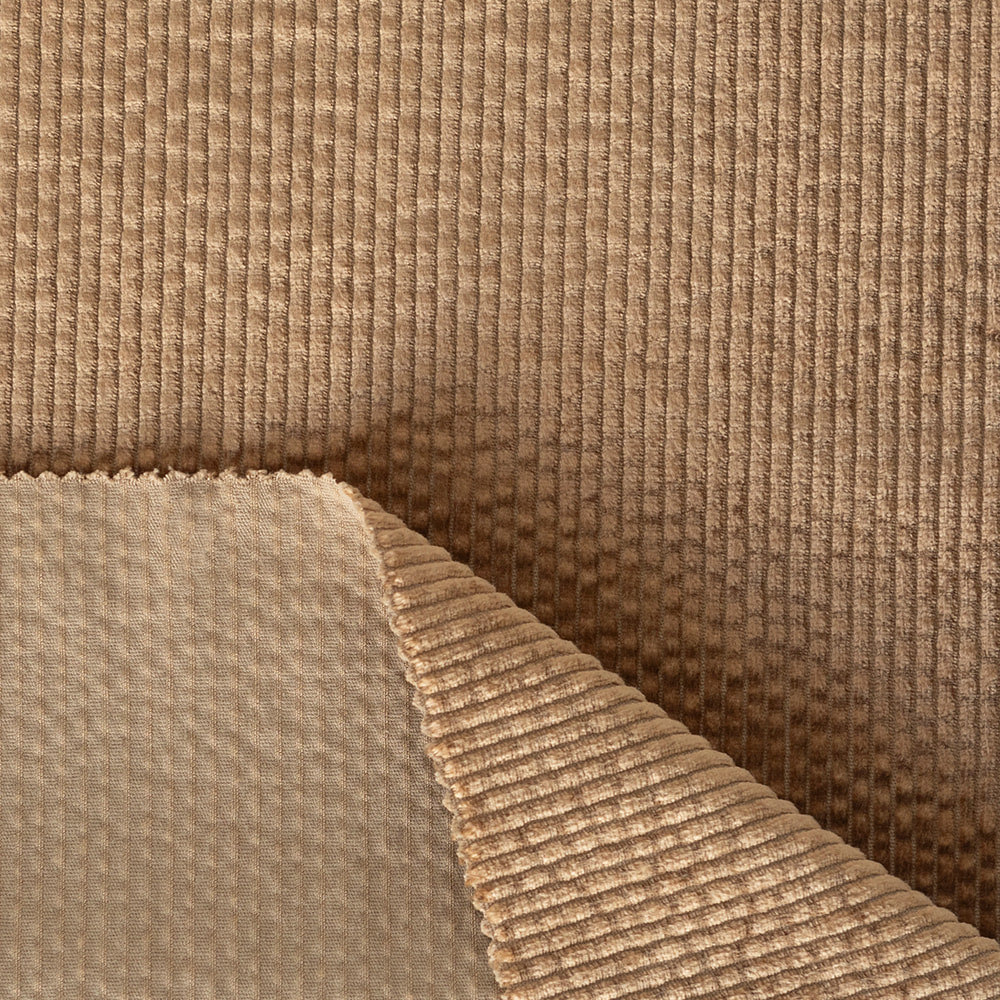
The "wale count" refers to the number of ridges per inch. Lower wale numbers mean wider, heavier cords; higher wale numbers mean finer, lighter cords. This directly affects the fabric's appearance, weight, and application.

Wale Count Cord Width Fabric Weight Common Uses
4–6 wale Very wide Heavy Outerwear, upholstery, bags
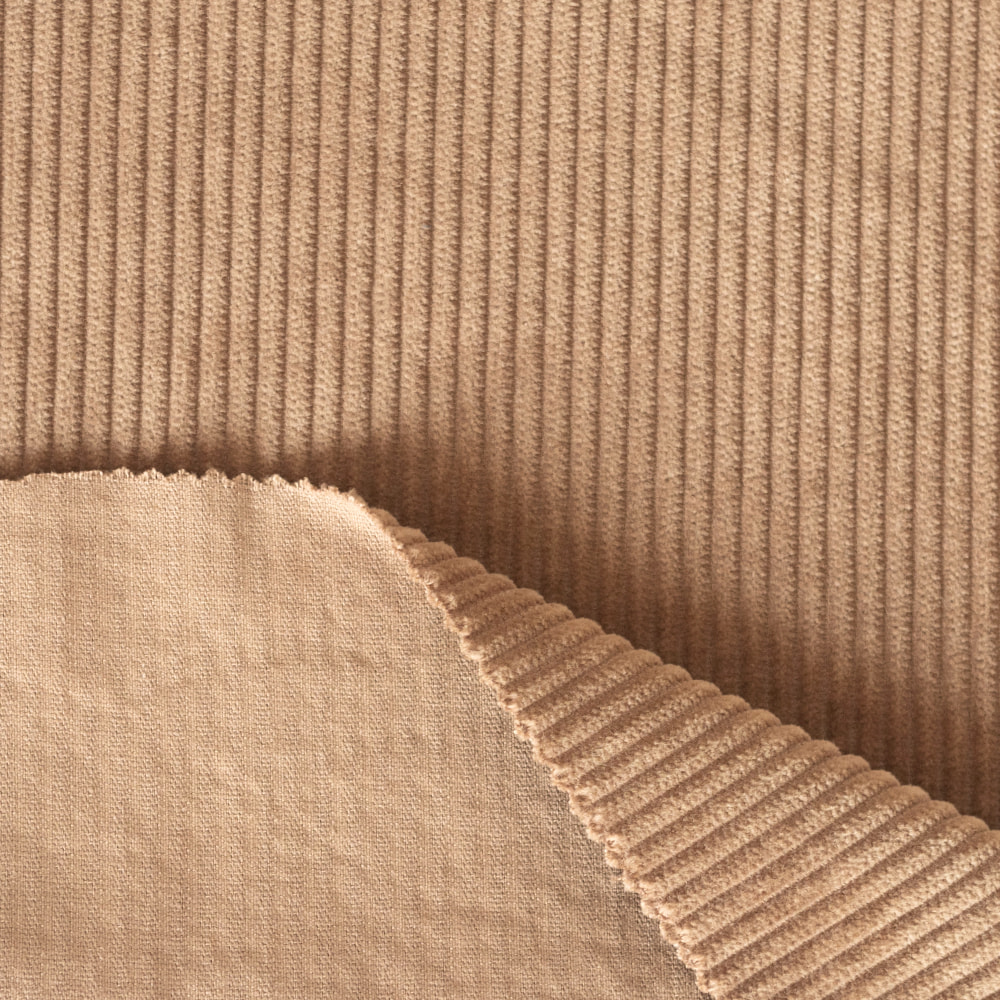
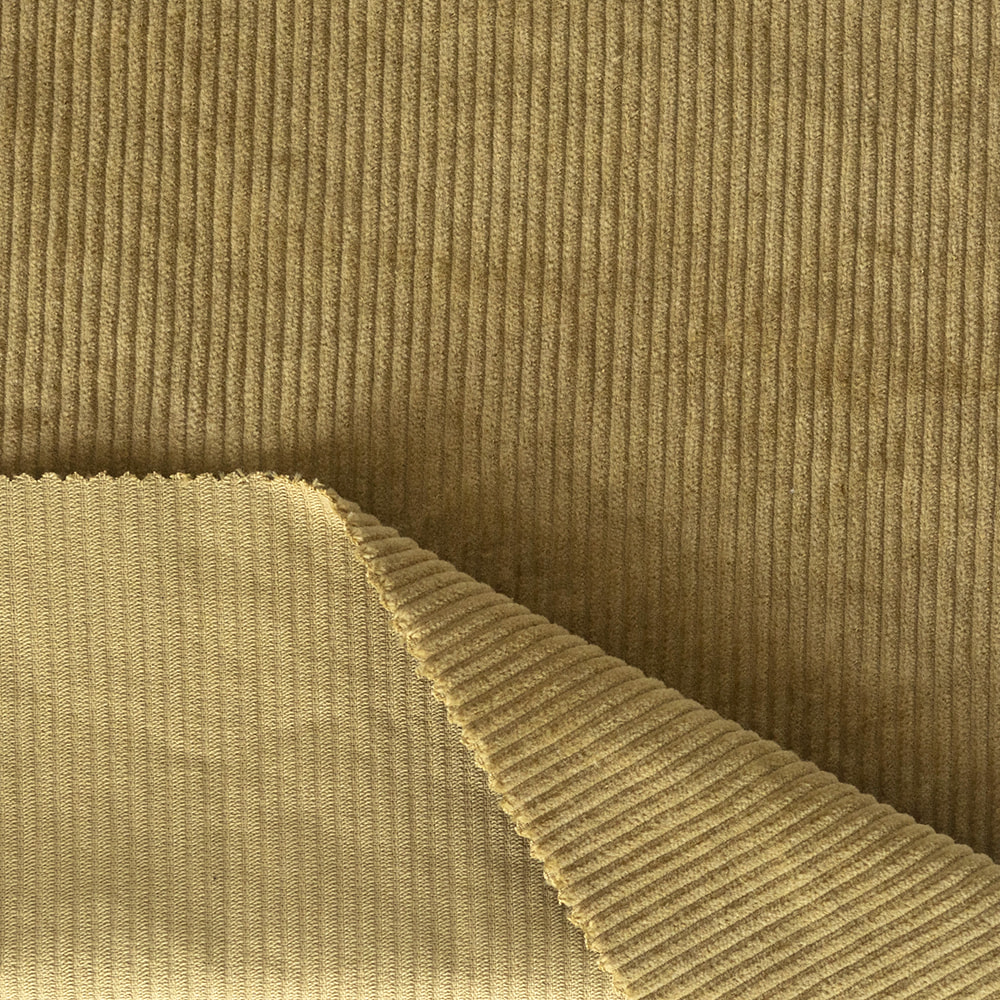
8–11 wale Standard Medium Pants, jackets, skirts
14–16 wale Fine Light–Medium Shirts, children's wear, accessories
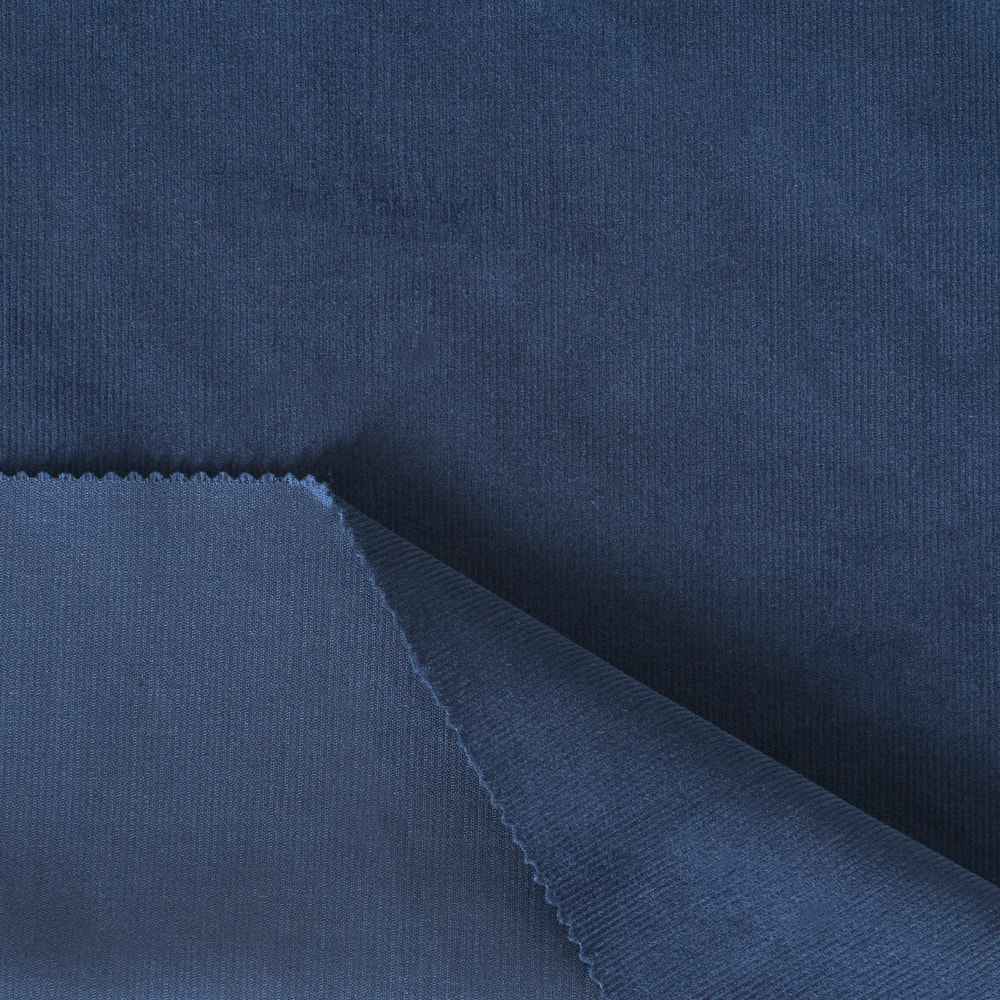
18–21 wale Very fine (micro) Light Dresses, linings, delicate garments
Corduroy wale count guide: cord width, weight, and recommended applications

Durability and Abrasion Resistance

Corduroy is one of the most durable everyday fabrics. The tightly woven base cloth reinforces the pile, making it highly resistant to tearing and abrasion. Quality 100% cotton corduroy can withstand hundreds of wash cycles without significant structural degradation—a key reason it has been used in workwear and children's clothing for over a century.

Breathability and Comfort

Unlike polyester corduroy blends, 100% cotton corduroy breathes naturally, absorbing up to 27 times its weight in moisture before feeling damp. The raised pile also creates air pockets between the fabric and skin, adding insulation without trapping heat excessively. This makes it comfortable for autumn and mild winter wear.

Pile Direction and Light Reflection

One of the most distinctive characteristics of corduroy fabric is how its pile reflects light differently depending on viewing angle. When cutting or sewing, all panels must be cut in the same pile direction; otherwise, panels will appear as different shades of the same color under light—a common and visible sewing mistake.
100% Cotton vs. Cotton-Blend Corduroy: What's the Difference?

Not all corduroy is pure cotton. Many commercial fabrics blend cotton with polyester or elastane to reduce cost or add stretch. Here is how they compare:

  • 100% cotton corduroy: Fully breathable, naturally soft, biodegradable, takes dye deeply for rich color, and is safe for sensitive skin. It may shrink slightly on the first wash (~3–5%).
  • Cotton-polyester blend: More wrinkle-resistant and less prone to shrinkage, but less breathable and feels slightly synthetic against skin.
  • Cotton-elastane blend: Adds stretch (usually 2–5% elastane), making it ideal for fitted trousers or activewear-inspired pieces, but reduces the classic structured drape of traditional corduroy.

For garment longevity, comfort, and sustainability, 100% cotton corduroy remains the superior choice—especially for classic applications like trousers, blazers, and home furnishing.

Common Uses of Cotton Corduroy Fabric

Cotton corduroy's combination of texture, warmth, and durability makes it suitable for a wide range of applications in both fashion and interior design.
Apparel

  • Trousers and jeans: 8–11 wale corduroy is the classic choice, offering structure and a polished casual look.
  • Jackets and blazers: Wide-wale (4–6 wale) corduroy gives outerwear a bold textural statement.
  • Shirts and overshirts: Fine-wale (14–16 wale) corduroy drapes softly and works well for layering pieces.
  • Children's clothing: Corduroy's durability makes it a long-standing staple in children's garments—it resists wear from active play and washes well repeatedly.

Home and Upholstery

  • Cushion covers and throw pillows: Wide-wale corduroy adds tactile interest and holds its shape well.
  • Upholstered furniture: Heavier corduroy (under 8 wale) is tough enough for chair and sofa upholstery, offering a warm, lived-in aesthetic.
  • Bags and accessories: Corduroy's stiffness and texture make it suitable for structured tote bags, book covers, and hat brims.

How to Care for 100% Cotton Corduroy

Proper care preserves the pile and color richness of cotton corduroy for years. Follow these practical steps:

  1. Wash inside out in cold water (30°C / 86°F maximum) to prevent pile crushing and color fading.
  2. Use a gentle cycle with mild detergent. Avoid bleach—it breaks down cotton fibers and dulls color.
  3. Tumble dry on low heat or air dry flat. High heat causes significant shrinkage in 100% cotton corduroy.
  4. Brush the pile gently while damp using a soft-bristle clothes brush to restore the nap's direction.
  5. Iron on the reverse side only, using a pressing cloth and low-to-medium heat. Ironing directly on the pile will flatten and damage it permanently.
  6. Pre-wash before sewing to account for the initial 3–5% shrinkage typical in untreated 100% cotton corduroy fabric.

Tips for Sewing with Cotton Corduroy Fabric

Cotton corduroy is beginner-friendly in many ways, but its pile adds considerations that standard woven fabrics do not require.

  • Always cut with the pile running in one direction—typically downward for a smooth look or upward for a richer, darker appearance.
  • Use a sharp universal needle (size 80/12 to 90/14) and lengthen your stitch slightly (3mm) to prevent the pile from bunching under the presser foot.
  • A walking foot or roller foot attachment helps feed thick corduroy evenly through the machine, especially on multilayer seams.
  • Allow extra fabric for seam allowances—corduroy's bulk at seam intersections can add unexpected thickness.
  • Use pattern weights instead of pins where possible to avoid leaving visible holes in the pile.

How to Identify Quality Cotton Corduroy When Buying

Whether purchasing fabric by the yard or buying a finished garment, these indicators help you assess quality:

  • Fiber content label: Look for "100% cotton" explicitly. Vague terms like "natural fiber blend" may include synthetics.
  • Even, well-defined wales: High-quality corduroy has uniformly spaced cords with no gaps, loose threads, or flattened sections.
  • Pile density: Run your hand across the fabric. A dense pile that springs back quickly indicates good construction; sparse or easily displaced pile signals lower quality.
  • Base cloth tightness: Hold the fabric up to light—the base weave should be tight and opaque. A loose base leads to premature wear and wales that separate over time.
  • Color depth: Premium cotton corduroy takes dye deeply and evenly. Uneven coloring or a faded appearance even on new fabric can indicate lower-grade cotton or inconsistent dyeing.