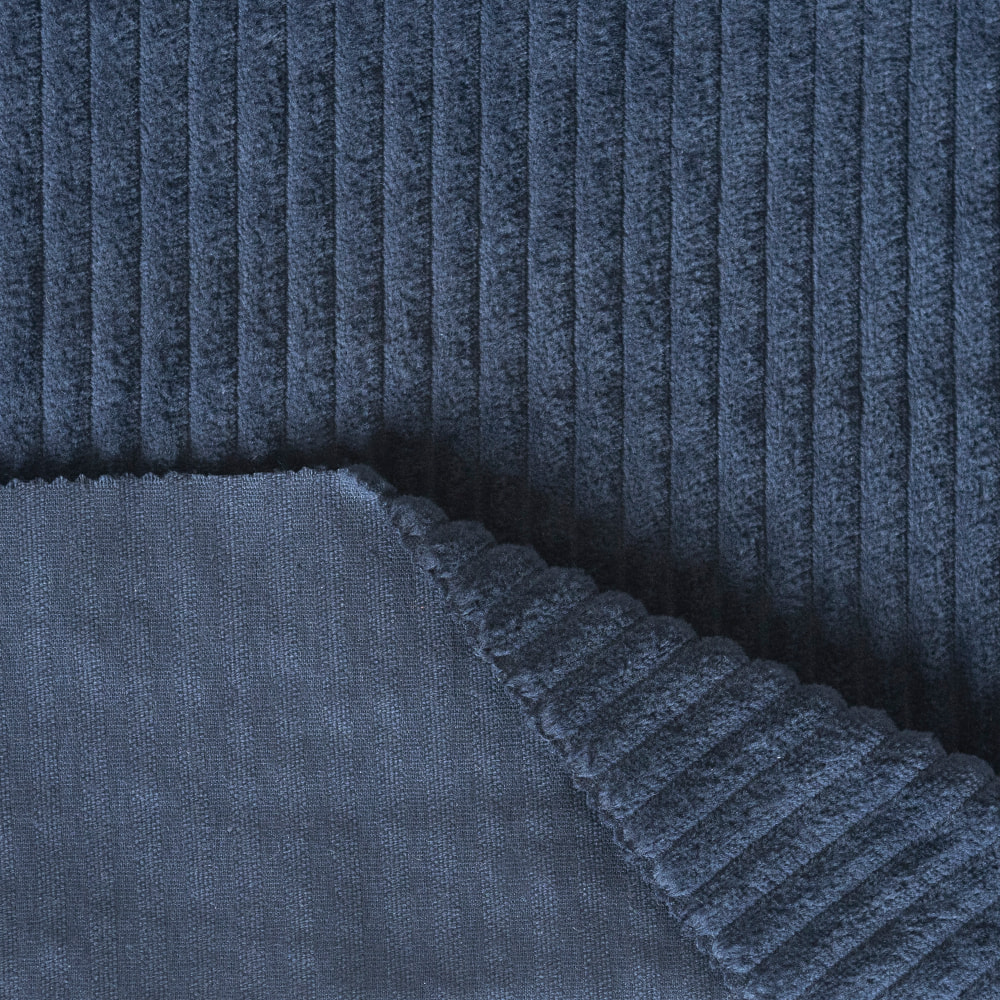
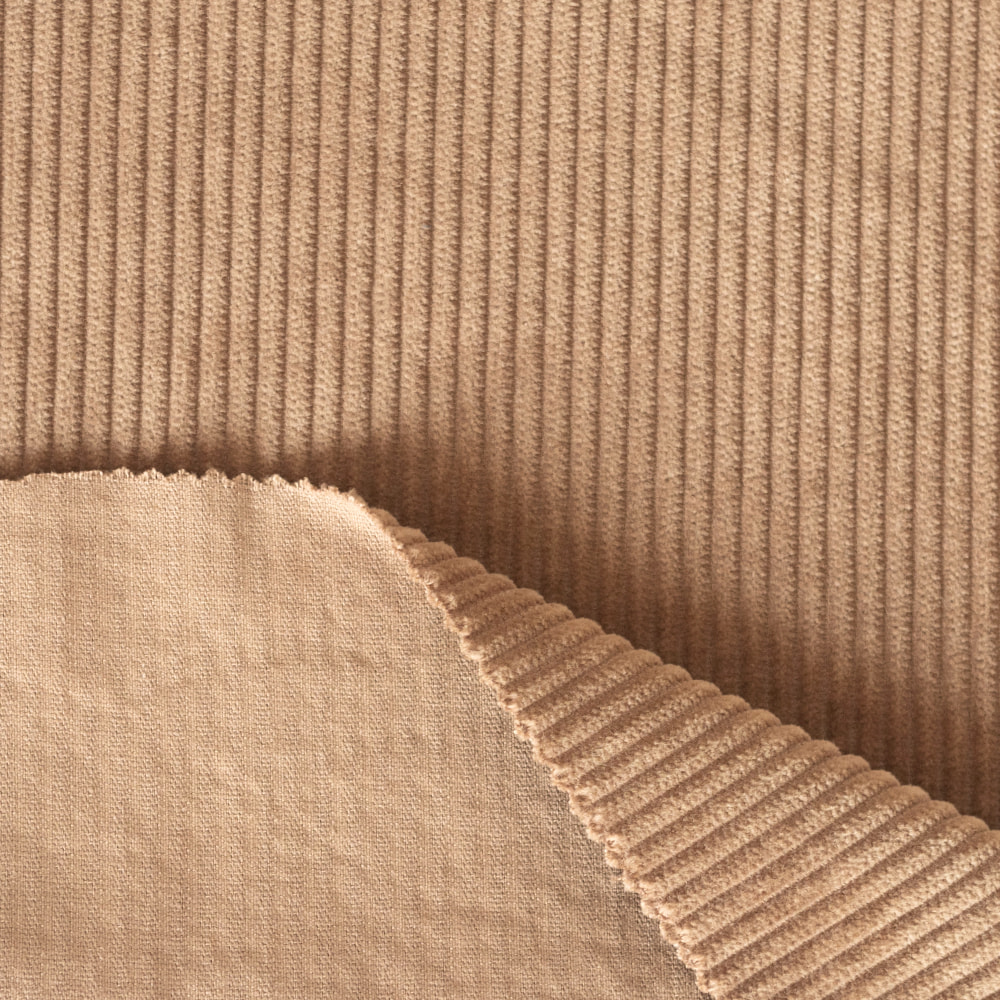
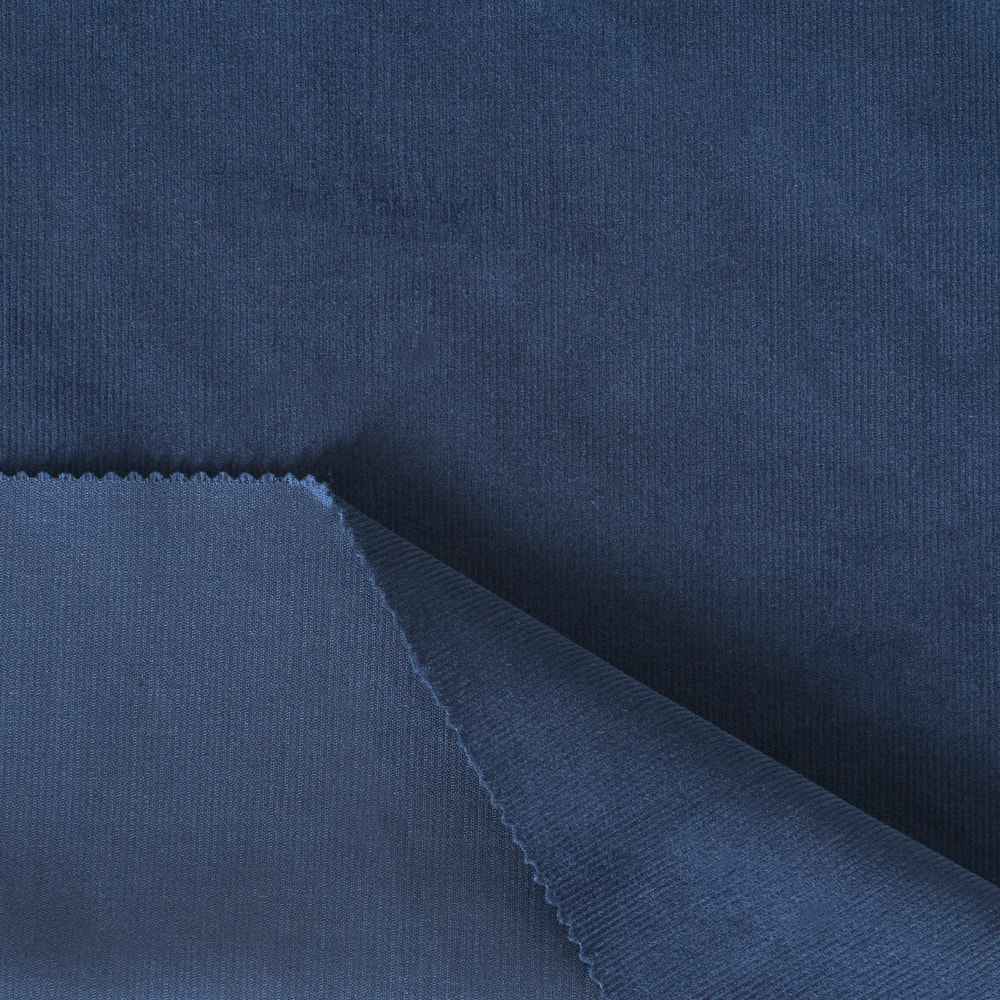
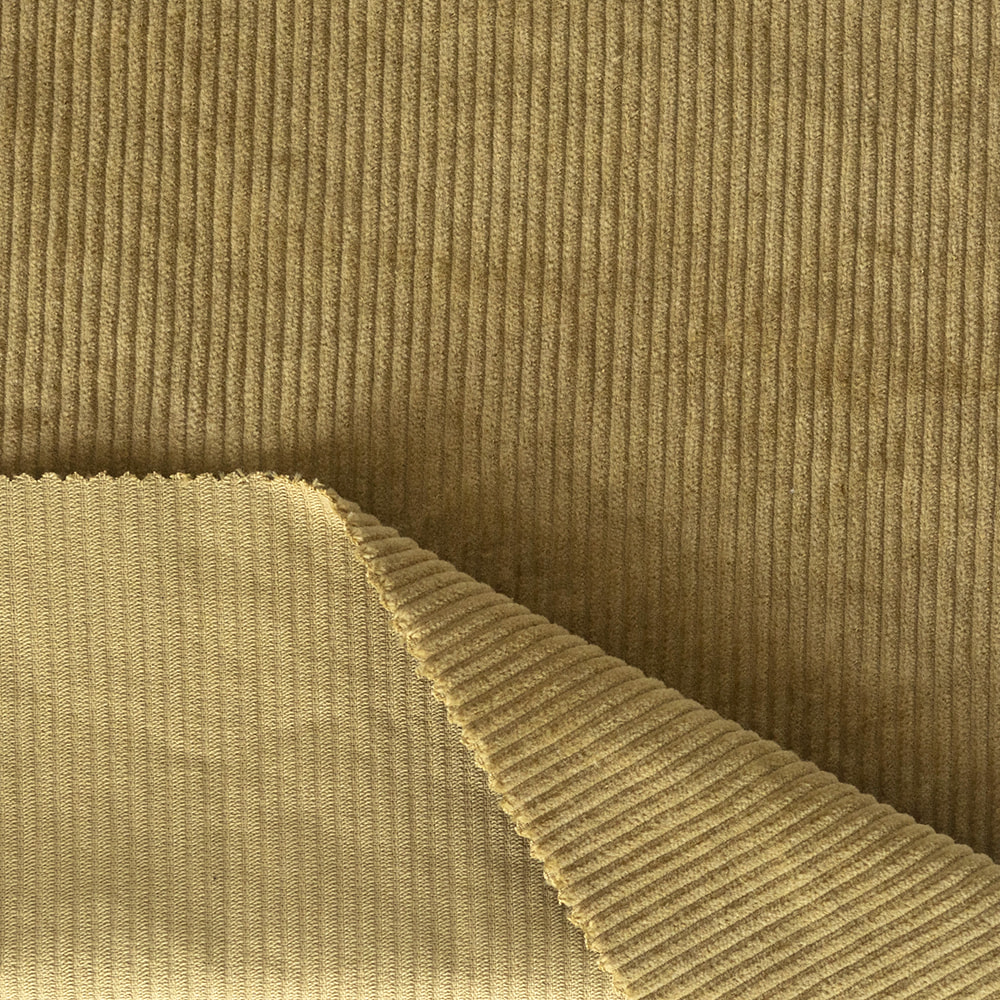
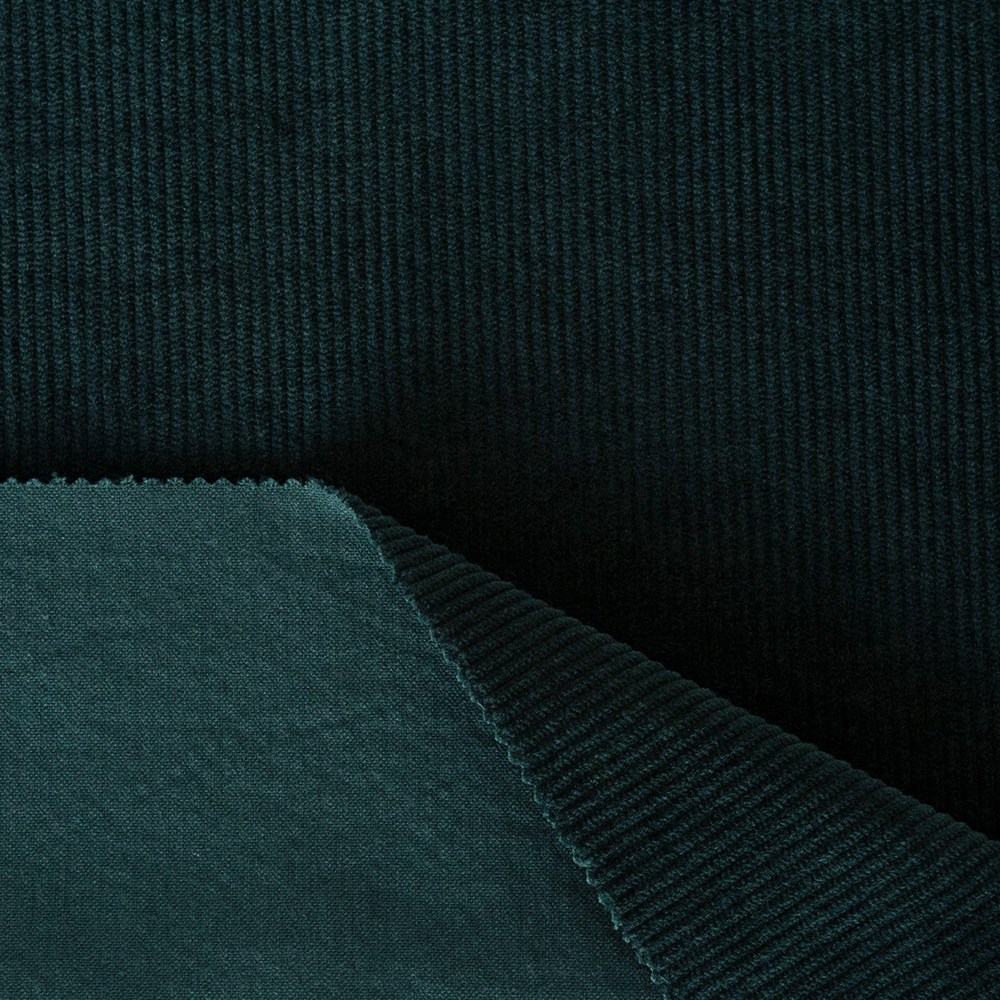
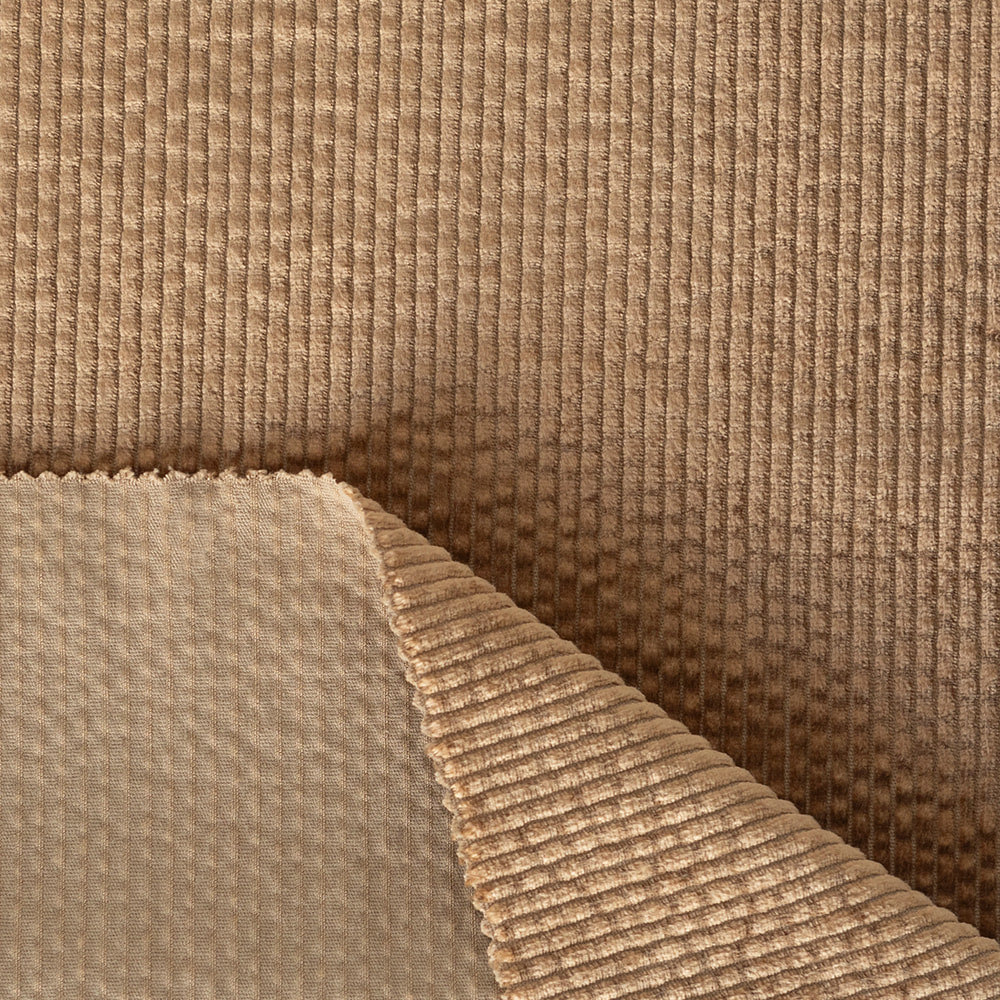
What Makes Grey Corduroy Fabric Special
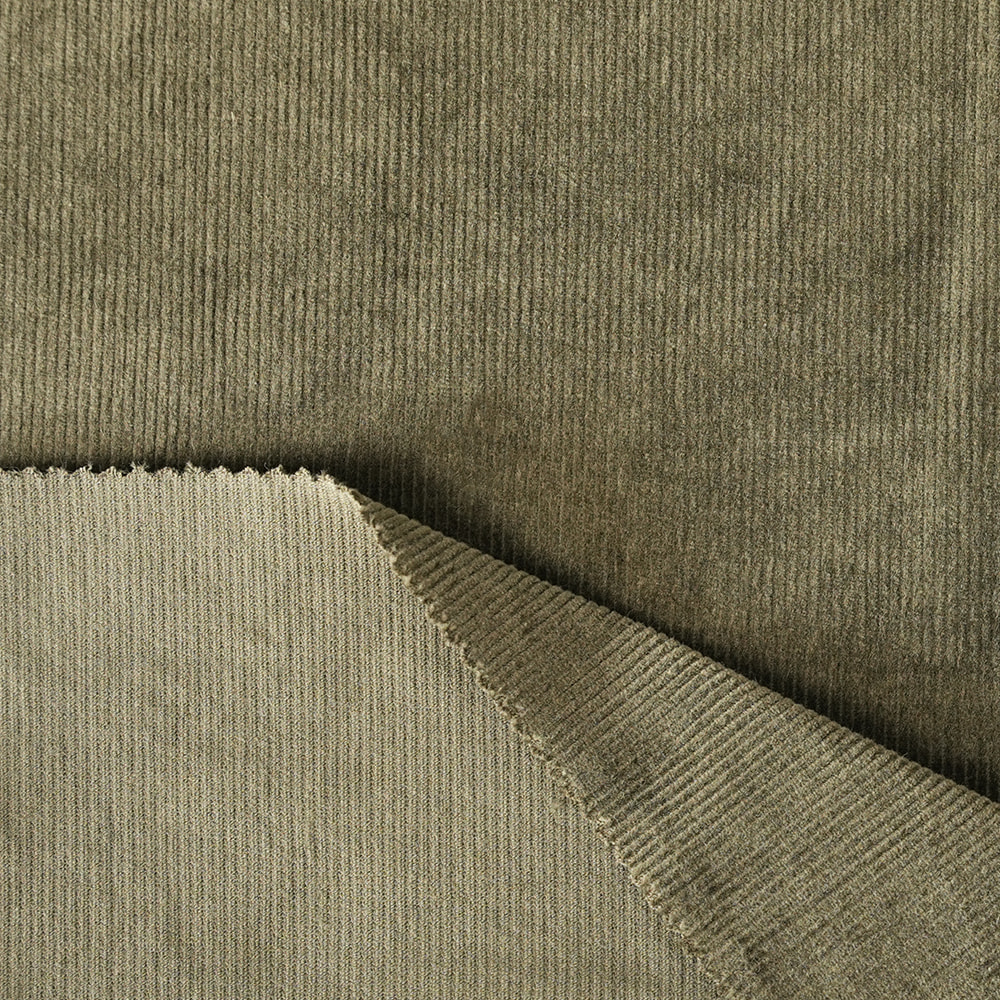
Grey corduroy fabric stands as one of the most versatile textile choices available today, combining the classic ribbed texture of corduroy with the neutral sophistication of grey tones. This fabric is characterized by parallel ridges called "wales" that run vertically along the material, creating a distinctive textured surface that's both visually appealing and tactilely pleasing. Grey corduroy is available in shades ranging from light heather grey to charcoal and slate, making it suitable for everything from casual apparel to upholstery projects.
The popularity of grey corduroy stems from its ability to bridge formal and casual aesthetics while maintaining durability and comfort. Unlike bolder colored corduroys, grey variations offer a refined, timeless quality that complements virtually any color palette. The fabric typically consists of cotton or cotton-blend fibers, with modern versions incorporating polyester, spandex, or elastane for enhanced stretch and durability. Grey corduroy maintains an average weight of 8-14 ounces per yard, providing substantial body while remaining breathable and comfortable for year-round use.
Understanding Corduroy Wales and Grey Variations
The defining characteristic of any corduroy fabric is its wale count, which refers to the number of ridges per inch. This specification dramatically affects the fabric's appearance, drape, and suitable applications when working with grey corduroy.
Wale Count Classifications
Grey corduroy is manufactured in several standard wale counts, each offering distinct characteristics:
- Pinwale (16-21 wales per inch): Creates a fine, subtle texture ideal for dress shirts, lightweight trousers, and refined garments
- Midwale (10-14 wales per inch): The most versatile option, perfect for jackets, pants, skirts, and general apparel
- Wide-wale (6-8 wales per inch): Features pronounced ridges excellent for statement pieces, outerwear, and upholstery
- Jumbo-wale (3-5 wales per inch): Bold, dramatic texture primarily used for decorative pillows, furniture accents, and vintage-inspired clothing
Grey Color Variations in Corduroy
Grey corduroy appears in numerous shades, each creating different visual effects:
- Light grey (heather): Soft, casual appearance with subtle variation in tone, popular for spring and summer garments
- Medium grey: Classic neutral that works across all seasons, highly versatile for both apparel and home decor
- Charcoal grey: Deep, sophisticated shade that mimics formal fabrics while maintaining corduroy's casual comfort
- Slate grey: Cool-toned grey with slight blue undertones, excellent for modern, contemporary projects
- Warm grey (greige): Grey with beige undertones, creating a softer, more approachable neutral
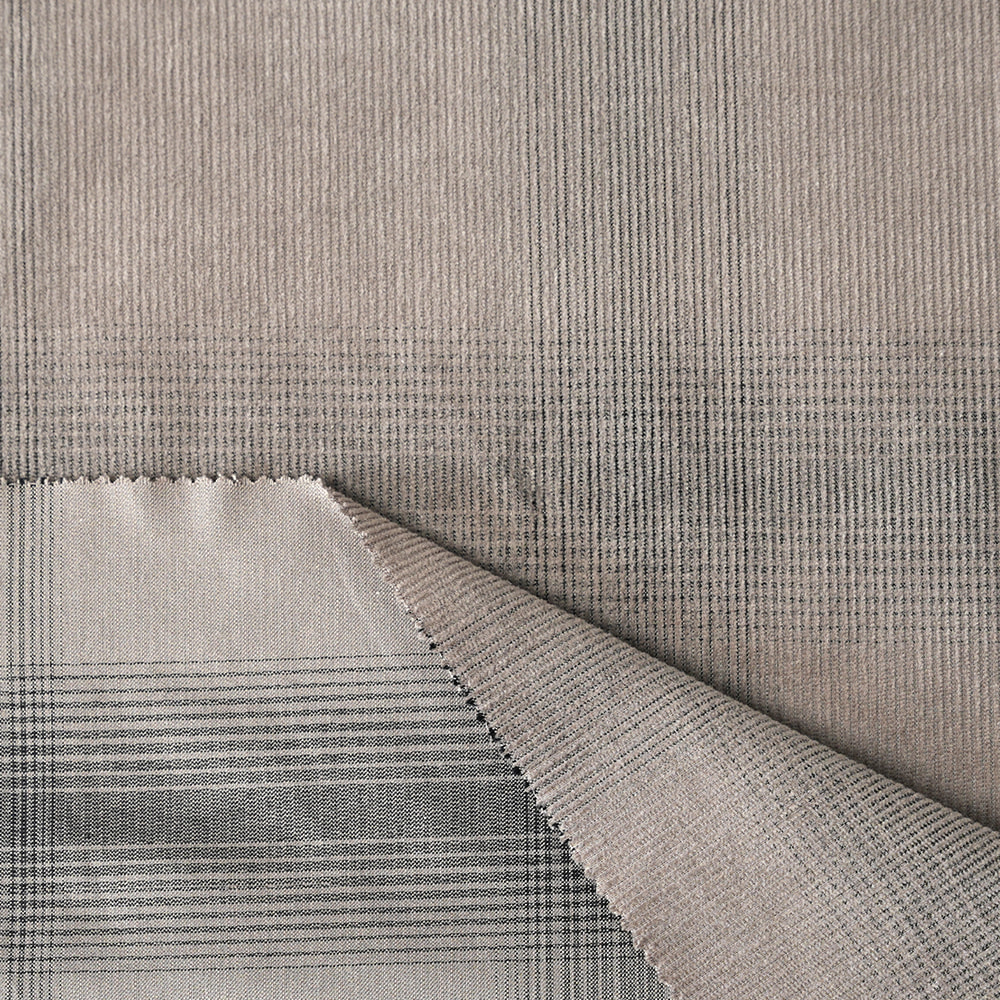
The wale structure of corduroy creates natural shading variations in grey tones. Light reflects differently off the ridges and grooves, causing the fabric to appear slightly darker or lighter depending on viewing angle. This optical effect adds depth and visual interest that flat grey fabrics cannot achieve.
Common Applications for Grey Corduroy Fabric
Grey corduroy's neutral palette and durable construction make it suitable for an impressive range of applications across fashion, home decor, and crafting projects.
Apparel and Fashion Uses
The fashion industry has embraced grey corduroy for decades, with usage spanning:
- Trousers and jeans: Grey corduroy pants offer a refined alternative to denim, with midwale fabrics being most popular for everyday wear
- Jackets and blazers: Wide-wale grey corduroy creates structured outerwear with professional appeal, suitable for business-casual environments
- Skirts and dresses: Pinwale to midwale grey corduroy provides body and drape for feminine garments without excessive stiffness
- Shirts and button-downs: Fine pinwale grey corduroy in lighter shades creates casual yet polished shirts
- Accessories: Hats, bags, and ties utilize grey corduroy's texture as a subtle design element
Home Decor and Upholstery
Grey corduroy has become increasingly popular in interior design applications:
- Furniture upholstery: Medium to charcoal grey corduroy works exceptionally well for sofas, chairs, and ottomans, offering durability rated for 30,000-50,000 double rubs
- Throw pillows and cushions: All wale sizes in grey provide texture and visual interest to neutral color schemes
- Curtains and drapes: Medium-weight grey corduroy provides light filtering while adding warmth and sound absorption
- Bedding: Corduroy duvet covers and shams in grey create cozy, inviting bedroom environments
- Wall coverings: Wide-wale grey corduroy can be mounted to panels for acoustic treatment and unique textural walls
Crafting and DIY Projects
Crafters appreciate grey corduroy for its workability and professional results in projects such as stuffed toys, quilting accents, tote bags, bookbinding covers, and seasonal decorations. The fabric's minimal fraying and clean-cutting properties make it beginner-friendly while producing polished finished products.
Fiber Content and Fabric Composition
Understanding the fiber makeup of grey corduroy helps predict how the fabric will perform, wear, and respond to care routines. Modern grey corduroy comes in several composition variations, each offering distinct benefits.
100% Cotton Grey Corduroy
Traditional corduroy consists entirely of cotton fibers, providing:
- Superior breathability: Cotton allows air circulation, making garments comfortable across temperature ranges
- Natural feel: Soft against skin with no synthetic qualities
- Excellent dye absorption: Achieves deep, rich grey tones with minimal fading
- Moderate wrinkle resistance: Creases more readily than blends but can be pressed smooth
Pure cotton grey corduroy typically weighs 10-14 ounces per yard and is most commonly found in apparel-grade fabrics.
Cotton-Polyester Blends
Blended corduroys combine cotton with polyester in ratios ranging from 80/20 to 50/50, creating fabric that:
- Resists wrinkles and maintains shape better than pure cotton
- Offers enhanced durability and abrasion resistance
- Dries faster after washing
- Costs less than 100% cotton varieties
- May feel slightly less breathable in warm conditions
Stretch Corduroy with Spandex
Grey corduroy containing 2-5% spandex or elastane provides mechanical stretch, making it ideal for:
- Fitted trousers and jeans that move with the body
- Form-fitting dresses and skirts
- Children's clothing requiring flexibility
- Upholstery applications where slight give improves comfort
Stretch grey corduroy typically maintains its shape through repeated wear but requires careful washing to preserve elasticity over time.
Selecting the Right Weight and Grade
Grey corduroy fabric is manufactured in various weights and quality grades, each suited to specific applications. Choosing the appropriate weight ensures your project achieves the desired drape, durability, and appearance.
| Weight Category |
Ounces per Yard |
Typical Wale |
Best Applications |
| Lightweight |
6-8 oz |
Pinwale |
Shirts, lightweight dresses, linings |
| Medium Weight |
9-11 oz |
Midwale |
Pants, skirts, light jackets |
| Heavyweight |
12-14 oz |
Wide-wale |
Outerwear, upholstery, bags |
| Extra Heavyweight |
15+ oz |
Wide to jumbo-wale |
Furniture, heavy-duty upholstery |
Weight classifications and recommended applications for grey corduroy fabric
Quality Grade Indicators
When evaluating grey corduroy, look for these quality markers:
- Consistent wale definition: Ridges should be uniform across the entire fabric width without flattened or irregular areas
- Dense pile construction: High-quality corduroy has tightly packed fibers that resist crushing and wear
- Even grey coloring: Premium fabrics show no variation in shade across the length or between wales
- Minimal shedding: Quality corduroy releases few loose fibers when rubbed or stretched
- Stable backing: The base fabric should feel substantial without being excessively stiff
Working with Grey Corduroy: Sewing and Construction Tips
Grey corduroy requires specific handling techniques during cutting and sewing to achieve professional results. The fabric's directional pile and thickness demand attention to detail throughout the construction process.
Cutting and Pattern Layout
Proper cutting technique ensures consistent appearance and prevents shading issues:
- Determine nap direction: Brush your hand along the wales—smooth direction is "with nap," rough is "against nap"
- Cut all pattern pieces in the same direction: This prevents pieces from appearing different shades in finished garments
- Use sharp rotary cutters or scissors: Dull blades crush wales and create ragged edges
- Add extra fabric allowance: Plan for 10-15% more fabric than flat fabrics due to one-way layout requirements
- Mark carefully on the wrong side: Avoid marking the face to prevent impressions in the pile
Sewing Machine Setup
Optimize your machine for corduroy's bulk and texture:
- Needle selection: Use size 90/14 or 100/16 universal needles for medium to heavyweight grey corduroy
- Thread choice: All-purpose polyester thread in matching grey provides strength and durability
- Stitch length: Set to 2.5-3.0mm for balanced seams that don't pucker
- Presser foot pressure: Reduce slightly to prevent wales from crushing as they pass under the foot
- Walking foot attachment: Helps feed layers evenly, preventing shifting on thick seams
Seam Finishing Techniques
Grey corduroy's bulk requires specific seam treatments:
- Grade seam allowances by trimming each layer to different widths to reduce bulk
- Press seams open rather than to one side when possible
- Use a seam roll or tailor's ham when pressing to avoid crushing wales on the right side
- Consider flat-felled seams for pants to add strength while managing thickness
- Finish raw edges with serging or zigzag stitching to prevent fraying
Care and Maintenance of Grey Corduroy
Proper care extends the life of grey corduroy items while maintaining the fabric's distinctive texture and appearance. The pile structure requires specific washing, drying, and storage methods to prevent crushing, fading, and wear.
Washing Guidelines
Follow these washing practices to preserve grey corduroy:
- Turn garments inside out: Protects the pile from abrasion during washing
- Use cold to warm water: Hot water can cause shrinkage in cotton corduroy and fade grey tones
- Select gentle cycle: Reduces agitation that can crush or mat the wales
- Wash with similar colors: Prevents dye transfer that could alter grey shades
- Avoid fabric softener: Can coat fibers and flatten the pile texture over time
- Don't overload the machine: Corduroy needs room to move freely for thorough cleaning
For heavily soiled areas, spot-treat with mild detergent before machine washing. Test any stain remover on an inconspicuous area first, as some chemicals can lighten or discolor grey fabrics.
Drying Methods
Proper drying prevents shrinkage and maintains texture:
- Air drying (preferred): Hang grey corduroy items on padded hangers or lay flat to dry naturally
- Machine drying: If using a dryer, select low heat and remove items while slightly damp
- Shake out garments: Gently shake items before drying to prevent wales from flattening
- Remove promptly: Don't leave items in the dryer after the cycle ends to avoid setting wrinkles
Cotton corduroy can shrink 3-5% in length and width during first washing, so consider pre-washing fabric before sewing projects or purchasing garments one size larger if they're 100% cotton.
Ironing and Pressing
Corduroy requires special pressing techniques to avoid crushing the pile:
- Always press from the wrong side when possible
- Use a needle board or thick terry towel when pressing the right side—the pile sinks into the texture rather than being crushed
- Set iron to medium heat for cotton, lower for blends
- Use steam liberally to relax fibers and remove wrinkles
- Press in the direction of the nap to maintain texture
Storage Recommendations
Proper storage prevents permanent creasing and pile damage:
- Hang pants, jackets, and structured items on padded hangers
- Fold lightweight items loosely, avoiding sharp creases through wales
- Store in breathable garment bags to protect from dust while allowing air circulation
- Keep away from direct sunlight, which can fade grey tones over time
Styling and Design Considerations
Grey corduroy's neutral palette and rich texture make it exceptionally versatile for both fashion and interior design applications. Understanding how to combine it with other materials and colors maximizes its aesthetic potential.
Color Pairing Strategies
Grey corduroy serves as an excellent foundation for various color schemes:
- Monochromatic combinations: Layer different grey tones (light, medium, charcoal) for sophisticated depth
- Earth tone pairings: Combine with browns, tans, olive, and rust for warm, natural aesthetics
- Classic neutrals: Pair with white, cream, black, or navy for timeless appeal
- Jewel tone accents: Emerald, sapphire, or burgundy create striking contrasts against grey
- Pastel complements: Soft pink, mint, or lavender provide gentle, modern combinations
Texture Mixing
Grey corduroy's pronounced texture works beautifully alongside:
- Smooth fabrics: Silk, satin, or cotton sateen create pleasing textural contrast in garments
- Knits: Combine with wool sweaters or jersey for casual, comfortable outfits
- Denim: Grey corduroy and denim create relaxed, contemporary combinations
- Leather: Rich leather accents (belts, trim, patches) add refinement to corduroy pieces
- Linen or canvas: Natural weaves complement corduroy's organic texture
Seasonal Versatility
While traditionally associated with fall and winter, grey corduroy adapts to all seasons:
- Spring/Summer: Lightweight pinwale grey corduroy in lighter shades works for shirts, skirts, and casual jackets
- Fall/Winter: Medium to heavyweight grey corduroy provides warmth in pants, blazers, and outerwear
- Year-round: Midweight grey corduroy in medium shades transitions seamlessly across seasons
Purchasing Grey Corduroy Fabric
Finding quality grey corduroy requires knowing where to shop, how to evaluate fabric before purchase, and understanding typical pricing structures.
Where to Buy
Grey corduroy is available through various retail channels:
- Fabric specialty stores: Offer the widest selection of weights, wales, and grey shades with knowledgeable staff assistance
- Online fabric retailers: Provide convenient shopping with detailed specifications, though color matching can be challenging
- Craft chain stores: Stock basic grey corduroy varieties suitable for general projects
- Upholstery suppliers: Carry heavyweight corduroys designed for furniture applications
- Designer fabric houses: Feature premium grey corduroys in unique textures and finishes
Price Ranges
Grey corduroy fabric pricing varies based on quality, fiber content, and source:
- Economy grade: $8-12 per yard for basic cotton-polyester blends
- Mid-range: $12-18 per yard for quality 100% cotton or stretch corduroys
- Premium: $18-30 per yard for designer fabrics or specialty constructions
- Upholstery grade: $20-40 per yard for heavyweight, high-durability corduroy
Watch for sales and remnants, where grey corduroy can often be found at 30-50% discounts. Many fabric stores offer loyalty programs or bulk discounts for purchases over 10 yards.
Evaluation Checklist
Before purchasing, examine grey corduroy for these quality indicators:
- Rub the fabric between your fingers—quality corduroy feels dense with minimal shedding
- Check wale consistency across the width—irregular ridges indicate manufacturing flaws
- Examine grey color uniformity under good lighting—avoid fabrics with visible color variation
- Test stretch if purchasing stretch corduroy—fabric should recover fully after being extended
- Request samples when buying online to verify color and texture before ordering full yardage
Sustainability and Environmental Considerations
As textile production faces increasing environmental scrutiny, understanding the sustainability profile of grey corduroy helps consumers make informed purchasing decisions.
Organic and Eco-Friendly Options
Sustainable grey corduroy alternatives include:
- Organic cotton corduroy: Grown without synthetic pesticides or fertilizers, certified by GOTS or similar organizations
- Recycled polyester blends: Use post-consumer plastic bottles, reducing virgin material consumption
- Low-impact dyes: Grey tones achieved through eco-friendly dyeing processes that minimize water pollution
- Deadstock fabrics: Surplus grey corduroy from manufacturer overruns prevents waste
Longevity and Durability Benefits
Grey corduroy's inherent durability supports sustainable consumption:
- Quality corduroy garments often last 5-10 years or more with proper care
- The fabric's thickness and pile structure resist wear better than thinner woven fabrics
- Grey's neutral color remains fashionable across changing trends, reducing disposal
- Corduroy can be repaired, patched, and altered more successfully than delicate fabrics
When disposing of grey corduroy items, consider textile recycling programs, donation to charities, or repurposing fabric into new projects rather than sending to landfills. Cotton corduroy is biodegradable, though polyester blends persist in the environment for decades.


 English
 日本語
日本語