

 English
 日本語


Get Directions
Textile Industry Zone, East Hutang Town, Wujin District,213100 Changzhou,China
Ask a fabric buyer where the biggest recycling loss occurs, and the answer is rarely the loom. It is the gap between a good garment and the next useful fiber. Fiber-to-fiber recycling closes that gap by turning textile waste back into spinning fiber for new textiles, rather than downgrading it into insulation, wiping cloths, or landfill. The benefits are real, but they are conditional: fiber value is protected only when collection, sorting, and fabric design support the next cycle.
Content
Fiber-to-fiber recycling is the part of textile circularity that keeps material in textile use. Mechanical routes shred and card fabric into shorter fibers, which can be spun alone or blended with virgin fiber. Chemical routes dissolve or depolymerize feedstock to recover building blocks or regenerated fiber. Both can reduce demand for virgin cotton, wood pulp, or fossil-based fiber, and both can divert waste from landfill and incineration.
The difference is quality. Mechanical recycling is simpler and often lower cost, but repeated cycles shorten staple length and can lower yarn strength. Chemical recycling can restore quality, but it needs clean, consistent feedstock and enough scale to justify the energy and chemical inputs. The strongest benefit is therefore not a single headline number. It is system value: waste becomes a raw material, brands get a credible route to recycled content, and mills learn which design choices make the next cycle easier.
Most claims about fiber-to-fiber recycling fail because they mix environmental hope with procurement reality. A buyer needs to know what problem each benefit solves.
The benefit is strongest when recycled fiber replaces virgin fiber in a comparable application, not when it becomes a lower-grade product.
The technical case for fiber-to-fiber recycling rises and falls on feedstock quality. Clean, single-fiber cotton cutting scrap is far easier to recycle than a worn garment with elastane, polyester thread, zippers, and a resin finish. Staple length is another constraint. Recycled cotton fibers are shorter, so they may need rotor spinning or blending with virgin or virgin-quality fiber to reach the required yarn strength. Color matters too: sorting by shade can reduce dyeing, while mixed colors may need bleaching or overdyeing. Finishes and auxiliaries can interfere with both mechanical and chemical routes. Buyers should ask for fiber composition by percentage, trim details, dye class, finish chemistry, and test data on tenacity, elongation, and contamination. The benefits are not automatic; they are earned through specification.
Recycled content is only one part of a circular fabric specification. Durability, repairability, and recyclability determine whether the material stays in use and then re-enters a fiber stream. The table below translates the main benefits into checks that belong in a sourcing conversation.
| Benefit | Practical effect | What to ask |
|---|---|---|
| Less waste, more retained fiber value | Post-industrial and post-consumer textile waste can become new yarn instead of lower-grade products. | What feedstock is accepted, and how is contamination controlled? |
| Lower virgin-material demand | Recycled fiber displaces some virgin cotton, cellulosic, or synthetic fiber. | What is the recycled content by fiber, and is it traceable? |
| Better supply resilience | Local recycling can shorten feedstock loops. | Where is the recycling done, and what is the realistic lead time? |
| Design that supports the next cycle | Mono-material choices and easy trim removal improve yield. | Can the supplier document fiber percentages, trims, dyes, and finishes? |
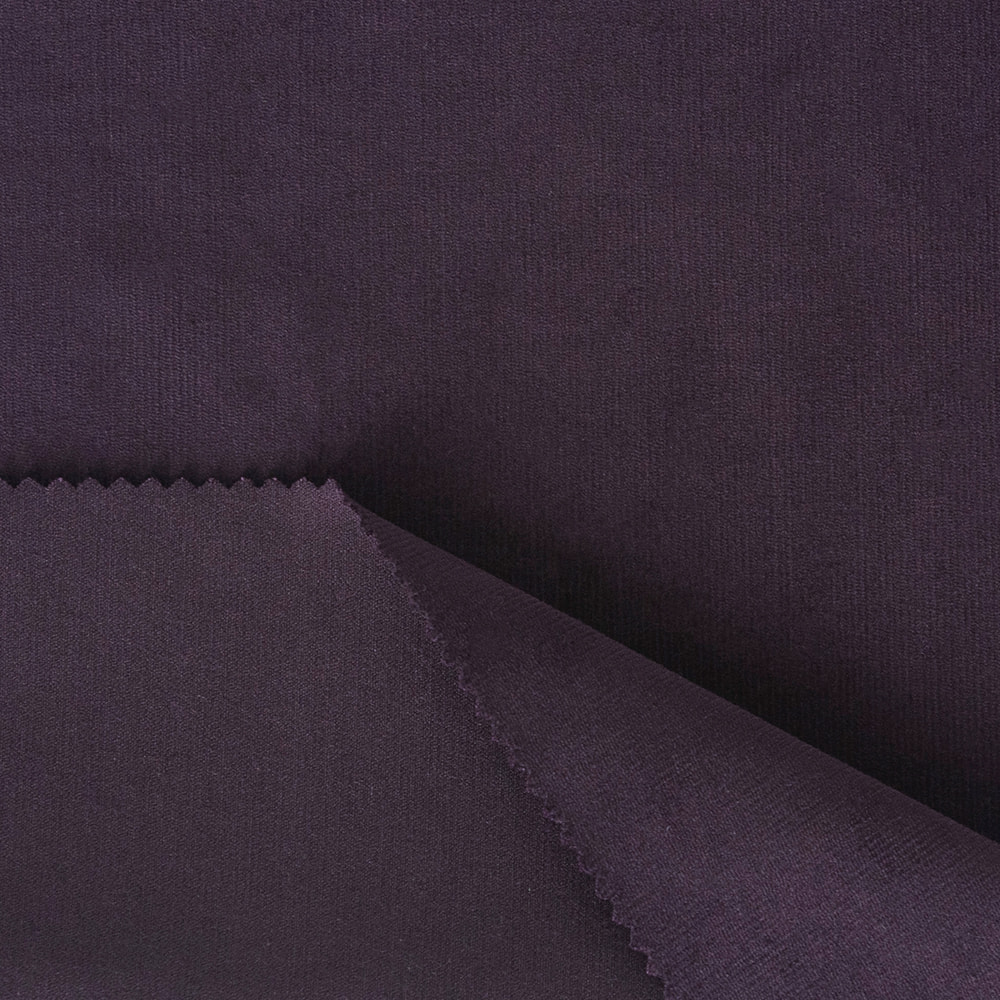
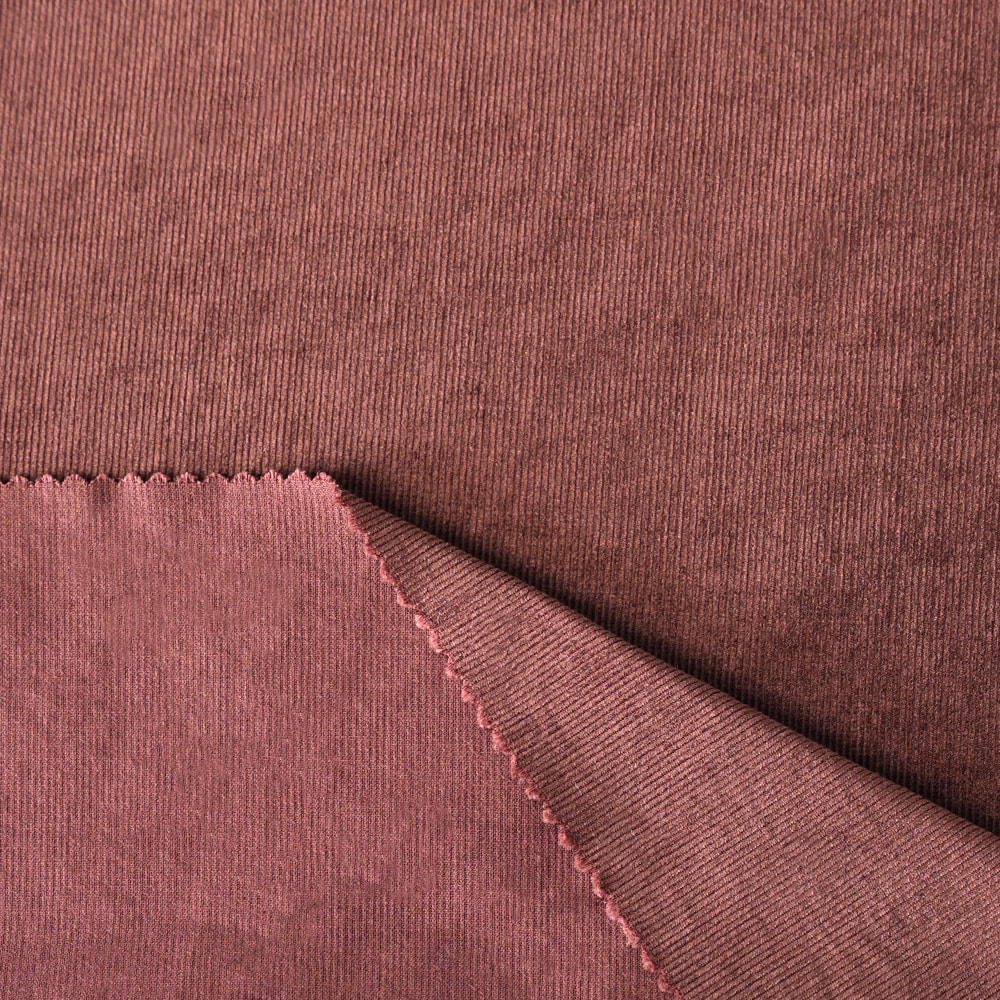
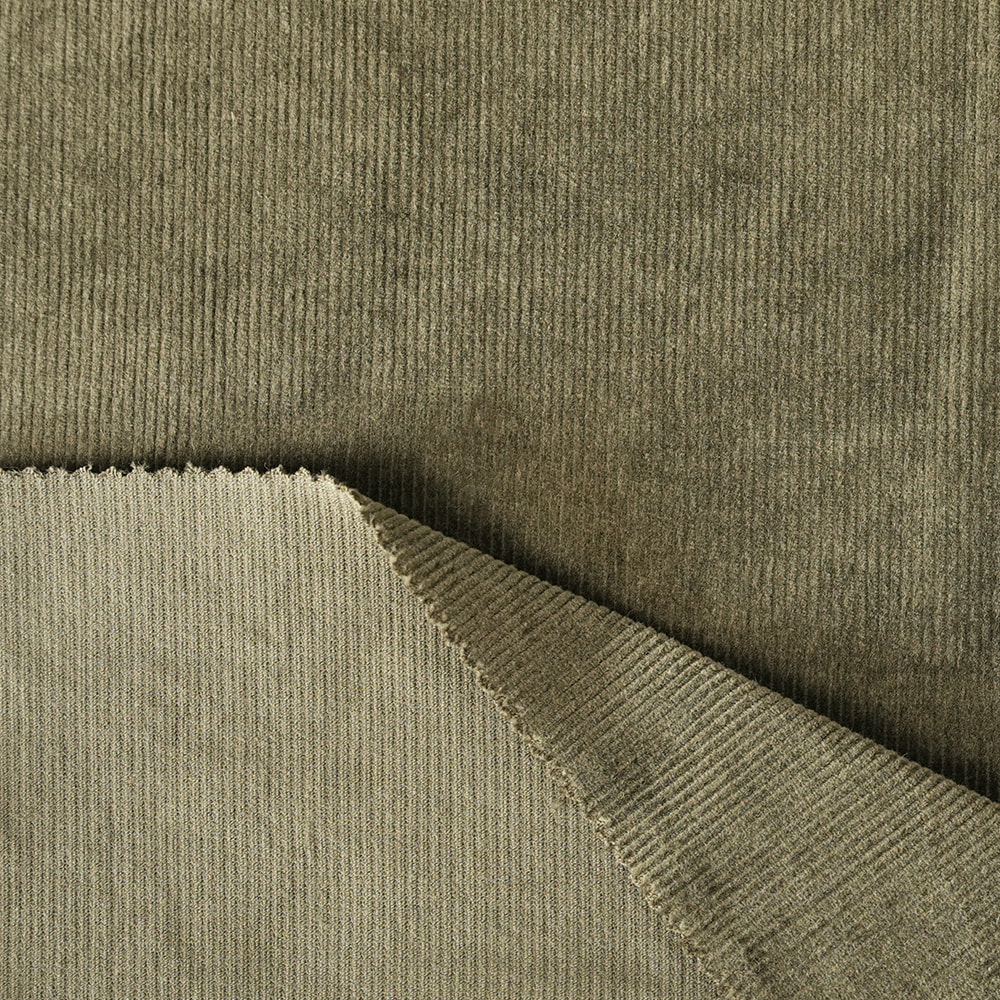
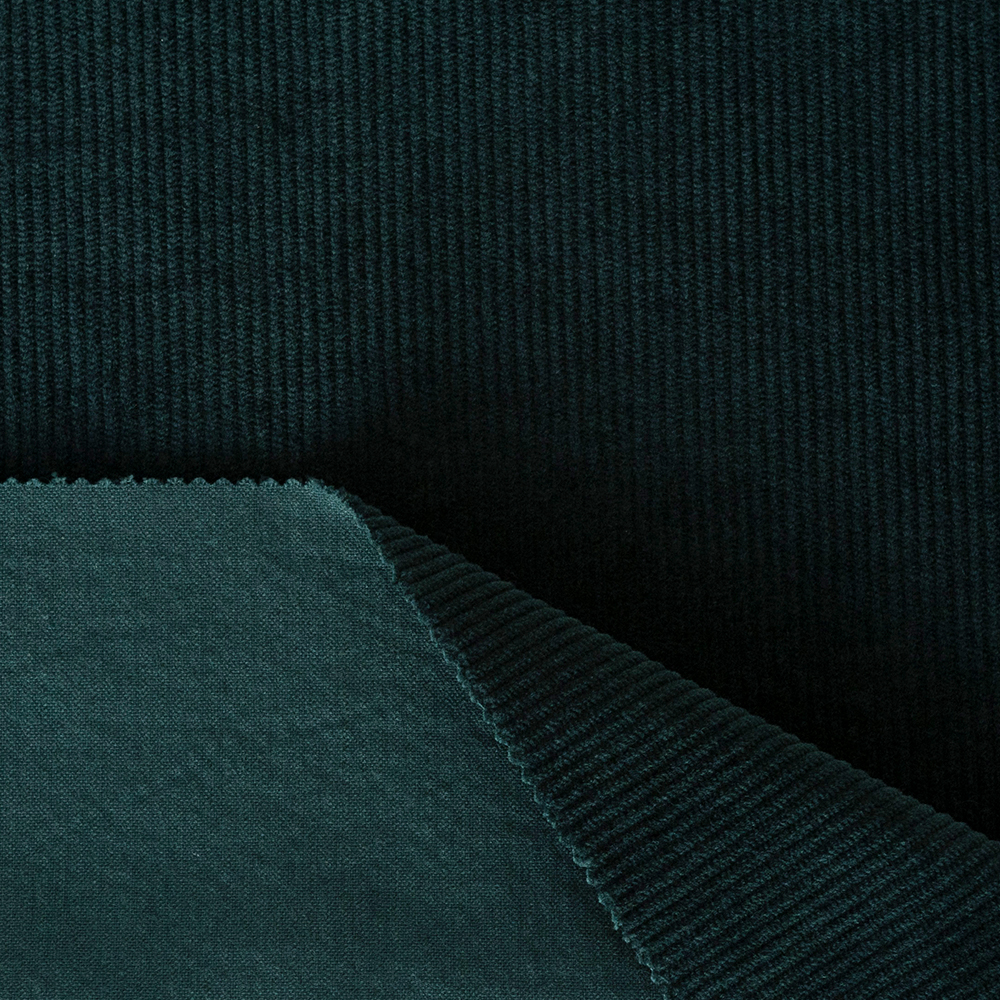
Corduroy is a useful test case. It is durable and warm, and a good corduroy garment can stay in use for years, which is the first circularity benefit. The fabric also carries a pile and a dense weave, so it uses a meaningful amount of yarn. That makes fiber choice important. An all-cotton, nonstretch corduroy is easier to feed into cotton recycling than a cotton-elastane or polyester-blend version. Stretch has a place in fit and comfort, but even a small elastane content can complicate mechanical recycling. The same logic applies to coatings, softeners, and trims: they may improve hand feel or performance, but they can reduce the value of the end-of-life feedstock.
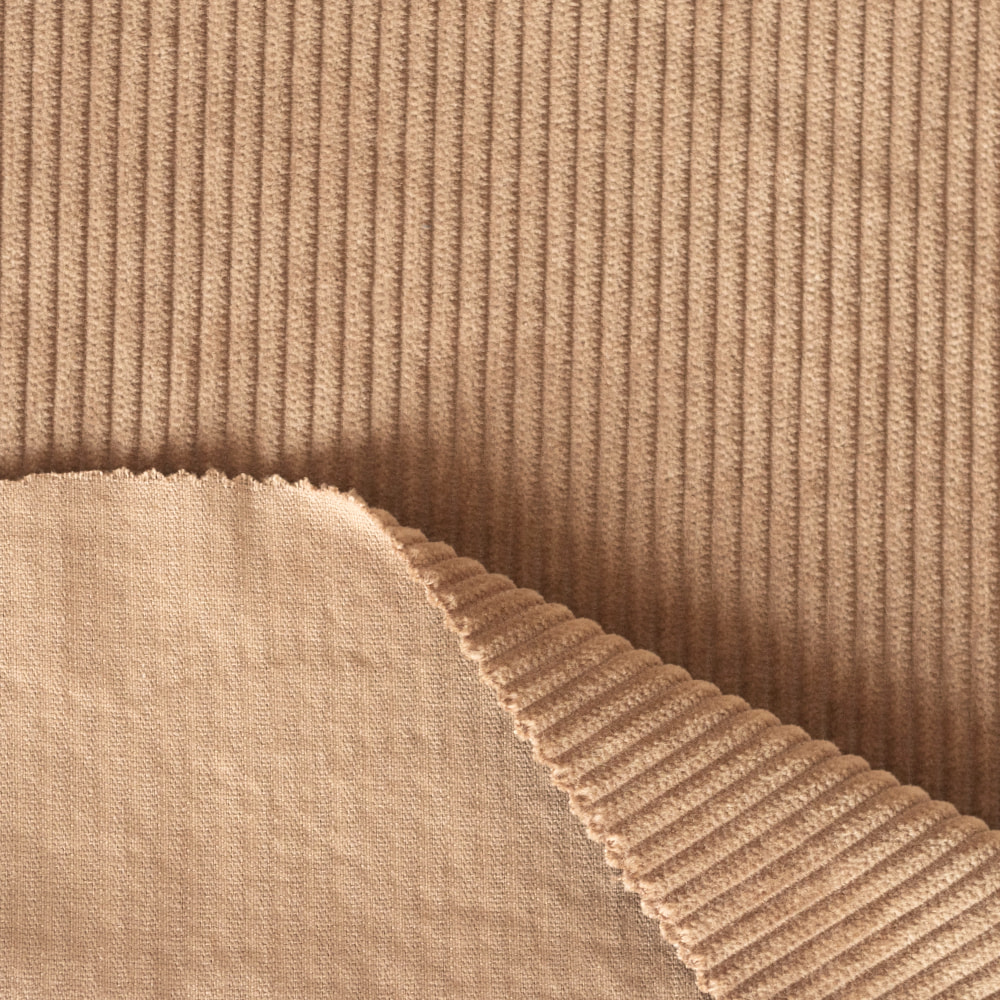
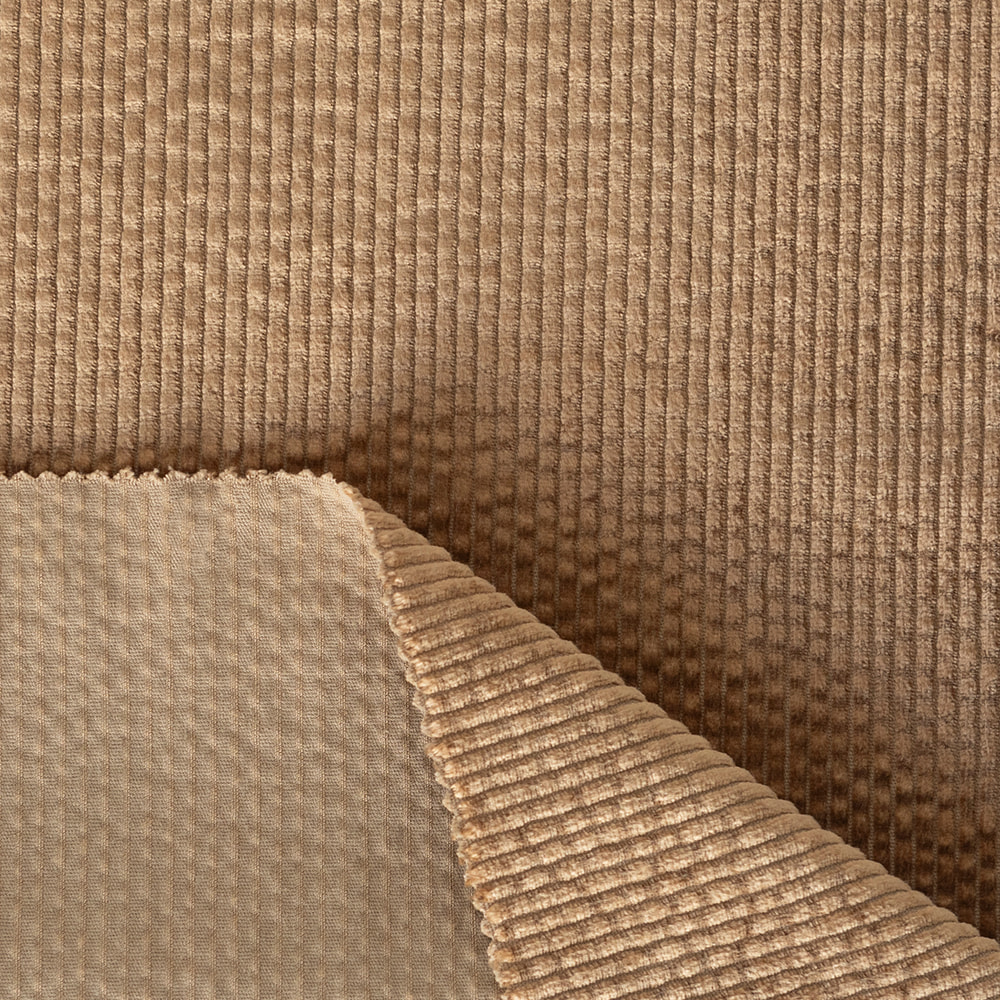
 Wear-Resistant 3.5-Wale Non-Stretch Cotton CorduroyAll-cotton, non-stretch 3.5-wale corduroy offers a thick, warm, wear-resistant handle for durable autumn/winter clothing and upholstery, with cotton composition suited to established recycling routes.View Product →
Take a wear-resistant 3.5-wale nonstretch cotton corduroy as an example. Its durability supports longer use, while its cotton-rich composition keeps it closer to established cotton recycling routes than a highly blended fabric. A softer 21-wale nonstretch cotton serves a different market, such as baby clothing, where skin comfort and material simplicity both matter.
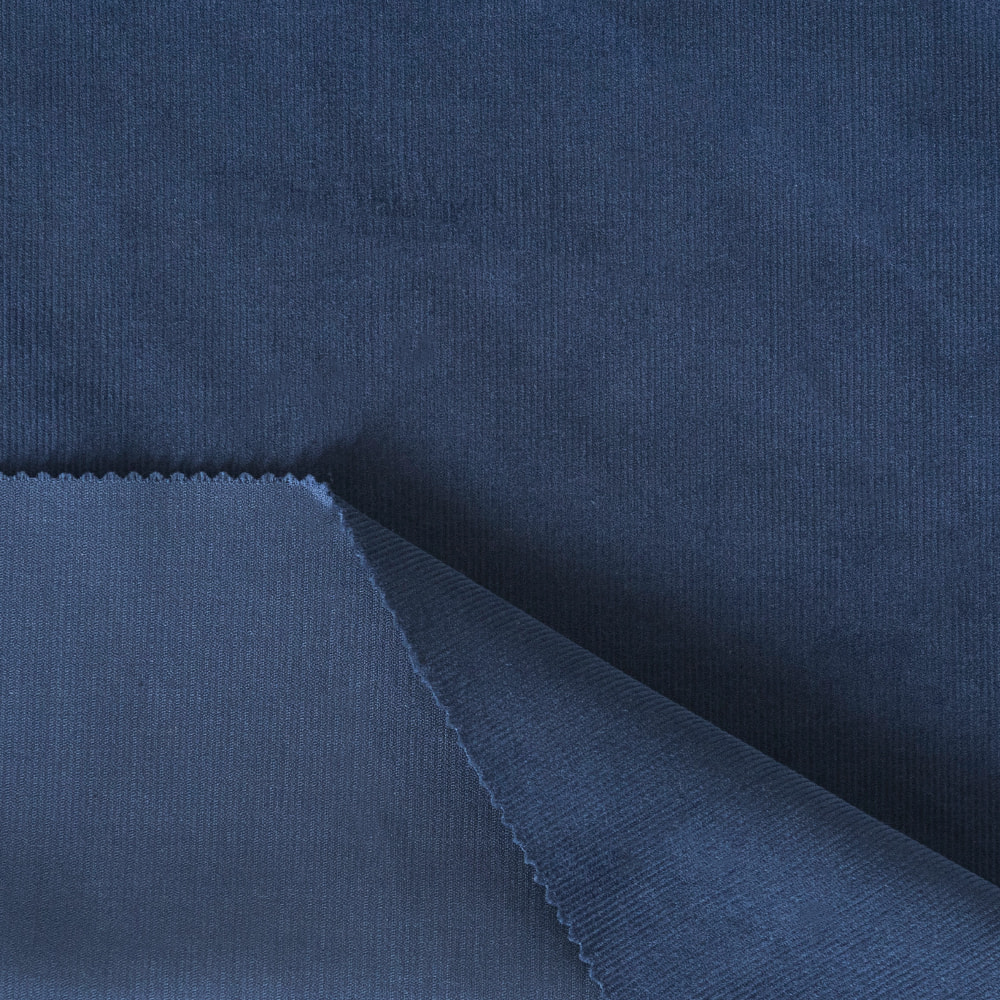
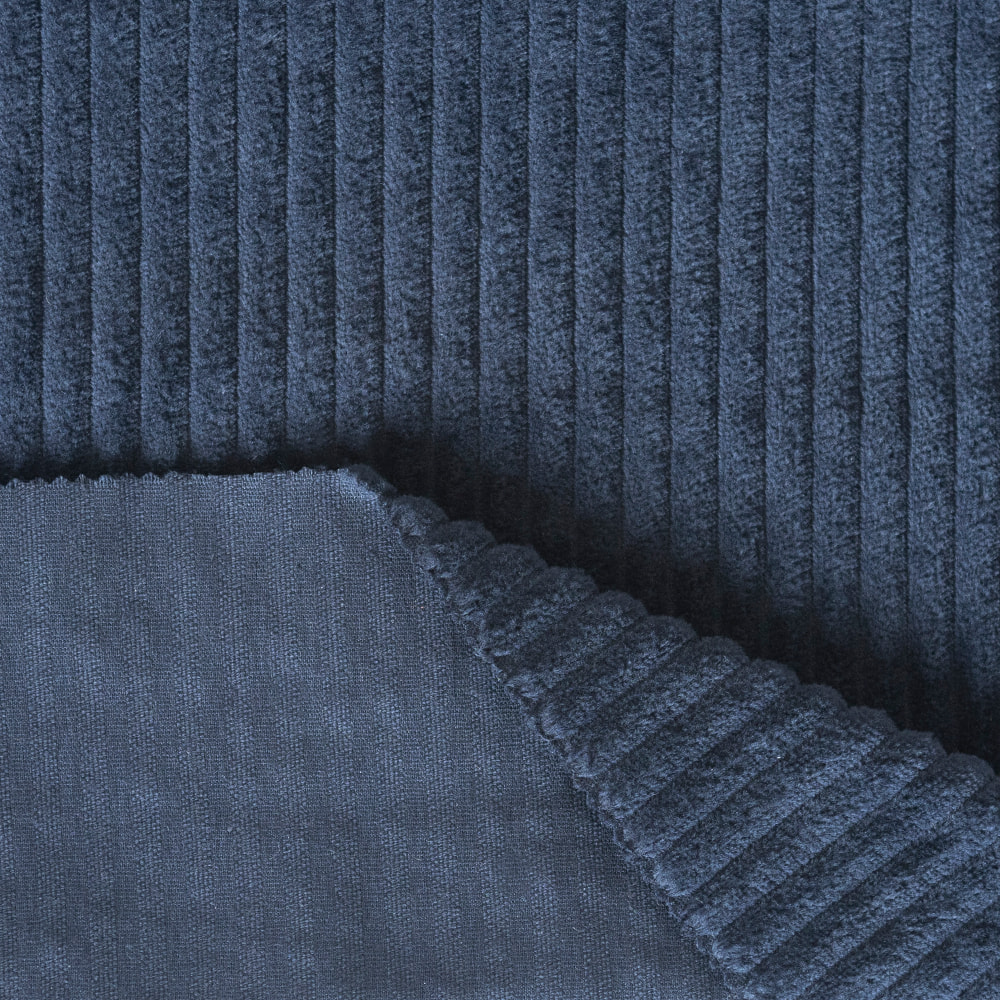
Soft 21-Wale Non-Stretch Cotton Corduroy for Baby ClothingFine, soft 21-wale cotton corduroy with stable appearance and wash resistance, intended for infant and young children's garments where skin comfort and material simplicity matter.View Product →
For buyers weighing cellulosic blends, our article on rayon-cotton corduroy and sustainable material choices is a useful starting point. The larger point is to match the fiber story to the end-of-life route. Our mill runs 200 air-jet looms and 20 jacquard looms, and we manage development, weaving, pile cutting, dyeing, and finishing. That vertical view helps us discuss yarn composition, wale density, stretch, color, and finish as one specification rather than isolated features.
Fiber-to-fiber recycling still carries a green premium in many markets. Collection, sorting, cleaning, and quality control can cost more than virgin fiber, especially at small scale. The environmental case also depends on energy and transport. A recycled fiber shipped long distances or processed with carbon-intensive power may not deliver the expected reduction. Verification matters. Ask for fiber composition, recycled-content evidence, transaction certificates, and test reports rather than relying on a logo. Set realistic targets: increase recycled content where the route is proven, design more mono-material styles, and keep stretch and performance fibers for applications where they are genuinely needed. The aim is not to make every fabric recyclable overnight. It is to stop designing fabrics that cannot enter any credible recycling stream.
The benefits of fiber-to-fiber recycling are strongest when they are treated as a material strategy, not a marketing line. Keep fiber value high, contamination low, and specifications honest. For a corduroy program, that can mean choosing cotton-rich, nonstretch qualities for recyclability, durable constructions for longer wear, and finishes that do not sabotage the next cycle. That is a more useful circularity claim than a percentage on a hangtag.
Please feel welcome to contact our friendly reception staff with any general call us

+86 139 6116 7127

Email: cloud@jacquardcloth.com

Textile Industry Zone, East Hutang Town, Wujin District,213100 Changzhou,China
