

 English
 日本語


Get Directions
Textile Industry Zone, East Hutang Town, Wujin District,213100 Changzhou,China
A bag buckle that flexes instead of cracking. A hair claw printed as one piece, spring hinge included, with no assembly step. A cap brim insert that holds its curve after a season in a closet. These are the accessories studios actually commission, and they share one trait: their value comes from geometry and fit, not from surface softness.
That distinction explains the pattern. Additive manufacturing earns its place in fashion accessories when a part has to be shaped precisely, produced in small runs, or varied per customer. It performs badly when a component has to drape, absorb moisture, or cost pennies at fifty thousand units. For most labels the workable answer is a hybrid: printed structure and hardware, woven textile wherever skin, drape or hand-feel matters.
Content
Strip away the trend language and the advantages come down to five production facts:
Claims about sustainability, personalization and speed to market all follow from those five points — and fall apart when one of them is missing.
Injection molding wants uniform walls, draft angles and no undercuts without slides. Each of those constraints adds cost or removes a design option. A printed part can carry an integral cantilever latch inside a buckle, a living hinge on a sunglasses temple, or a lattice that flexes like a spring in a headband.
The same freedom applies to surface. Ribs that echo the wale of a corduroy strap, knurled grip zones on a cord lock, or a fine quilted texture on a decorative plaque can be built into the file at no extra charge. The catch is that printing has its own textures — powder grain on sintered parts, layer lines on extruded ones, support marks on resin — so those surfaces need to be designed around rather than hidden afterwards.
The conclusion first: printing wins below roughly a few hundred units per design and loses above a few thousand simple parts. The break-even point sits wherever the amortized tooling cost of the conventional route equals the per-part premium of printing.
| Route | Tooling cost | Practical minimum batch | Time to first part | Where it fits |
|---|---|---|---|---|
| Powder-bed sintering | None | 1 | 2-5 days | Complex geometry, small runs, per-size variants |
| Resin printing | None | 1 | 1-3 days | Fine detail, glossy show pieces, fit models |
| Injection molding | 3,000-15,000 USD | 1,000-5,000 | 4-8 weeks | Simple flat parts at volume |
| Die-cast metal | 2,000-10,000 USD | 2,000+ | 6-10 weeks | Weighty hardware, metal finish |
| Laser-cut sheet | Minimal | 50-100 | 3-7 days | Flat two-dimensional shapes |
A simple molded buckle might land near fifteen cents at fifty thousand pieces against several thousand dollars of tooling. The printed equivalent costs a few dollars each, so at five hundred units printing is already cheaper. The line item buyers most often miss is post-processing: dyeing, tumbling, support removal and hand polishing can add thirty to fifty percent to the printed part cost, and that is where a quote quietly stops being competitive.
Personalization is only a benefit if it does not reintroduce tooling logic. Printed ear cuffs sized to a measured helix, headbands generated from a head circumference, or bag strap anchors adjusted for a heavier textile all come from a parameter change. The genuine advantage is fit iteration: print a cheap version, wear it for a day, adjust the interference, print again.
There is a limit worth stating plainly. If the customer simply picks from forty fixed variants, that is variant management, and holding molded stock may well be cheaper than printing on demand. Printing pays when the variation is genuinely per-person or per-order.
Hardware approval usually bottlenecks a collection: casting and plating quotes, then a six-week wait for a sample that turns out to sit wrong on the strap. Printed samples compress that loop into days, which matters more than it sounds, because the part has to be tested against the actual textile, not against a rendering.
A rigid printed buckle running over a soft pile fabric will behave differently from a molded acetal one — different surface hardness, different friction, different abrasion at the attachment point. Sewing a printed prototype onto the real strap early exposes that before the mold is cut.
Accessories fail on comfort more often than on looks. A lattice at twenty to thirty percent density, a hollow earring body, or a flexible material in a headband contact zone can remove grams exactly where pressure builds. Useful working numbers: minimum wall thickness around 0.8 to 1.0 mm for sintered nylon, typical tolerance of plus or minus 0.3 mm or 0.3 percent, and roughly 0.3 mm of clearance for a snap fit that must open and close repeatedly.
Skin contact deserves attention too. Porous sintered surfaces trap oils and cosmetics, so parts worn against the skin are easier to keep clean when sealed or dyed and tumbled.
Printed accessories lose on unit cost at volume, on surface finish where a mirror gloss is required, and on heat resistance — a low-temperature filament left in a car in summer will deform, which is a serious risk for anything stored in a bag or a warehouse. Extruded parts are also weaker across layer boundaries, so a clasp loaded in bending needs its print orientation specified, not left to the supplier.
Color is another practical trap. A printed part dyed to a house color will not match a fabric dyed to the same reference under every light source, and batch-to-batch variation in dyed nylon is real. Approve the pair under daylight and under store lighting before signing off.
Sustainability language needs documentation, not adjectives. Ask for the recycled content of the powder or filament, the refresh rate the supplier actually runs, and whether the printed part can be separated from the textile in under a minute at end of life. A rigid plaque riveted through a woven strap makes the whole accessory harder to recycle, no matter how green the polymer.
Most wearable accessories are hybrids, and the textile half usually decides whether the piece is comfortable. A corduroy cap needs a brim insert and a rear adjuster; a crossbody bag needs strap anchors, a buckle and a base stud; a hair bow needs a clip body that grips without crushing the pile.
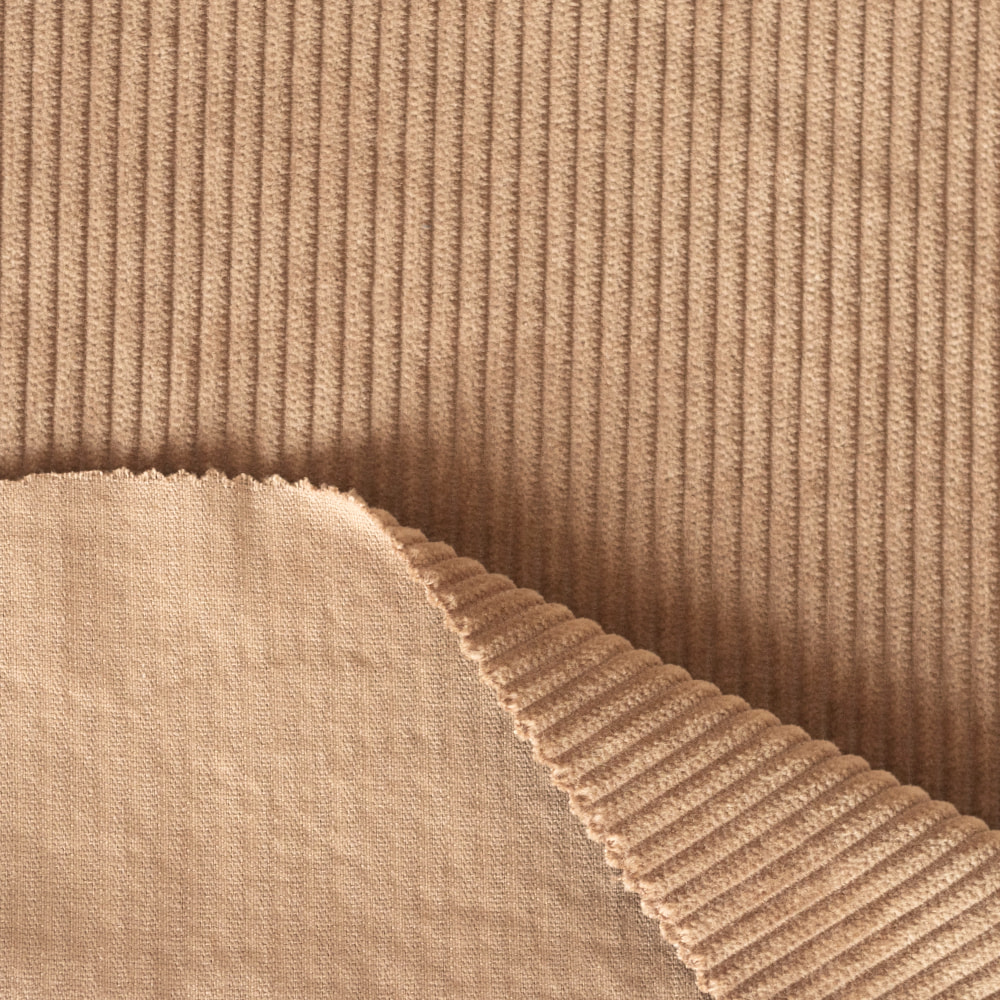
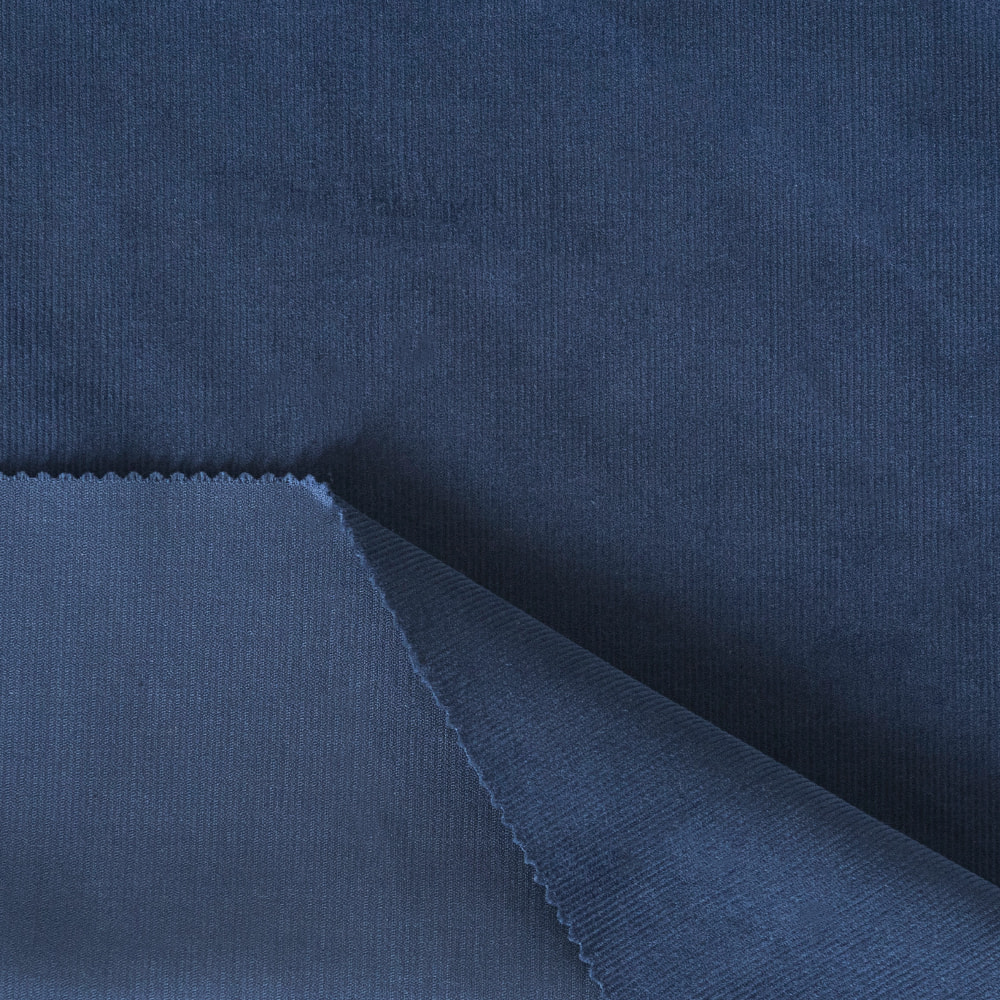
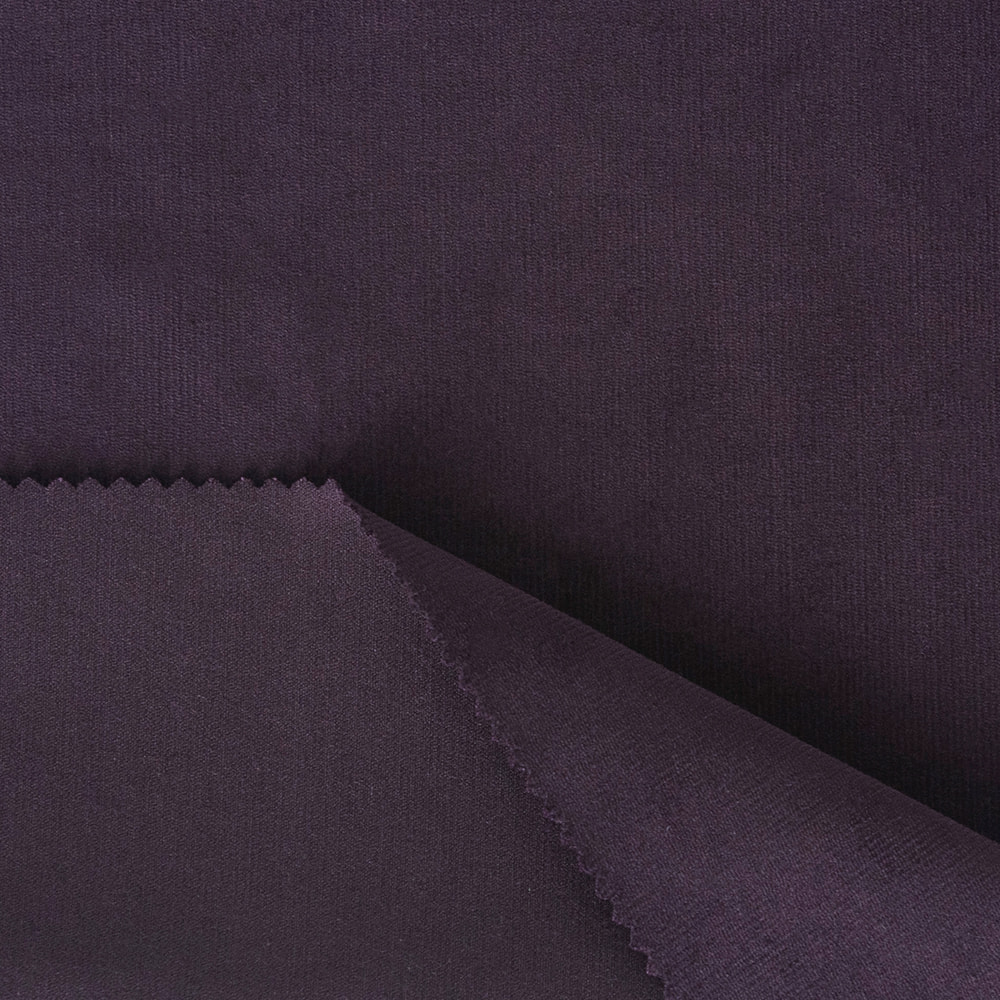
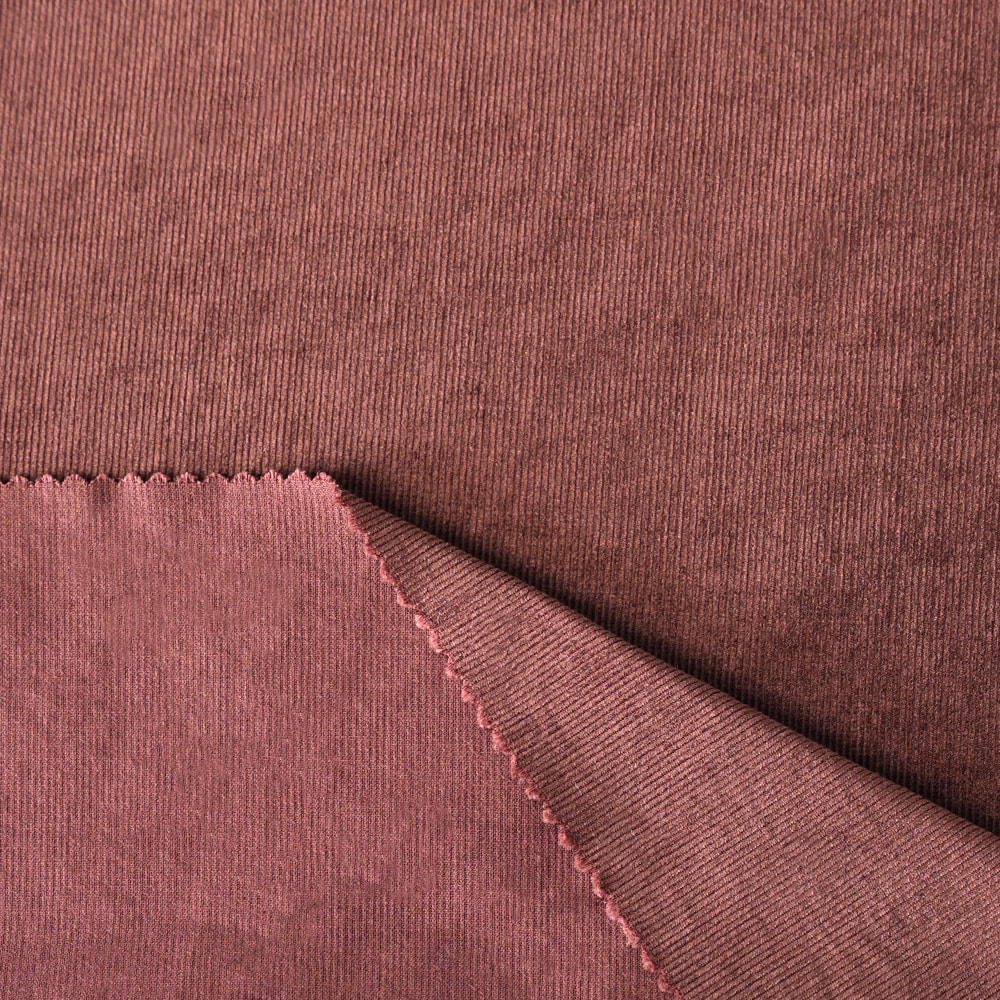
For soft caps, plush hair accessories and small pouches, a fine-wale stretch corduroy supplies the pile and hand-feel a printed shell cannot imitate.
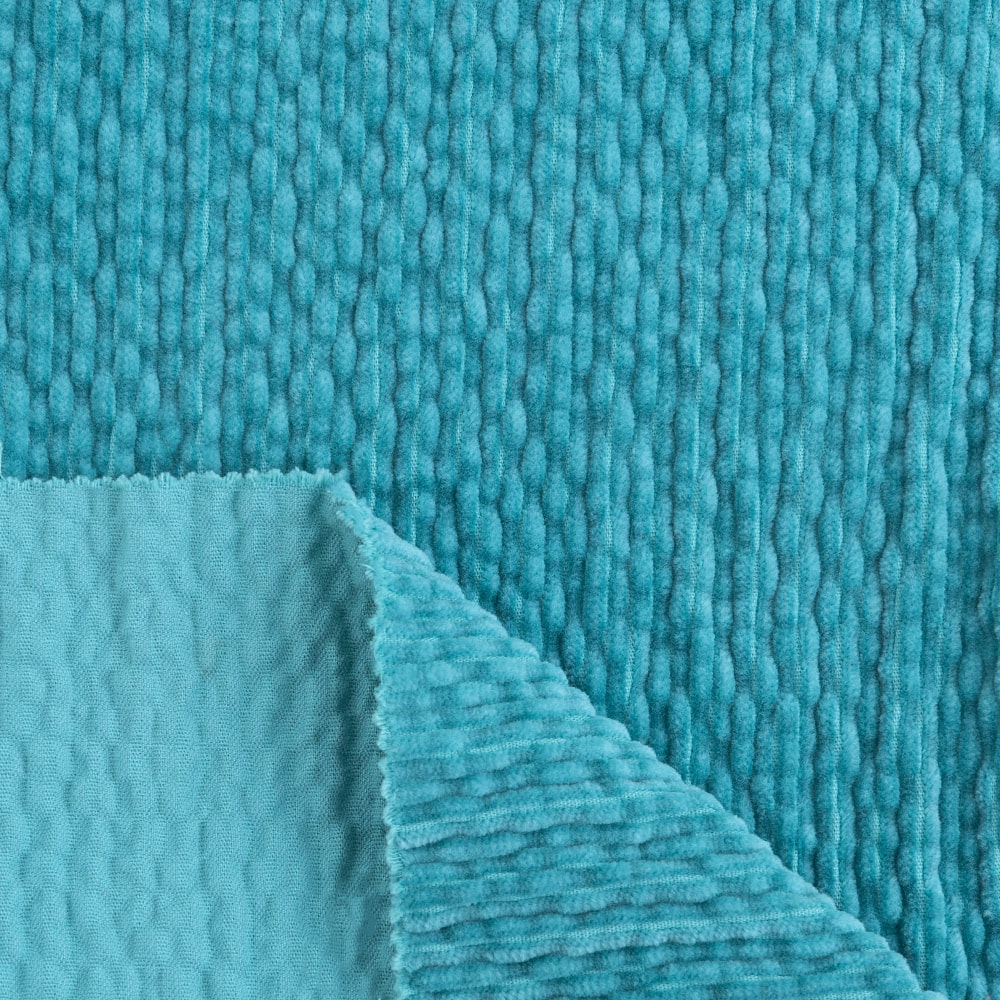 6W Modal-Cotton Stretch Fine Wale Bubble CorduroySoft, elastic fine-wale corduroy with a bubble fleece effect, suited to caps, plush accessories and small pouches that need pile and hand-feel.View Product →
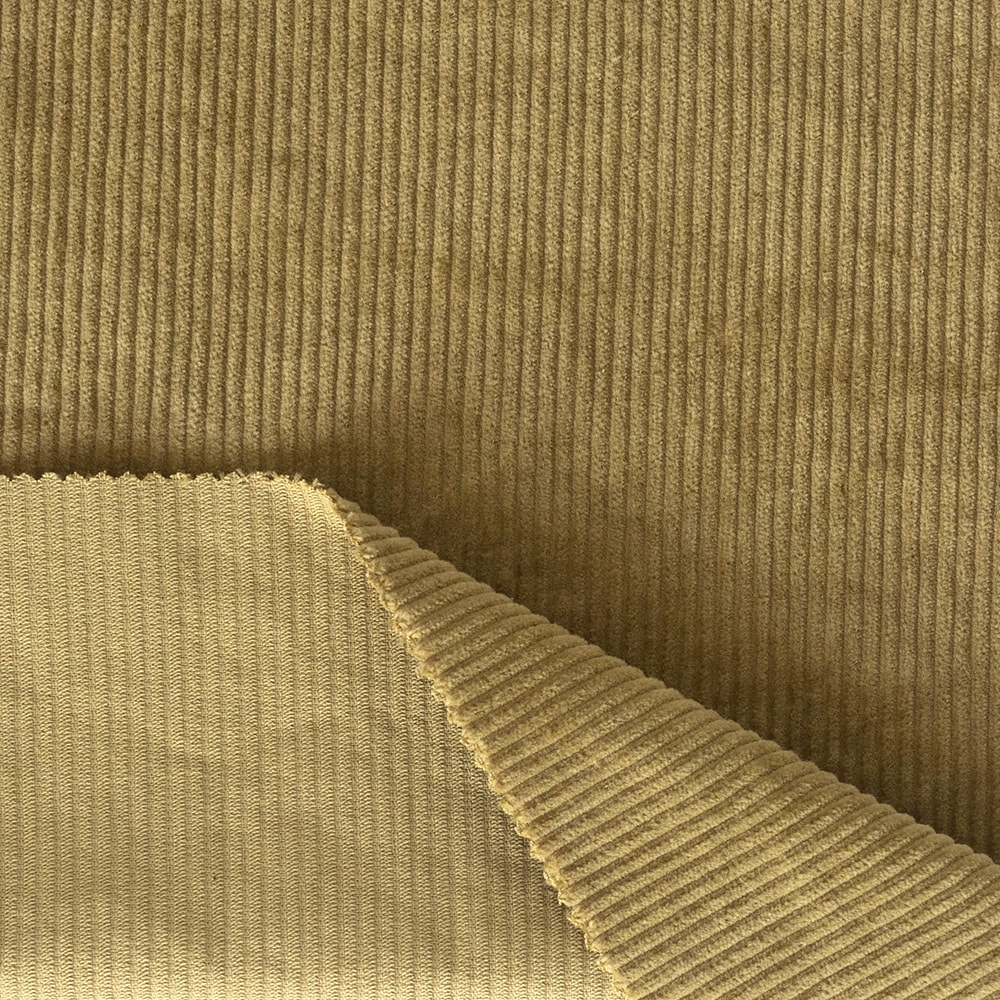
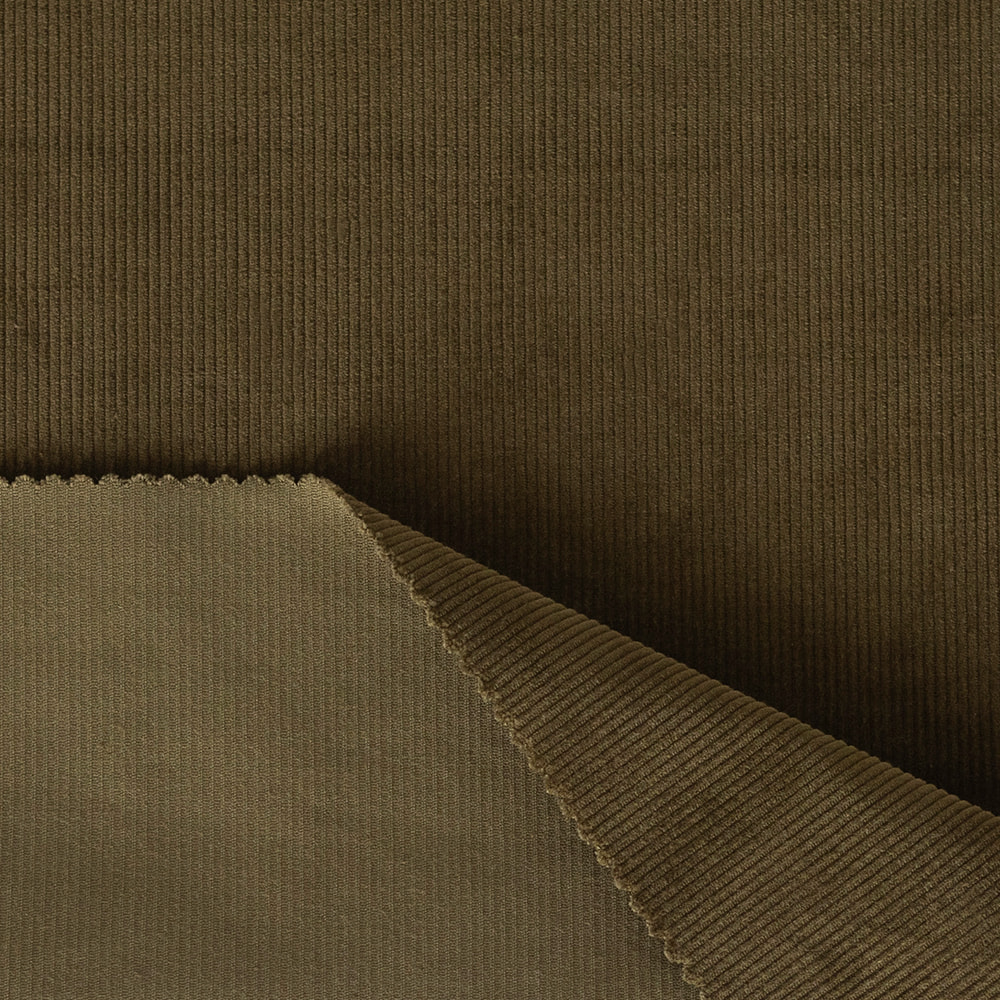
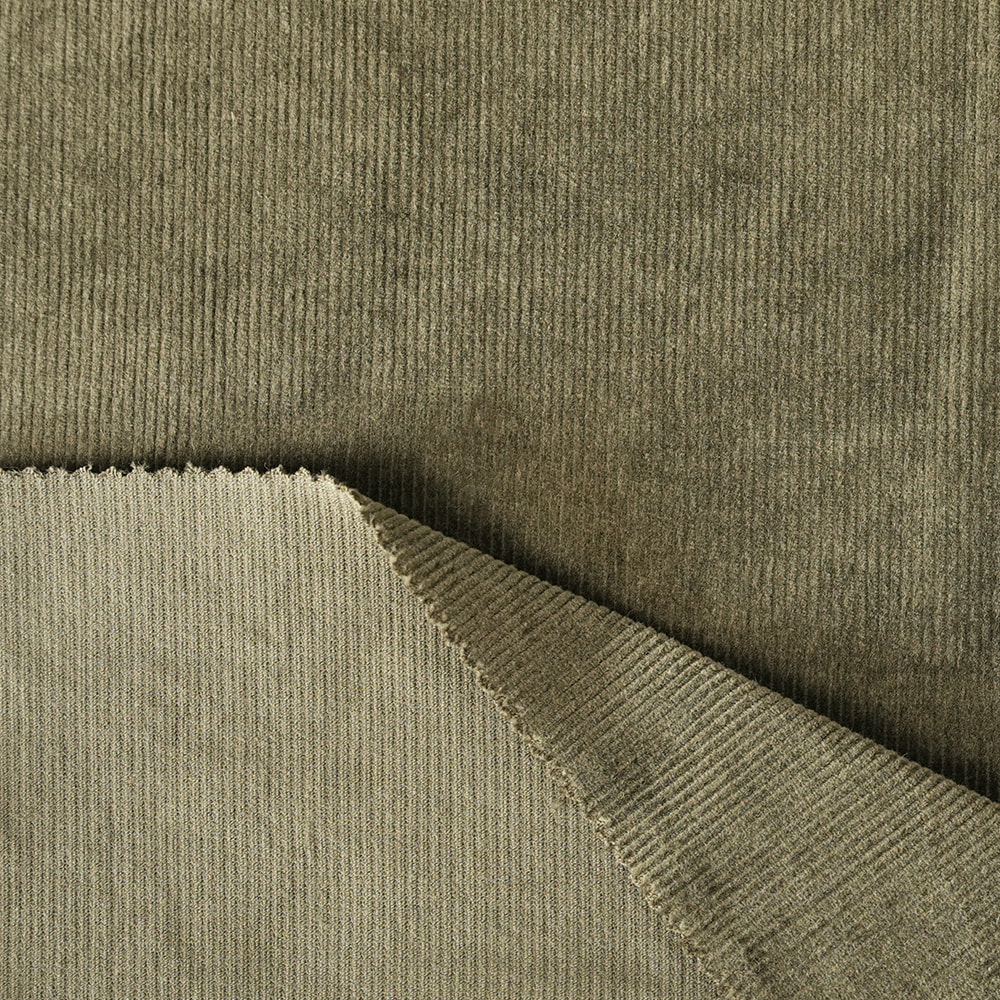
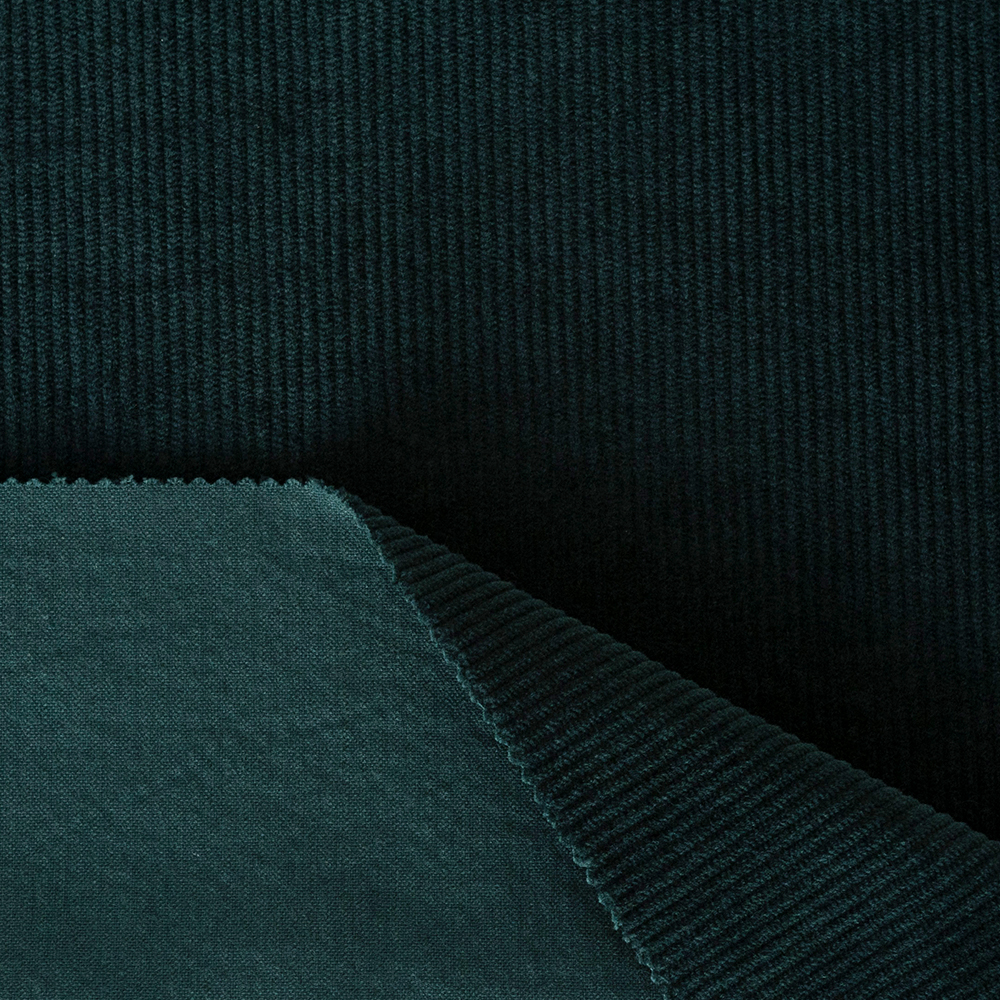
For structured pieces — bag panels, belt bodies, boxy pouches — a coarser, non-stretch cotton corduroy holds shape and accepts rivets without tearing along the wale.
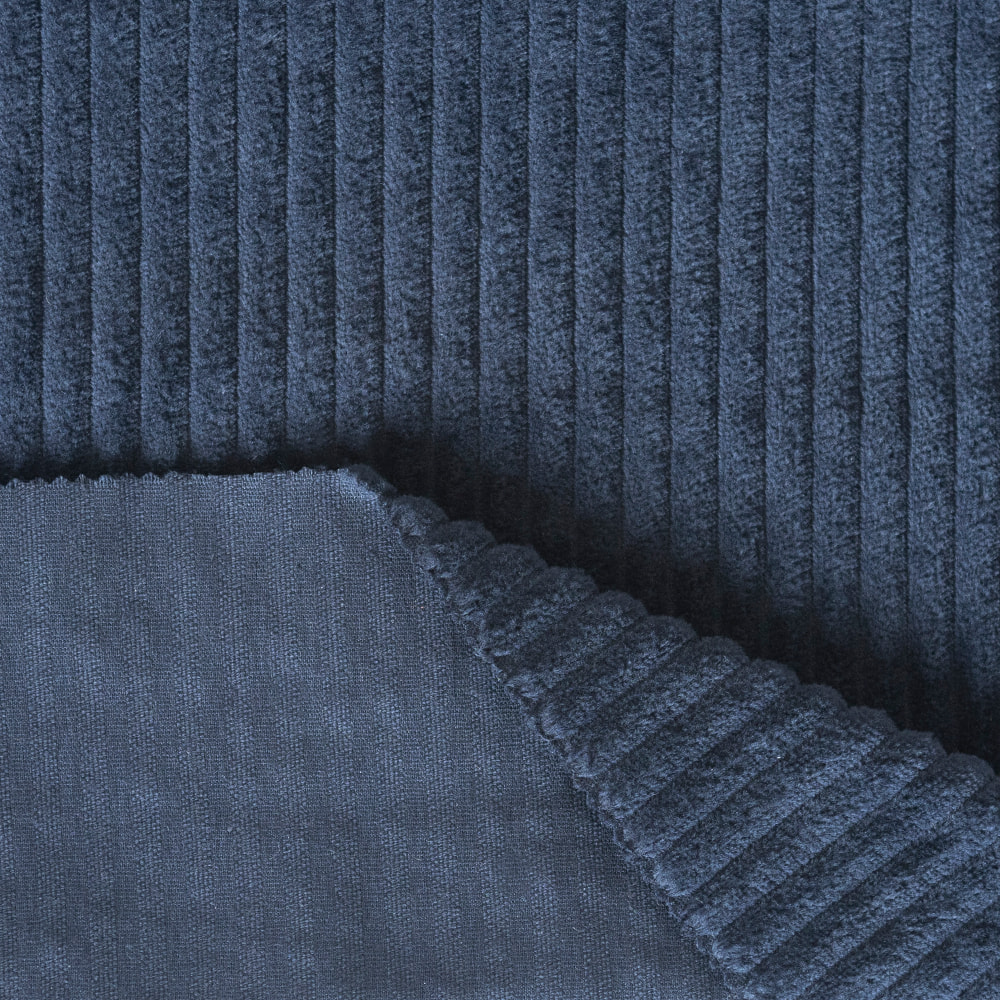 6W Rough Cotton Non-Stretch Corduroy Upholstery FabricThick, rough 6-wale cotton corduroy for structured bag panels, belt bodies and boxy pouches where a non-stretch fabric must hold shape.View Product →
Attachment details decide durability. Stitch through printed holes of at least 1.5 mm and reinforce them with an eyelet, or clamp the printed part between two fabric layers rather than riveting straight through a single ply. Keep hard edges away from pile, and specify that the assembled piece survives a 30 to 40 degree wash cycle if the care label promises it. Studios working with pattern and texture on the textile side, rather than on the printed component, often find more variety in double-weave corduroy constructions than in an extra printed surface finish. Mills such as CLDCLOTH weave and finish these fabrics in-house, which shortens the loop when a strap width or a pile height has to change alongside the hardware.
Printed accessories are not a replacement for textiles; they are the structural half of a piece whose comfort still comes from cloth. Specify both halves together and the economics work; specify the printed half in isolation and the accessory either costs too much or feels wrong in the hand.
Please feel welcome to contact our friendly reception staff with any general call us

+86 139 6116 7127

Email: cloud@jacquardcloth.com

Textile Industry Zone, East Hutang Town, Wujin District,213100 Changzhou,China
