

 English
 日本語





Get Directions
Textile Industry Zone, East Hutang Town, Wujin District,213100 Changzhou,China
The practical answer is this: California Proposition 65 clothing compliance is not a certificate you file once. It is a warning and exposure-management program. If a garment, accessory, or fabric component may expose California consumers to a listed chemical, the seller must decide whether to warn, reformulate, or document why a warning is not required. A warning label can keep a product on the shelf, but it does not prove the product is safe, and it does not transfer responsibility away from the brand.
That distinction matters most during sourcing. A corduroy jacket can have compliant fabric and still create risk through a zipper pull, snap, printed panel, heat transfer, or leather patch. The workable approach is to map every component, test the high-risk parts, and settle the warning decision before production labels are printed.
Content
Proposition 65, formally the Safe Drinking Water and Toxic Enforcement Act of 1986, requires businesses with 10 or more employees to give a clear and reasonable warning before knowingly and intentionally exposing people in California to chemicals the state has listed as causing cancer, birth defects, or other reproductive harm. The law also restricts discharges of listed chemicals into drinking water. It is not a product ban.
The warning decision is tied to exposure, not merely detection. California uses no significant risk levels for cancer and maximum allowable dose levels for reproductive toxicity. If exposure is below the relevant level, a warning may not be required. If exposure is above it, a safe-harbor warning is one path. Reformulating the product is another. An exposure assessment can support either route, provided the assumptions and laboratory methods are defensible.
Enforcement is a real procurement cost. The California Attorney General, local prosecutors, and private parties can pursue violations. Private parties commonly issue a 60-day notice before filing. Civil penalties can reach $2,500 per day per violation, and settlements often include warning changes, reformulation, document retention, and fees. That is why a last-minute label change is usually more expensive than an early component review.
Risk rarely sits in the shell fabric alone. Metal trims may contain lead. Plastic components, coatings, and some screen prints may involve phthalates. Certain dyes, pigments, and finishes may raise concerns. PFAS-related treatments, formaldehyde in easy-care finishes, and contaminants in recycled or reclaimed materials can also enter the review. The exact list changes over time, so buyers should check the current Proposition 65 list rather than rely on an old spreadsheet.
A useful sourcing habit is to divide a garment into exposure zones: skin-contact fabric, mouth-contact parts on children's products, hardware, decorative prints, and any component that can be chewed, rubbed, or repeatedly handled. A clean cotton corduroy shell can coexist with a problematic zipper slider. A soft baby fabric can be well chosen and still fail because of a printed label or a painted snap.
For consumer products, the safe-harbor warning usually names the chemical and directs consumers to www.P65Warnings.ca.gov. Cancer warnings and reproductive-harm warnings have different wording. The regulations also address type size, placement, and language requirements. Do not copy a warning from another product without checking the current safe-harbor text and the retailer's approval process.
Placement should be considered before the care label is finalized. A hangtag may work for one channel, while a label sewn into the garment or packaging may fit another. The warning must be reasonably available before purchase or use, and it must not be buried where consumers will miss it. If a brand uses a short-form warning, confirm that the product and channel qualify.
| Route | When it fits | What to document |
|---|---|---|
| Safe-harbor warning | A listed chemical may be present above the relevant exposure level, and reformulation is not practical before launch. | Chemical name, warning version, placement, language review, retailer approval, and test or assessment basis. |
| Reformulation | A trim, print, dye, or finish can be replaced without damaging function or hand feel. | Revised bill of materials, supplier declarations, new test reports, and change-control records. |
| Exposure assessment | Results are borderline, the component is inaccessible, or a warning would be commercially damaging and the exposure case is strong. | Use scenario, test method, detection limit, NSRL or MADL comparison, assumptions, and counsel review. |
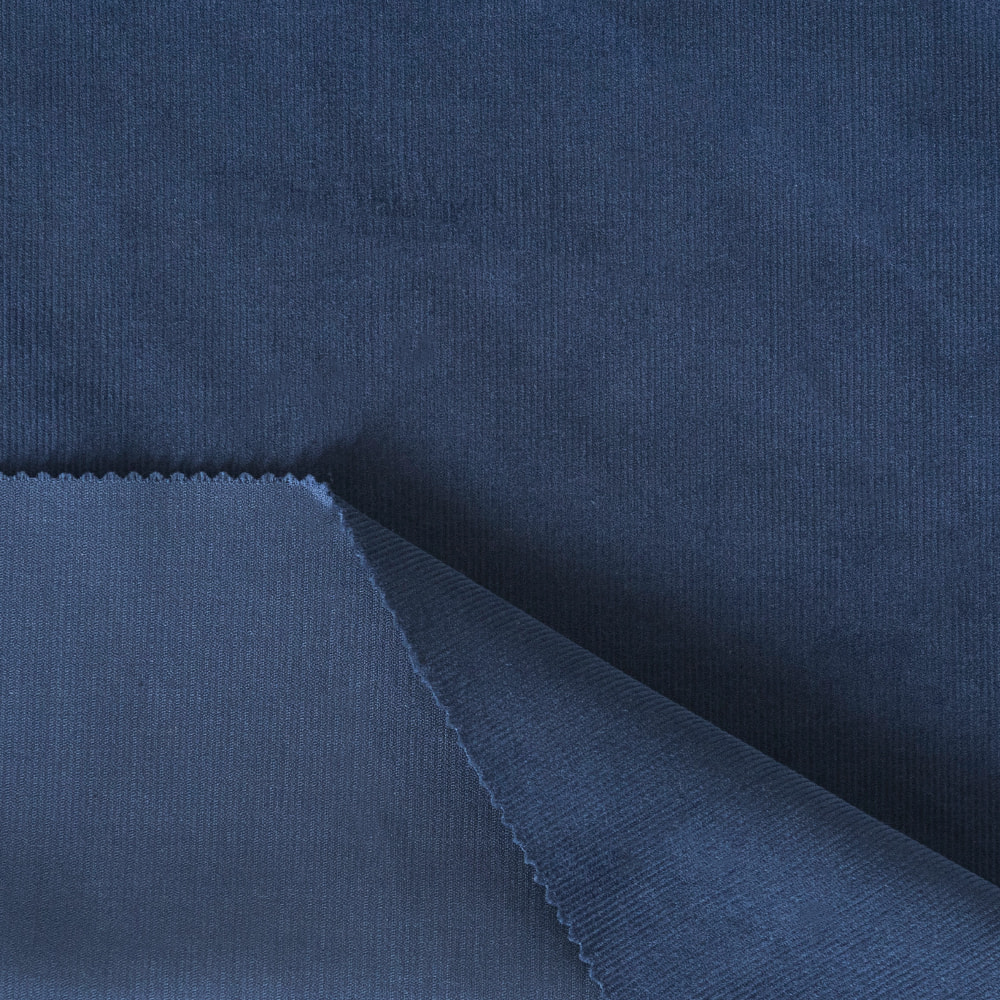
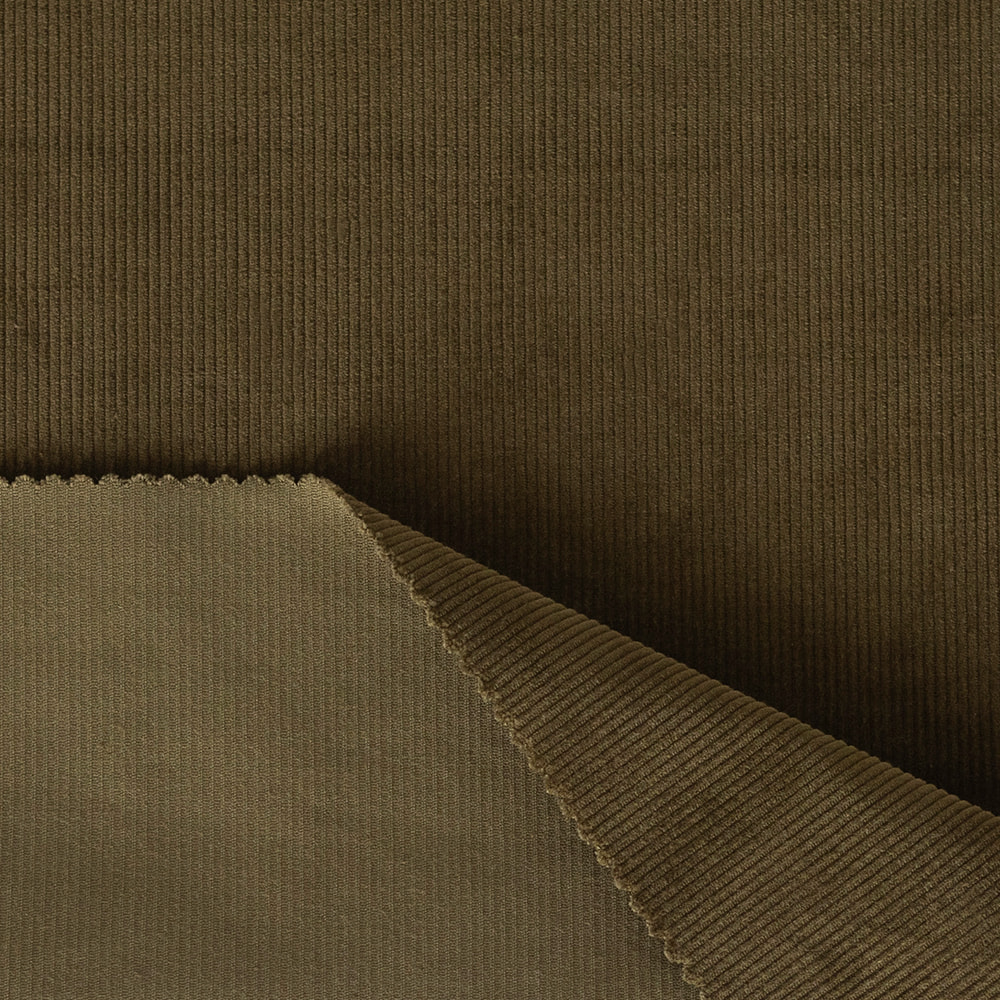
One passing test on one black colorway does not cover a season of navy, olive, and printed corduroy. Dyes, pigments, finishes, and component suppliers can change. Build a component-level testing plan and require reports from an accredited laboratory with the method, sample description, detection limit, and date. Ask whether the report covers the exact material and color submitted, not a family of similar fabrics.
Supplier evidence should include a current bill of materials, dye and print declarations, trim specifications, test reports, and a notification clause for material changes. A supplier's statement that a fabric is "Prop 65 compliant" is not enough. Contracts should allocate responsibility for testing, warning content, label approval, indemnity, and document retention. Keep records for at least the period your counsel recommends, because enforcement can arrive long after the purchase order closes.
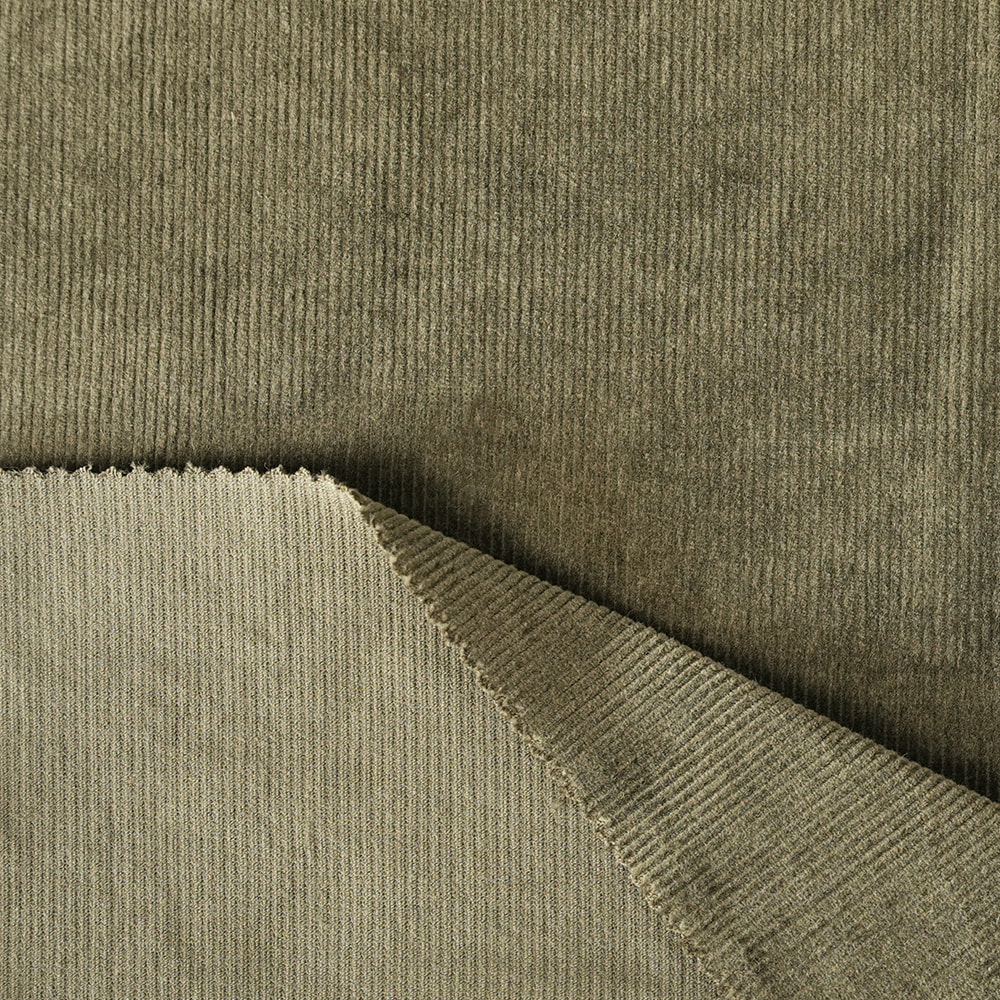
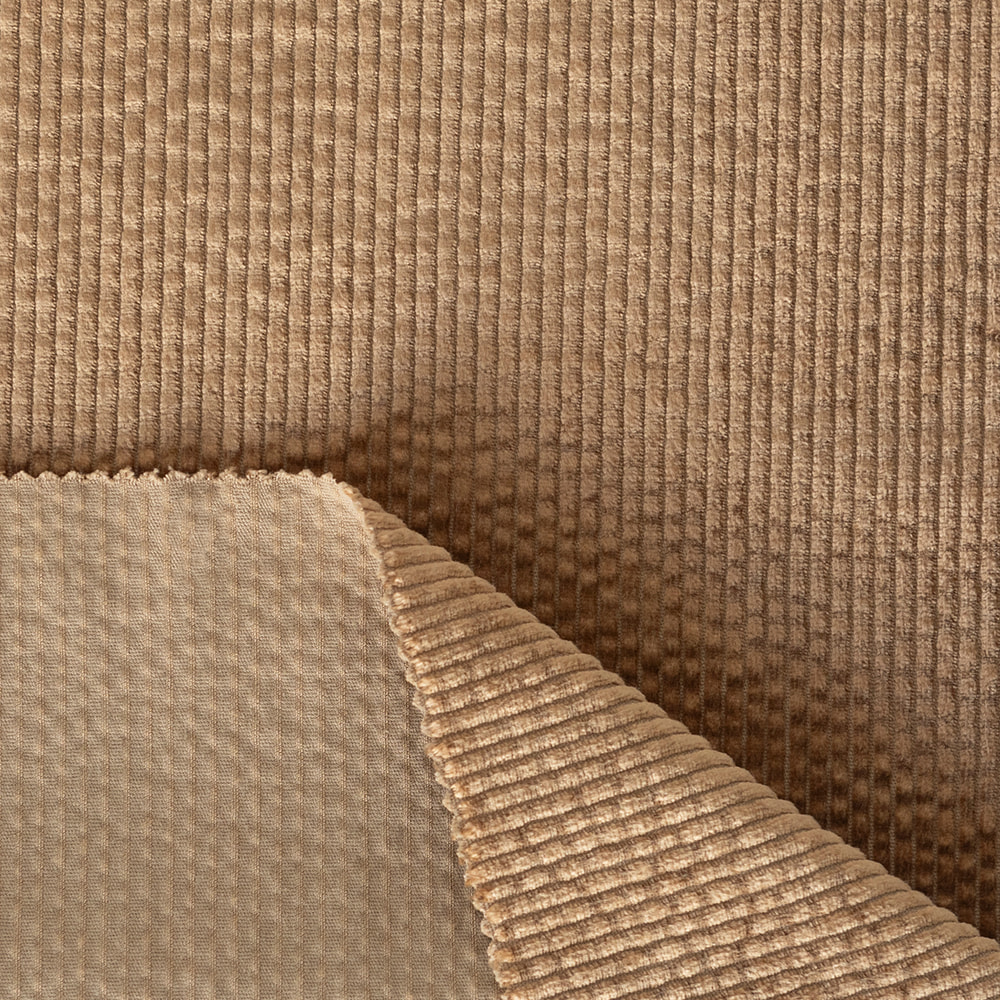
Fiber content alone does not settle Proposition 65 status. Cotton, Tencel, modal, viscose, polyester, and elastane all pass through dyes, finishes, and machinery that need review. A soft 21-wale cotton corduroy for baby clothing may be a sensible starting point because it reduces some skin-contact and durability concerns, but it still needs color-specific and component-specific evidence. Our discussion of stretch resistance in 8W Tencel-cotton corduroy shows why fabric performance and chemical review should be planned together, not treated as separate afterthoughts.
For a babywear program, a 21-wale nonstretch cotton corduroy such as KLD10088 can be a useful base cloth. It is not a compliance claim. The buyer still needs dye, finish, trim, and print testing, plus a warning decision if a listed chemical may be present above the relevant level.
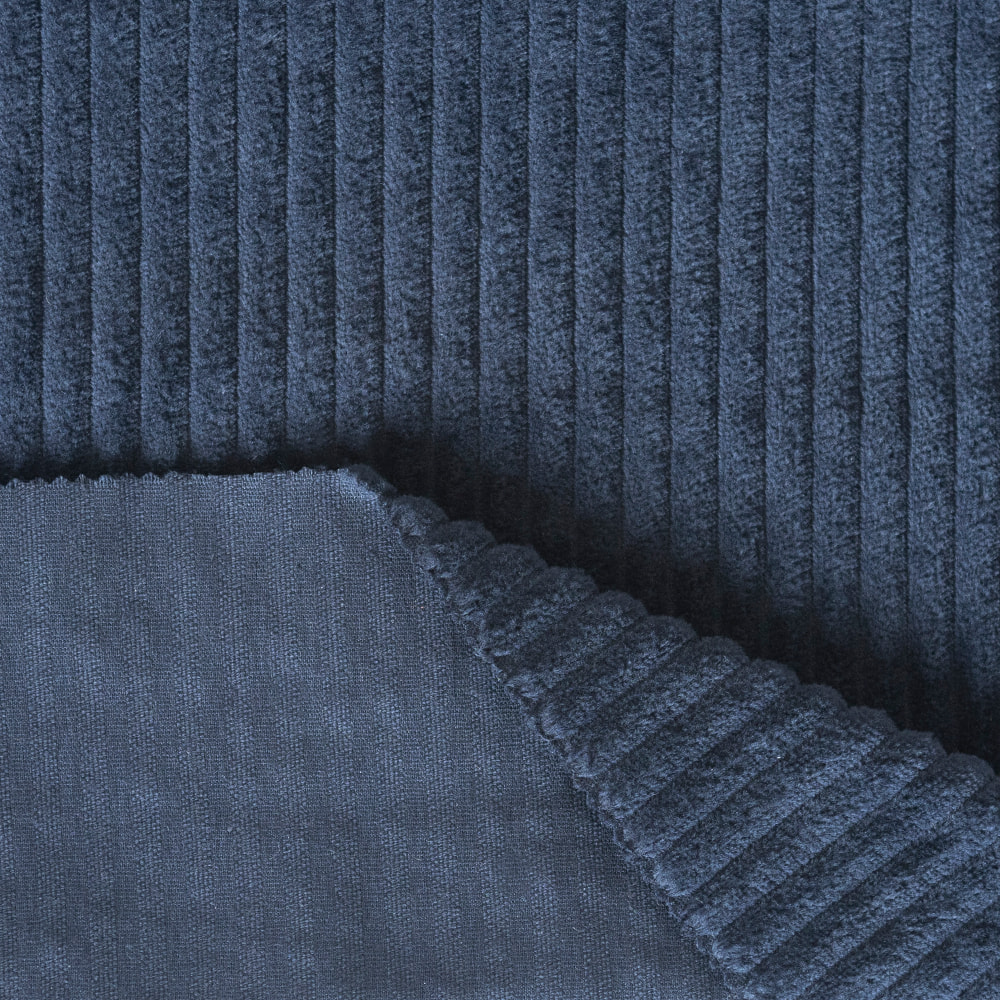 KLD10088 21-Wale Non-Stretch Cotton Baby Corduroy FabricSoft 21-wale cotton corduroy for infant and young-child apparel; a base cloth for babywear programs, subject to dye, finish, trim, and print testing.View Product →
Children's clothing attracts close attention because of smaller body size, mouthing, and repeated skin contact. A printed 16-wale cotton fine corduroy intended for children's shirts and skirts may be attractive commercially, but prints are a component to test, not a decoration to assume. The same rule applies to buttons, snaps, appliques, and embroidered patches.
A product such as KLD10294 can be evaluated as part of a children's collection, with the understanding that the fabric card is a sourcing starting point, not a substitute for chemical testing or legal review.
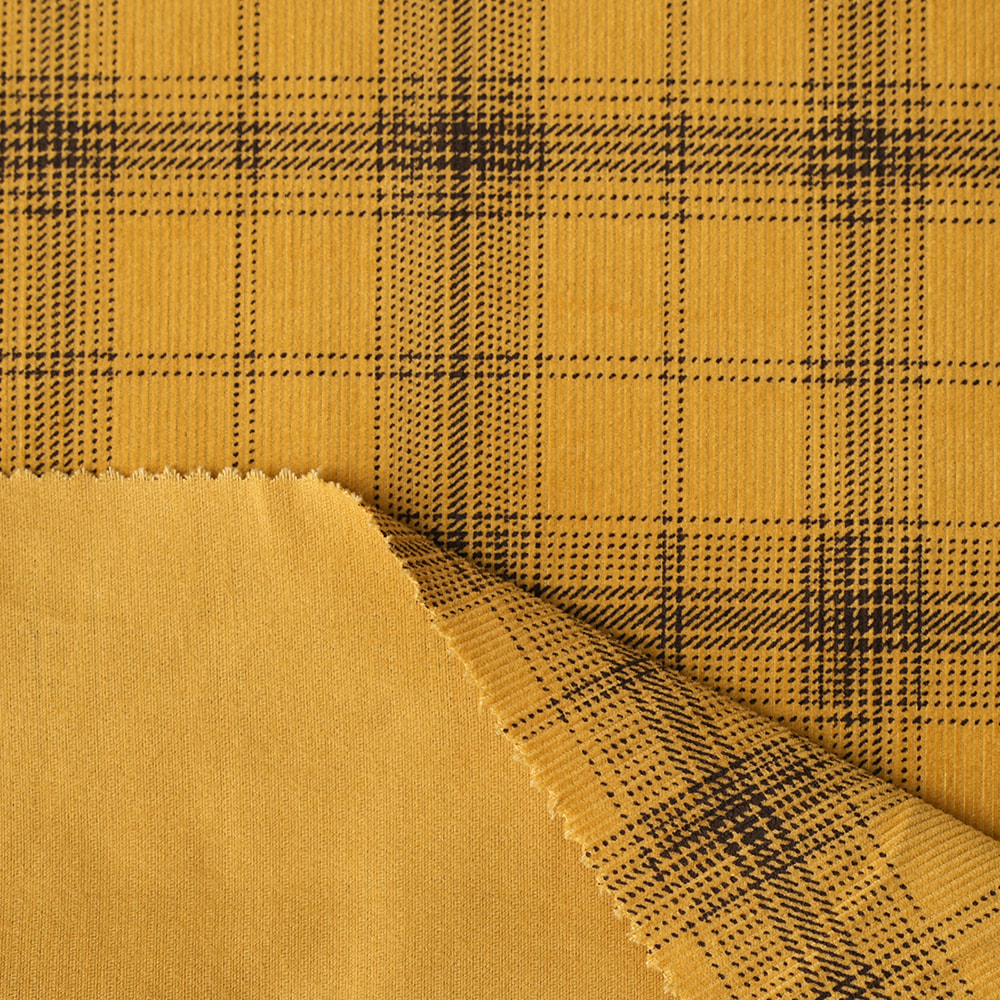 KLD10294 16-Wale Printed Cotton Corduroy for Children’s ClothingPrinted 16-wale cotton corduroy for children’s shirts and skirts; a sourcing starting point for a children’s collection, with chemical testing and legal review still required.View Product →
Start with the sales channel. A garment sold only outside California may have a different risk profile from one sold through a California retailer or shipped to California consumers. Next, map the bill of materials and rank components by likely exposure. Then test, assess, and decide. Do not wait for a retailer to reject a label or a plaintiff to send a notice.
For custom fabric development, the earlier the compliance conversation begins, the more room there is to adjust dyes, finishes, trims, or warnings without disrupting delivery. A supplier that can discuss current market needs alongside fabric construction is more useful than one that simply sends a generic certificate.
The bottom line: treat California Proposition 65 clothing compliance as a sourcing discipline. Identify the chemicals and components that matter, test the actual materials and colorways, choose a warning or reformulation route with evidence, and lock the label before bulk production. The fabric may be soft, the color may be beautiful, and the fit may be perfect, but the paperwork and warning decision still have to survive a California market review.
Please feel welcome to contact our friendly reception staff with any general call us

+86 139 6116 7127

Email: cloud@jacquardcloth.com

Textile Industry Zone, East Hutang Town, Wujin District,213100 Changzhou,China
