

 English
 日本語
日本語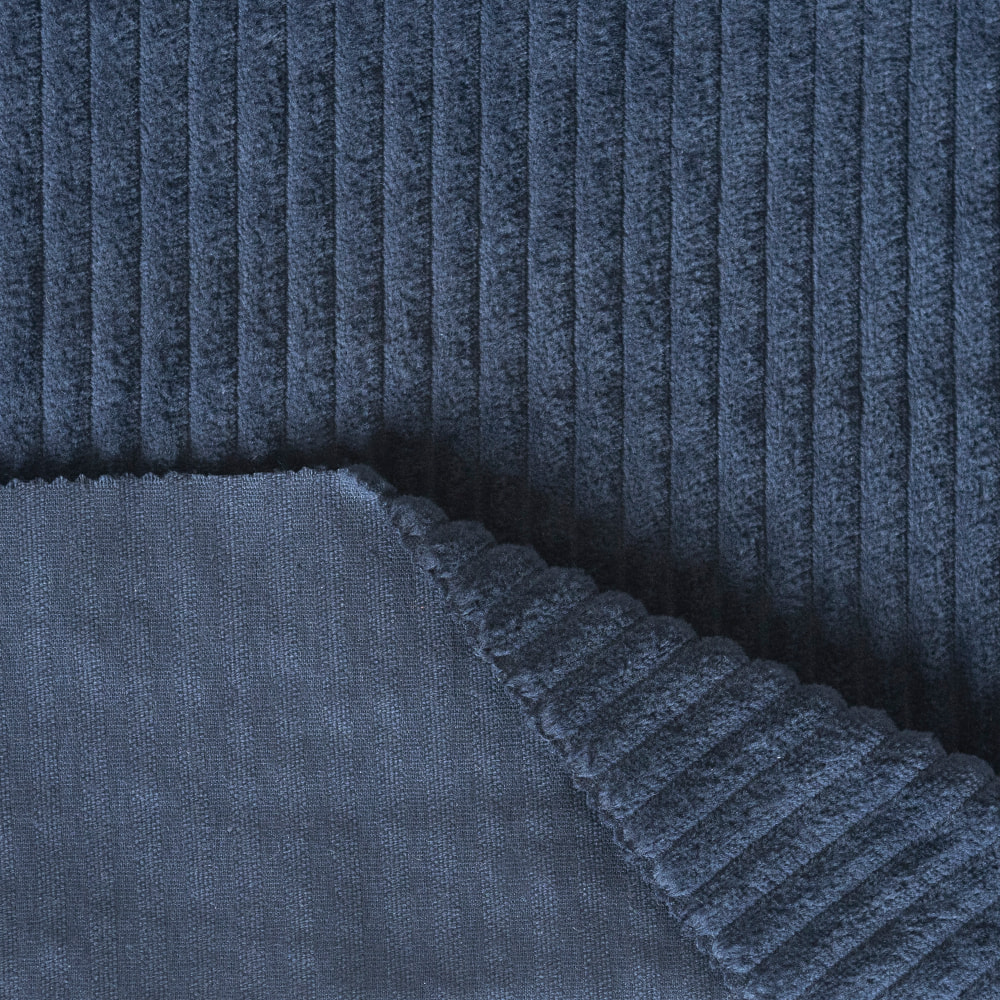


Get Directions
Textile Industry Zone, East Hutang Town, Wujin District,213100 Changzhou,China
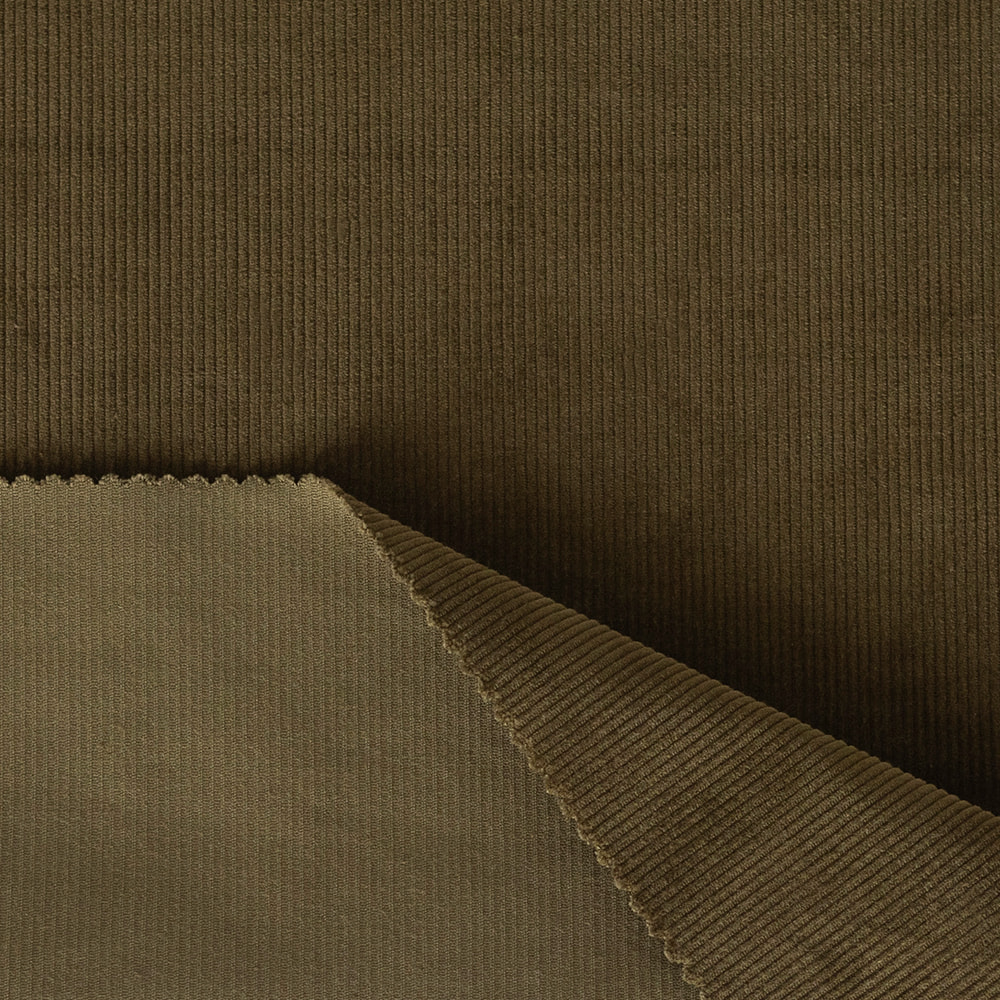
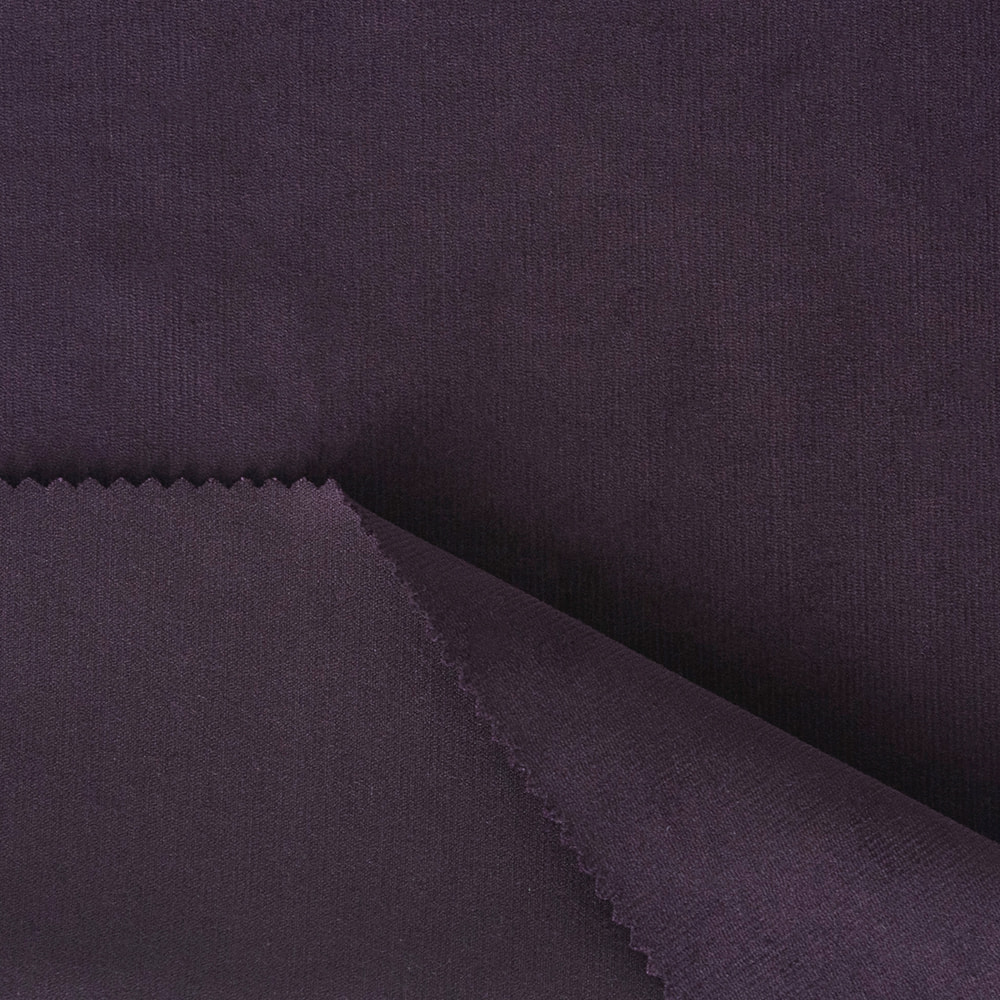
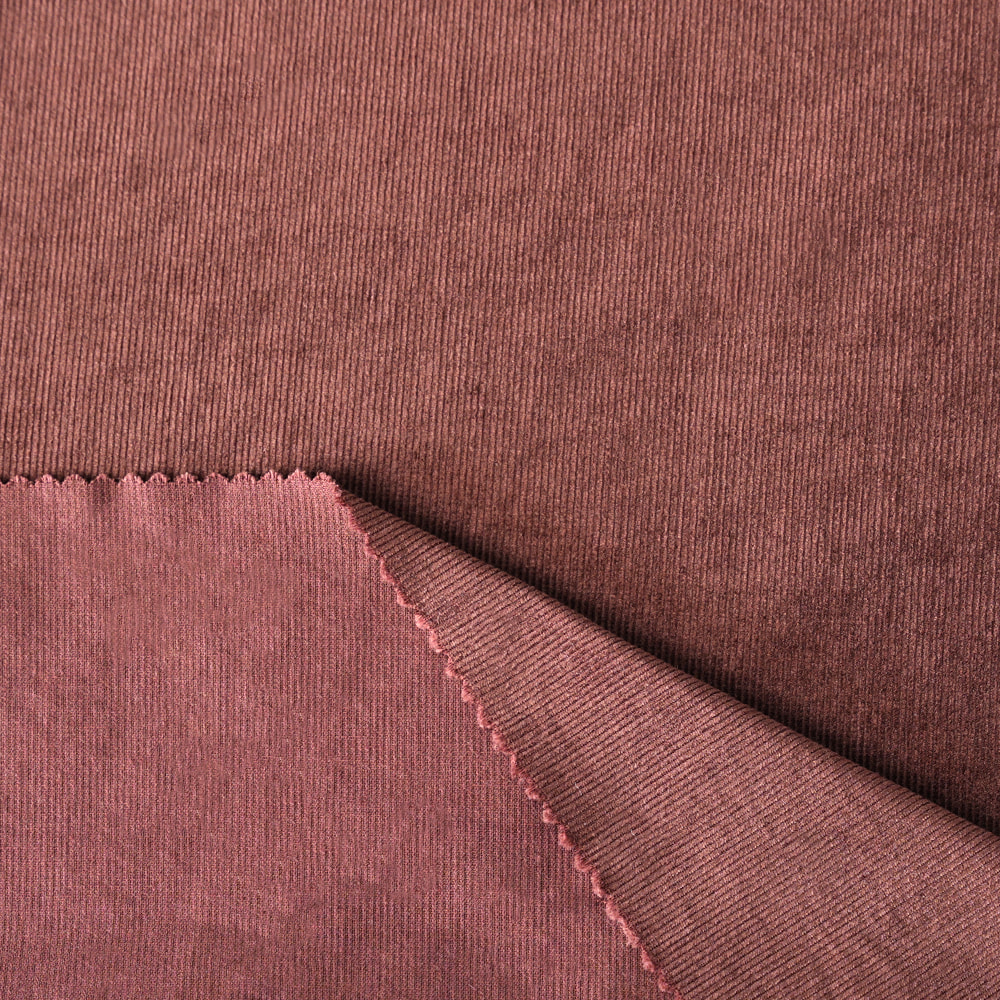
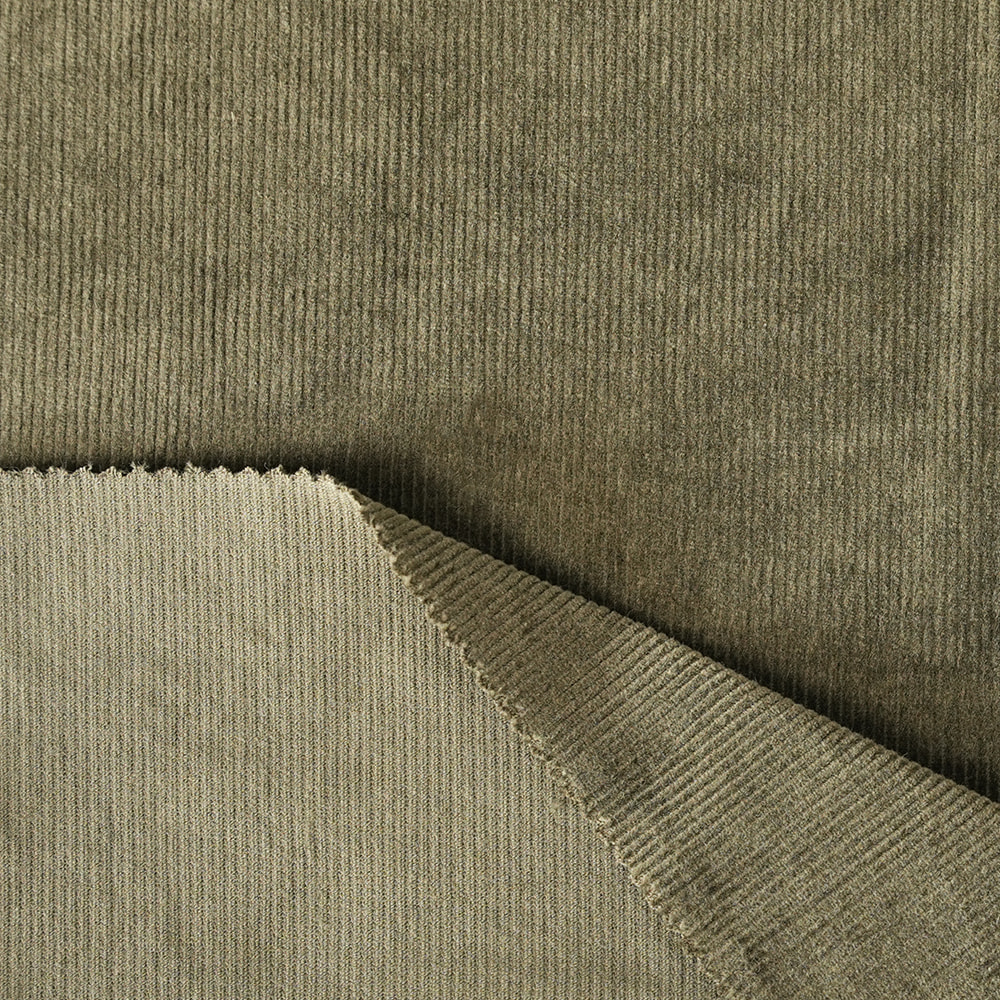
Suppose you are sourcing brown corduroy fabric for a new seasonal lineup, and the supplier has sent two samples: a 21-wale 100% cotton corduroy and a 12-wale cotton-spandex version. Both match your brown color swatch, but they will cut, sew, and wear in noticeably different ways. The finer wale reads soft and finished, ideal for shirts and lightweight pants. The wider wale has a chunkier face and more mechanical give, which suits outerwear and garments that need ease of movement. Neither is inherently better; the correct choice depends on the end product, the consumer's expectations, and your production line's tolerances.
Brown corduroy fabric performs well across apparel, upholstery, home textiles, and accessories when you define three specifications at the outset: wale count, fiber blend, and stretch behavior. This guide explains how those variables shape the finished material and what to verify with the mill before placing an order.
Content
Brown has an unusual status in corduroy programs. It is not a trend color that appears only for one season; it anchors most core ranges because it coordinates easily with denim, wool flannel, khaki, and cream. In a retail assortment, brown corduroy trousers or a brown cord jacket function as foundational pieces rather than risky fashion statements. For interior use, the color hides daily dust and light soiling, which is one reason upholstery weavers keep brown in their standard palettes.
Resale and styling cycles also work in brown's favor. The fashion market's ongoing return to heritage silhouettes has lifted interest in double-weave corduroys, and buyers routinely request brown first when they explore these constructions. As a purchaser, choosing brown corduroy from a mill that weaves and dyes it steadily gives you an advantage in color consistency and delivery reliability over ordering a one-off seasonal shade.
Here, the revival of vintage-style double weave corduroy shows why brown remains the bridge between classic and contemporary design.
Wale count is the number of lengthwise ridges per inch. It determines the surface texture, the drape, and how the fabric behaves in a specific end item. Specify wale count first because it is the fastest way to reduce sample options and avoid miscommunication with the mill.
| Wale count | Ridge width | Typical hand feel | Best suited for |
|---|---|---|---|
| 3.5-6 | Wide | Heavy, rugged, substantial | Upholstery, workwear jackets, outerwear |
| 8-12 | Medium | Balanced, structured | Trousers, skirts, blazers |
| 14-21 | Fine | Soft, smooth, dressy | Shirts, dresses, children's clothing, bib overalls |
| 24-25 | Micro | Velvet-like, supple | Lightweight apparel, linings, blouses |
For a brand developing a jacket line, 6 wale or 8 wale brown corduroy creates a rugged statement surface. For shirts and children's wear, 16 to 21 wale keeps the fabric soft against skin and easier to sew at scale. Mills routinely stock 21-wale non-stretch cotton corduroy in brown for baby clothing: the fine ridging creates a gentle, low-abrasion face while the dense weave resists pilling and maintains color through repeated laundering.
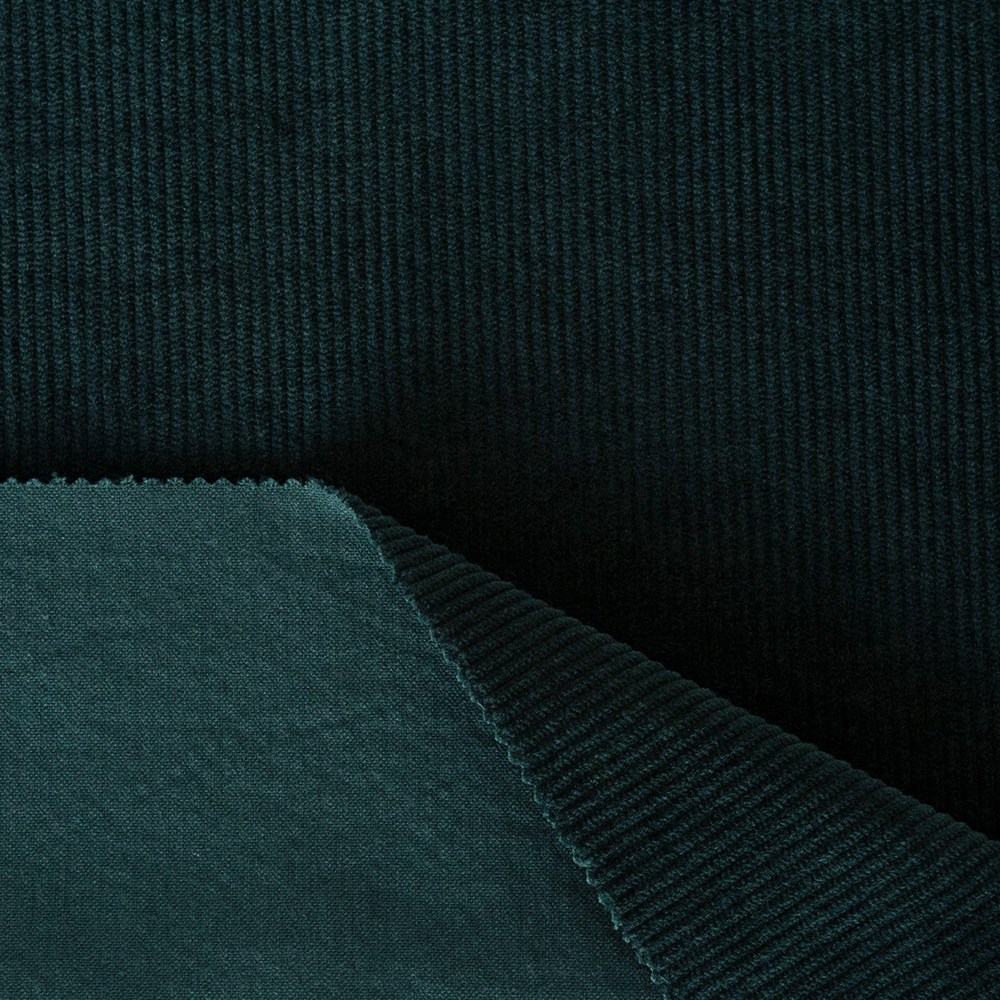
 KLD10088 21-Wale Non-Stretch Cotton Soft Baby Corduroy FabricFine 21-wale construction makes this non-stretch cotton corduroy gentle for baby clothing, resisting pilling and preserving color through repeated washes, ideal for soft, low-abrasion garments.View Product →
Wale count defines the surface; fiber content defines body, recovery, and care behavior. The same brown corduroy silhouette can be made from different blends, and each changes the final cost and garment performance.
Stretch is a separate performance feature you should evaluate deliberately. Some stretch corduroys use spandex in the warp; others use it in the weft. Each construction behaves differently on the cutting table and after washing. In practice, the relationship between stretch percentage and recovery is what keeps a garment comfortable over a full day of wear. The technical review of bi-stretch corduroy wear comfort explains why balanced stretch and recovery matter more than raw elastane content.
Designers often start with a color and then look for a fabric. Professional sourcing runs the opposite way: establish the application first, then select the brown corduroy construction, and finally adjust the shade to what the mill can run consistently.
| End use | Recommended specification | Reason |
|---|---|---|
| Trousers and casual pants | 12-16 wale; cotton or cotton-spandex | Durable yet comfortable; stretch improves movement |
| Shirts and blouses | 21 wale; cotton or Tencel-cotton | Fine wale keeps the surface comfortable against skin |
| Children's clothing | 16-21 wale; soft cotton | Gentle texture and easy home laundering |
| Jackets and coats | 6-8 wale or double weave | Substantial body, structure, and seasonal warmth |
| Upholstery | 6 wale; polyester-rayon-cotton | Abrasion resistance and stable construction |
| Plush toys and home decor | 8-16 wale; printed or yarn-dyed | Decorative surface and tactile interest |
Upholstery is a strong category for brown corduroy, and the supplier base that serves it tends to be more specialized. A 6-wale brown corduroy with a durable fiber blend is the conventional contract-grade option: the wide rib hides crush marks, and the tighter base weave resists seam slippage. For residential seating, the same construction also develops a deliberate patina over years, which fits casual and mid-century interior themes.
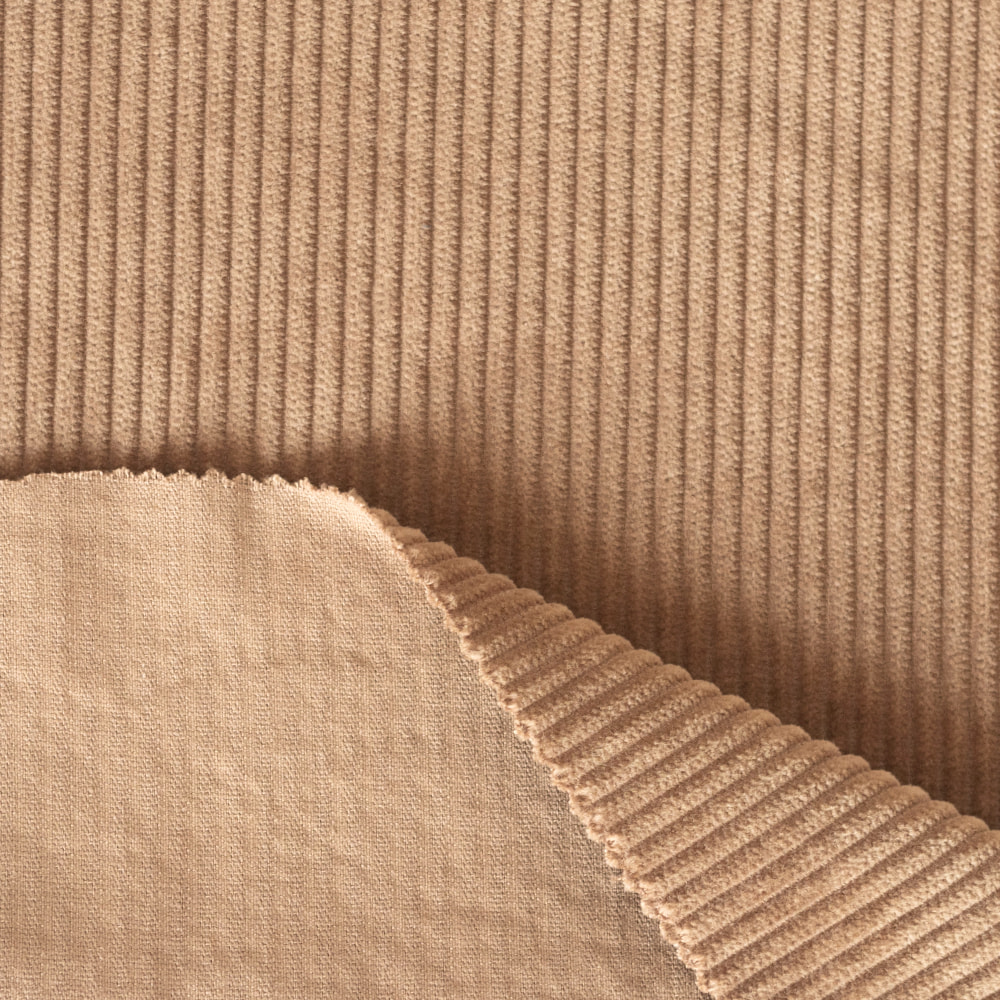
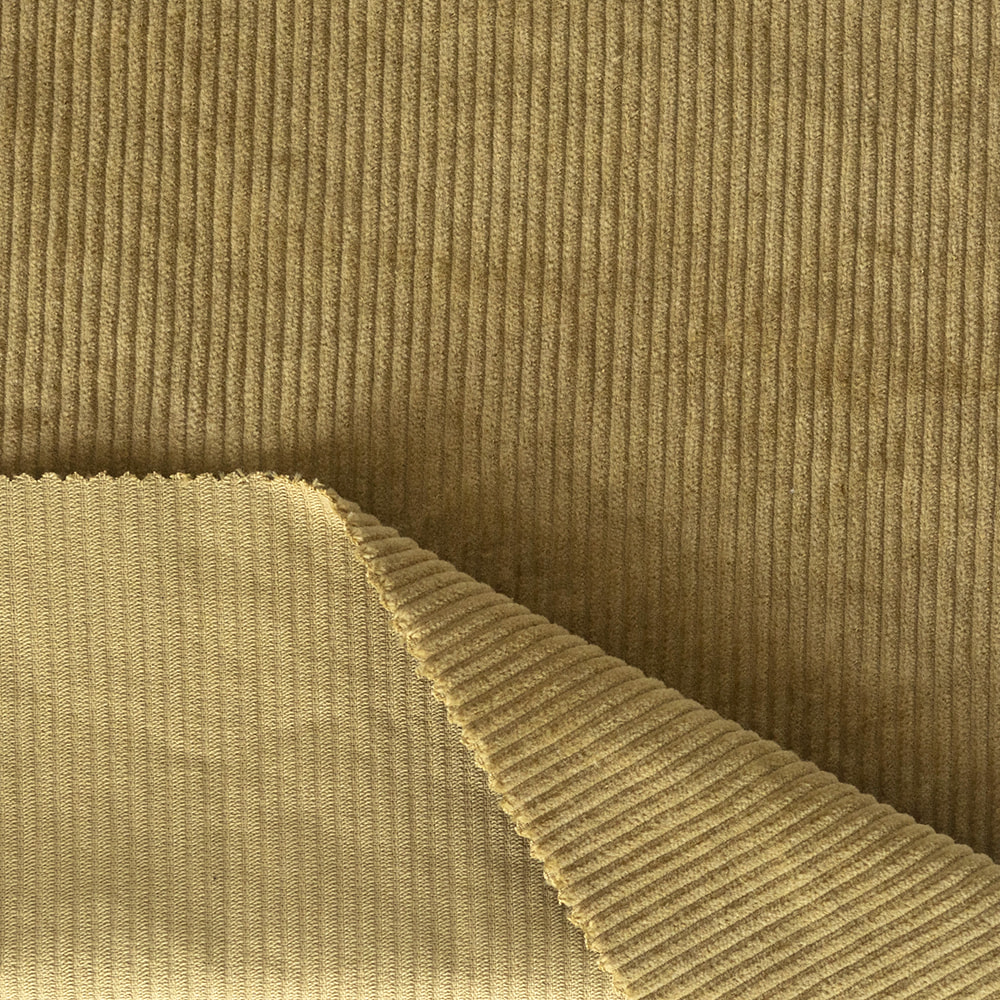
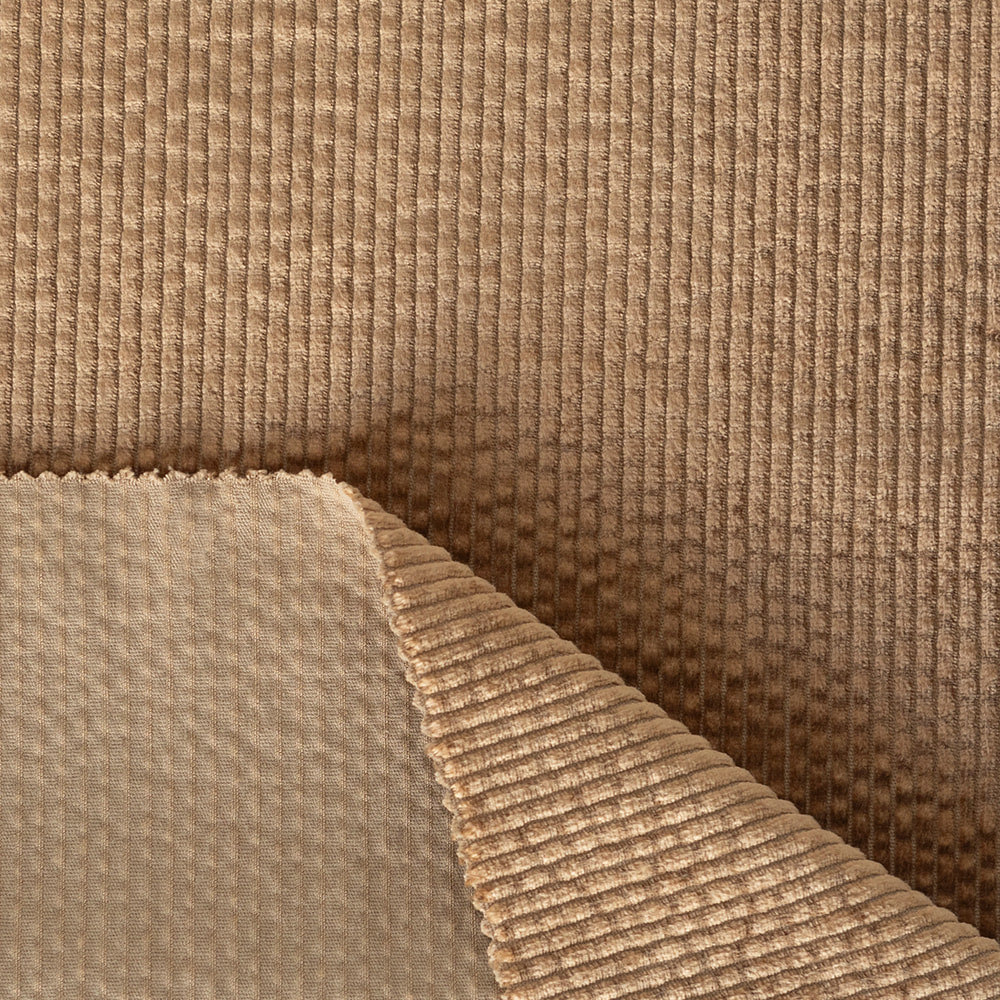
KLD10090 6-Wale Rough Cotton Non-Stretch Upholstery CorduroyThis 6-wale non-stretch corduroy suits contract-grade upholstery, hiding crush marks with wide ribs and resisting seam slippage while developing a patina for mid-century residential seating.View Product →Once your specification is fixed, the remaining risk shifts to production. Confirm the following points before committing to a bulk order.
A yarn-dyed brown corduroy offers an additional route for brand differentiation. Because the yarn is dyed before weaving, the resulting surface shows a deeper color at the ridge and a slightly lighter tone in the ground weave. That subtle contrast gives the fabric a richer, more dimensional appearance than piece-dyed construction can achieve at the same price point.
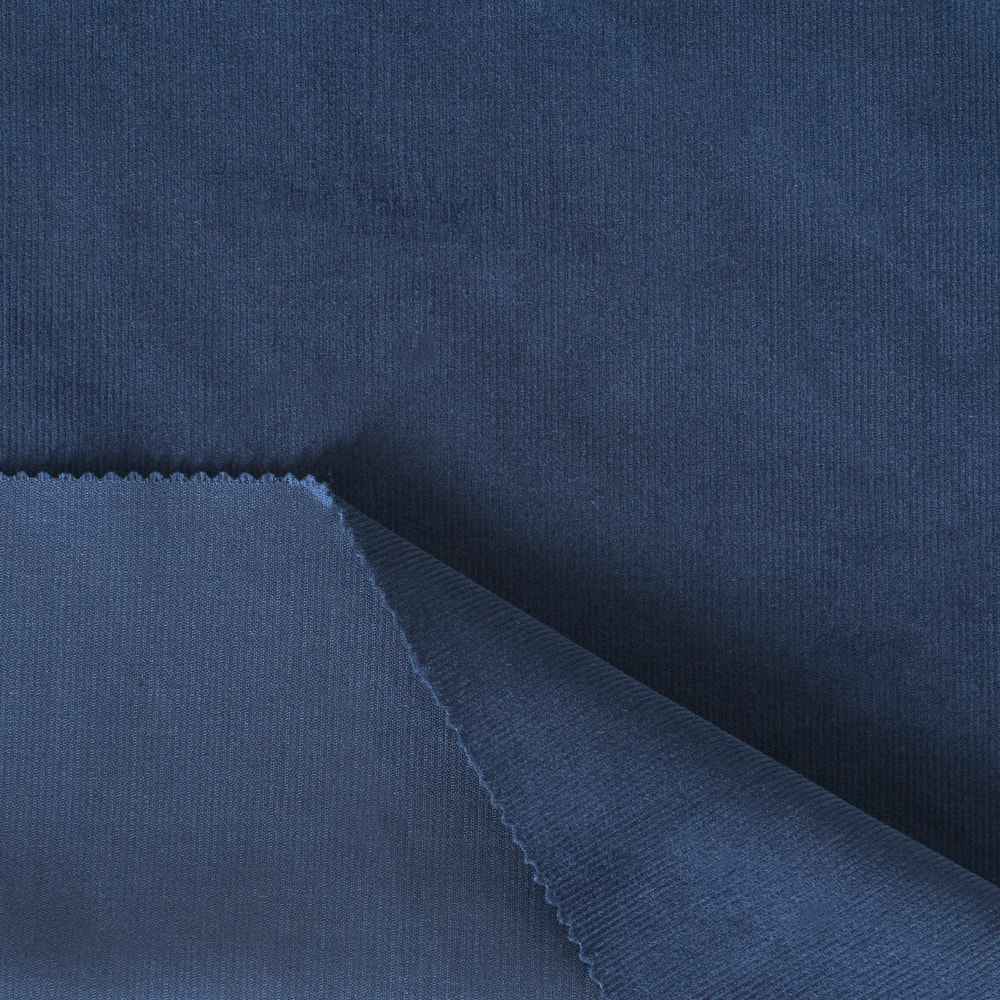
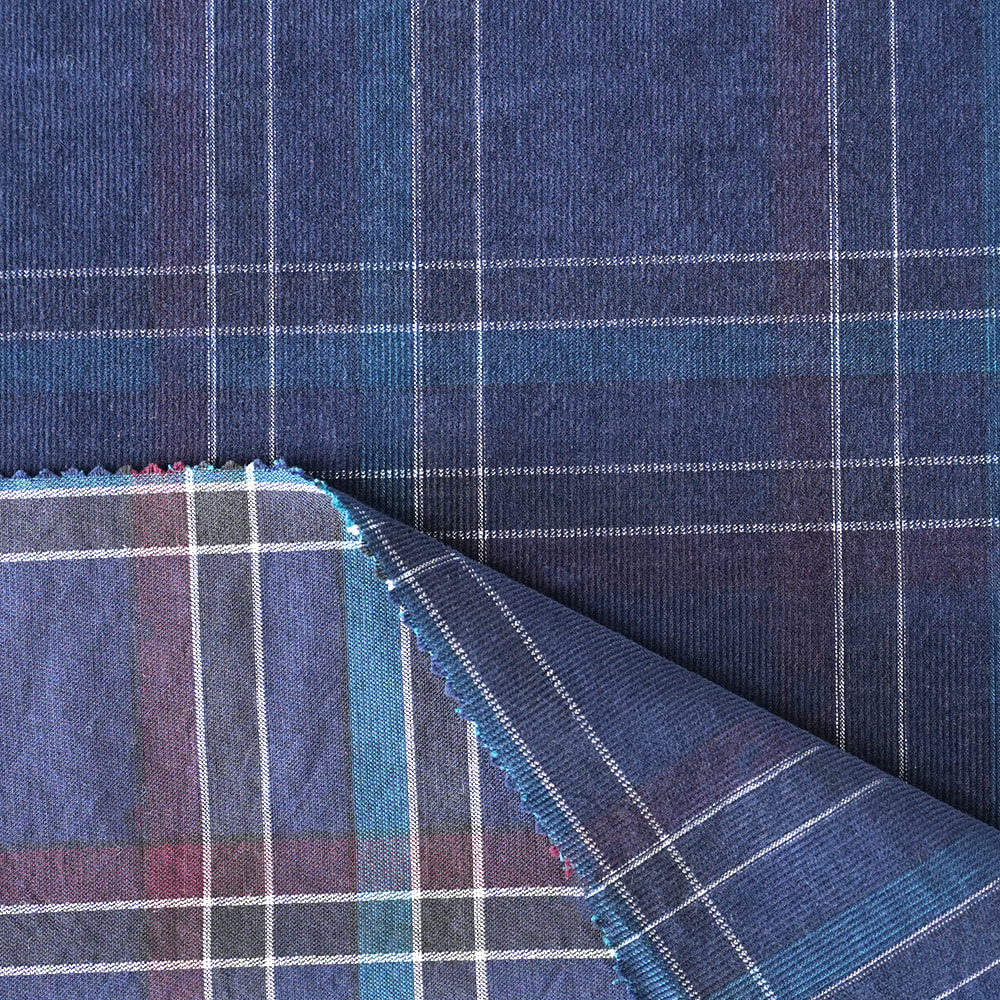 KLD00025 14-Wale Solid Plain Cotton Yarn-Dyed CorduroyYarn-dyed construction gives this 14-wale multi-purpose corduroy a richer, dimensional surface with ridge-to-ground contrast, supporting brand differentiation across apparel and other categories.View Product →
Brown corduroy fabric is a reliable, versatile material when you define the wale count, fiber blend, and stretch behavior before approaching the supplier. It performs predictably in cutting, sewing, and end use when those three specifications align with the application. For brands and manufacturers that need a steady production partner, a mill with integrated weaving, cutting, dyeing, and finishing simplifies everything from the first lab dip to final delivery. Start with a clear specification, verify the test data, and keep a neutral brown in your core range; it will sell across seasons and support multiple product categories at once.
Please feel welcome to contact our friendly reception staff with any general call us

+86 139 6116 7127

Email: cloud@jacquardcloth.com

Textile Industry Zone, East Hutang Town, Wujin District,213100 Changzhou,China
