

 English
 日本語



Get Directions
Textile Industry Zone, East Hutang Town, Wujin District,213100 Changzhou,China
Two mills quote the same 8-wale cotton corduroy at the same price per meter. Four weeks later one roll matches the approved swatch and the other reads half a shade darker under store lighting. Nobody in that chain made an obvious mistake; the brief never said which light source the color would be judged under, how many lab dips were allowed, or what shrinkage the finished garment needed. The mill filled the gaps with its own defaults.
That is why a workable apparel sourcing strategy starts with the fabric specification, not with a supplier list or a price target. Fabric carries most of a garment's cost, fit, drape and handfeel, and it is the part of the supply chain least forgiving of late changes. Build the specification first and the sourcing questions answer themselves: which mill type, which region, which minimum, which lead time.
Content
Write the brief before the first email goes out, and make it specific enough that two mills reading it would weave comparable cloth. Language such as soft mid-weight cotton corduroy guarantees three quotes for three different fabrics.
| Brief field | What to write down | Why it changes the outcome |
|---|---|---|
| Fiber content and blend ratio | 97% cotton / 3% elastane, plus or minus 2% | The blend drives hand, shrinkage and price; without a tolerance each mill picks its own ratio. |
| Wale count | 8 wales per inch, counted on finished washed cloth | Wale count sets weight, cost and which garments the cloth can serve. |
| Weight and usable width | 260 g/m2 finished, 145 cm usable | Weight is the fastest way to compare two quotes like for like. |
| Stretch and recovery | Two-way stretch, 12-15% elongation, no growth after washing | Direction and recovery decide whether trousers bag at the knee. |
| Color reference | Pantone TCX number plus the approval light source (D65) | A color approved under two lamps is two colors. |
| Dye lot tolerance | No visible seam mismatch when two lots are sewn; grey scale 4-5 | Lot drift is the most common reason bulk is rejected. |
| Shrinkage and finish | Maximum 3% warp and 3% weft after three home launderings | Uncontrolled shrinkage turns an approved fit into a claim. |
The brief does not need to be long, but it does need to be final. Mills quote against the document you send, and every change afterwards, whether a wale count or a finish, resets sampling and pushes the delivery window.
Supplier type should follow volume, technical risk and how much of the process you can supervise yourself. A 600-meter trial and a 40,000-meter repeat program do not belong in the same channel.
For a first season, a specialized vertical mill that accepts a pilot order is usually the lowest-risk option. Agents and platforms earn their margin later, when the work is coordination rather than development.
Brands lose margin when every style gets its own fabric. Ten styles then mean ten minimums, ten lab dip rounds and ten chances for a late delivery. Group the range into two or three fabric families, one cotton base, one blended base and one stretch base, and the same volume qualifies for better pricing with fewer approvals.
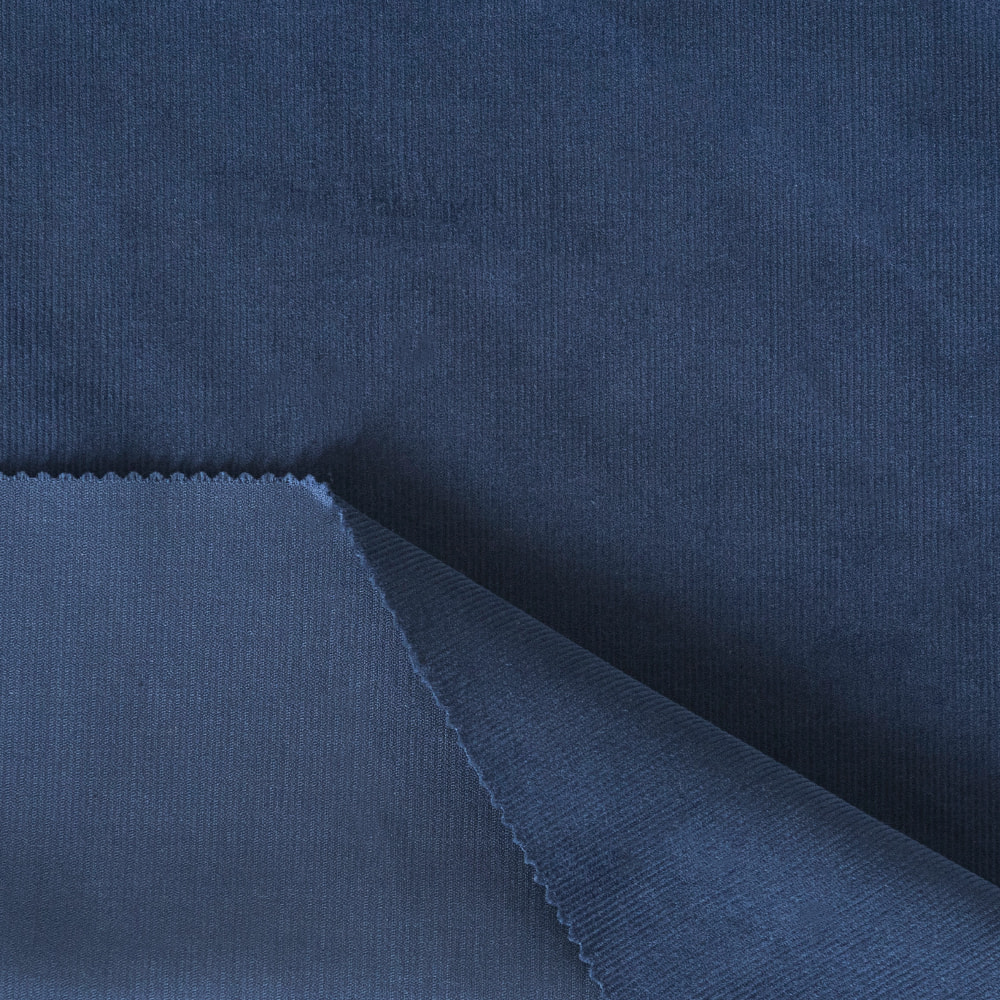
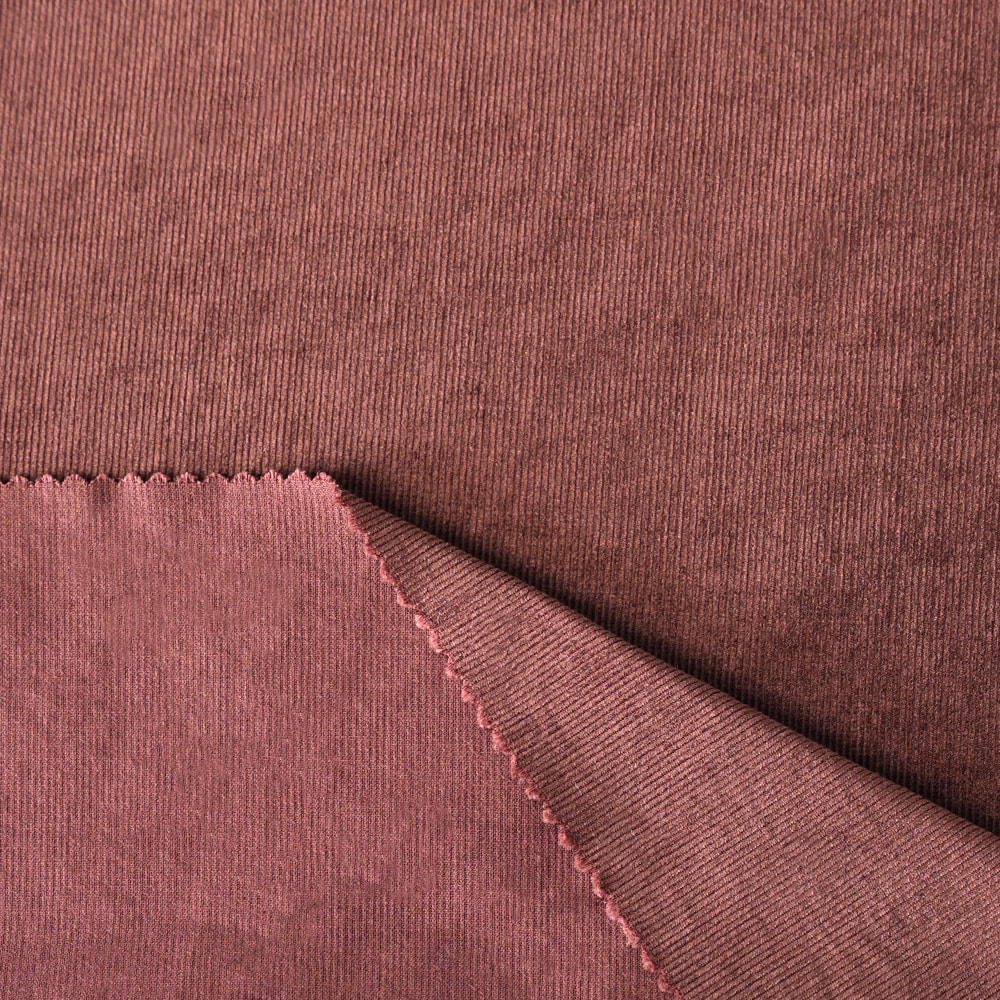 21W Tencel-Cotton Fine Wale Corduroy FabricA blended base option for grouping styles: 58% cotton/42% Tencel, 150 gsm, suitable for shirts, casual pants, bib overalls, and skirts.View Product →
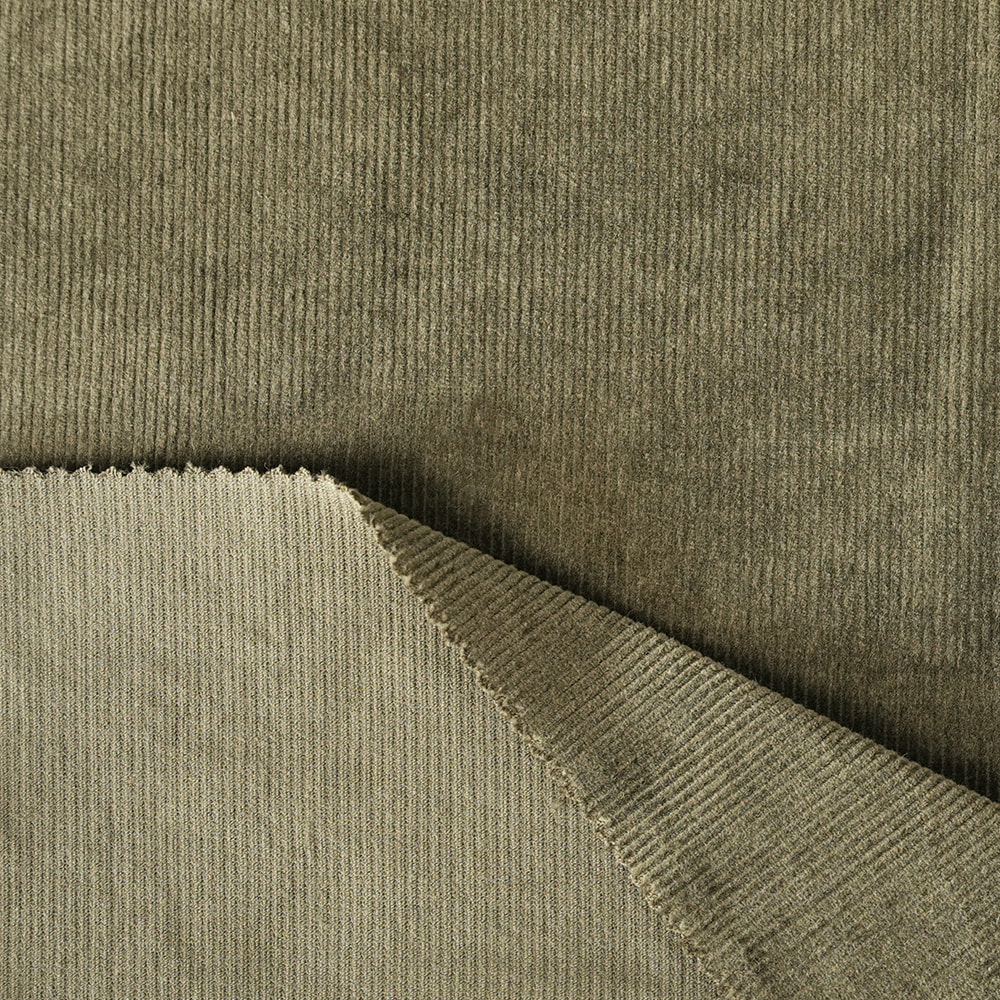
A 21-wale tencel-cotton piece-dyed corduroy shows how far one family can stretch: crisp enough for shirts, casual pants and bib overalls, soft enough for skirts, and stable enough to cut on patterns already proven in plain cotton. One approval cycle covers several styles instead of one.
Wale count is a functional decision, not a styling detail. It sets weight, coverage and how the cloth behaves on a sewing floor.
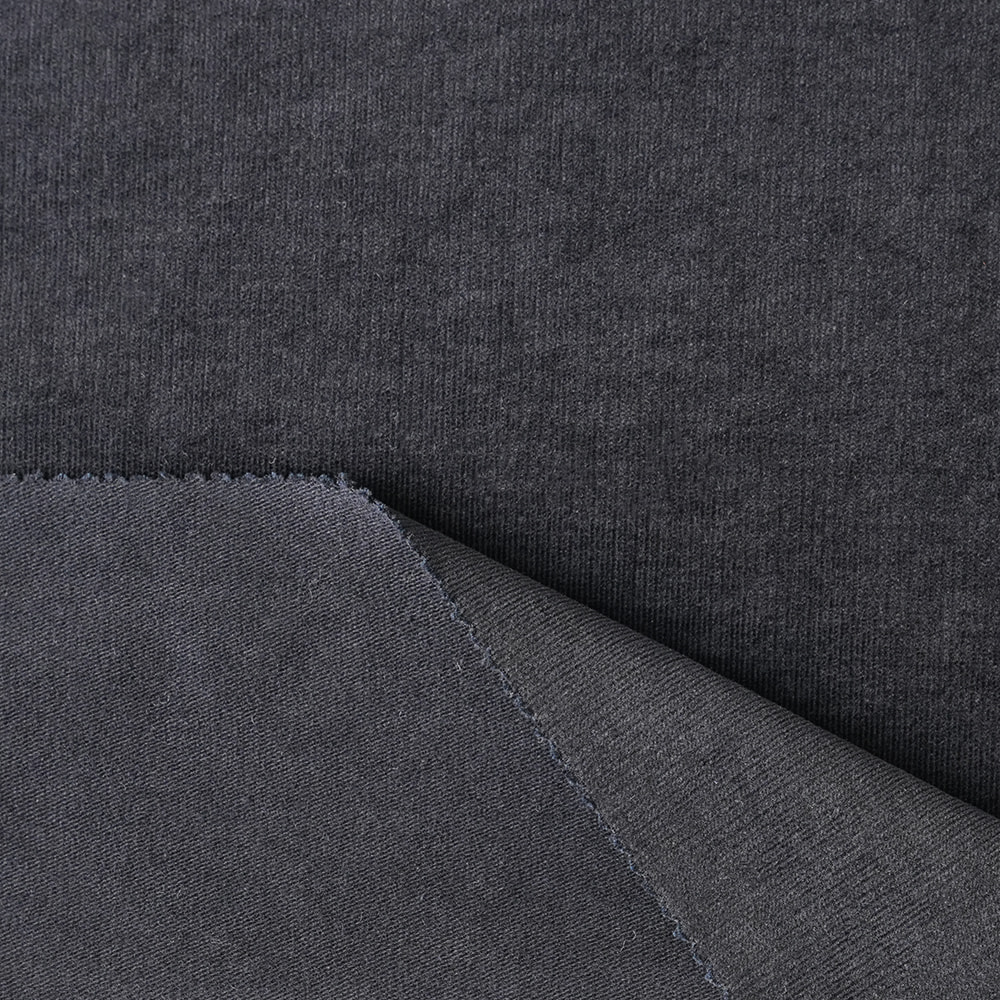 12W Bi-Stretch Corduroy for Trousers and Suits97% cotton/3% spandex bistretch corduroy at 340 gsm, intended for trousers, casual wear, and suits; check elongation and growth after three washes.View Product →
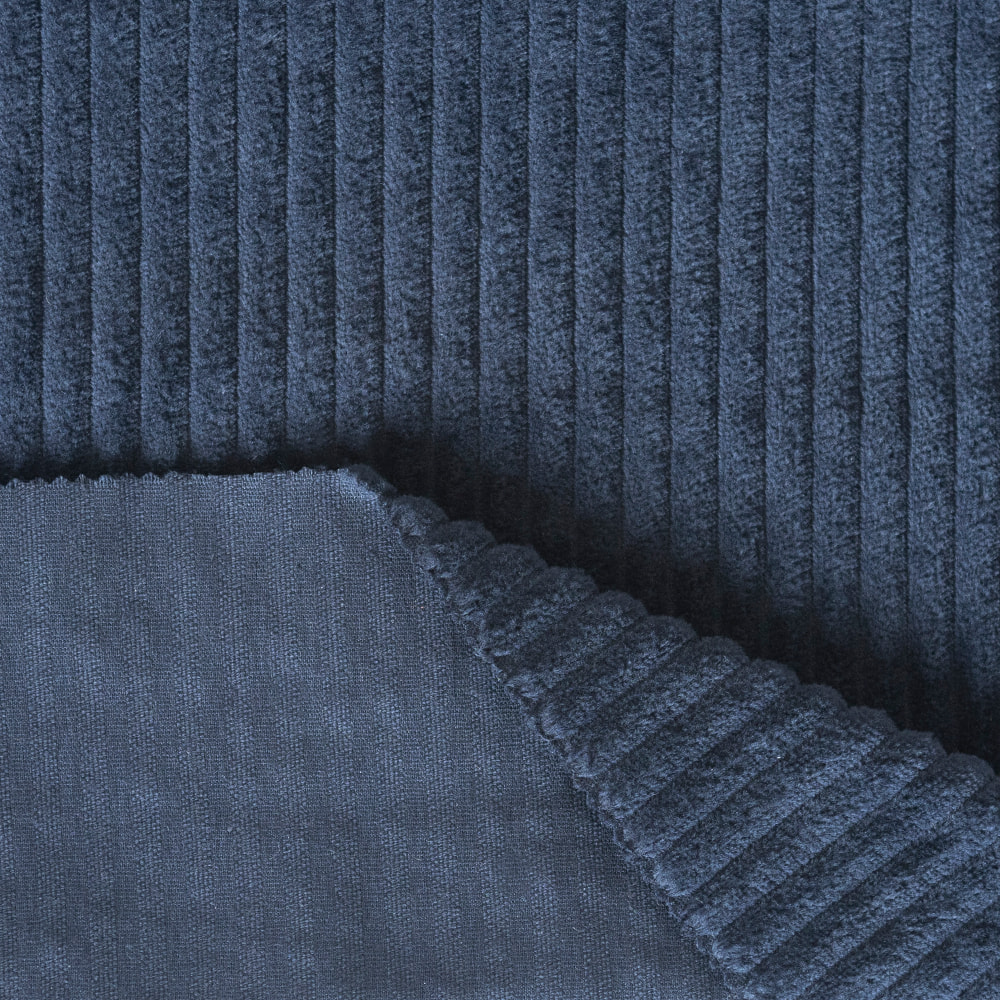
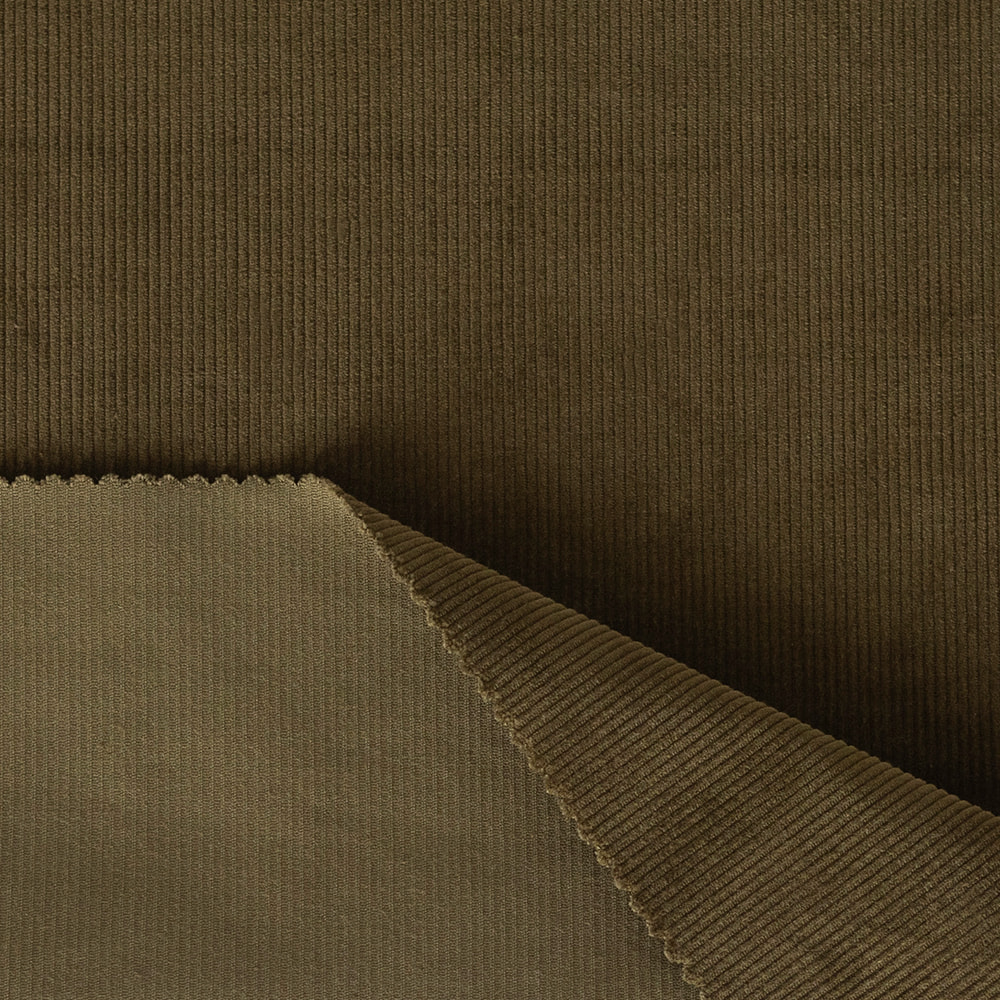
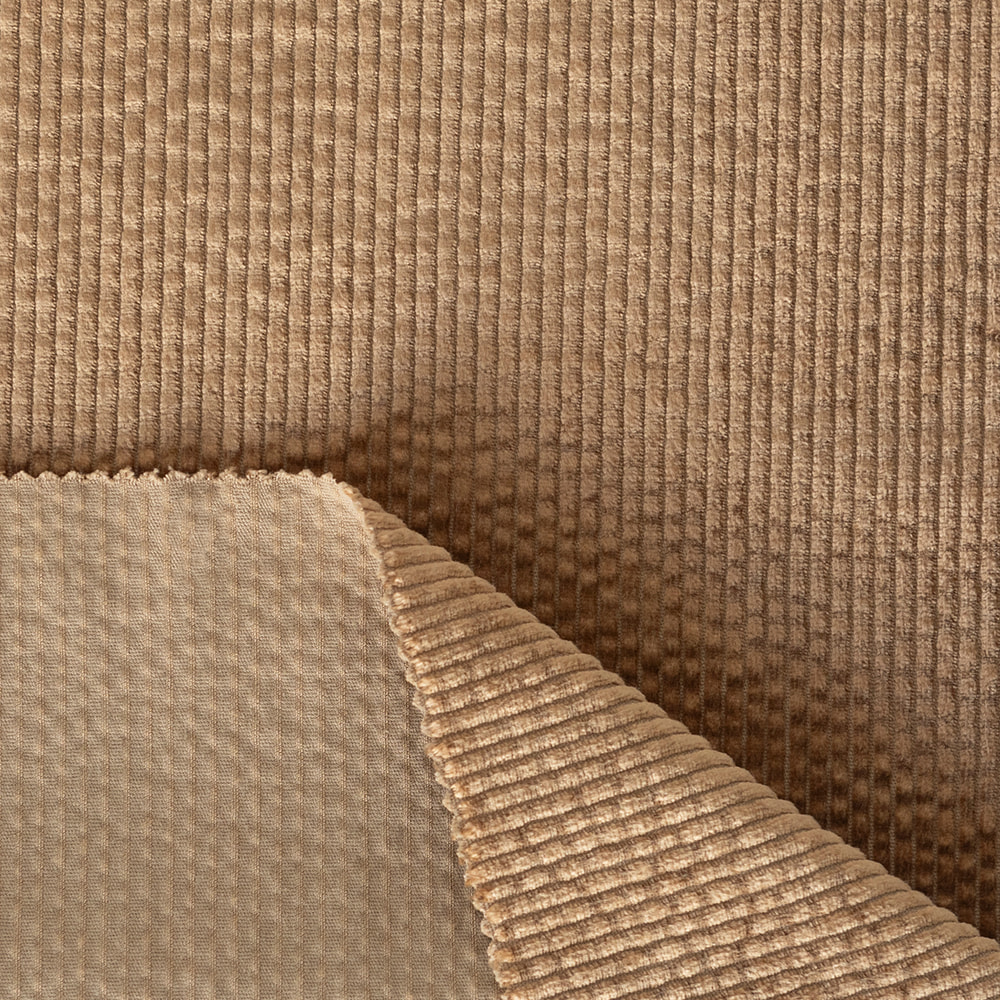
Stretch then decides how many garments the family can serve. A 12-wale bistretch corduroy with recovery in both directions will run through trousers, casual wear and unstructured suits, which is why qualifying one bistretch cloth often replaces three single-purpose fabrics. Check elongation and growth after three washes rather than trusting the stretch figure on the swatch card.
Color is where volume commitments get expensive. Approve the lab dip under the light the customer will shop in, usually D65 or a retail floor lamp, and put the reference number on the purchase order. Budget two or three dip rounds for a new shade and plan the calendar around them.
Ask the mill to retain a bulk swatch from every dye lot and to state the grey scale rating it can hold when two lots are sewn into one garment. A 4-5 rating is a reasonable commercial target; anything lower surfaces as a visible seam mismatch on dark shades.
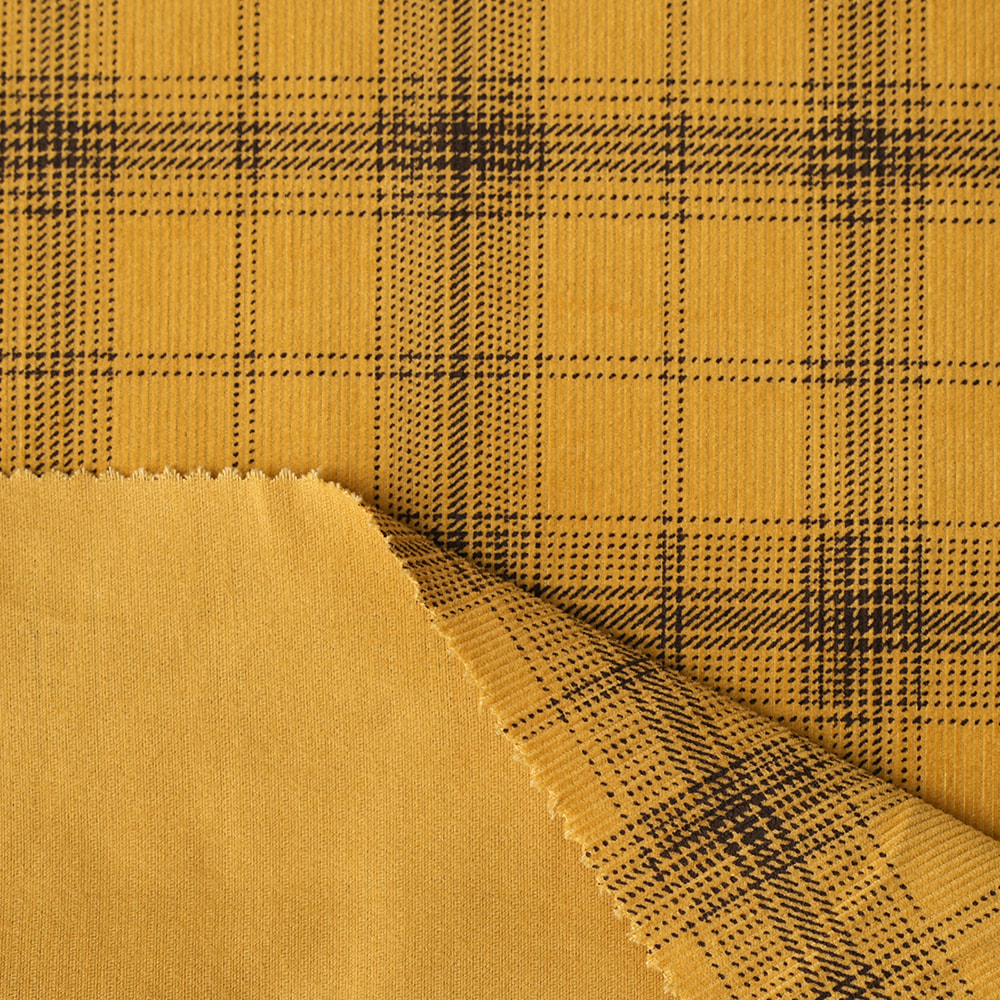 16W Printed Cotton Fine Corduroy FabricCotton printed corduroy at 200 gsm for children's clothing, shirts, and skirts; confirm repeat size and fastness before artwork is finalized.View Product →
Prints add an extra approval step: a strike-off on production greige rather than a digital file on paper. A 16-wale printed cotton corduroy destined for children's shirts and skirts should meet the same rubbing and washing fastness as the plain cloth, and the repeat size should be confirmed before artwork is finalized.
A quote that is six percent cheaper at FOB can be ten percent more expensive by the time the fabric reaches the cutting table. Give every line item a number before you compare offers.
When one facility controls weaving, pile cutting, dyeing and finishing, most of the variables described here sit inside a single quality system. That is the model behind CLDCLOTH, a corduroy fabric manufacturer running 200 air-jet looms and 20 jacquard air-jet looms in Changzhou, exporting cotton, tencel-cotton, modal-cotton and stretch corduroy to buyers in the Americas, Japan, Bangladesh and Southeast Asia. A revised wale count or blend can be sampled in one place instead of being passed between three parties.
That responsiveness matters most when demand shifts mid-season, which is why mills that align development with customer and market demand keep sampling costs down: base constructions are already qualified, and only the finish, color or print changes.
The strategy that survives a second season is the unglamorous one: a written brief per fabric family, two qualified suppliers per family, lab dips approved under the light your customer shops in, and a retained bulk swatch for every dye lot. Write the specification once and you stop paying for the same lesson every season.
Please feel welcome to contact our friendly reception staff with any general call us

+86 139 6116 7127

Email: cloud@jacquardcloth.com

Textile Industry Zone, East Hutang Town, Wujin District,213100 Changzhou,China
