

 English
 日本語
日本語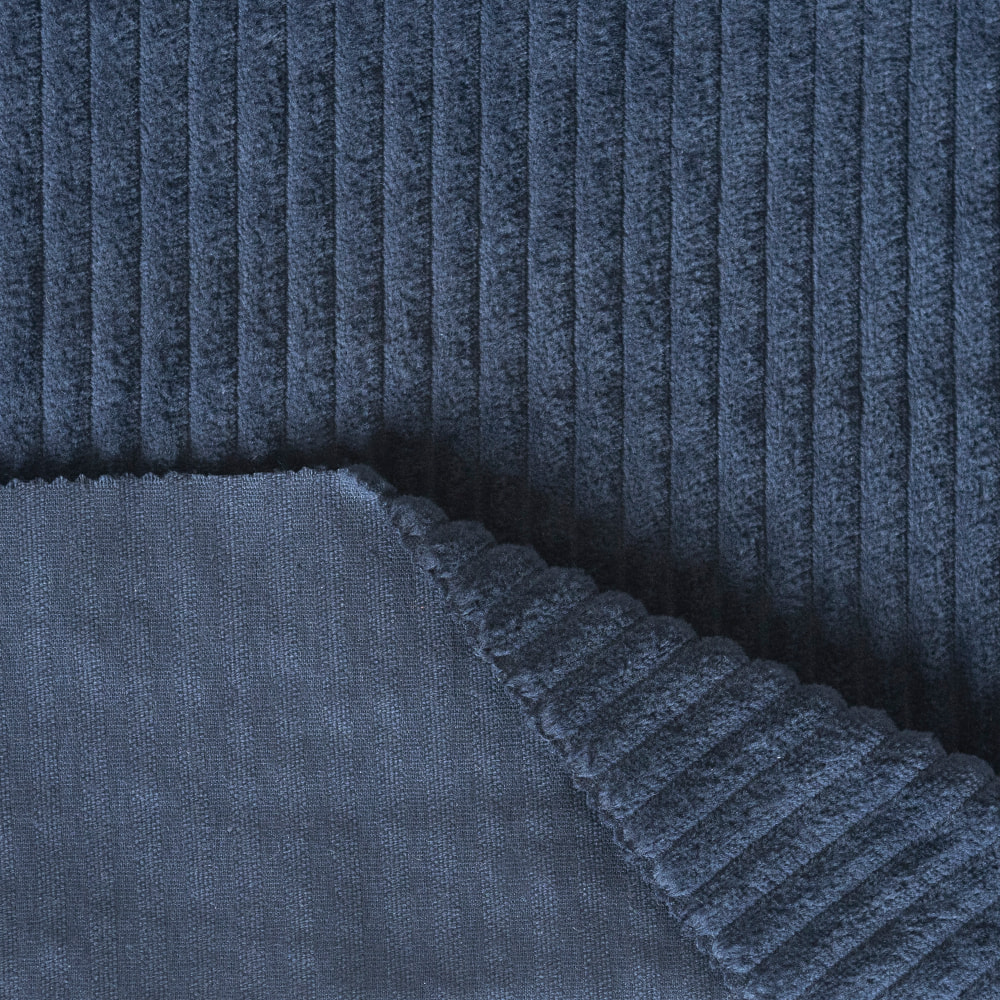

Get Directions
Textile Industry Zone, East Hutang Town, Wujin District,213100 Changzhou,China
Last November a home-textile buyer sent the same inquiry to four weaving mills: a 340 gsm canvas, 25 percent henequen agave fiber, the rest cotton, with a soft hand feel as a hard requirement. Three of the four mills came back within two working days offering 10 to 12 percent with a slightly crisp hand; the fourth proposed a different fiber entirely. Nobody was haggling over price. The pushback was physical.
Short answer: agave fiber is a tough, inexpensive cellulose leaf fiber that performs well in ropes, rugs, automotive parts, and low-ratio woven blends, but it does not replace cotton in next-to-skin fabrics unless it has been softened, cut to staple length, and blended into a finer yarn structure.
Content
Agave fiber is a leaf fiber extracted from the thick, fleshy leaves of Agave species. Two types dominate commercial supply: sisal (Agave sisalana), which accounts for most of world trade, and henequen (Agave fourcroydes), grown mainly in Yucatan, Mexico. Agave americana has been studied and used on a smaller scale. Blue agave, the species behind tequila, also leaves usable leaf fiber behind after harvest, which is why beverage and fiber supply chains occasionally appear in the same conversation.
Leaves are harvested by hand, usually starting three to four years after planting and continuing for several seasons afterward. Fresh leaves rot quickly, so they must be processed within hours. A decorticator crushes and scrapes the leaf, separating pulp from fiber bundles. What comes out is a long, coarse technical fiber that is washed, dried, and baled.
Depending on origin and variety, dried sisal typically contains roughly 65 to 78 percent cellulose, 10 to 15 percent hemicellulose, and 9 to 14 percent lignin. That lignin level, far above cotton's near-zero content, explains much of the stiffness, the tendency to yellow, and the resistance to the gentle chemistry that soft finishing depends on.
Table 1 puts typical commercial figures for sisal and henequen next to cotton. Batches vary by origin, retting method, and grading, so treat these as an order-of-magnitude guide rather than a specification.
| Property | Agave leaf fiber (sisal / henequen) | Cotton | What it means in practice |
|---|---|---|---|
| Cellulose content | About 65 to 78 percent | About 88 to 96 percent | Higher lignin and hemicellulose make the fiber stiffer and more prone to yellowing |
| Individual fiber length | Very short, often 1 to 4 mm, bound into long bundles | 18 to 36 mm | Cotton spins on its own; agave must be cut to staple or blended before ring spinning |
| Fineness | Coarse, bundles commonly 100 to 300 microns | 12 to 20 microns | Coarse bundles feel scratchy against skin, which limits next-to-skin use |
| Dry tensile strength | High, roughly 400 to 700 MPa | Roughly 300 to 600 MPa | Strength is the main reason to specify it in ropes, carpet backing, and composites |
| Elongation at break | About 2 to 4 percent | About 3 to 10 percent | Lower elongation gives a crisper, less elastic yarn |
| Moisture regain | About 11 percent | About 8.5 percent | Good moisture uptake, but more prone to mildew in damp storage |
Feed raw sisal into a cotton spinning line and you get breaks, fly, and a fabric that is unpleasant against the skin. The reason is fiber form. Agave arrives as coarse bundles, closer to a small rope than to a spinnable staple. The individual cells inside the bundle are only a few millimeters long, far too short to build a strong yarn, while the bundle itself is too stiff to bend into the tight geometry that knitting and weaving demand.
The industry fixes this in two steps. First comes softening: alkali treatment, enzymatic treatment, or a combination, removing surface waxes and part of the lignin. Second comes blending: the fiber is cut to cotton-system staple length and blended at the card or draw frame with softer staples such as cotton, viscose, modal, or lyocell. An agave content of 10 to 30 percent is common; past 50 percent the yarn turns harsh, brittle, and noticeably more fault-prone.
These blends are realistic wherever cellulose blending is already routine. Modal blended with cotton is a working example of what two cellulose fibers can do together, and it sets a fair benchmark for any agave project. The question is rarely whether the blend can be made; it is whether the mill is willing to absorb the abrasion the leaf fiber brings with it.
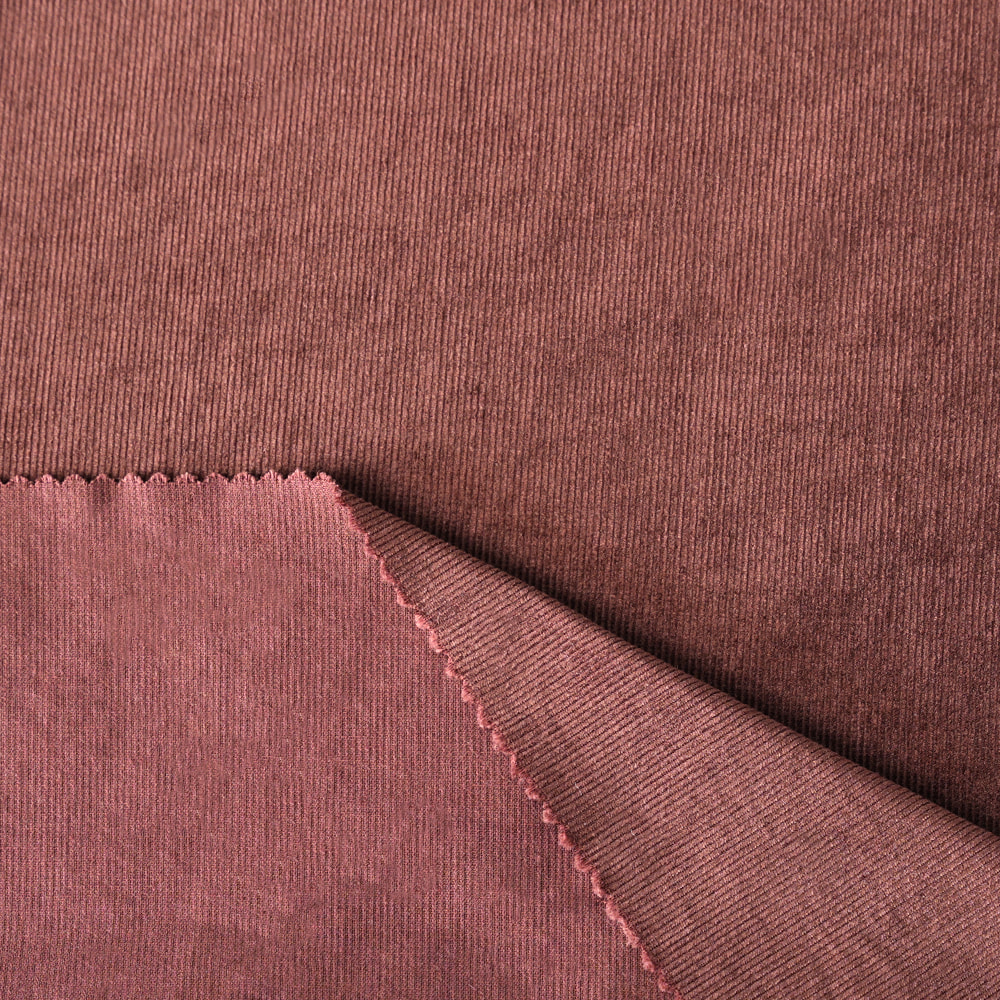 KLD10593 21W Tencel-Cotton Fine Wale Corduroy FabricA lightweight 150 G/SQM Tencel-cotton corduroy with fine wales, smooth drape, breathable comfort, and suitability for shirts, casual pants, and skirts.View Product →
Agave fiber earns its place when the finished product values toughness over softness. Three patterns hold up in practice.
Coarse yarn counts, high abrasion resistance, and low cost make agave fiber a natural fit for mats, doormats, carpet backing, and packaging textiles. Softness is not a requirement here, and the fiber's natural roughness works in its favor.
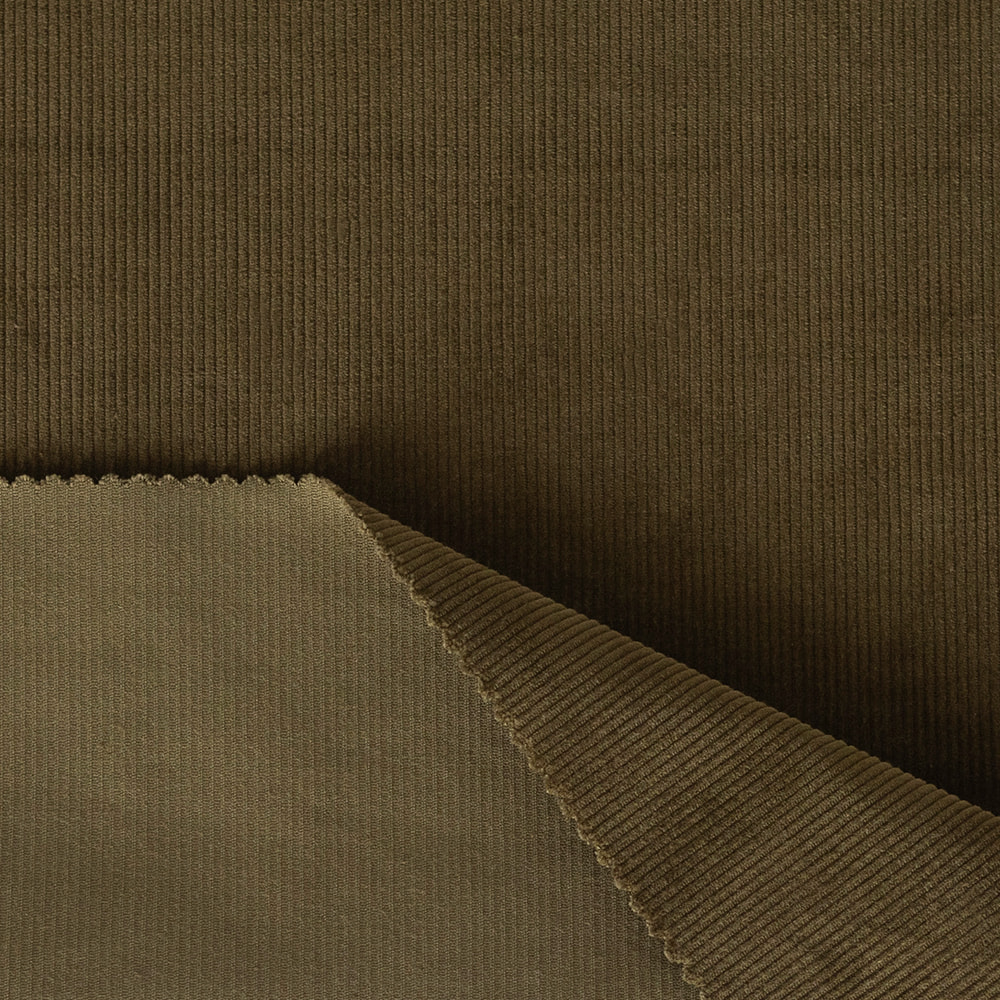
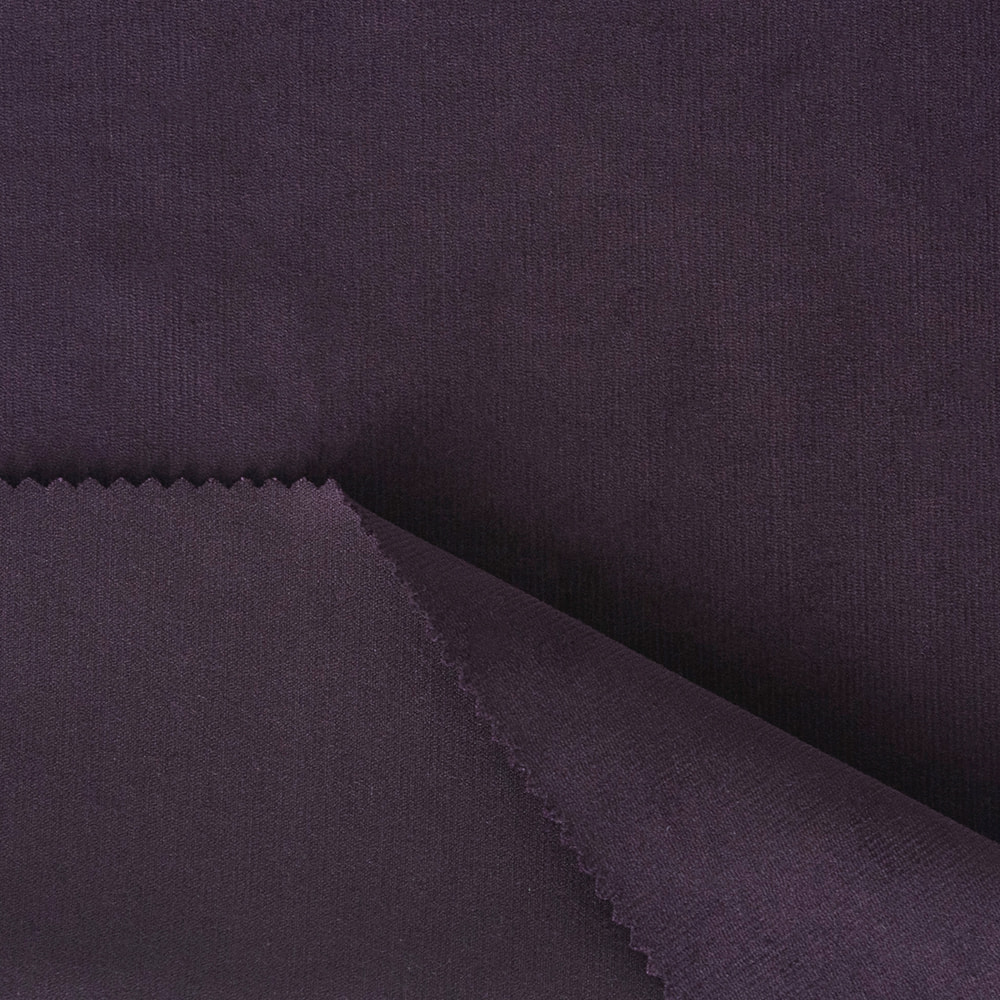
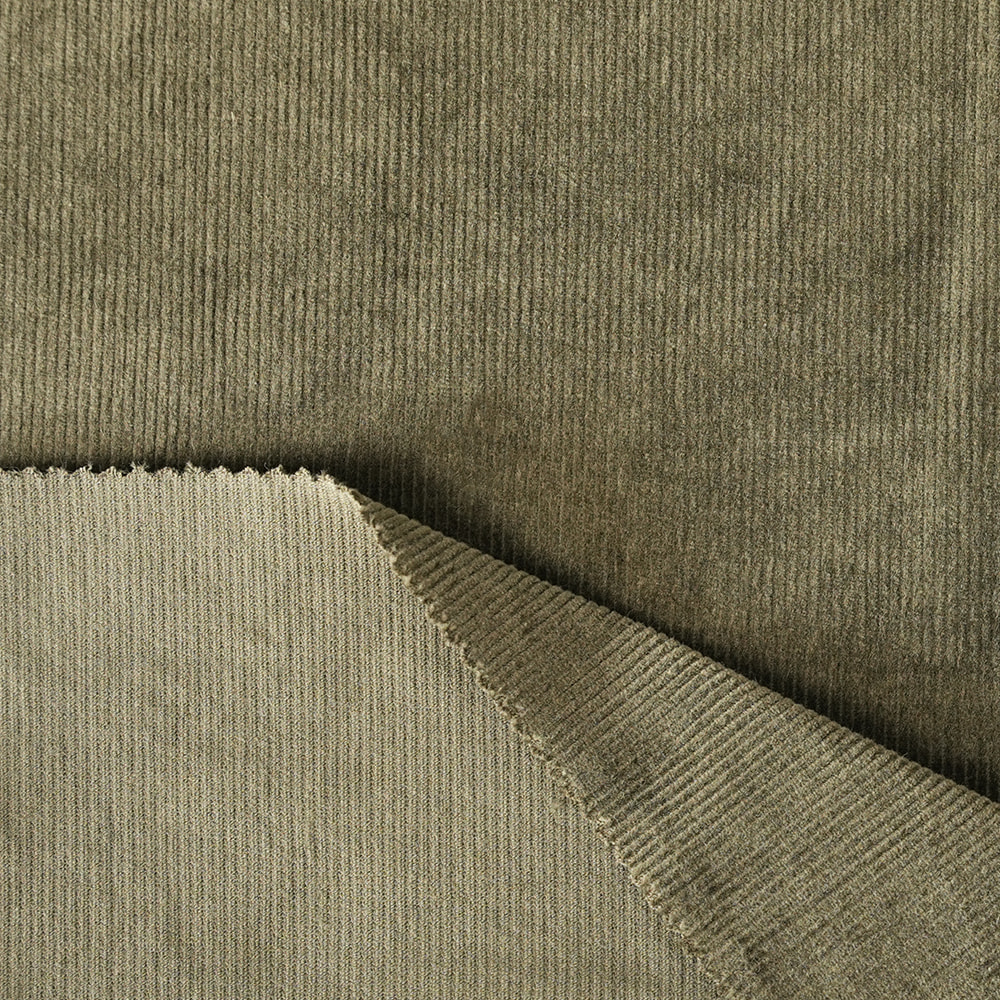
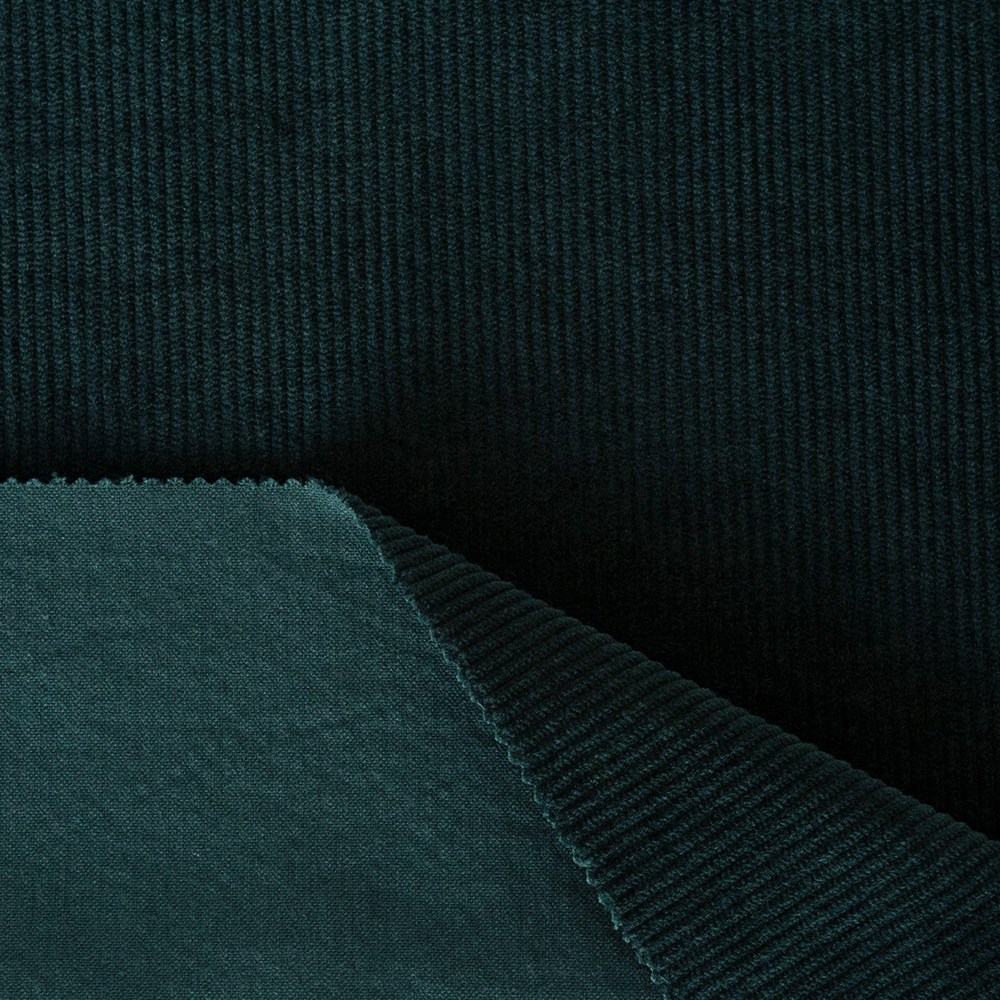
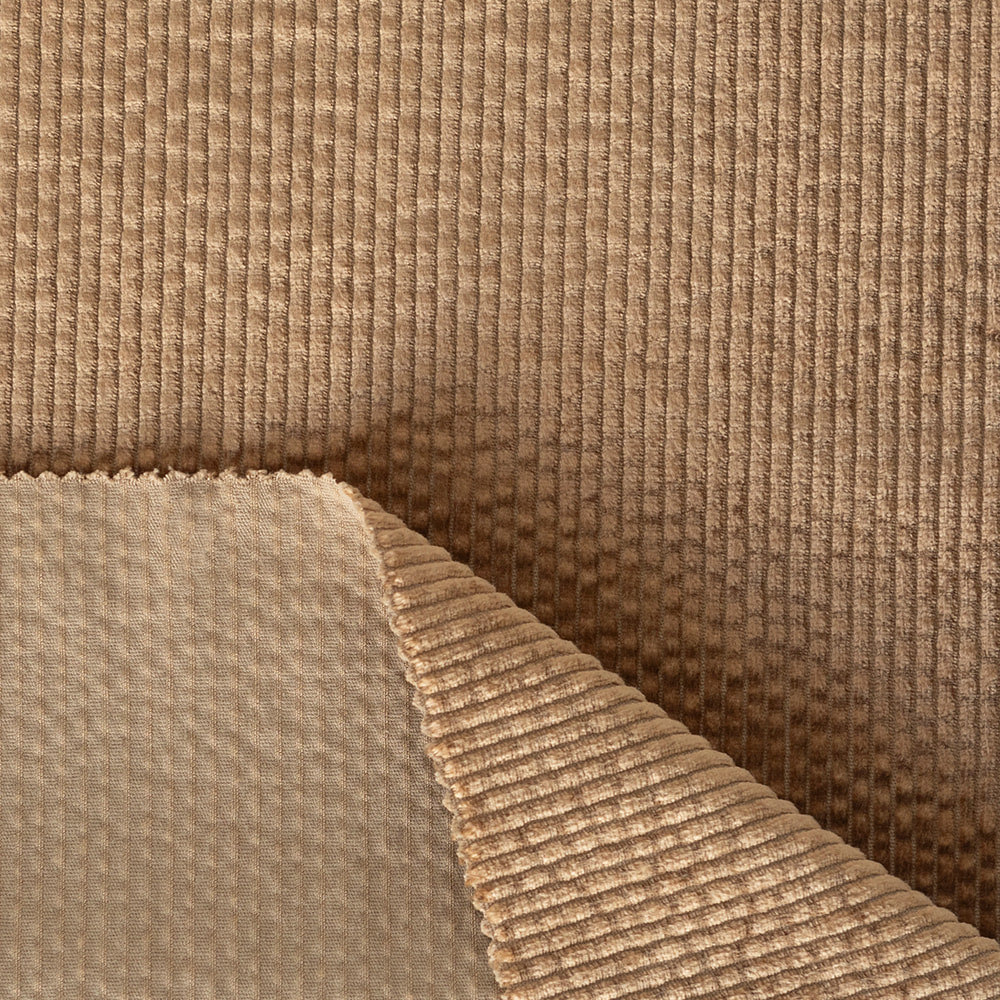
At 10 to 25 percent in blends with cotton or regenerated cellulose, agave fiber gives canvas, curtain fabric, and upholstery a dry, slightly rustic character. Woven structures forgive more than fine knits, and pile fabrics forgive more still. In corduroy, cut weft floats form the wales, which visually mask minor unevenness from coarse fiber while the ground structure carries the strength. The same logic applies to heavy twills where a firm hand is already expected.
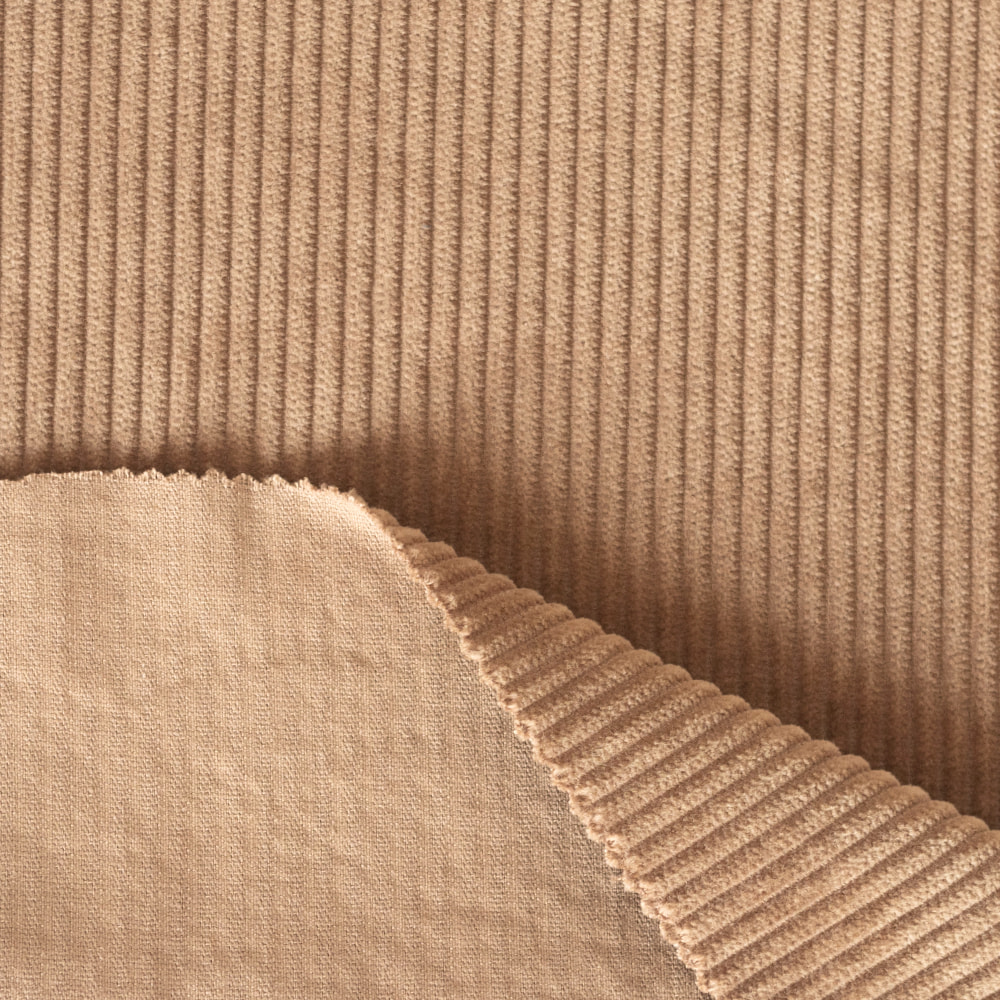
 KLD10253 8W Rayon-Cotton Piece-Dyed Corduroy FabricThis 290 G/SQM rayon-cotton corduroy combines 63% cotton and 37% rayon for soft fluff, rich color, warmth, and breathability in casual pants and shirts.View Product →
Door panels and interior trim are made with agave fiber at 20 to 40 percent by volume in a polypropylene or bio-based matrix. The fiber reduces weight against glass fiber while keeping stiffness adequate. Brake pads, thermal insulation mats, and geotextiles sit in the same technical category.
There is no single commercial standard called agave fiber, and origin matters enormously, so the cheapest quotation is often the hardest one to qualify. Put these details in writing before committing:
One more item belongs on the list even though it is not a quality parameter: abrasion. Agave fiber carries silica and lignin, so it wears reeds, heddle wires, and guide elements faster than cotton does. Ask whether the blend has already been trial-woven, and on which machine type.
The sustainability argument holds up in several places. Agave grows on low-rainfall, poor soils without irrigation, and leaves can be cut repeatedly for years before replanting. Pesticide demand is generally low compared with cotton, and the fiber is biodegradable.
The caveats matter too. Decortication and softening consume water and chemicals, and the effluent has to be handled. Fiber shipped from East Africa or Mexico to a spinning mill carries a transport footprint. In a low-ratio blend, agave substitutes for cotton in some functions, not all of them, so building an entire environmental claim on it overstates the case.
The honest position: agave fiber is a low-input, bio-based fiber with a clear role in durable goods and a supporting role in blended fabrics. Suppliers claiming a fully green agave supply chain without process documentation are telling half a story.
If you are evaluating an agave-containing fabric, settle three things before sampling: the softness floor your end use actually requires, the maximum agave ratio your finished product can carry, and how consistently the fiber can be resupplied in the same grade. Where those three line up, agave fiber performs well in ropes, floor coverings, upholstery, and composites. Where they do not, no discount on the fiber will rescue a season of unsellable fabric.
Please feel welcome to contact our friendly reception staff with any general call us

+86 139 6116 7127

Email: cloud@jacquardcloth.com

Textile Industry Zone, East Hutang Town, Wujin District,213100 Changzhou,China
