

 English
 日本語
日本語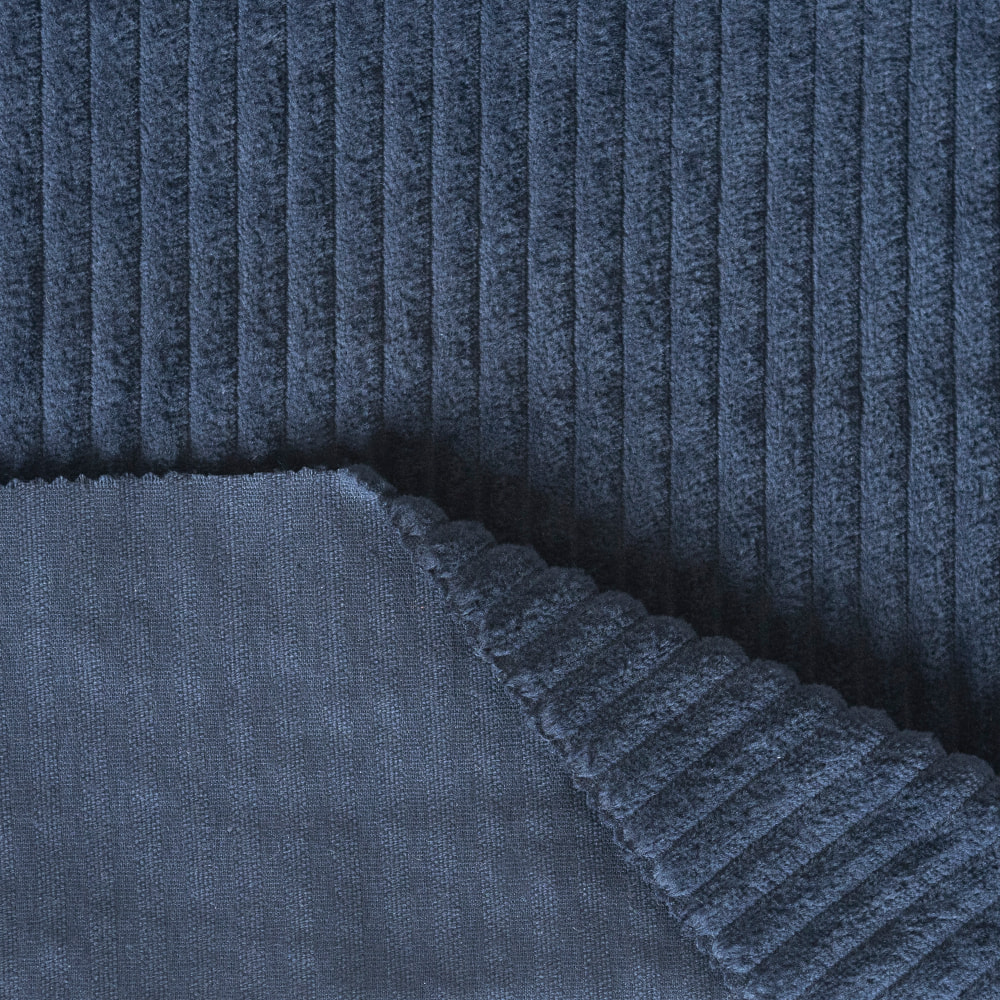


Get Directions
Textile Industry Zone, East Hutang Town, Wujin District,213100 Changzhou,China
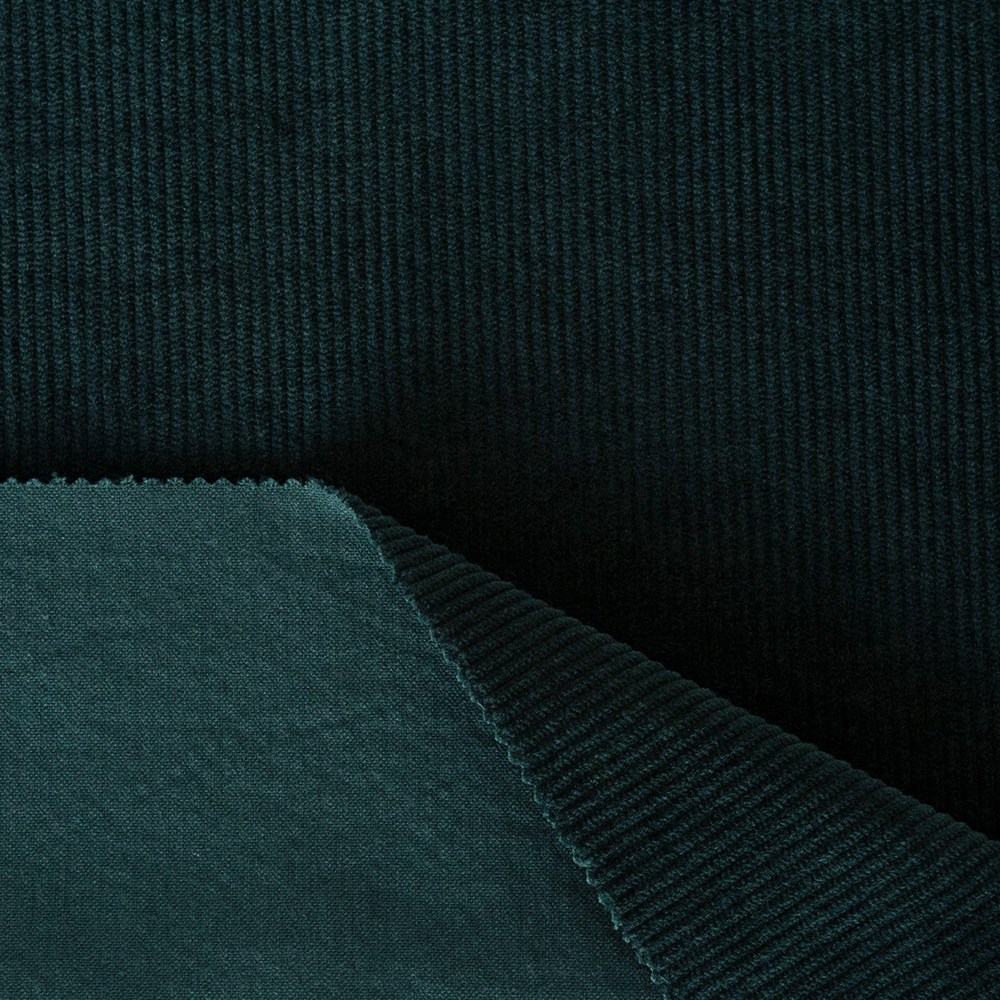
A 12-wale stretch corduroy with 5% elastane, dyed to a deep black and finished with a silicone softener is one of the hardest fabrics in a garment line to recycle. Not because the technology is missing, but because every decision that made it feel good in the hand and behave well in wear also made it expensive to take apart. That is the conclusion most buyers reach after their first recycled-content pilot, and it is why the useful question is not which recycler to use, but what went onto the loom.
What follows is how the main recycling routes actually behave, where corduroy specifications help or block them, and what to put in a specification sheet before a trial order is placed.
Content
Three specification decisions account for most of the difference between a fabric that returns to fibre and one that ends up in energy recovery.
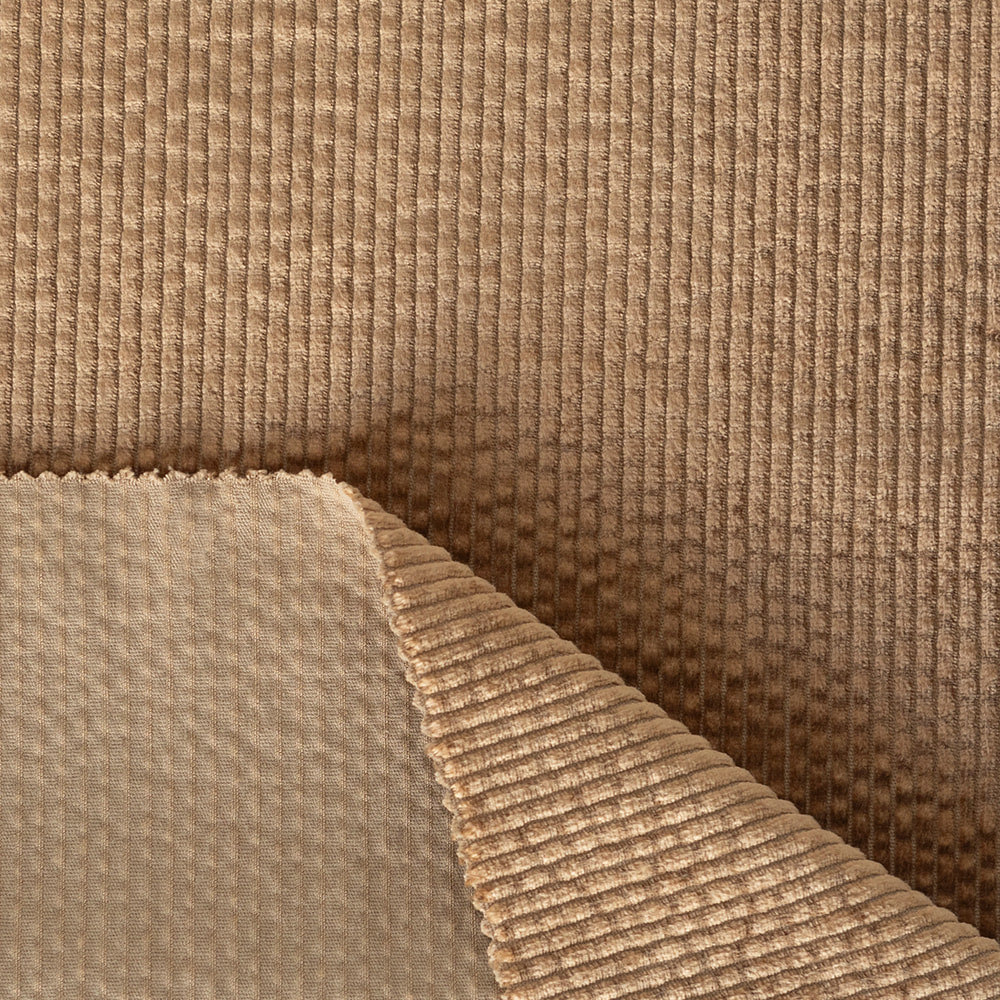
Corduroy adds a fourth variable: the cut pile. A pile that survives industrial laundering is normally built from tightly twisted, higher-tenacity yarns, and those same yarns give longer staple when the fabric is shredded. Softer, low-twist pile yarns feel better in the hand but shed more fibre in the cutting room and the shredder, a trade-off that rarely appears in a brief that only mentions handle.
Mechanical recycling covers cutting-room waste and sorted post-consumer garments that are opened and garnetted back to loose fibre. It is inexpensive, mature and available at industrial scale. Its constraint is physical rather than chemical: virgin cotton spinning fibre sits around 25-30 mm, while mechanically opened cotton typically comes back at roughly 12-22 mm depending on the input and the number of passes.
Shorter staple means lower yarn counts, more twist to hold the yarn together, and a ceiling on how much recycled content a yarn can carry before strength falls away. In practice recycled cotton is blended with virgin cotton or with polyester as a carrier fibre, and lands in denim, workwear, sheeting and heavier woven qualities. Sorting quality then decides the output colour: near-infrared sorting with vision systems can separate cotton from polyester and eject elastane-containing knits, but colour sorting remains the bottleneck, and unsorted mixed shades return as grey-brown fibre that needs re-dyeing.
| Route | Feedstock it accepts | Output | Main constraint |
|---|---|---|---|
| Mechanical garnetting and re-spinning | Single-fibre cutting waste, sorted post-consumer cotton or polyester | Short-staple fibre, blended with virgin fibre or a carrier polymer | Staple length falls; elastane and mixed shades degrade quality |
| Chemical, polyester depolymerisation | Polyester-rich streams, ideally above 90% PET | PET equivalent to virgin polymer | Dyes, cotton residues and other polymers interfere with the reaction |
| Chemical, cellulose dissolution | Cotton-rich waste with very low elastane and low synthetic content | Regenerated cellulosic filament, lyocell type | Solvent recovery demands near-pure cellulose feedstock |
| Thermal recovery of mixed waste | Dirty, multi-material, laminated or coated waste | Heat and power, no fibre | Lowest value per tonne; a last resort, not a strategy |
Polyester depolymerisation by glycolysis or methanolysis breaks PET back to monomers and repolymerises them into polymer that is indistinguishable from virgin PET. The process is established; the limitation is appetite. It wants PET-rich feedstock, which makes a 60/40 cotton-polyester corduroy, common in cost-driven upholstery programmes, exactly the wrong input unless the cotton is separated first.
Cellulose dissolution, the NMMO and ionic-liquid systems behind lyocell, takes cotton waste back to a regenerated filament with solvent recovery rates above 99% in modern plants. Several pilot lines now use pressurised water and a mild acid to split cotton from polyester before dissolution, which is what makes polycotton blends addressable at all. What every one of these routes shares is intolerance: elastane, dye classes that resist extraction and hard finishes such as resin cross-linkers each reduce yield or contaminate the recovery loop.
This is where fibre choice starts to pay. A cotton blended with regenerated cellulose rather than with elastane or polyester keeps the whole fabric inside one chemistry family, so a recycler does not have to separate the components before processing them together.
 21W Tencel-Cotton Fine Wale Corduroy FabricA cotton-Tencel corduroy for shirts, casual pants, bib overalls and skirts, keeping cellulose and cotton in one chemistry family for recycling planning.View Product →
Stretch, however, is often non-negotiable. For trousers, jumpsuits and children's wear the more defensible compromise is the lowest elastane percentage that still passes the recovery test and a structure that can still be opened mechanically. A style such as a 21W bistretch corduroy with a moleskin back is the kind of construction worth asking about: if the elastane content is fixed and declared at style level, a recycler can plan around it instead of rejecting the batch.
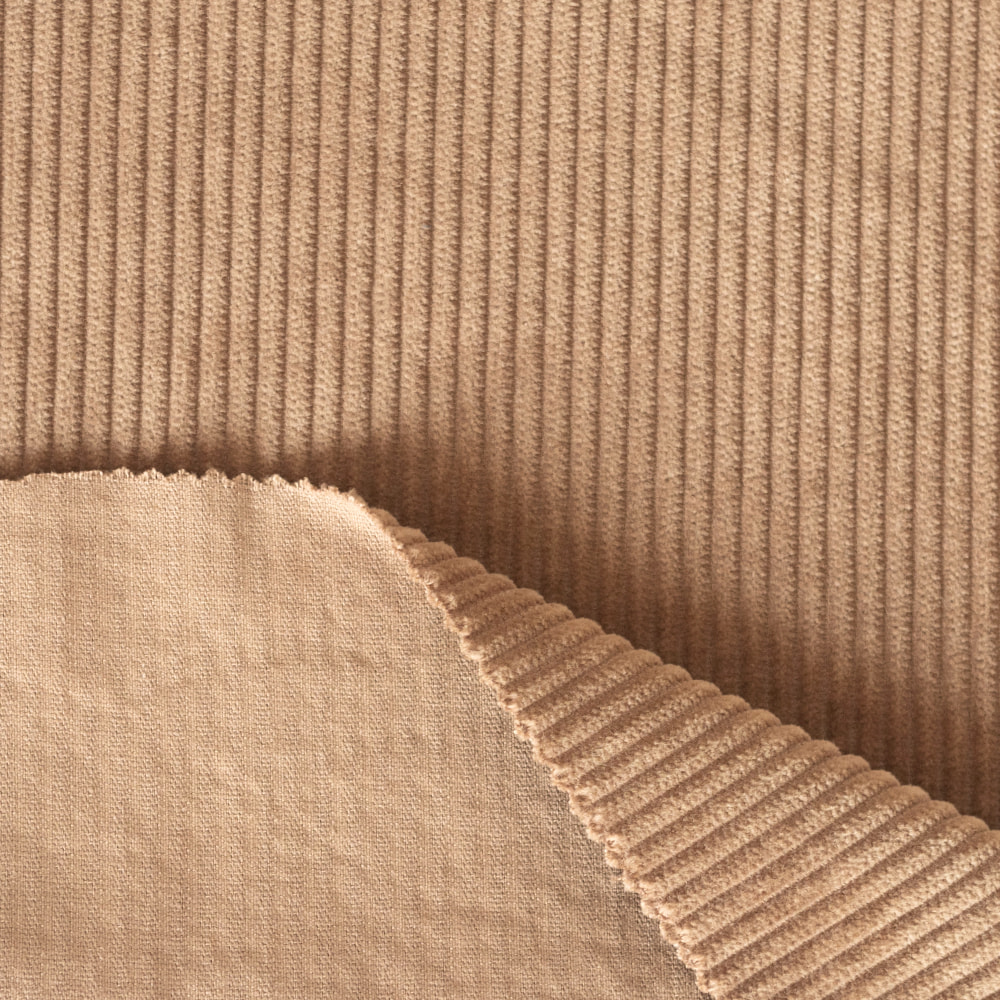
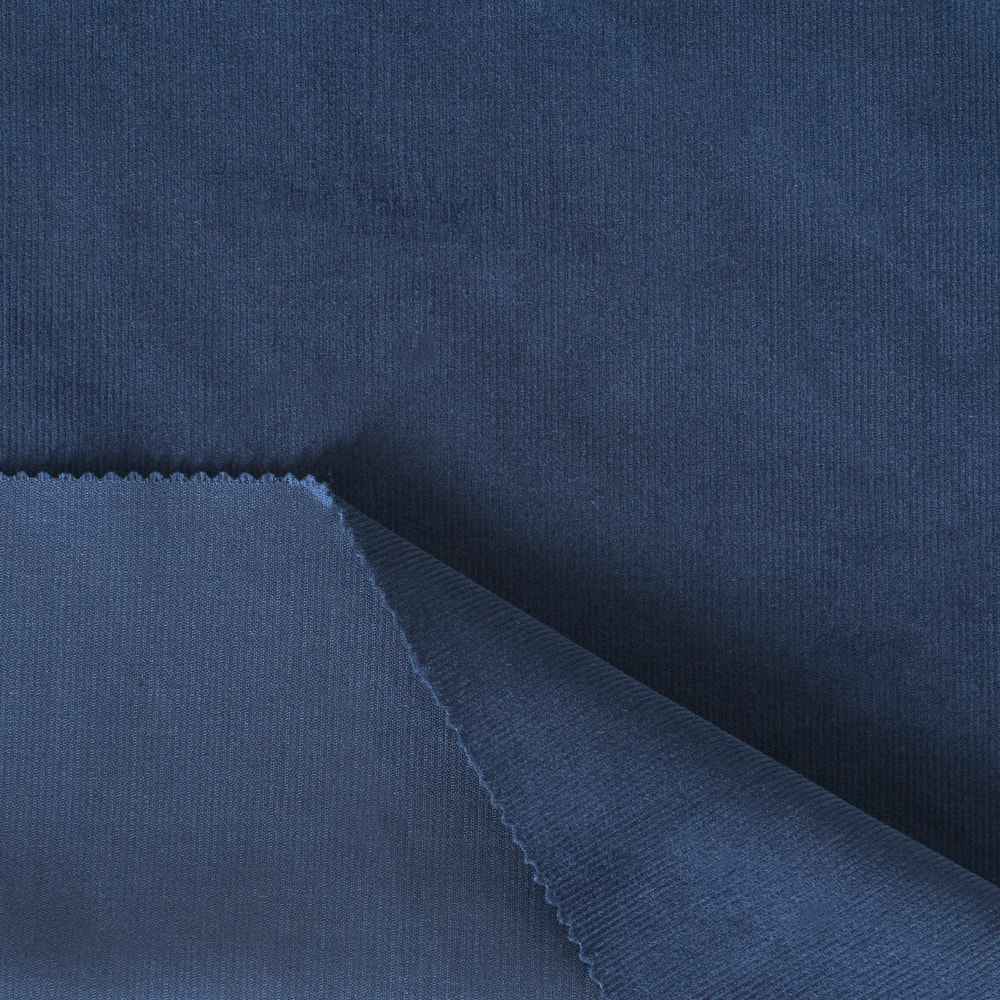
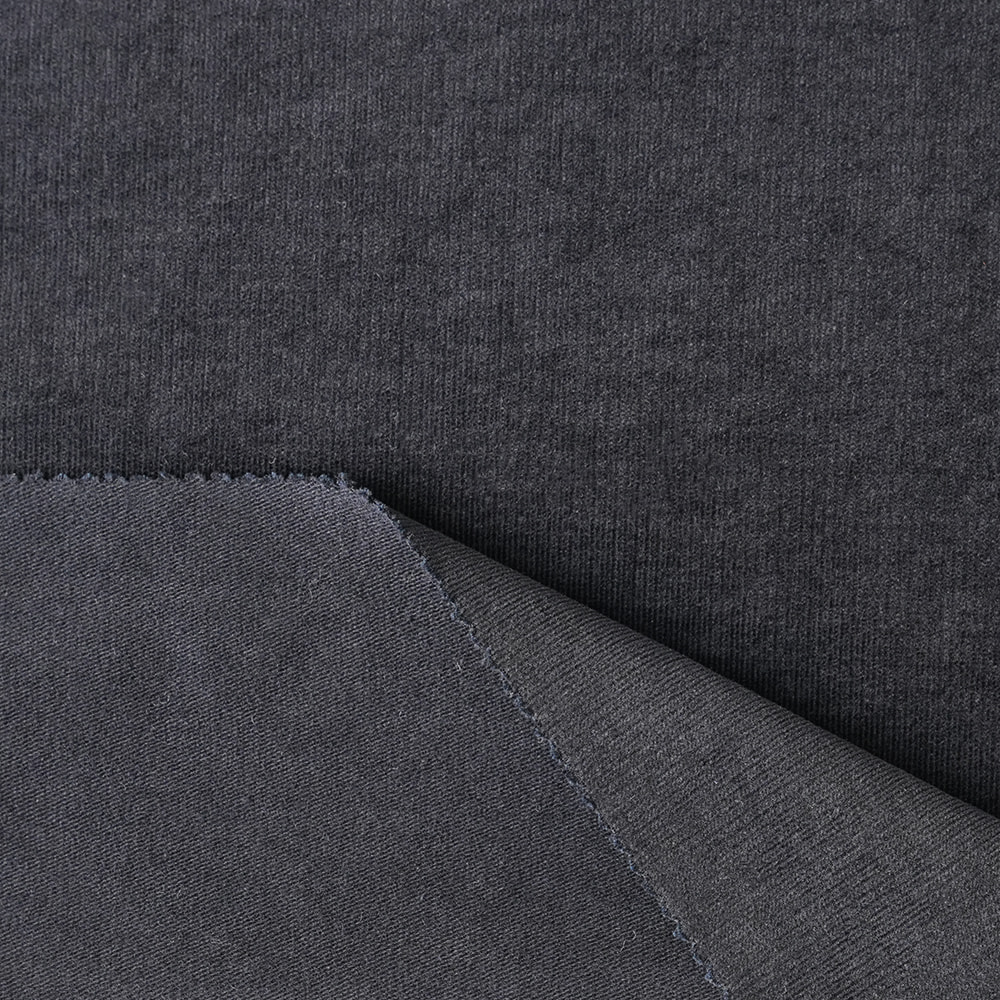 21W Bi-Stretch Corduroy with Moleskin BackCotton-spandex corduroy with a moleskin reverse for trousers, casual wear and women's suits; declared elastane helps recyclers plan around the blend.View Product →
None of the following is exotic, and all of it is settled before the first bulk order.
A 3.5W wear-resistant non-stretch cotton corduroy is a good reference point for this kind of thinking, because it gives up nothing in durability in order to stay recyclable.
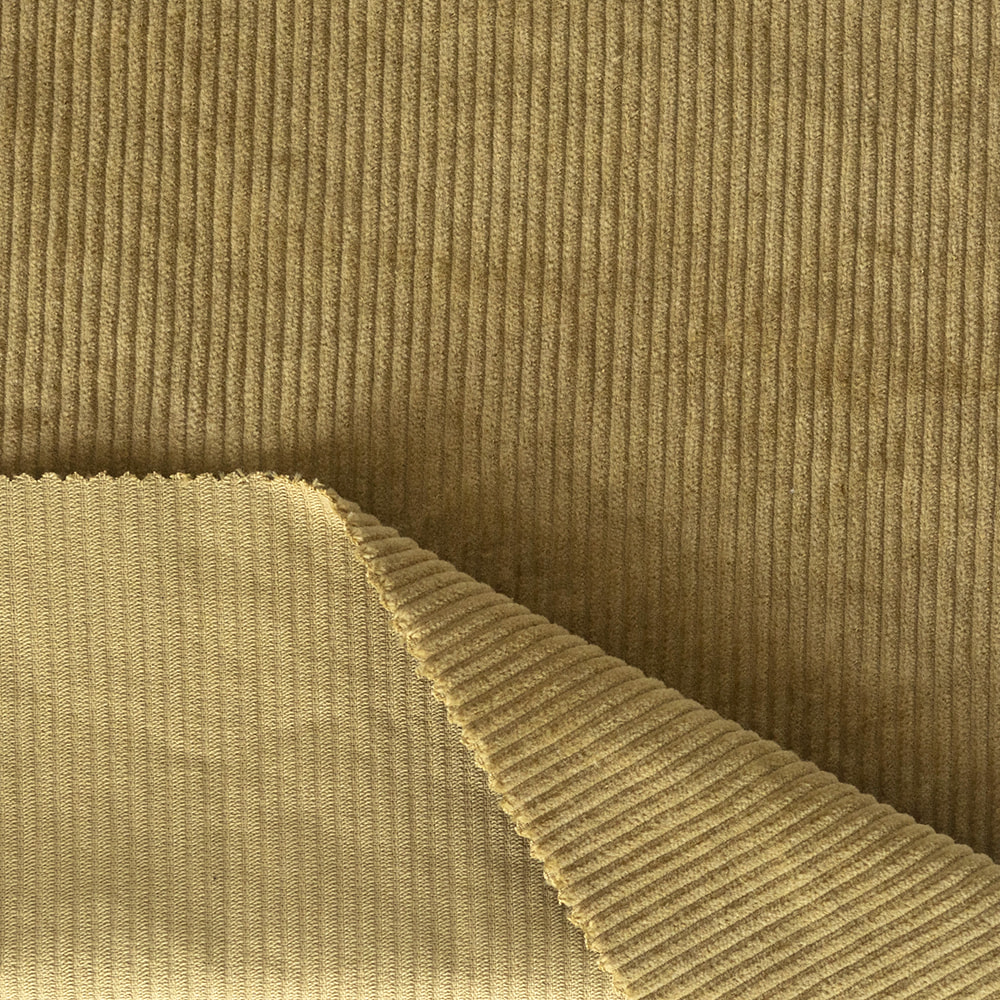
 3.5W Wear-Resistant Non-Stretch Thick Cotton CorduroyPure cotton corduroy for autumn and winter apparel, hats, footwear and upholstery; its non-stretch, wear-resistant build stays durable without elastane.View Product →
Recyclers work from batches, and what matters is knowing what is inside the bale: fibre composition to a stated tolerance, elastane content, dye class, finish type and any substances of concern. Regulation is pushing in the same direction. EU member states have separate textile collection obligations in place, extended producer responsibility schemes in France and the Netherlands already modulate fees by design criteria, and the digital product passport under the Ecodesign for Sustainable Products Regulation is expected to require composition data to travel with the product.
In practice this favours mills that weave, cut, dye and finish on one site, because they can hold a batch to a declared composition far more easily than a trader buying greige from three sources. That is the argument behind vertically integrated corduroy producers such as CLDCLOTH, where product data and process data are generated by the same team.
Regenerated cellulose brings its own paper trail. If a fabric is sold as a sustainable blend, ask which cellulose it contains and whether the pulp is certified; rayon-cotton corduroy, for instance, is positioned as a sustainable fashion material, but its recycling story depends entirely on whether the viscose and the cotton can be processed together (rayon-cotton corduroy).
Buyers who ask these six questions before the first metre is woven usually find that a recycled-content target is reachable without changing how the fabric looks or wears. Buyers who ask after delivery usually find the opposite, and by then the only remaining lever is the price they are willing to absorb.
Please feel welcome to contact our friendly reception staff with any general call us

+86 139 6116 7127

Email: cloud@jacquardcloth.com

Textile Industry Zone, East Hutang Town, Wujin District,213100 Changzhou,China
