

 English
 日本語
日本語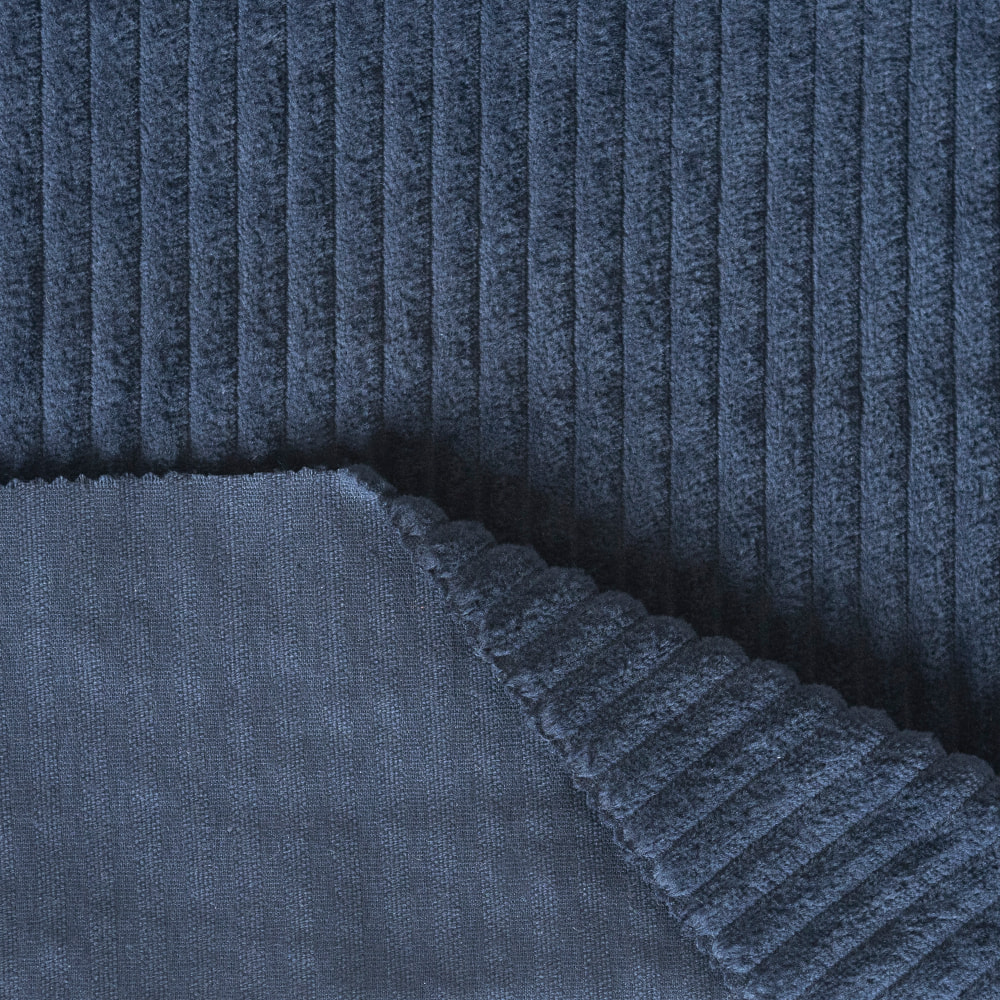


Get Directions
Textile Industry Zone, East Hutang Town, Wujin District,213100 Changzhou,China
Content
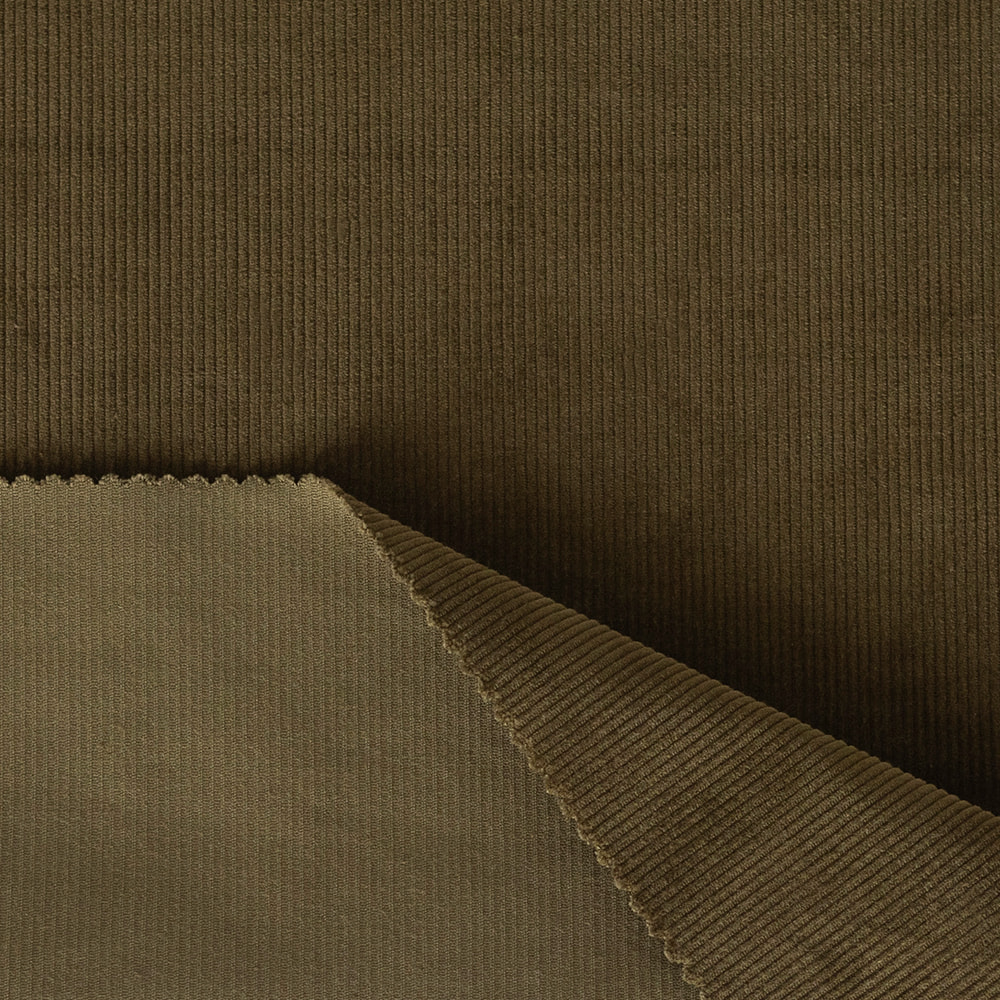
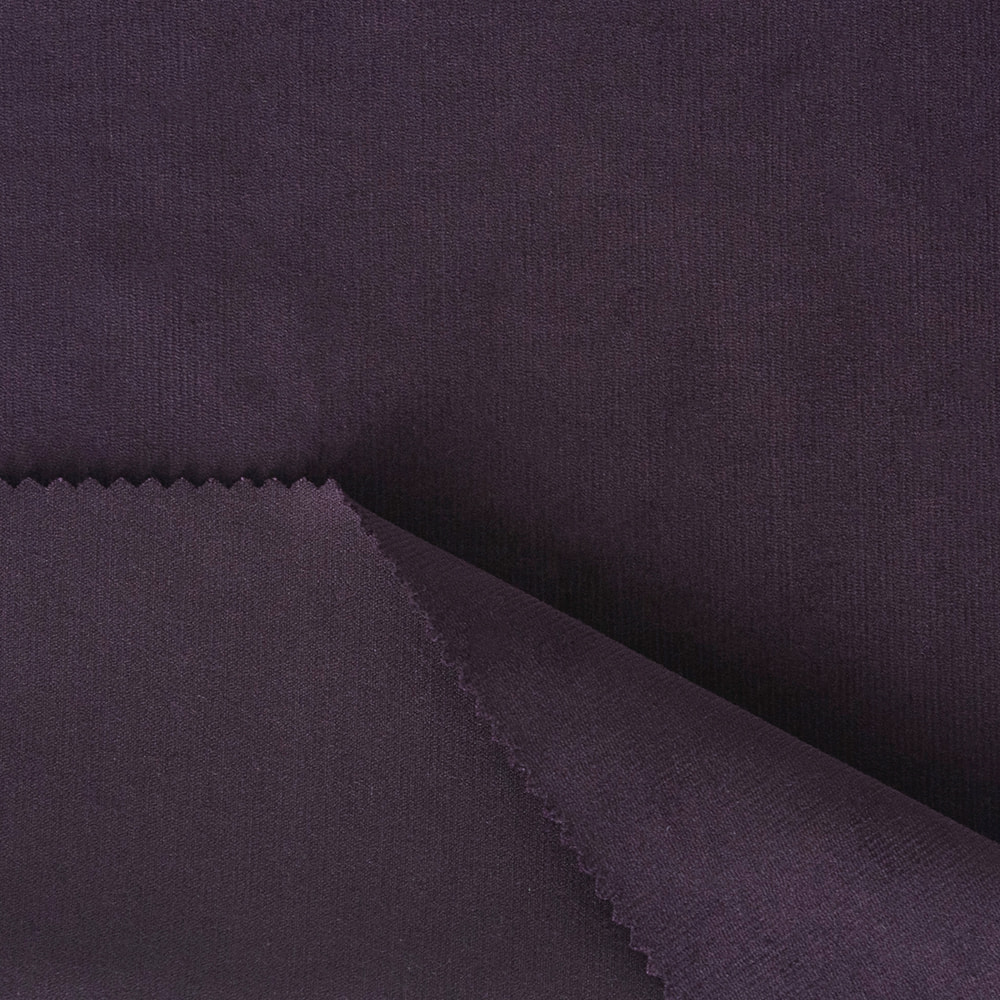
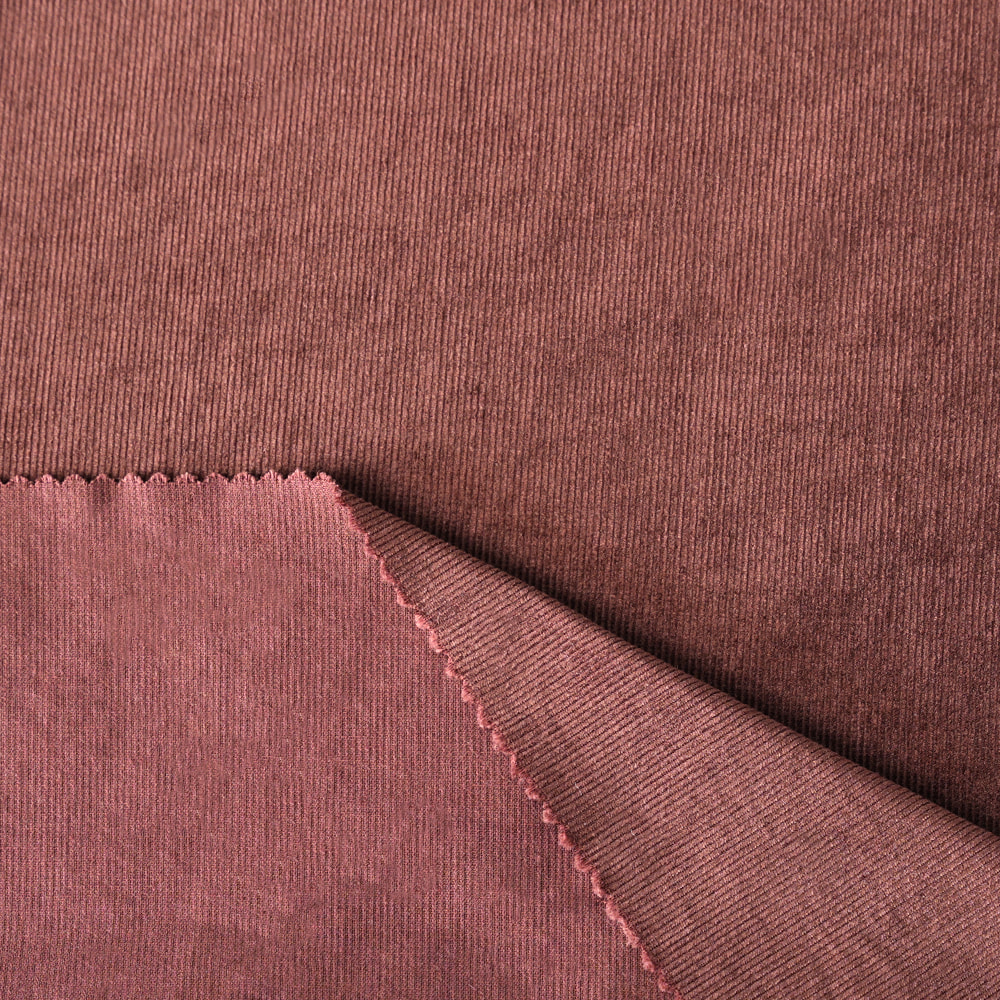
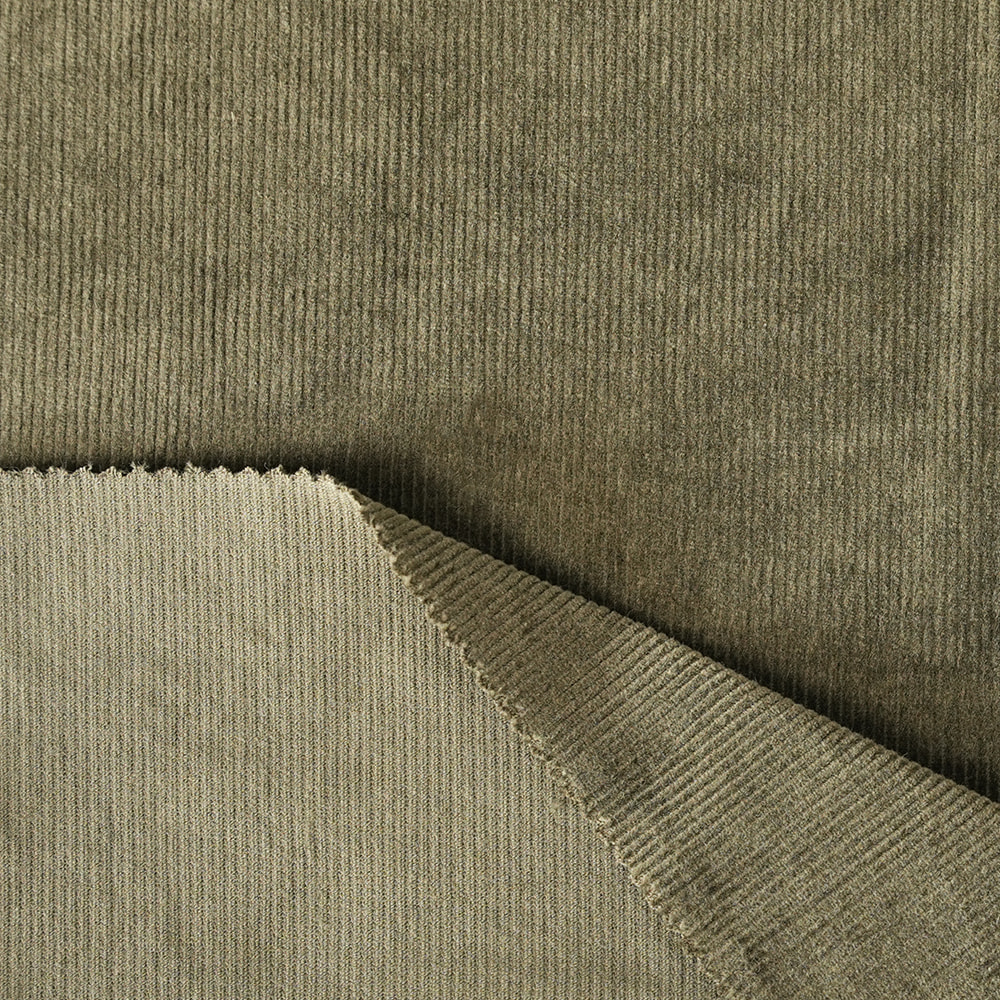
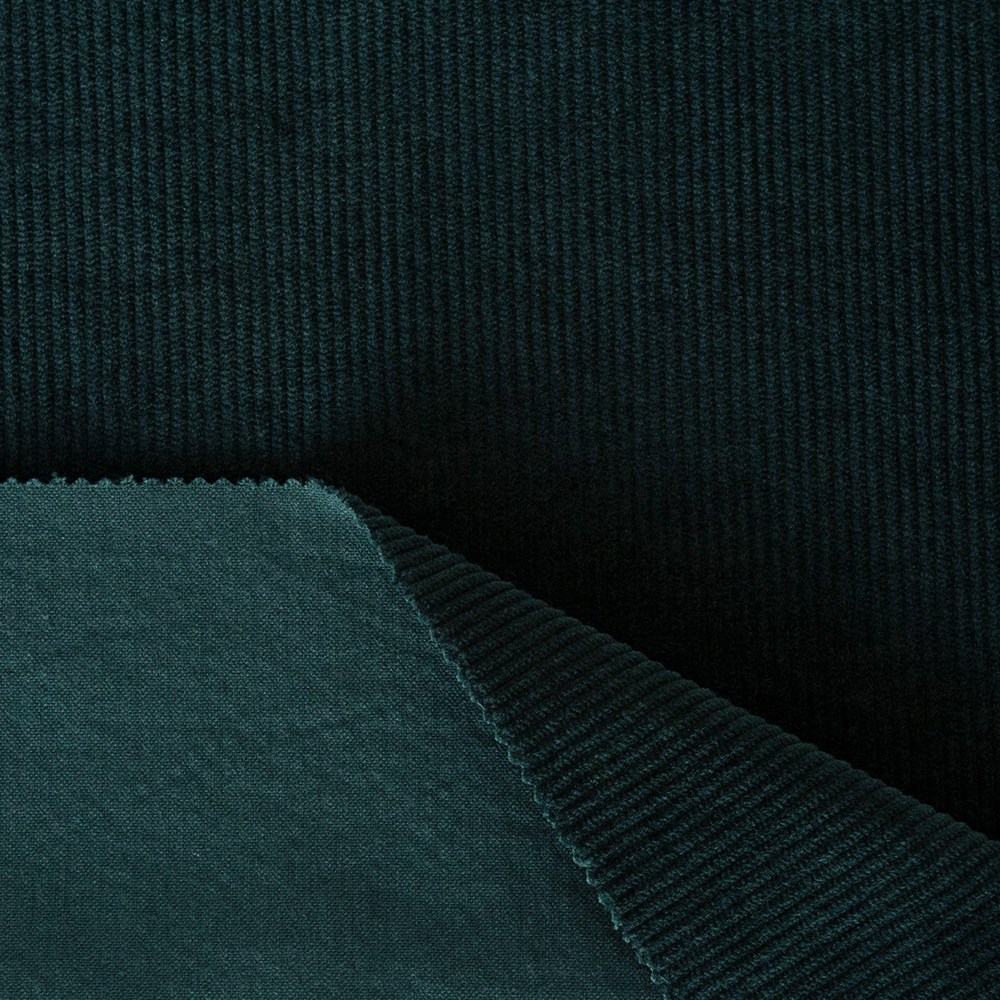
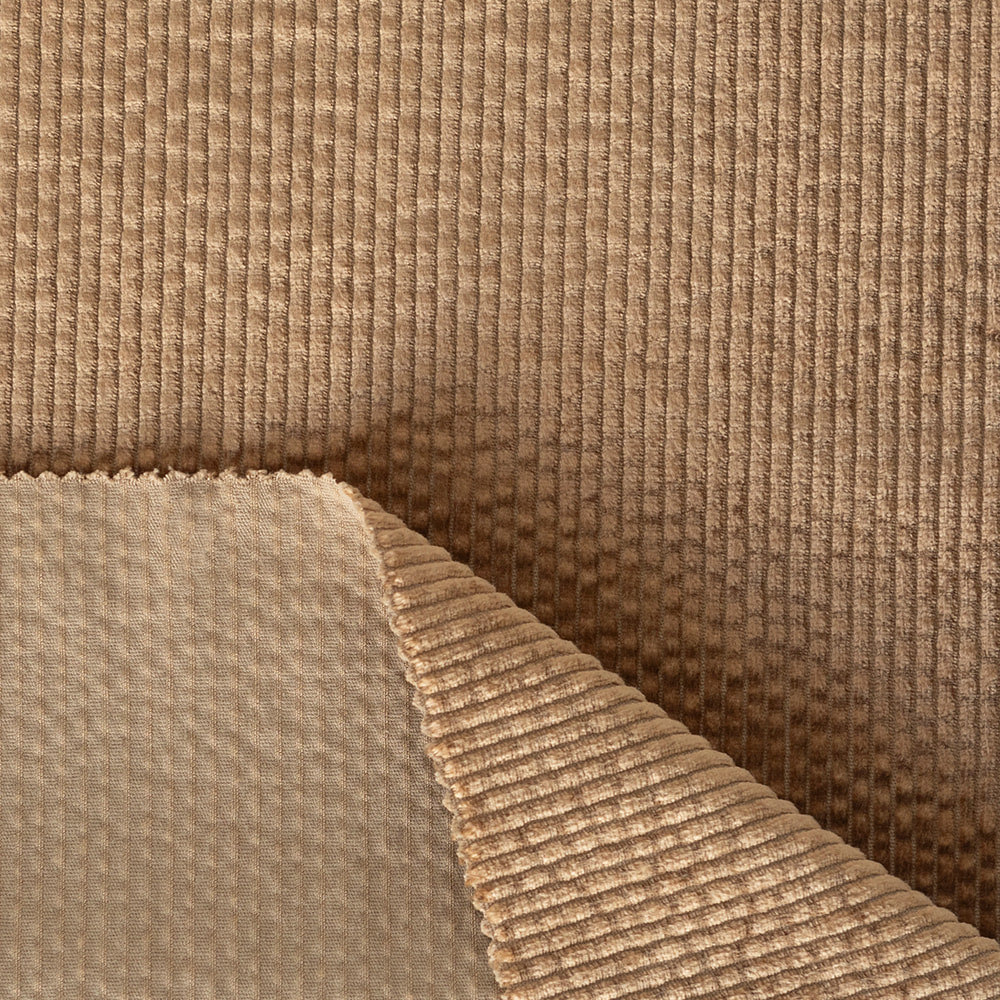
Double weave corduroy fabric represents a significant evolution in textile engineering, offering enhanced durability and thermal insulation compared to standard single-weave variants. This fabric is constructed by weaving two layers of cloth simultaneously, which are then cut apart to create the characteristic raised ribs or "wales." This dual-layer construction results in a fabric that is up to 30% heavier and more resilient than traditional corduroy, making it ideal for high-wear applications.
The unique manufacturing process ensures that the pile is securely anchored into the base fabric, reducing shedding and improving longevity. Unlike printed textures, the ribbed effect of double weave corduroy is structural, providing a tactile depth that adds luxury to both garments and home furnishings. Its ability to retain shape while offering substantial warmth makes it a preferred choice for autumn and winter collections.
The interlocking nature of the double weave structure provides exceptional resistance to abrasion. In upholstery, this translates to a higher rub count, often exceeding 25,000 double rubs, which is suitable for commercial use. For clothing, it means pants and jackets maintain their integrity even after frequent washing and wearing, resisting knee bagging and elbow wear.
The dense pile and thick base layer trap air effectively, creating a natural barrier against cold. Double weave corduroy can provide 20-25% better thermal retention than standard cotton twills. This makes it an excellent material for lined jackets, heavy trousers, and winter accessories like hats and bags.
The cutting process creates sharp, well-defined ribs that catch light beautifully, adding visual interest to solid colors. The fabric drapes with a substantial weight, giving garments a structured, high-quality look. In interior design, it adds a sense of coziness and sophistication to sofas, armchairs, and curtains.
| Feature | Double Weave Corduroy | Standard Corduroy |
|---|---|---|
| Weight | Heavy (300-400 gsm) | Medium (200-300 gsm) |
| Durability | High | Moderate |
| Warmth | Excellent | Good |
| Cost | Higher | Lower |
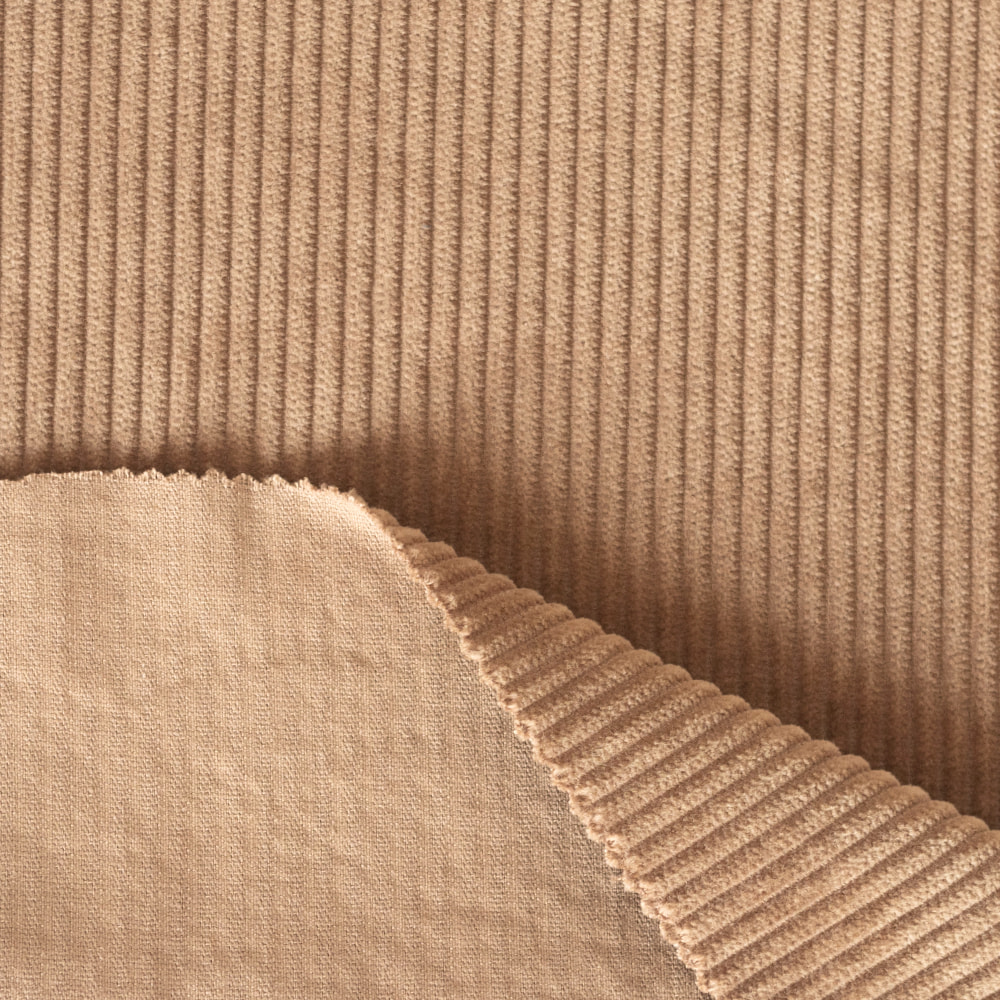
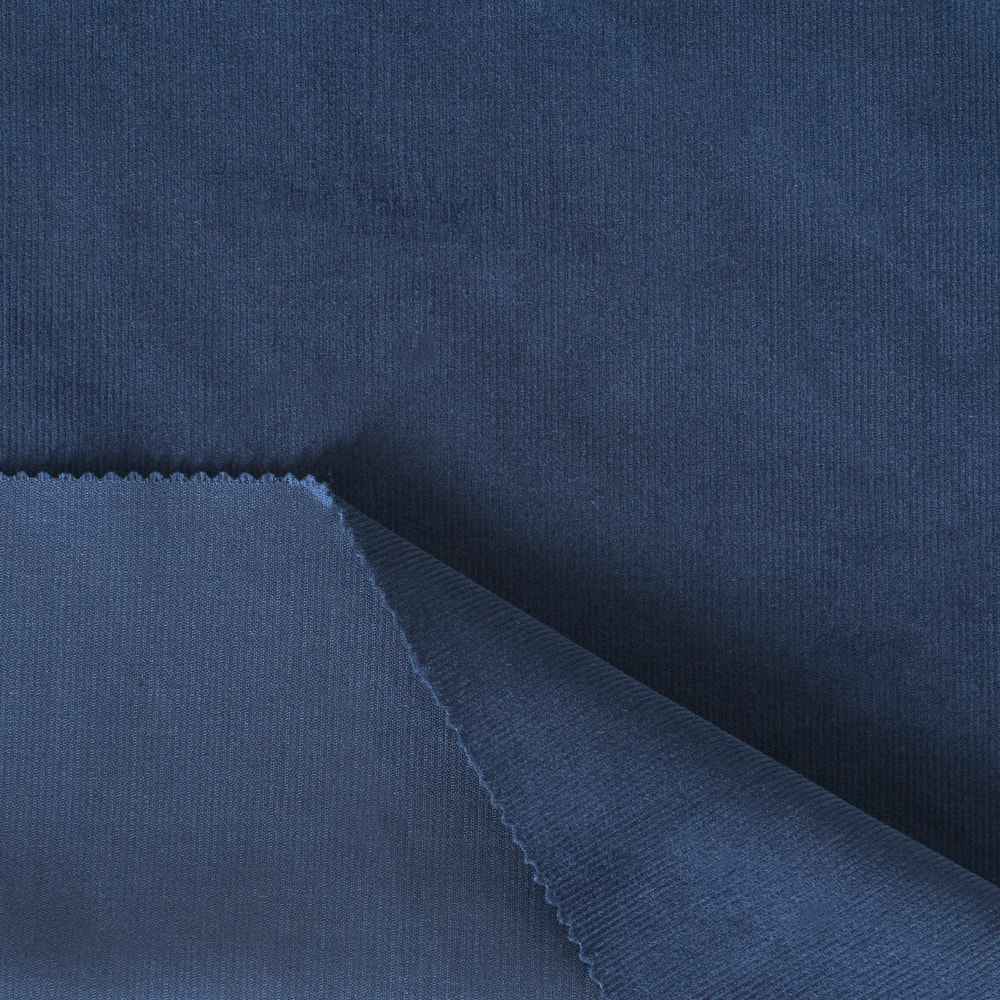
Fine wale corduroy features closely spaced ribs, typically 16-21 wales per inch. This texture is softer and more flexible, making it suitable for shirts, lightweight trousers, and children's clothing. In double weave constructions, pinwale offers a refined look that mimics velvet while maintaining the durability of corduroy.
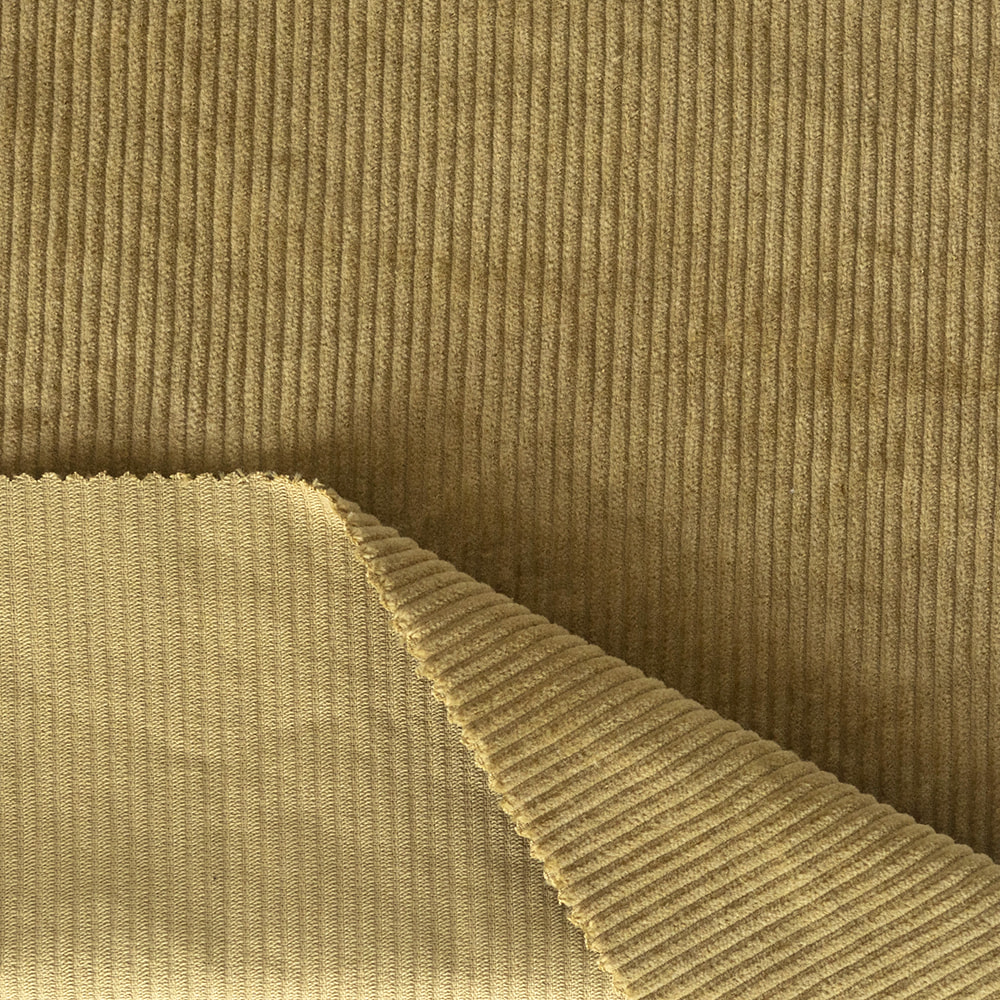
The most common variety, medium wale (11-15 wales per inch), strikes a balance between durability and comfort. It is the standard choice for jeans, jackets, and casual upholstery. The ribs are distinct enough to provide texture but not so wide as to appear bulky.
Wide wale corduroy has fewer, broader ribs (3-10 wales per inch). This style is bold and rustic, often used for heavy coats, furniture, and decorative pillows. Double weave wide wale is particularly robust, making it ideal for high-traffic areas in homes or commercial spaces.
To preserve the pile and prevent crushing, wash double weave corduroy inside out in cold water. Use a gentle cycle and mild detergent. Avoid bleach, which can weaken fibers and cause discoloration. Tumble dry on low heat or air dry to prevent shrinkage and maintain the fabric's shape.
Never iron corduroy directly on the right side, as this will flatten the ribs permanently. Instead, turn the garment inside out and iron on a low setting, or use a steamer to remove wrinkles. Steaming is preferred as it lifts the pile and restores the fabric's natural texture without applying direct pressure.
The durability of double weave corduroy contributes to sustainability by extending the lifespan of products. Garments and furniture made from this fabric do not need to be replaced as frequently, reducing textile waste. Investing in high-quality corduroy can reduce replacement frequency by up to 50% compared to cheaper alternatives.
Many double weave corduroys are made from 100% cotton or organic cotton, which are biodegradable and renewable. Choosing natural fibers over synthetic blends reduces microplastic pollution during washing. Look for certifications like GOTS (Global Organic Textile Standard) to ensure environmentally responsible production.

Please feel welcome to contact our friendly reception staff with any general call us

+86 139 6116 7127

Email: cloud@jacquardcloth.com

Textile Industry Zone, East Hutang Town, Wujin District,213100 Changzhou,China
