

 English
 日本語
日本語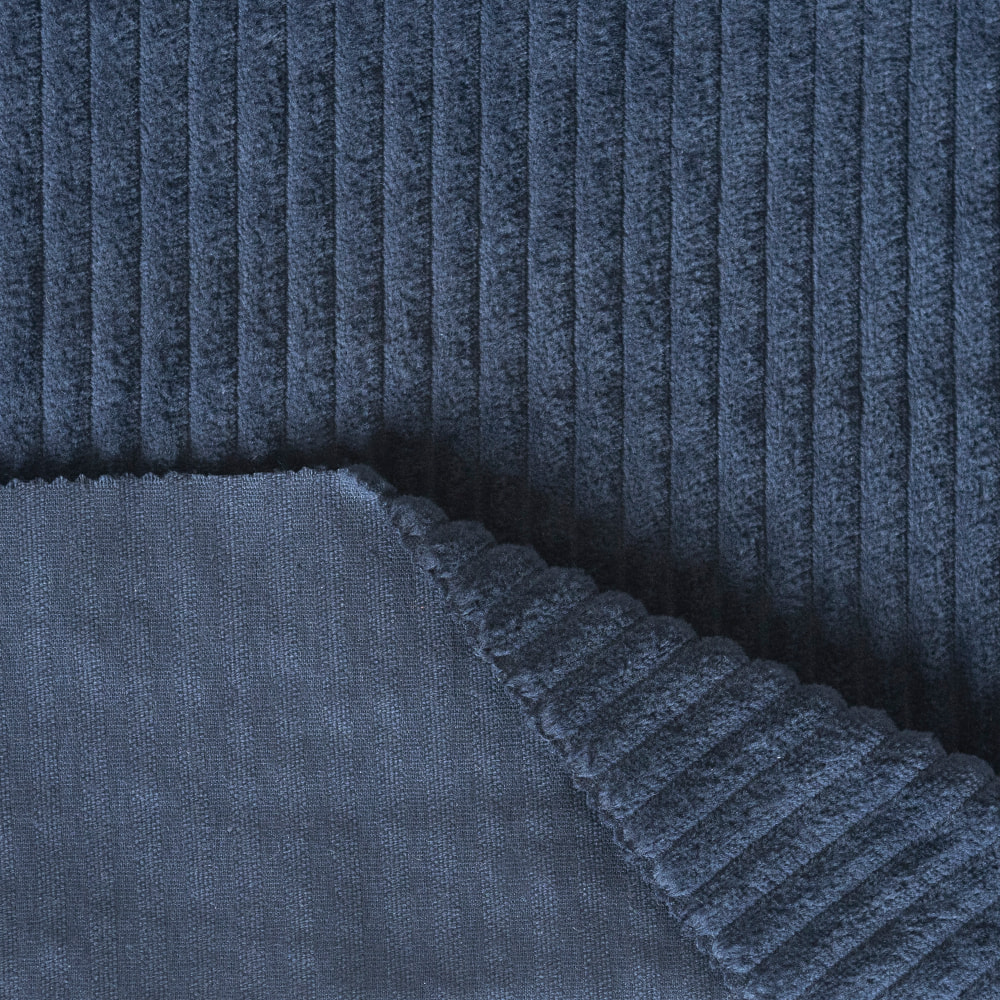


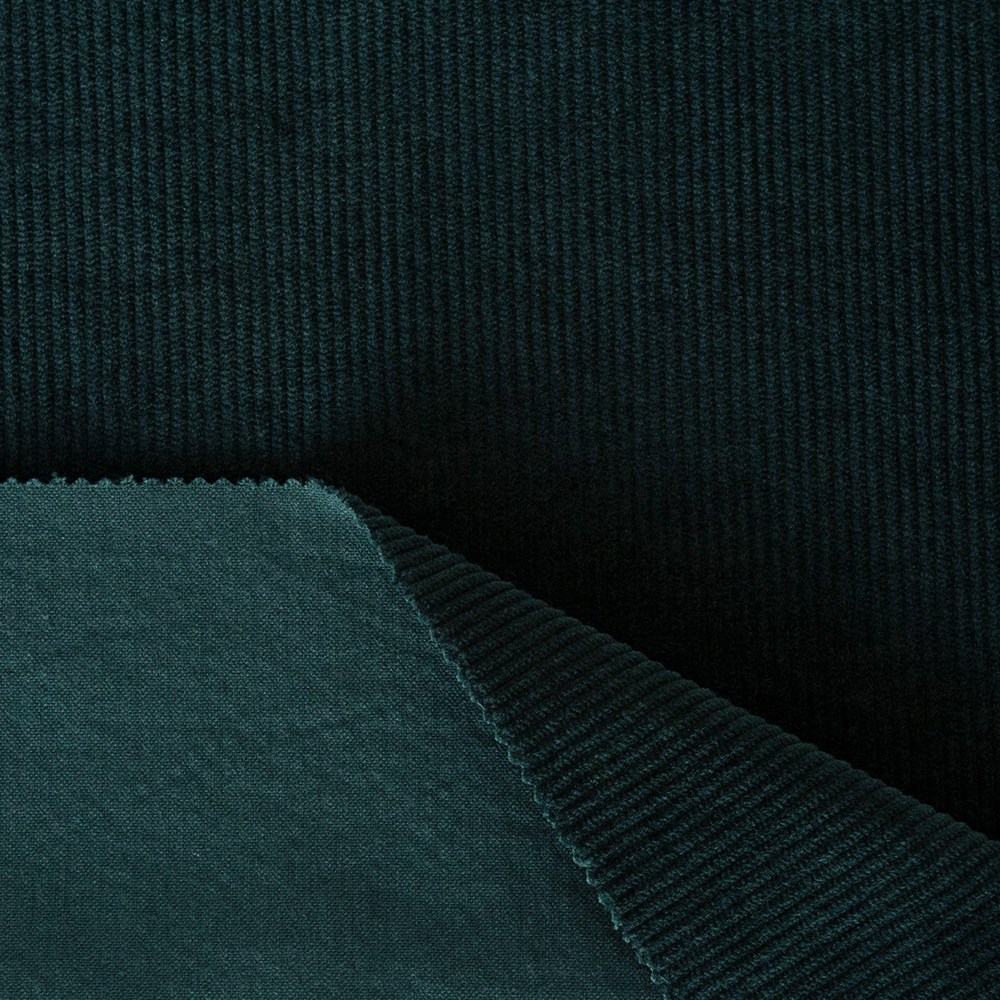
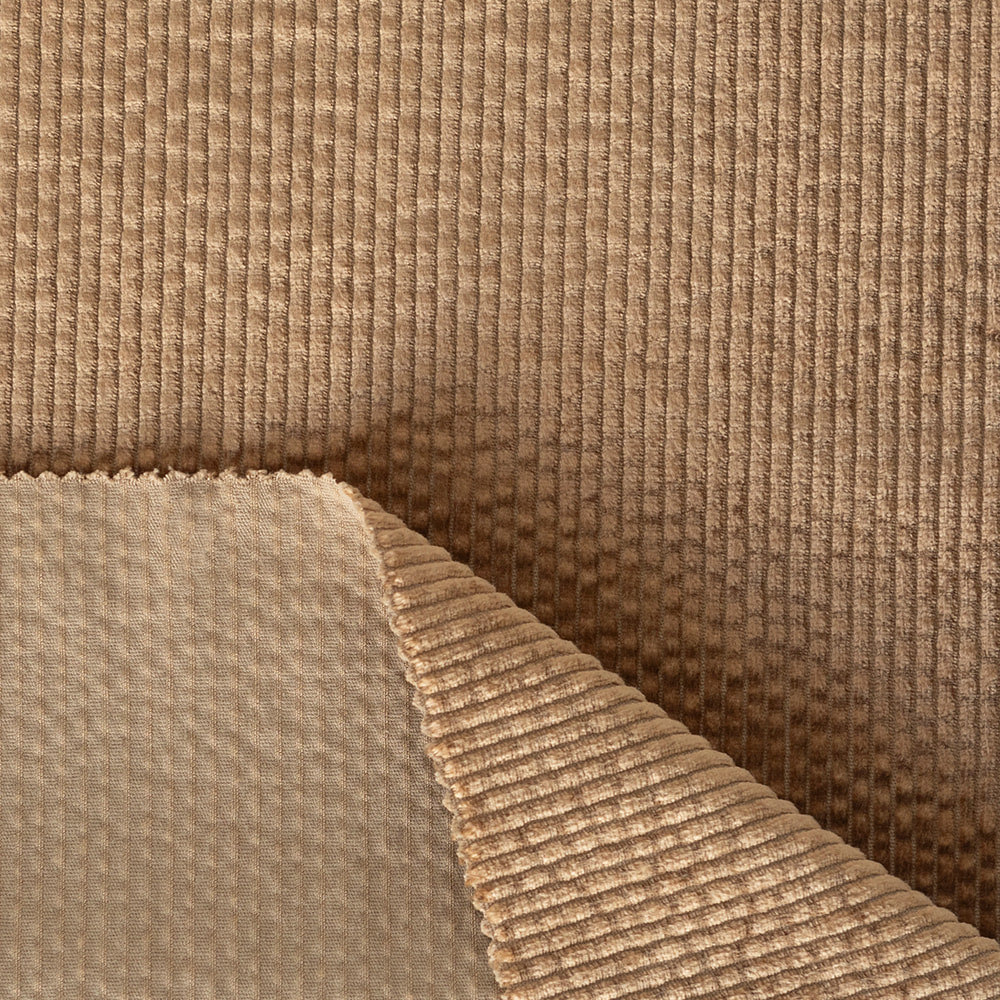
Get Directions
Textile Industry Zone, East Hutang Town, Wujin District,213100 Changzhou,China
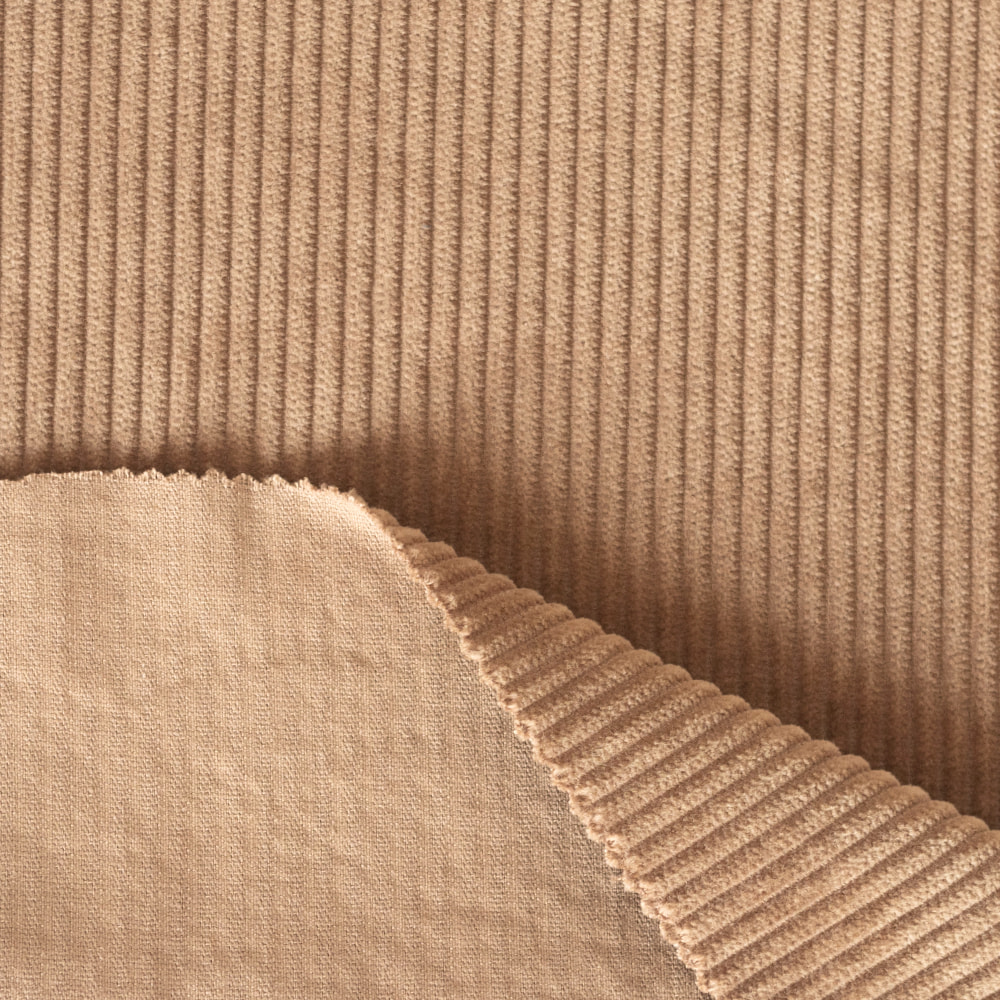
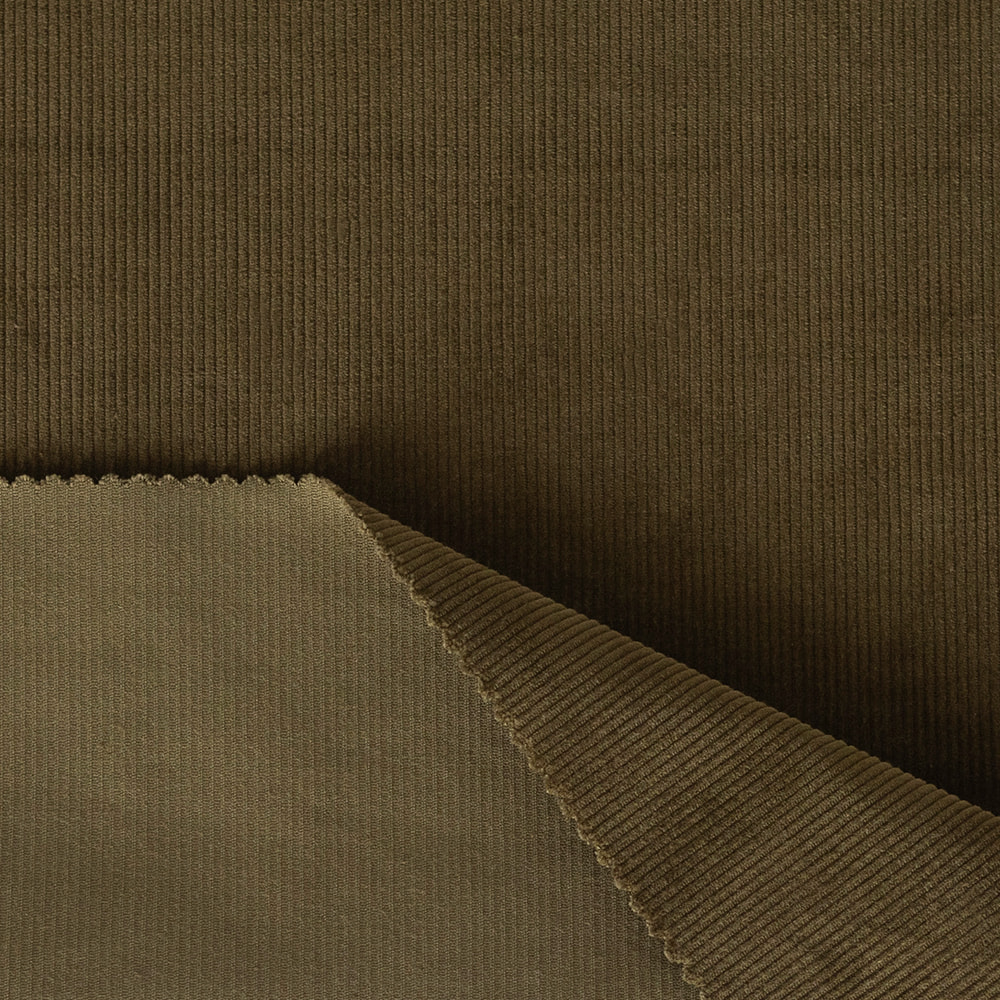
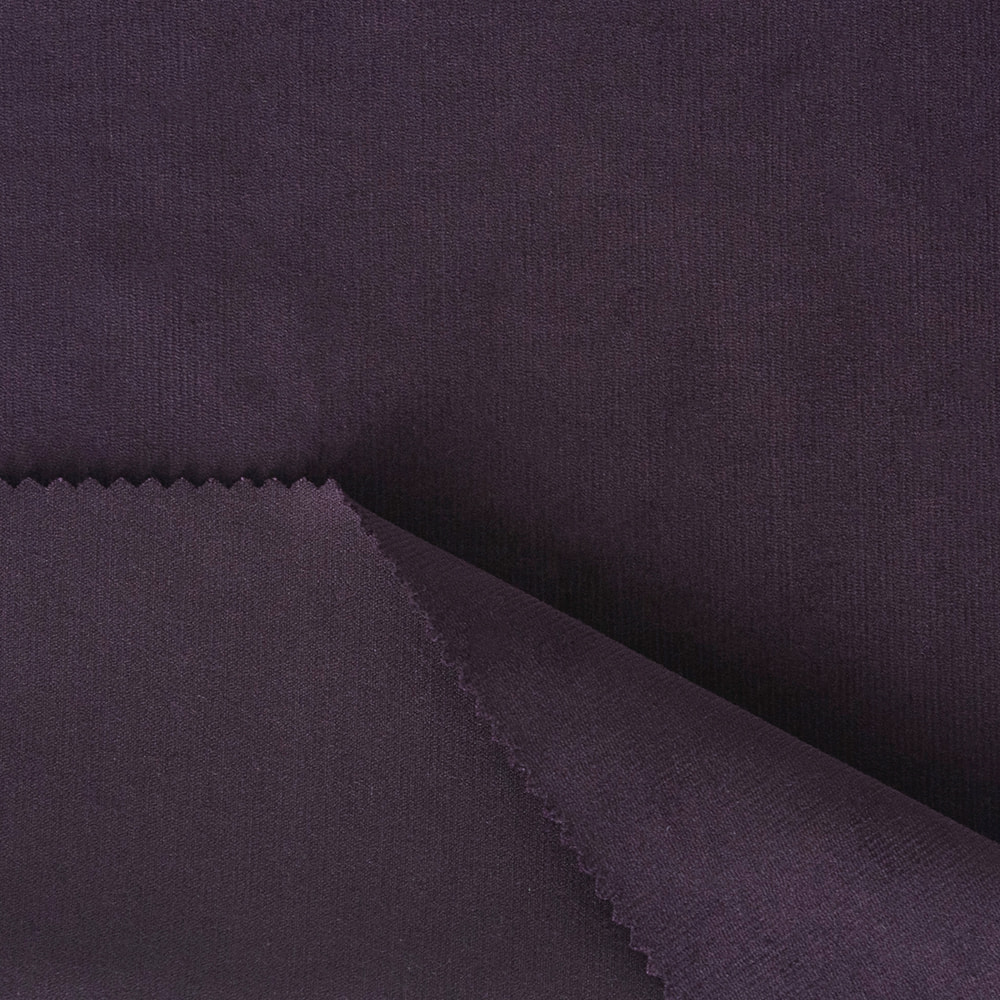
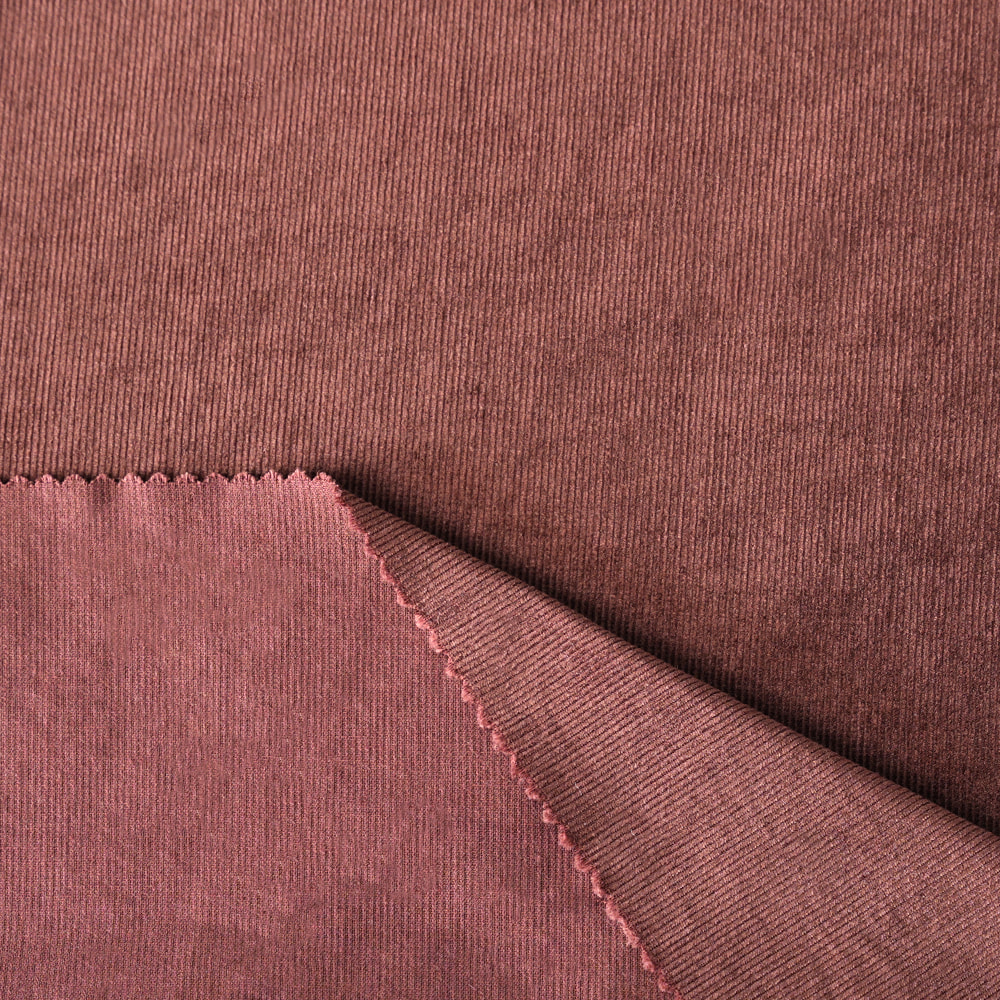
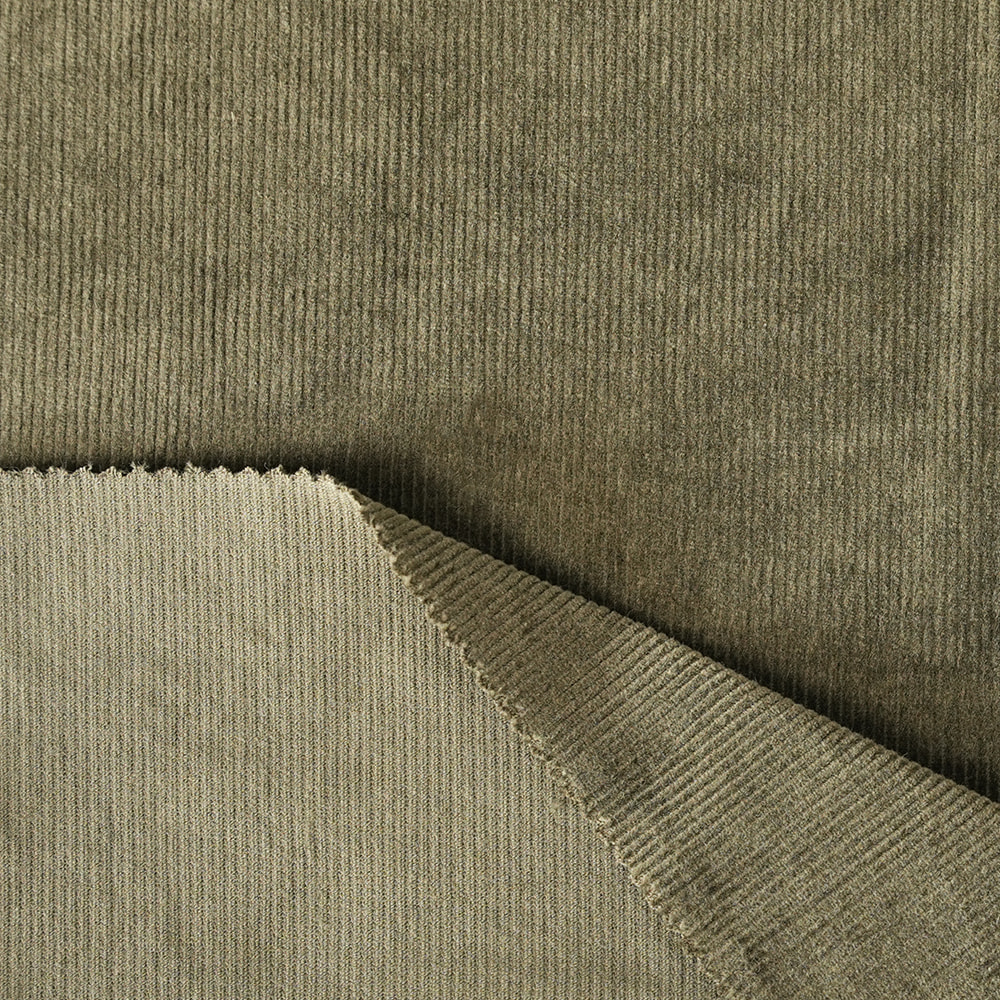
Pick up a swatch of brown corduroy and you immediately understand why this fabric has stayed relevant for centuries. The raised ridges catch the light differently depending on which direction you stroke them, the hand feel is simultaneously soft and structured, and the color carries that warm, earthy depth that synthetic fabrics struggle to replicate. Brown corduroy is not a trend — it is a textile constant, and understanding what makes corduroy fabric work helps explain why.
Content
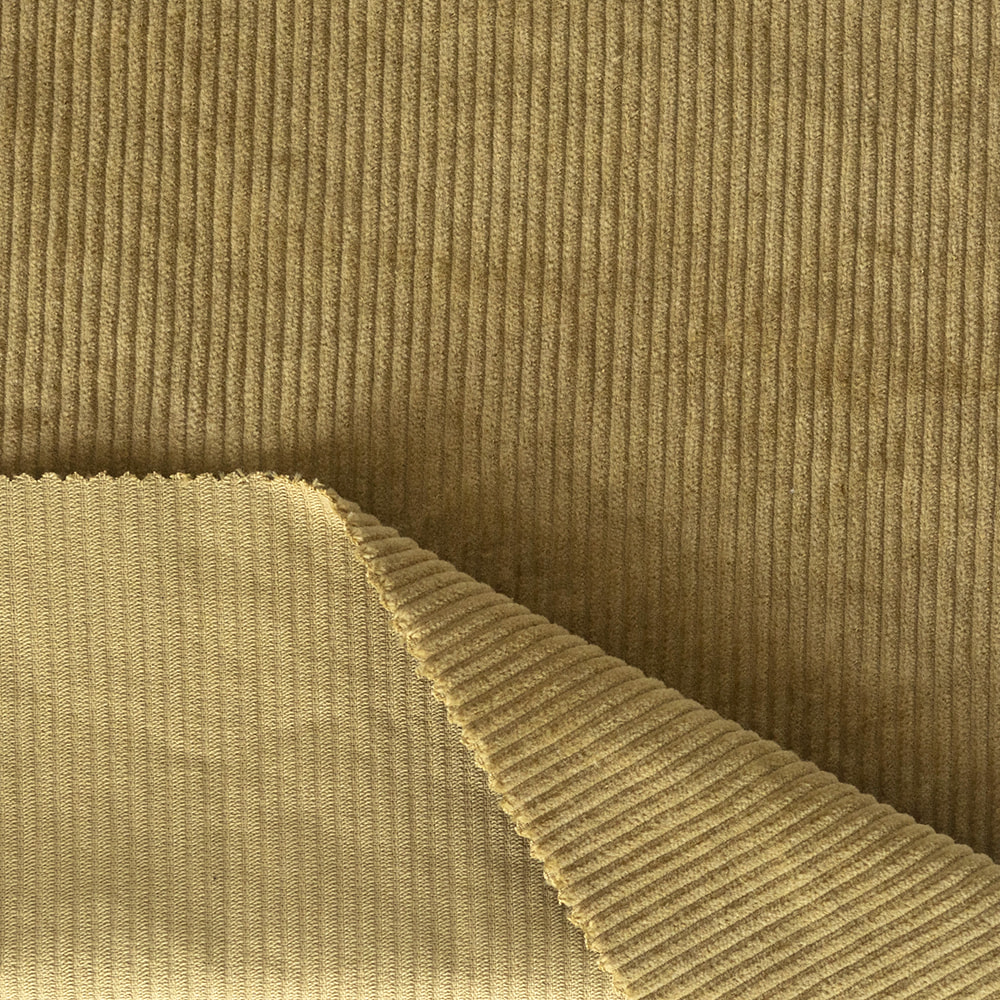
Corduroy's defining feature is its ribbed surface, formed by a construction method unlike any other woven fabric. Three separate yarns are involved: two create the base plain or twill weave, while a third — the pile yarn — is interwoven in the filling direction, floating over at least four warp yarns at a time. Once the base fabric is complete, industrial blades sever these float yarns. The cut ends are then brushed and singed to produce soft, uniform ridges that run parallel to the selvage edge.
These ridges are called wales, and the wale count — measured as the number of ridges per inch — is the single most important specification when evaluating a corduroy fabric. A lower wale number means thicker, more prominent ridges. A higher number means finer, denser ridges with a smoother overall appearance. This one metric determines the fabric's weight, drape, texture, and suitable end use.
Several properties distinguish corduroy from other pile fabrics, making it a preferred choice for both apparel and home textile applications.
Brown is corduroy's natural home. Earth tones were among the earliest colors used in corduroy production, partly because the fabric's original function was practical workwear where neutral, soil-resistant colors made operational sense. That utilitarian origin has since evolved into a genuine aesthetic identity.
In modern fashion, brown corduroy occupies a comfortable position between casual and elevated. It pairs with cream, olive, rust, and navy without effort, and its warm undertone photographs well across both natural and studio lighting. Brands targeting the vintage and sustainable fashion segments have driven renewed demand for brown corduroy specifically — the color reinforces the fabric's association with longevity and natural materials.
One production method makes brown corduroy especially distinctive: pigment dyeing. Rather than dyeing the yarn before weaving, manufacturers apply pigment dye to the finished fabric surface. The result is an irregular, slightly mottled color distribution that becomes more defined with each wash. No two pieces are identical. For brown corduroy, this process produces tonal variations that shift between warm amber, deep chestnut, and rich espresso within the same piece of fabric. Sourcing yarn-dyed corduroy fabric with superior color consistency offers an alternative when uniform, stable color across large production runs is the priority.
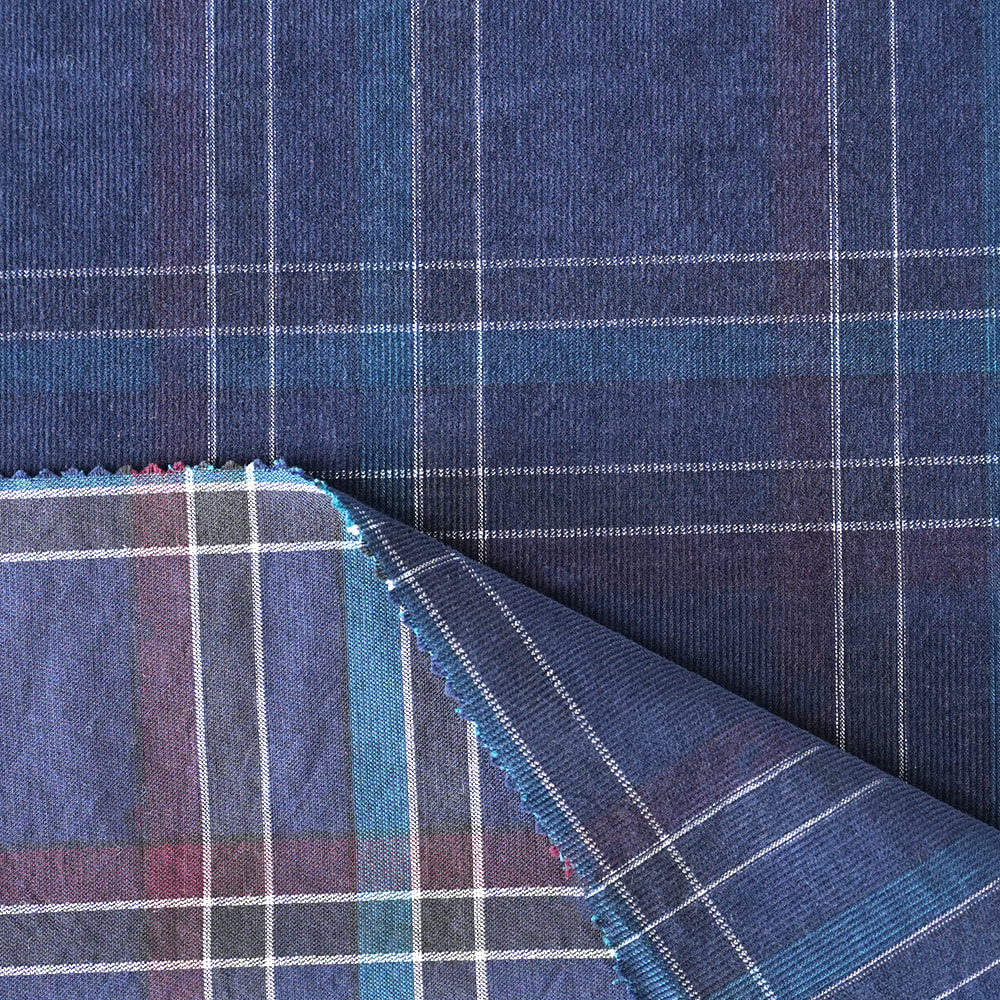
Selecting the correct wale count is a sourcing decision with direct consequences for garment performance, customer experience, and manufacturing complexity. The table below maps the most common wale specifications to their practical applications.
| Wale Count | Type | Texture Profile | Best Applications |
|---|---|---|---|
| 1.5–6W | Elephant / Jumbo Cord | Bold, deeply ridged; heavy weight | Statement outerwear, upholstery, bags |
| 6–8W | Wide Wale | Chunky texture; strong visual presence | Jackets, coats, cushion covers |
| 8–13W | Standard Wale | Medium ridges; balanced weight and drape | Trousers, skirts, casual blazers |
| 14–16W | Narrow Wale | Fine ridges; lighter hand feel | Shirts, dresses, lightweight pants |
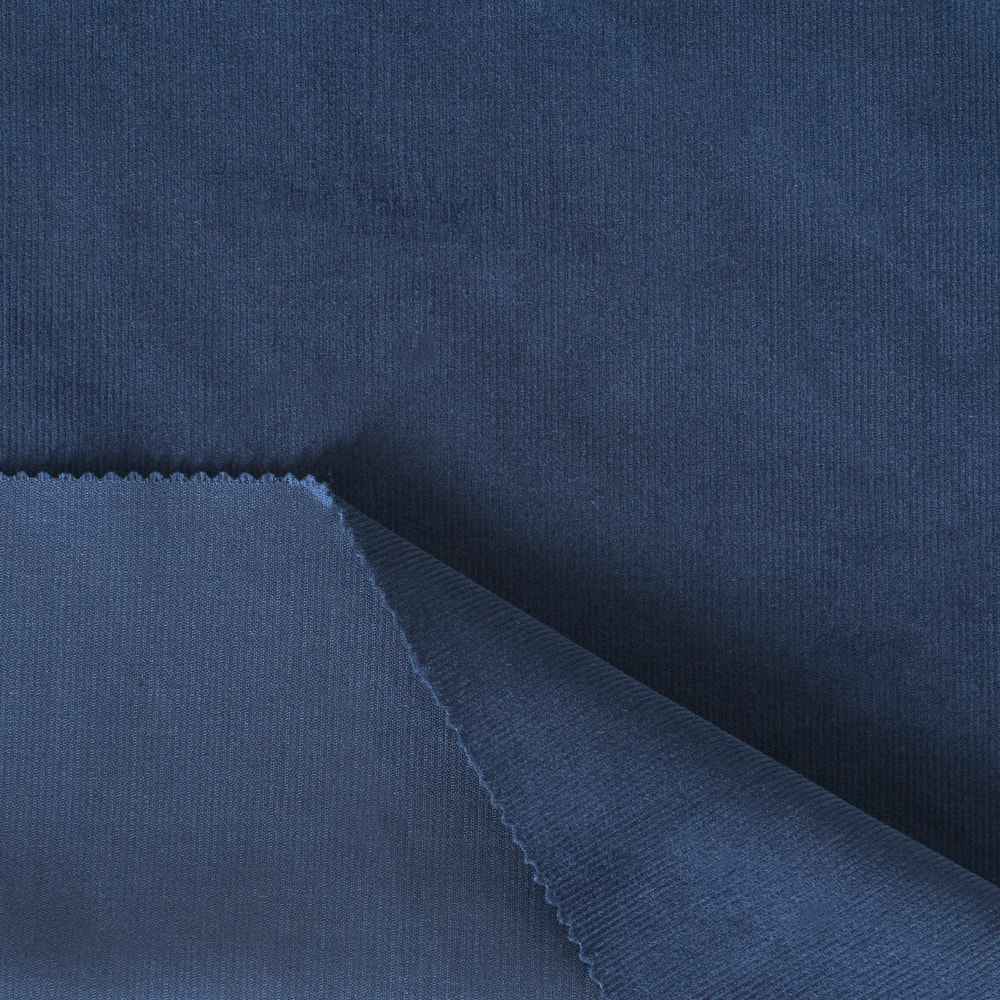
| 16–21W | Pinwale / Needlecord | Very fine; approaches velvet appearance | Children's wear, blouses, lined garments |
Standard wale corduroy — centered around 11 wales per inch — accounts for the majority of global production and is the reference point most buyers use when establishing quality benchmarks. Pinwale corduroy at 21W delivers a noticeably different product: lighter, more refined, with a surface texture that reads as luxurious rather than casual.
The base fiber determines how a corduroy fabric performs across the full product lifecycle — from cutting and sewing through end-consumer care and durability in use. Each composition presents a distinct performance profile.
100% Cotton remains the standard against which other compositions are measured. Cotton corduroy breathes well, dyes deeply, and softens with repeated washing. It is the default specification for buyers who prioritize natural fiber credentials and predictable production behavior. Pure cotton piece-dyed corduroy for structured garments is widely used for trousers and outerwear where structure is more important than stretch.
Cotton-Spandex blends — typically a 97/3 or 95/5 cotton-elastane ratio — introduce recovery stretch without compromising the fabric's visual character. The ridges remain well-defined while the fabric accommodates movement. This is the preferred specification for slim-fit corduroy trousers and fitted jackets. Buyers can review stretch cotton-spandex corduroy with added flexibility for garments where ease of movement is a core performance requirement.
Tencel-Cotton blends offer a different handling characteristic: the Tencel fiber introduces a subtle silkiness and improved moisture management, making the fabric feel lighter against the skin than its weight suggests. Tencel-cotton corduroy fabric for lightweight drape works particularly well for spring-season garments where the aesthetic of corduroy is desired without full winter weight.
Modal-Cotton and Rayon-Cotton blends prioritize softness and fluid drape. Modal fiber is notably gentle against sensitive skin, expanding the fabric's appeal into categories such as loungewear and children's daywear where tactile comfort is the primary consideration.
For buyers with sustainability requirements or retail partners that require compliance documentation, sourcing fabrics certified to the OEKO-TEX Standard 100 harmful-substance testing criteria provides a verified baseline for chemical safety across all fiber types.
Brown corduroy's application range is broad. In apparel, it covers trousers, jackets, overshirts, skirts, and children's clothing. In home textiles, the fabric appears in cushion covers, upholstered headboards, and decorative throws — applications where its textural richness adds visual weight without requiring pattern. For specialty projects, jacquard dobby corduroy for textured pattern designs introduces woven surface patterns that layer additional complexity over the standard wale structure.
Proper care preserves both the color and the pile integrity. The key practices are:
Brown corduroy that is washed and cared for correctly does not degrade — it deepens. The color softens gradually into a more complex, lived-in tone that many consumers actively prefer over the look of new fabric. This characteristic alone makes corduroy an unusually long-value proposition in a market where most fabrics look best only when new.
Please feel welcome to contact our friendly reception staff with any general call us

+86 139 6116 7127

Email: cloud@jacquardcloth.com

Textile Industry Zone, East Hutang Town, Wujin District,213100 Changzhou,China
